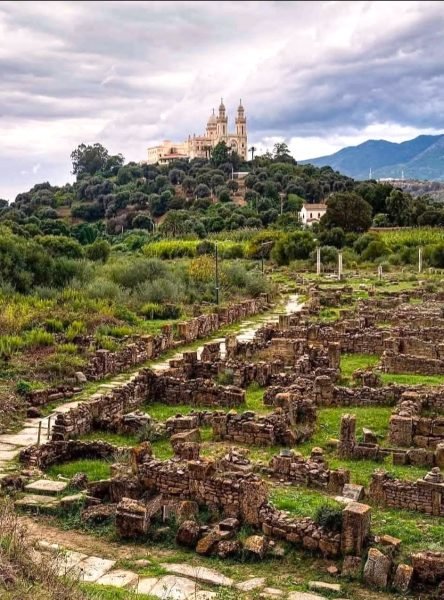
Can you imagine having a picnic in a forest, sitting on stones thousands of years old, feeling the sea breeze on your face, hiking, or maybe dipping your feet in the water, all within the walls of a museum? This is Tipaza.
Tipaza is an exposed gem, nourished by the sea breeze and nature itself. Very few cities offer what Tipaza does, stunning archaeological sites set directly on the shoreline, untouched, and embraced by wild landscapes.
But Tipaza doesn’t live in the past, it thrives in the present, in its fields of sunflowers and olive trees, in the scent of fig leaves carried on the wind, in places like Mount Chenoua, Chenoua Beach, the Golden Horn, the CET (Silver Horn), and many other places make Tipaza unique, it offers a perfect blend of culture, nature, and modern charm.
The Roman City Of Tipaza
“Tipaza” was already the name of this place long before the Romans arrived. Derived from the Berber word meaning “passage” or “crossing,” it perfectly reflects the city’s role as a coastal stop that welcomed Phoenicians, Romans, and early Christians over centuries. What began as a simple trading post blossomed into a thriving Roman city, complete with temples, theatres, bathhouses, and sea views.
The Grand Thermal Baths
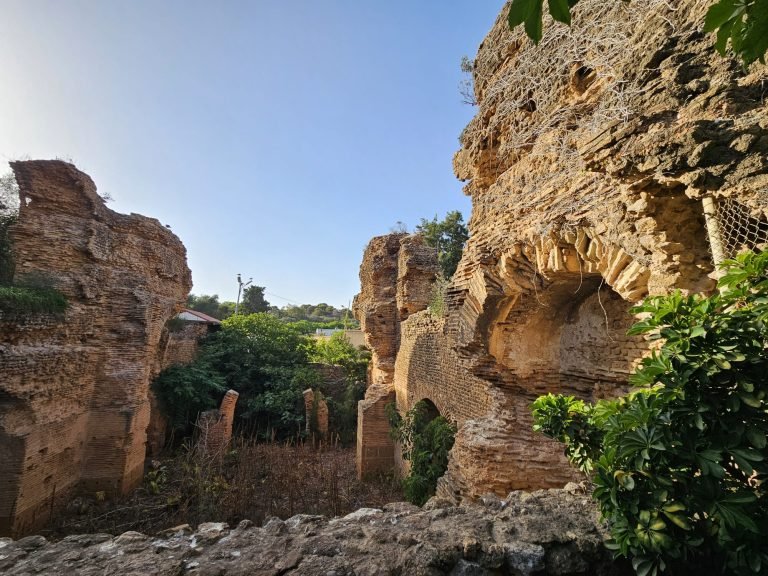
At the entrance to Tipaza’s site, the remains of the Grand Thermes reveal large stone basins, walls, and perhaps part of the hypocaust system that once heated the water. They were social hubs where people washed, gathered, relaxed, and caught up on daily gossip.
The Forum
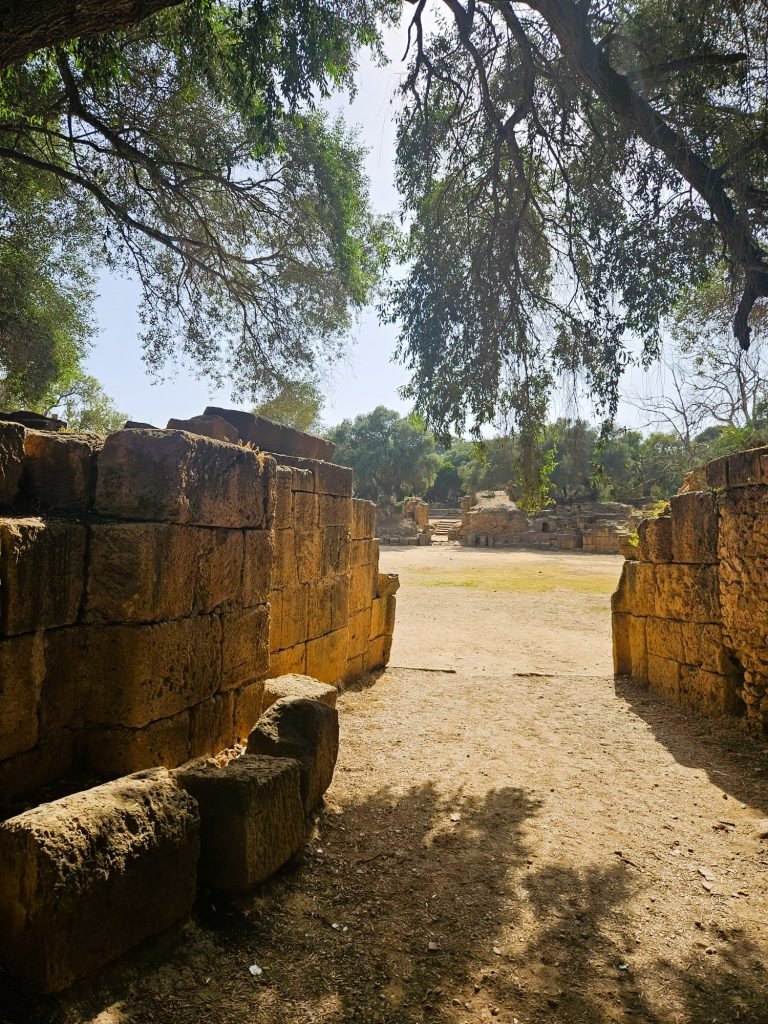
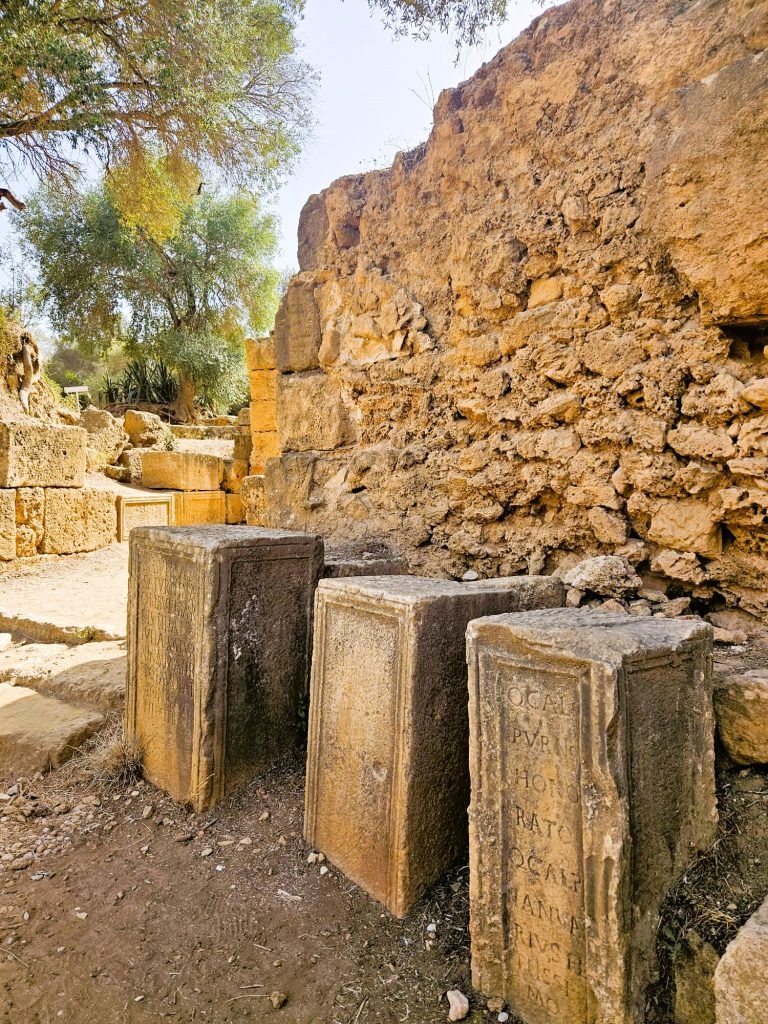
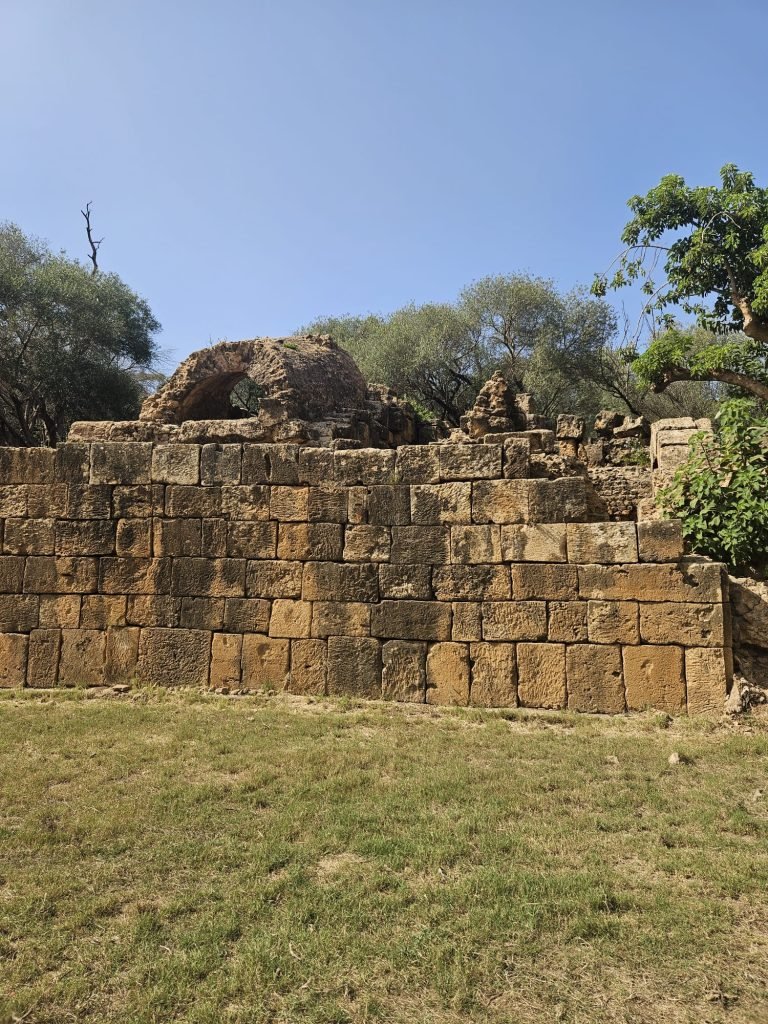
Just past the baths lies the Forum, the beating heart of Roman public life. Here, speeches were made, laws discussed, and business transacted. Scattered stones and inscriptions still remain. The forum connected the main roads of the city and was framed by official buildings and public monuments.
The Temples
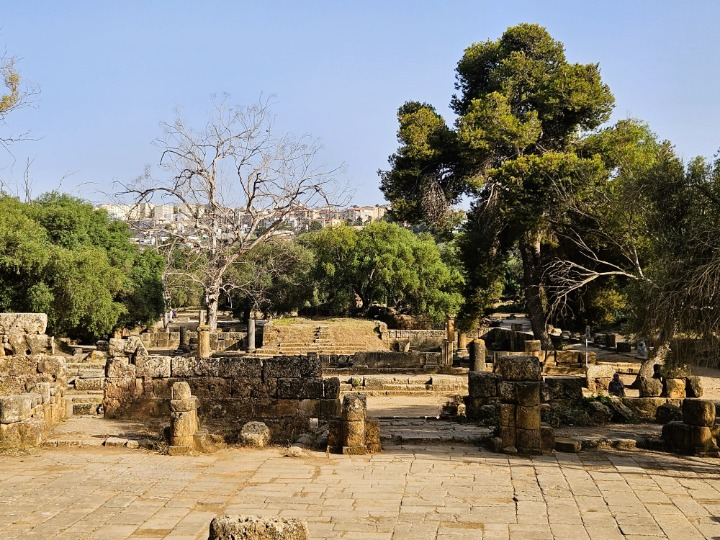
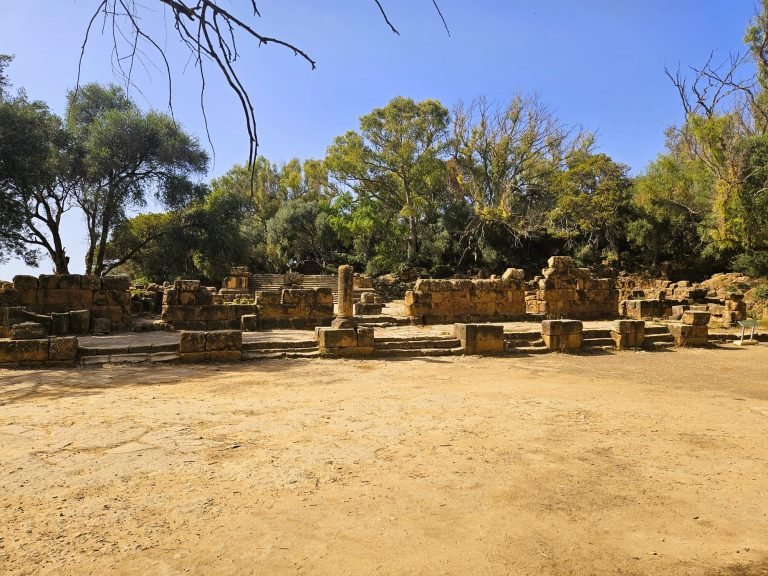
Tipaza had several temples dedicated to deities whose names are lost to time, but their grandeur still stands. The Anonymous Temple and the New Temple are located within the city ruins and would have been important centers of worship. Their stone columns and elevated platforms show how deeply religion was woven into everyday Roman life.
The Cardo and Decumanus Maximus
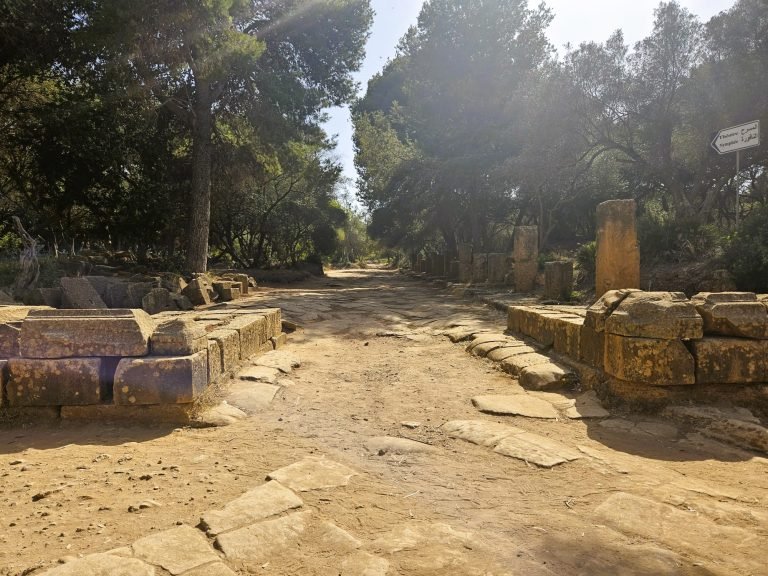
The Romans were excellent urban planners. Tipaza was laid out around two main streets, the Cardo Maximus (north-south) and Decumanus Maximus (east-west). You can still walk on their original paving stones, worn smooth by centuries of footsteps. These roads once guided carts, merchants, and citizens through their daily routines.
The Nymphaeum
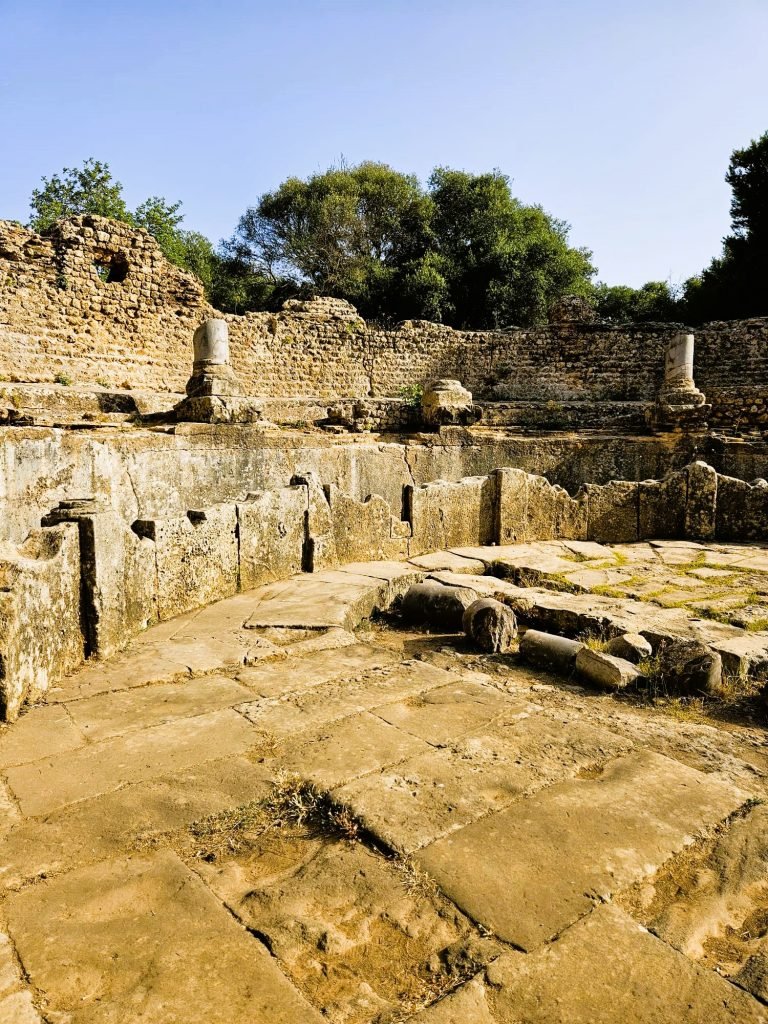
Not just any fountain, the Nymphaeum was a sacred spring dedicated to the nymphs, spirits of water and nature. Surrounded by beautiful architecture and placed near Roman villas, this fountain brought both beauty and spiritual meaning to daily life.
The Theatre
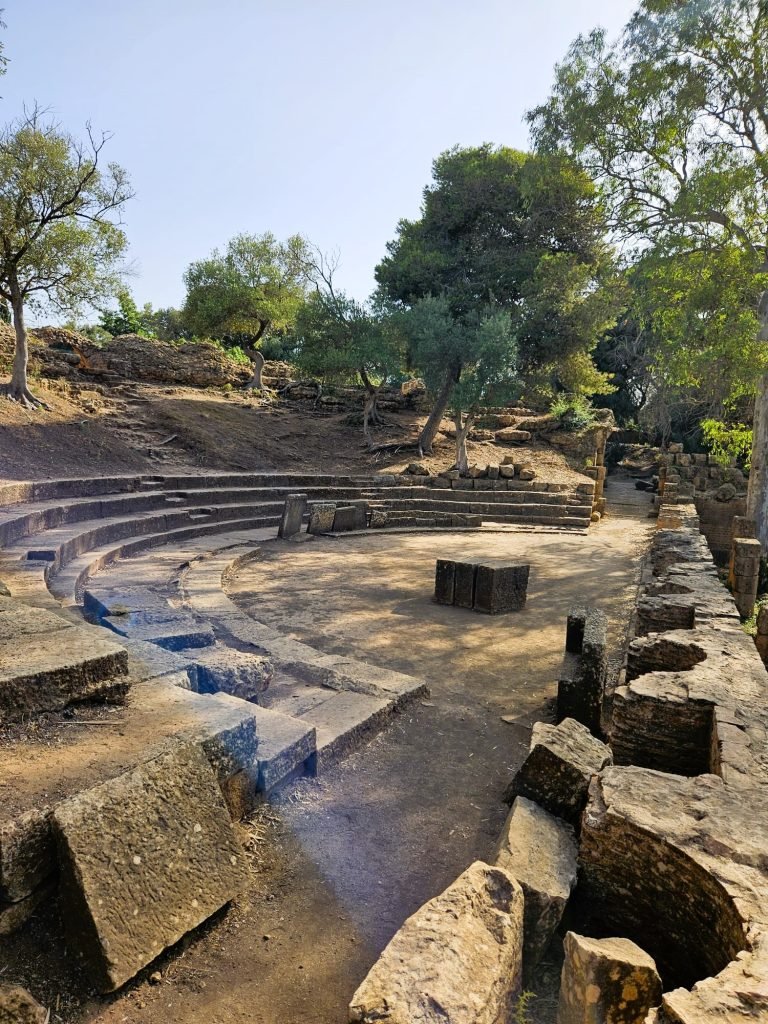
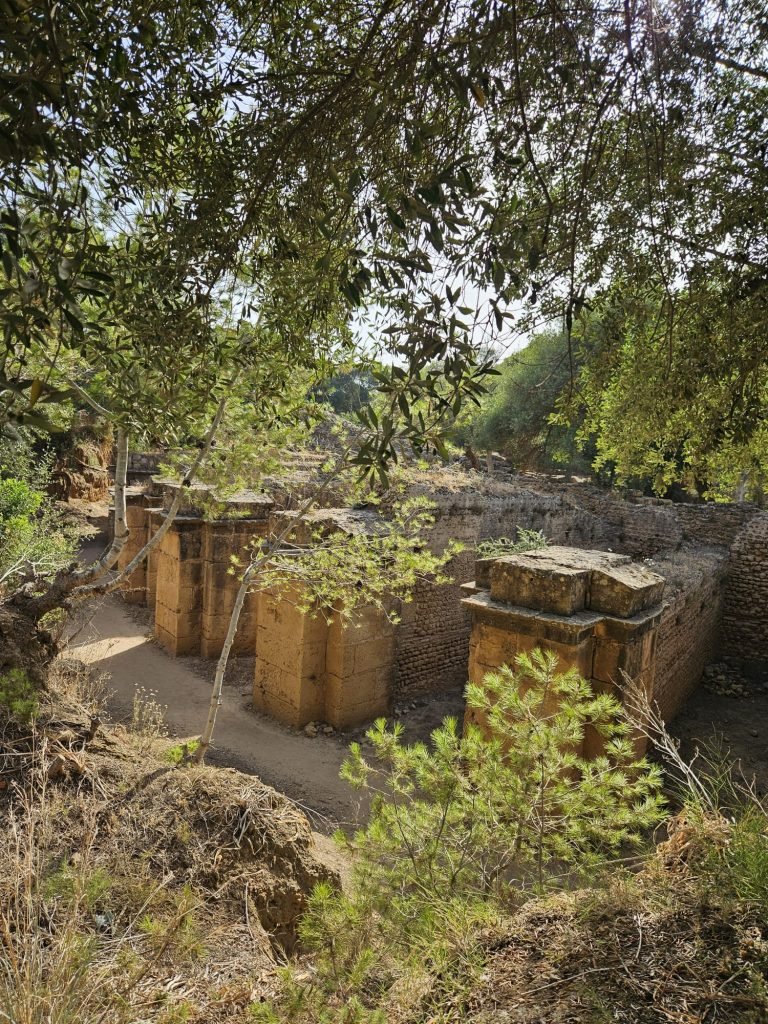
Tipaza’s Roman theatre is one of the most scenic spots in the city. Though worn by time, the curved seating and stage area still give a sense of Roman public performances, dramas, and gatherings. And if you’re really attentive, you can feel the weight of the Roman Empire’s power and precision. The stage, with its elegant columns shows the science and sophistication of that era. As you walk around the semicircular structure, noticing the separated entrances and the beautifully carved stairs, you can’t help but imagine how alive it must have been filled with voices, music, and the energy of a crowd. Even in ruins, its beauty speaks loudly.
The House of the Frescoes
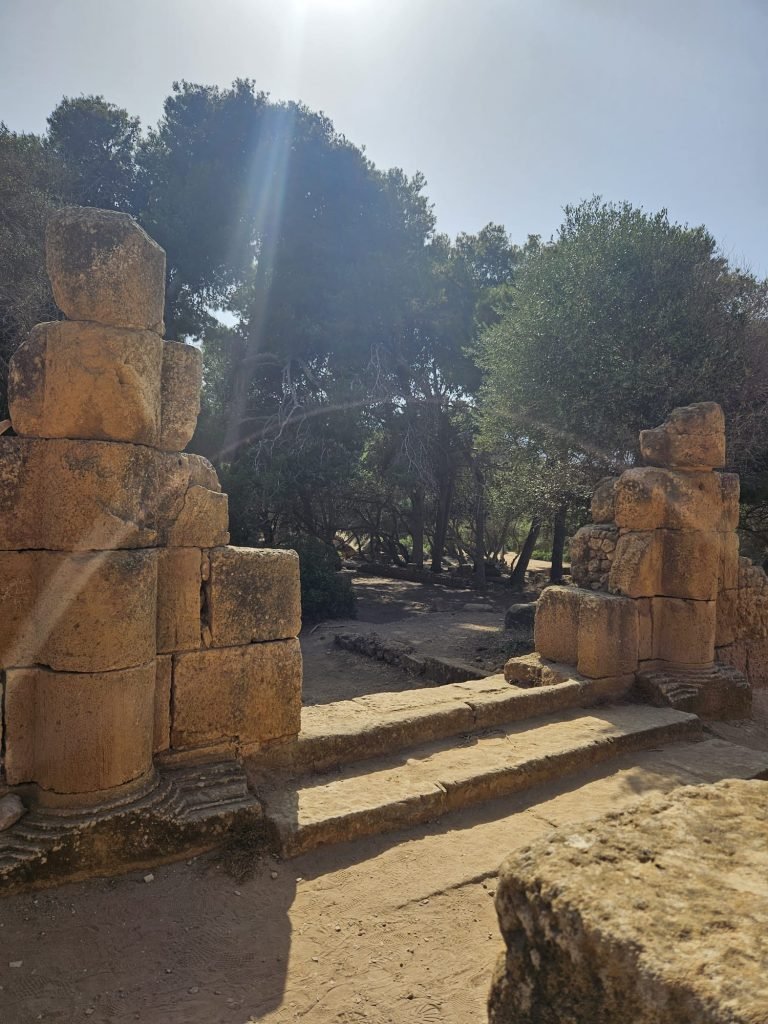
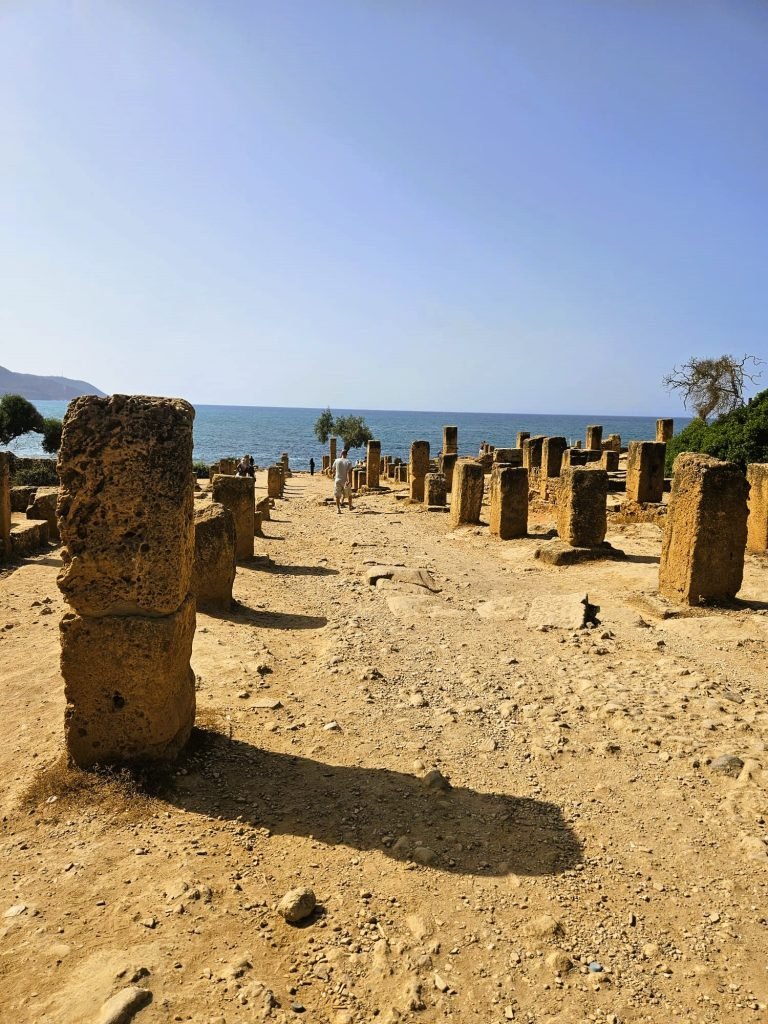
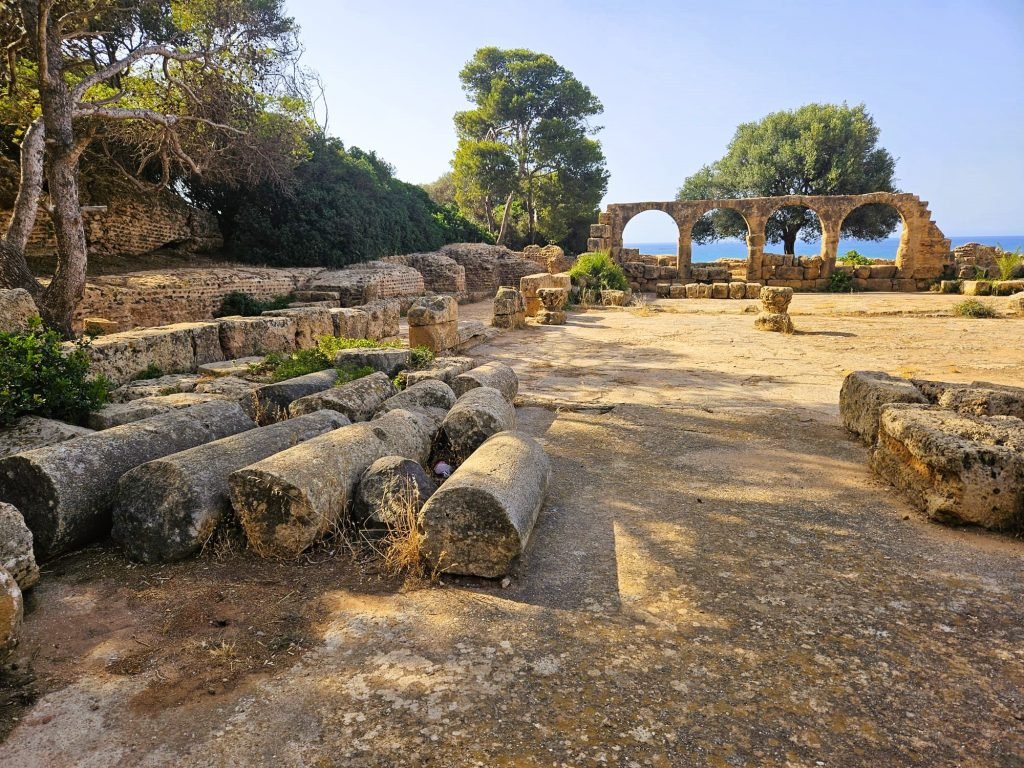
On your way to the House of Frescoes, you’ll come across a cluster of stone pillars near the sea, likely the remains of a courtyard or open space. These ruins may have been part of a residential complex, possibly even linked to the House of Frescoes itself, or they could belong to nearby service buildings like workshops or small baths. Their exact function isn’t fully clear, but they mark the transition between the city’s public roads and its domestic or coastal quarters.
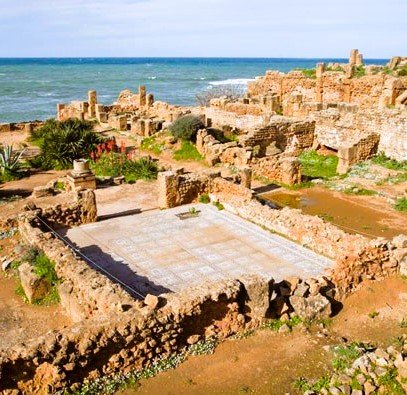
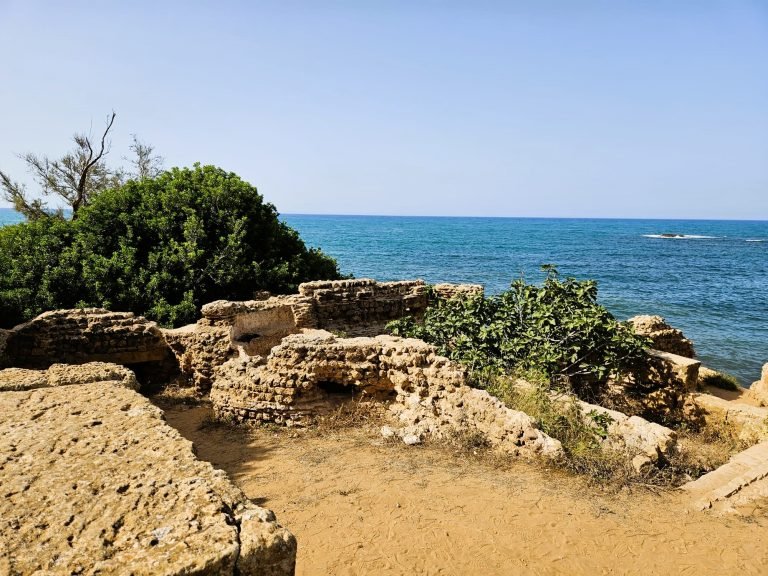
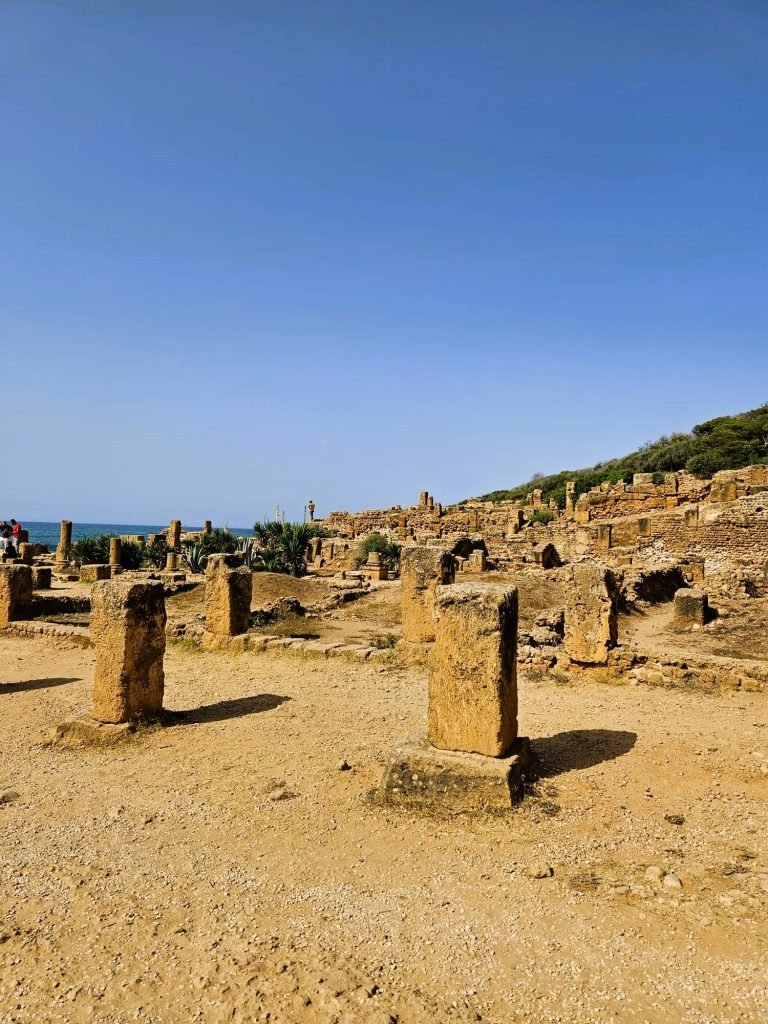
Perched on a hill with a breathtaking view, this villa is known as the House of the Frescoes. It once contained decorative wall paintings and elegant mosaic floors. Today, its layout and cliffside location offer a glimpse into how the Roman elite lived — with art, comfort, and the sea at their doorstep.
The Basilica
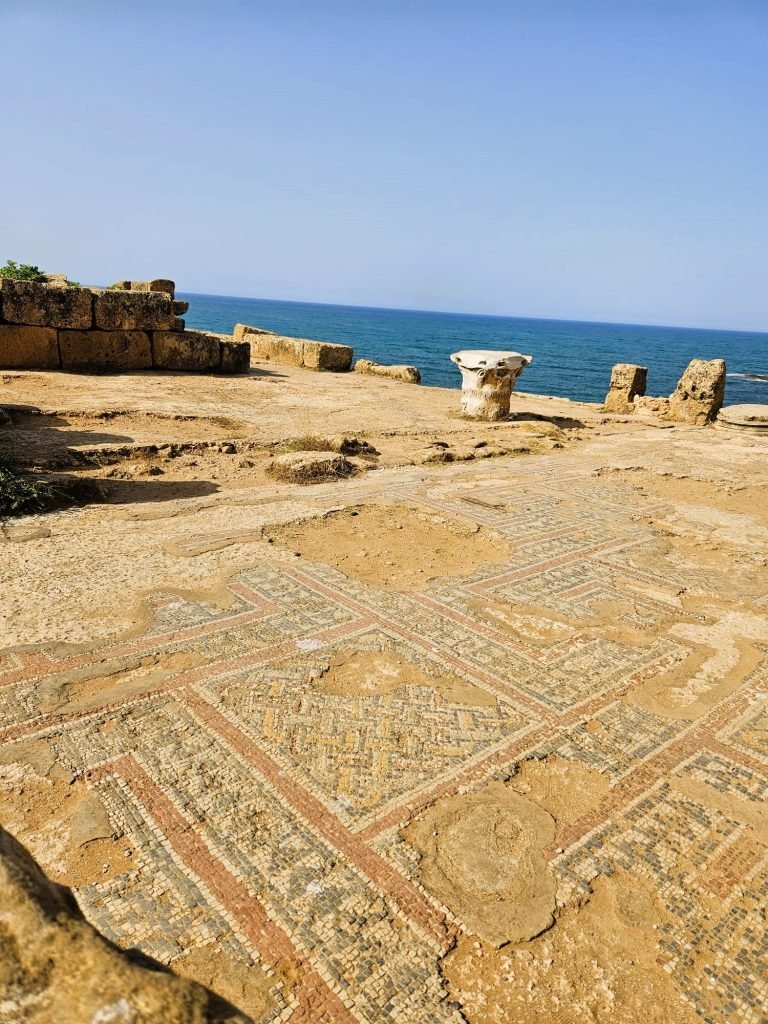
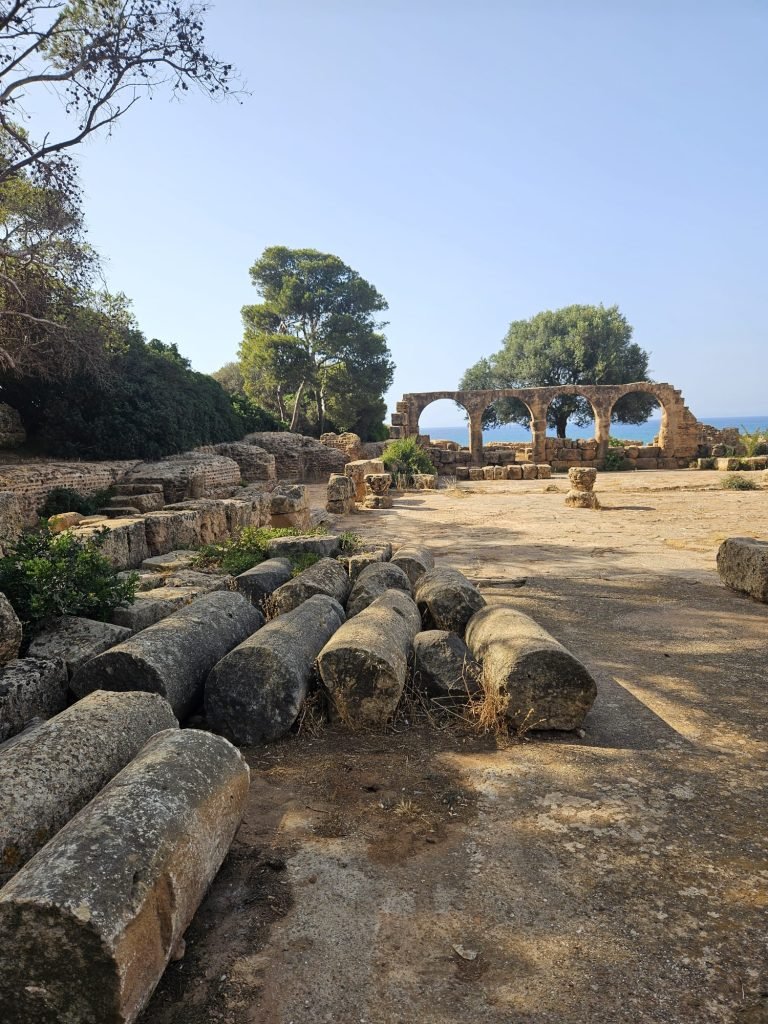
The Christian basilica is located on a hill overlooking the sea, it reflects the importance of Christianity in Roman Tipaza, it is one of the largest early Christian churches in North Africa, dating back to the 4th century CE. Known as the Great Basilica, and it once had seven naves and was richly decorated with floor mosaics as you see in the pictures.
More to see
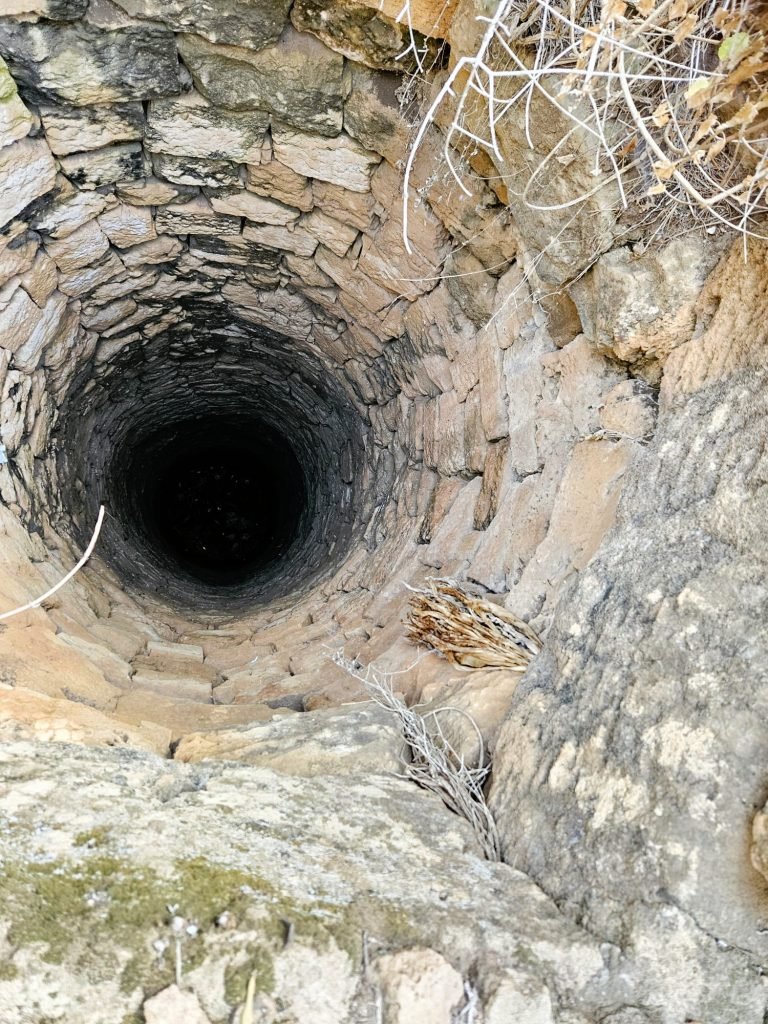
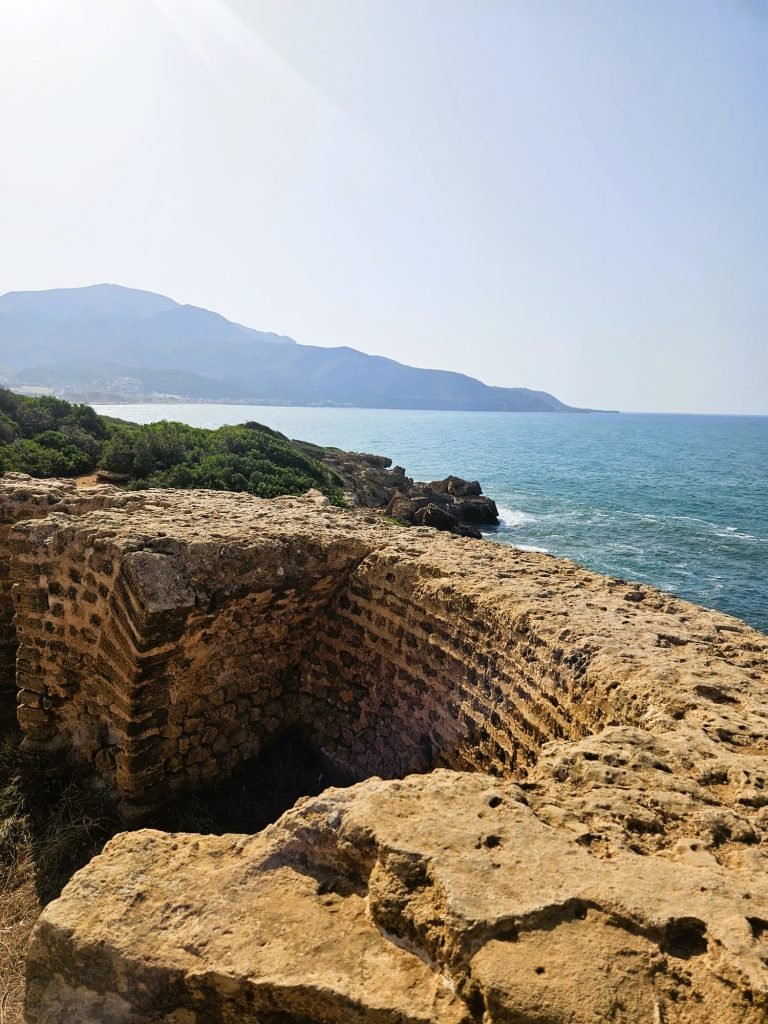
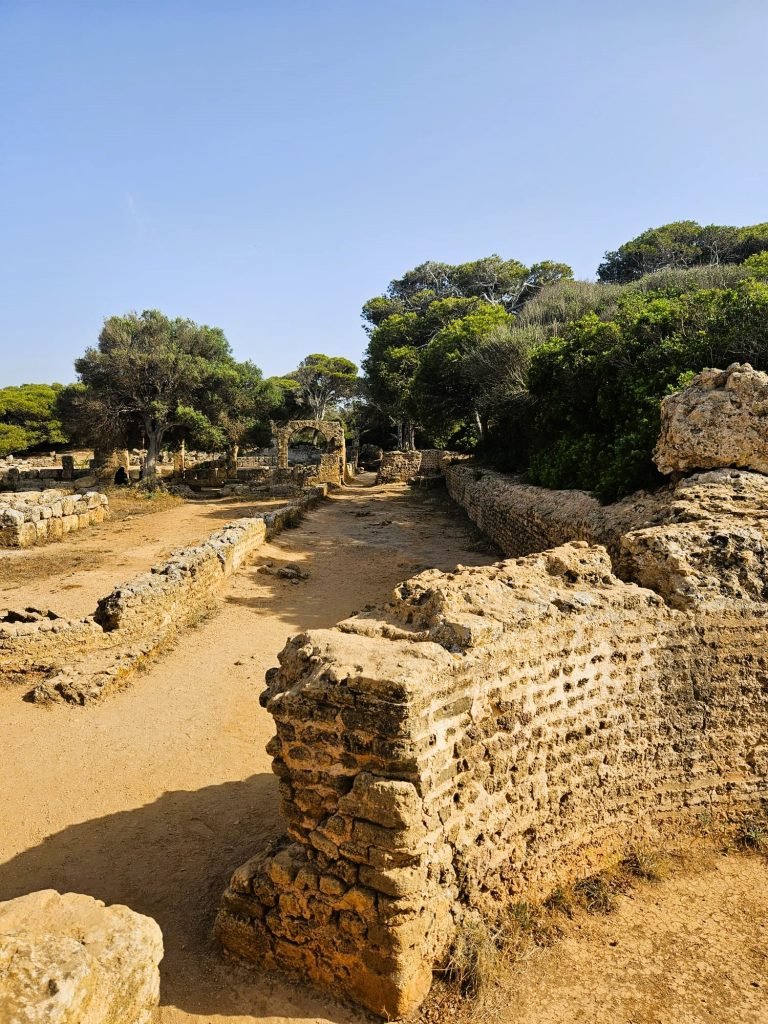
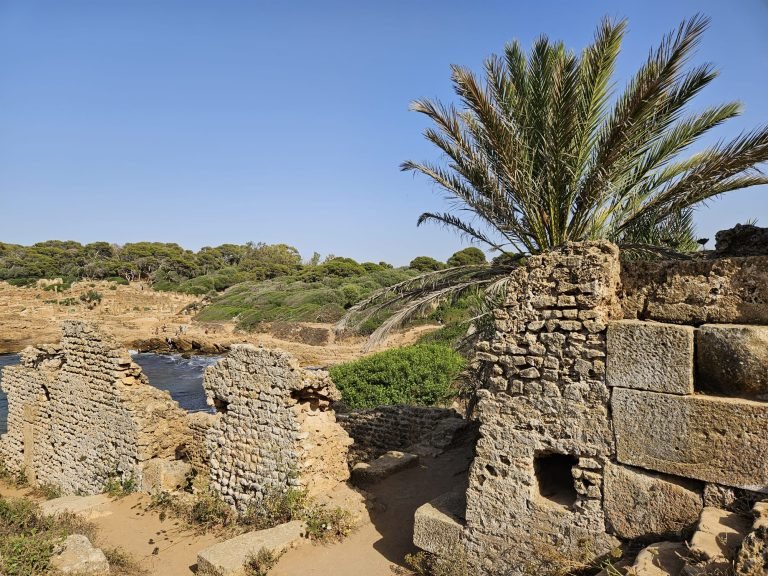
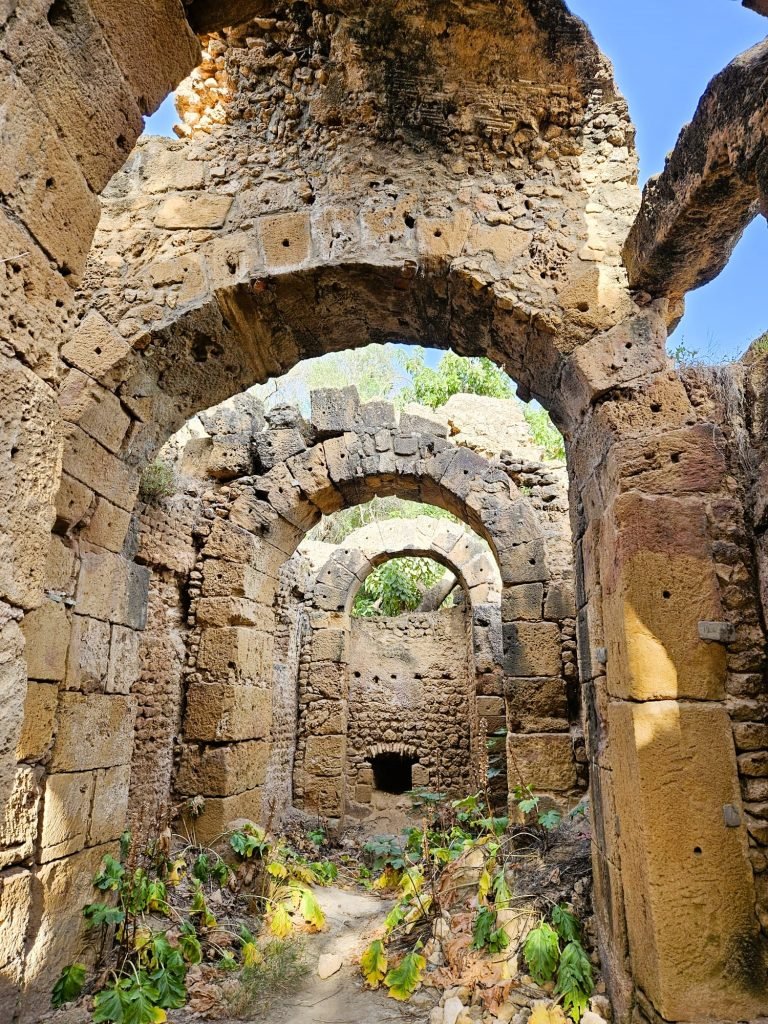
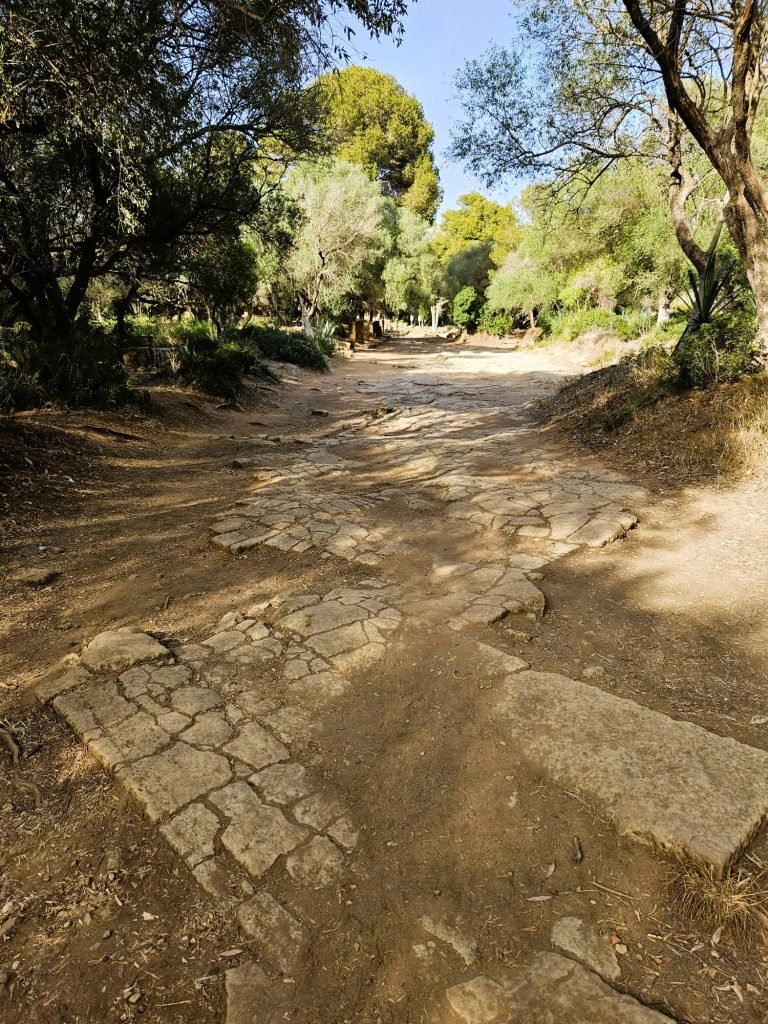
As you walk through the ancient site of Tipaza, you move between scattered ruins—broken stairs, fragments of walls, and outlines of old houses or perhaps baths. Each corner feels like a whisper from the past, inviting you to imagine how it once looked: lively streets, voices echoing in courtyards, water flowing through baths, and daily life unfolding under the Mediterranean sun. The silence of the ruins stirs curiosity more than it answers, leaving you piecing together a city that once breathed with Roman rhythm.
Royal Mausoleum of Mauretania
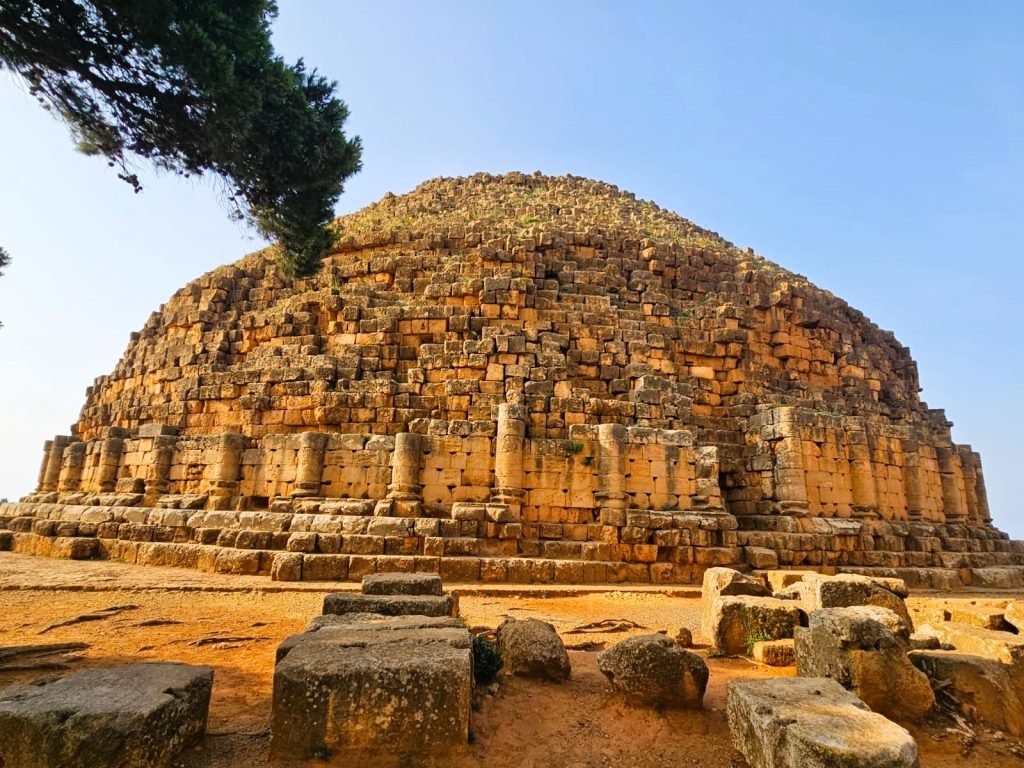
The ruins in Tipaza didn’t end with the Roman city. As you lift your eyes toward the hills, another historical gem reveals itself, the majestic Royal Mausoleum of Mauretania, known as the Tombeau de la Chrétienne. This ancient tomb pierces the sky with quiet power, its stone silhouette guarding centuries of forgotten royalty. Said to be the resting place of King Juba II and Cleopatra Selene, daughter of Cleopatra and Mark Antony, the monument blends native Numidian strength with Roman elegance. Its round base, once encircled by sixty Ionic columns, holds more than just history, it holds mystery. Standing before it, you feel time slow down. It’s not just a ruin; it’s a whisper from an ancient world, still watching over the land and sea below.
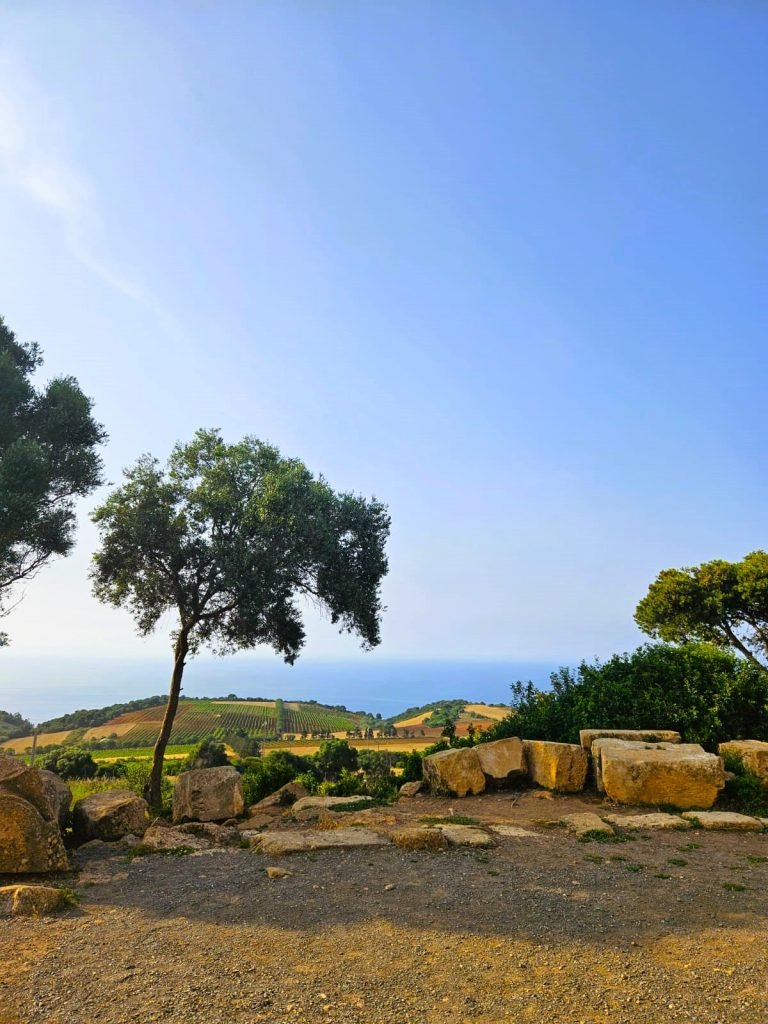
What I loved most about the Tombeau de la Chrétienne is its incredible location. Even the road leading up to it feels special, calm, winding, and slowly pulling you away from the noise of everyday life. Once you reach the top, you’re met with a view that just stops you: green hills rolling in every direction, the deep blue sea stretching endlessly below, and Mount Chenoua rising quietly in the distance. There’s a fresh breeze that brushes your face, a quietness that wraps around you, and something in the air that makes you breathe deeper. Everything about that place, the scenery, the silence, the light, helps you forget yourself for a while. Time slows down up there, and you’re just present.
Mount Chenoua
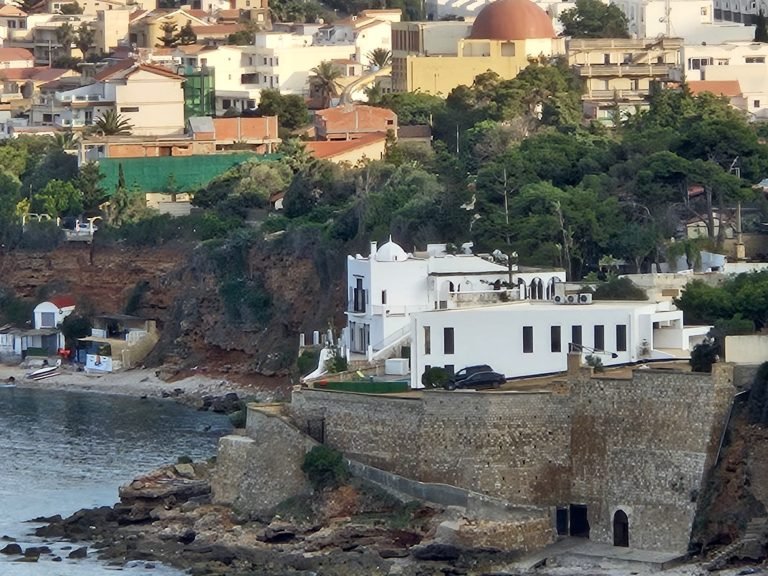
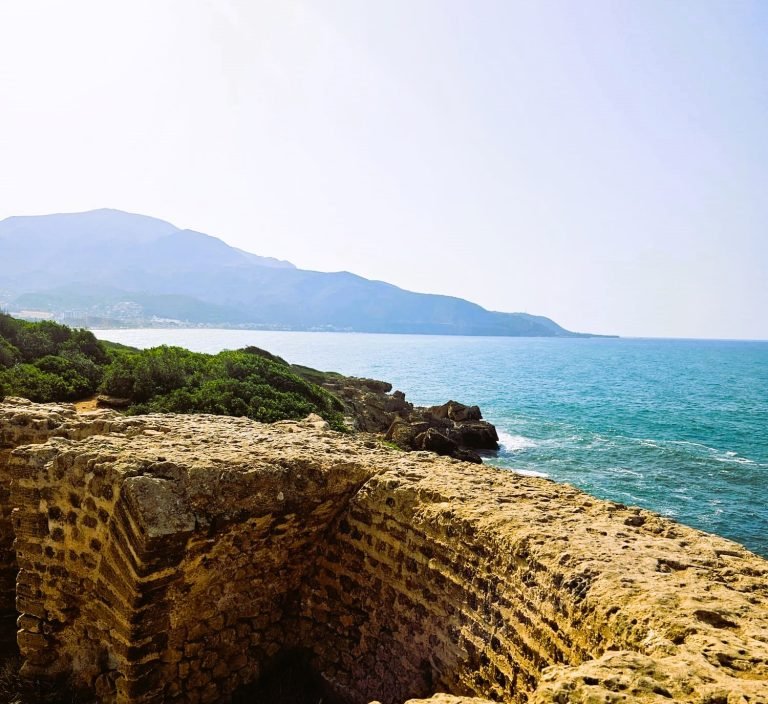
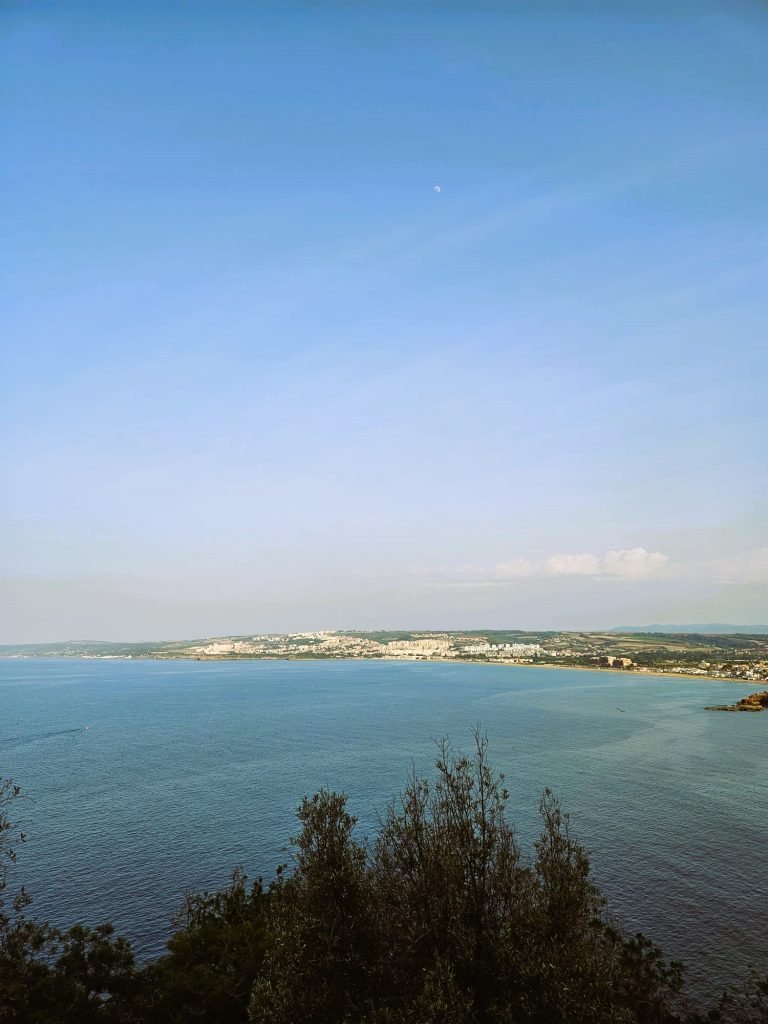
While you’re in Tipaza, it’s impossible not to notice the towering silhouette of Mount Chenoua rising right from the edge of the sea. Driving along the coastal road that curves beneath it is a journey in itself, the kind that makes you slow down without meaning to. The mountain is massive, silent, and strangely calming, its slopes dressed in green and its base hugs the blue waves of Chenoua Beach. I don’t know exactly why it’s called Chenoua, but the name feels ancient, like it belongs to both the land and the people who live there. The road is lively, cars pulled over, people pausing for a drink, a photo, or just to admire the view. The breeze, the scent of salt and pine, the hush of the waves… everything blends to create a kind of peace.
Sunflower Field
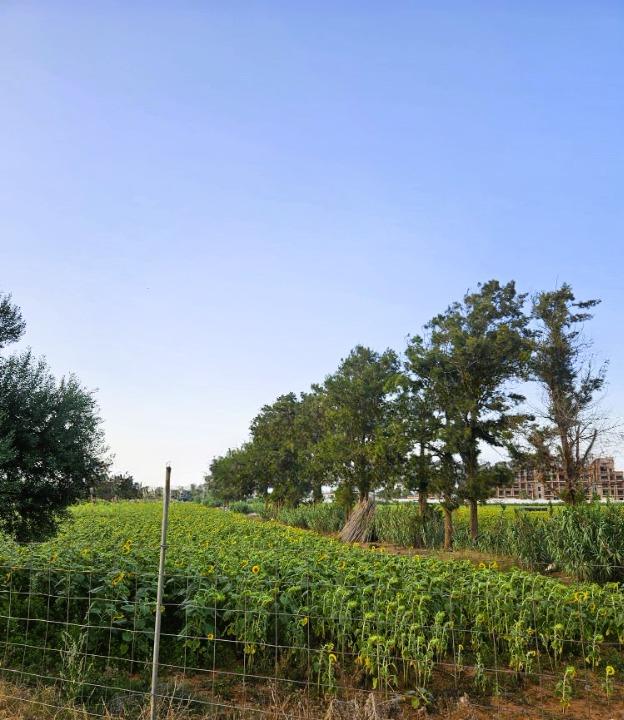
As you continue driving along the coastline beyond Chenoua, the views only get better, the sea stretching wide and open on one side, while on the other, orchards and hidden beaches come and go like quiet secrets. Then suddenly, the road opens up to sunflower fields glowing in soft golden hues. When we arrived, the sun was already sinking low, and the flowers had started to fold in, as if going to sleep. There was something peaceful about it, but I couldn’t help wishing we had arrived earlier.
The Coastline
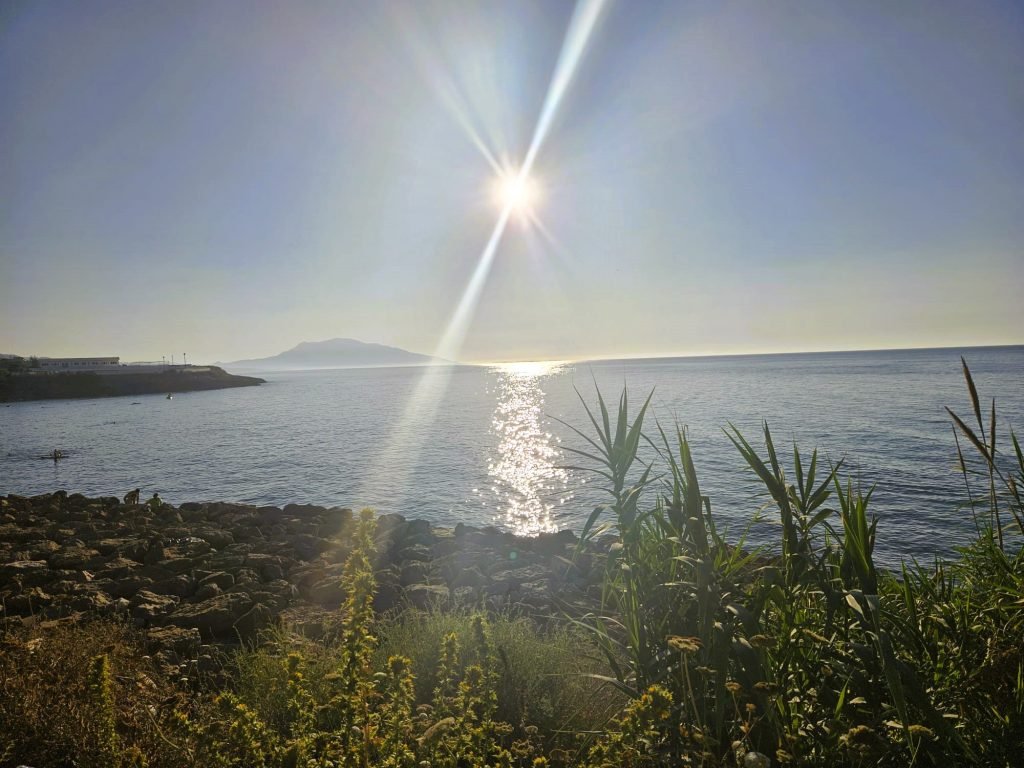
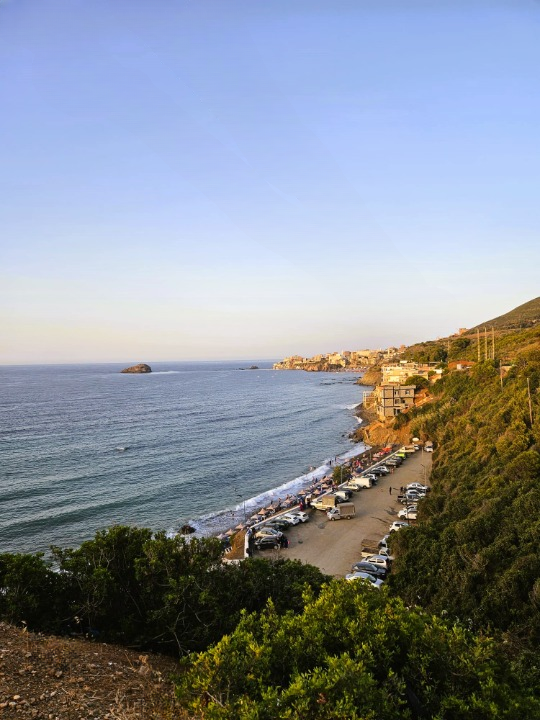
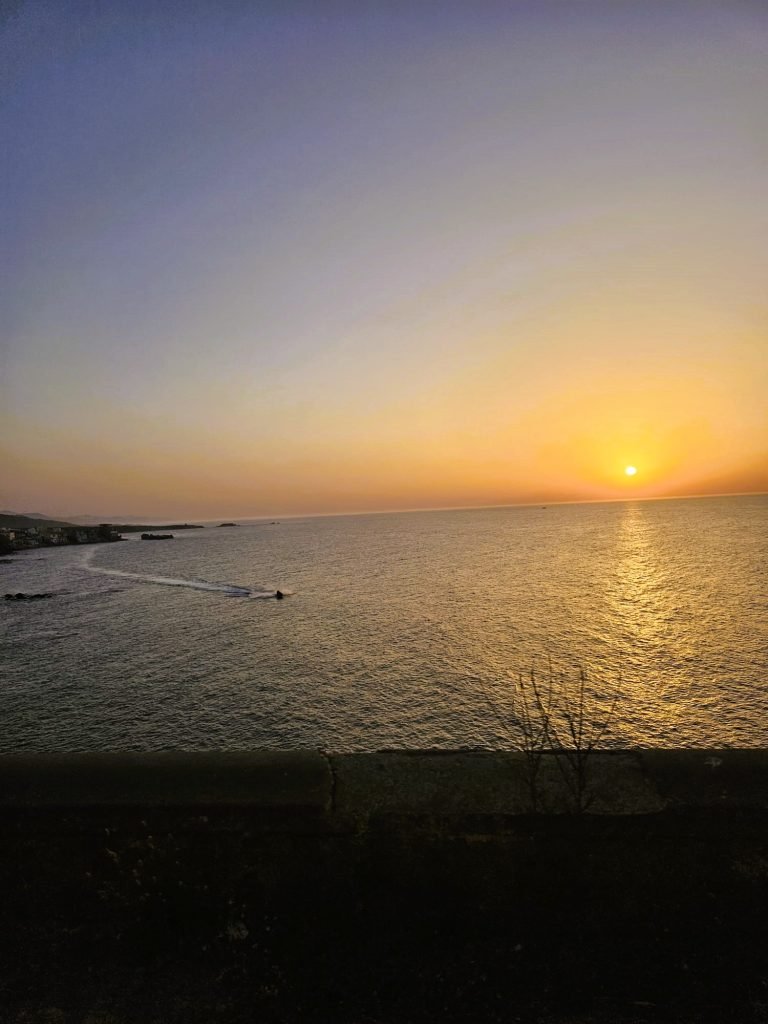
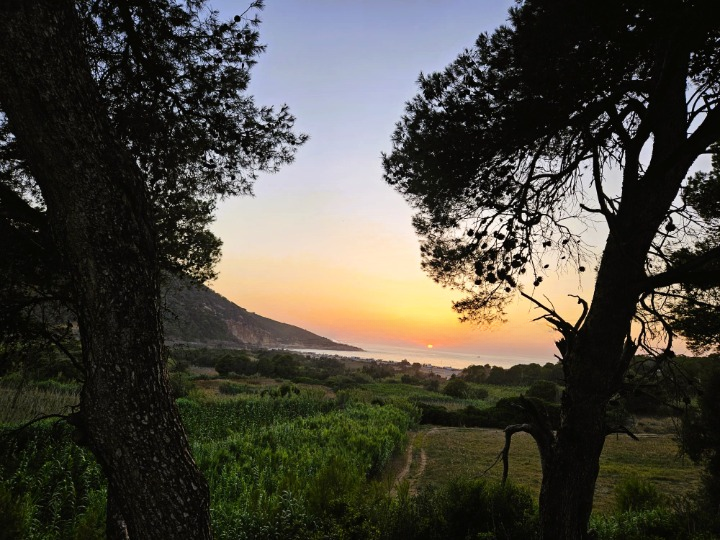
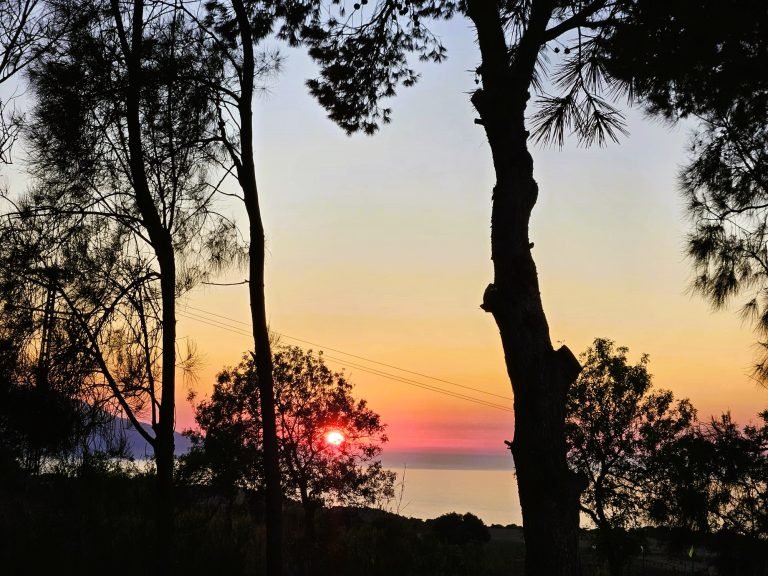
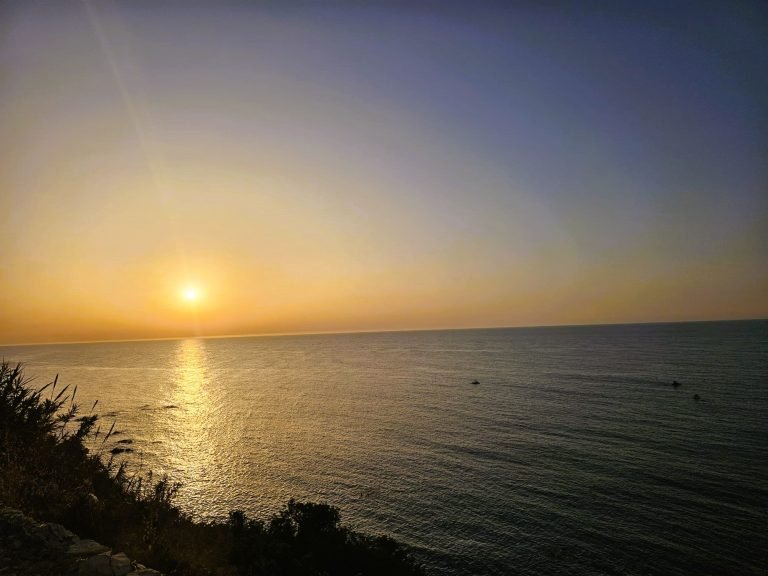
We kept driving along the coastline, passing one stunning beach after another, each with its own charm. There was Les Galets, with its hidden cove, then the rocky curves of Rochet Tihosmos, followed by Plage des Pins, Plage Bleue, and the peaceful stretch of Oued Ounazir. Each stop teased us with views more beautiful than the last. Eventually, we reached an incredible viewpoint overlooking Al Hamdania Beach, just in time to catch the sunset. The sky melted into warm colors as the day quietly came to a close. After that, we took the highway back home, hearts full and minds calm. It was a journey stitched together with sea, sun, and the kind of beauty that stays with you.
The Golden Horne And The Silver Horne
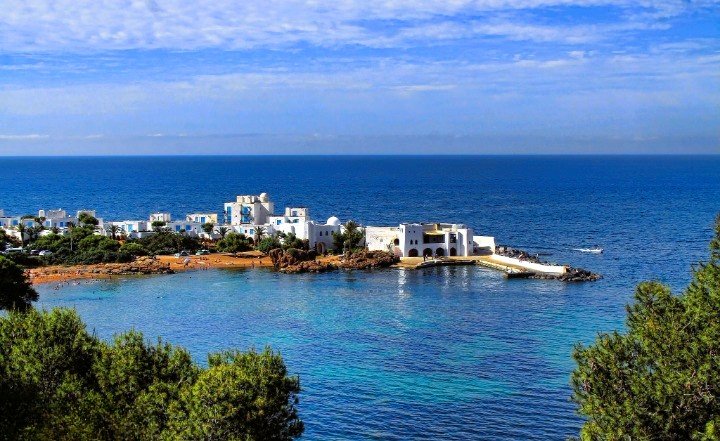
The CET complex in Tipaza is beautifully divided into two distinct parts: Corne d’Or (the Golden Horn) and Corne d’Argent (the Silver Horn), each offering its own experience of the Mediterranean coast. The Golden Horn is the smaller and more intimate section, a quiet retreat with just a few villas nestled near the sea, a small beach, and a peaceful, almost private feel. It’s perfect if you’re looking for calm, privacy, and quiet views. Just a bit further along the road, you’ll find the gate to the Silver Horn, which is actually the larger part of the complex. It stretches across a wide area with a spacious beach, rows of bungalows, swimming pools, and plenty of room for families and groups to enjoy the day. It’s lively, open, and ideal for longer stays or weekend getaways. The CET Tipaza has something special for everyone, all wrapped in sea breeze, sunshine, and beautiful coastal scenery.
Tips For Your Visit to Tipaza
Visit the Roman ruins in the afternoon, preferably during the golden hour. The soft light makes the stones glow and brings out all the textures
2. Have a coffee at the café of the restaurant right near the entrance of the ruins, it’s located beside the large Roman therms, it feels like the ruins are part of the café. Sit outside, sip slowly, and just take it all in. Fun fact: French actor Jean-Paul Belmondo once visited this exact café.
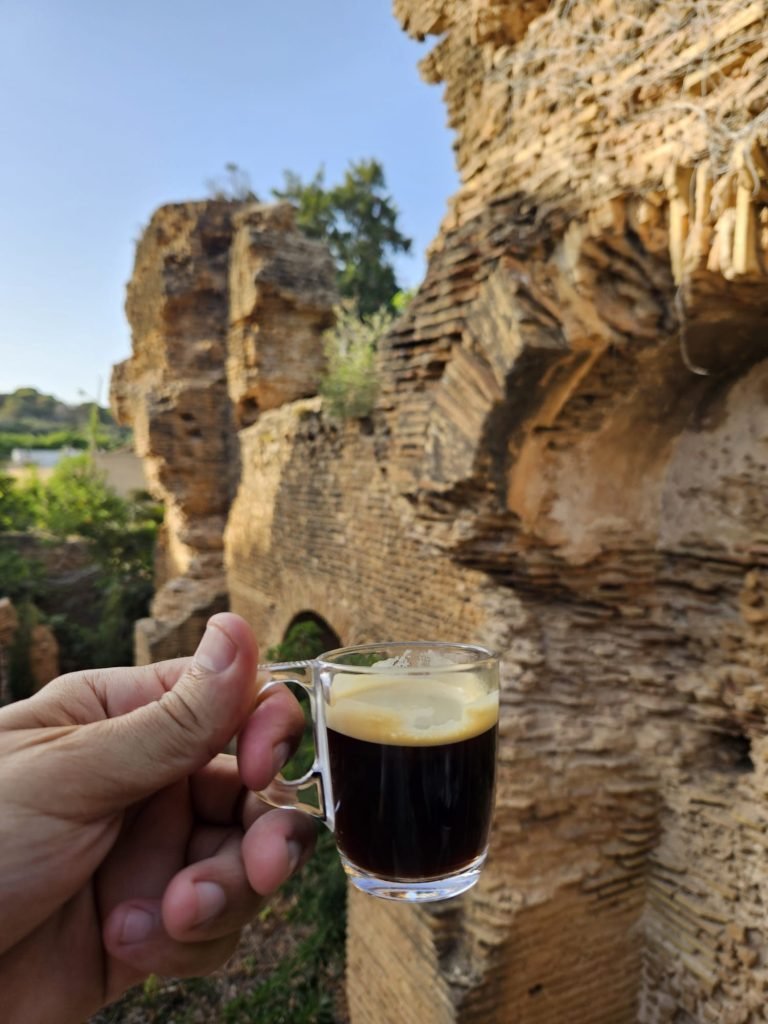
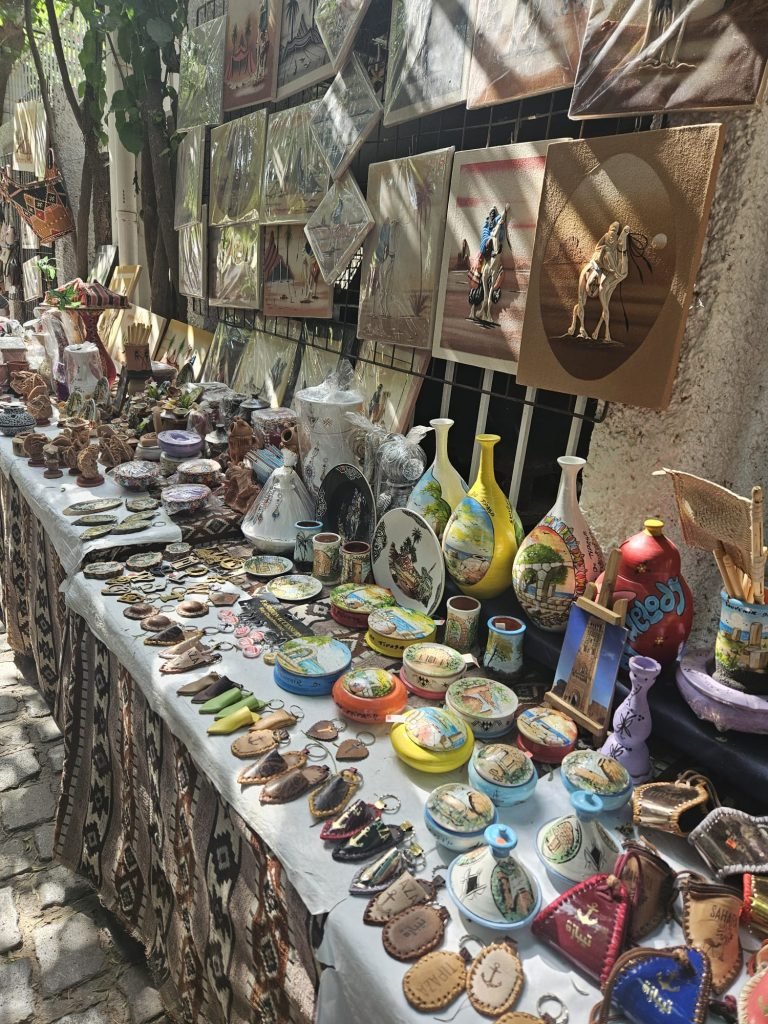
3. Buy souvenirs from the local stands by the entrance. You’ll find small handcrafted items, traditional jewelry, ceramics, and Roman-themed keepsakes.
4. Visit the Tombeau de la Chrétienne (Royal Mausoleum of Mauretania) just before sunset. The light hits the stone beautifully, the breeze is fresh, and the whole place feels timeless.
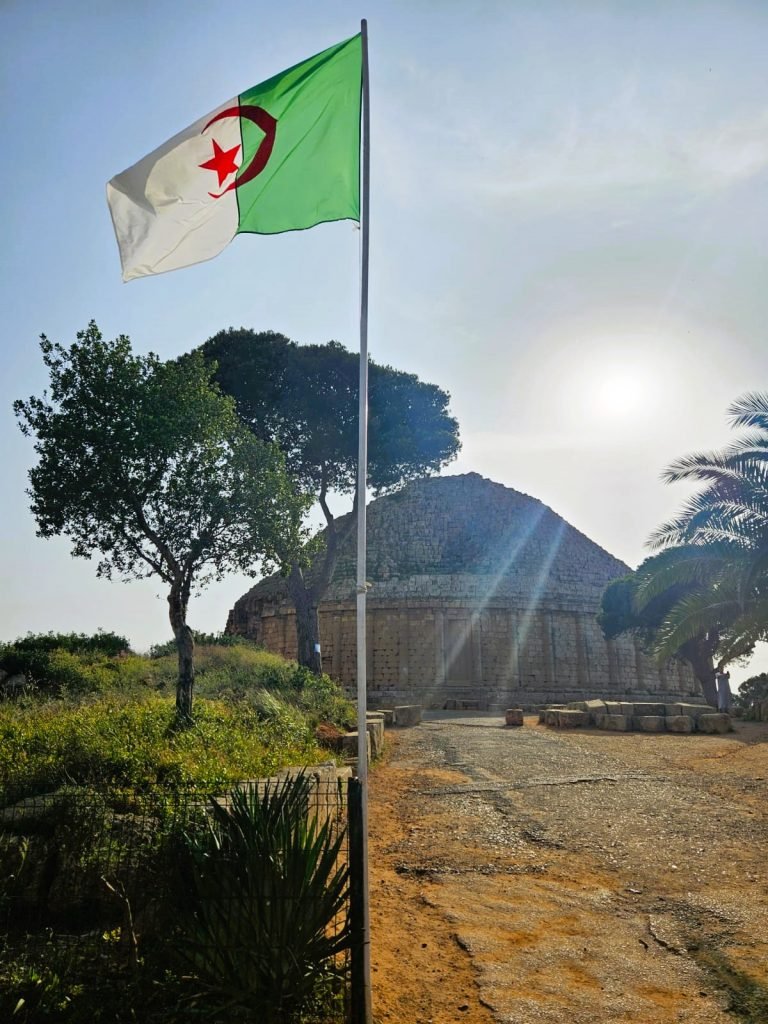
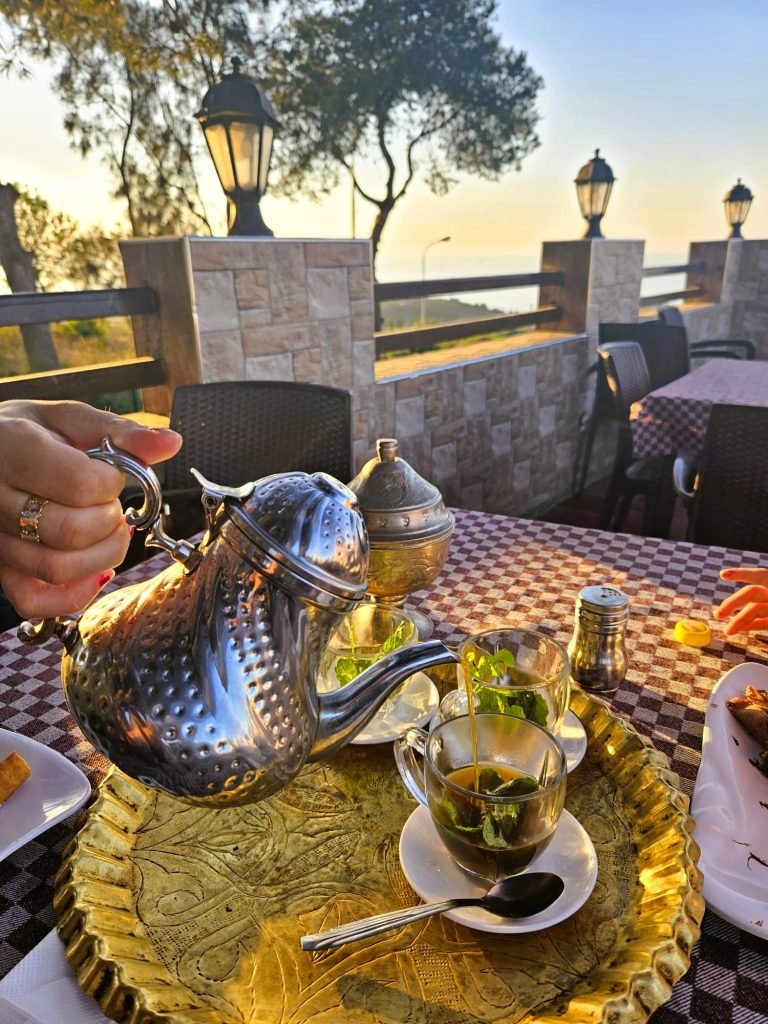
5. Have a tea or meal at the restaurant right across from the Tombeau. The terrace is something else, panoramic views of the monument, rolling hills, and the sea. If you catch the sunset from there, it’s priceless.
6. Drive the Tipaza coastal road, it’s full of surprises: scenic viewpoints, sunflower fields, and orchards. Time your visit in early summer to catch the sunflower fields wide awake and glowing under the sun.
7. Visit Mount Chenoua, park somewhere along the road and just admire the view. If the weather’s right, you can even swim at one of the nearby beaches. Some of them have beautiful coves, which feel private and hidden.
8. Spend time at the CET Complex (Golden & Silver Horns), if you can’t stay overnight, at least stop for a coffee or a walk through the area. The Silver Horn has a big beach and bungalows; the Golden Horn is more intimate and quiet. Both are worth seeing.
9. Eat at one of Tipaza’s many fish restaurants. The region is famous for its seafood, fresh, flavorful, and served with a view. Try grilled sea bream or sardines with a side of local olives and bread.
Read Also