Algeria, a Country Like No Other
Algeria is like a fascinating woman, confident and mysterious, who doesn’t need makeup to impress, because her natural beauty and deep-rooted identity shine through effortlessly. Algeria is vast, rich, beautiful, authentic, and truly unique. Everything you’ll experience here, from the warm hospitality to the diverse food, traditions, and breathtaking landscapes, is raw, genuine, and untouched. A land of dramatic contrasts, from Mediterranean shores to Saharan dunes, with a rich cultural heritage woven through centuries. And it all begins in Algiers, the capital city known as Al-Baydaa, The White One.
El Kasbah of Algiers
El Kasbah of Algiers is not just an ordinary old city, it’s a place layered with history. So much has happened here, across centuries, that nothing is as simple as it first appears. I’m not exaggerating let me explain.
That square you see today, wasn’t always a square. It once stood as a grand hotel during colonial times. But even before the hotel, there was a mosque on that very ground. And the clock you notice on El Jamaa El Djadid? That wasn’t originally part of the mosque, it was taken from another building that no longer exists. Even the martyrs for whom the square is named are not the ones from the revolution, but those who died defending their mosque during the early days of occupation.
You see, it’s a long story, layered, complex, and full of surprises. Let’s explore it together.
A Glimpse into the Origins of El Kasbah
The story of El Kasbah begins long before the Ottoman empire, on the ruins of the ancient Roman city of Icosium. This coastal settlement, originally founded by Berber, was later colonized by the Romans around the 1st century BC, much of Roman Icosium now lies buried beneath modern Algiers.
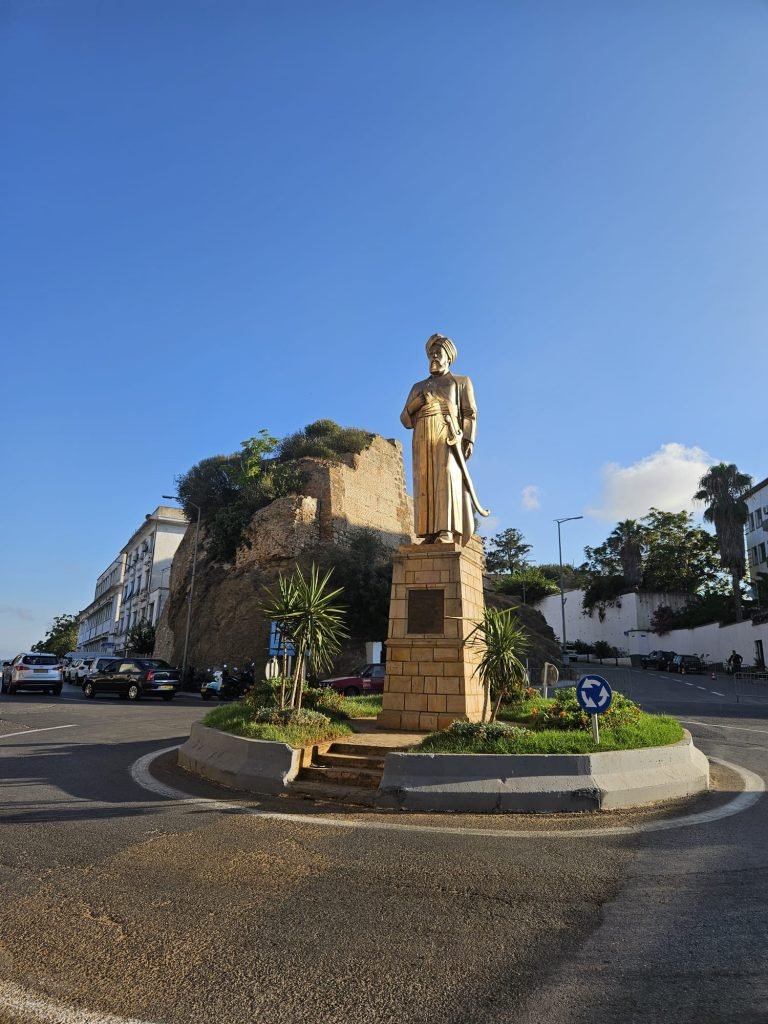
In the 10th century, a new chapter began under the Zirid dynasty. The Berber leader Bologhine Ibn Ziri, is credited with re-founding the city in 960 CE. He named it El Djazaïr (The Islands), referring to the four rocky islets that once dotted the bay. That name lives on today as Dzayer, what Algerians affectionately call their homeland.
The Kasbah as we know it truly took shape in the 16th century, during the Ottoman era. In 1516, the legendary corsair brothers Aroudj and Kheireddine Barbarossa liberated Algiers from Spanish control and established it as a regency under Ottoman protection. From that moment on, Algiers became a thriving naval base, a center of Islamic learning, and the proud capital of Ottoman Algeria.
Martyrs’ Square
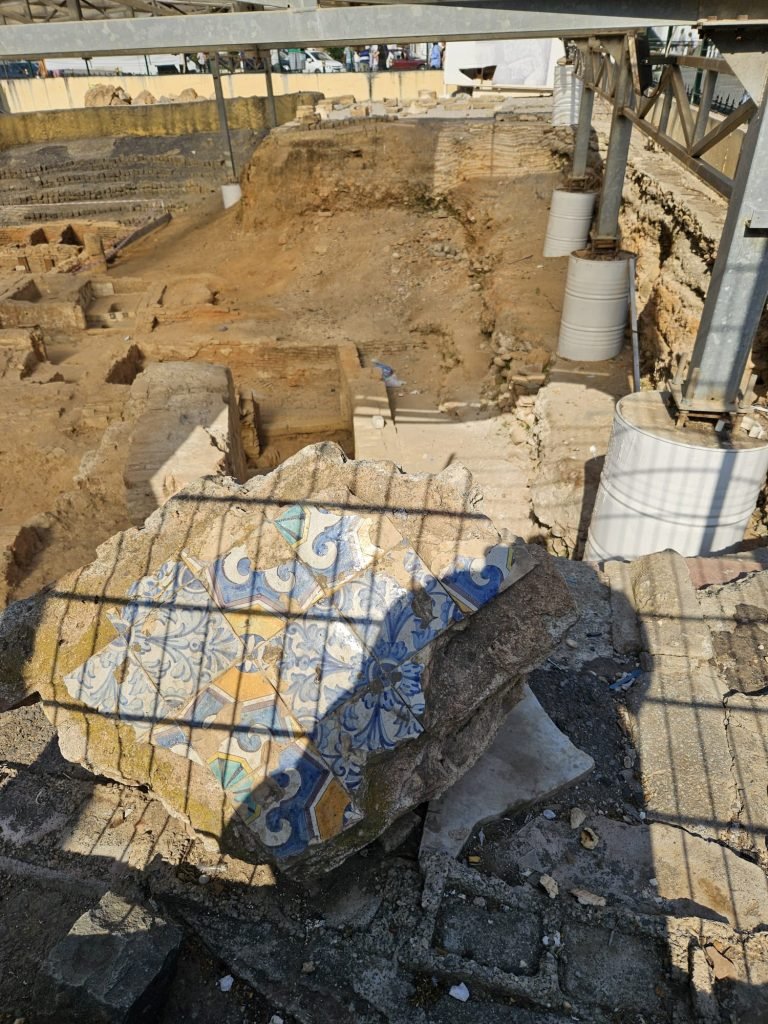
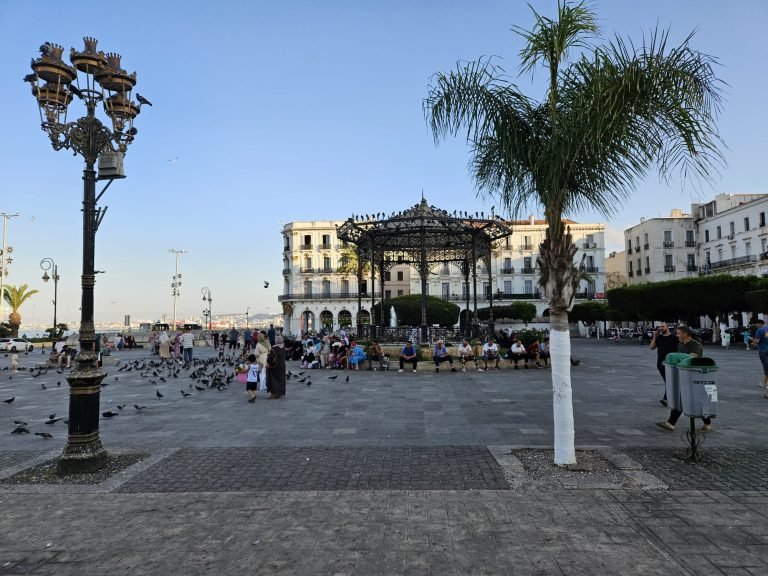
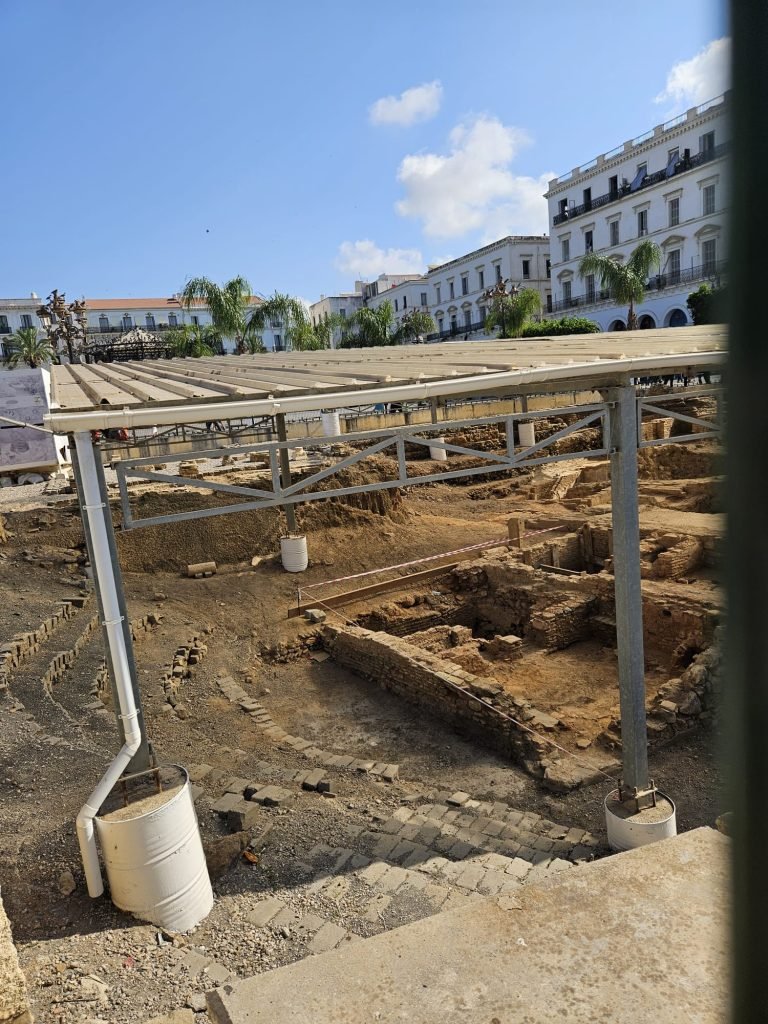
We begin right here, in Martyrs’ Square, it’s where history is stacked like layers of stone: a mosque buried, a hotel built, then demolished, and now an open square that carries both pain and pride.
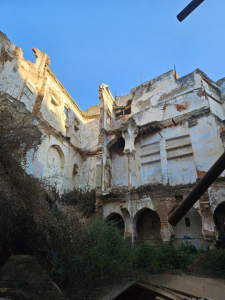
The Mosquée Es-Sayida (The Mosque of the Lady), the ruin you see in the picture, is believed to date back to the Zirid period, around the 10th or early 11th century. That places it within the same era as the founding of Algiers by Bologhine Ibn Ziri. The mosque was possibly commissioned by a noblewoman or dedicated in her honor. Unfortunately, the mosque was destroyed in 1831 by the French, shortly after colonization began, and built the “Hôtel de la Régence”, a grand colonial hotel that dominated the square in the late 19th and early 20th centuries. After Algeria gained independence in 1962, the Hôtel de la Régence was demolished, and the square was renamed “Place des Martyrs”, to honor those who had resisted foreign control throughout Algeria’s long history.
The New Mosque (El Jamaa El Djadid)
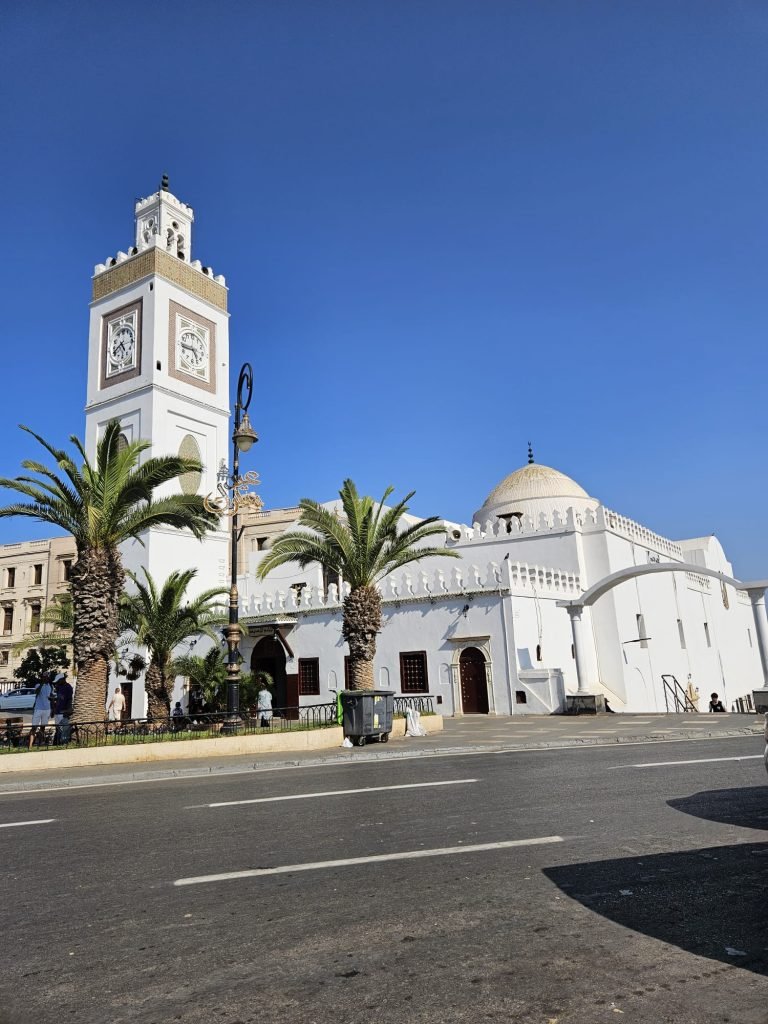
Built in 1660 during the Ottoman period, El Jamaa El Djadid is known for its beautiful blend of Ottoman, Andalusian, and local Algerian architecture. But something uncommon in traditional mosque design, a European-style clock placed on its minaret. So, how did it get there? According to history, the clock originally belonged to Al Aziziya palace (grand Ottoman palace) that once stood near the square. During the French colonial era, this structure was demolished, and rather than discard the clock, a rare notable object, it was installed on the minaret of the mosque.
This act was likely part of the French effort to mark the city with European symbols, subtly transforming the skyline with touches of colonial identity. Today, the clock remains, an unusual and quiet reminder of Algiers’ colonial transformation, sitting atop a monument deeply rooted in Islamic and Ottoman heritage.
Ketchaoua Mosque
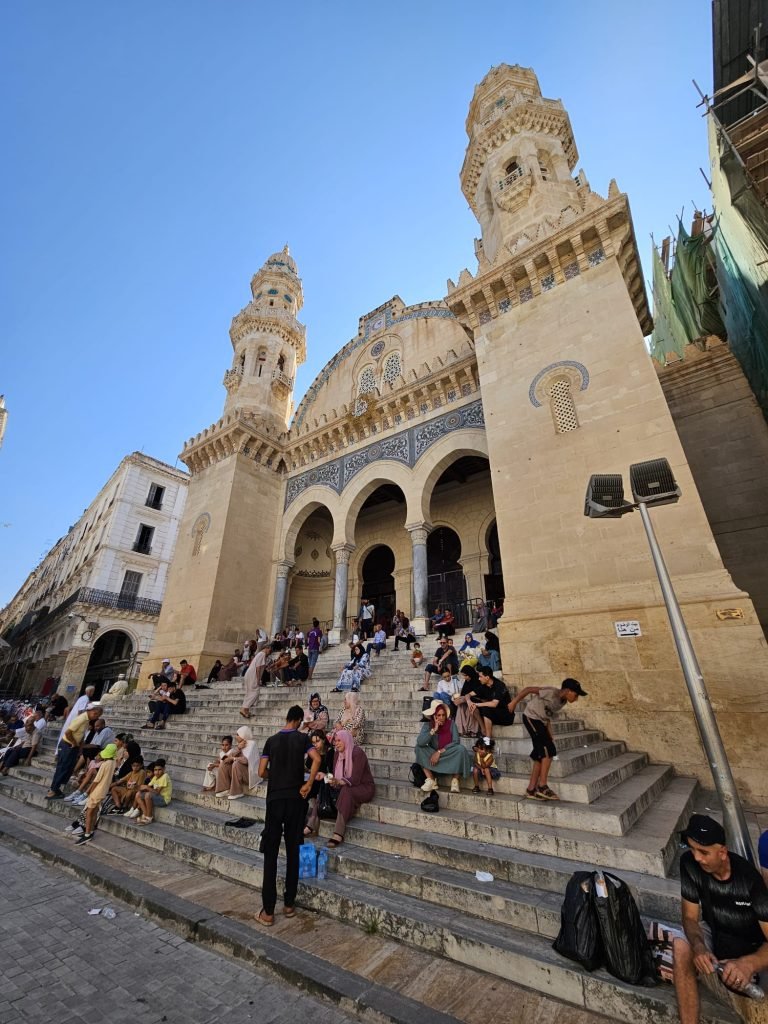
At the foot of the Kasbah, we’re greeted by the majestic Ketchaoua Mosque, a symbol of resilience. Built by the Ottomans in the 17th century; it was later turned into a cathedral by the French, and reclaimed after independence. Standing there a strange and beautiful feeling washed over me, I felt like I was in Istanbul. The bustling crowd, the street vendors, and the way people sat on the stairs of Ketchaoua Mosque reminded me so much of Mehmet Mosque in Istanbul. The view of the sea facing the square (like the bosphore), the history echoing in every corner; it all had the same vibe, the same energy. It felt alive, sacred, and timeless.
Dar Aziza
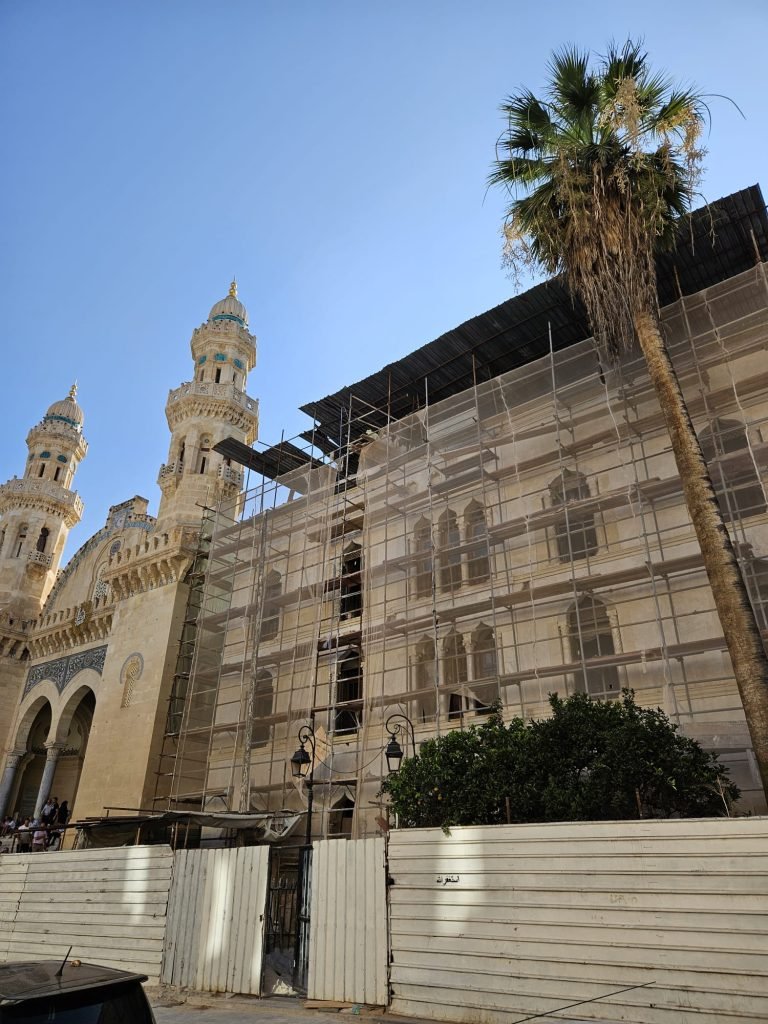
ust beside the grand Ketchaoua Mosque stands Dar Aziza, a 16th-century Ottoman palace with stunning architecture. Named after Princess Aziza, daughter of a Dey and wife of the Bey of Constantine. Though it’s not a museum, the building now houses the National Agency for Archaeology and Heritage, and its facade alone is worth admiring. It is currently under restoration. If you’re lucky enough to visit during a heritage event, you might catch a glimpse of its beautiful courtyard and intricate woodwork.
Dar Mustapha Pasha
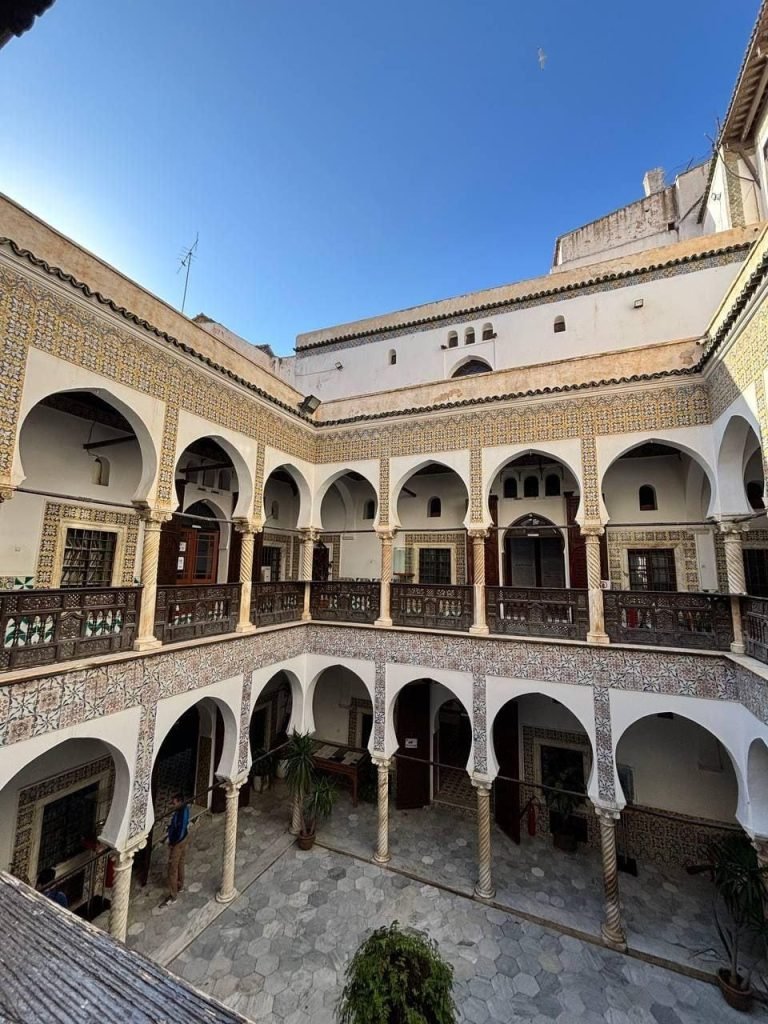
The museum is located just behind the grand Ketchaoua Mosque, it is a breathtaking 18th-century palace that welcomes you into the heart of El Kasbah. With its beautiful courtyard, marble columns, intricate zellige tilework, and delicately carved wooden ceilings, this former Ottoman residence whispers the elegance of a bygone era. Today, it houses the National Museum of Miniatures, Illuminations, and Calligraphy, where art meets architecture in the most graceful way.
Strolling within the Casbah
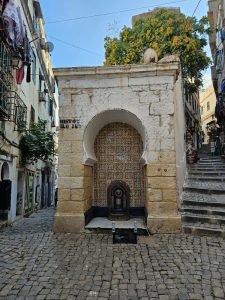
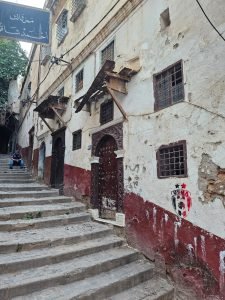
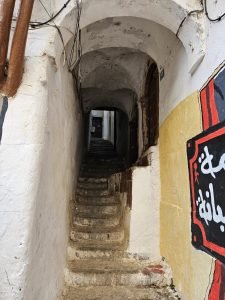
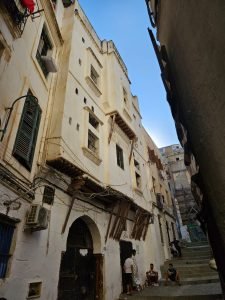
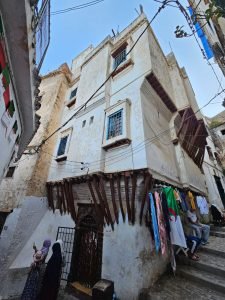
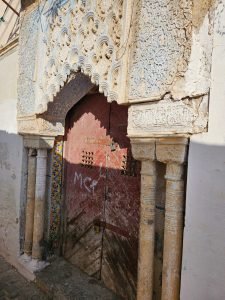
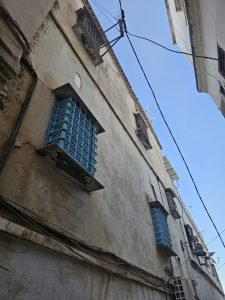
Nothing can describe my feeling when walking through the Casbah’s narrow streets, observing the aging stairs, intricate zellij, and centuries-old walls. I was admiring every step, noticing every detail of the old culture. The streets are so narrow that homes appear almost stacked on top of each other, yet hidden behind these winding alleys are spacious inner courtyards, reminiscent of the riads of Morocco.
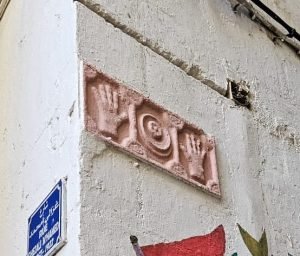
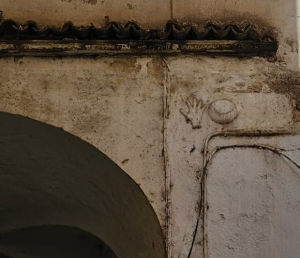
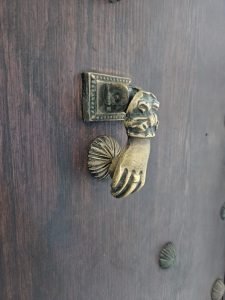
As you explore, you notice symbols on the walls marking different communities: the crescent hand signals Muslim areas, while the Star of David and crosses indicate Jewish and Christian quarters, reflecting the city’s multicultural past. Even the knobs on the doors carried subtle messages: traditionally, if the brass hand had no ring, it indicated unmarried women in the household mean potential suitors welcome, while a ring meant all women were married. Many houses feature moucharabieh windows, allowing women to see outside without being seen, a testament to traditional Arab privacy.
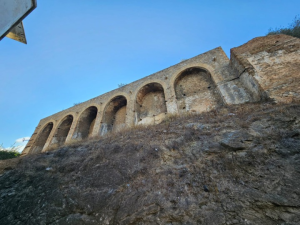
The Kasbah was once encircled by seven fortified gates that connected it to the outside world: Bab El Oued, Bab Jedid, Bab Azzoun, Bab Essour, Bab Djedid (another entrance on the southern side), Bab El Bhar, and Bab El Djebana. Each gate carries its own history, serving as points of entry for traders, travelers, and defenders of the city. Exiting through Bab Jedid today, you can still notice the ruins of an ancient aqueduct, believed to have been built by an Andalusian engineer to channel fresh water from the surrounding hills, a remarkable achievement of early urban planning.
El Kasbah is also home to many historic mosques, such as Sidi Ramdane, Al Safir, and Jamaâ Lakhdar, each with its own architectural and spiritual significance.
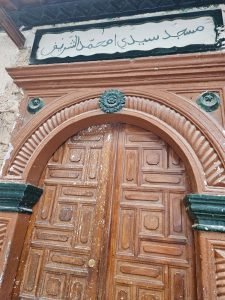
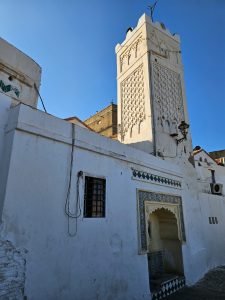
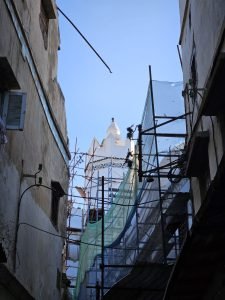
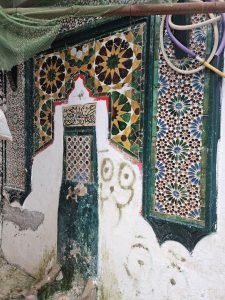
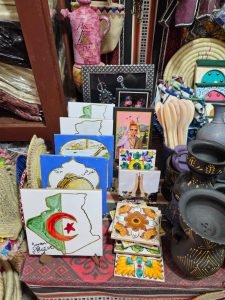
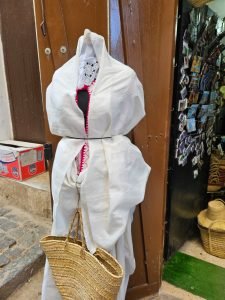
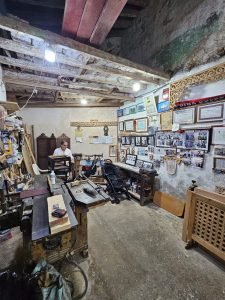
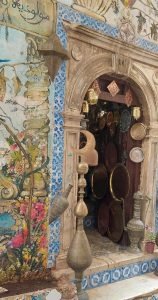
The handicraft shops scattered throughout the quarter tell stories of the city’s rich culture: polished copper, intricate woodwork, delicate porcelain, and hand-crafted shoes, all reflecting centuries of artisanal tradition.
The Kasbah’s maze-like design made it a strategic base for Algerian freedom fighters during the War of Independence, as its narrow alleys were nearly impossible for the French army to navigate. The preserved house where Ali la Pointe, Hassiba Ben Bouali, and their companions were martyred in 1957 serves as a powerful reminder of the courage and sacrifice born in these alleyways. This tragic event was later immortalized in the iconic film La Bataille d’Alger (The Battle of Algiers).
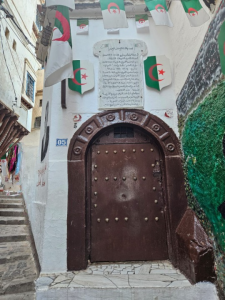
Today, though some buildings have collapsed and others are under restoration, the Kasbah’s soul remains intact. More than just architecture, it is a living memory of Algerian resilience, culture, and identity, a place where every wall, door, and shop tells a story, and every alley carries the echo of the past
Martyrs’ Memorial : A Symbol of Sacrifice and Pride
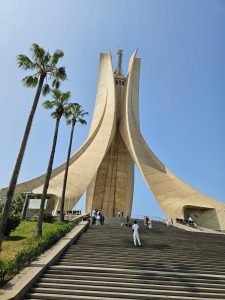
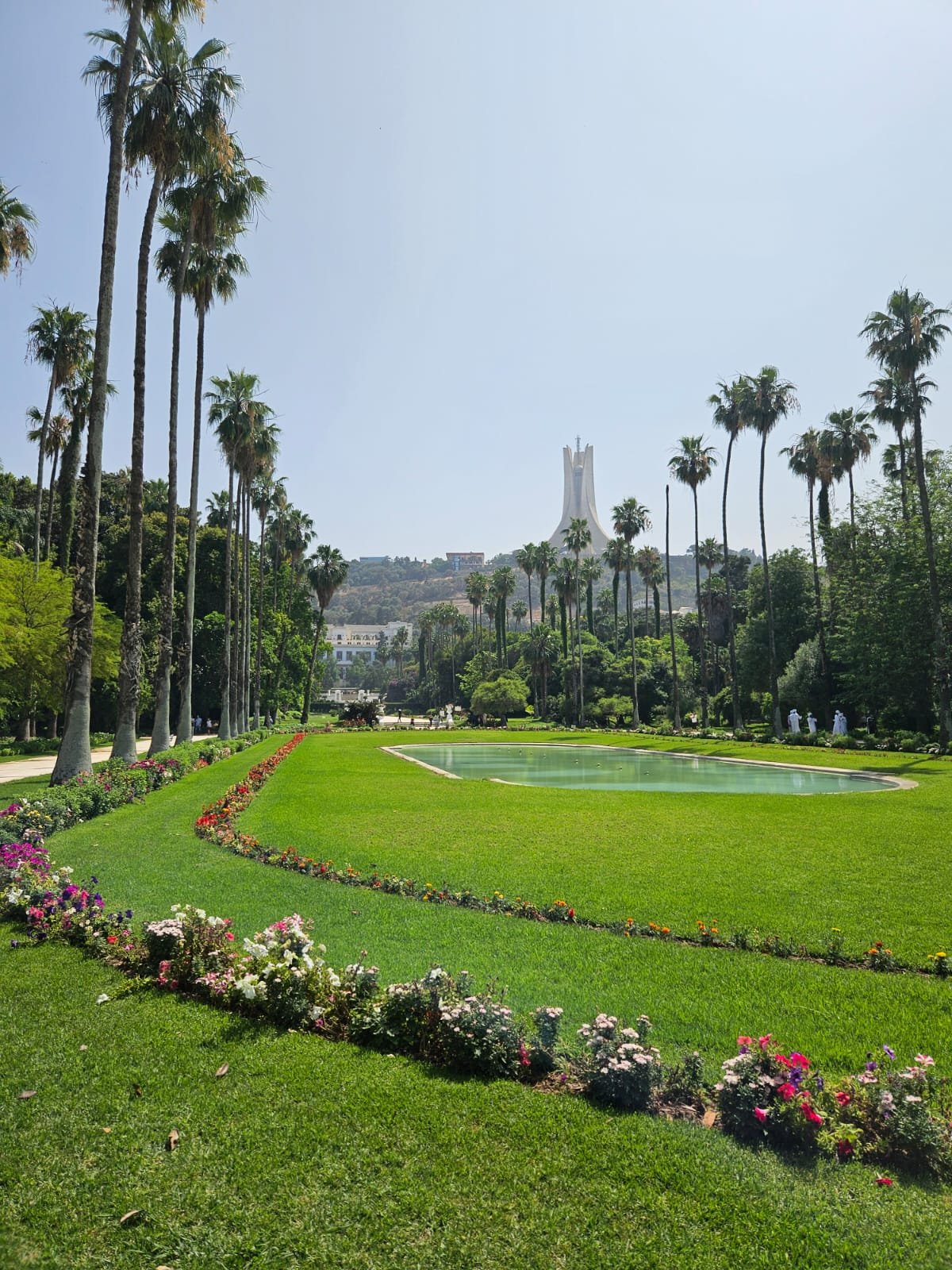
Because Algeria is known as the Country of One and a Half Million Martyrs, most visitors begin their journey in Algiers with a stop at the iconic Martyrs’ Memorial (Maqam Echahid). Built in 1982 by a Canadian design firm to commemorate the 20th anniversary of Algeria’s independence, this soaring concrete monument honors the 1.5 million lives lost during the brutal struggle against French colonial rule. Shaped like three palm leaves sheltering an eternal flame, the structure is both powerful and symbolic. Beneath it lies the National Museum of the Moudjahid, offering deeper insight into the country’s fight for freedom. The site also offers panoramic views over Algiers.
Jardin d’Essai : Algiers’ Botanical Gem
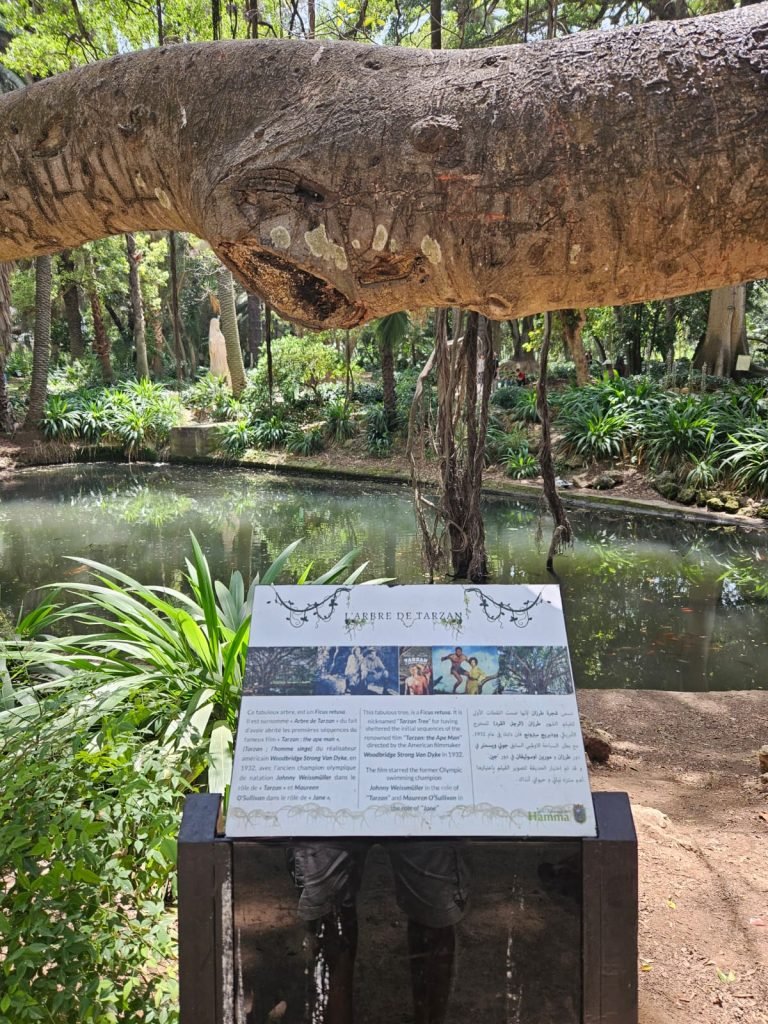
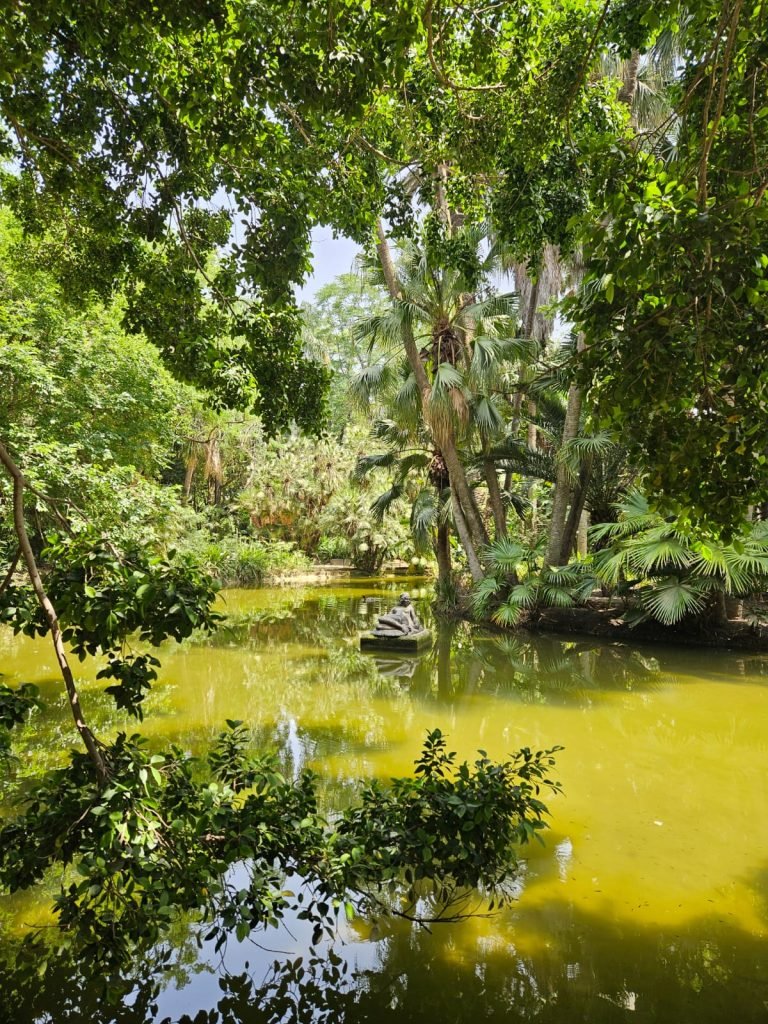
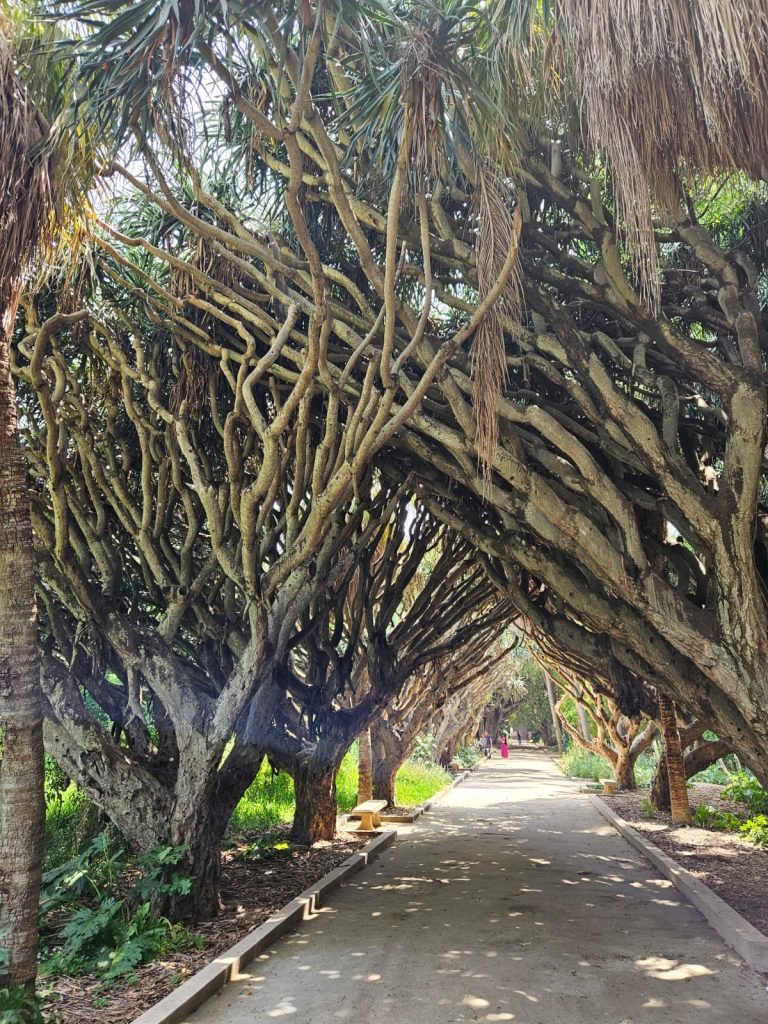
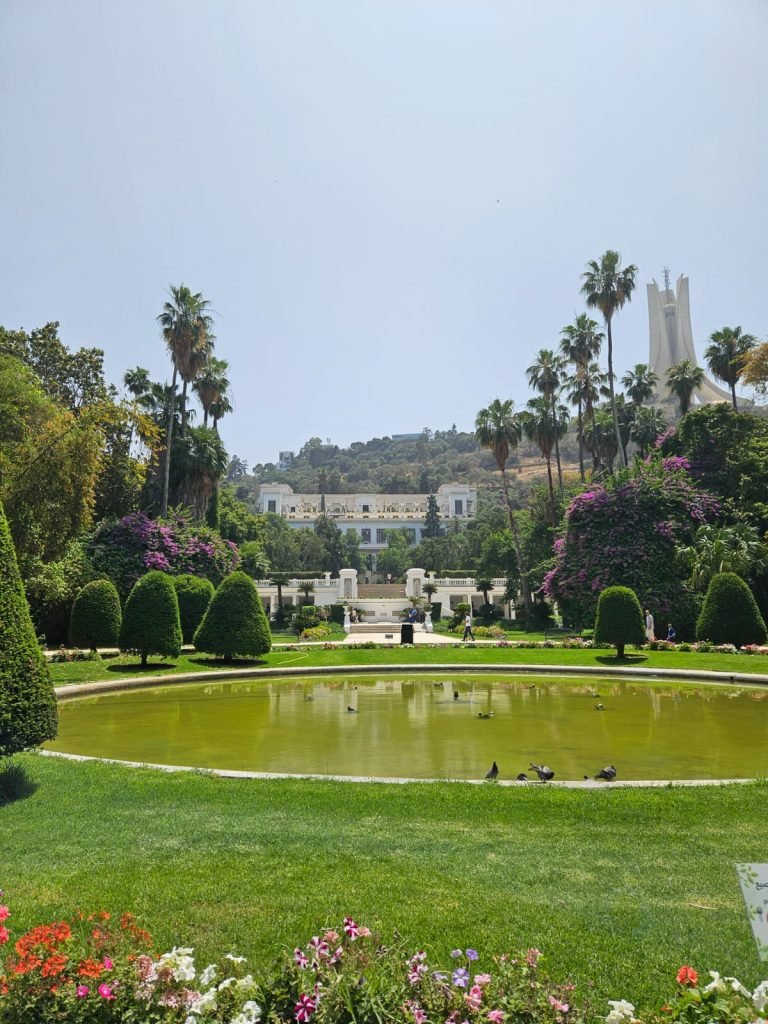
Just a short walk from the Martyrs’ Memorial lies the Jardin d’Essai, a breathtaking botanical garden that dates back to 1832. Originally created by the French to test and acclimatize plants from across their colonies before sending them to France, the garden has grown into a lush paradise. Spanning over 30 hectares, it houses thousands of plant species from around the world. One of its iconic trees even appeared in a ‘Tarzan movie’. Peaceful, exotic, and rich in history, this garden is a must-visit for nature lovers exploring Algiers.