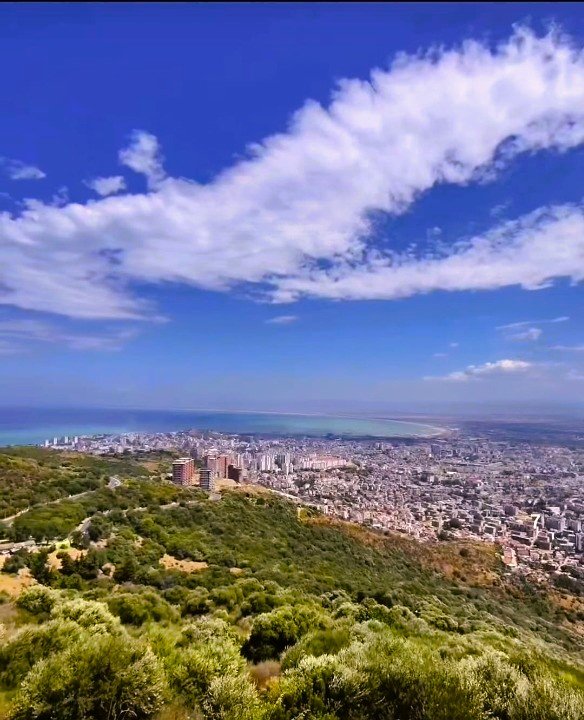
Annaba, often called La Coquette, “the Elegant One.”
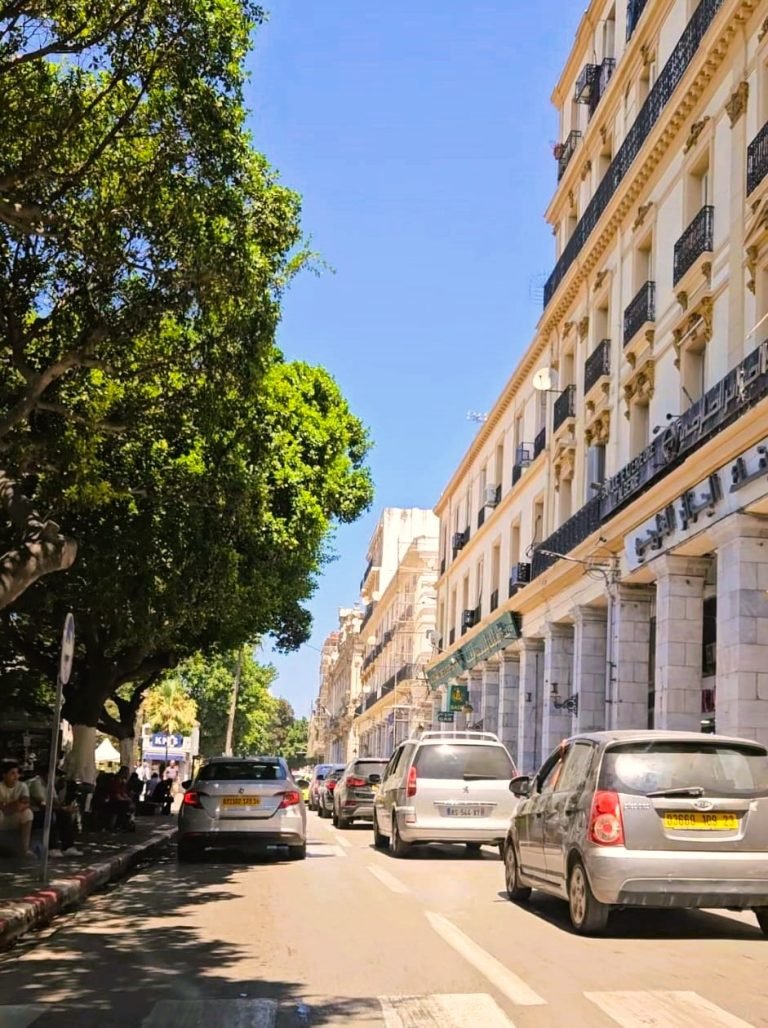
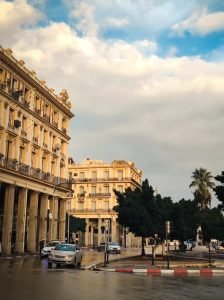
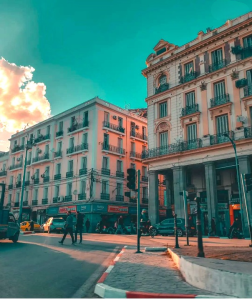
Its elegance runs deep: in its nature, its people, and its way of life. Elegant in the way the Mediterranean hugs the coastline, how the Edough Mountains rise behind the city, how places like Seraïdi and Lella Bouna offer breathtaking views and quiet beauty, and in how Haussmann-style architecture adorns its boulevards.
This elegance also lives in the Annabi spirit, seen in traditional costumes worn proudly during celebrations, in the food, and in the way the table is set with care and meaning.
Annaba is the city of Malouf, of Aïssawa, and of 99 saints like Sidi Brahim, Sidi Harb, and Sidi Bouhdid. It carries history, identity, and deep emotion.
Annaba is a city that charms, surprises, and stays in your heart long after you leave.
It’s more than just a place on the map.
It’s my forever love. A part of me, always.
Visit the Basilica of Saint Augustine & the Ruins of Hippo Regius
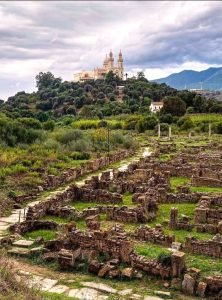
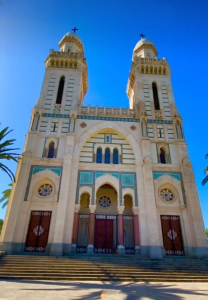
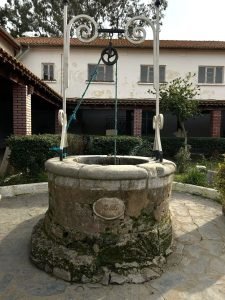
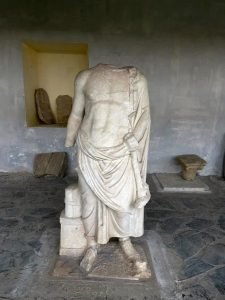
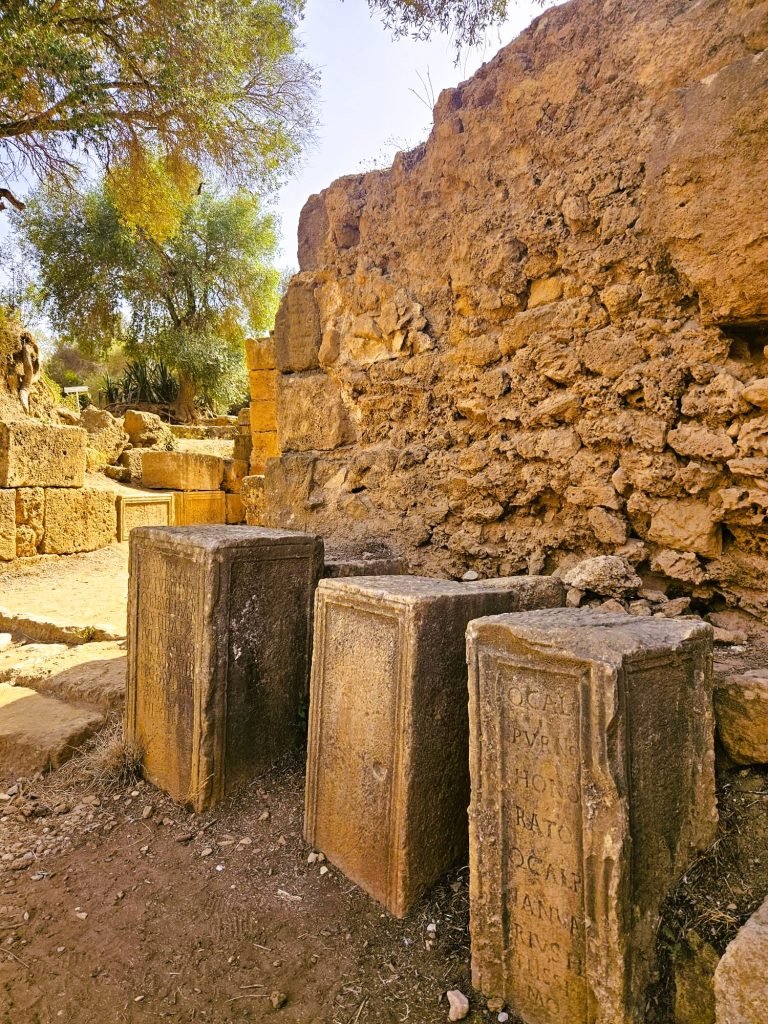
The story of Annaba begins in Roman times, when it was known as Hippo Regius, a thriving settlement and an early center of Christianity. It was here that Saint Augustine lived, taught, and shaped the course of Western thought.
The ancient Roman ruins still remain, letting visitors walk among temples, baths, and mosaics that whisper stories from over seventeen centuries ago.
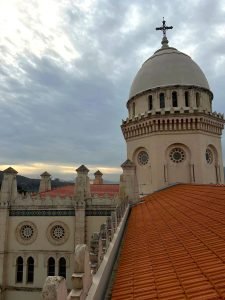
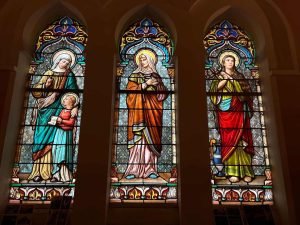
To honor this legacy, the Basilica of Saint Augustine was built later, in the 19th century during the French colonial period, the basilica is known as ” Lella Bona”, its design is a blend of Romanesque, Byzantine, and Arab-Andalusian which makes it one of Annaba’s architectural gems, with breathtaking views over the sea.
The city is home to a large Christian cemetery on Boulevard Che Guevara, near Edough Park, a reminder of its Roman-Christian heritage and French colonial past. It also has a Jewish cemetery, highlighting the presence of different religious communities over the centuries and the city’s rich, multicultural identity.

Discover the Hafsid Citadel
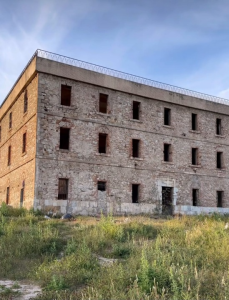

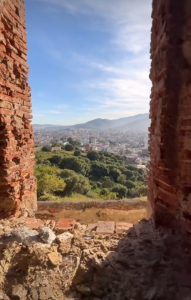
The Hafsid Citadel , located on Caroubier Hill, was built in the 13th century during the rule of the Hafsid dynasty, a Berber Muslim power based in Tunis that controlled much of North Africa, under Governor Abu Muhammad al-Saleh, the fortress overlooked the sea and the old village, guarding Annaba’s coastline and trade routes. The Hafsid Citadel stood as a symbol of Annaba’s medieval strength and strategic importance.
Wander Through La Qasbah (Place d'Armes)
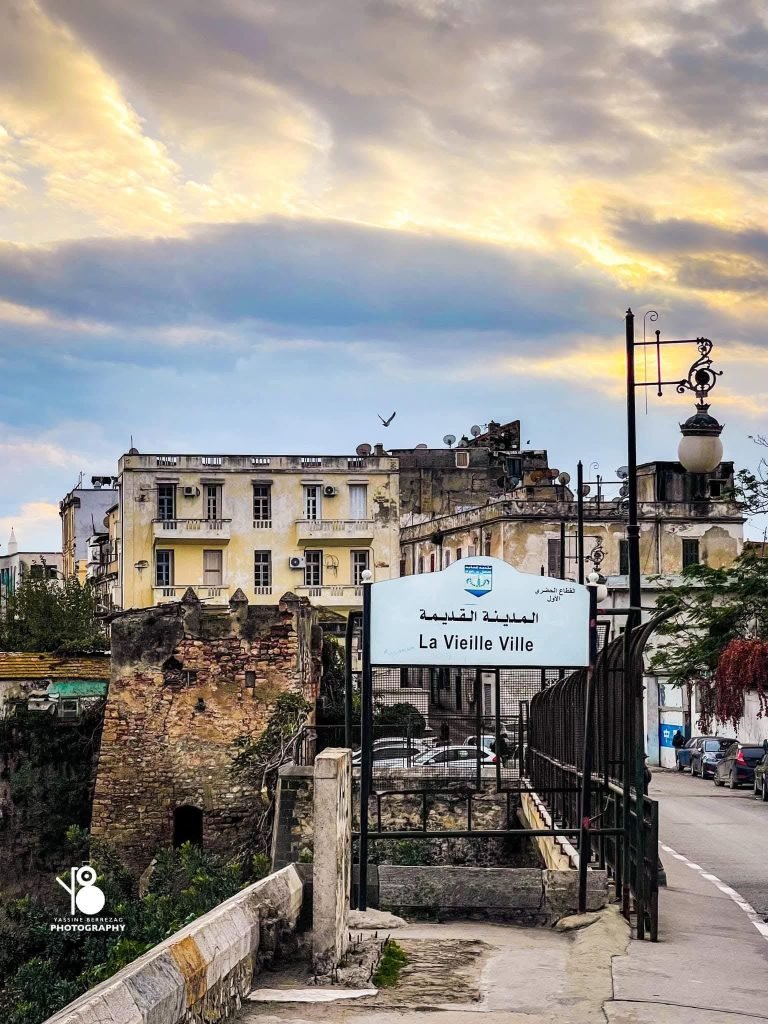
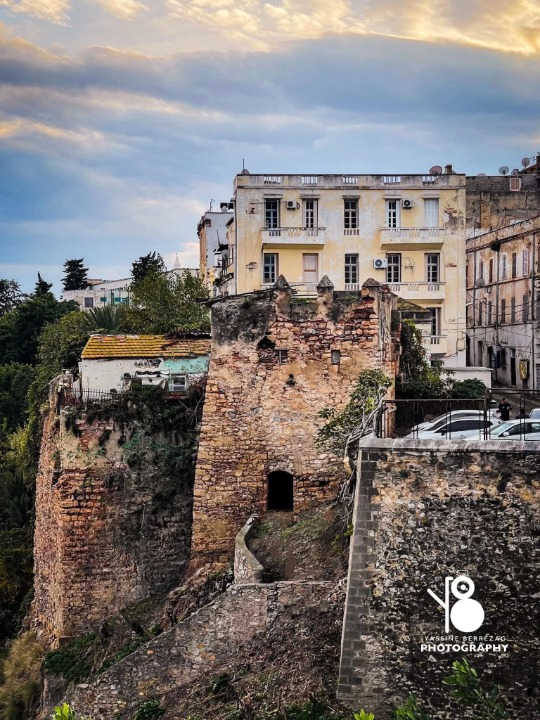
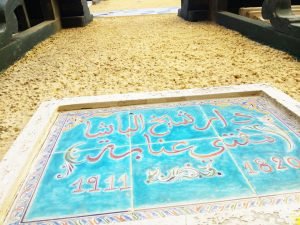
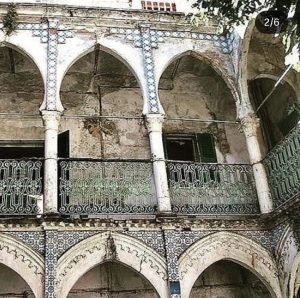
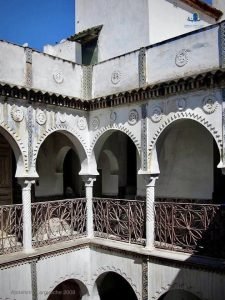
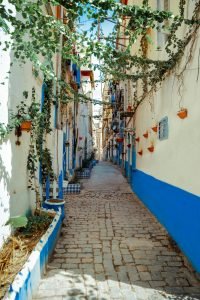
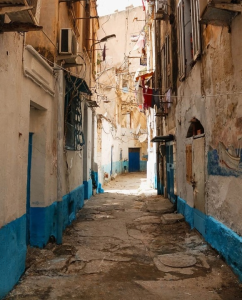
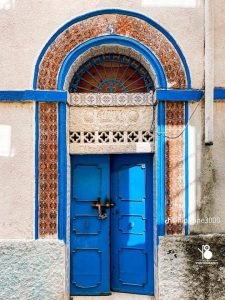
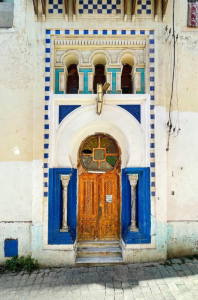
The old city of Annaba, known as La Vieille Ville or Place d’Armes, preserves the authentic charm of the city’s Ottoman past. Its narrow, winding alleys were once home to wealthy families and religious leaders in grand houses like Dar El Mufti, merchants and artisans running shops, and fishermen living near the coast. The quarter still features traditional hammams, bakeries, handicraft shops, and historic mosques such as the Saleh Bey Mosque, though some buildings have collapsed and many await restoration. In the 19th century, when the French arrived, part of this old medina was transformed into the Place d’Armes, a spacious square just behind the elegant Haussmann-style boulevards, linking Annaba’s Ottoman heritage with its colonial-era urban development.
Visit Saleh Bey Mosque
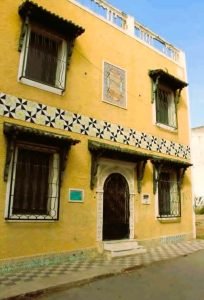
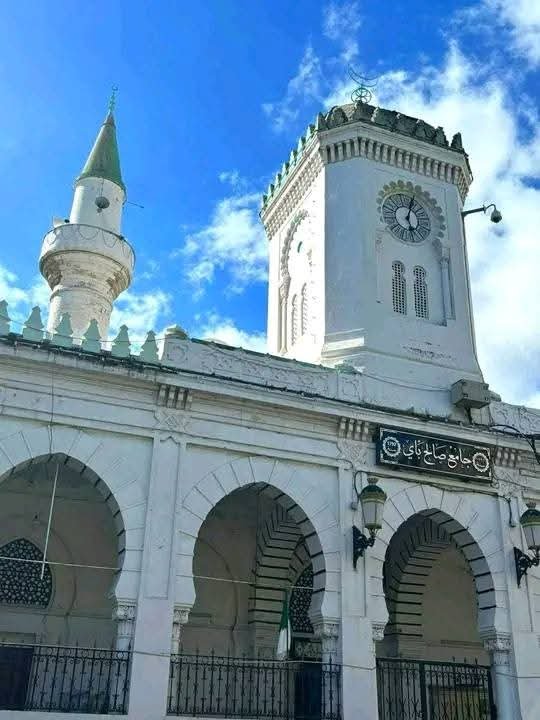
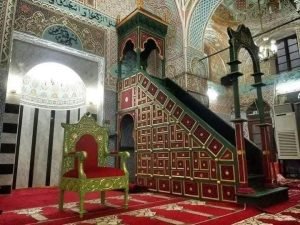
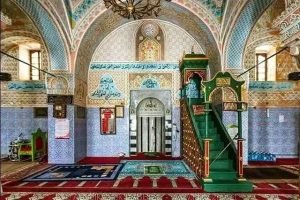
The Saleh Bey Mosque is one of Annaba’s historic Ottoman-era mosques, located in the heart of the old city. Built during the Ottoman period, and named after Saleh Bey the governor at that time. As you can see from the chair in the picture, the mosque also served as a community center in addition to its role as a place of worship. The mosque is known for its classic Ottoman architectural elements, including a simple yet elegant prayer hall, a courtyard, and a minaret that rises above the old medina’s rooftops. Despite the passage of centuries, it remains an active mosque, offering a window into Annaba’s spiritual heritage and Ottoman architectural legacy.
Stroll the Downtown

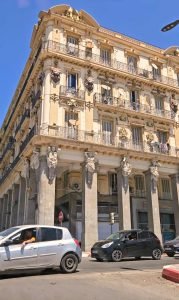
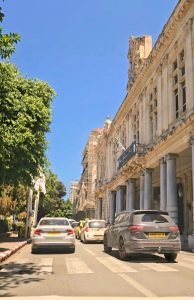
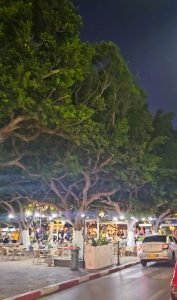
Annaba’s city center has a charm reminiscent of Paris’s Place de l’Étoile, though on a smaller scale. As you see in this old photograph of Annaba that captures this timeless beauty perfectly. It begins at the roundabout of El Hattab, from which several streets radiate, the most famous being La Gambetta. All roads lead to the heart and soul of the city , Revolution Square. This large plaza, shaded by old trees, is lined with coffee shops and benches where people gather for a coffee, enjoy ice cream, or simply relax. On both sides, elegant Haussmann-style buildings with arcades house bustling shops, adding a touch of Parisian elegance. Just behind lies the old city, followed by the marina and the seaside, while directly in front stands the historic train station. Perhaps the most striking feature of the city remains its Haussmann-style architecture, adorned with sculpted balconies and intricate details, a true reflection of its unique character.
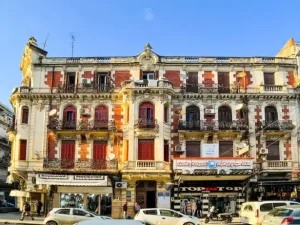
Annaba is a city where history lives not only in its monuments but also in everyday language. Almost every neighborhood still carries its old French name, like Élisa, Laurier Rose, Ozas, Alexis Lambert, Juinoville, Marinon, Minadia, Beau Séjour, Majestic, Tabacoop, Les Crêts, Val Mascort, Champs de Mars, Gambetta, Bouskara, even though they officially bear Arabic names today, mostly in honor of martyrs. For locals, however, the French toponyms remain deeply rooted, reflecting the layered memory of the city and its colonial past.
The Gazelle: Diana The Huntress
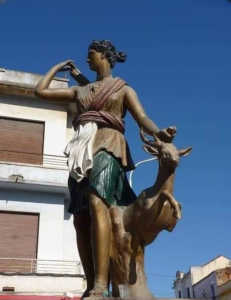
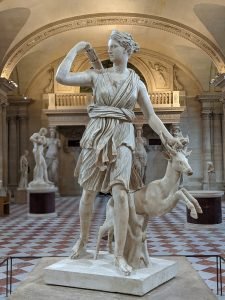
In the eastern quarter of Annaba, known as La Colonne, stands the striking bronze statue of Diane Chasseresse, or Diana the Huntress, accompanied by a gazelle. This elegant sculpture is a French-era replica inspired by the Roman Diana of Versailles, which itself is a Roman copy of a Greek goddess. While authentic Roman statues of Diana/Artemis exist in France, Libya, and Turkey, the Annaba statue is unique in the city and evokes the Roman goddess of the hunt, the moon, and nature, symbols of grace, independence, and the beauty of the wild.
The Theatre
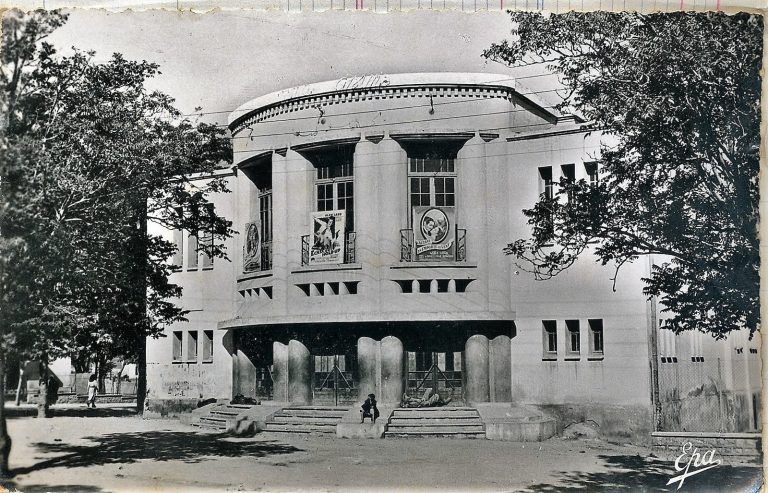

The Théâtre Régional Azzedine Medjoubi is a historic gem of Annaba’s cultural life. It is located in the heart of downtown, on the plaza. The original building as shown in the old photo was built during the 20th century during the French colonial period, it was tragically destroyed in WWII by German aerial bombing, then faithfully rebuilt in 1954. Since independence, it has evolved into a regional cultural hub, hosting theater, exhibitions, and festivals, while retaining its historical presence and architectural grace.
Cinemas
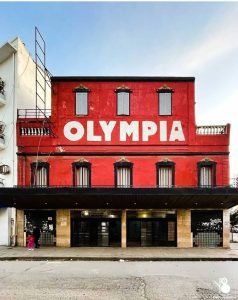
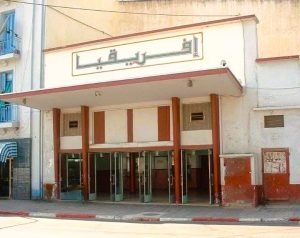
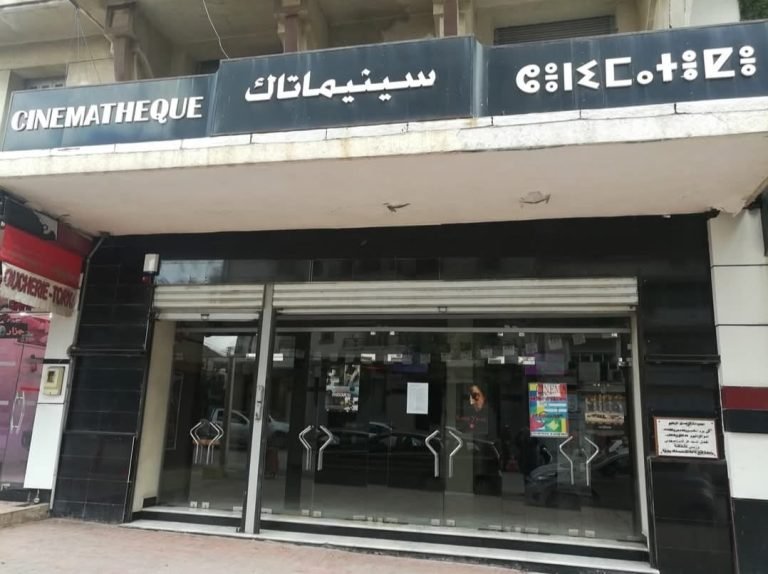
In its golden age, Annaba truly earned the nickname “La Coquette” not only for its coast and boulevards beauty, but also for its vibrant cultural and social life. The city once boasted nine cinemas, alongside its prestigious municipal theater and lively cafés. Venues like Olympia, Africa, Le Colisée, Rex, and Le Vox weren’t just places to watch films; they were symbols of modernity and elegance, where families, youth, and intellectuals gathered, dressed in their finest.
This abundance of cultural spaces reflected a cosmopolitan lifestyle, people in Annaba embraced cinema, theater, and music just as much as Mediterranean seaside strolls. But over time, most cinemas have been abandoned or repurposed, leaving no functional commercial cinemas in the city today. While El Manar is undergoing renovations to become a modern multiplex, the Cinémathèque continues to serve as a vibrant cultural hub for film enthusiasts in the city.
The Train Station
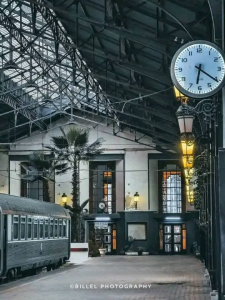
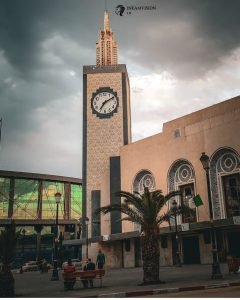
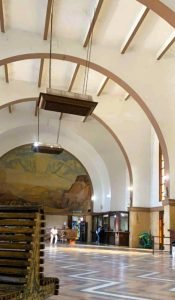
Annaba’s train station, dating back to the early 20th century, is one of the city’s most charming landmarks. Built during the French colonial era, its architecture still preserves the elegance of that time, with arched windows and ornate details. Stepping inside feels like entering a scene from a black-and-white movie, as the station has retained its authentic character and nostalgic atmosphere, continuing to welcome travelers much like it did a century ago.
Discover Annaba’s Stunning Coastline
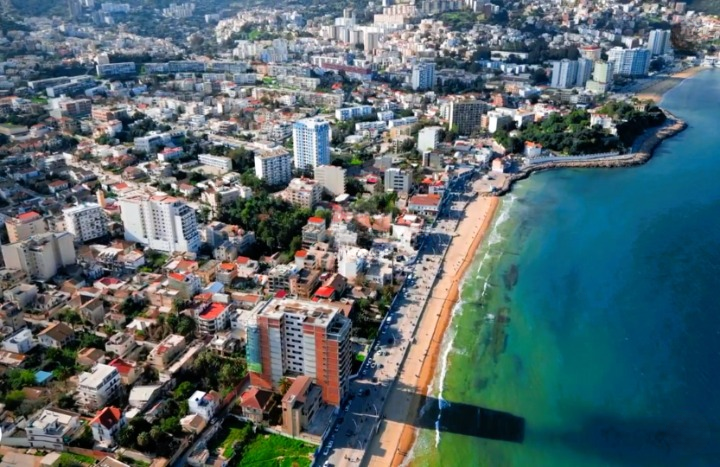
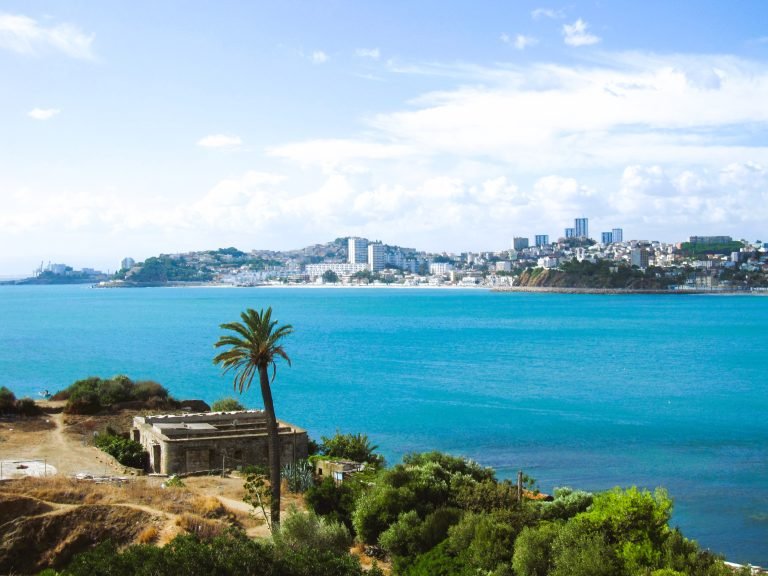
As someone who was born and raised in Annaba, I can confidently say that its coastline is the true jewel of the city. Stretching from the marina all the way to the Faro (Cap de Garde), Annaba’s shores are breathtaking, offering a perfect blend of golden sand, turquoise waters, and scenic promenades. Renowned for its pristine beaches, this coastline has made Annaba one of Algeria’s top summer destinations, attracting locals and visitors alike to enjoy the sun, sea, and refreshing Mediterranean breeze.
The city’s corniche is stretching from Vedro to Chapuis (passing by the Jewish Beach, Saint Cloud, but this is just the beginning of the journey.
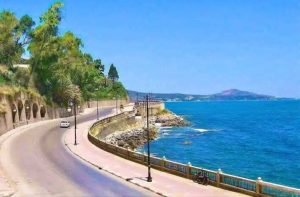
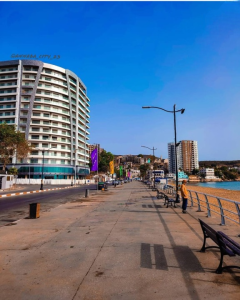
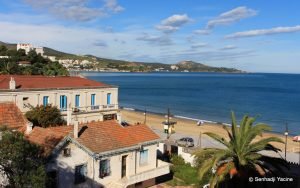
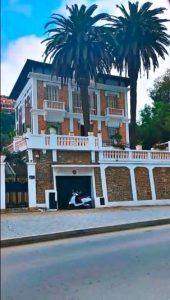
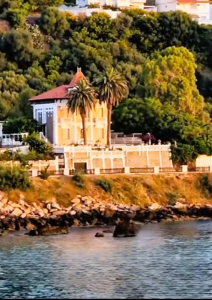
Here I have to make a small confession. El Vedro was almost my daily route to and from work, and every single time I passed by, I couldn’t help but admire that charming house overlooking the sea. I always thought to myself, “Whoever lives there, I truly envy you, please adopt me!”
I felt incredibly lucky, not only to live in Annaba but also to work right by the sea. My office faced the marina, so my daily commute was a journey along the water, a privilege few cities can offer. And on mornings when I had a little extra time, I would stop at Saint Cloud for a refreshing walk by the sea, a perfect way to start the day.
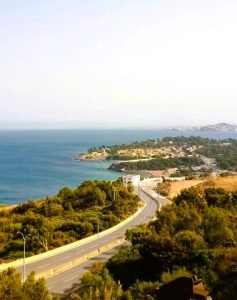
Beyond Chapuis, the road rises into winding virages where the true beauty of Annaba unfolds. This stretch leads to some of the most stunning beaches: La Caroube, Toche, Belvédère, Bouna Beach (private), and Ain Achir. Almost every turn offers a viewpoint and parking spots, allowing visitors to stop, admire the views, and take photos of the sparkling sea and surrounding landscapes.
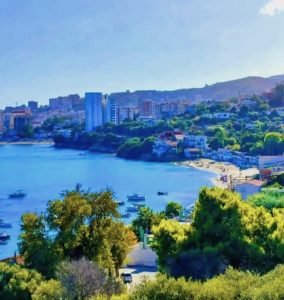
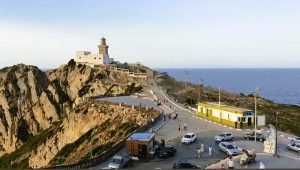
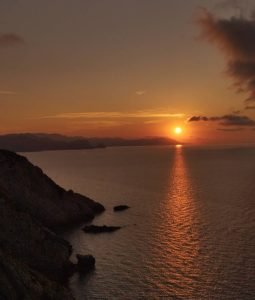
Driving along this road is an experience in itself. The fresh sea air and the panoramic views day and night, make the journey feel like a natural boost to your mood, a true dopamine lift with every kilometer. The route culminates at the Faro (Cap de Garde), also known as “Fnar” (الفنار) which is actually Arabic and means lighthouse, a spacious plaza where visitors pause to enjoy panoramic sea views especially at sunset while sipping traditional green tea with peanuts, soaking in the elegance and charm that make Annaba’s coastline unforgettable.
Escape to Seraidi & Ain Barbar in the Edough Mountains
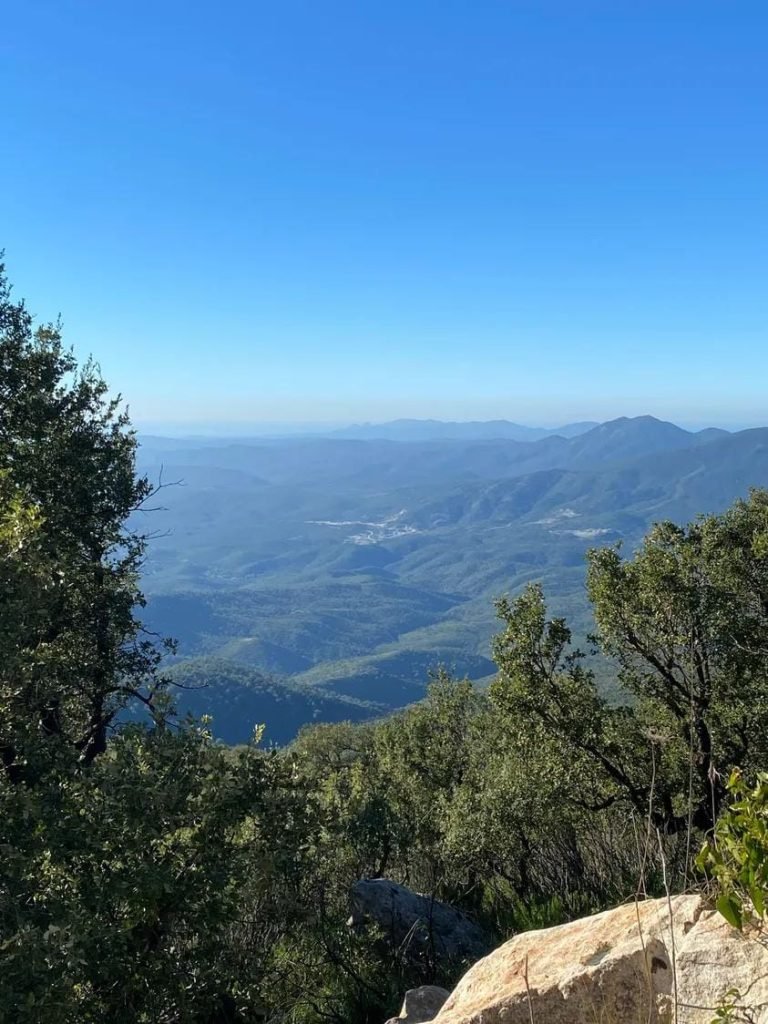
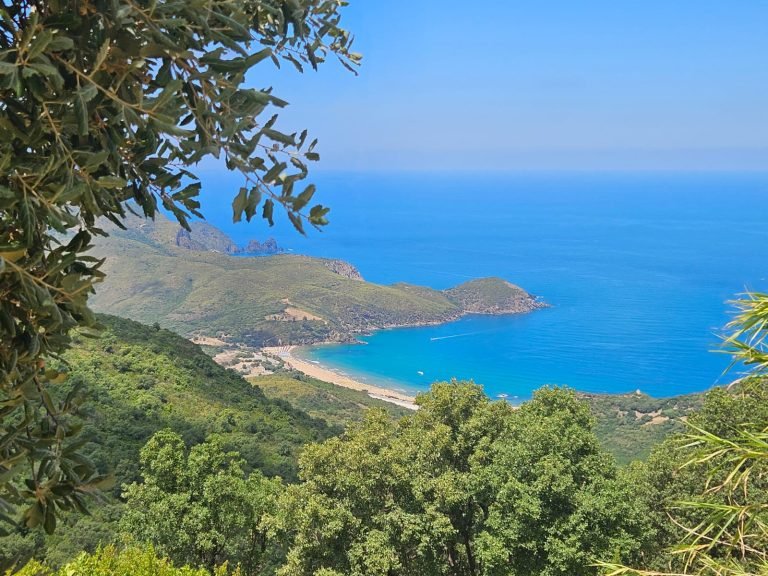
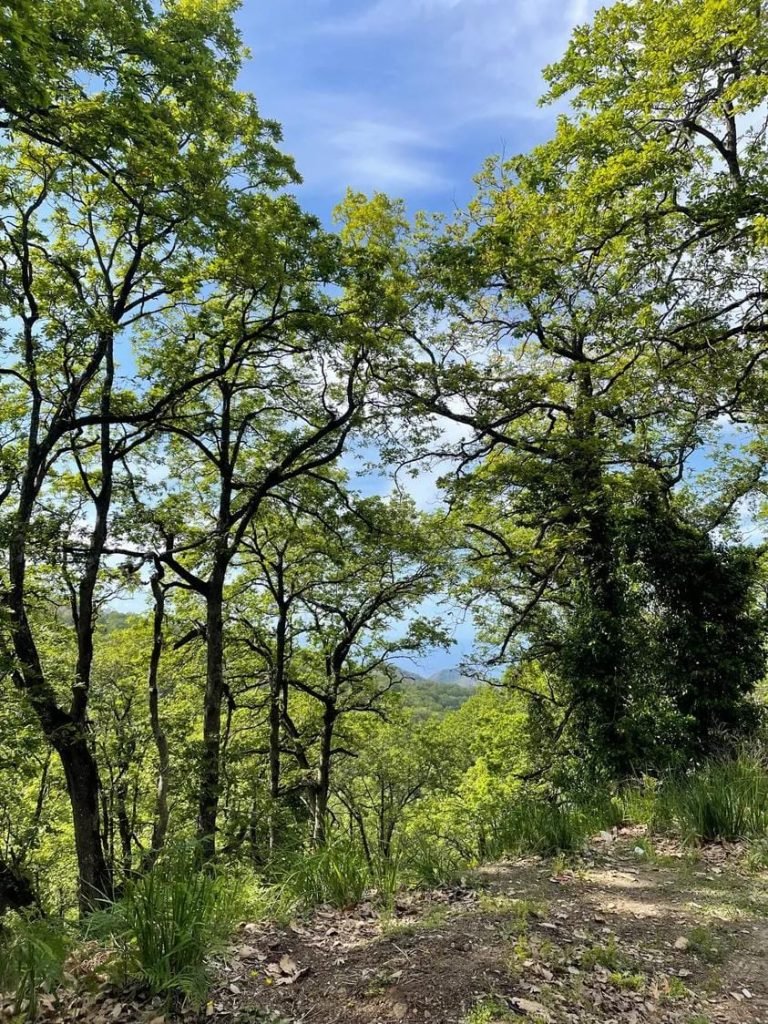
Seraïdi is our pride, our fortune, and our escape, whether in the heat of summer or the calm of winter. Just 10 km from Annaba’s city center, the village feels like another world. Surrounded by forests, it offers picnic areas, hiking trails, and cozy corners to relax. The village itself is charming, with narrow streets and a warm atmosphere. It is also a home of the iconic Mountazah Hotel, perched on the mountain with breathtaking views of the sea and forest.
Not far from the village lies Oued Boukrat, a beloved beach embraced by green mountains, and sometimes in winter Seraïdi transforms into a snowy retreat where families gather to enjoy the rare sight of snow by the Mediterranean. You can drive to Seraidi or use a cable car that carries you straight to the village of Seraidi, offering stunning views over Annaba and the coastline.

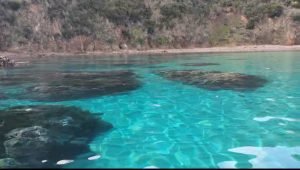
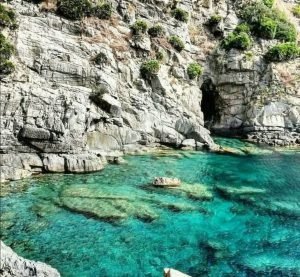
Continue further, and you’ll reach Aïn Barbar, a stretch of wild and pristine coastline where the mountains plunge dramatically into the sea. Its crystal-clear waters, rocky coves, and pine-covered cliffs make it a paradise for those seeking peace, beauty, and a more untouched side of Annaba’s coast.
Together, Seraïdi, Aïn Barbar, and the Edough Mountains form a natural triangle that Annabians hold close to their hearts, an escape into nature, tradition, and pure Mediterranean beauty.
Visit Shetaïbi and Its Beautiful Beaches
If you keep following the coastal road past Aïn Barbar, you’ll arrive at Shetaïbi, a small fishing town blessed with some of the most beautiful and pristine beaches in the region. Tucked between the mountains and the Mediterranean, Shetaïbi feels more isolated and untouched, which only adds to its charm.
The beaches here are known for their crystal-clear turquoise waters, soft sand, and wild surroundings, making them a favorite summer escape for those who want something more authentic and less crowded.
From Chetaïbi marina, you can rent a boat and set off to discover the surrounding hidden beaches, such as El Redma, Glagamiz,Oued Leghnem, Les Sables d’or, Fountaine Romaine, Baie west, and Sidi Akkacha
Tips For Your Visit To Annaba
- When planning your visit to the Basilica of Saint Augustine, keep in mind that it has limited hours: it’s closed on Saturdays, open on Sundays only from 2:30 PM to 4:30 PM, and the rest of the week from 9:30 AM to 4:30 PM. Entrance to the basilica is free, but if you’d like to explore the Roman ruins and the Musée d’Hippone, there’s a small fee of 200 DZD (about 1.5 USD).
- Never visit the Kasbah alone, it’s best to go with a local guide, which you can easily book through GetYourGuide or even find on social media. Being in a group and with someone from the area makes the experience safer and more insightful. Also, carry only essentials, as popular places like this can sometimes attract pickpockets. You can also visit the Hafsid Citadel at the same time as it is very close to the old village.
- Enjoy a morning coffee at Revolution Square, when the atmosphere is calmer and the city slowly wakes up. Pair it with a traditional sweet from one of the nearby patisseries, then just sit back and admire the beauty of the Haussmann-style buildings surrounding the square. It’s mostly safe, but just to be precautious, avoid leaving your camera bag or valuables on the table or a chair.
- If you’re visiting the Corniche by taxi, stop at El Kattara and start from there to Chapuis. If you’re driving, you can stop at Saint-Cloud or Chapuis, depending on parking availability. For me, the best route is to start at Saint-Cloud, walk to Kattara, then to Chapuis, and finally return to Saint-Cloud. This way, you get the full experience of the Corniche, both by the sea and along the city viewpoints.
- For swimming in Annaba, my favorite beach has always been Toche. I’ve been going there all my life. The beach is large, clean, and has crystal-clear water, and it’s mostly visited by locals (Annabians) which rarely swim at Saint-Cloud or Chapuis, especially in summer, so Toche remains the authentic spot for a true Annabian swimming experience within the city. However, the best of the best, without a doubt, is La Grande Plage de Seraidi (Oued Boukrat). Its pristine sand, turquoise water, and spacious coastline make it a must-visit if you want the ultimate beach experience near Annaba.
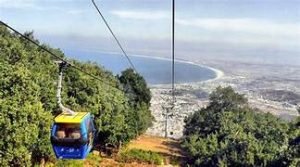
- If you don’t have a car, you can still visit Seraidi using the cable car near Hôtel Téléphérique. Once you reach the village, take a walk to Hôtel El Muntazah, stop by its café, and enjoy the breathtaking views of the coastline and surrounding area. It’s a perfect way to experience the beauty of Seraidi even without driving.
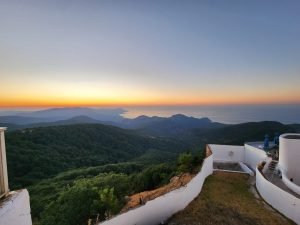
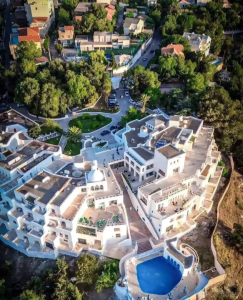
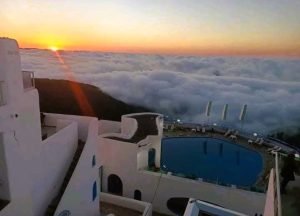
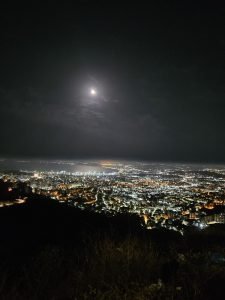
- Watching the sunset from Seraidi is a must-do experience, the view is simply stunning. The best vantage point is from Hôtel El Muntazah, so if possible, consider spending the night there. On some mornings, you might wake up above the clouds, surrounded by breathtaking scenery. This happens when low-lying clouds or fog fill the valleys below while higher areas remain clear. It’s more common on cool mornings in autumn, winter, or spring, but can occasionally occur on warm summer mornings if the humidity is high. To maximize your chances, wake up early and enjoy the magical view before the clouds dissipate as the day warms up.
Book in advance by contacting the hotel at +213 38473559 or from hotels.com
Also the view of Annaba from Seraidi at night is something you must experience, it’s not about the view, it’s about the feeling
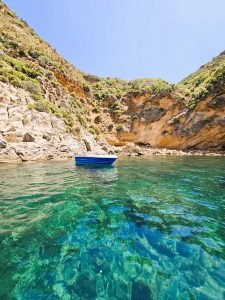
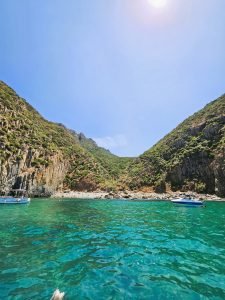
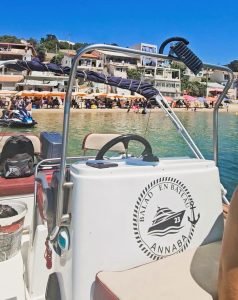
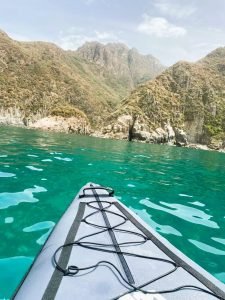
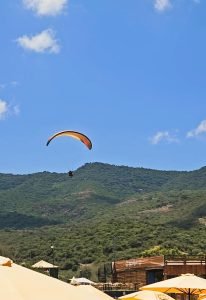
- Annaba has some beautiful beaches, with the most famous being El Louh and La Carrière. To access these, you can hire a boat from Oued Boukrat, or arrange for the boat to pick you up from Annaba’s Marina or La Caroube Beach. Our tour was with Balade en Bateau Annaba (check instagram), and the guide was very friendly, making the experience smooth and enjoyable. This is a great way to explore hidden beaches and enjoy the coastline from the sea.
There are also other activities, such as paragliding and kayaking, which allow you to explore some of the caves in the area. You can find many offices offering these activities along the beachfront.
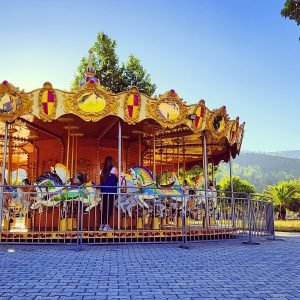
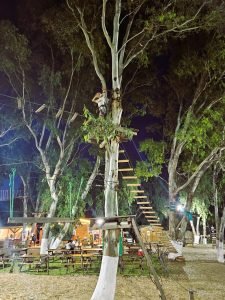
- If you’re traveling with little ones, head to Farouk Land in Sidi Achour, a family-friendly amusement park with rides and games for children. Another great option is Ain Achir, where kids and adults alike can enjoy some outdoor fun with the zipline in the woods near the beach.
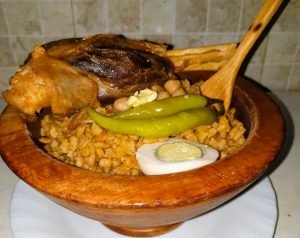
- While visiting Seraidi, make sure to eat at El Haja Restaurant, which is famous for its traditional dishes especially The Chakhchoukha. It’s a great way to experience authentic local flavors while exploring the area. check their instagram here
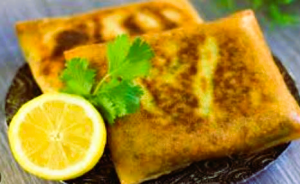
- Never leave the city without trying the Bourek Annabi, a local specialty that you’ll find in many restaurants and street food spots. It’s a must-try for an authentic taste of Annaba.
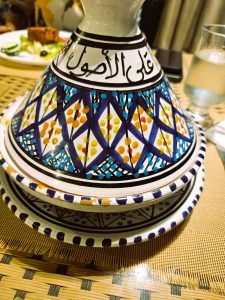
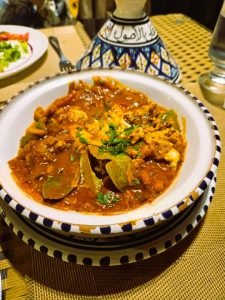
- Another restaurant I’ve tried in Annaba is Ala Al Oussoul, and the food there was very good. It’s a nice option if you’re looking to enjoy local cuisine beyond the traditional specialties.
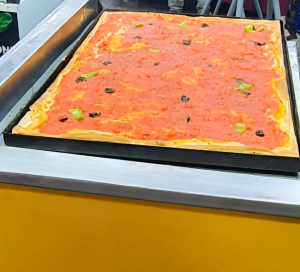
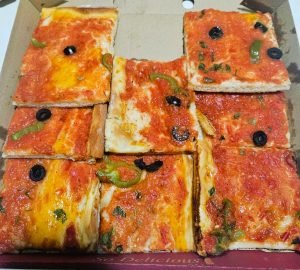
- Another popular food in Annaba is Pizza Carre, which you can find almost everywhere. One of my favorites, however, is from Malek Al Fougaz – King of Fougaz, located in Juinoula, El Fakharine. Their fougaz is delicious and definitely worth trying if you’re exploring the city.
Read Also
Admiring the time and effort you put into your website and in depth information you provide.
It’s awesome to come across a blog every once in a while that isn’t
the same old rehashed material. Fantastic read! I’ve saved your site and
I’m including your RSS feeds to my Google account.
Thank you for your feedback. I’m glad you enjoyed my blog and appreciate the effort I put into it. I hope you’ll find inspiration for your future travels and continue to enjoy the content.