Martyrs’ Memorial : A Symbol of Sacrifice and Pride
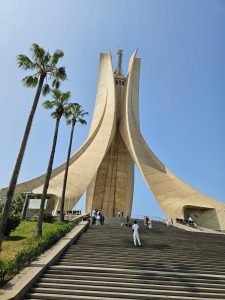
Because Algeria is known as the Country of One and a Half Million Martyrs, most visitors begin their journey in Algiers with a stop at the iconic Martyrs’ Memorial (Maqam Echahid). Built in 1982 by a Canadian design firm to commemorate the 20th anniversary of Algeria’s independence, this soaring concrete monument honors the 1.5 million lives lost during the brutal struggle against French colonial rule. Shaped like three palm leaves sheltering an eternal flame, the structure is both powerful and symbolic. Beneath it lies the National Museum of the Moudjahid, offering deeper insight into the country’s fight for freedom. The site also offers panoramic views over Algiers.
Jardin d’Essai : Algiers’ Botanical Gem
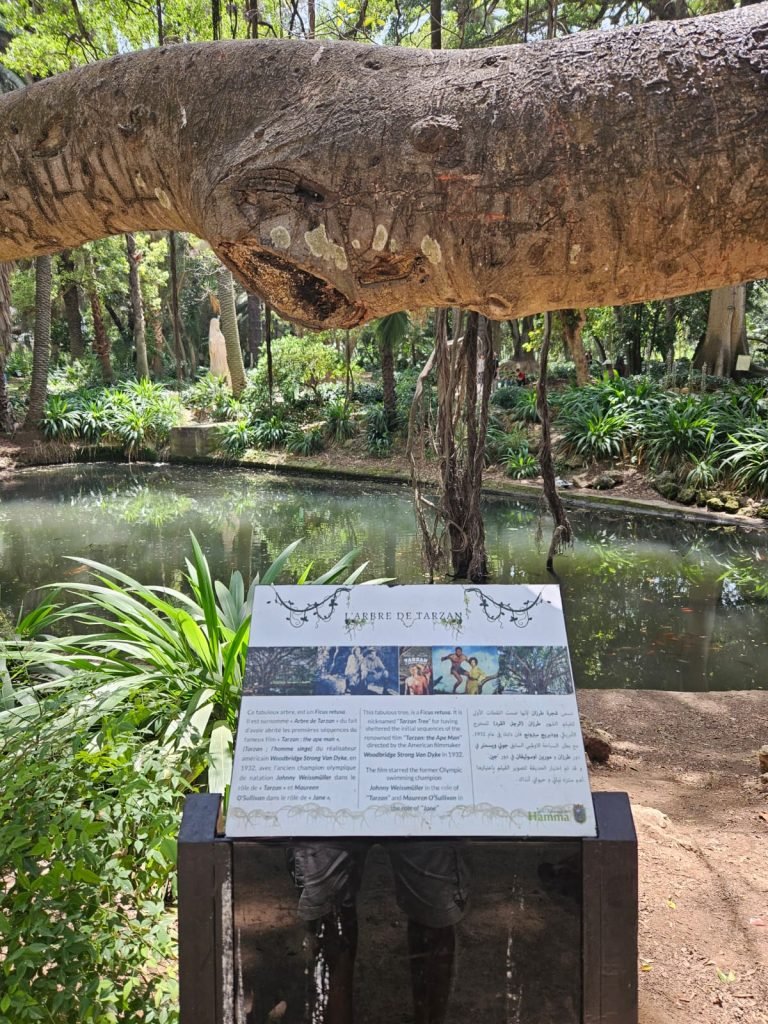
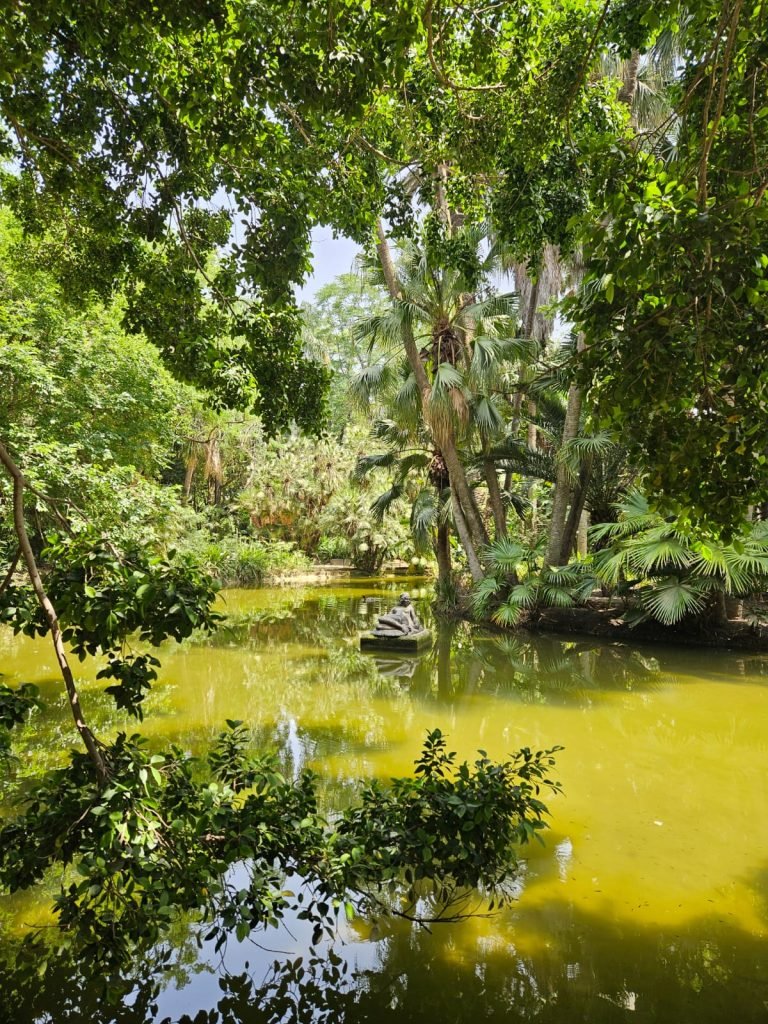
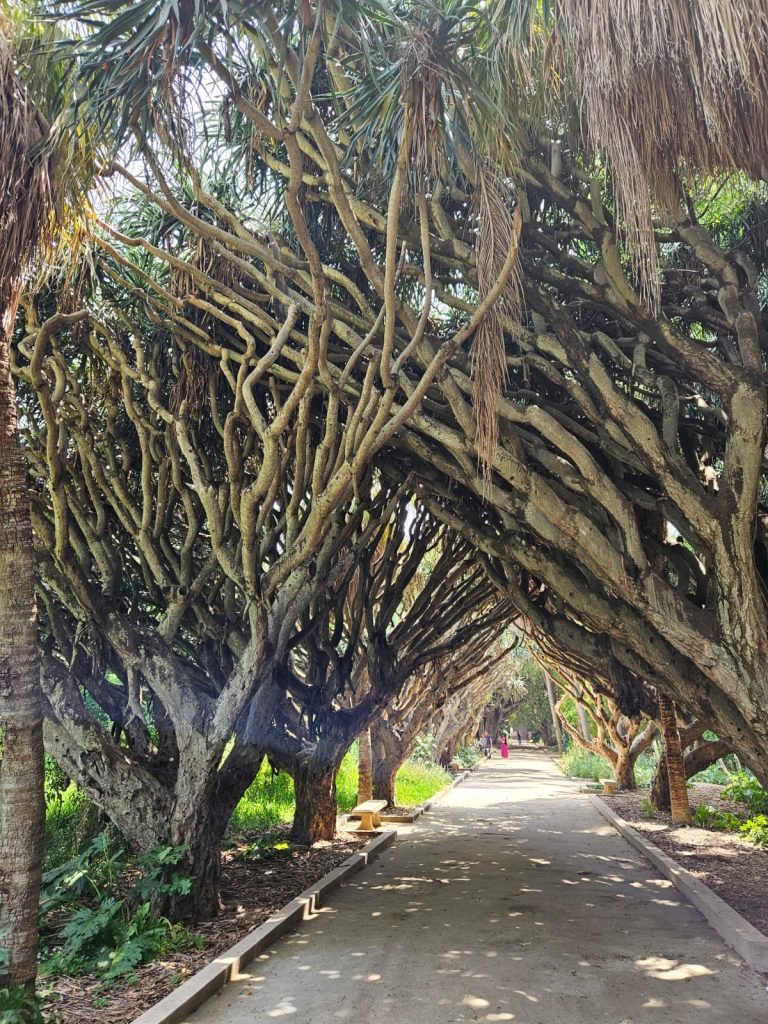
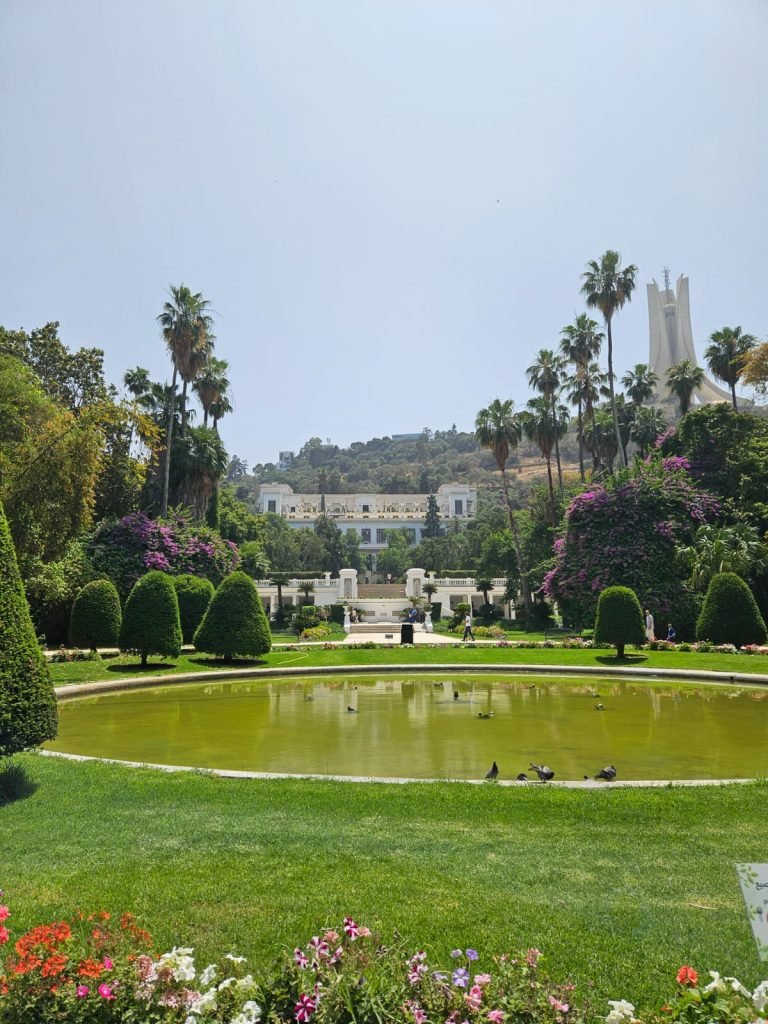
Just a short walk from the Martyrs’ Memorial lies the Jardin d’Essai, a breathtaking botanical garden that dates back to 1832. Originally created by the French to test and acclimatize plants from across their colonies before sending them to France, the garden has grown into a lush paradise. Spanning over 30 hectares, it houses thousands of plant species from around the world. One of its iconic trees even appeared in a ‘Tarzan movie’. Peaceful, exotic, and rich in history, this garden is a must-visit for nature lovers exploring Algiers.
The Great Mosque of Algiers
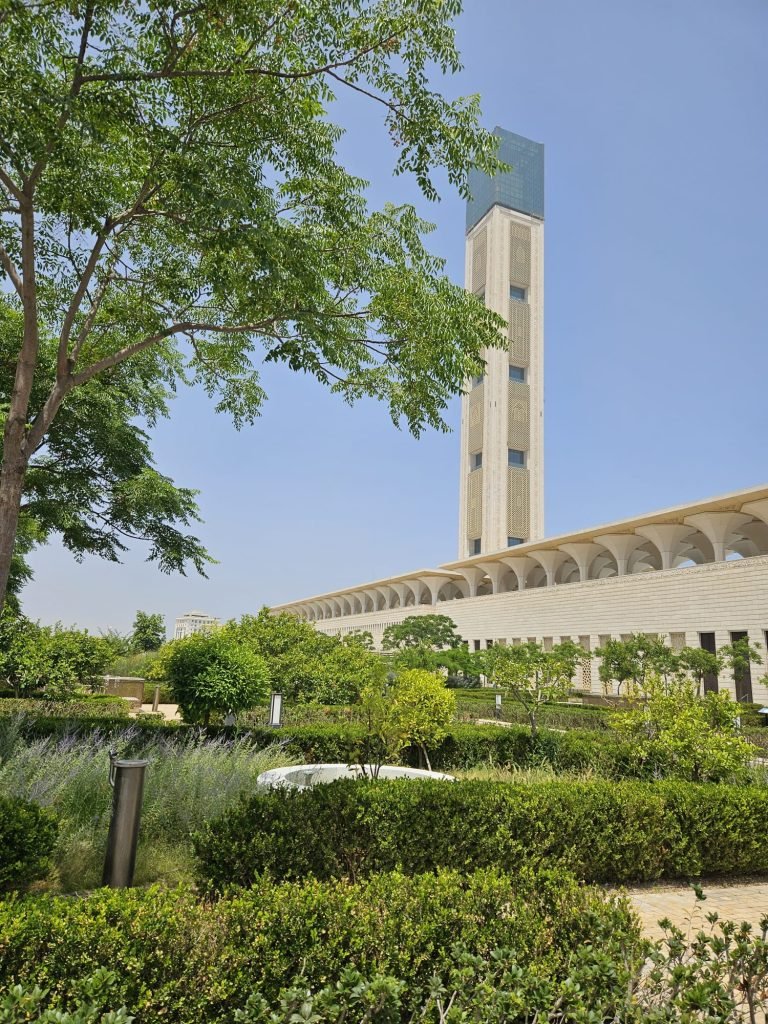
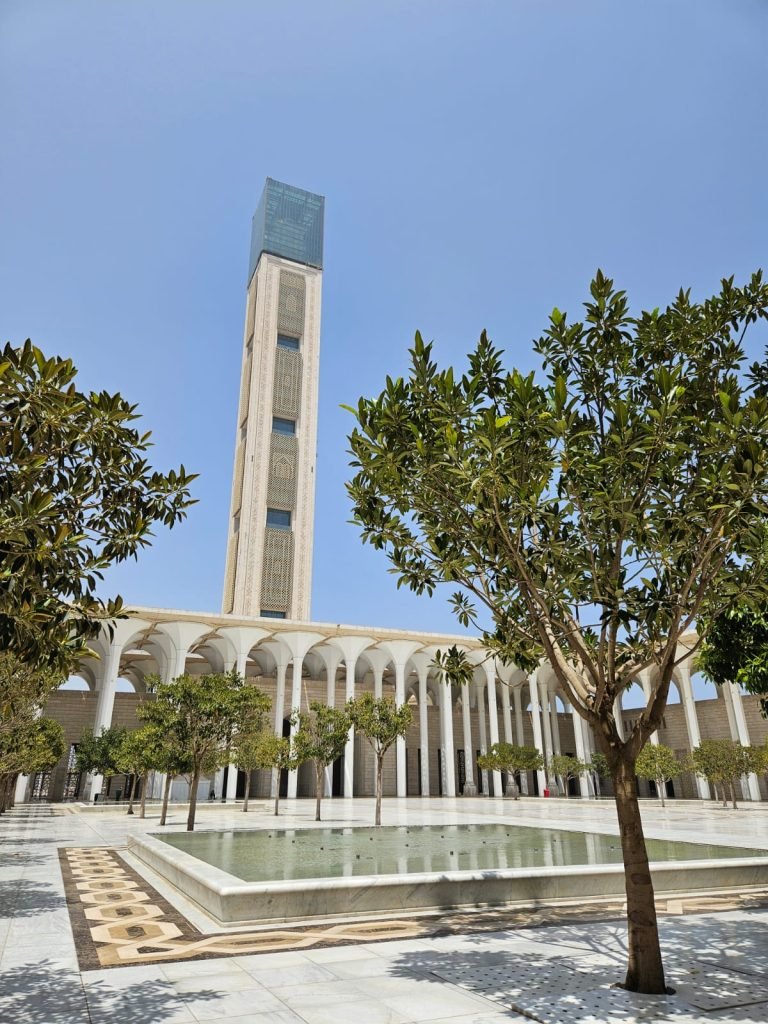
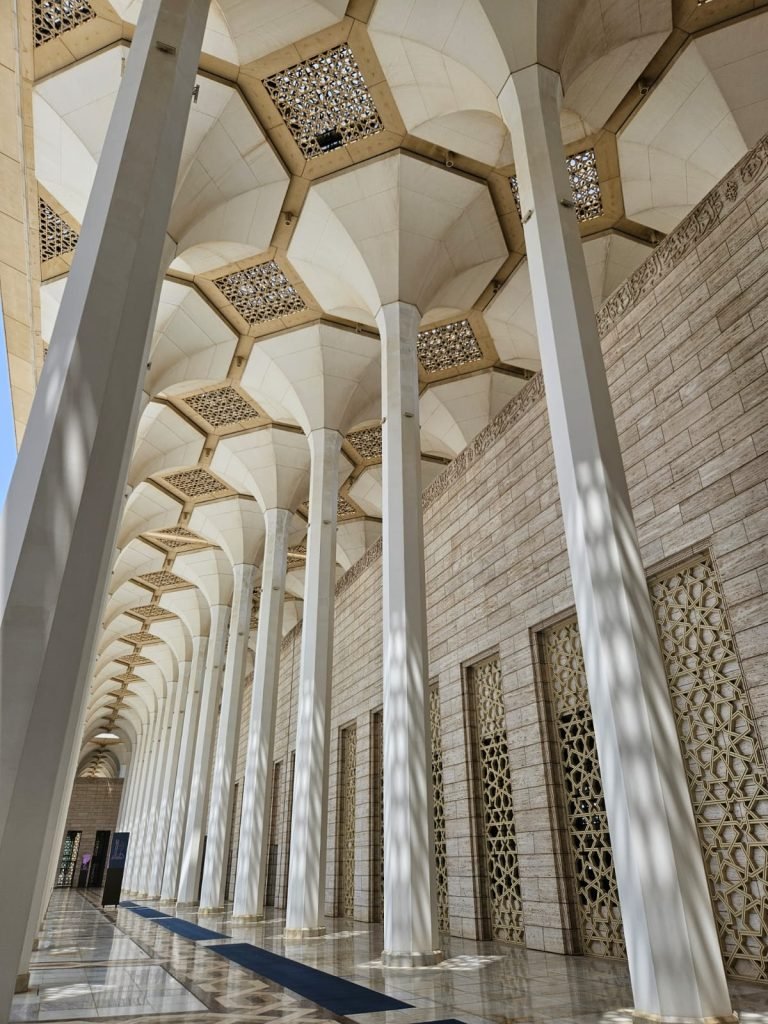
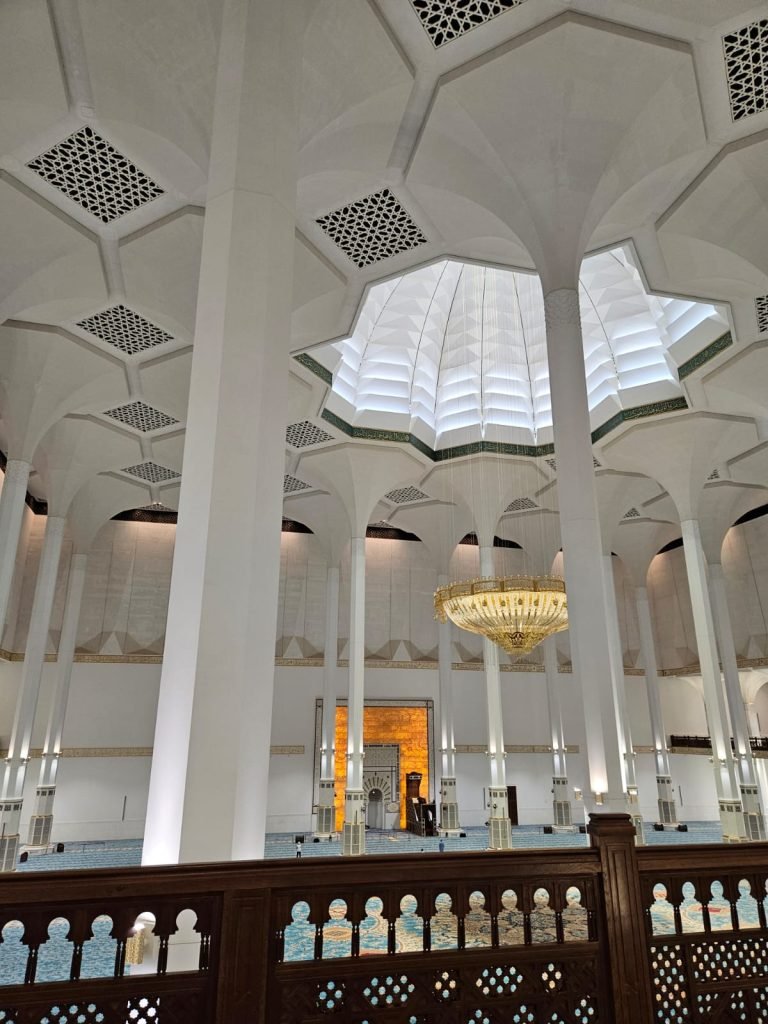
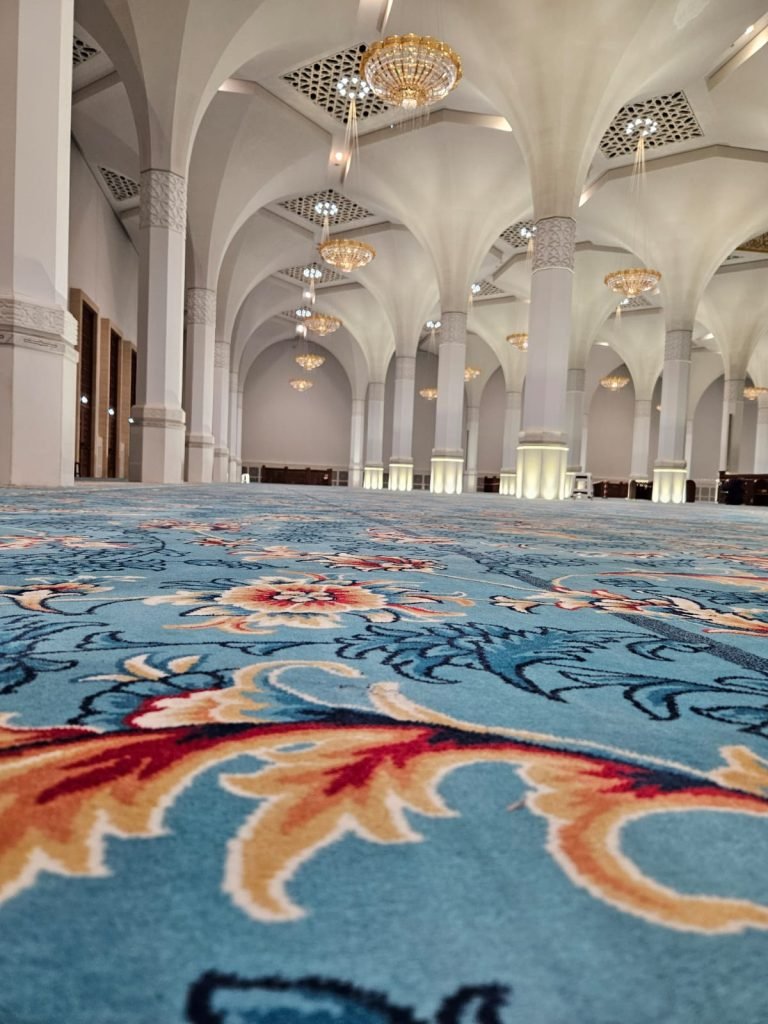
The Great Mosque of Algiers (Djamaa El Djazaïr) is not only the largest mosque in Africa, but also the second largest in the world, after the Grand Mosque in Mecca. With its soaring 265-meter minaret (the tallest in the world), it stands as a powerful symbol of Islamic identity and pride. It was built in an area once known during colonial times as the “gateway to Christianity.” After independence, Algerians renamed the district El Mohammadia, reclaiming its Islamic identity. The construction of the mosque later transformed the area into a modern tribute to the country’s religious and cultural roots.
More than just a place of worship, the mosque is a stunning architectural masterpiece, featuring intricate Islamic design, vast prayer halls, a museum, and breathtaking views of Algiers and the Mediterranean Sea from its towering minaret. Strategically placed along the coastal highway, the mosque is visible from land, sea, and air, a powerful reminder to all who enter the city of Algeria’s Islamic heritage and post-colonial identity.
The Esplanade
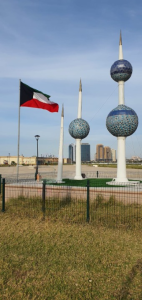
Just beside the Great Mosque of Algiers, overlooking the sea, lies a fascinating esplanade where the Arab and Islamic world comes together in miniature. Here you can stroll among scaled-down replicas of some of the most iconic landmarks—Jerusalem’s Dome of the Rock, the pyramids of Egypt, the rose-red Treasury of Petra, the Kuwait Towers, the clock towers of Beirut and Tunis, and even Algeria’s own Martyrs’ Memorial. Each monument is a reminder of a shared history and culture, standing side by side in harmony. With the mosque’s soaring minaret in the background and the sea breeze carrying the sounds of families enjoying their evening walks, this place feels like both a cultural journey and a celebration of unity.
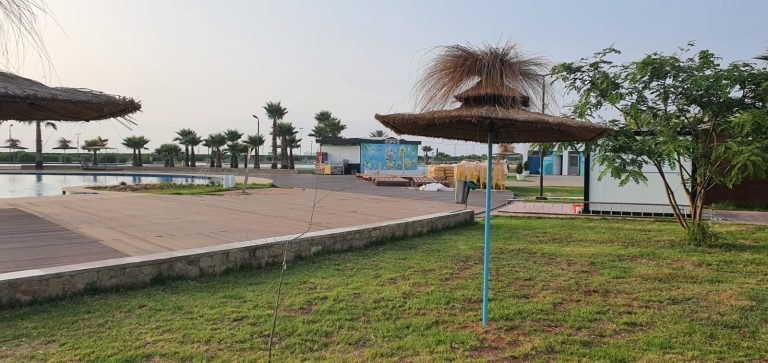
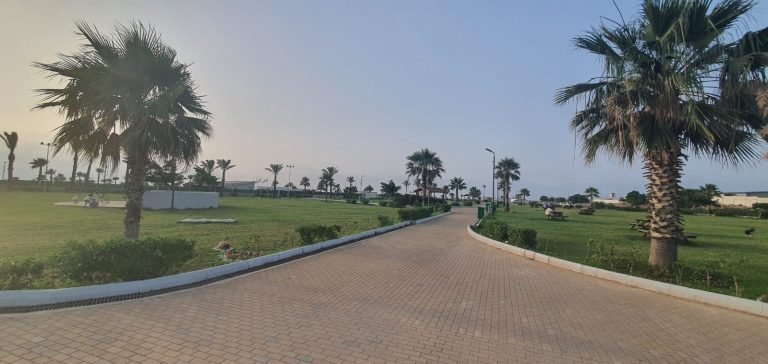
Just next to the Esplanade of the Great Mosque of Algiers and not far from Les Sablettes promenade, there’s a beautifully arranged green park with a swimming pool. It’s a cozy recreational spot where locals and families come to relax, enjoy some fresh air, and spend time by the water. The greenery, combined with the proximity of the sea and the mosque, makes it feel like a refreshing urban oasis, a place where modern Algiers blends leisure, spirituality, and the Mediterranean breeze.
The Sablette
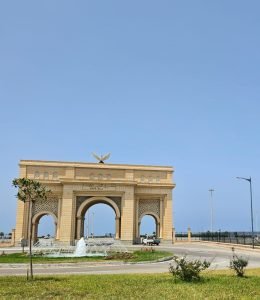
Not far from the Great Mosque of Algiers, right by the sea, stands the Sablette, a large gate that opens onto a long seaside promenade. It’s a favorite spot for locals to stroll, jog, or enjoy a picnic by the water. In the evenings, the area comes alive with families, children playing, and vendors offering snacks and drinks, creating a lively, cheerful place.
El Kettani
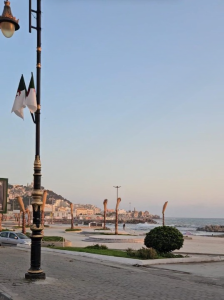
El Kettani is a seaside promenade in Algiers, stretching along the waterfront in the Bab El Oued district, it invites visitors to stroll, jog, or simply enjoy the gentle sea breeze. It has wide pathways and scenic viewpoints that it has quickly become a favorite spot for locals and tourists.
Bab Dzira
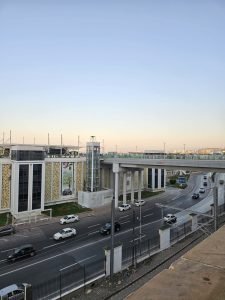
Bab Dzira is a new square in Algiers, located right across from the Wilaya building. It is connected to the main waterfront by a pedestrian bridge and has quickly become one of the city’s lively spots. The square is lined with restaurants and coffee shops such as Dar Dzayer, where locals and visitors gather. From its spacious terrace, you can enjoy two contrasting views: on one side, the elegant Haussmann-style facades of the city, and on the other, the marina, where you can watch boats gently arriving or setting sail on the Mediterranean.
Our Lady of Africa
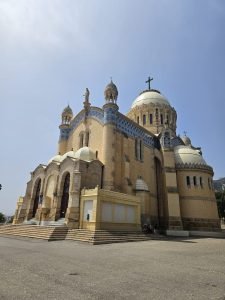
Notre Dame d’Afrique is a breathtaking basilica perched high above the Bay of Algiers, offering a stunning views of the sea and the city. It is one of Algiers’ most iconic landmarks. Famous for its motto inscribed above the altar “Our Lady of Africa, pray for us and for the Muslims”.
Balcony Saint Raphael
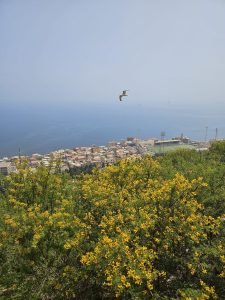
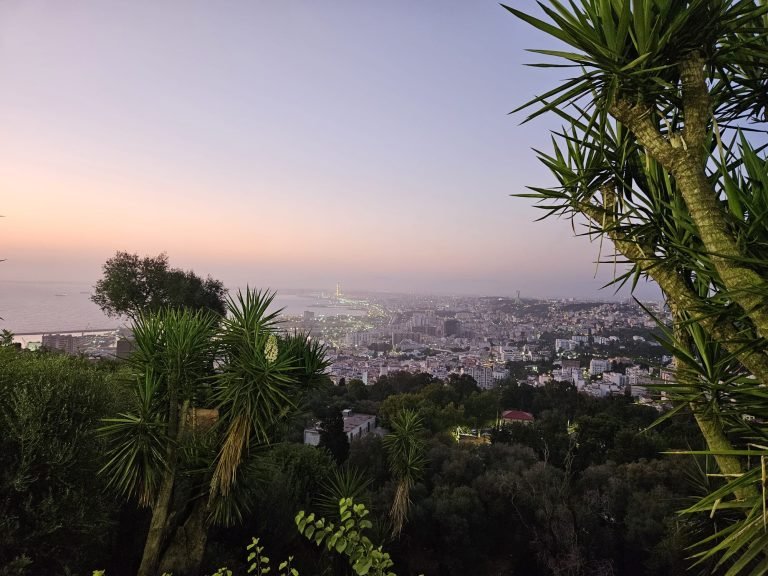
Balcony Saint Raphael is a hidden gem in Algiers, known mostly to locals. Tucked between houses and accessible only through a narrow, winding street, reaching it feels like walking a red carpet. And then, rewarded by the spectacular view of the Bay of Algiers; it’s as if you’ve just received the city’s most stunning award. The panorama stretches from the sparkling Mediterranean to the city’s rooftops, offering a quiet, magical spot that feels like a secret only you’ve discovered.
Zighoud Youcef Street
Walking along Zighoud Youcef and Didouche Mourad feels like experiencing the layers of Algiers: the elegance of French architecture, the resilience of Algerian history, and the energy of modern city life. It’s where the smell of the past blends with the freshness of the present, offering a timeless charm that never fades.
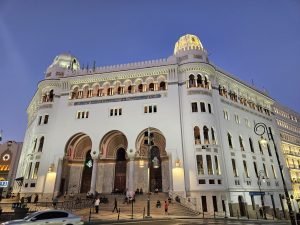
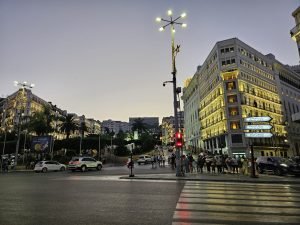
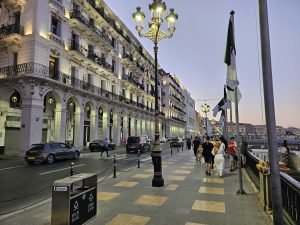
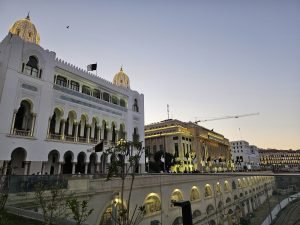
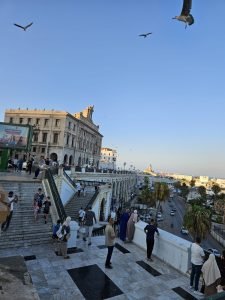
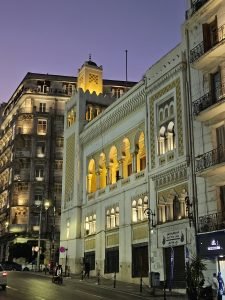
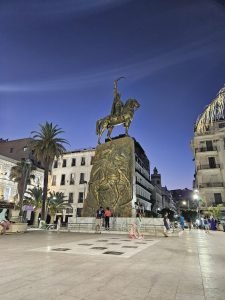
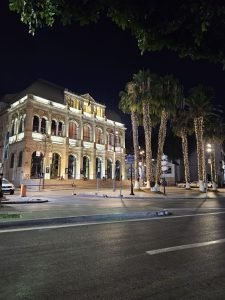
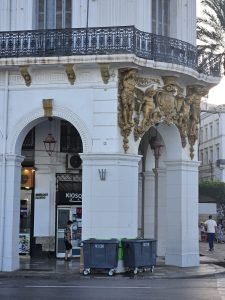
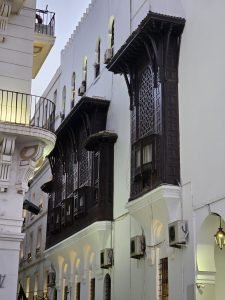
Didouche Mourad Street is truly the soul of Algiers, where history and elegance meet in perfect harmony. Stretching from the Grande Poste and climbing up toward the Sacré-Cœur Cathedral, it’s more than just a street. The grand Haussmann-style façades, the wrought-iron balconies, and the wide boulevards shaded by old trees give the impression that you’ve stepped into the heart of Paris, but the curved arches, the moucharabieh, and the domes and arabesque, this blend of Oriental charm and colonial grandeur make Algiers unlike any other Mediterranean city. Parallel to it lies Boulevard Zighoud Youcef, the majestic waterfront avenue facing the sea. With its monumental Wilaya building, its arcaded façades, and the open view over the harbor, it forms the grand stage of the city, where Algiers opens itself to the Mediterranean. Together, these two arteries, one climbing toward the hills, the other stretching along the sea, capture the dual spirit of Algiers, between land and water, tradition and modernity.
Museums
Algiers has so many interesting museums to visit other than the ones in the Casbah, like the Mustapha Pasha Museum and the Museum of Miniatures and Illuminations (which I couldn’t visit). There is the Palais des Raïs (Bastion 23) a gem of Ottoman architecture, The Museum of Fine Arts, Museum of Antiquities & Islamic Arts, and many others. The ones that I find interesting as I am a fun of old architecture are these:
Bardo National Museum
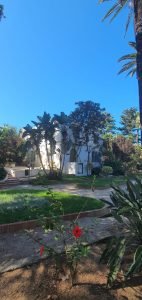
The museum is housed in a 18th-century Moorish villa with beautiful courtyards and arches. Inside, it showcases Algeria’s rich prehistoric heritage, with fascinating archaeological finds, tools, and prehistoric art that tell the story of humanity’s earliest steps in North Africa.
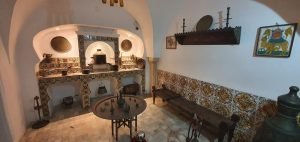
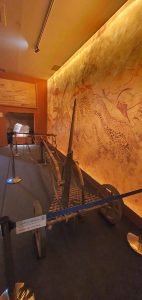
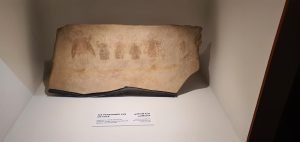
The Palace of the Raïs
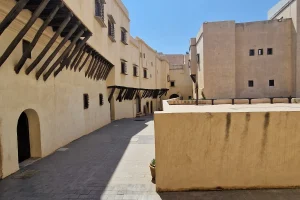
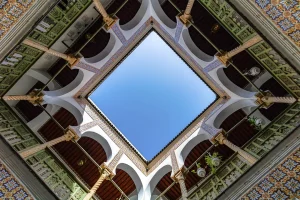
Palais des Rais, also known as Bastion 23, is one of Algiers’ most beautiful historic gems. This waterfront complex of Ottoman-era houses offers a peaceful walk through shaded courtyards, traditional architecture, and stunning views of the Mediterranean. It’s a small but charming place to explore Algiers’ past and feel its timeless beauty.
Sidi Fredj
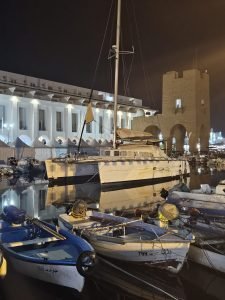
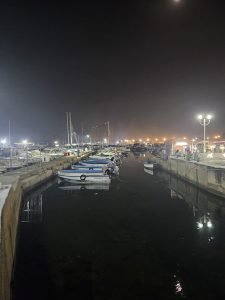
Sidi Fredj is a popular tourist destination, offering sandy beaches, luxury hotels, and a marina that accommodates yachts and pleasure boats. It is also home to the El Marsa Hotel, designed by renowned architect Fernand Pouillon, and the Pont de l’Hôtel El Marsa, a bridge connecting the hotel to the mainland . Historically, Sidi Fredj was the site of the French landing on June 14, 1830, marking the beginning of the French conquest of Algeria. Before this event, the area was known as Torre Chica, meaning “the little tower,” referencing a small fortification that existed there.
Parks
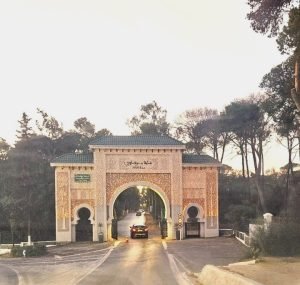
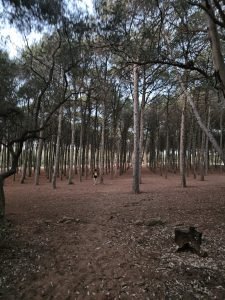
Algiers is blessed with many green spaces that give residents and visitors a break from the busy city. The Jardin d’Essai du Hamma, which I previously mentioned, remains the most iconic with its exotic plants and shaded alleys. Another one we had the chance to explore was the Parc de Bouchoui in Ben Aknoun, which we visited late in the afternoon, a mix of zoo and amusement park that comes alive with families and children enjoying the cool breeze. Beyond these, the city also offers the vast Parc Dounia with its sweeping views over the bay, the Parc de la Liberté (Ben Omar) in Kouba, the Bois des Arcades near El Madania, and the quiet Hydra Garden in the embassy district. Together, these parks reveal another face of Algiers: green, calm, and refreshing.
Best Tips For Your Visit to Algiers
1. Best time to visit
Algiers has a mild Mediterranean climate all year, but spring is the most enjoyable season: warm, sunny, and beautifully green everywhere.
2. Where to stay
For a truly memorable experience, I highly recommend Hôtel Al Djazair (St. George) click here, the architecture, garden, and views are stunning. Other great options include Dar Dief (click here ), El Aurassi (click here), and Hôtel de la Poste, depending on your budget.
3. Exploring Al Qasba
- Book a guide in advance, many are available on Instagram; we used Casbah.time and highly recommend them.
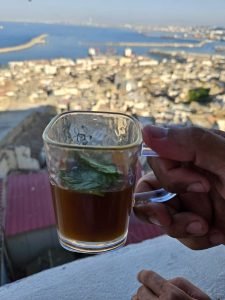
- Don’t miss the carpenter’s shop with its beautiful terrace overlooking the Casbah and the Bay of Algiers, where you can enjoy coffee, tea, and sweets (entry 100 DA/person).
- Visit before 4 PM, as most museums close by that time.
4. Visiting the Great Mosque
When visiting the Great Mosque, make sure to wear appropriate clothing. Women should wear a long dress and a scarf, while men can wear pants or a traditional kamis. You can put these on at home or at the mosque’s entrance.
5. Take a Car Tour of Algiers
I highly recommend a car tour to see Algiers. The best times are either at sunrise or at night, when the roads are clear of traffic. These moments let you truly enjoy the city’s beauty without the stress of congestion.
6. Combine Casbah with Zighoud Yusuf Street
Since both are in the same area, plan your Casbah visit to continue with a stroll down Zighoud Yusuf Street in the late afternoon. Stay until sunset and nightfall, the town lights up beautifully, offering a completely different charm.
7. Visit La Grande Poste
The Grande Poste is one of the most iconic buildings in Algiers, famous for its beautiful old architecture. Step inside for a quick visit and admire its historic charm.
8. Try Hamoud Boualem
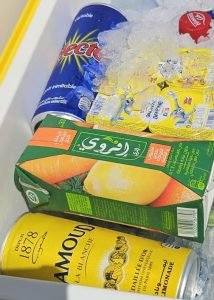
Don’t leave Algiers without tasting Hamoud Boualem, Algeria’s most beloved drink. First produced in 1878, it’s older than Coca-Cola and still a national pride. Refreshing, unique, and loved for generations.

9. Taste Algerian Cuisine
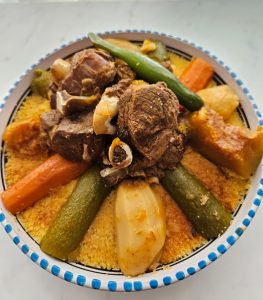
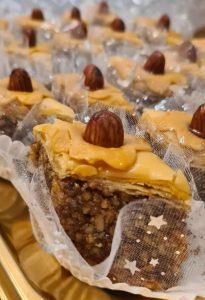
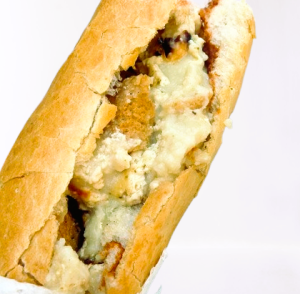
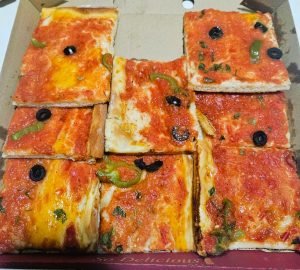
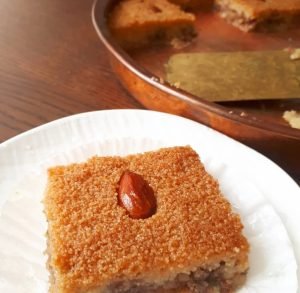
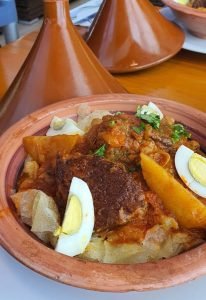
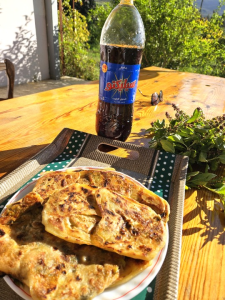
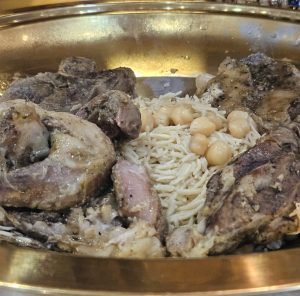
You won’t find McDonald’s, Burger King, or KFC in Algeria, this country takes pride in its own cuisine, known internationally for its richness and variety. Algeria is vast, and each region has its own traditional specialties. Some dishes, like couscous, Mhajeb, and baklawa, are national staples, while others are local treasures. In Algiers, for example, you must try Karantika (a popular street food), pizza carrée, msammen, and the sweet kalb louz.
Algerians are true food lovers, and meat plays a big role in their daily meals. On the streets, you’ll often find vendors grilling meat, filling the air with the irresistible aroma of smoky skewers. But the country’s culinary treasures go far beyond street food, you can try hearty traditional dishes such as rechta , bourak, chorba, and much more.
10. Experience the French Touch in Algerian Breakfast
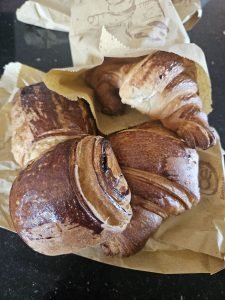
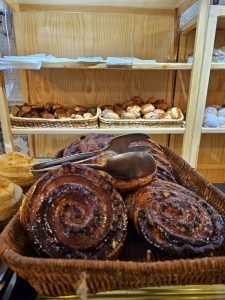
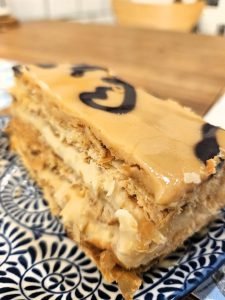
Algeria’s French influence is most visible at breakfast. A typical Algerian morning starts with a croissant, butter, and jam. Bakeries and pâtisseries prepare fresh croissants and pains au chocolat twice a day, early in the morning for breakfast and again in the afternoon for coffee time. And don’t miss the millefeuille, it’s one of the most loved pastries in Algeria, enjoyed so much that people consume it even more than bread. While Algeria has many kinds of traditional bread, the baguette remains a national favorite, a true daily staple loved across the country.
Read Also