Jasper National Park is the wild heart of the Canadian Rockies, Jasper gives you the real taste of Canadian wilderness. Unlike other parks where wildlife sightings feel rare and lucky, here it’s almost guaranteed.
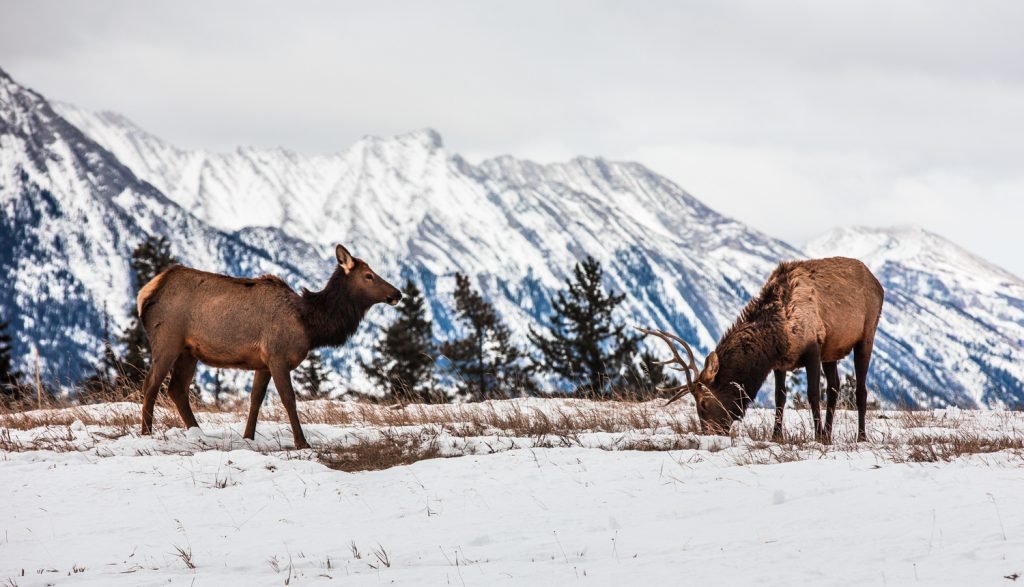
Every time we go, we spot something, elk, deer, mountain goats, or even bears. You don’t just go to Jasper to see nature; you live it.
Honestly, it always gives me a little thrill and stress, especially in winter, when I find myself staring at fresh tracks in the snow, wondering if it’s a dog or a wolf. That’s the magic of Jasper. It’s wild, it’s raw, and it feels like anything can happen.
Jasper is situated in Alberta, approximately 370 km west of Edmonton and 404 km northwest of Calgary. The park is accessible via the Yellowhead Highway (Highway 16) and the scenic Icefields Parkway (Highway 93), which connects Jasper to Lake Louise and Banff.
Maligne Lake
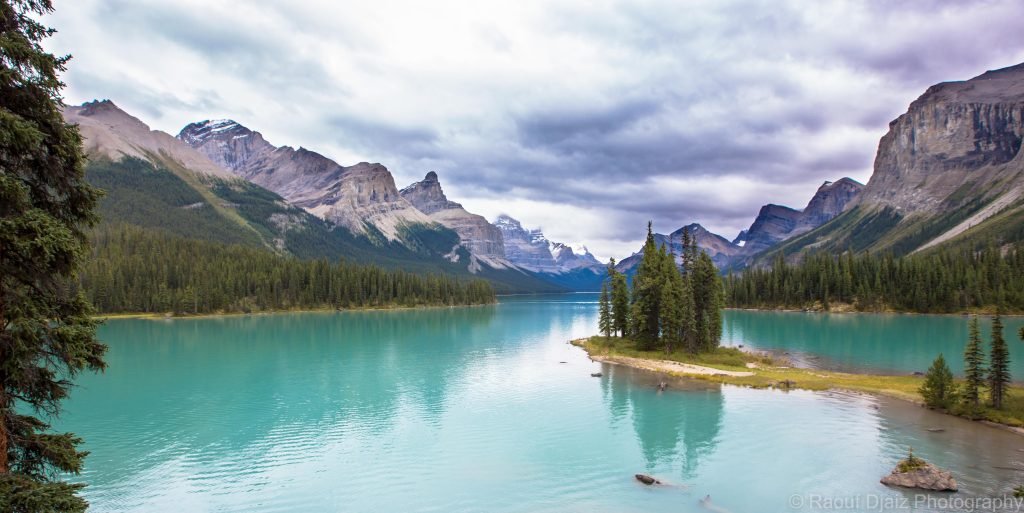
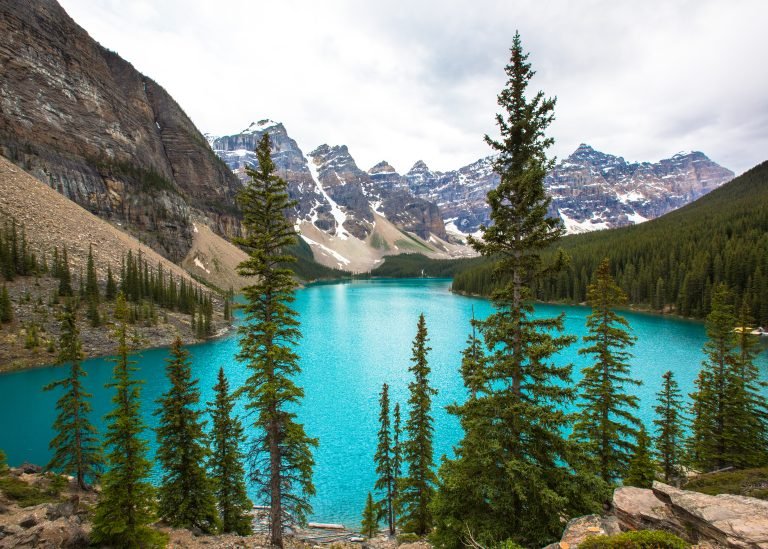
If there’s one place in Jasper National Park that captures the wild beauty of the Canadian Rockies, it’s Maligne Lake. Tucked deep within the mountains, this glacier-fed lake is famous for its vibrant turquoise water, dramatic alpine scenery, and its iconic Spirit Island , one of the most photographed natural landmarks in Canada.
Maligne Lake stretches for 22 Km, making it the longest natural lake in the Canadian Rockies, it offers endless opportunities to explore and connect with nature.
Maligne Lake is about 48 km from the town of Jasper. The drive itself is a highlight, Maligne Lake Road winds through beautiful scenery, and you often spot wildlife right from your car.
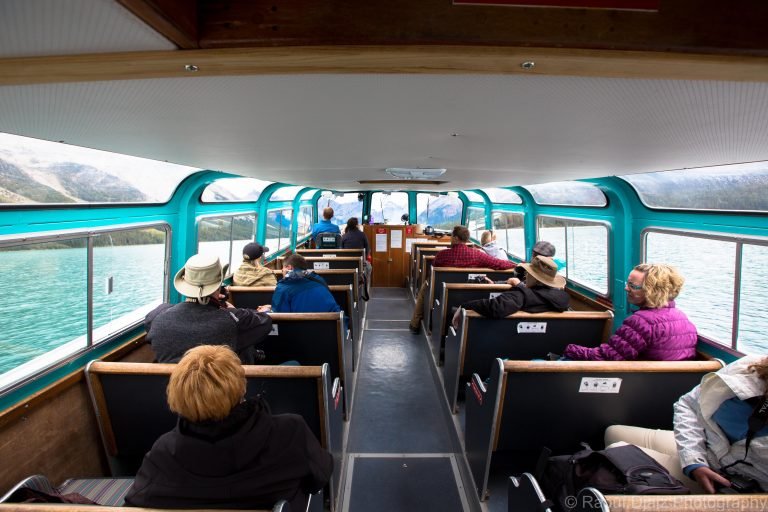
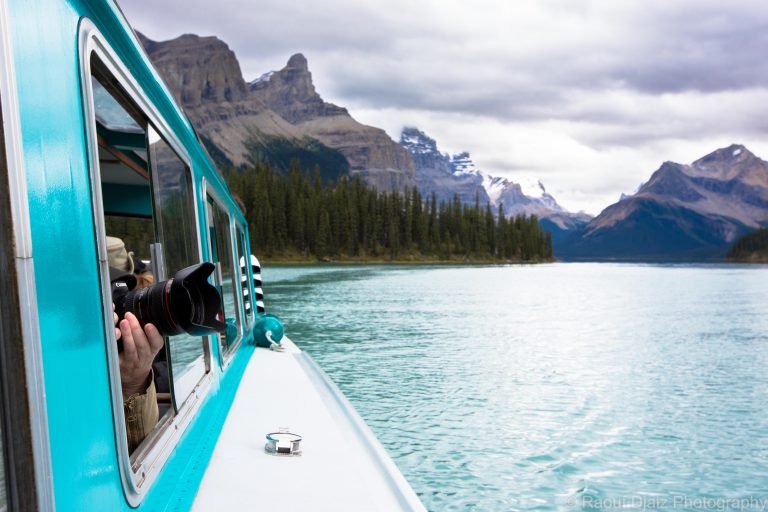
The most popular way to see Spirit Island is by taking a boat cruise. These guided tours run from late spring to fall and are the only way to reach the island unless you’re up for a long paddle.
Maligne Canyon
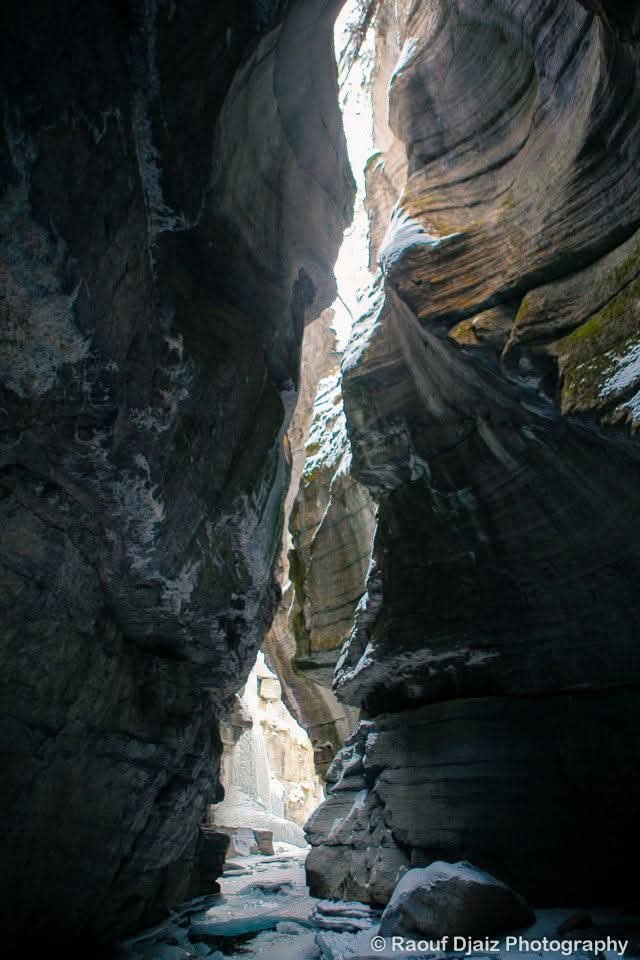
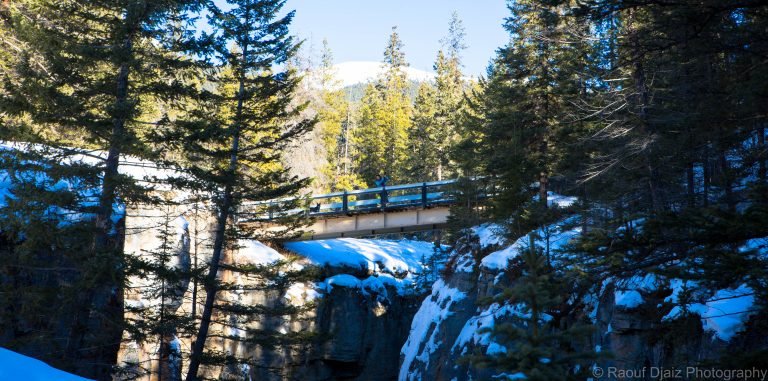
Just minutes from the town of Jasper lies one of the park’s most breathtaking and easily accessible geological marvels: Maligne Canyon. This deep, narrow limestone gorge has been carved over thousands of years by the powerful flow of the Maligne River, creating stunning waterfalls, churning rapids, and dizzying cliffs that drop over 50 meters in places.
A series of six bridges cross the canyon at various points, offering different perspectives and photo opportunities.
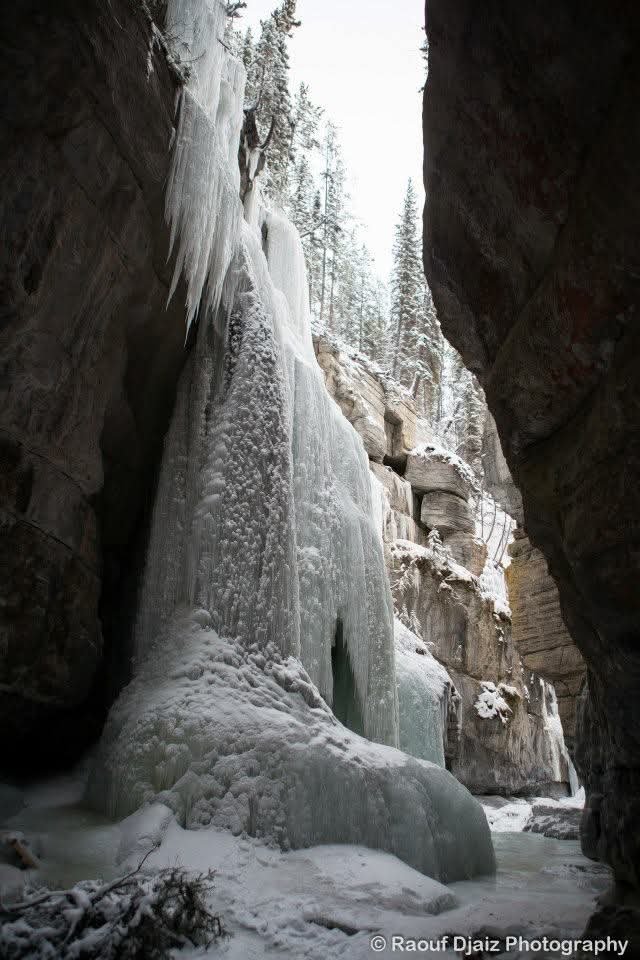
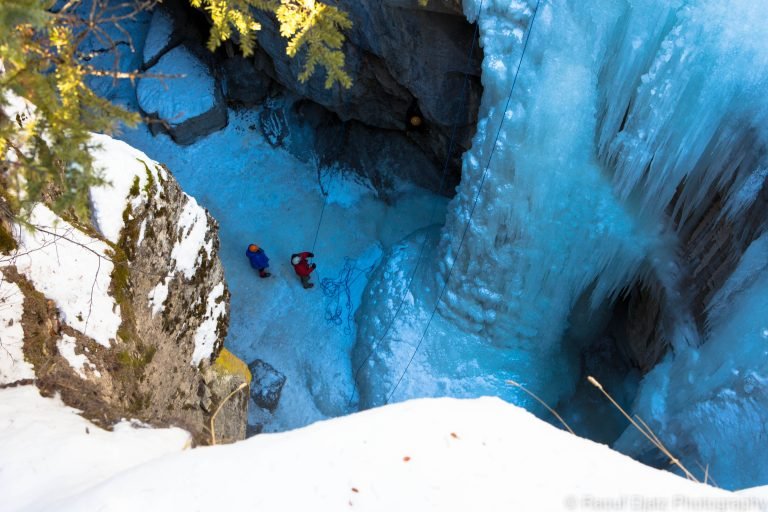
In winter, Maligne Canyon transforms into a magical frozen world. The rushing water slows to a whisper beneath layers of ice, and the towering waterfalls turn into dramatic frozen sculptures. You can join a guided ice walk and explore the canyon floor, walking between icy walls and under shimmering icicles. For the adventurous, ice climbing is also popular here, and even if you’re not climbing yourself, it’s fascinating to just stand back and watch climbers scale the frozen falls.
Athabasca River
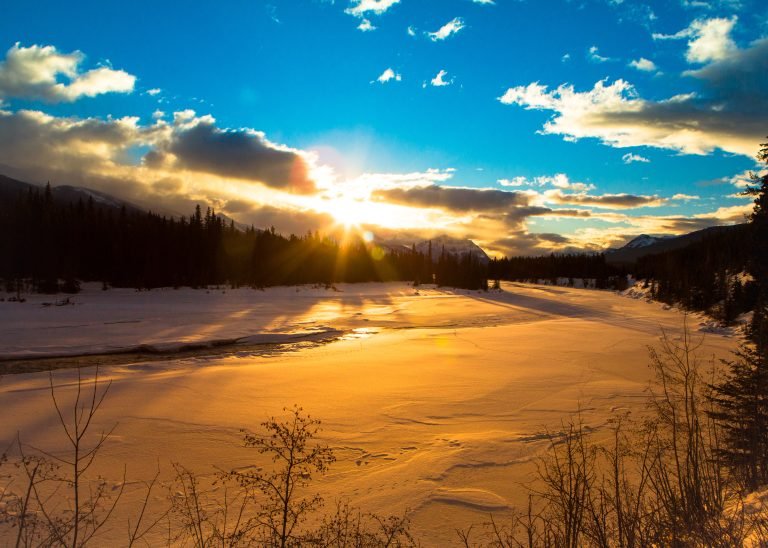
The Athabasca River is one of the longest and most important rivers in Alberta, stretching more than 1,200 kilometers from the Columbia Icefield in Jasper National Park all the way to Lake Athabasca. In Jasper, its crystal-clear, glacial-fed waters rush through breathtaking valleys framed by towering peaks and dense evergreen forests, creating some of the park’s most iconic scenery. Along the way, you’ll find countless viewpoints where it’s worth stopping just to admire the turquoise water and the dramatic mountain backdrop. The river is a paradise for photographers, especially at sunrise and sunset when the surrounding landscape glows with warm light. During the summer months, it also becomes a popular destination for whitewater rafting, offering everything from gentle scenic floats to adrenaline-filled rapids.
Athabasca Falls

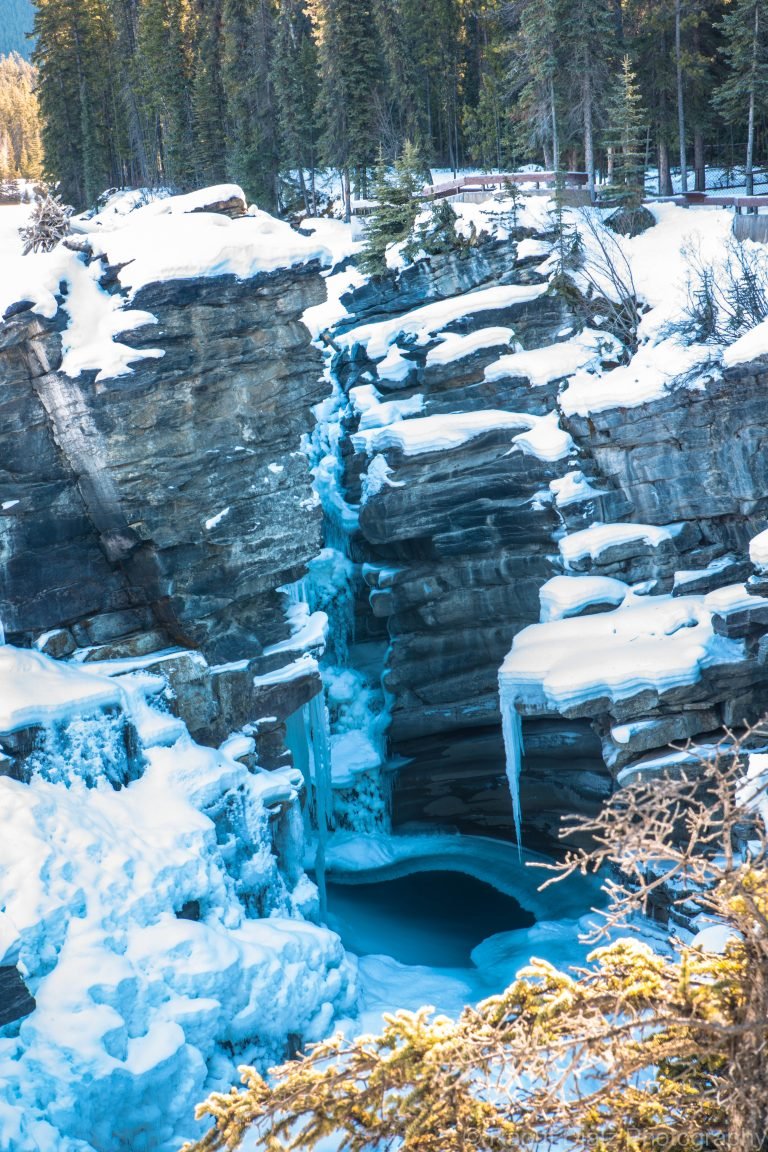
Athabasca Falls is one of the most powerful and breathtaking waterfalls in Jasper National Park, a true showcase of nature’s force. Located just off the Icefields Parkway, about 30 km south of Jasper town, it’s easily accessible and well worth the stop.
What makes Athabasca Falls unique isn’t its height (about 23 meters), but its immense volume and power, especially in late spring and early summer when glacial meltwater from the Columbia Icefield feeds the Athabasca River. The water crashes through a narrow canyon, carving out intricate rock formations and deep potholes over time.
Athabasca Valley
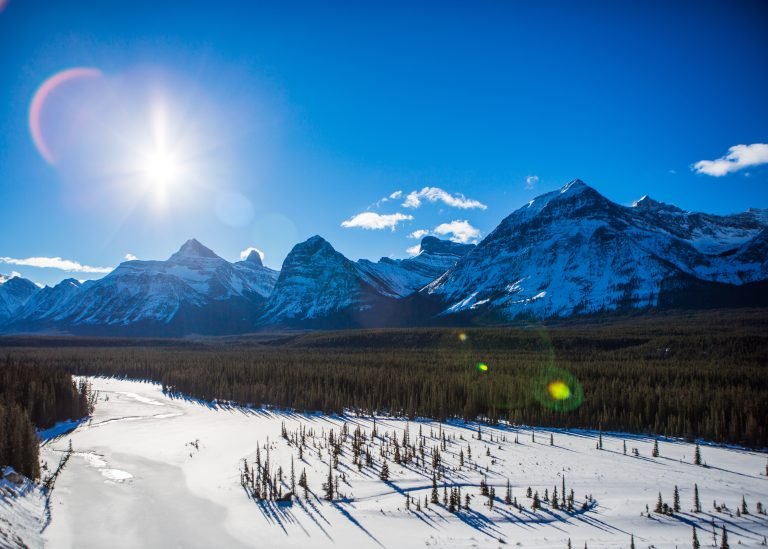
The Athabasca Valley is one of the most scenic and significant regions in Jasper National Park, shaped over thousands of years by the powerful Athabasca River. This broad valley stretches through the park like its backbone, connecting many of Jasper’s most iconic landscapes, including waterfalls, turquoise lakes, rugged canyons, and dense forests. Towering mountain peaks rise on both sides, creating breathtaking panoramas that seem to change around every bend in the road. The valley is also one of the best places in the park to spot wildlife, with elk, bighorn sheep, deer, black bears, and even moose occasionally appearing near the roadside or grazing in open meadows. The Athabasca Valley offers a perfect introduction to the raw beauty and untamed wilderness that make Jasper National Park so unforgettable.
Medicine Lake
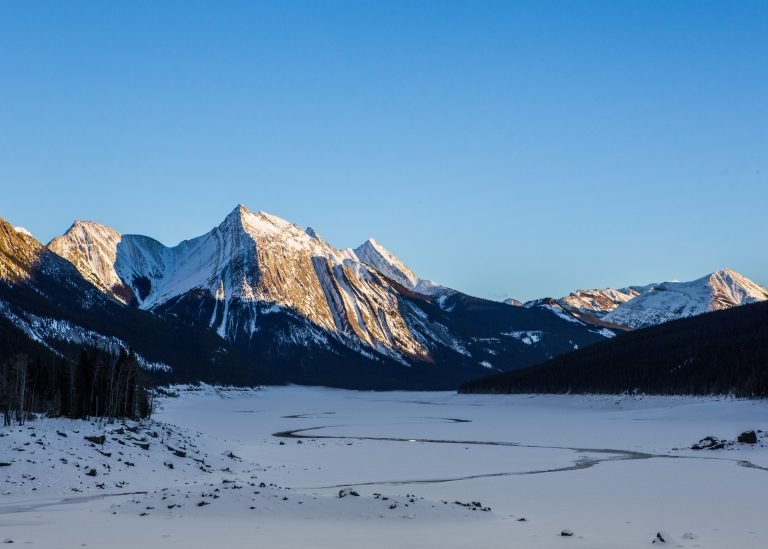
Unlike most lakes that hold water year-round, Medicine Lake isn’t a true lake at all, it’s actually part of a complex underground drainage system. During the summer, glacier meltwater from the Maligne River fills the valley, creating the lake. But come autumn, the water level drops dramatically, often almost disappearing. Where does the water go?
It drains underground through a network of limestone sinkholes and caves, eventually reappearing as springs that feed the Athabasca River, some 16 kilometers away. This rare phenomenon gave rise to the lake’s name, as Indigenous peoples once believed the vanishing waters were the result of powerful spirits or medicine at work.
In winter, as shown in the picture, the lake is usually frozen solid and covered in snow, making it blend perfectly into the surrounding landscape.
Pyramid Lake
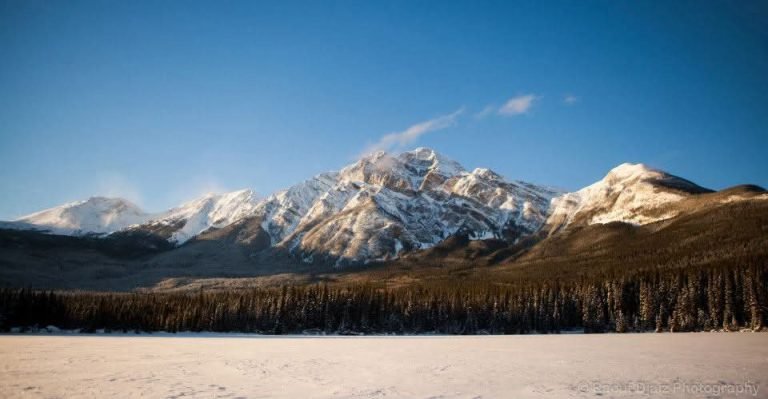
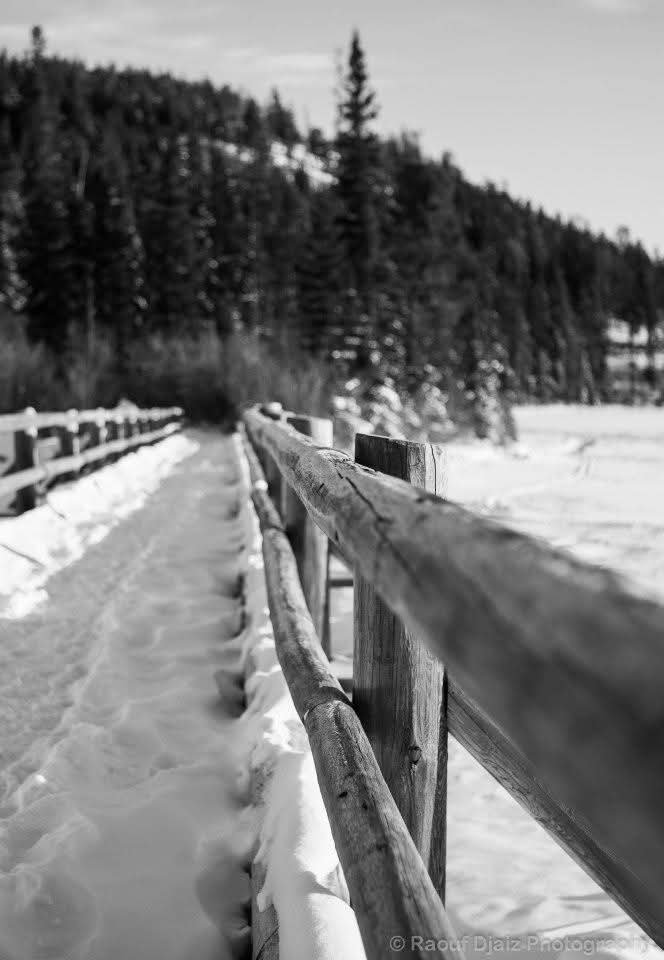
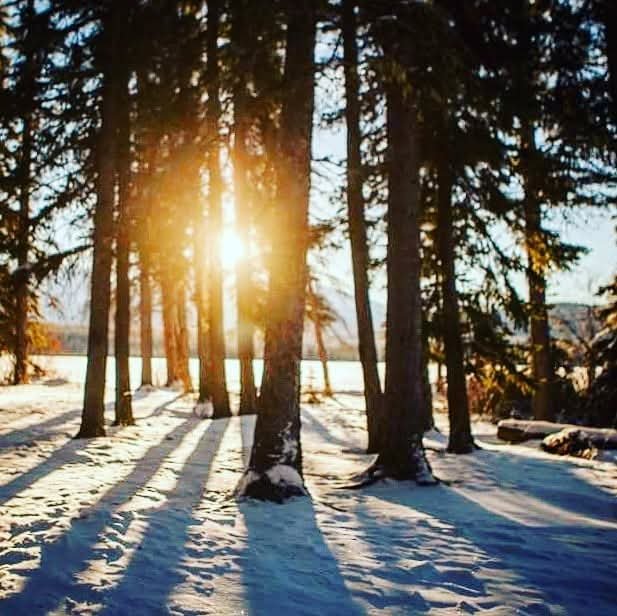
Pyramid Lake is another gem in Jasper National Park, just a short 10-minute drive from downtown Jasper. This serene, glacier-fed lake sits at the base of the striking Pyramid Mountain, which reflects beautifully on calm days.
A small wooden bridge leads to Pyramid Island, a peaceful spot perfect for a short walk, picnic, or simply soaking in the views. The area is magical at sunrise or sunset.
Jasper's Majestic Peaks
Jasper National Park is not just about lakes and wildlife, it’s a land where the Rocky Mountains truly shine. Driving through the park, especially along the Icefields Parkway, you’re surrounded by snow-capped peaks that seem to guard the valleys below. Some are famous and easy to spot, while others quietly steal your breath with their sheer size and beauty.
Here are a few notable mountains you’ll encounter in Jasper, each with its own unique character:
Pyramid Mountain
Overlooking Jasper town, this triangular-shaped peak is picture-perfect, especially when reflected in Pyramid Lake. You can hike or drive up to Pyramid Lake for a closer view.
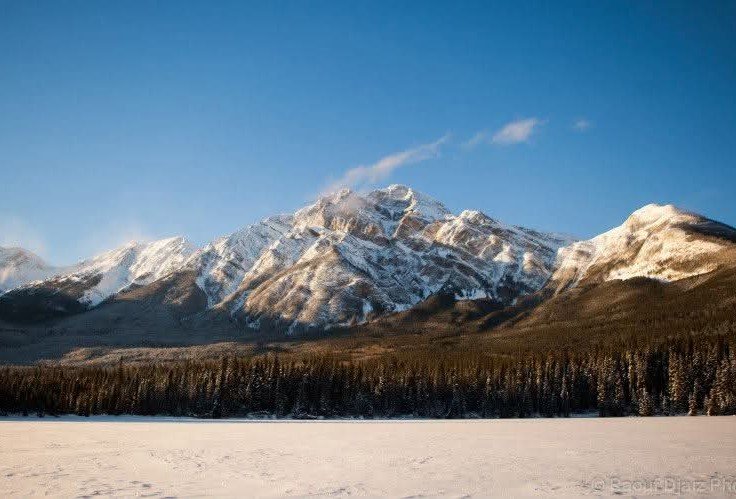
Mount Kerkeslin:
Standing tall with rugged cliffs, this mountain offers impressive views and is named after a Scottish clan, reflecting the area’s rich cultural heritage.
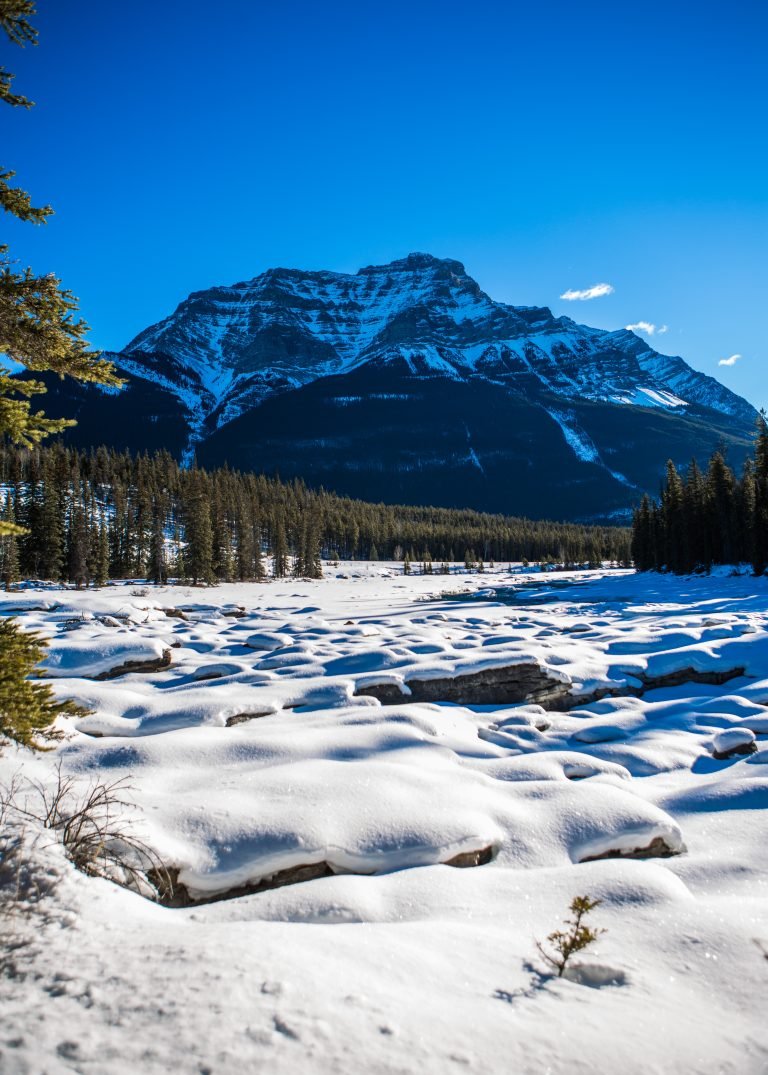
Mount Fryatt:
Known for its striking silhouette and proximity to glaciers, it’s a favorite for photographers and hikers alike.
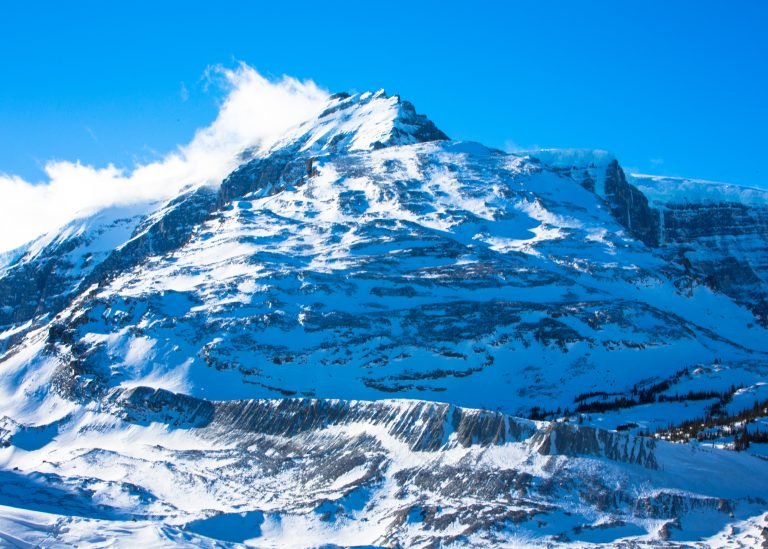
Tangle Ridge:
Recognizable by its sharp ridges and often snow-capped peaks, Tangle Ridge is a popular hiking destination that rewards adventurers with breathtaking vistas.
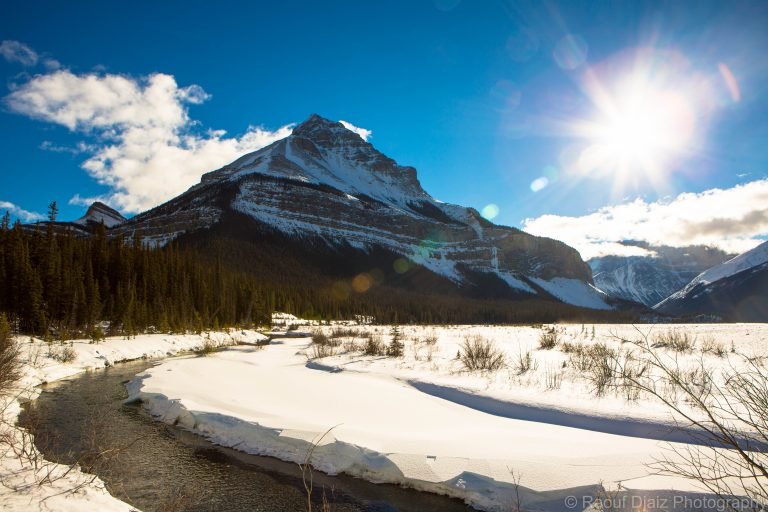
Athabasca Glacier:
Part of the vast Columbia Icefield, this glacier is an incredible sight, offering a glimpse into the frozen heart of the Rockies.
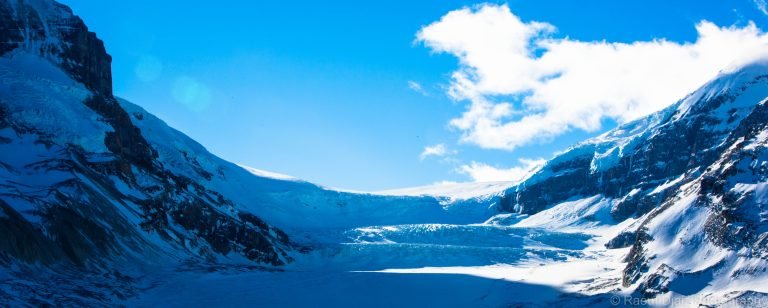
These are just a few highlights, Jasper’s mountain range is vast and filled with countless other peaks and hidden gems waiting to be discovered.
Pyramid Lake Lodge
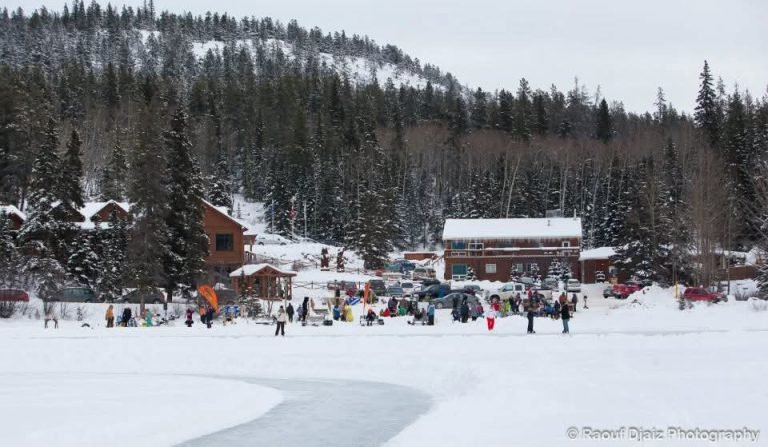
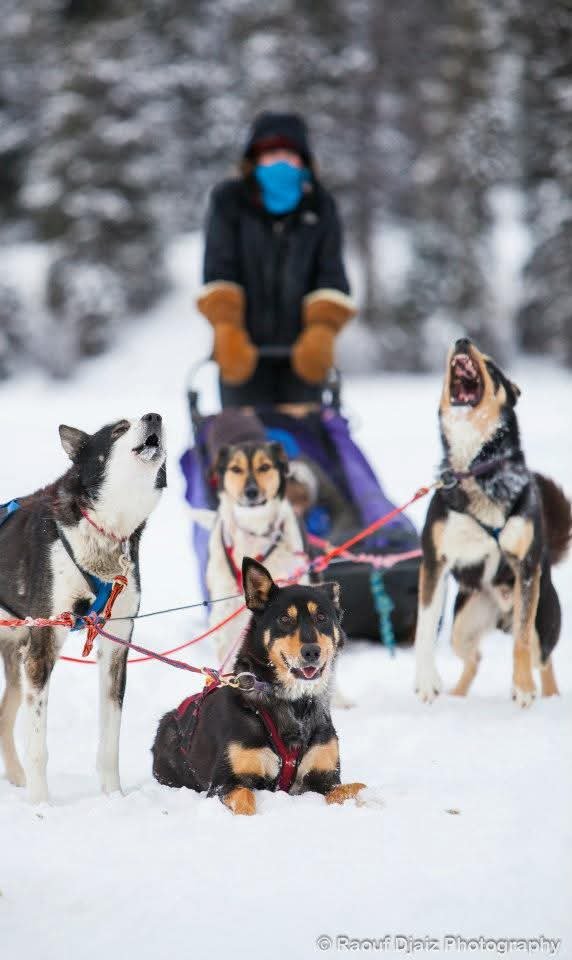
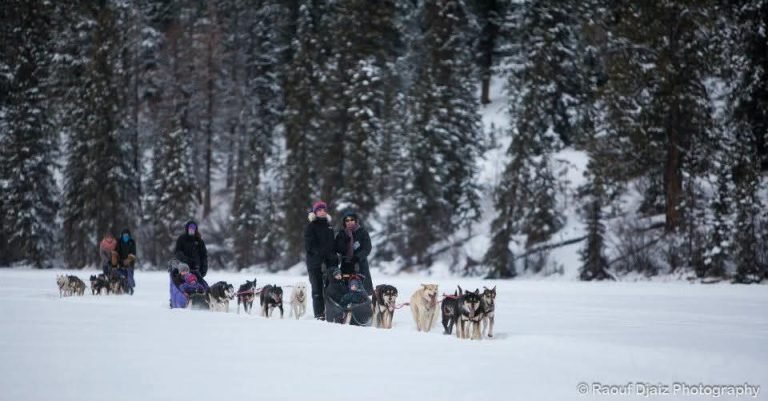
Pyramid Lake Lodge is a charming chalet-style retreat nestled on the shores of Pyramid Lake, just 6 kilometers from downtown Jasper. It’s an ideal base for exploring Jasper National Park. In the winter, Pyramid Lake Lodge transforms into a snowy paradise. Guests can enjoy complimentary activities such as ice-skating, snowshoeing, and fat bike rentals. Horse-drawn sleigh rides are also available (sometimes dog sleigh), offering a magical way to experience the winter landscape.
Tips For Your Visit To Jasper
- Drive the Icefields Parkway (Hwy 93), this is one of the most scenic drives in the world, connecting Jasper and Lake Louise.
- Fill up on gas in Jasper or in Lake Louise, no gas stations in between.
- Roads in winter can be icy or snowy, winter tires are essential; chains might be required during storms.
- In summer bring bug spray, in winter wear insulated jacket and chose as it gets really cold.
- Jasper is real wilderness. You’re not just visiting a park; you’re stepping into wild animal territory. So, please Keep your distance and never feed wildlife. I remember one chilly morning in Jasper, we were driving through the park when we spotted what looked like a lone dog, my husband almost got out of the car to take a closer photo, but just as he stopped the car, we noticed a group of five emerged from the trees. That “dog” was actually a wolf, and we had unknowingly come across a wolf pack.
Cell coverage is limited in many areas, especially around the Icefields and Maligne Lake. Download offline maps or bring a map from the visitor center.
- Book your accommodation early, Jasper is very popular and gets booked months in advance.
Pack your snacks, once you’re on the road (especially the Icefields Parkway), there are very few services.
- Top Easy Hikes: Maligne Canyon, Valley of the Five Lakes, and Athabasca Falls Trail.
- Advanced Hikes: Tangle Ridge hike, Edith Cavell Meadows, Wilcox Pass near the Icefields.
Where to Stay: While downtown Jasper offers convenience, I honestly can’t recommend staying there. Many accommodations in the town center feel quite dated, and in some cases, I’ve heard of issues like musty rooms or even bed bugs; not exactly what you want after a long day in nature. On top of that, the prices can be surprisingly high for what you get.
Instead, I suggest looking just outside the town Lodges based on your budget like Fairmont Jasper Park Lodge, Pyramid Lake Lodge, Becker’s Chalets, Forest Park Hotel, and Jasper Inn & Suites.
Related Articles