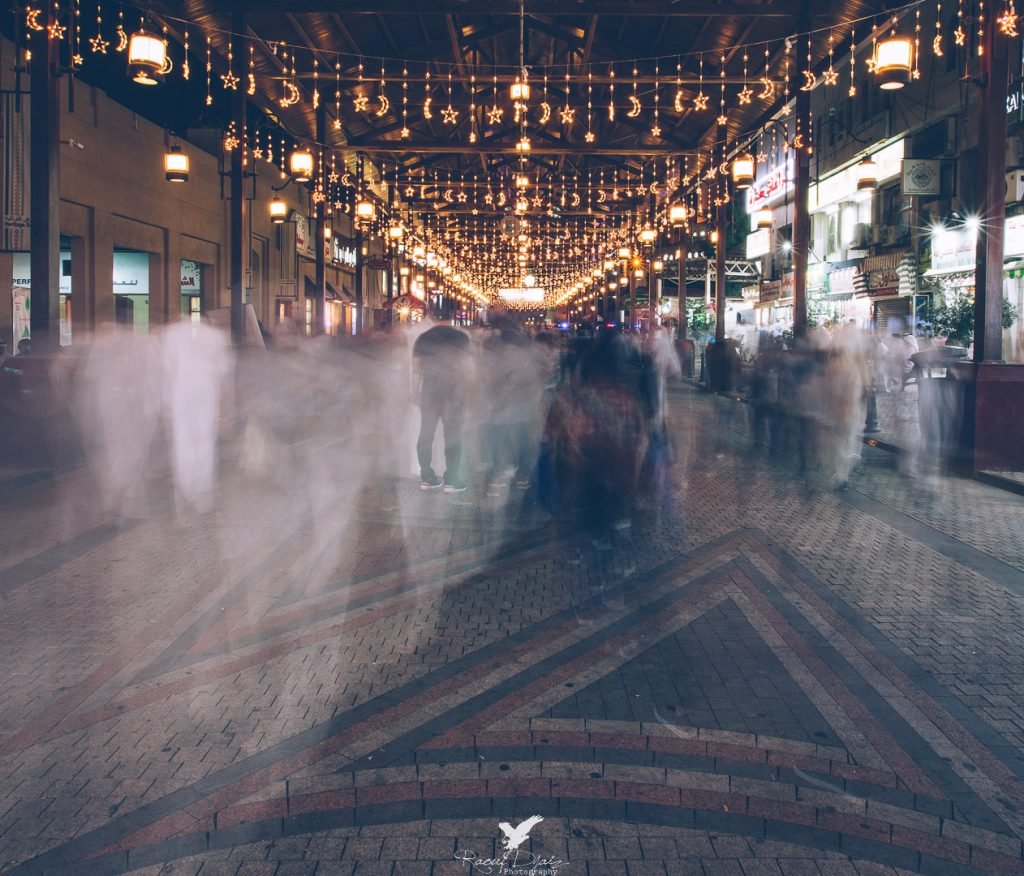
Kuwait Between Past Glory and Silent Progress:
Kuwait, the country I only knew from the TV show Khalti Gmasha, Star Academy’s Bashar Al Shatti, and, of course, the Gulf War. Not exactly the mix that makes you dream of moving there, right? But destiny had other plans.
It brought us from a place where winter sometimes feels like –47°C to one where summer hits +47°C and beyond, so yes, I’ve officially experienced both versions of hell on Earth.
I’d heard Kuwait was one of the hottest countries on the planet, but knowing and feeling it are two very different things. It felt like someone had aimed a giant hairdryer directly at my face the second I stepped outside the airport. Later, I learned that the sun’s main platform is based in Kuwait, and from here, it distributes light to the rest of the world. Just kidding. Hahaha.
After spending 15 days in the UAE, I thought Kuwait: smaller, richer, with the world’s strongest currency, would be even more impressive. Then we landed. I looked around and thought, “Wait… is this Kuwait’s airport?” I was genuinely shocked.
And yes, that’s normal. When people think of Kuwait, they usually picture another version of Dubai or Doha, but Kuwait isn’t trying to be anyone else. It’s the quiet cousin at the family reunion: calm, modest, but full of charisma and stories once you get to know it.
This is the cousin who’s seen it all. Back in the 1970s and 80s, Kuwait was the Gulf’s pioneer, building universities, running newspapers, producing iconic TV dramas, and showing everyone what a modern Arab society could look like. They say sailors navigating the Arabian Gulf used to spot Kuwait’s skyline before anything else, a sign they’d reached civilization. Beyond that, Nothing but desert.
Fast-forward a few decades, and while its neighbors have been racing ahead with record-breaking towers and futuristic cities, Kuwait seems to have hit the snooze button.
So, what happened? Did Kuwait fall behind, or is it just playing the long game, quietly, and on its own terms?
Let’s take a closer look at the Gulf’s best-kept secret, a country that once led the way, and might just be doing it again, very, very quietly. Let’s start from the old city, where life once revolved around the sea, trade, and craftsmanship.
Old Kuwait: Souks, Mosques, and Memory
Souq Al-Mubarakiya
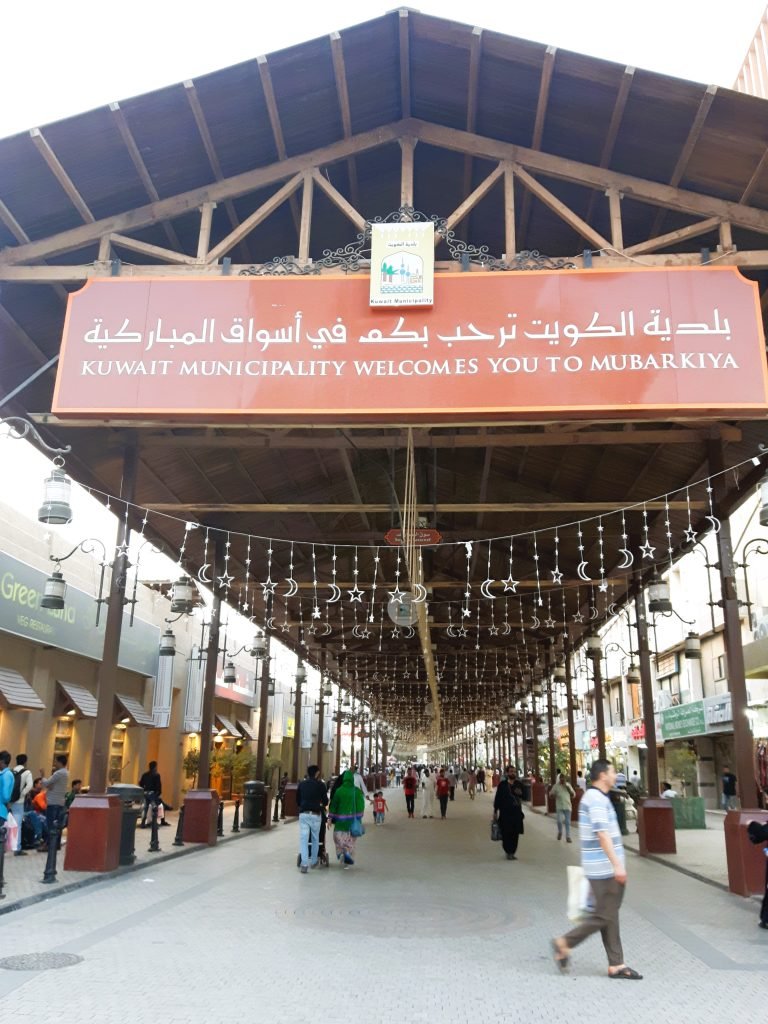
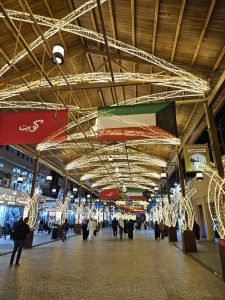
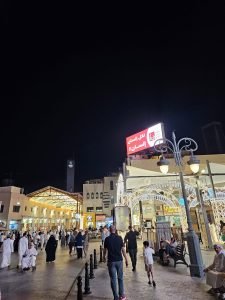
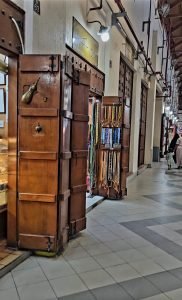
Souq Al‑Mubarakiya is the place I love to be when the weather is nice. It has that traditional vibe I can’t get enough of, very simple and very authentic, it is the place that make you say: yes I am in Kuwait, the wooden alleys, the smell of spices, the chatter of people, the traditional restaurants and coffee shops, It truly feels like the heart of Kuwait, the roots of the city itself. This market dates back more than 200 years, long before oil reshaped the region.
The souq is so big, with many alleys and distinct zones: a gold souk, a carpet souk, a vegetable/fruit souk, meat and fish souk, oud & scent souk, and it’s so vast that I didn’t get a chance to visit it all. Compared to the souks I’ve seen in neighbouring Gulf countries, I believe it is the largest traditional market in the region, with local sources estimating over 500 shops.
Tip: Souq Al-Mubarakiya is a great spot for breakfast or dinner, but I personally love the vibrant night vibes, lively streets, lights, and local energy make evening visits special.
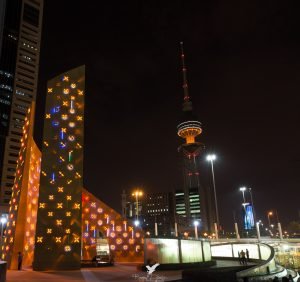
Just across from Souq Mubarkiya lies Safat Square, a historic landmark that once marked the heart of old Kuwait. It was where merchants met, announcements were made, and national celebrations took place. Today, it remains a symbolic spot surrounded by modern buildings, blending Kuwait’s past and present in one open, lively space.
Souq Al‑Joumaa
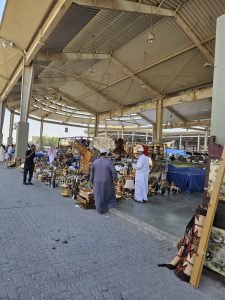
Souq Al‑Joumaa is Kuwait’s lively weekend market, open three days a week, where locals come to hunt for treasures. It’s a mix of new and used items, from clothes and furniture to car parts and household goods. The souq has been around for decades, since 1980’s, growing into a sprawling, diverse market that feels both chaotic and charming. Walking through it, you never know what you’ll find, and that’s exactly what makes it so much fun and sometimes a little frustrating, with a some eager sellers trying to overcharge you at every turn, but that’s part of the experience.
Tip: Always bargain at the souq, the initial price is often two or three times higher than what you’re actually supposed to pay.
Other Souqs

Kuwait has so many old souks, like Souk Al Harim, Souq Al‑Safafeer dating back to the early 1960s, alongside others from even earlier, each one a living chapter in the city’s story. Outside the city, Kuwait has a huge scrap souq, a chaotic treasure trove of metal, wood, car parts, and everything in between, a market completely different from the others.
The Grand Mosque
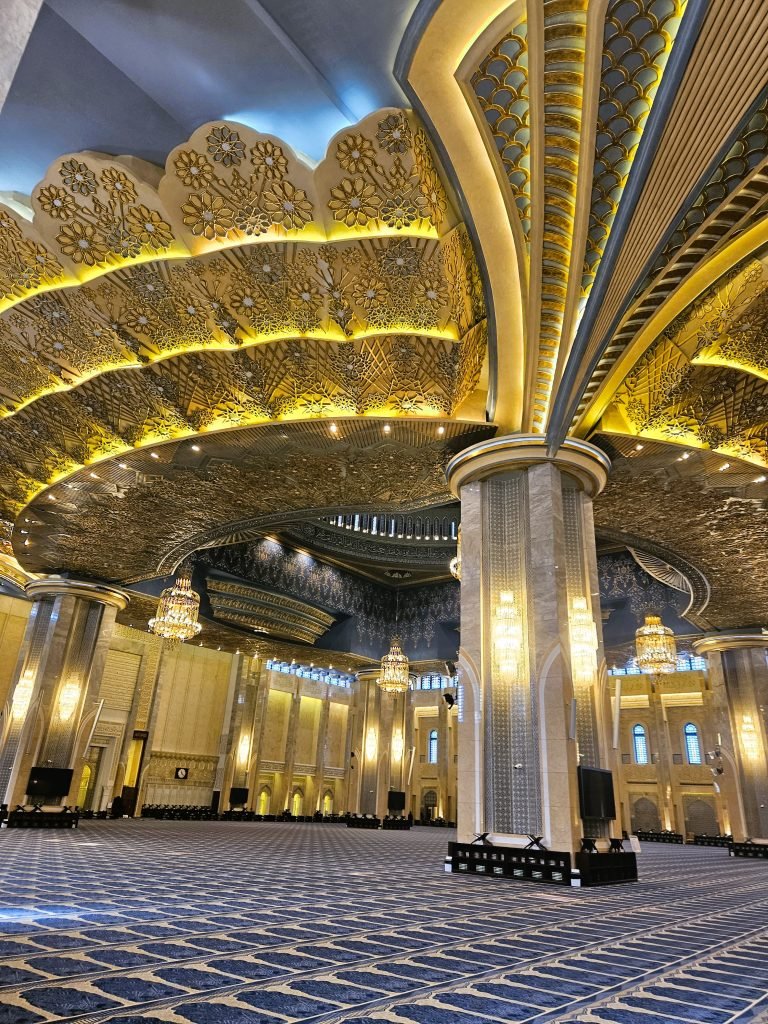
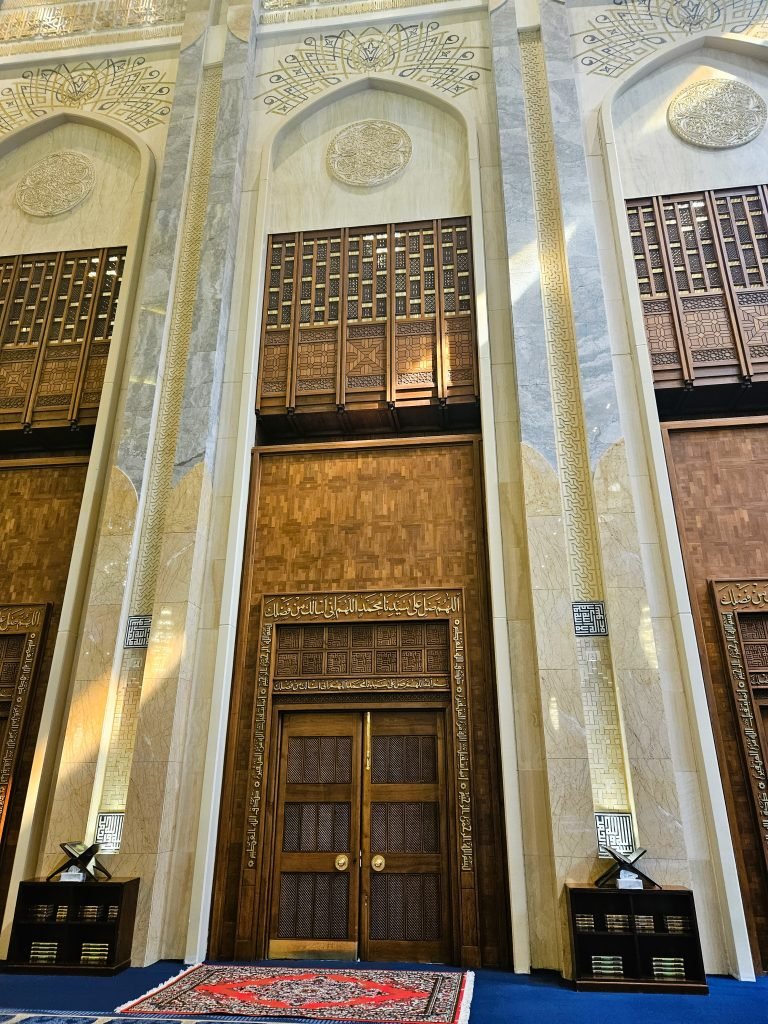
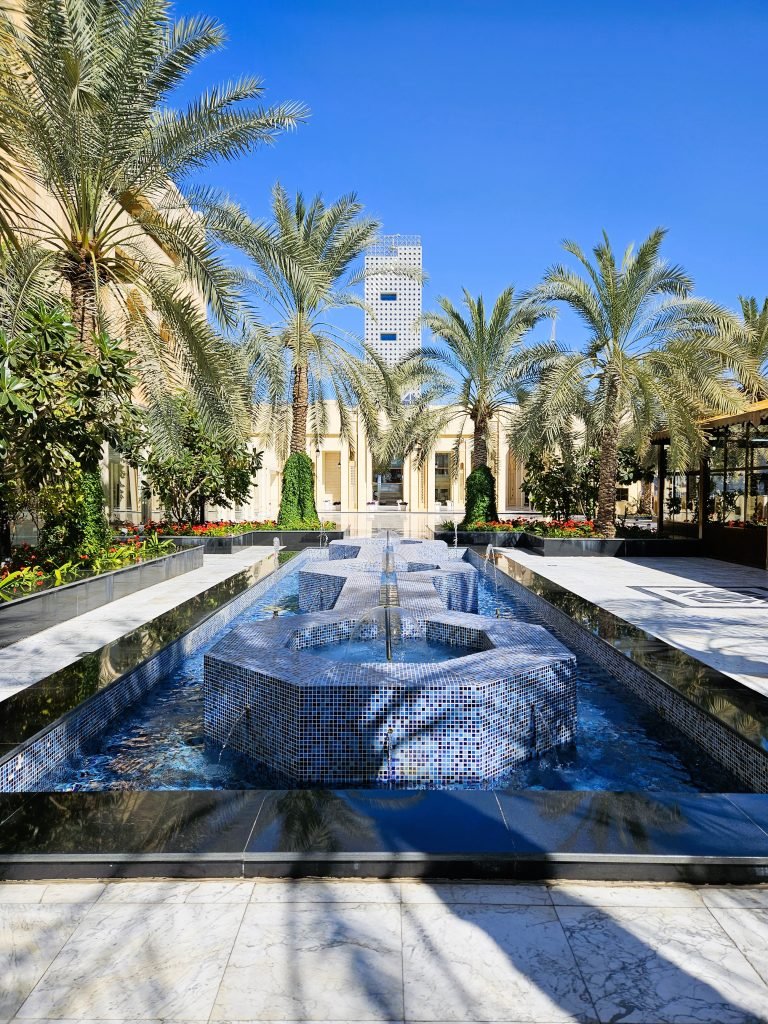
The Grand Mosque is a true jewel of Kuwait’s heritage. Completed in 1986, it is still the largest mosque in the country, capable of hosting thousands of worshippers, yet when you walk inside, it doesn’t immediately feel enormous. The halls, courtyards, and intricate Islamic designs give a sense of calm rather than sheer scale, making it both majestic and welcoming at the same time. Massive chandeliers, serene prayer spaces, and an art gallery showcasing Islamic art and calligraphy add a cultural layer that fascinated me, and guided tours for visitors make it a perfect spot to appreciate Kuwait’s culture, artistry, and devotion.
Tip: Plan to visit the Grand Mosque, Souq Al-Mubarakiya, Dar Al Sadu, and the nearby museums on the same day, they’re all located in the same area, making it easy to explore on foot.
Dar Al-Sadu
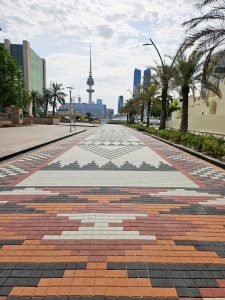
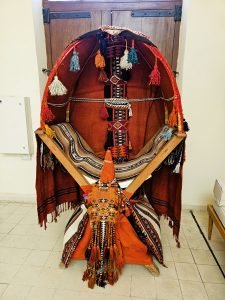
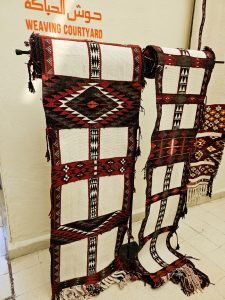
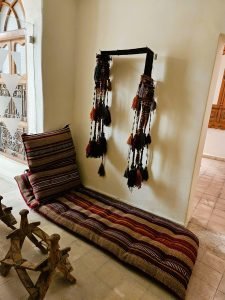
Dar Al-Sadu is one of those places that instantly connects you to Kuwait’s Bedouin roots. It’s a small museum dedicated to the art of Sadu weaving, a traditional Bedouin craft of hand-woven textiles made from camel, goat, or sheep wool. The patterns are stunning, full of geometric shapes and earthy tones that tell stories of desert life. It has workshops, exhibitions, and local artists keeping the craft alive. It’s located right beside the National Museum, and there’s a pedestrian street beautifully paved with Sadu-inspired patterns, a perfect tribute to the heritage it celebrates.
Youm Al-Bahhar Heritage Village
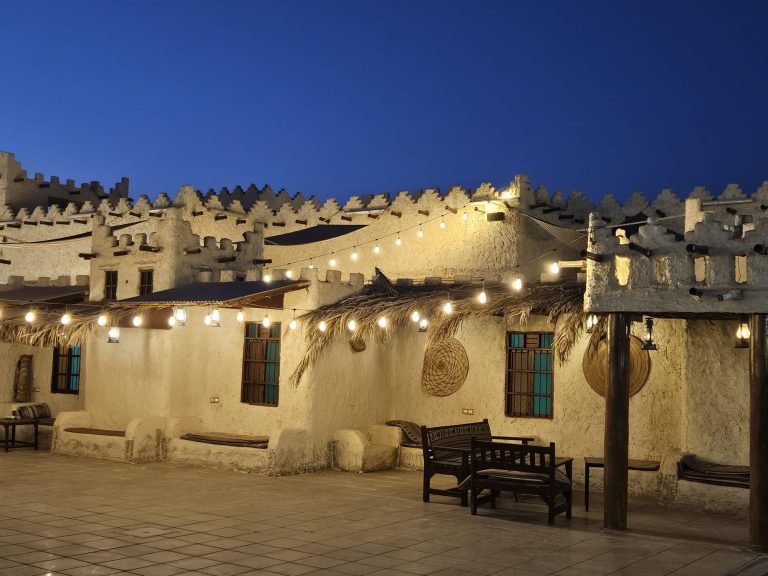
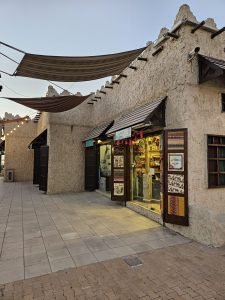
The heritage village is built in traditional style with coral-stone façades and wooden doors, it recreates the charm of Kuwait’s past, the way homes and coastal shops once looked. Even though it’s not original, the atmosphere is lovely, especially by the sea. It has a little museum which we found closed when we visited. Inside, you’ll find exhibits devoted to Kuwait’s rich maritime past: models of old dhows, diving gear, and artifacts from the pearl-diving era. There are also displays of traditional crafts, old photographs that take you back decades. We had such a great time there, soaking in that Kuwaiti vibe, ordering traditional food (rokak) served with tea in a classic teapot, and sitting on those large wooden chairs. One old lady sitting nearby came over and handed my son 1 KD with a warm smile, such a simple, generous gesture that said everything about the kindness of Kuwaiti people.
Salwa Garden & Kuwait Zoo
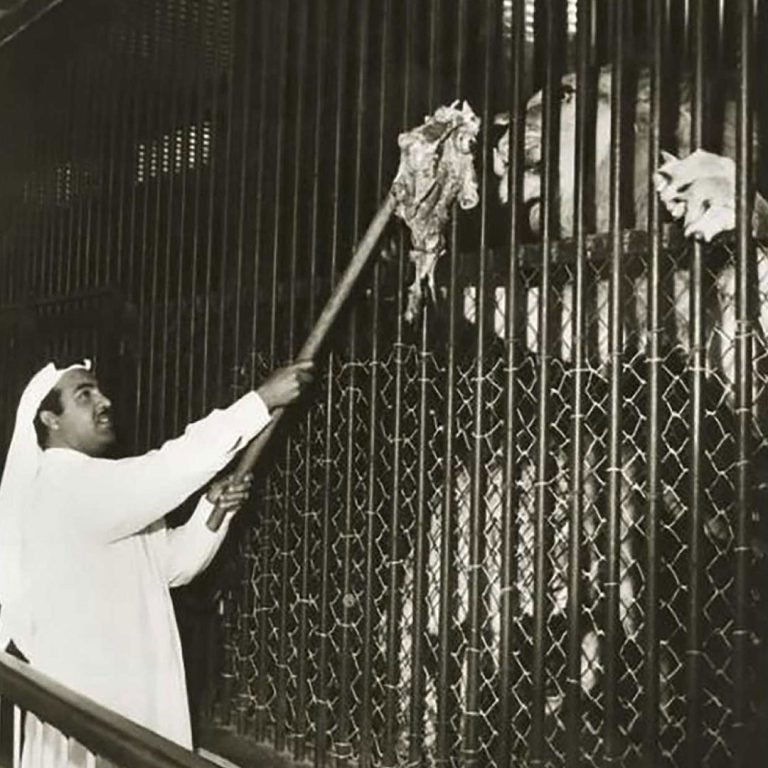
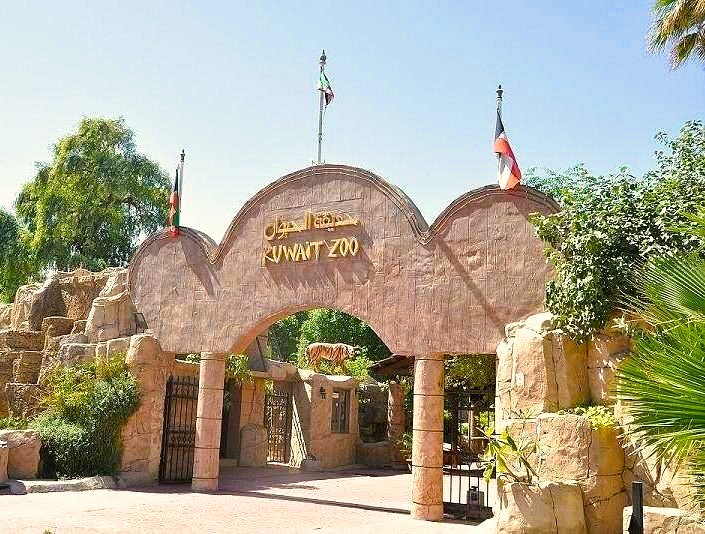
Long before Kuwait Zoo became the beloved family destination it is today, the seeds of the city’s fascination with wildlife were planted in Salwa Garden. Established in the early 1950s by Sheikh Jaber Al‑Abdullah Al‑Jaber Al‑Sabah, the garden was a personal passion project that brought animals from India, Africa, and beyond to Kuwait for the first time. The garden’s innovative care, even using ice for a Himalayan bear to mimic cooler climates, reflected a remarkable dedication to animal welfare and education for that era. By the mid‑1960s, the vision of Salwa Garden inspired a larger, more permanent space for wildlife: the Kuwait Zoo, which opened in 1968 in Omariya. Many of Salwa Garden’s animals became the foundation of the new zoo, allowing generations of Kuwaitis to enjoy and learn from nature on an even grander scale.
The Modern Landmarks
Kuwait Water Towers
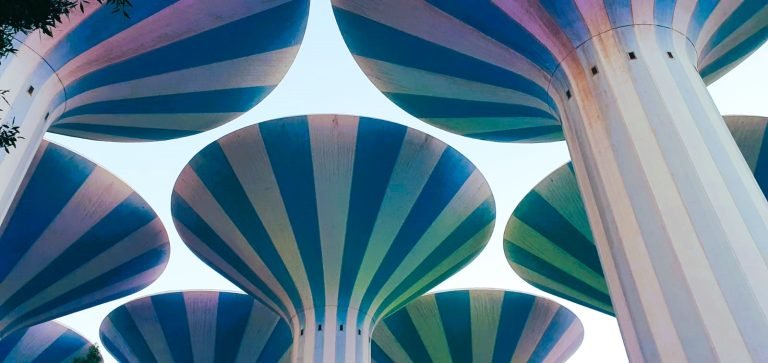
It’s hard to imagine that not so long ago, water in Kuwait came all the way from Basra, Iraq, where the Shatt al-Arab River flowed with fresh water. It was carried on wooden dhows that crossed the sea, bringing life to a small desert town that had only salty wells and brackish water to rely on.
Then came a new era. With the rise of desalination plants and the construction of the mushroom-shaped water towers between 1965 and 1970, Kuwait no longer had to wait for the boats. A total of 33 towers were built, divided into six groups across neighborhoods. Together, they formed a complete water network that supplied and balanced the city’s growing needs.
Kuwait Towers
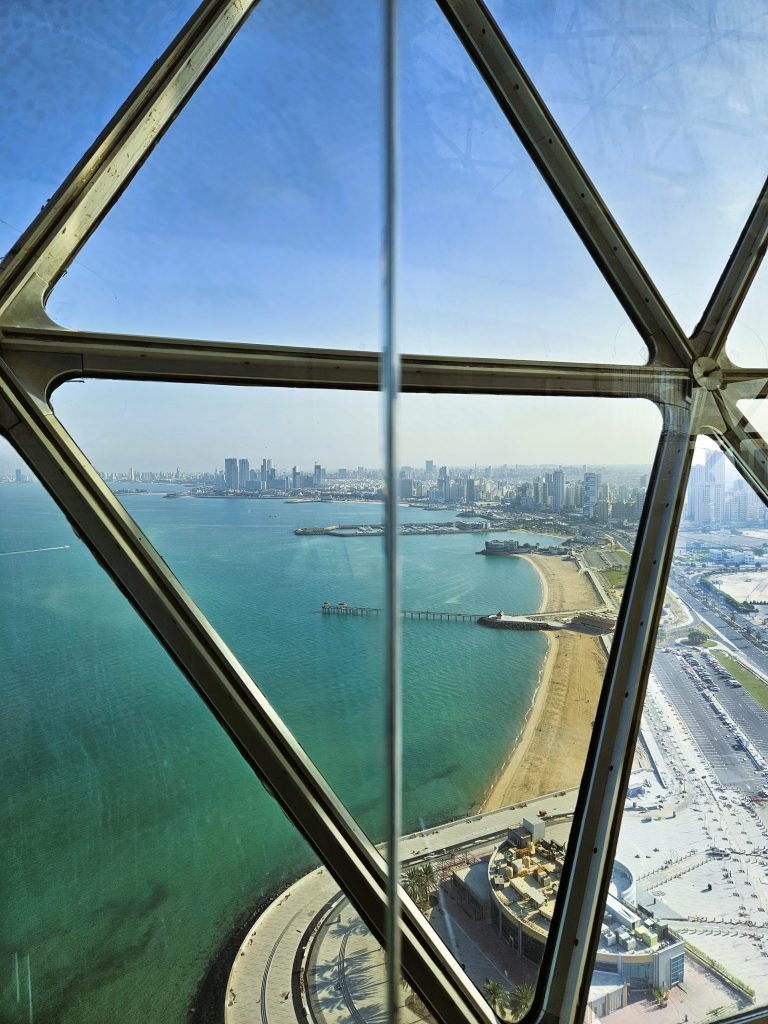
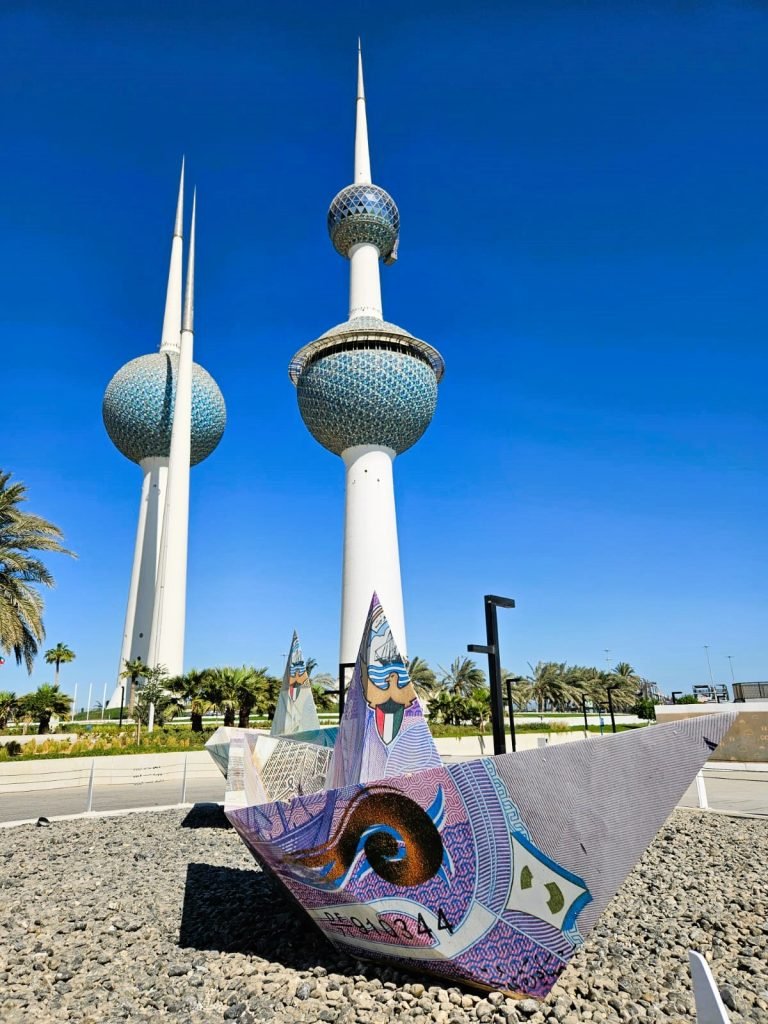
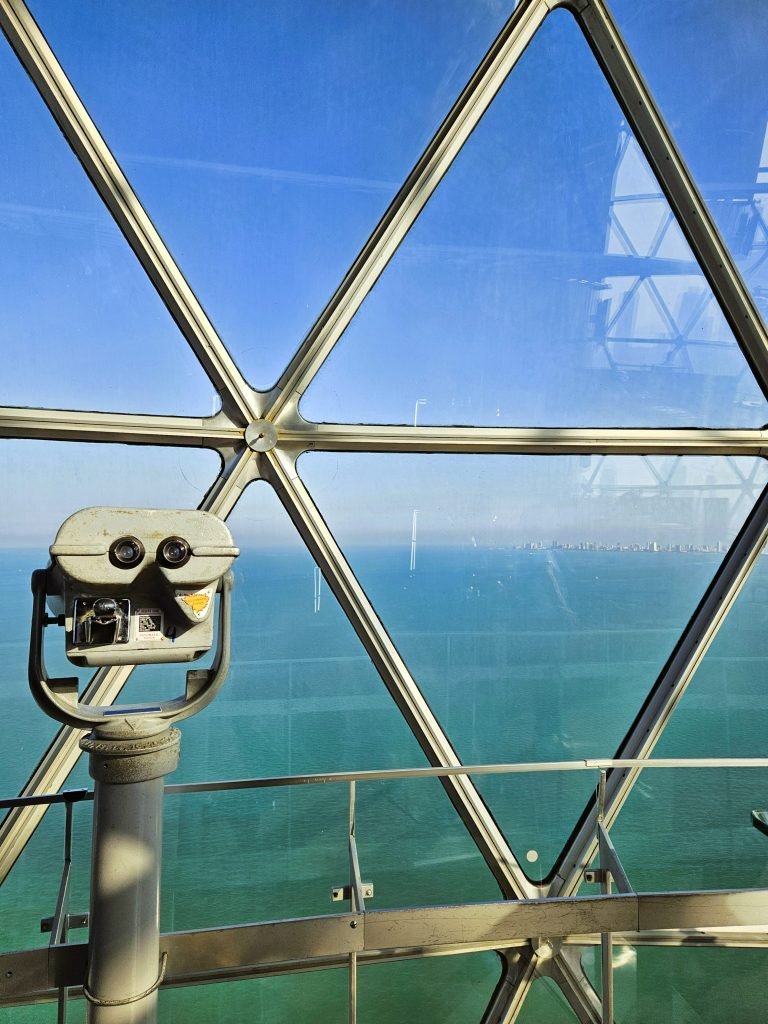
Back in the 1970s and 80s, Kuwait had its own way of embracing modernity. The Kuwait Towers, built in 1979, stood tall not just as functional water towers but as symbols of ambition and progress. Alongside modern banks, government offices, hotels, and early residential high-rises, these buildings represented civilization itself in a region still largely dominated by desert.
For anyone living or visiting Kuwait at the time, these structures were more than architecture, they were a statement that the country was moving ahead, embracing modernity while preserving its unique identity. Even today, the towers remain a proud image of a Kuwait that once led the Gulf in innovation, culture, and urban development.
There are three Towers in total. The main tower, which you can visit, features two spheres, the lower one has a restaurant and café, while the upper sphere offers a viewing platform with panoramic views of Kuwait City and the Gulf.
Tip: Enjoy breakfast with the best view of Kuwait from the restaurant atop the Kuwait Towers.
Museums
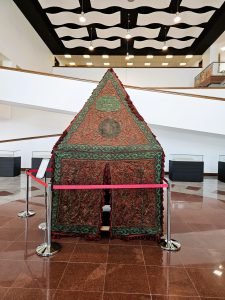
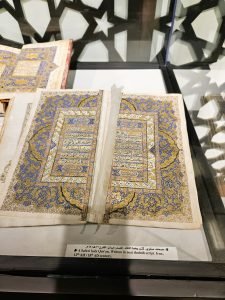
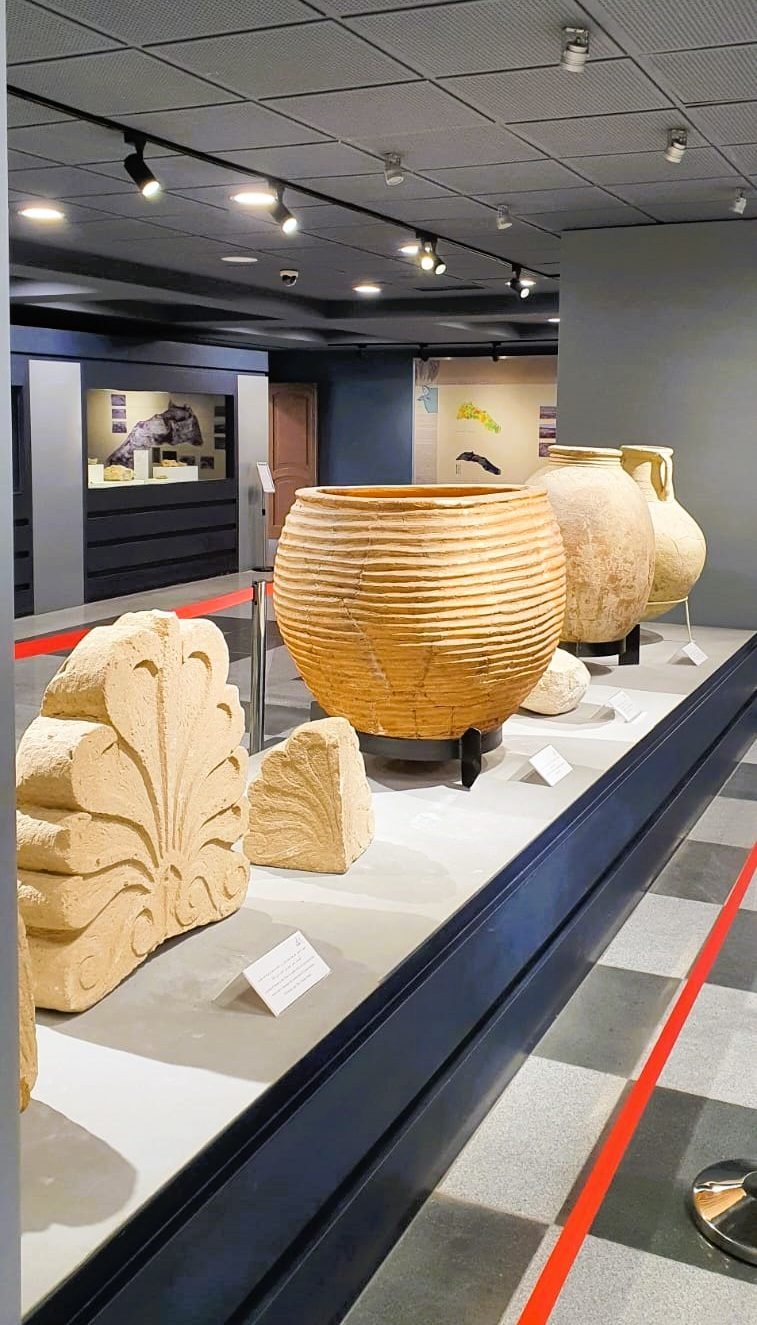
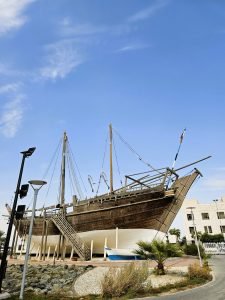
Kuwait’s rich history and culture are beautifully preserved in its museums, which span both traditional heritage and modern collections:
The Kuwait National Museum, opened in the 1980s, became a landmark institution displaying archaeological finds, heritage galleries, and the iconic dhow “Boom Al‑Muhallab,” reflecting the nation’s maritime and cultural history.
Bait Al‑Othman Museum, inaugurated in 2013, preserves the charm of a traditional Kuwaiti house, with exhibits on daily life of pre-oil Kuwait. Meanwhile, The Islamic Antiquities Museum houses priceless Islamic manuscripts, pottery, carpets, and carvings from Kuwait and the wider region, highlighting the depth of Islamic art and history.
Together, these museums bridge the past and present, allowing visitors to explore both Kuwait’s traditional roots and its post-oil cultural achievements.
Al Salam Palace Museum
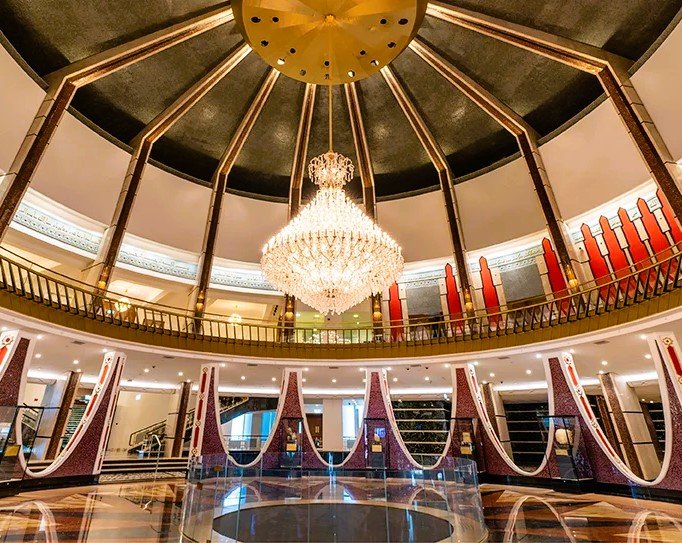
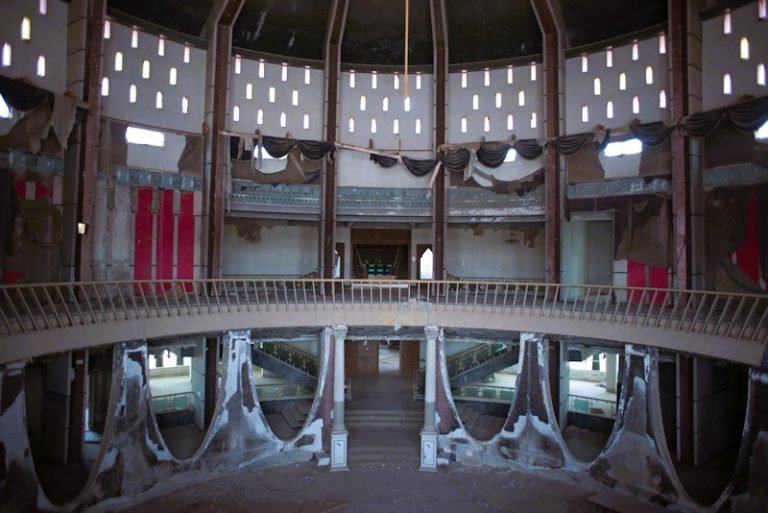
I learned from a movie recently about the Japanese art of repairing broken pottery called “Kintsugi ” the idea that when something is broken, it can be mended with gold, becoming even more beautiful than before. It’s a philosophy that celebrates rebirth through imperfection, and it reminded me instantly of Al Salam Palace. Once a royal guest palace built in the early 1960s was left in ruins after the 1990 invasion. For years, it stood silent, a wounded piece of Kuwait’s history, until it was lovingly restored and reopened in 2019 as a museum. Walking through its elegant halls today, you feel that same spirit of Kintsugi, a nation’s story repaired with pride.
Tip: Visits to Al Salam Palace Museum require an advance reservation, which you can easily make through the official online booking link, click here.
Al Hamra tower and Liberation Tower
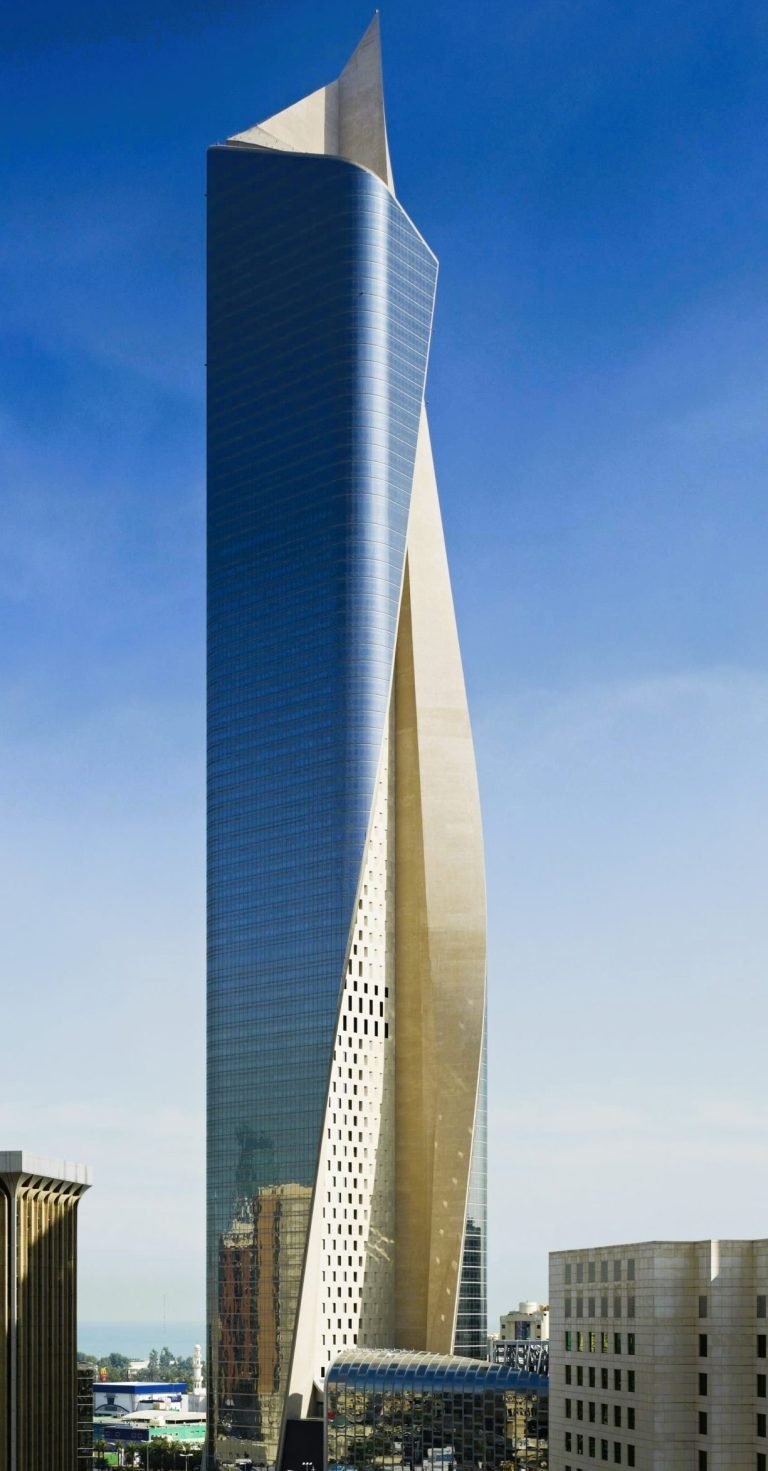
Al Hamra Tower, Kuwait’s tallest building at 414 meters, stands out for its striking “carved” design, a sculpted concrete wall that shields it from the desert sun while its glass façade opens to the Gulf. Unique in the Gulf, it’s the world’s tallest sculpted skyscraper, blending art, innovation, and engineering into one elegant architectural statement.
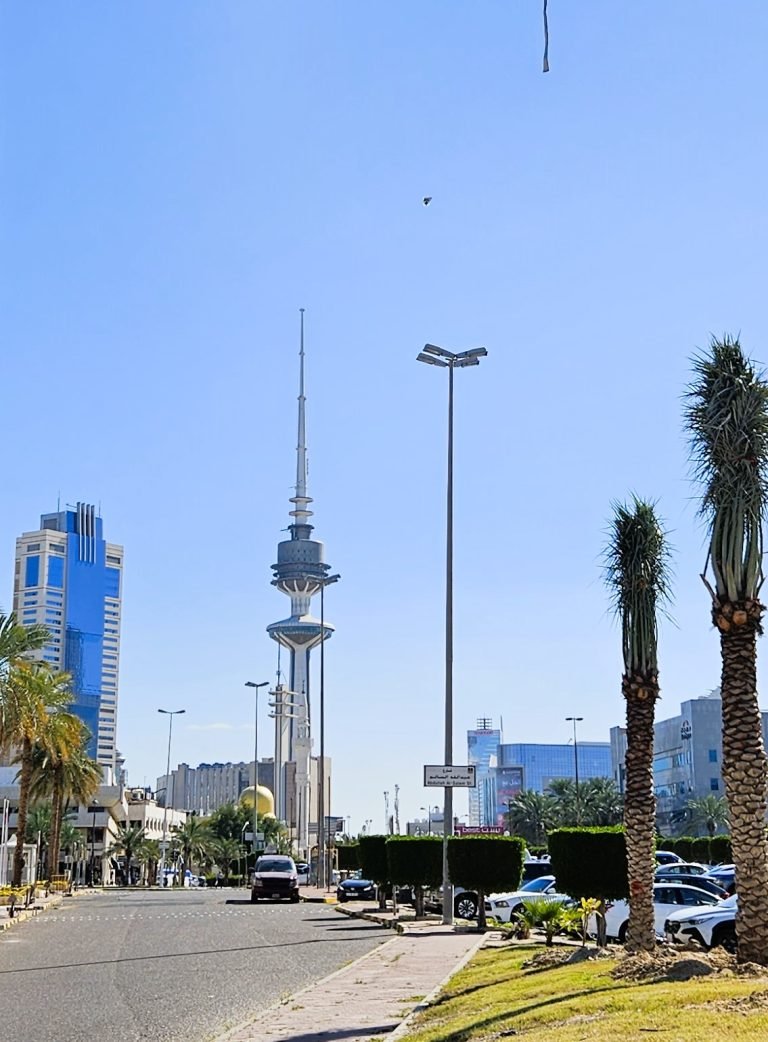
The Liberation Tower is one of the country’s most iconic landmarks. At 372 meters, it’s the second tallest structure in Kuwait and serves as a telecommunications tower, but it’s also a powerful symbol of Kuwait’s liberation after the 1990–1991 Gulf War.
Built in the 1990s, the tower features a slender design topped with a circular observation deck and an antenna. The tower is not open to public visits, its observation deck and internal areas are restricted, mostly used for official purposes, telecommunications, and broadcasting.
Tip: You can also enjoy a stunning view of Kuwait from the Sky Lounge restaurant on the 60th floor of Al Hamra Tower.
Sheikh Jaber Al‑Ahmad Cultural Centre
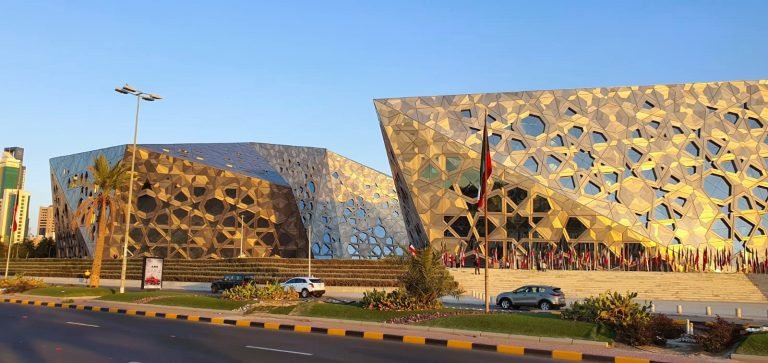
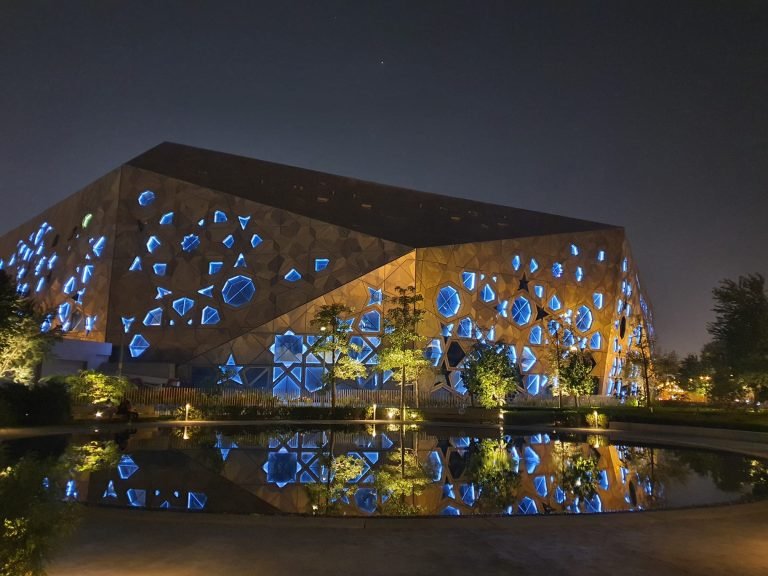
The Kuwait Opera House is one of those places that instantly makes you slow down and stare. The first time I passed by, I remember thinking, what is this beautiful building? Its design is stunning, a futuristic mix of Islamic geometry and modern elegance. Opened in 2016, and it is the largest cultural center and opera house in the Middle East. Inside, it houses four main buildings, each dedicated to a different form of art: music, theatre, film, and literature. There’s also a beautiful opera hall, smaller theatres, and exhibition spaces. The fountain area near the Opera House is one of our favorite places to go for a quiet walk and a coffee. Unlike Murooj, Marina, or even Mubarakiyah, it’s never too crowded. The place has lovely walking paths, surrounded by greenery, dancing fountain and the stunning architecture of the Opera House makes the scene more beautiful. It is simple, elegant, and peaceful.
Sheikh Abdullah Al‑Salem Cultural Centre
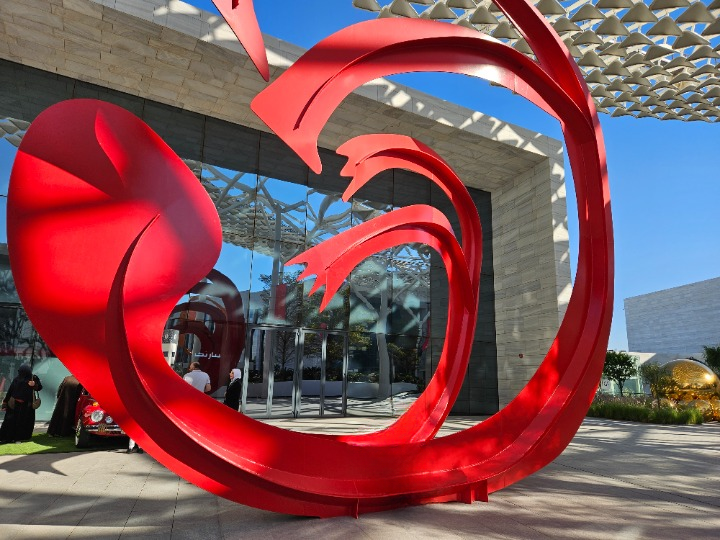
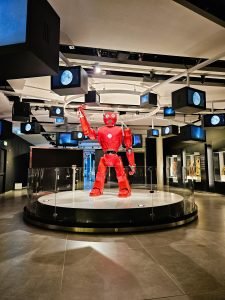
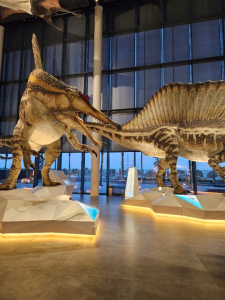
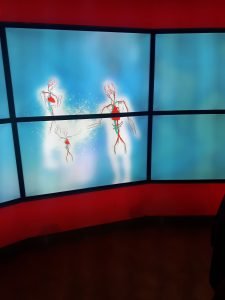
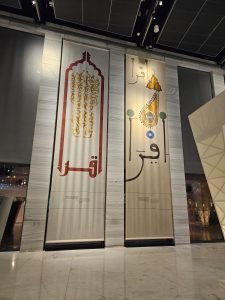
Sheikh Abdullah Al-Salem Cultural Centre is one of the largest and most impressive museum complexes in the world. The centre features a wide range of galleries covering natural history, science, technology, Arabic and Islamic science, space exploration, and more.
It has won several international awards, including recognition as one of the best cultural centres in the Middle East, for both its innovative design and educational impact.
The centre is a favorite destination for families and visitors of all ages. From the giant aquarium with sharks, to the interactive science experiments, robotics exhibits, and the famous red robot show, there’s something for everyone. The architecture itself is a masterpiece, combining modern design with cultural inspiration, making the entire complex a work of art inside and out.
Tip: Plan to spend several hours at the Cultural Center, with so many sections and interactive exhibits, you could easily spend 4 hours exploring everything.
The Scientific Center Kuwait (TSCK)
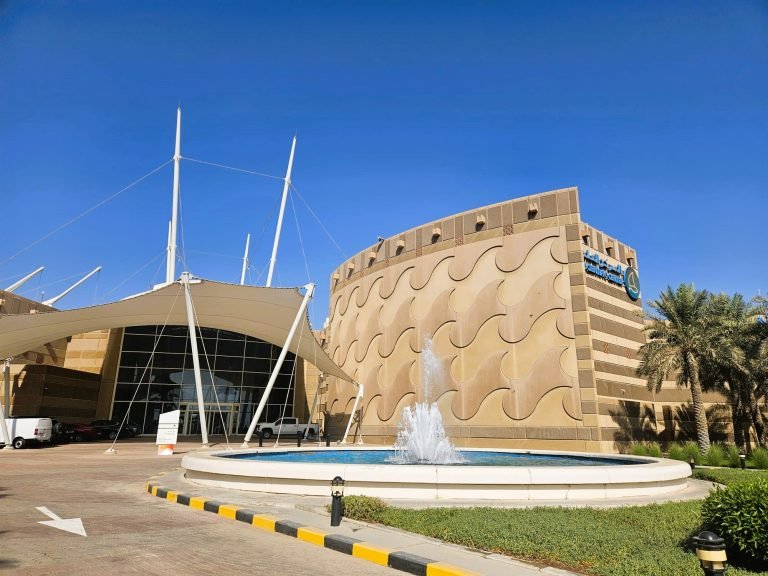
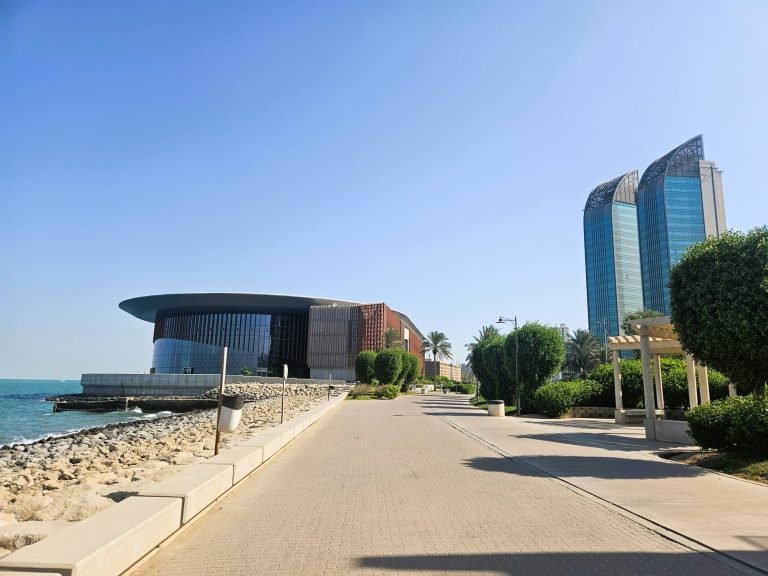
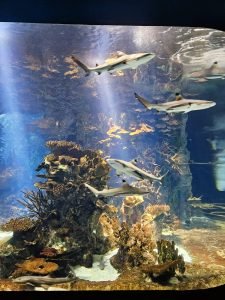
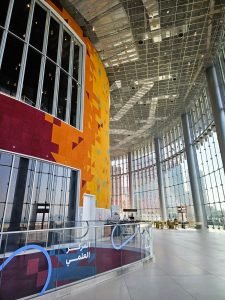
One of our son’s absolute favorite places in Kuwait is The Scientific Center, right by the sea near Marina. We’ve visited it more than four times, and every visit feels just as special as the first. He loves exploring the aquarium filled with fascinating sea creatures, like sharks, fishes, and colorful coral reefs, and he never gets tired of the hands-on science experiments and fun discoveries inside. The center also has a cozy cinema that adds to the experience. Recently, they opened a new section called “The World of Science,” which adds even more interactive exhibits, technology displays, and creative experiments for kids and families to enjoy. After exploring, we always love sitting on the beautiful seafront terrace, where the view of the Gulf is simply amazing. It’s our little family ritual to relax there with some food or a refreshing KDD ice cream.
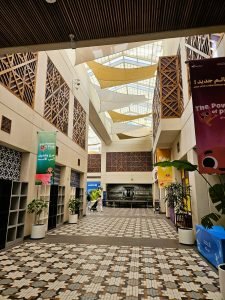

Tip: Allow at least 3–4 hours to explore the Scientific Center, including the aquarium, IMAX theater, discovery halls, and the world of science. When you finish have a nice walk along the promenade.
Don’t miss Part 2, that’s where I share my top travel tips for visiting Kuwait