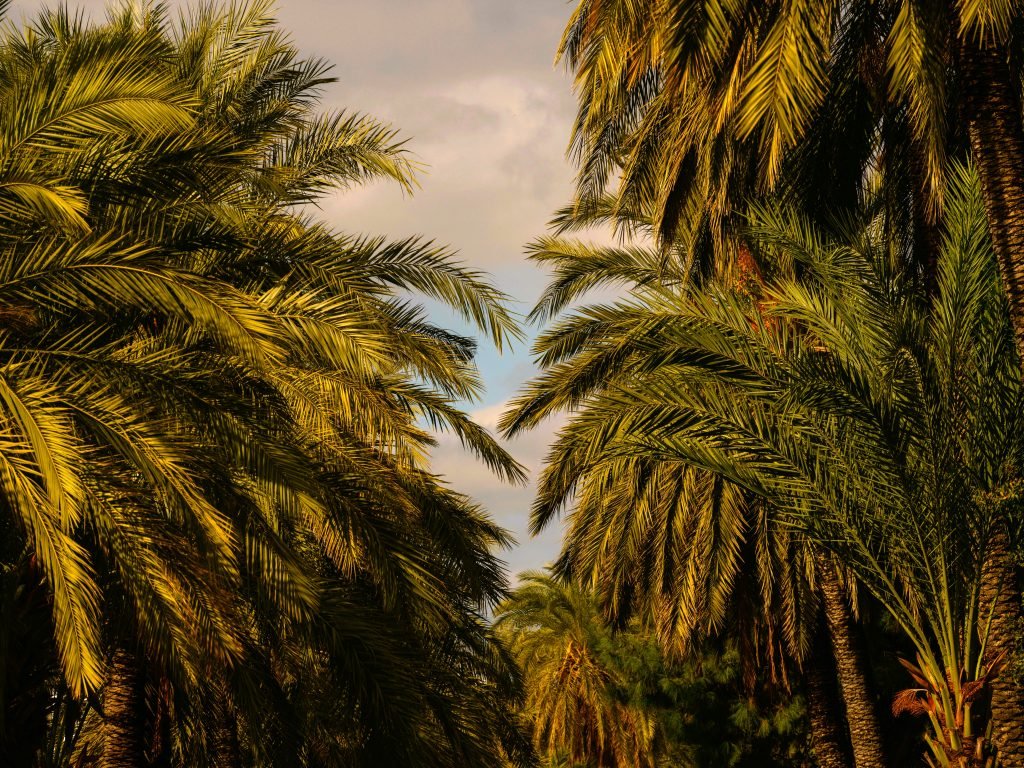
During our visit to Al Khobar, our friends invited us on a day trip to a place we had never even heard of before: Al-Ahsa. We didn’t think much of it at first, but that spontaneous invitation ended up taking us to one of the most fascinating places we visited in Saudi Arabia.
To our surprise, Al-Ahsa is the largest oasis in the world, covering about 85.4 square kilometers and home to more than 2.5 million date palms. It’s hard to imagine a place with that many palm trees until you see them stretching as far as the eye can see. In 2018, Al-Ahsa was recognized as a UNESCO World Heritage Site for its unique cultural landscape, ancient irrigation system, gardens, springs, and historic buildings, all of which have supported life here for thousands of years.
What amazed me even more was learning that people have lived in Al-Ahsa for more than 5,000 years, making it one of the oldest continuously inhabited regions in the Arabian Peninsula. Thanks to its natural springs and fertile land, it became an important stop for traders and travelers crossing the region. As we explored the oasis, it was easy to understand why so many civilizations chose to settle here. Even today, Al-Ahsa feels like a peaceful green escape in the middle of the desert, where history and nature exist side by side.
Agriculture and the Famous Al-Ahsa Dates
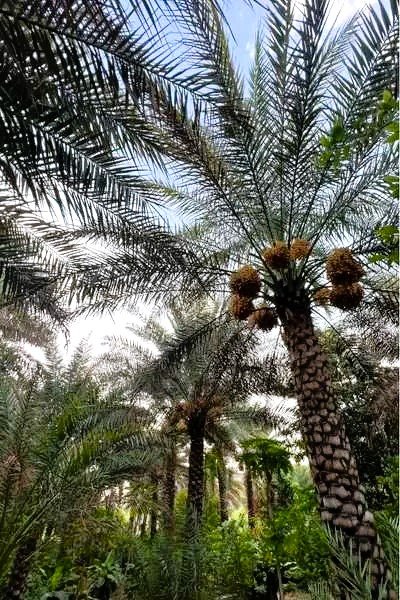
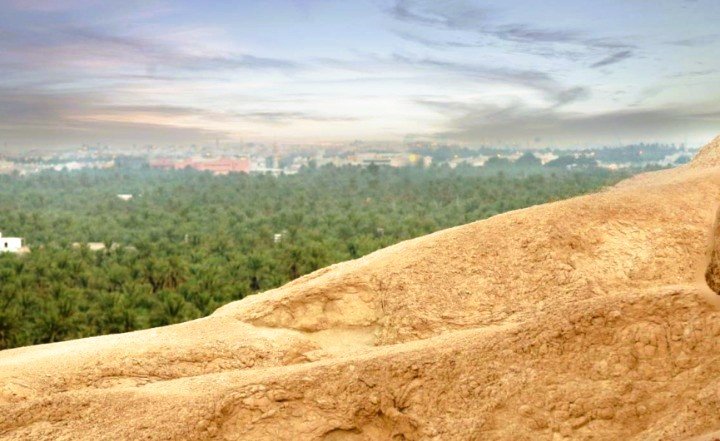
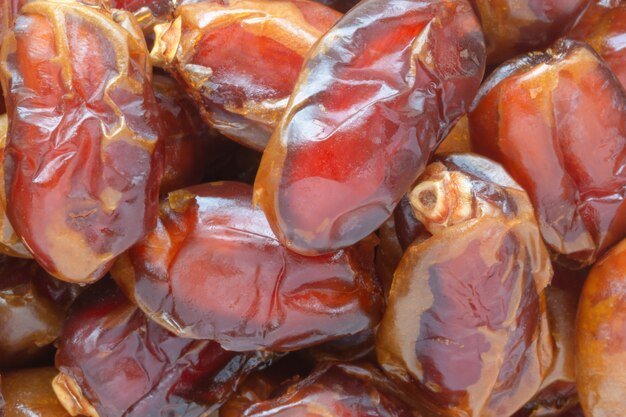
The lifeblood of Al-Ahsa has always been its date palms. With more than 2.5 million trees spread across the oasis, it’s no surprise that date farming remains at the heart of daily life. One of its most famous varieties is the Khalas date, prized for its soft texture, golden color, and naturally sweet caramel-like flavor. Everywhere we looked, there were palm groves stretching into the distance, making it easy to see why Al-Ahsa is considered one of Saudi Arabia’s most important agricultural regions.
Many local farmers still rely on the oasis’s ancient irrigation system, fed by natural springs that have sustained the region for thousands of years, while also using modern techniques to protect this valuable landscape. Every year, the Al-Ahsa Date Festival celebrates this long-standing tradition, bringing together farmers, traders, and visitors from across Saudi Arabia. In recent years, the Saudi government has also invested in restoring historic sites, improving infrastructure, and promoting eco-tourism, making it much easier for travelers to discover this remarkable oasis while helping preserve its unique heritage for future generations.
Asfar Lake (Yellow Lake):
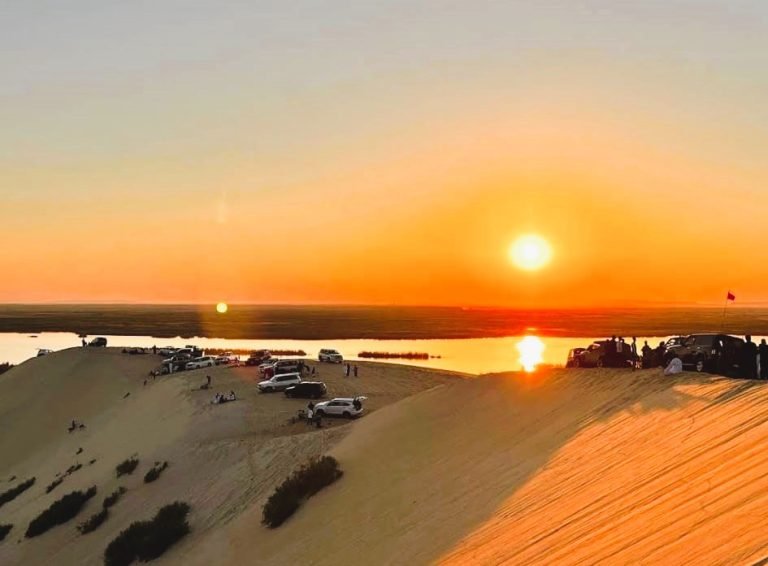
Our next stop was Asfar Lake, also known as Yellow Lake, and it was unlike anything I expected to find in the middle of the Saudi desert. Surrounded by rolling golden sand dunes, the lake creates a surprising contrast, a peaceful stretch of water where you would normally expect nothing but sand.
The name Asfar means “yellow” in Arabic, inspired by the golden glow that surrounds the lake at sunrise and sunset. It’s easy to see why photographers love this place. The calm water reflects the changing colors of the dunes, creating a landscape that feels almost unreal.
What makes Asfar Lake even more remarkable is how it exists in one of the driest parts of the country. The lake is fed by natural springs and excess water from Al-Ahsa’s ancient irrigation system, allowing it to remain full throughout the year. It has also become an important habitat for migratory birds and local wildlife, adding even more life to this quiet corner of the oasis. Standing there, with nothing but water, sand dunes, and silence around us, it was hard to believe we were still in the middle of the desert.
Al-Qarah Mountain:
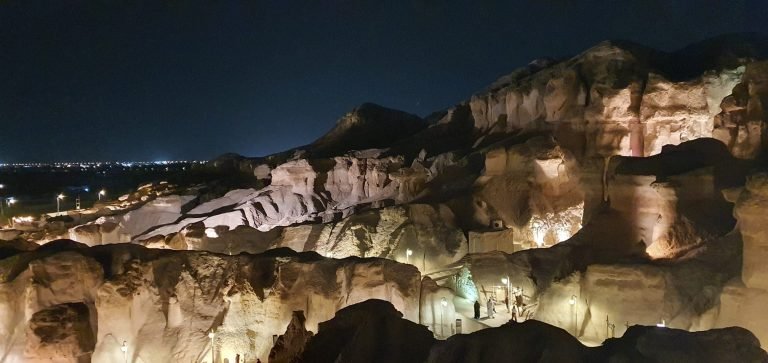
One of the most unforgettable places we visited in Al-Ahsa was Al-Qarah Mountain (also known as Jabal Al-Qarah), a striking sandstone hill that rises unexpectedly from the endless palm groves of the oasis. From a distance, it almost looks out of place, surrounded by millions of date palms instead of more mountains.
What impressed us the most were its caves and narrow passageways, naturally carved into the sandstone over thousands of years by wind and water. As soon as we stepped inside, the temperature dropped noticeably, offering a welcome escape from the desert heat. Walking through the caves reminded me of Cappadocia in Turkey, although the view here was completely different. Instead of fairy chimneys overlooking valleys, we were looking out over one of the world’s largest oases, a contrast that makes Al-Ahsa truly unique.
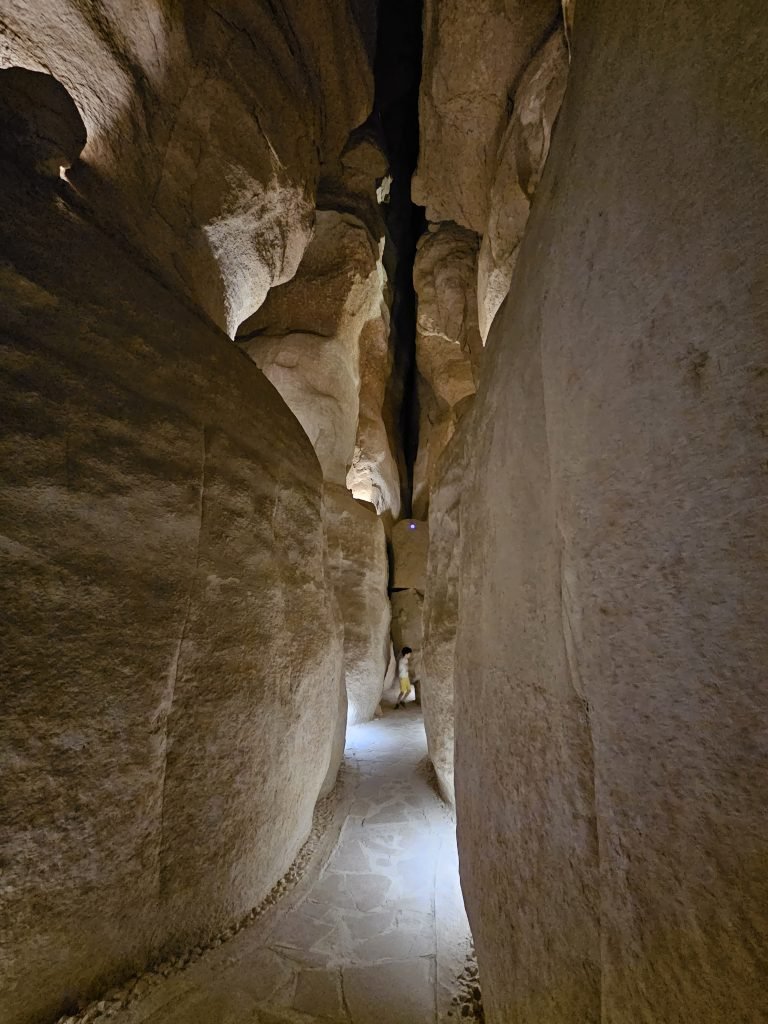
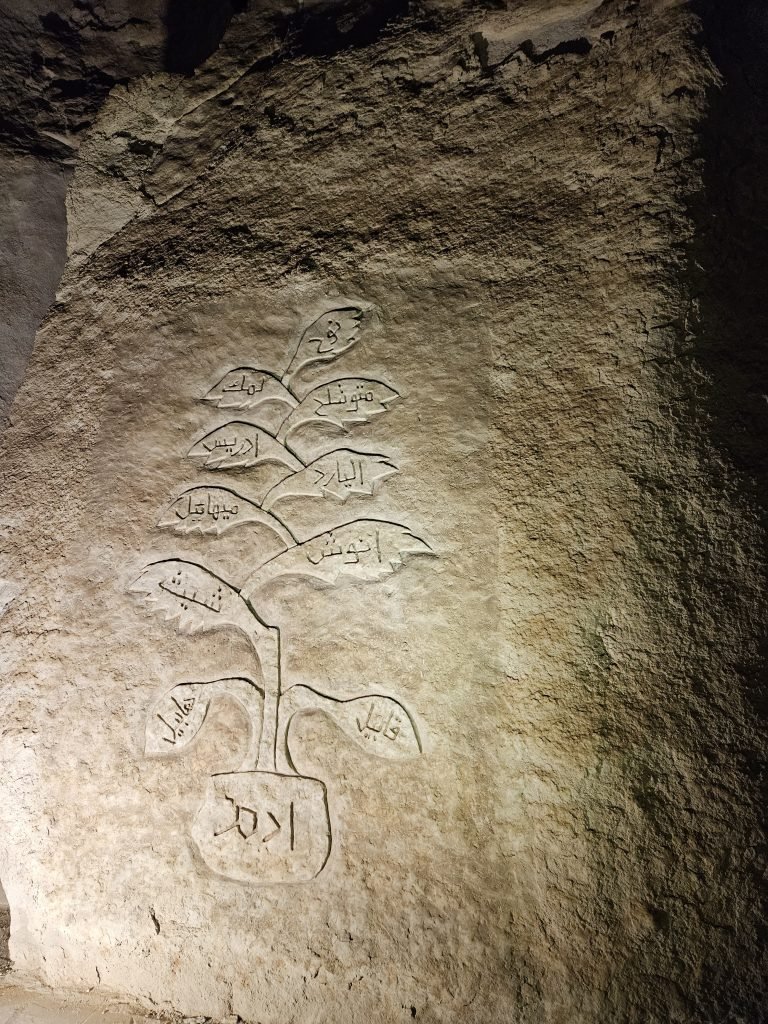
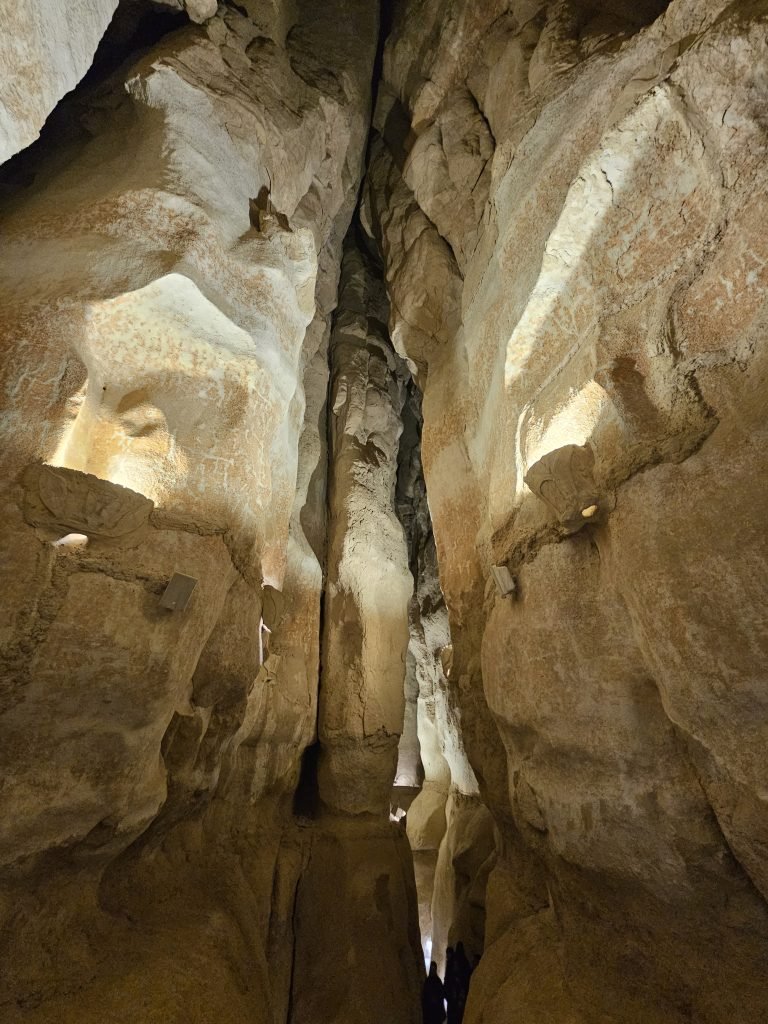

Al-Qarah Mountain is more than just a beautiful natural landmark. For centuries, its caves provided shelter for local communities, and many are linked to stories and traditions passed down through generations. Today, the site has been carefully developed with walking paths and lighting, making it easy to explore while preserving its natural beauty. At the foot of the mountain, you’ll also find the Land of Civilizations Museum, where visitors can learn more about Al-Ahsa’s long history, its ancient trade routes, and the civilizations that helped shape this remarkable oasis.
Souq Al-Qaisariya:
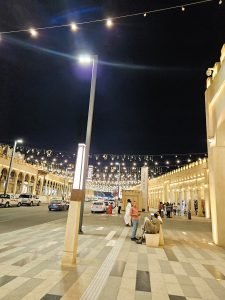
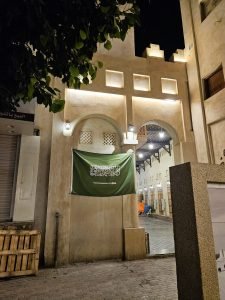
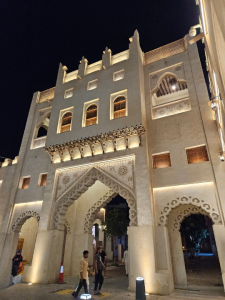
Our last stop of the day was Souq Al-Qaisariya, one of the oldest traditional markets in Saudi Arabia and one of Al-Ahsa’s most important landmarks. For centuries, it has been a meeting place for merchants trading dates, spices, textiles, perfumes, gold, and handmade crafts. Walking through its narrow covered alleyways, it wasn’t hard to imagine how busy this place must have been in the past, filled with traders and shoppers from across the region.
Unfortunately, by the time we arrived after visiting Jabal Al-Qarah, most of the shops had already closed for the day, with only a handful still open. We missed the lively atmosphere, but in a way, the quiet streets had their own charm. Without the crowds, we could take our time admiring the traditional architecture, the old wooden shopfronts, and the peaceful surroundings.
Although we didn’t get to experience the market at its busiest, it was still a memorable stop. It felt like the perfect way to end our day in Al-Ahsa, slowing down after a day of exploring and reflecting on how this oasis has managed to preserve so much of its history while continuing to welcome visitors from around the world
My Tips:
- The best time to visit Al-Ahsa Oasis is between November and March, when the weather is much more comfortable for exploring. During these months, the days are pleasantly warm, while the evenings are cool enough to enjoy a walk through the markets or relax outdoors.
- Plan enough time at Al-Qarah Mountain. The caves may look small from the outside, but there are several passageways to explore, and you’ll probably spend longer there than expected.
- If you’re planning a day trip, I’d suggest starting your morning at Al-Qarah Mountain. The caves stay naturally cool, but visiting early means fewer crowds and more comfortable temperatures for exploring. After that, head to Hofuf, the main city of Al-Ahsa, for lunch. While you’re there, visit Ibrahim Palace, a historic fortress dating back to the 16th century that beautifully blends Islamic and military architecture. If you’re interested in history, you can also check whether Sahoud Palace has reopened, as it was closed for restoration during our visit.
- In the afternoon, make your way to Souq Al-Qaisariya. Try to arrive before sunset, as many of the shops begin closing in the early evening. It’s a wonderful place to browse for traditional crafts, dates, spices, and local souvenirs while soaking up the atmosphere of one of Saudi Arabia’s oldest markets.
- End your day at Asfar Lake (Yellow Lake), about a 20 to 30-minute drive from Hofuf. Sunset is the perfect time to visit, when the golden dunes are reflected in the calm water and the desert takes on a beautiful warm glow. It’s a peaceful way to finish your visit to the oasis.
- Carry water and snacks, especially if you’re heading out to the lake or mountain areas.
- Wear comfortable shoes for walking through caves and sandy terrain.
- Keep some cash with you. While most places accept cards, a few small shops and market stalls still prefer cash, especially in traditional areas.
- If you’re buying dates, don’t hesitate to ask for a sample before choosing a variety. Al-Ahsa is famous for its dates, and each type has its own texture and level of sweetness.
- Respect local customs before photographing people, especially in the traditional market. A quick smile and a polite request go a long way.
- Dress modestly, especially when visiting historical sites and traditional markets. It helps you blend in and shows respect for the local culture.
- If you’re interested in local products, look for items made from date palms. Beyond the fruit itself, you’ll find baskets, woven goods, and handicrafts that reflect the oasis’s long agricultural heritage.
- visit on a weekday if possible. Popular attractions and the souq are generally quieter, making it easier to explore and take photos.
- Consider spending a night in Al-Ahsa instead of rushing back. We visited on a day trip, but staying overnight would give you more time to enjoy the oasis at a relaxed pace and explore places we had to skip.
- Fill up your fuel tank before heading to Asfar Lake, as services become much more limited once you leave Hofuf.
- Finally, don’t expect Al-Ahsa to feel like Riyadh or Dubai. That’s exactly what makes it special. Life moves at a slower pace here, giving you time to appreciate the oasis, its history, and a side of Saudi Arabia that many travelers overlook.
Read Similar Articles