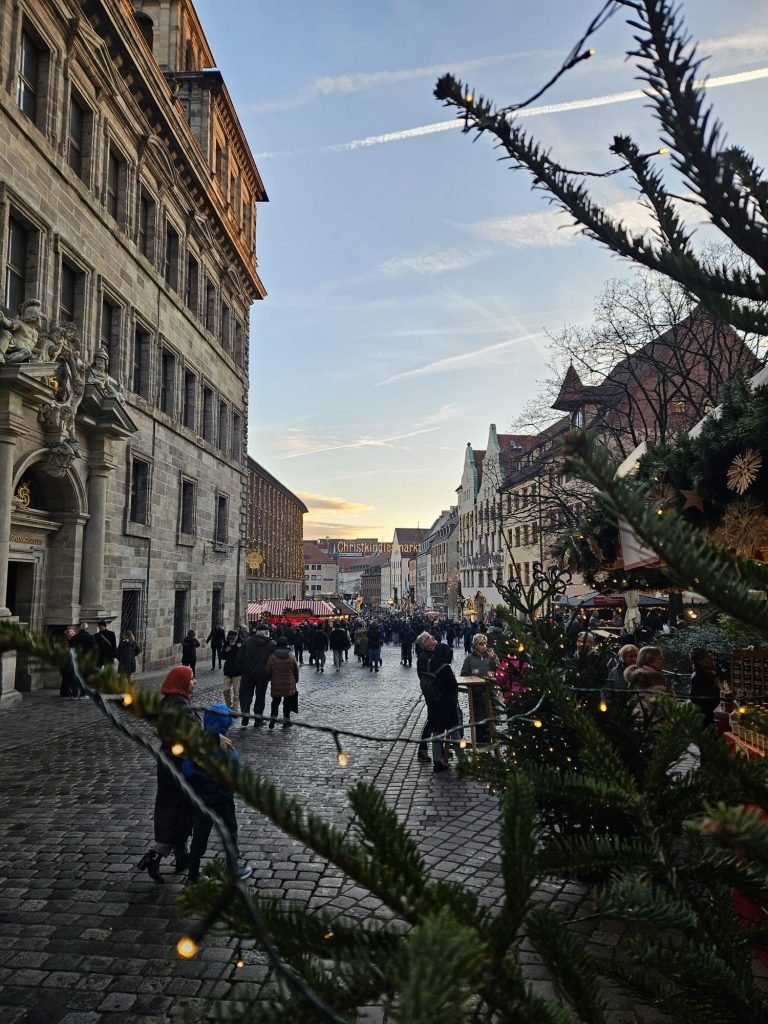
Nuremberg is the city that stole my heart and shaped my body from walking its streets day and night, trying to satisfy my eyes, but it was never enough. I can confidently say that the nights in Nuremberg are even more magical, as the streets grow quieter and glow with beautiful light decorations, especially during Christmas time.
When I walked alone at night, I often watched couples enjoying a warm drink or strolling together in deep conversation. Yet, I told myself, I’m luckier, I’m walking with Nuremberg, feeling like I have it all to myself, whispering my thoughts, and tuning in to my emotions. There I was, doing nothing but soaking in the good vibes of the old town, and it felt magical, or maybe crazy, I don’t know.
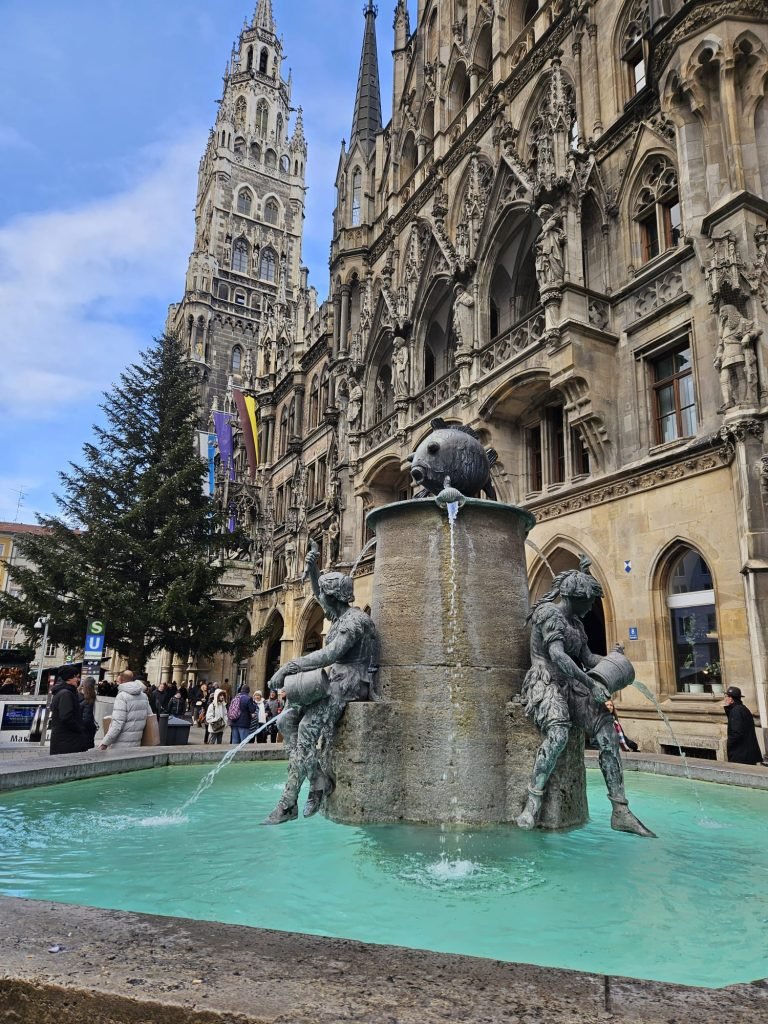
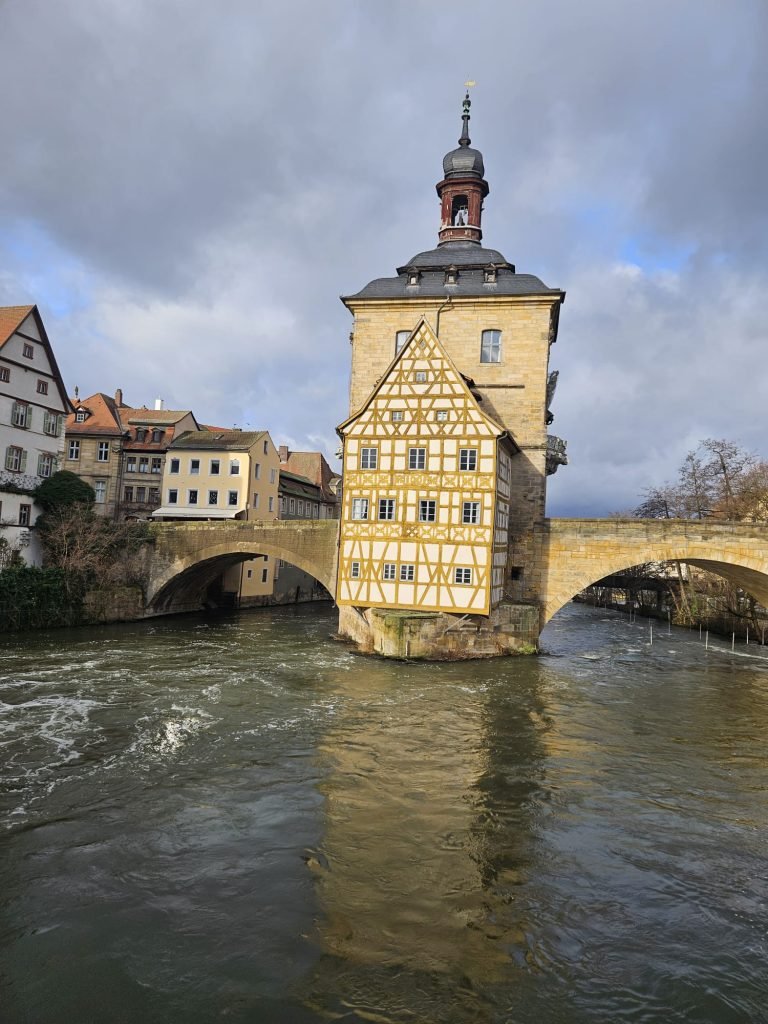
I have visited many cities in Bavaria on day trips, including Bamberg, Würzburg, Regensburg, and Bayreuth, but every time I return to Nuremberg, I reaffirm that it truly wins in charm.
Christmas Market
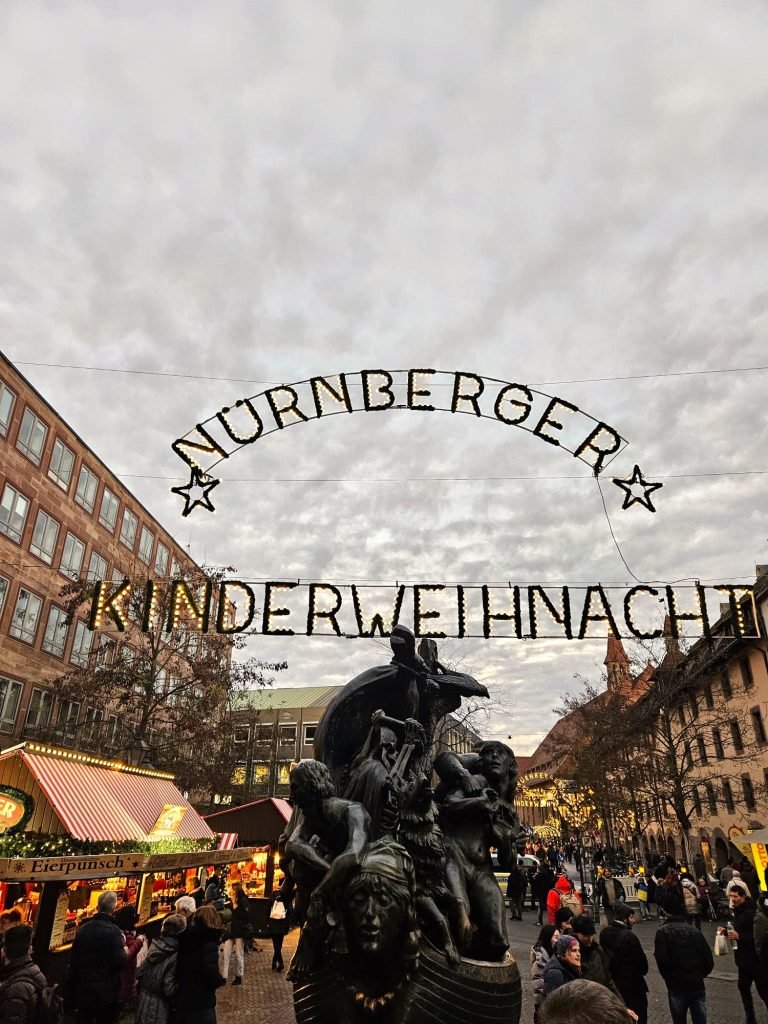
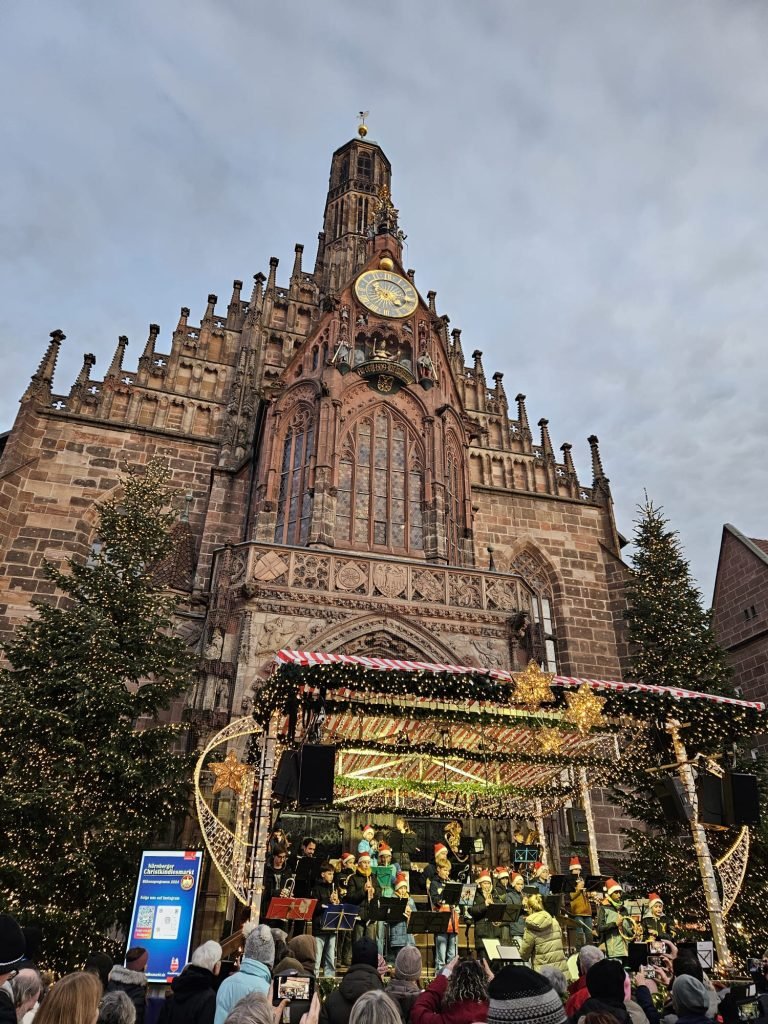
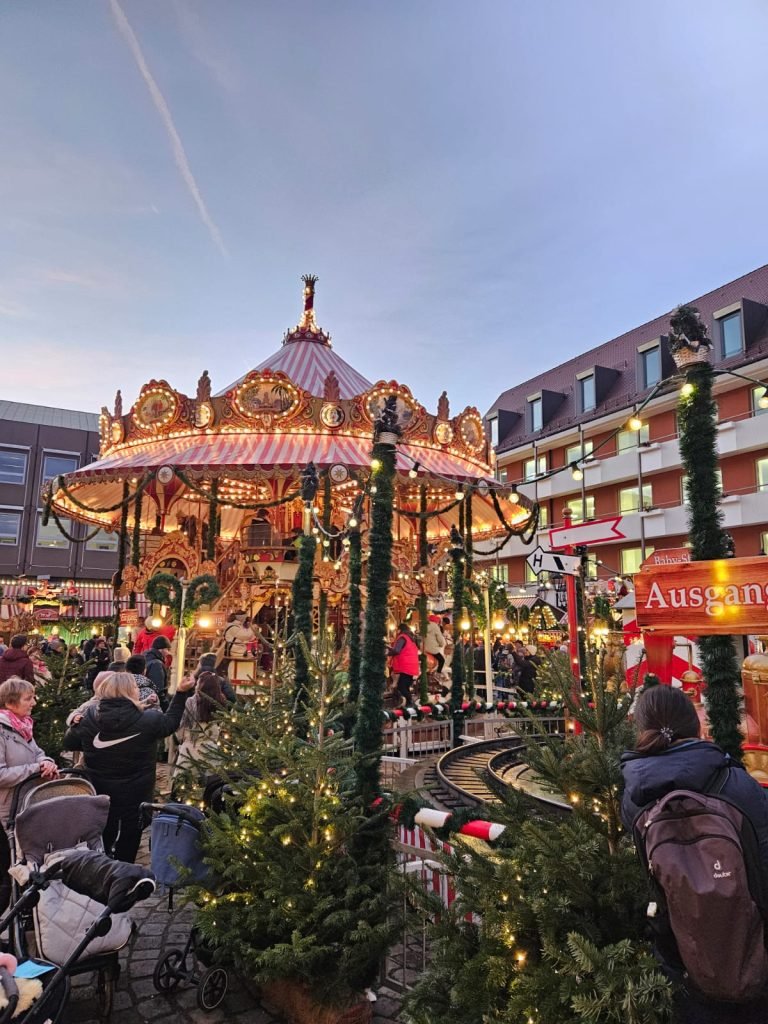
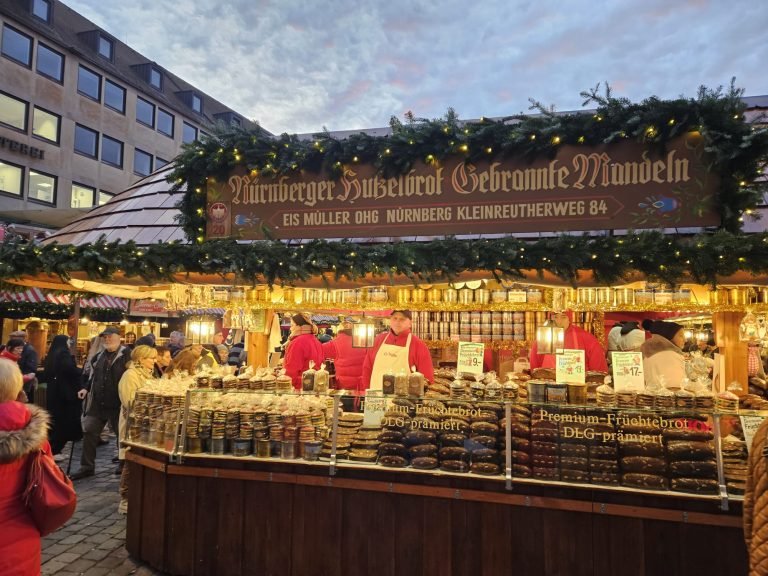
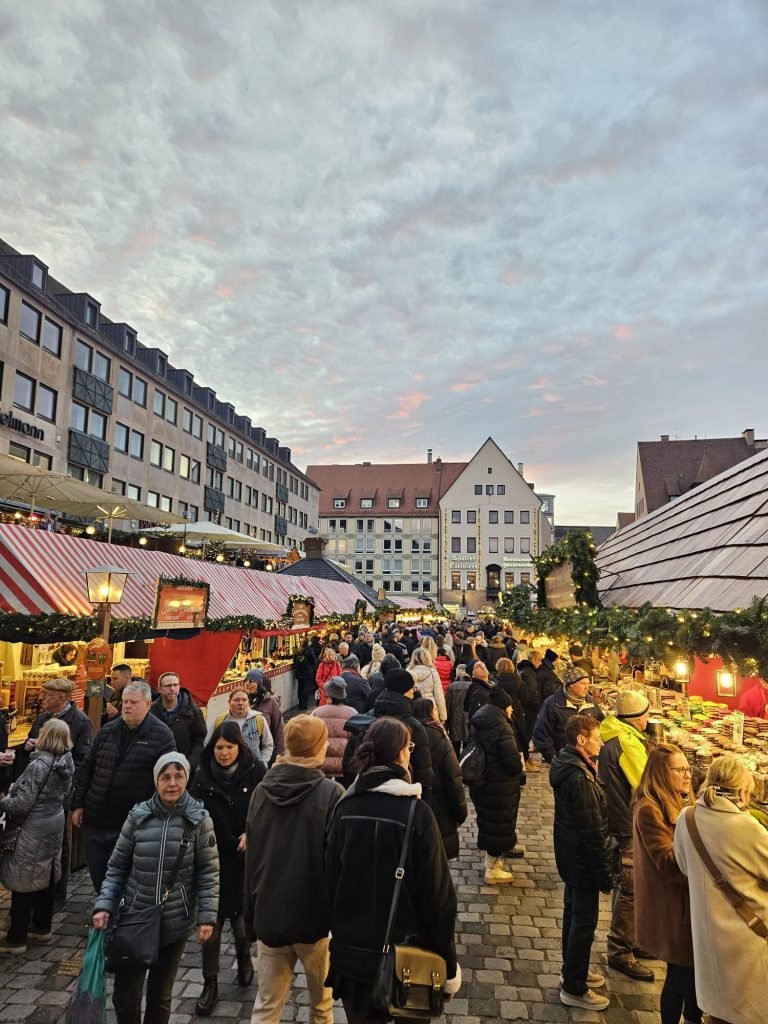
The Christmas market in Nuremberg is undoubtedly one of the most beautiful in Germany, with roots dating back to the 1600s, it is one of the oldest and most iconic Christmas markets in Europe. Each year, during Christmas season, it attracts more than two million visitors from around the world seeking an authentic holiday experience.
I truly love Christmas time, I love the warm and joyful vibes that fill the air. People stroll around, buying gifts and handcrafted goods, while sipping on warm drinks to fight off the cold. It’s a scene of pure happiness, everywhere you look, faces light up with smiles.
The kids’ play area is especially delightful, with its charming carousel and festive rides. Watching the children’s excitement, I couldn’t help but feel the child in me awaken, wishing I could hop on a horse and join the fun.
Before arriving in Nuremberg, I found myself comparing Christmas in Germany to Canada. In Canada, Christmas songs fill every store and coffee shop, and the scent of cinnamon is inescapable, often used as a seasonal air freshener. In Munich, I noticed everything festive except the music, until I reached Nuremberg. Here, a group of children performed carols in the plaza beneath the grand church, their melodies transforming the market into a heartwarming and an amazing experience.
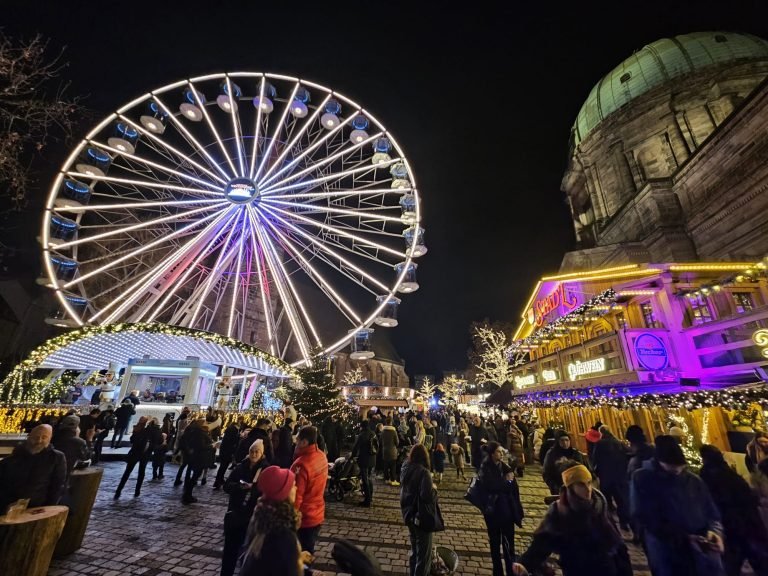
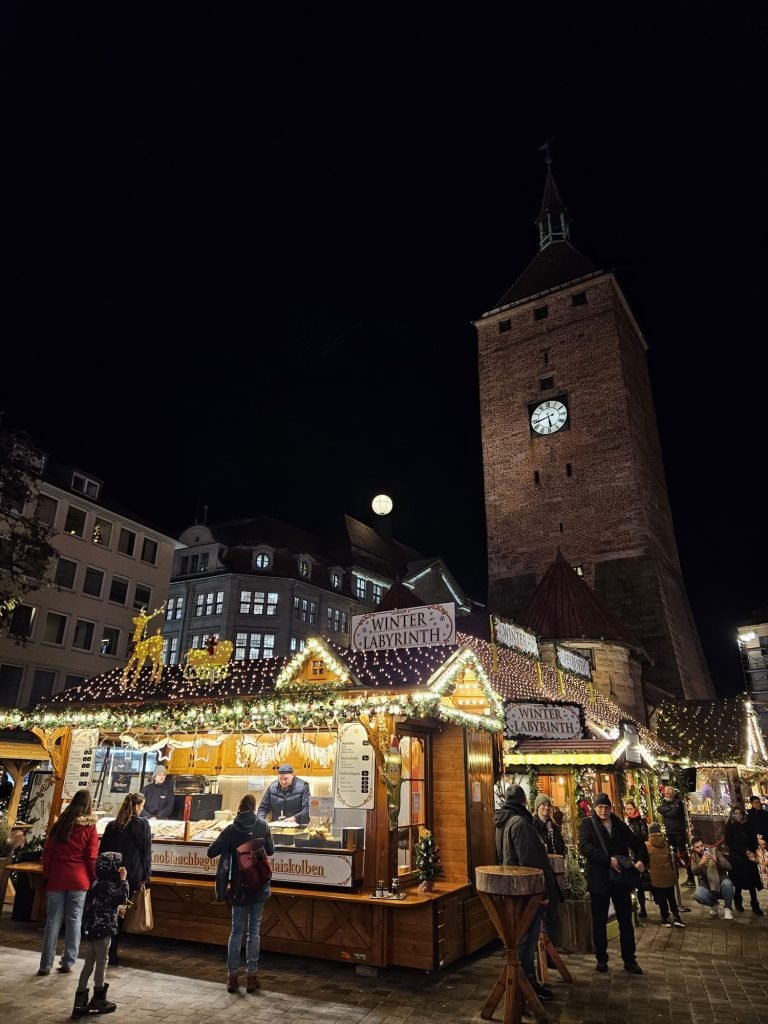
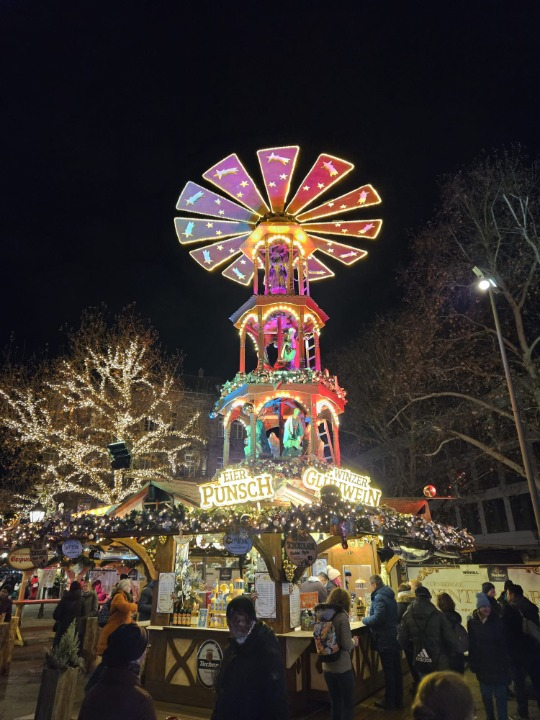
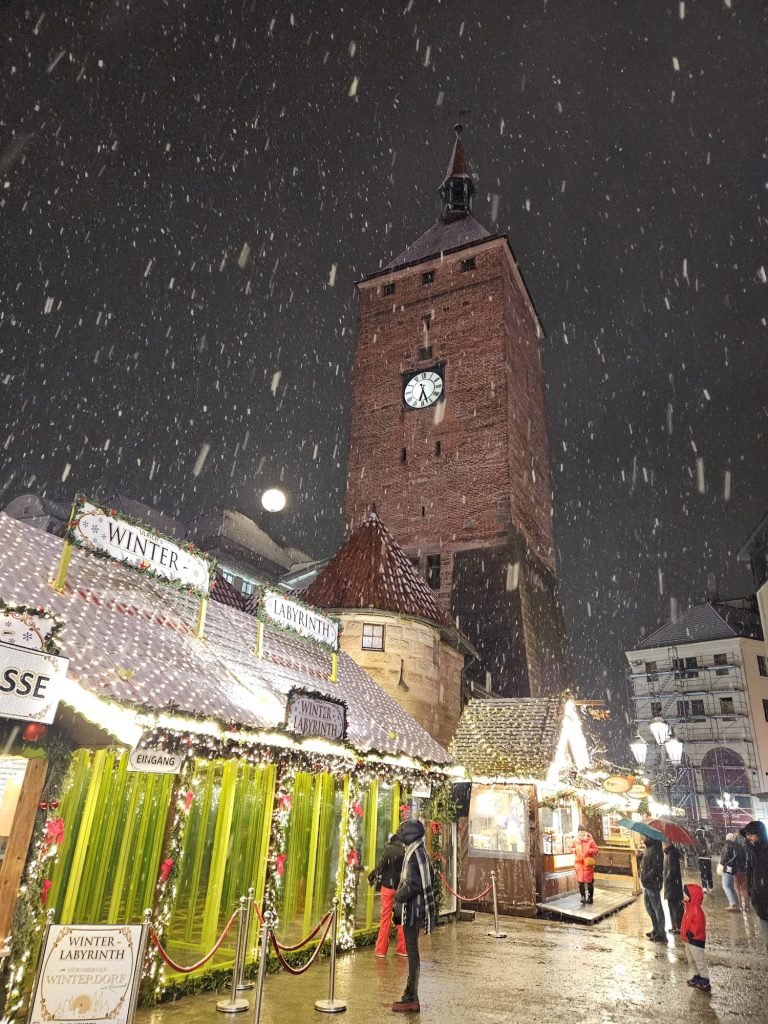
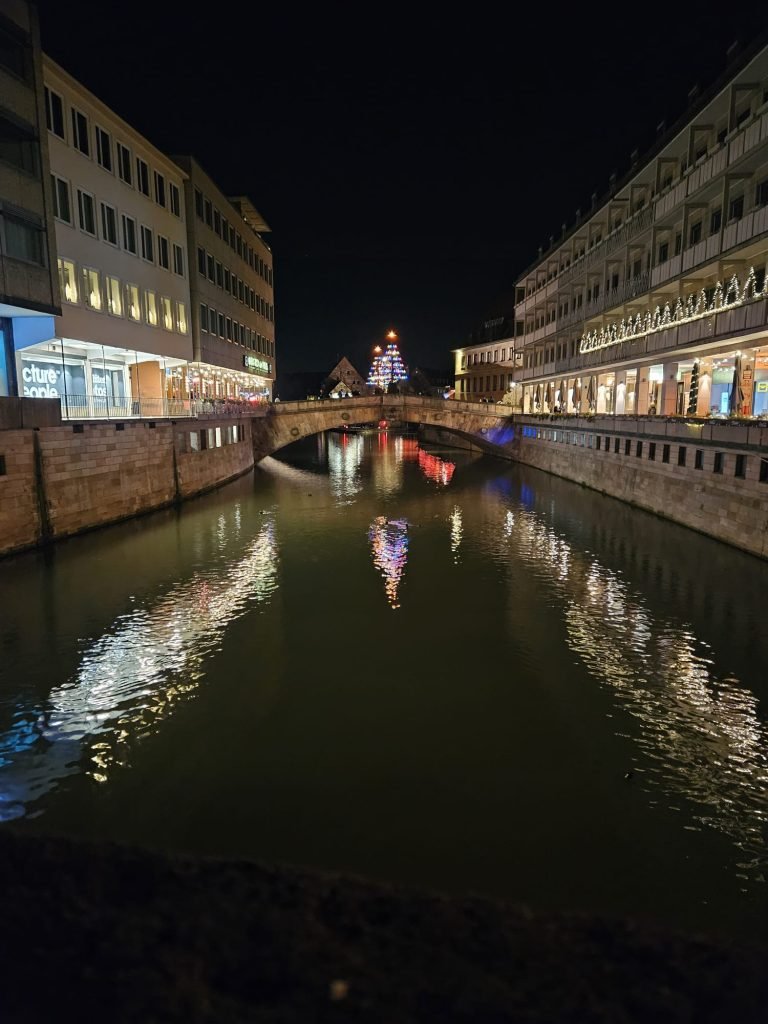
As I mentioned, the town at night is simply fabulous. The market remains open until 10 PM, and some coffee bars and restaurants stay open even later, filling the streets with life. This vibrant nighttime scene makes the city not only lively but also incredibly enjoyable to explore after dark.
Nuremberg Old Town
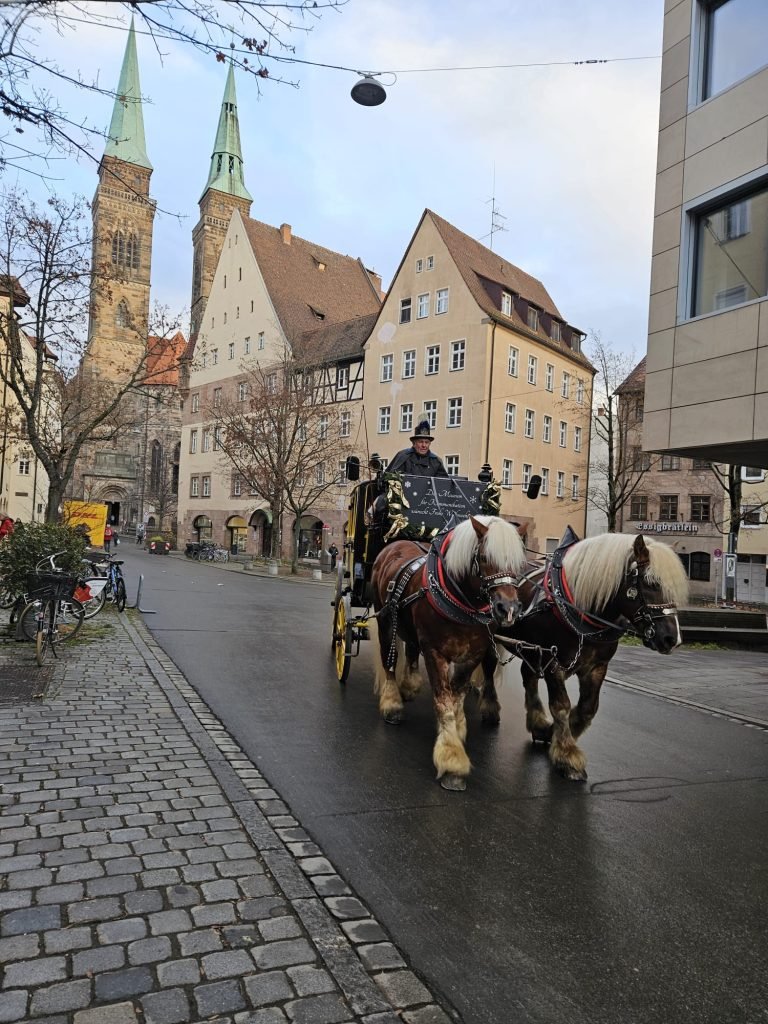
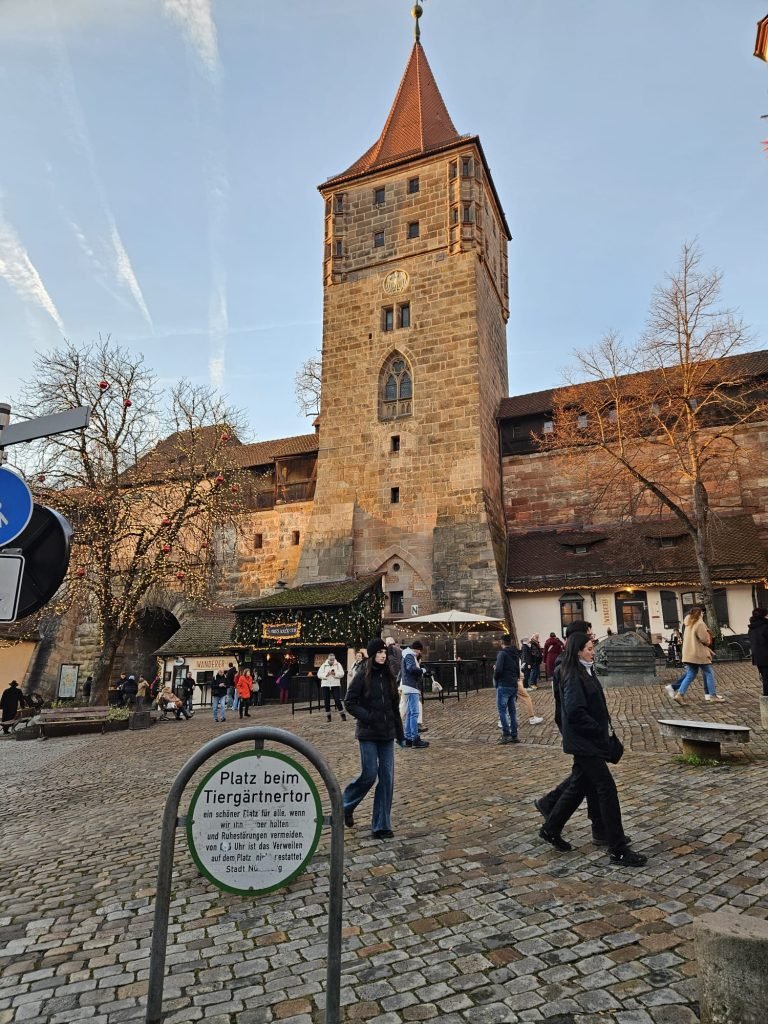
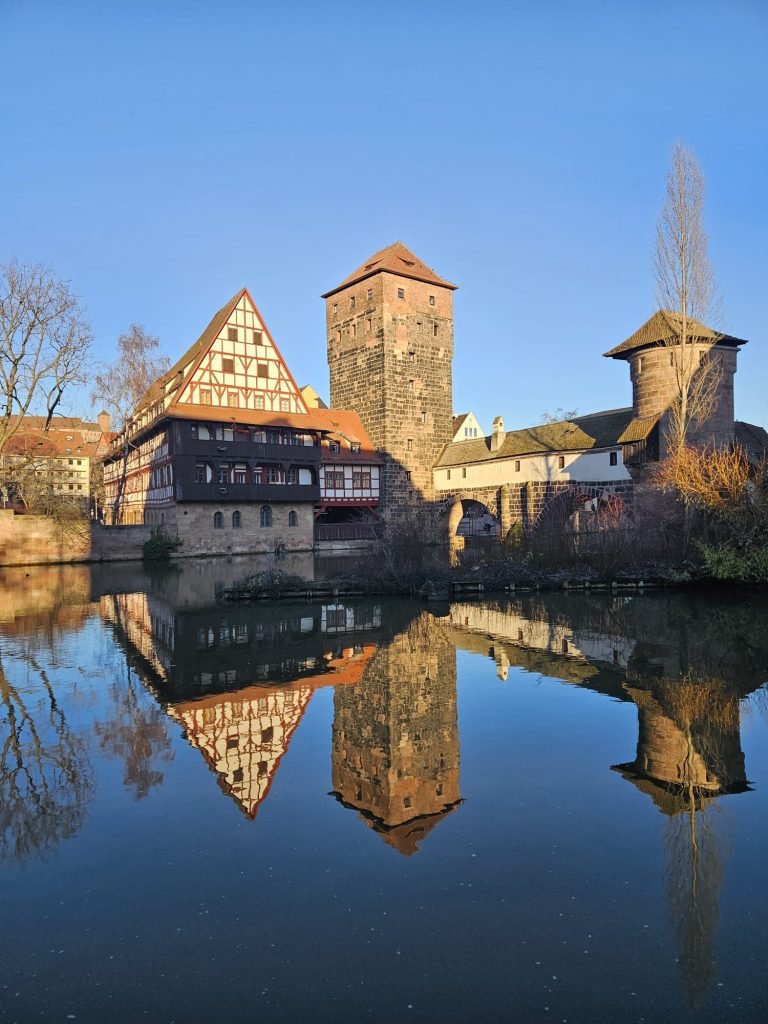
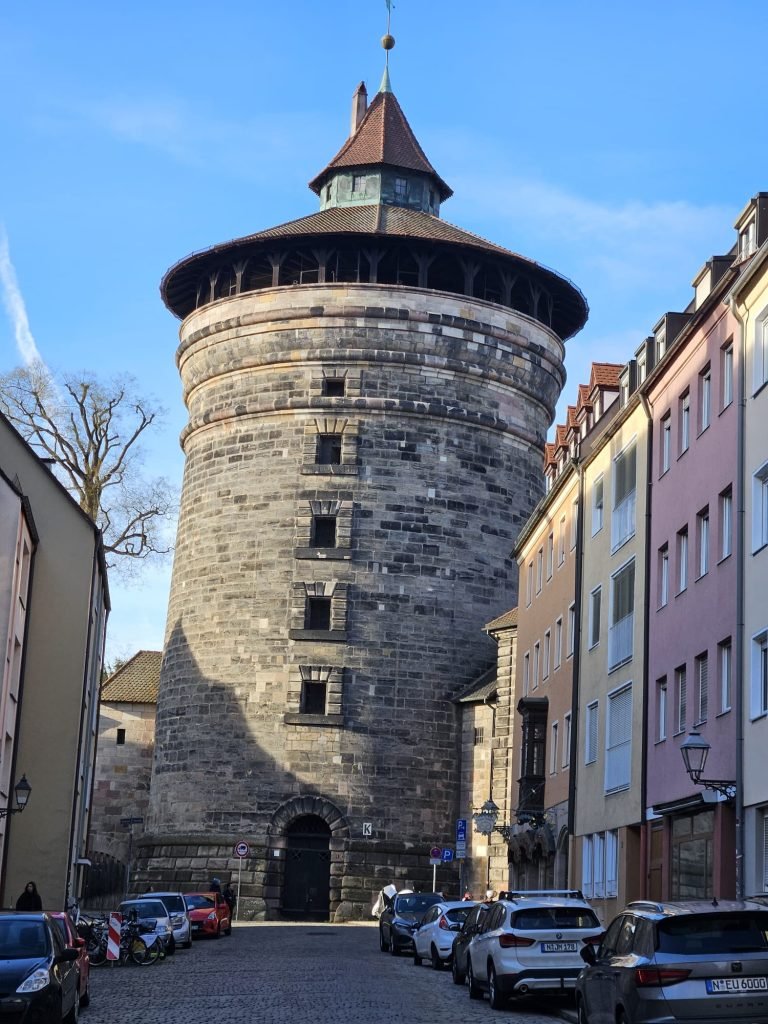
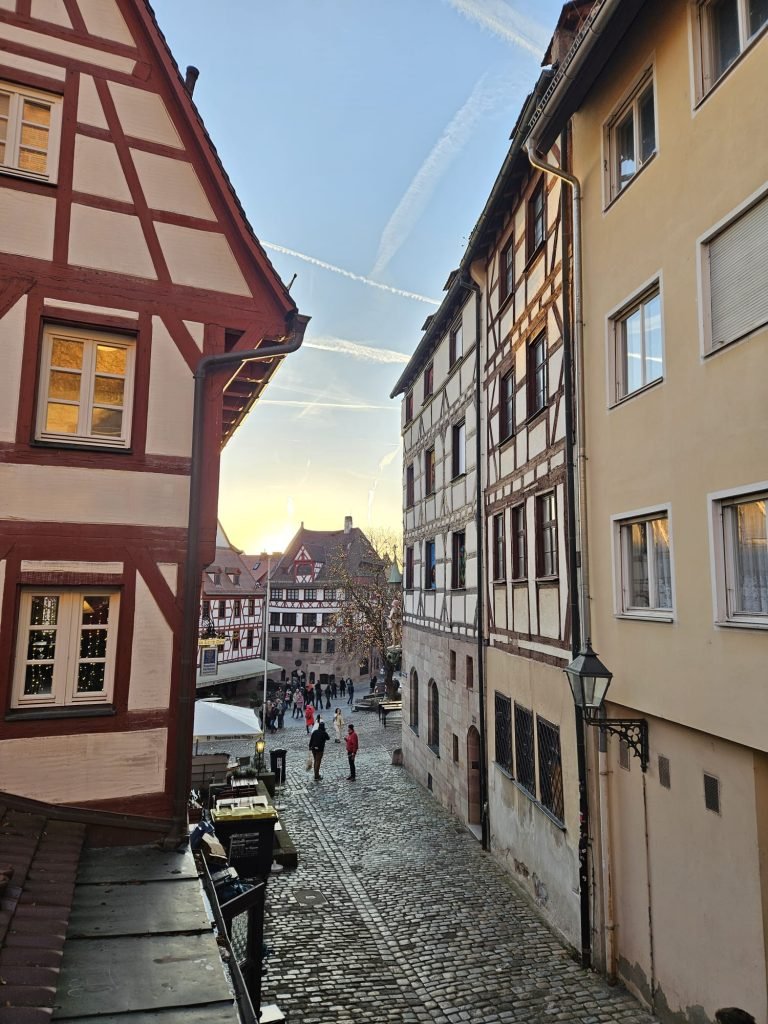
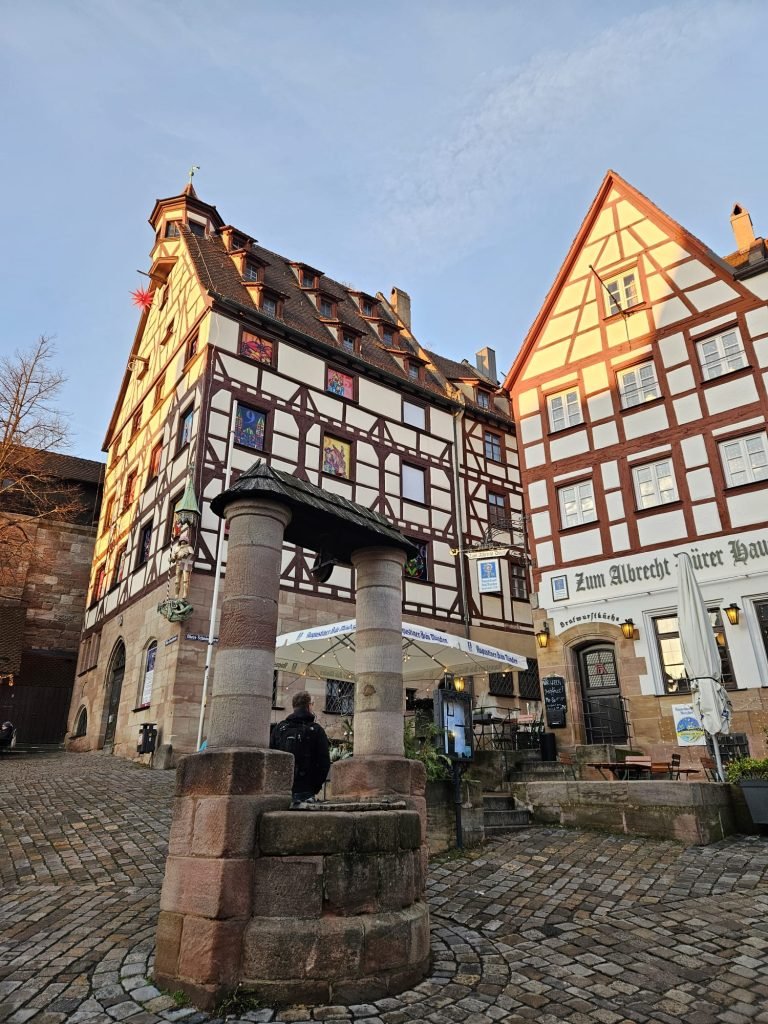
Nuremberg, is a city of immense historical significance; it served as the unofficial capital of the Holy Roman Empire, also it was a focal point of Nazi propaganda and the site of the infamous Nuremberg Trials, the reason why much of Nuremberg was destroyed during World War II. However, the city was meticulously rebuilt to restore its old charm.
If you’re arriving in Nuremberg by train, the first sight that greets you as you step out of the Hauptbahnhof is the majestic Old City, with its imposing King’s Gate (Königstor) standing proudly before you. The walls, which encircle the Old Town, are dotted with several other gates, such as the Frauentor, Vestnertor, Spittlertor, and more; each offering a glimpse into the city’s past.
Beyond the gates, you’ll notice the watchtowers (there are four), once used for surveillance and protection, standing as silent guardians of the town.
Passing through the Gates is like stepping back in time. You’ll be welcomed by a picturesque scene of half-timbered houses, charming cobblestone streets, centuries-old churches, and bridges arching gracefully over the Pegnitz River which adds to the city’s beauty. The Old Town is alive at all times, day and night, offering an amazing experience for all who visit.
Nuremberg Castle
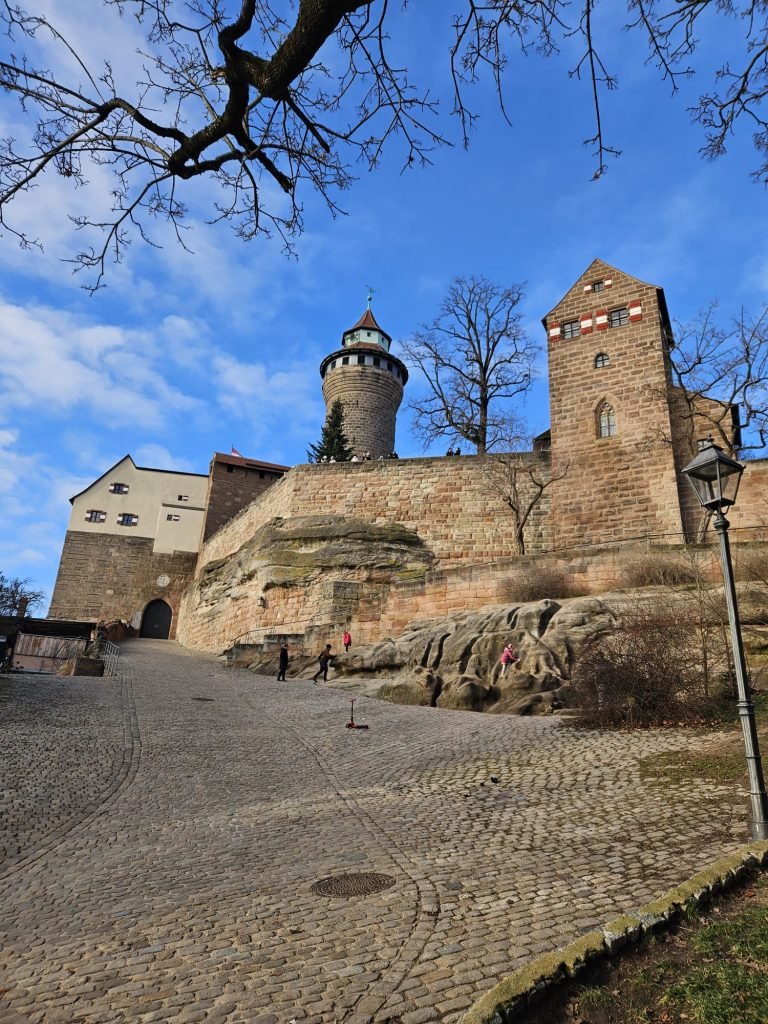
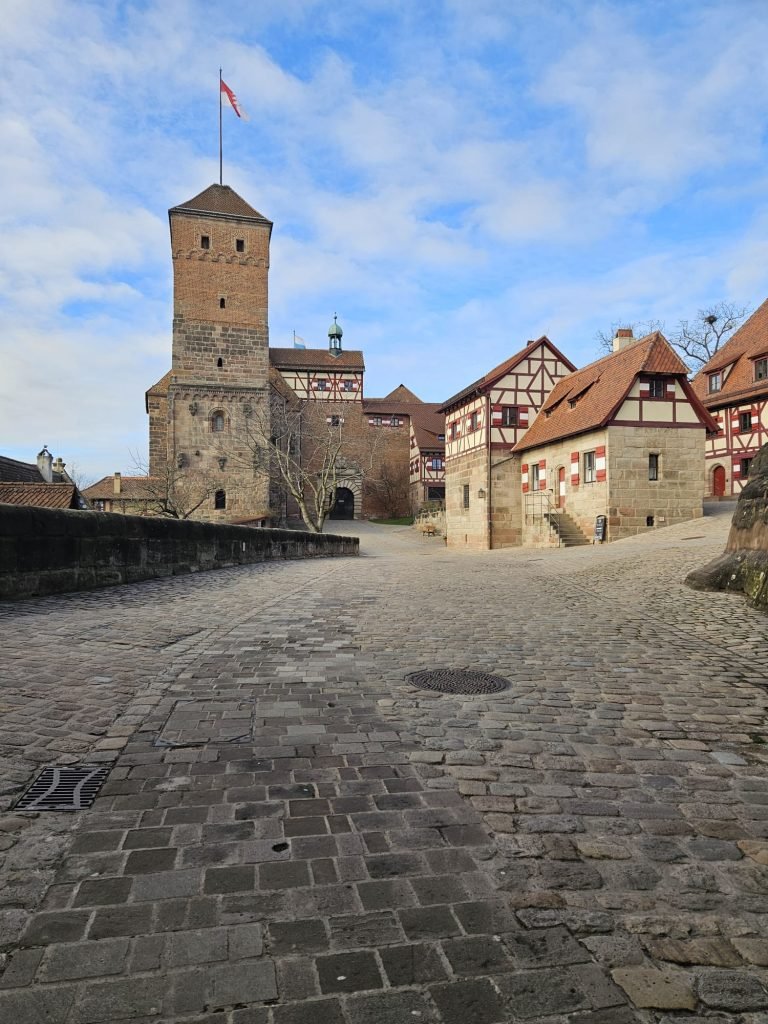
The Nuremberg Castle (Kaiserburg) is one of the city’s most prominent landmarks. It was a residence for emperors during their travels across the empire. It symbolized the power and prestige of the Holy Roman Empire, making Nuremberg a vital political and cultural center in the Middle Ages.
The Castle is located at the top of the Old Town, dominating the skyline, and offering breathtaking views of the city below. To reach it, you must climb a steep hill, but the effort is well worth it. Although I couldn’t explore the interior as it was closed during holidays, it’s worth noting that the castle museum houses fascinating exhibits like The Knight’s Hall and Kaiserburg Museum, that reflects the history of the Holy Roman Empire, medieval weaponry, and the city’s role in European history.
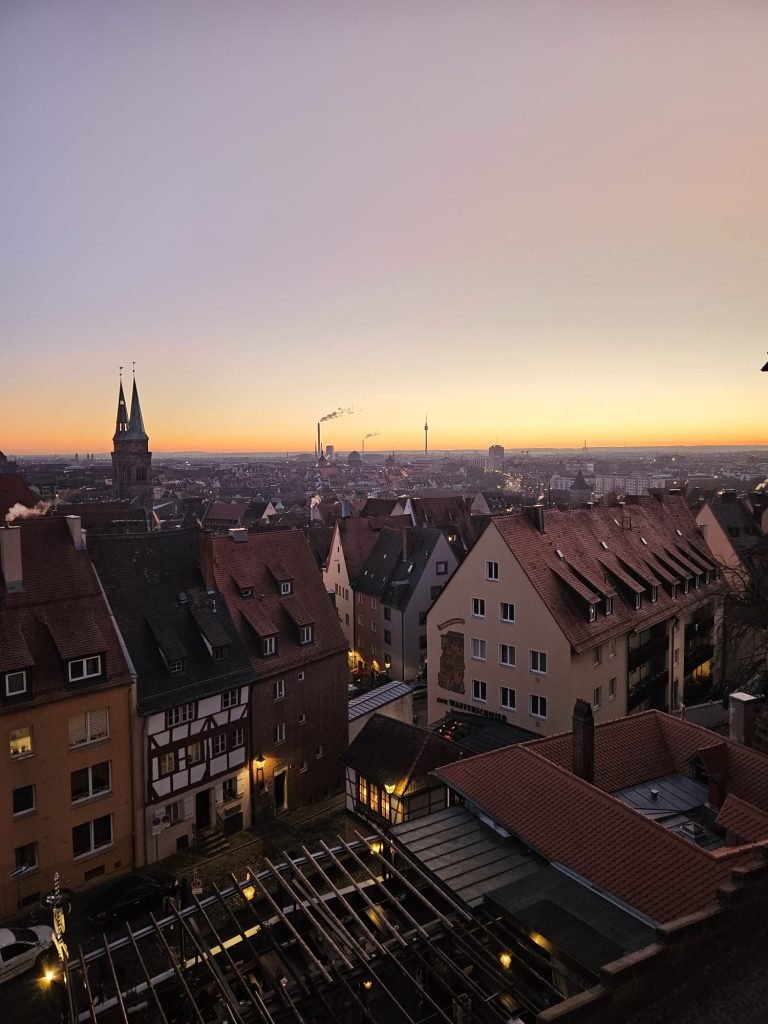
Weisser Turm and The Ehekarussell Fountain
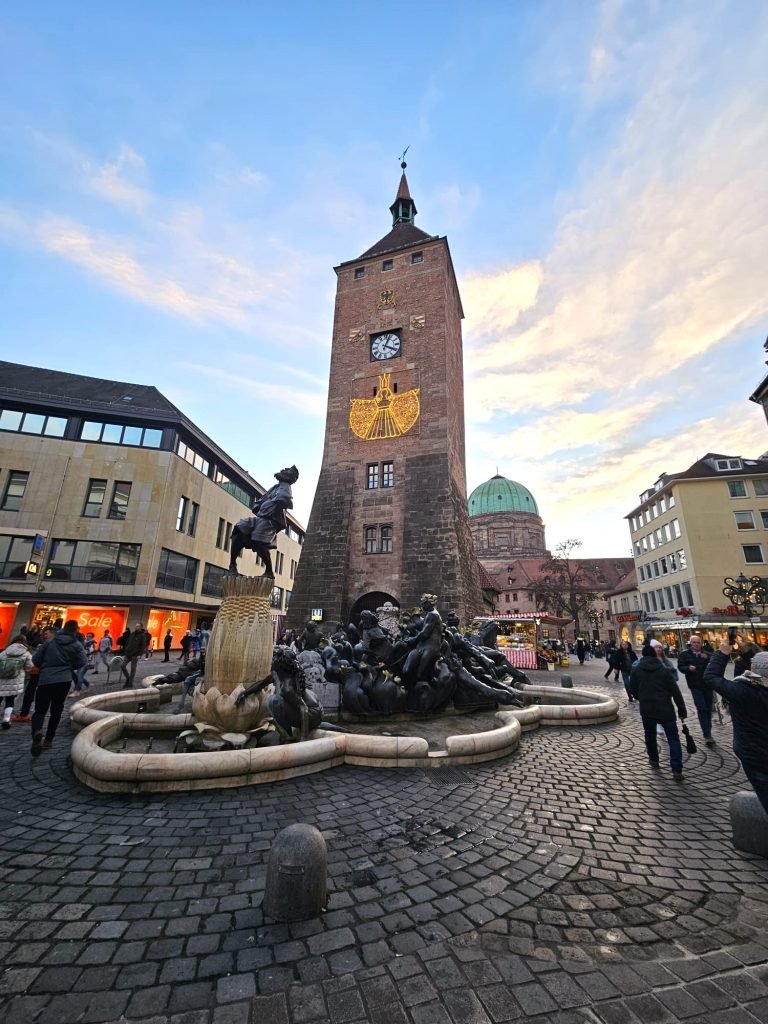
The Weisser Turm (White Tower) and the nearby Ehekarussell Fountain (Marriage Carousel Fountain) are two iconic landmarks in Nuremberg.
The Weißer Turm is dating back to the 13th century, while the fountain is far more modern, completed in 1984.
When I first stood at the fountain, I found its imagery perplexing, even perturbing. The scenes seemed to describe violence, oppression, slavery, despair and death. One of the figures, a man perched at the top, struck me as a pirate. It was only later that I discovered the fountain was a visual interpretation of “Bitter-Sweet Married Life,“ a poem by the Nuremberg poet “Hans Sachs”.
The fountain captures the journey of marriage with exaggerated and grotesque sculptures, illustrating moments of passion, tension, joy, and struggle. Its raw and unfiltered depiction intrigued me and left me wanting to read the poem that inspired it, but unfortunately I couldn’t find it, as it hasn’t been yet translated to English .
This contrast between my initial impressions and the fountain’s deeper meaning added to its allure and made it a memorable piece of art to reflect on.
Church of Our Lady (Frauenkirche)
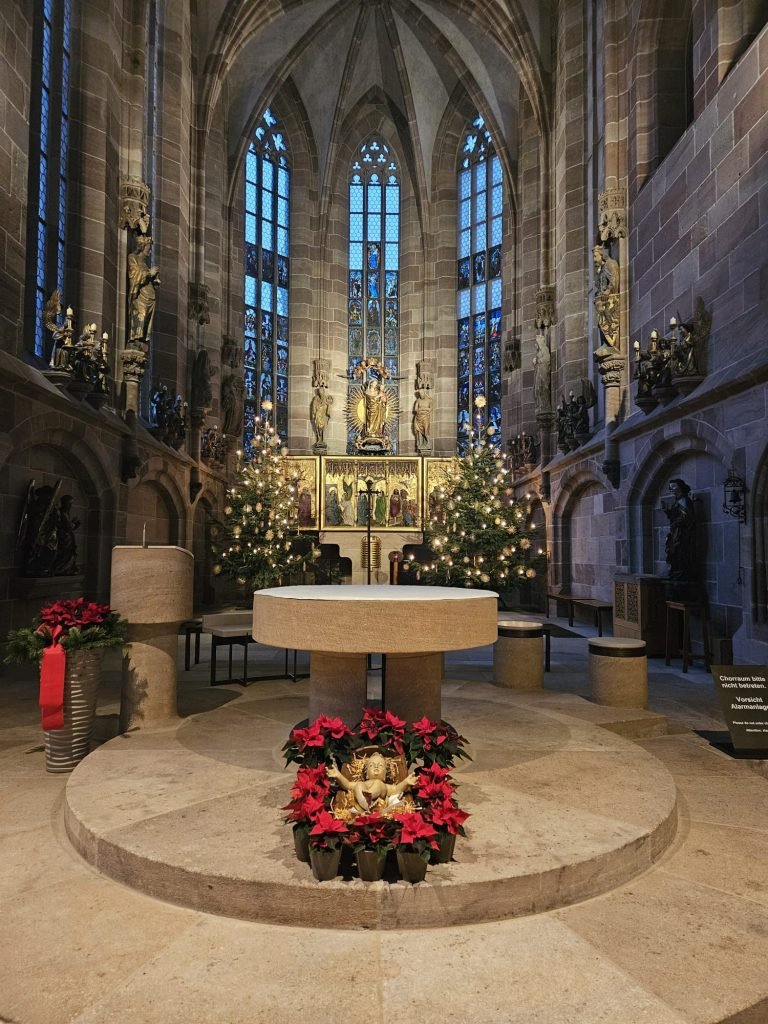
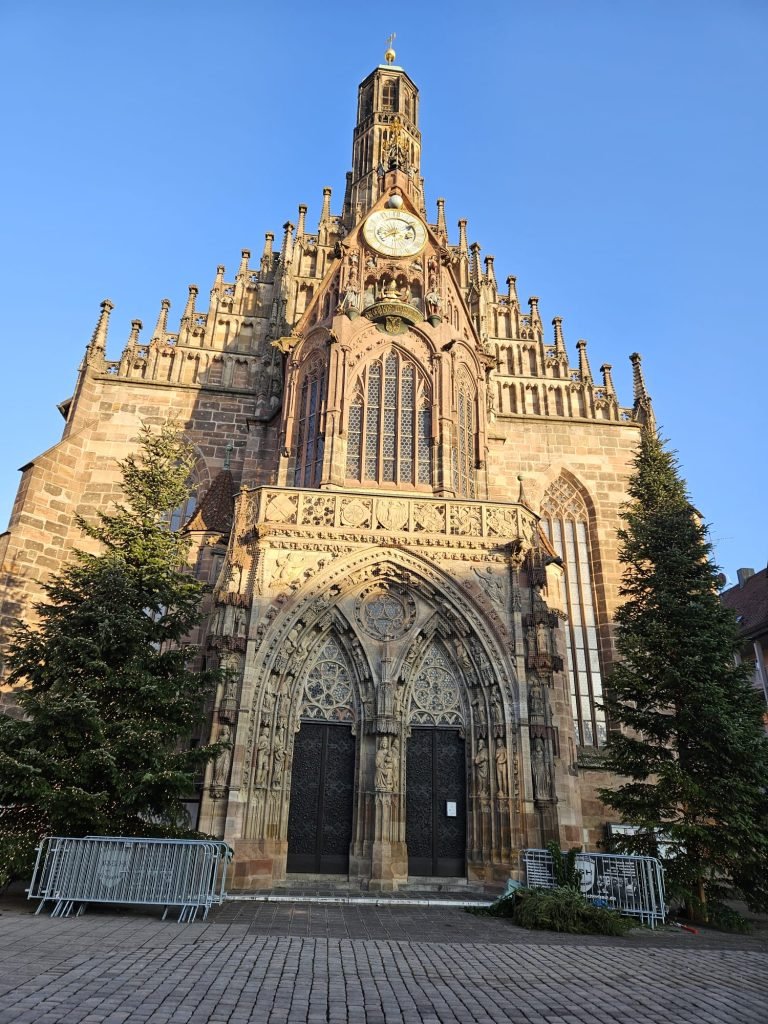
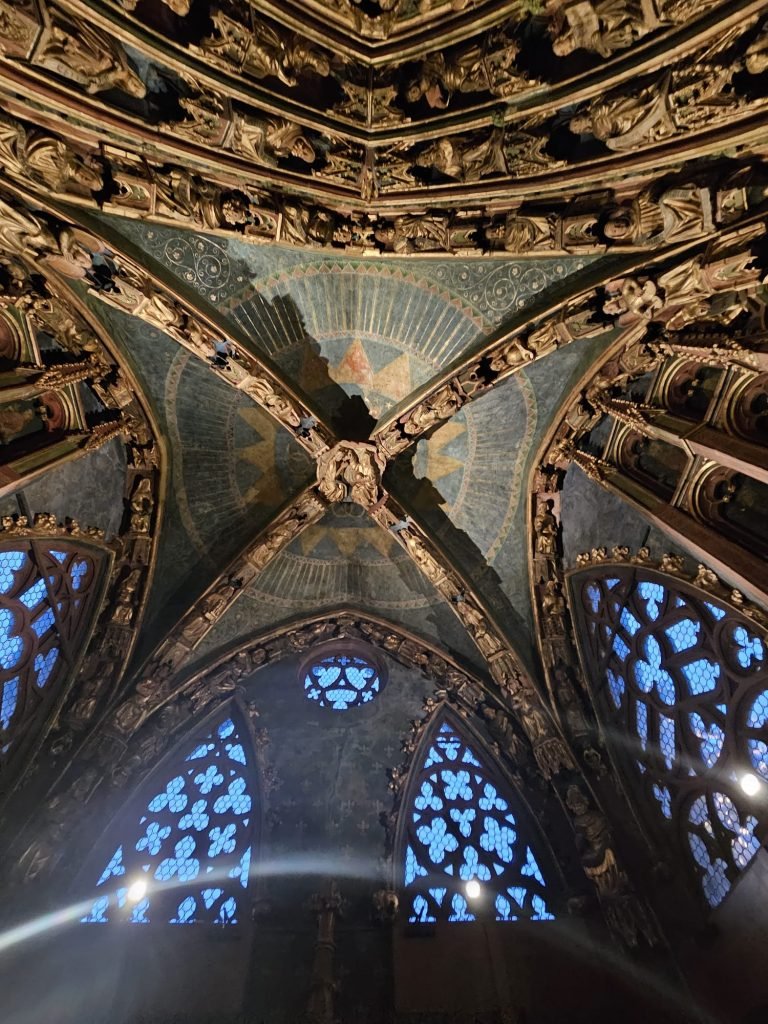
The Church of Our Lady (Frauenkirche) is a stunning Gothic masterpiece located on the city’s main square, Hauptmarkt. It serves as the backdrop for the world-famous Christkindlesmarkt, held annually in the Hauptmarkt.
The Church is built in the Gothic style with its intricate stonework, but the interior is very simple. It has a mechanical clock, called the “Männleinlaufen”, installed in 1509, every day at 12:00 p.m. the clock comes to life with a procession of seven electors around a figure of Emperor Charles IV, commemorating the Golden Bull of 1356, which established Nuremberg as a significant city in the Holy Roman Empire.
Schöner Brunnen
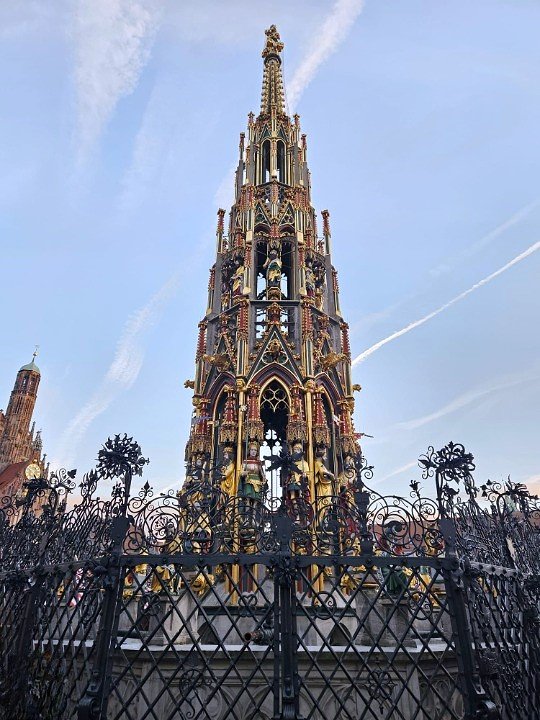
The Schöner Brunnen (Beautiful Fountain) is one of Nuremberg’s most iconic landmarks, located in the bustling Hauptmarkt, very close to Frauenkirche. It has an intricate design includes 40 colourful historical figures.
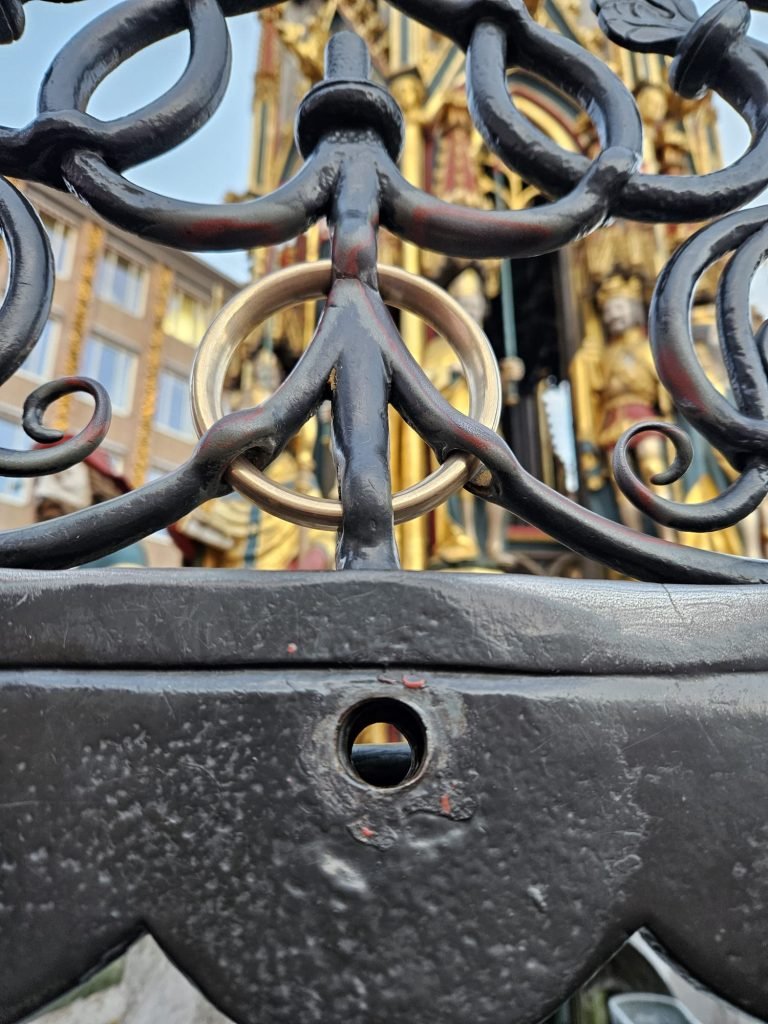
The most striking feature of the Schöner Brunnen is undoubtedly the golden ring. Legend has it that turning the ring three times brings good luck or grants a wish. When I first arrived in Nuremberg, I eagerly gave it a spin, hoping for the best. However, things soon took a turn for the worse. I thought, I didn’t turn it three times like I was supposed to. Persistent, I tried again on New Year’s Eve, believing a fresh start would bring better luck. Since then, life has felt like a storm; maybe the ring doesn’t like me, or maybe it likes me too much, kicking up that chaos just for fun before rolling out that calm, peaceful horizon. Just kidding…
St. Sebald Church
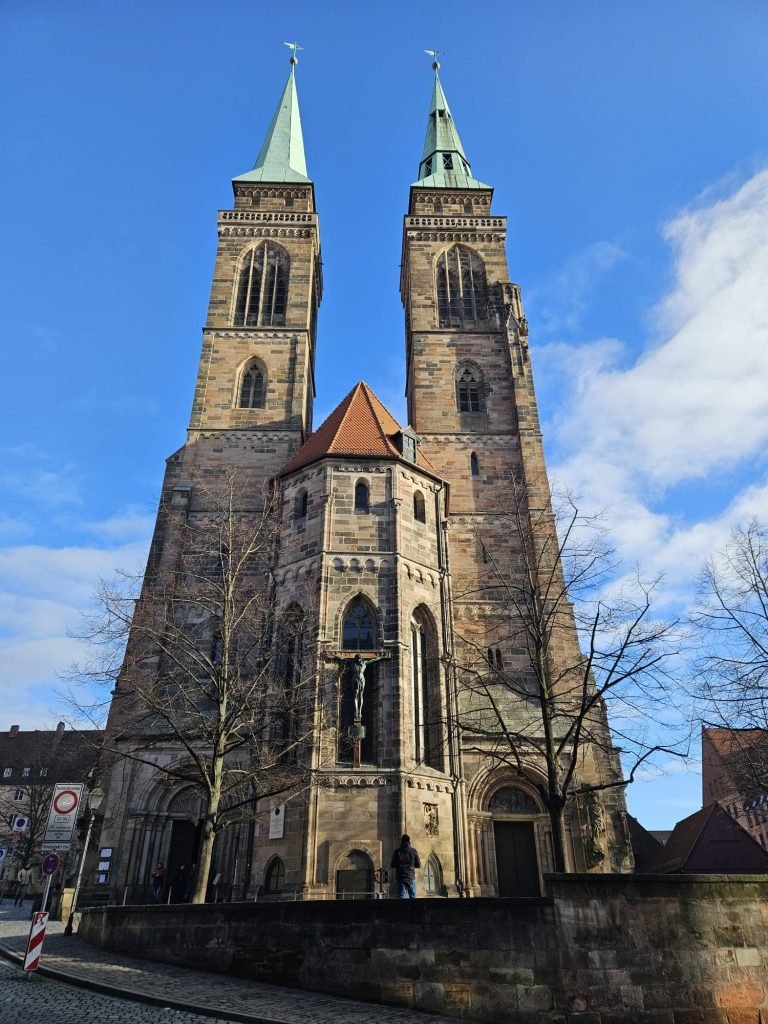
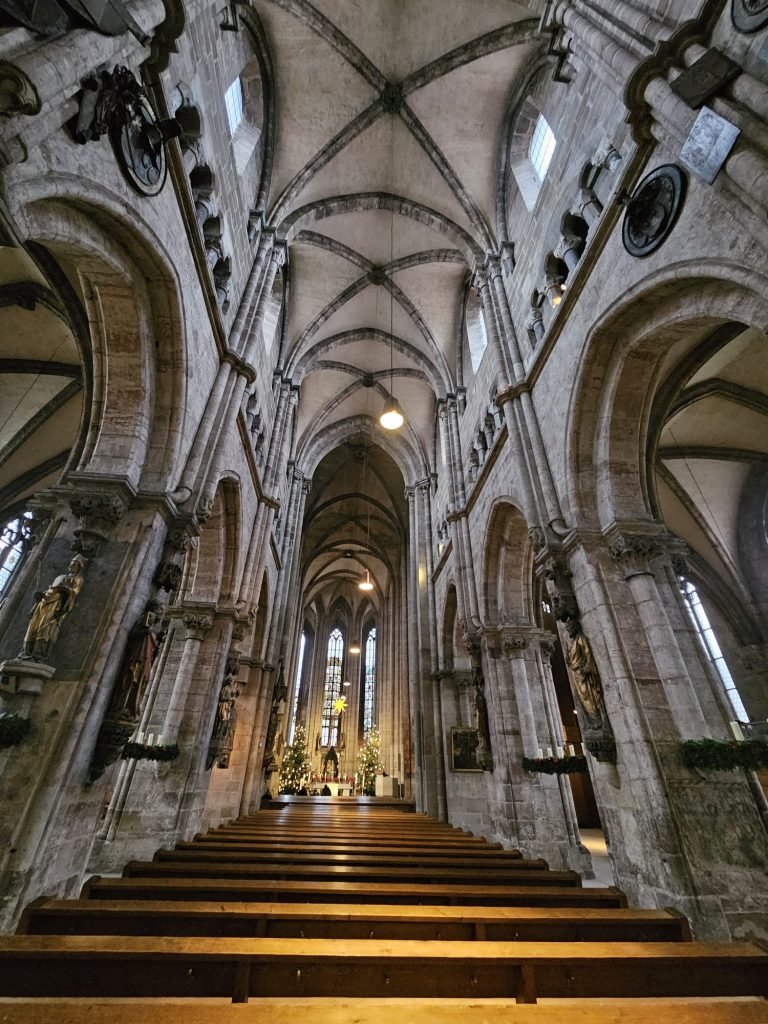
St. Sebald Church, one of the oldest and most iconic churches in Nuremberg, is just a short walk from the Hauptmarkt and sits downhill from the castle. Built in the 13th century, and it boasts a beautiful architecture from both inside and outside.
St. Lorenz Church
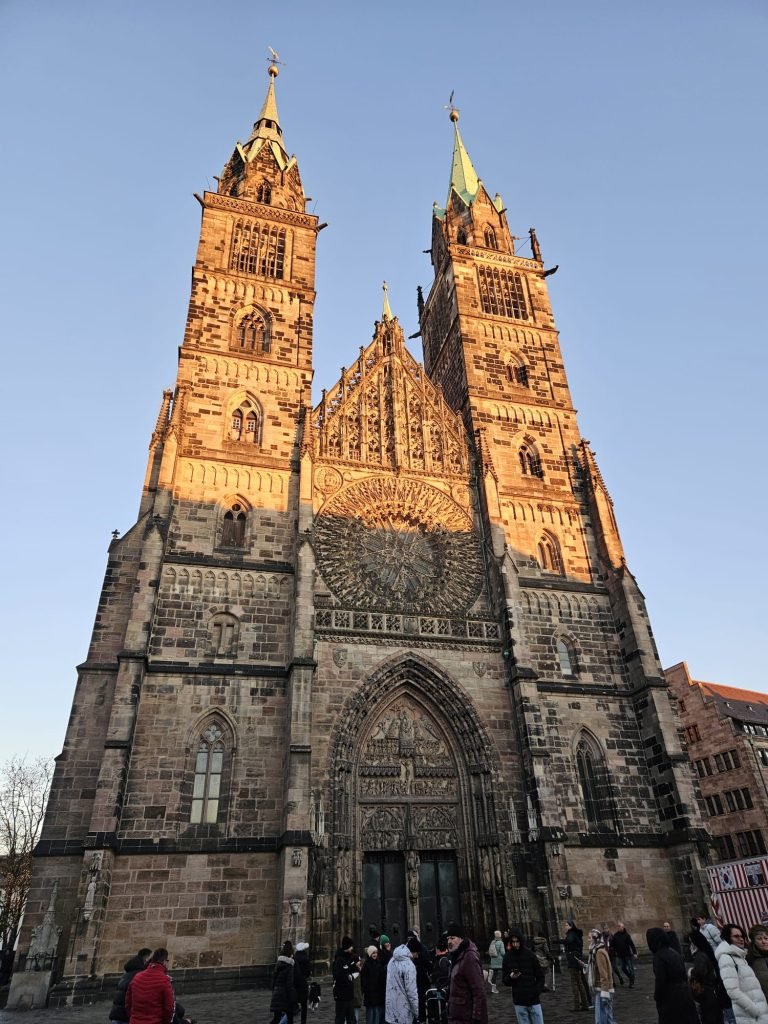
St. Lorenz Church is the first landmark you’ll spot when you exit the U1 station. Located on a bustling pedestrian street lined with shops and market stalls, its striking twin spires and Gothic rose window make it unmissable.
Despite the huge damage during WWII, the church has been beautifully restored, and its stunning interior, featuring the famous Engelsschüssel and vibrant stained-glass windows, continues to attract visitors.
At night, St. Lorenz Church becomes even more attractive, often serving as a backdrop for street performers, singers, and musicians. Its central location on the bustling pedestrian street makes it an unmissable and vibrant gathering spot, adding to the charm of Nuremberg’s nightlife.
Pegnitz River and The Bridges
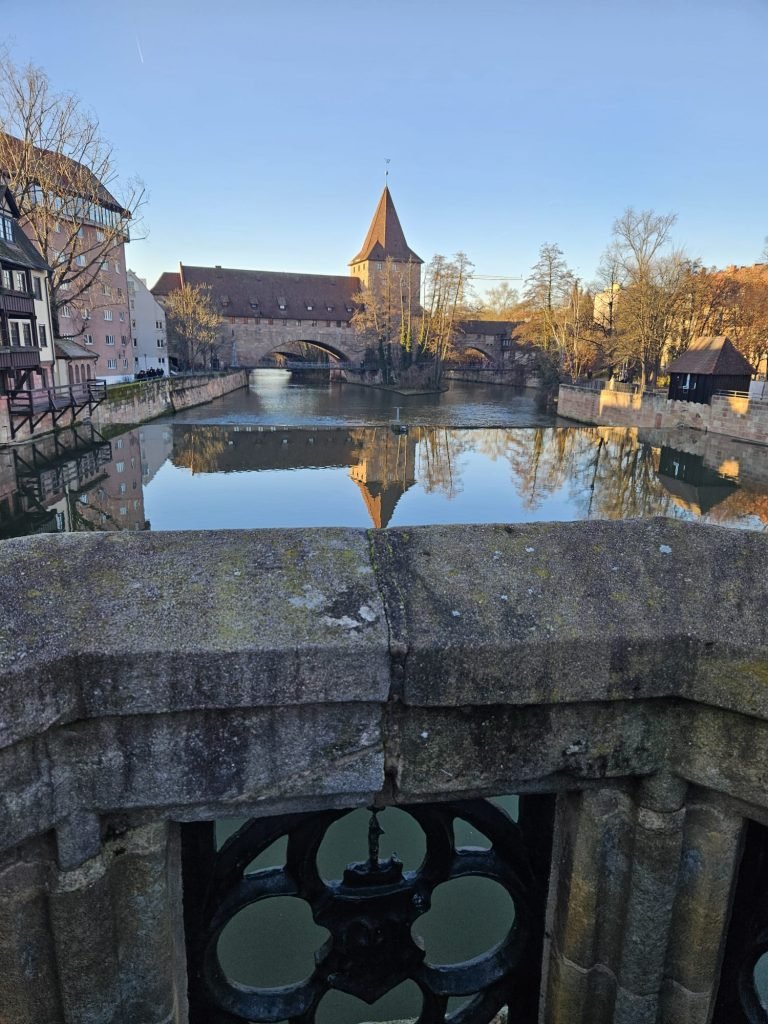
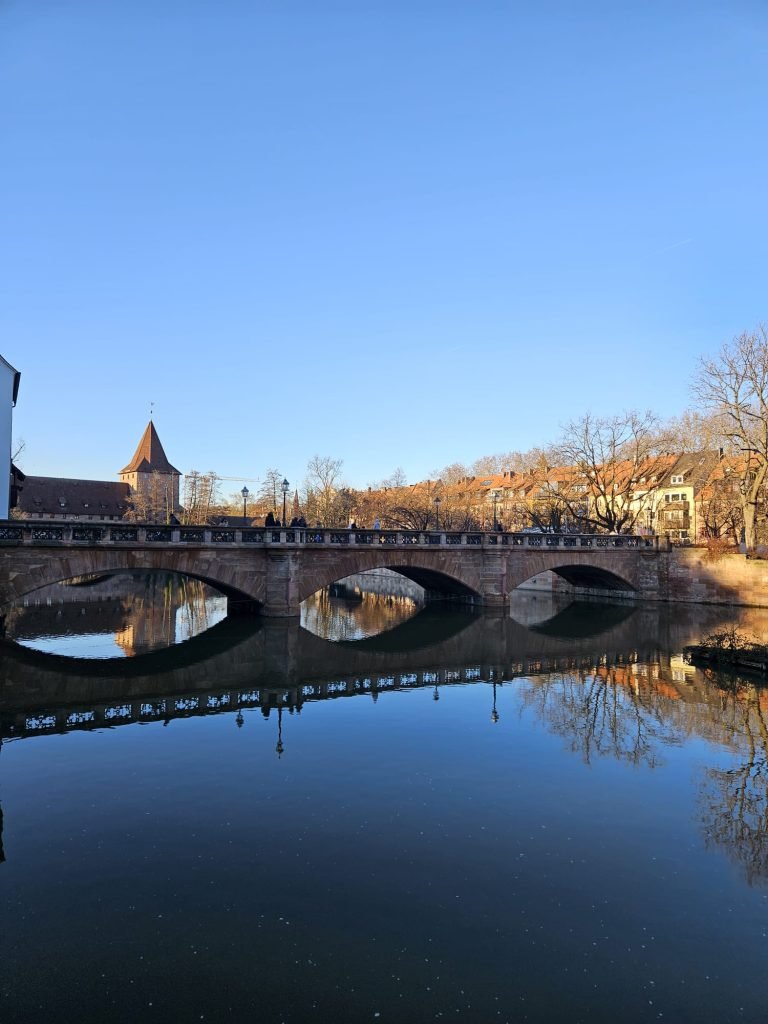
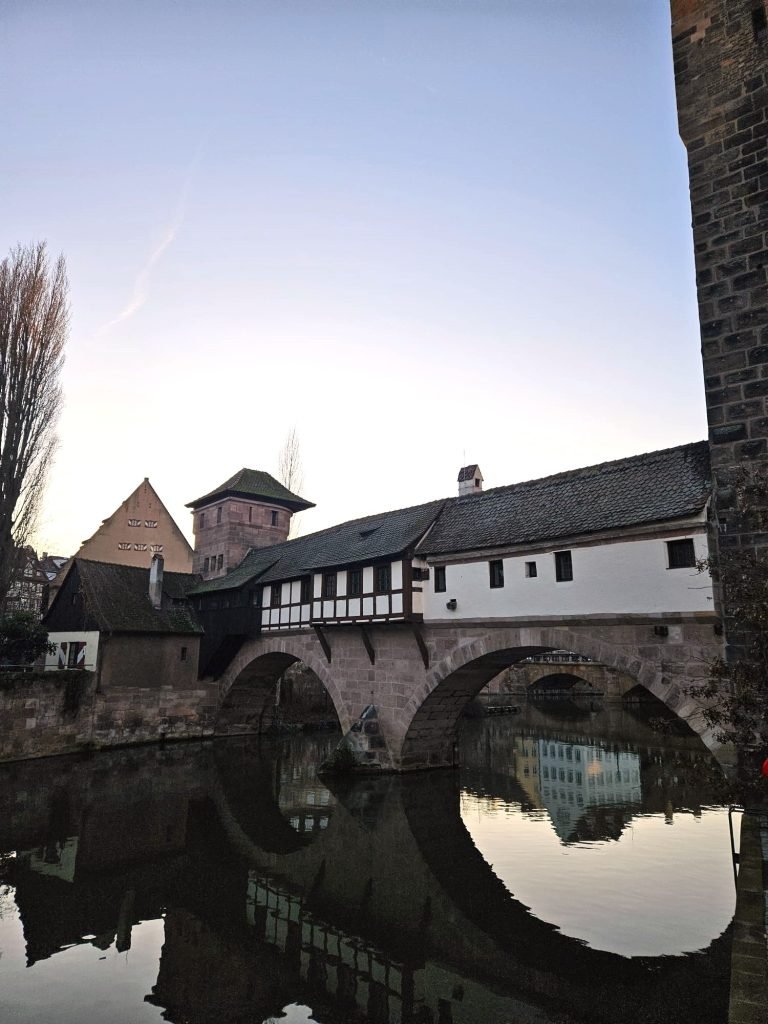
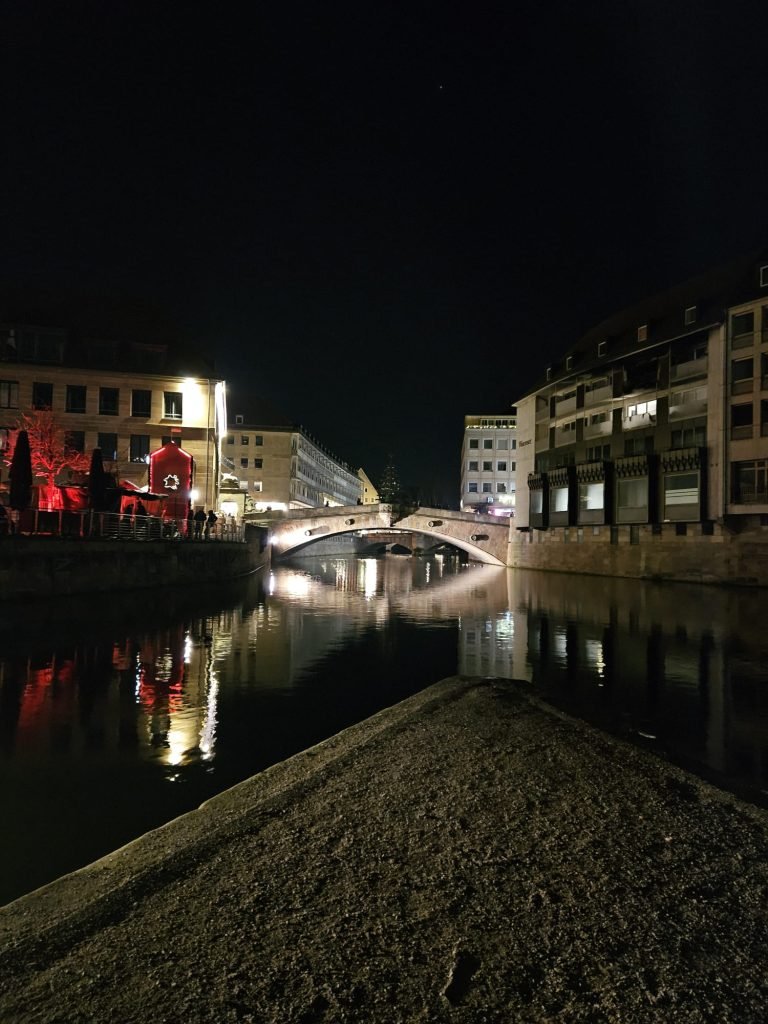
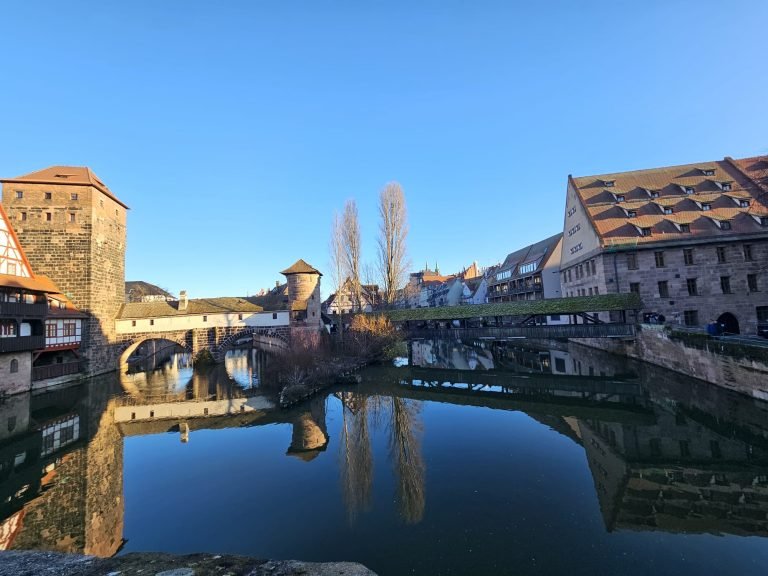
For me, the charm of Nuremberg lies in the Pegnitz River, gracefully flowing through the city, and the many bridges that span its waters. Each bridge carries its own unique character, from the historic Maxbrücke and Fleischbrücke to the charming Kettensteg and the mysterious Hangman’s Bridge (Henkersteg) with its dark past. These crossings not only connect the old town but also frame breathtaking views of the river, lined by half-timbered houses.
When I say it’s romantic, I truly mean it. Standing on one of these bridges at night, the soft glow of lights reflecting on the water, the serene quietness of the moment, it feels like a heaven for those with sensitive hearts. It’s an experience that stays with you, memories of Nuremberg’s timeless beauty.
Wohrder See (Lake wohrder)
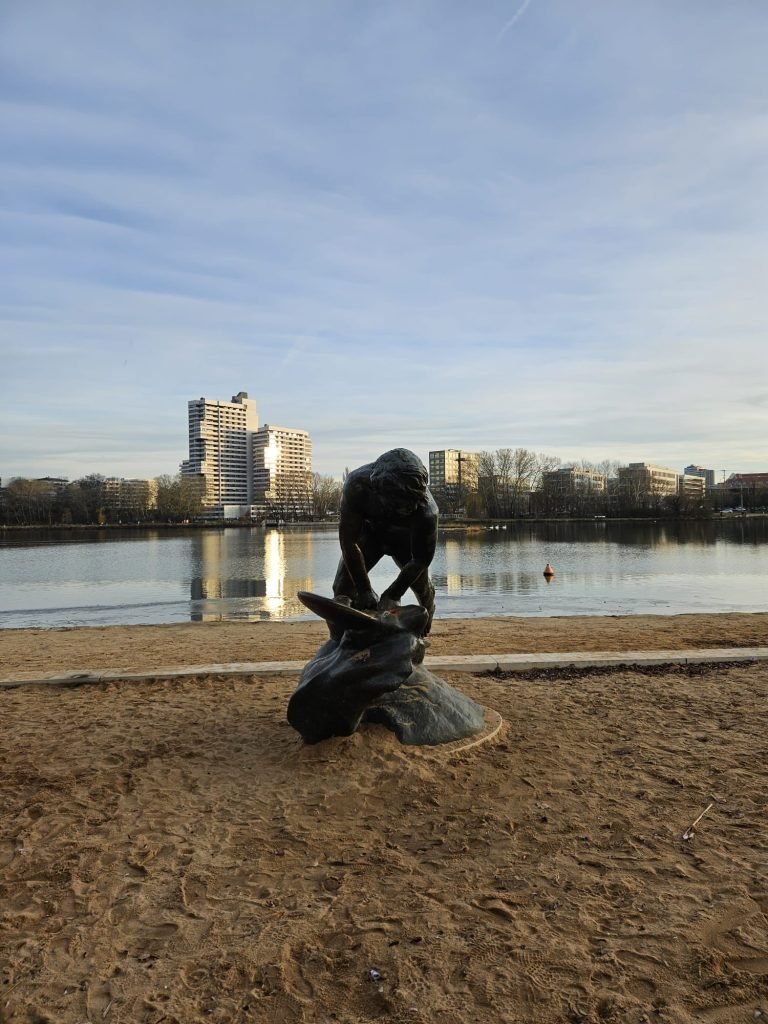
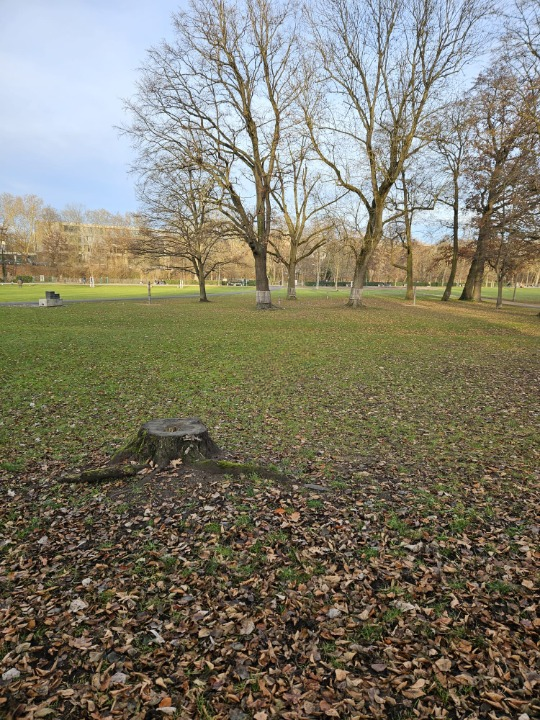
If you follow the river to the southeast, you’ll pass through a large green park where families and kids enjoy spending time in nature. Keep walking, crossing a tunnel, and you’ll arrive at the beautiful Wohrder See. The lake is so expansive that we couldn’t complete our walk around it as it got dark and cold. During the summer months, Wohrder See becomes a popular spot for swimming and sailing. It is also surrounded by green spaces that are great for walking and cycling.
Spielzeugmuseum (Toys Museum)
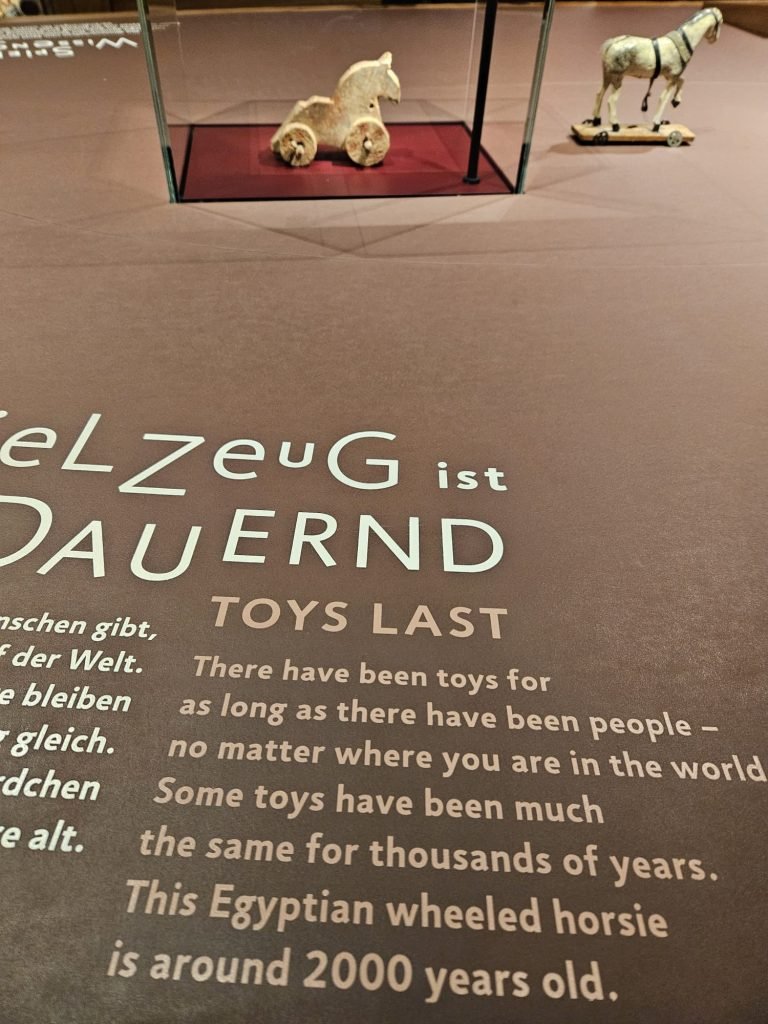
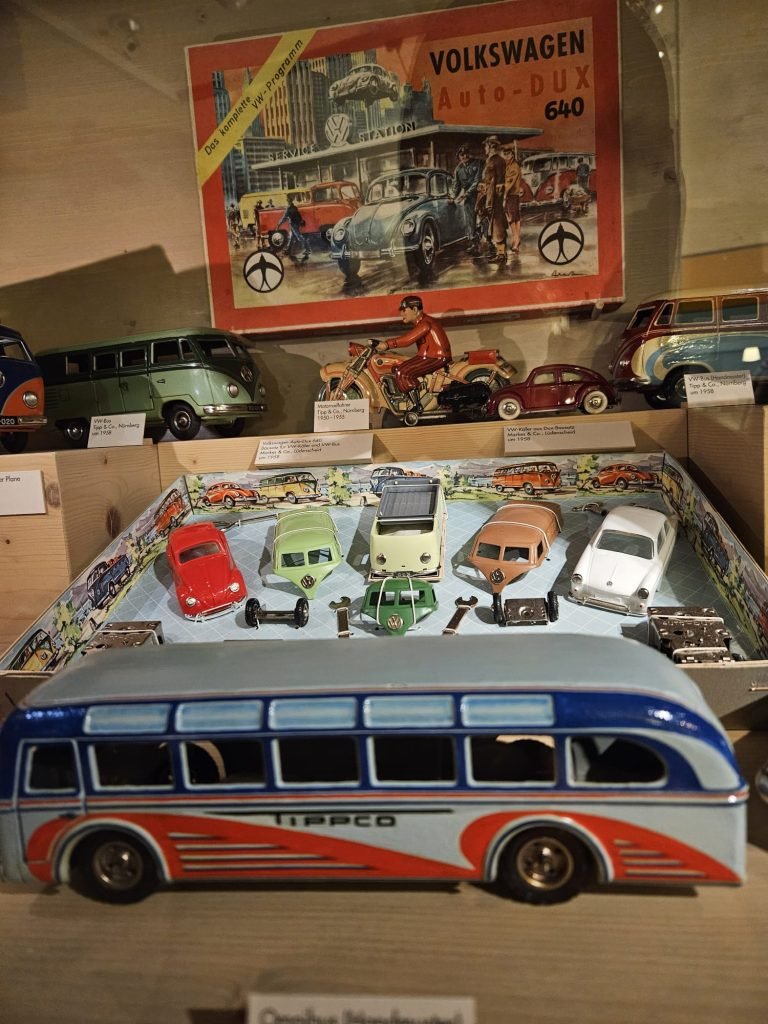
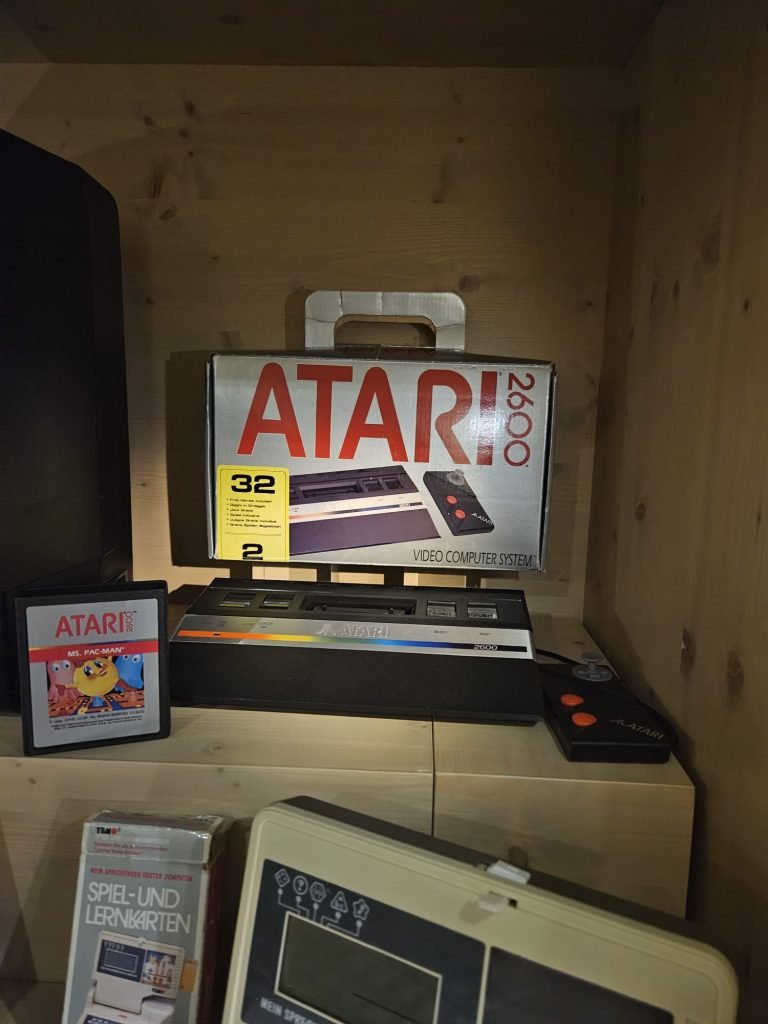
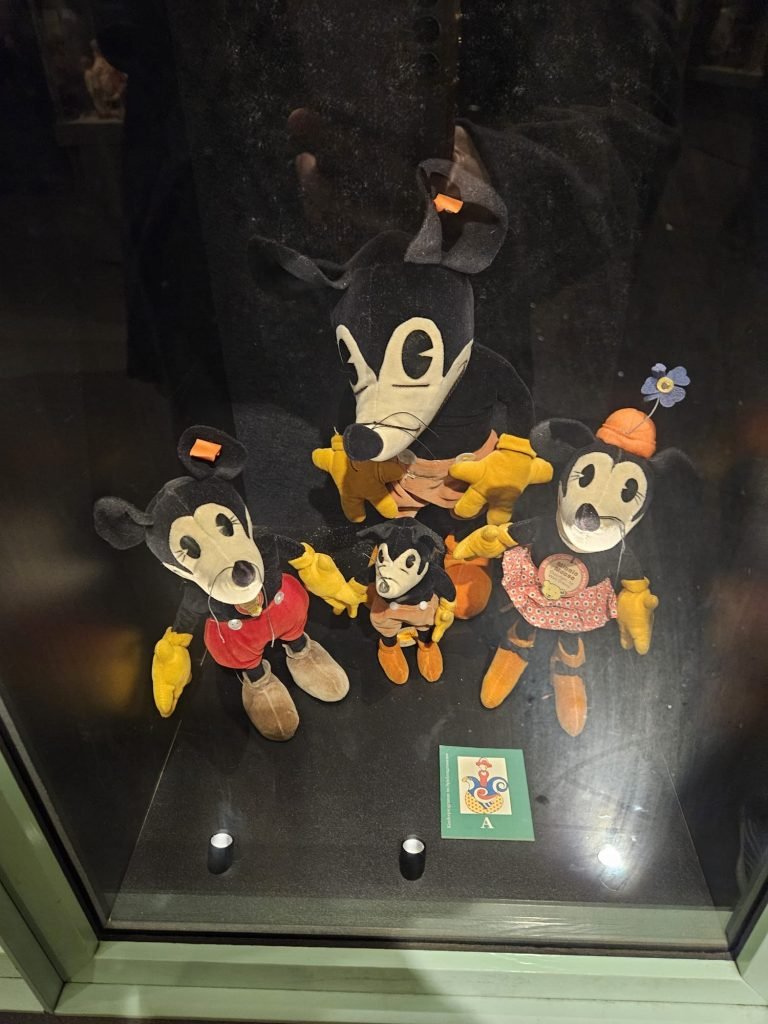
Spielzeugmuseum is the best destination for families in Nuremberg. The museum highlights the evolution of toys, and also celebrates Nuremberg’s important role in the toy industry, as the city has been a significant hub for toy manufacturing for centuries. It showcases a vast collection of toys from different eras.
Visiting the Toy Museum was truly a nostalgic journey for me, especially when I came across childhood toys that brought back so many memories. Seeing the Barbies, Atari games, Sesame Street characters, and spinning tops reminded me of simpler times. I enjoyed sharing these memories with my son, telling him how we used to play with these toys before the days of the internet and online video games. We had the chance to fully enjoy a childhood filled with imagination and real play.
Tips
Honestly, I don’t have a lot of tips to share, but here are a couple of things I highly recommend:
- Make sure to explore Nuremberg both during the day and at night. Each time of the day has its own unique charm, and you’ll experience the city in a completely different light.
- I highly recommend staying at least one night in Nuremberg to fully experience both its daytime charm and nighttime magic.
- Nuremberg’s central location makes it a perfect base for day trips to nearby cities like Munich, Bamberg, Regensburg, and more. Take advantage of the Hauptbahnhof, right in the city center, with trains running almost every hour to these destinations, making it easy to explore the best of Bavaria.
- If you are visiting Nuremberg (Germany) in winter, make sure to wear a cozy coat, scarf, gloves, and sturdy shoes to make your evening strolls much more comfortable, as the cold can feel more intense due to the humidity in the air.
If you’re planning to stay in Germany for more than one week, I highly recommend using a transportation card. You can download the Mo.pla or DB app and pay for it before you arrive in Germany, so you can use it as soon as you land at the airport. The membership costs around 49 euros (though it may now be 58 euros), and you can cancel it when you leave at the airport.
Why do I recommend it? Because it allows you to use all kinds of public transportation, including travel between cities, which was a great saving for us. Once you pay, you’ll receive a QR code that you simply present when asked. It’s convenient, efficient, and cost effective.
Related Articles