Easy Day Trips From Nuremberg

Nuremberg is perfectly situated for exploring some of Bavaria’s most beautiful and historic destinations. Thanks to its excellent rail network, it’s an ideal base for day trips, whether you’re drawn to medieval towns, fairy-tale castles, picturesque villages, or vibrant cities. Most destinations are just an hour or two away by train, making it easy to explore without renting a car.

One of the things we loved most about staying in Nuremberg was how effortless these day trips were. We’d head out in the morning, spend the day discovering somewhere new, then return to Nuremberg in the evening for dinner. If you’re planning to spend several days in the city, I highly recommend setting aside time to explore beyond it. Here are some of the best places to visit while staying in Nuremberg.

Bamberg

Bamberg
old town bamberg
Bamberg

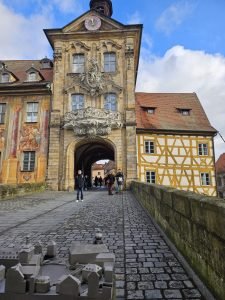
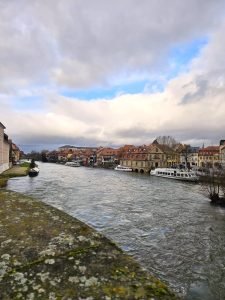
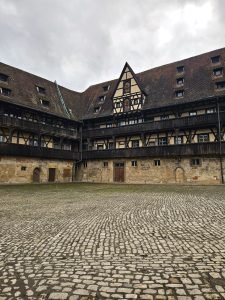
Bamberg, known as “Little Venice” because of its beautiful half-timbered fishermen’s houses lining the Regnitz River, is one of Bavaria’s most enchanting towns and a UNESCO World Heritage Site. Located about an hour from Nuremberg by train, it’s an easy and rewarding day trip for anyone who loves history, architecture, and charming old towns.

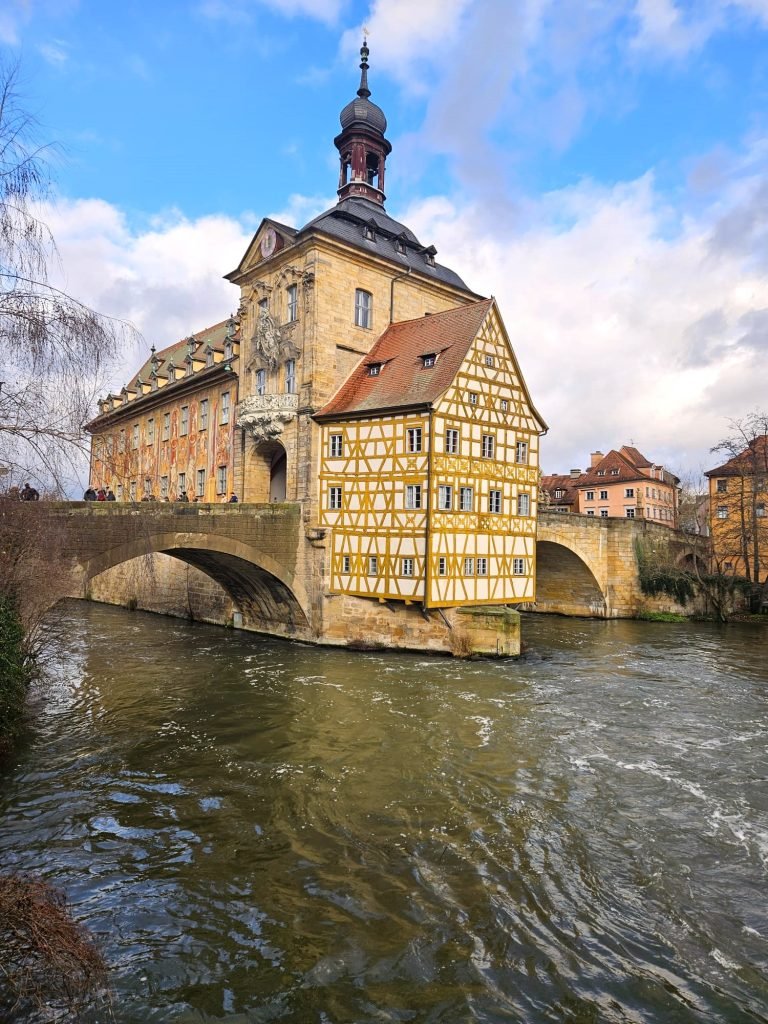
The town is famous for its beautifully preserved medieval architecture, with the iconic Altes Rathaus (Old Town Hall) stealing the spotlight. Built on an artificial island in the middle of the river and connected by two bridges, it’s one of the most photographed landmarks in Germany. Legend has it that the bishop refused to give the townspeople land to build a town hall, so they created their own by driving piles into the river and building it there instead.

Bamberg is also renowned for its beer culture, boasting several traditional breweries and its signature Rauchbier (smoked beer), a unique local specialty with a distinctive smoky flavor that you won’t find in many other places. Even if you’re not a beer lover, wandering through the old town’s lively squares and brewery courtyards is part of the experience.

Bamberg cathedral
bamberg cathedral
bamberg monastery
Residenz
rose garden

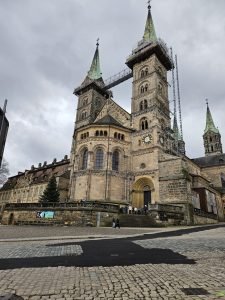
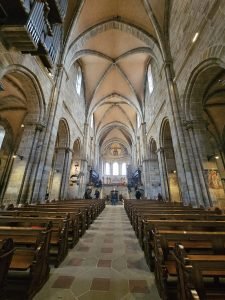
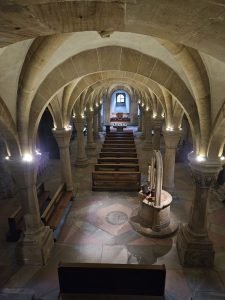
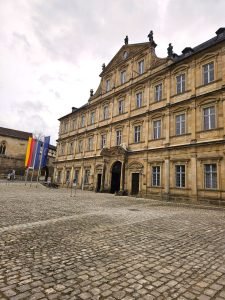
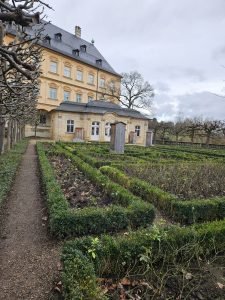
As you stroll through the winding cobblestone streets, you’ll come across magnificent landmarks such as Bamberg Cathedral, home to the mysterious Bamberg Horseman statue, and the hilltop Michelsberg Monastery, which rewards visitors with beautiful panoramic views over the town’s red rooftops. Just beside the cathedral stands the New Residenz of Bamberg, the former palace of the prince-bishops, where you can admire lavish state rooms, ornate frescoes, and elegant Baroque décor. Behind the palace lies the beautiful Rose Garden, one of Bamberg’s hidden gems. While it’s especially colorful in late spring and summer, the terrace offers spectacular views over the old town all year round.

The old town of Bamberg is incredibly charming, with its remarkably well-preserved medieval streets, colorful façades, riverside houses, and historic squares. If you’re staying in Nuremberg, it’s one of those day trips you definitely shouldn’t miss.

Regensburg

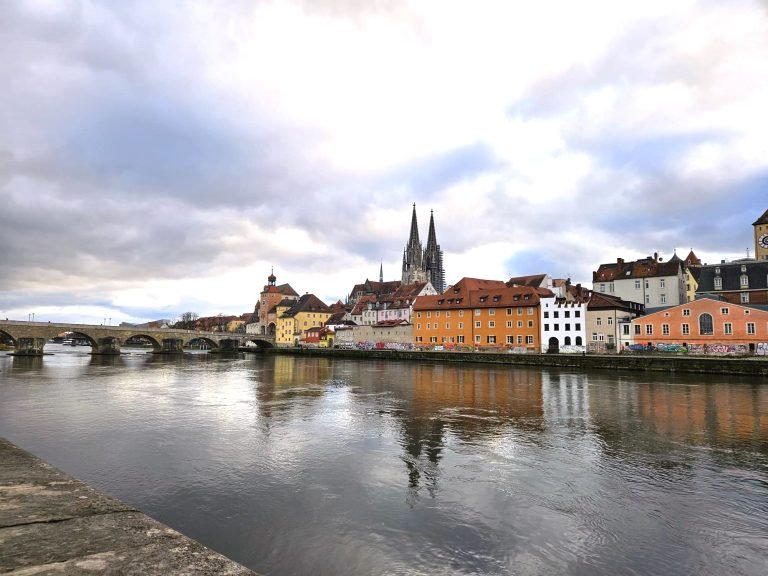
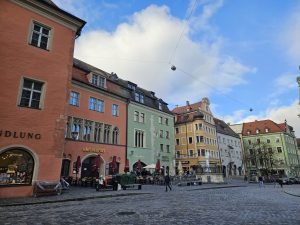
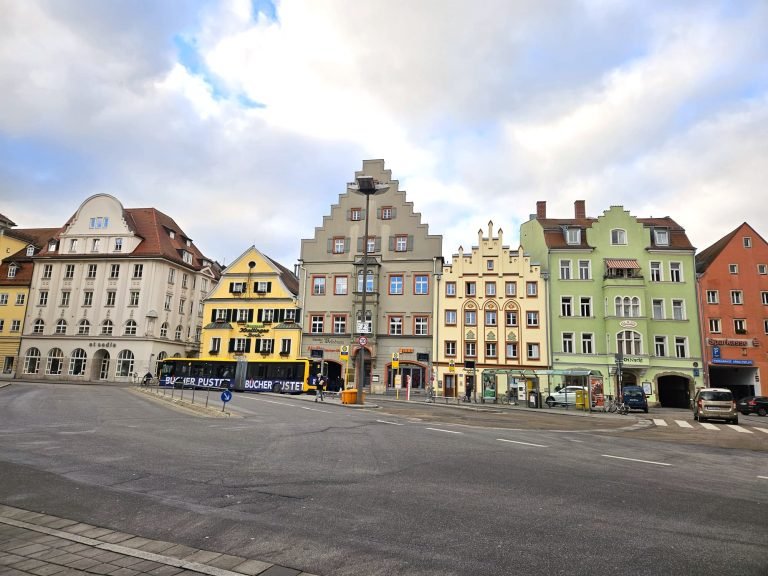
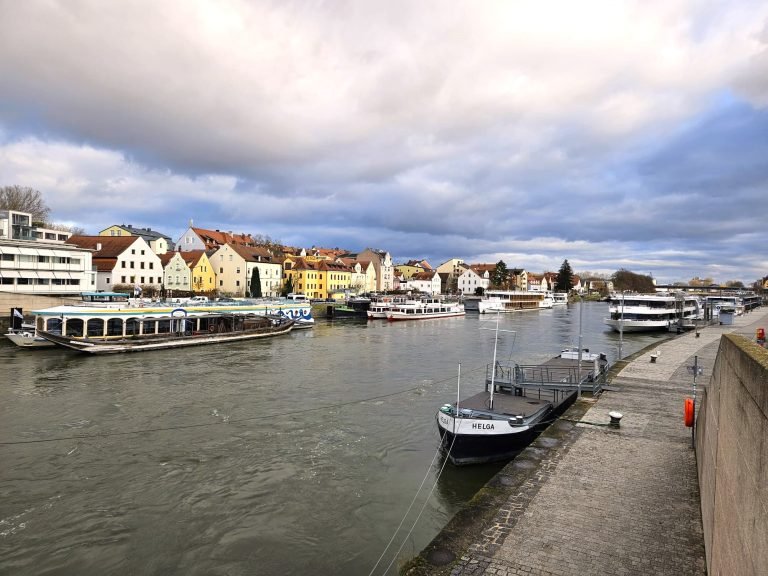
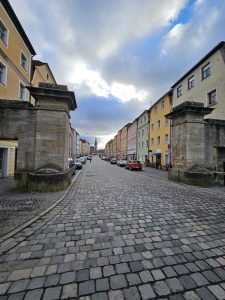
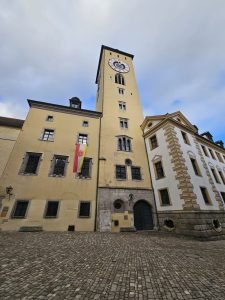
Regensburg is a picturesque city about 1 hour and 30 minutes from Nuremberg, having a wonderful blend of history, architecture, and beautiful river views. Sitting where the Danube, Naab, and Regen rivers meet, it’s one of Germany’s best-preserved medieval cities and has been a UNESCO World Heritage Site since 2006.

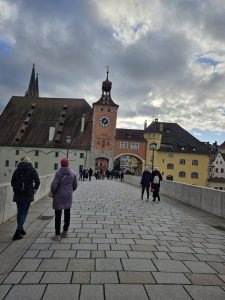
The city’s most famous landmark is the Stone Bridge (Steinerne Brücke), built in the 12th century. For centuries, it served as an important crossing over the Danube and played a key role in European trade. The view from the Stone Bridge completely won me over.

regensberg
regensburg
regensburg cathedral
regensburg
regensburg

One thing I still remember is a memorial sign near the bridge explaining the tragic events that took place there during the Second World War. It's easy to admire the beauty of a place, but moments like that remind you that these beautiful cities have lived through difficult chapters too. It was a sad but important reminder that history isn't only found inside museums, sometimes it's written into the very places where you're standing.
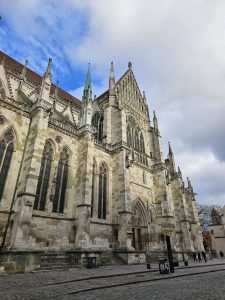
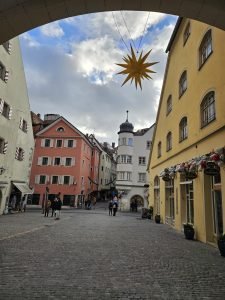
Not far from the bridge stands the magnificent Regensburg Cathedral, with its soaring Gothic twin towers dominating the skyline, while the old town is filled with colorful medieval buildings, charming squares, cafés, and traditional Bavarian restaurants.
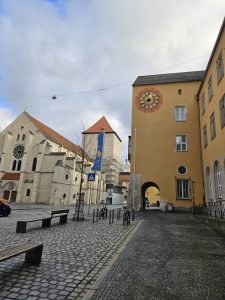
We visited Regensburg on Christmas Eve, so the city felt unusually quiet. Most of the shops were closed, and only a handful of cafés and restaurants were still open. At first, I wondered if we'd picked the wrong day, but as we wandered through the peaceful streets, I started to appreciate its charm even more. Without the usual crowds, it almost felt as though we had the old town to ourselves.
Wurzburg

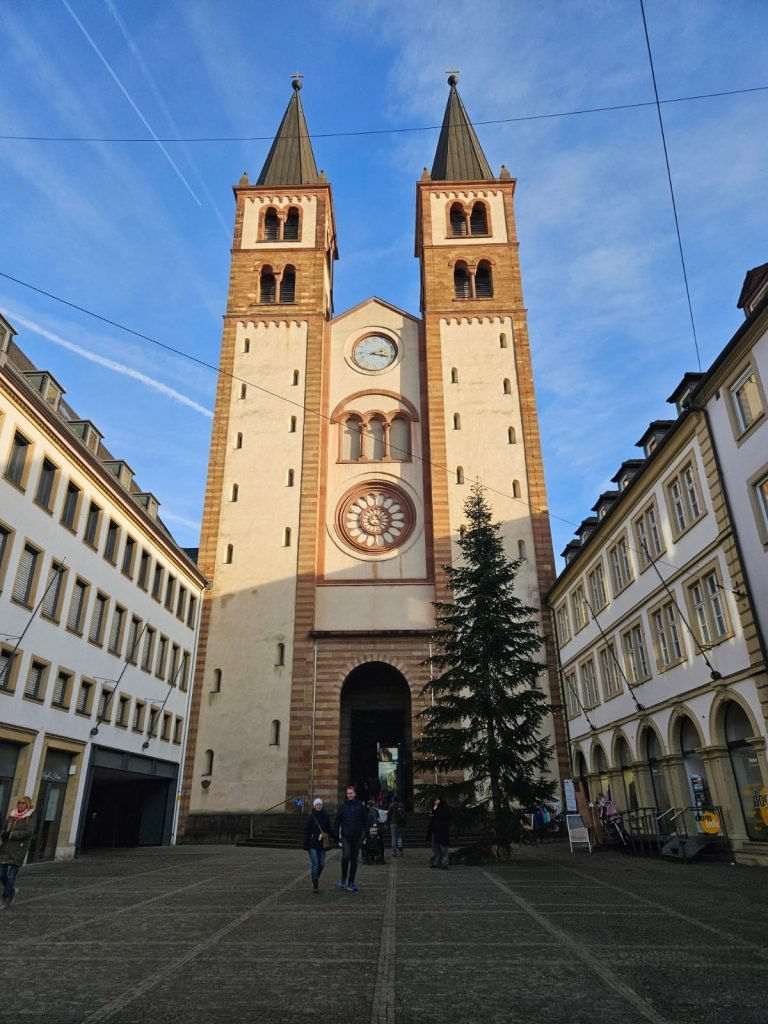
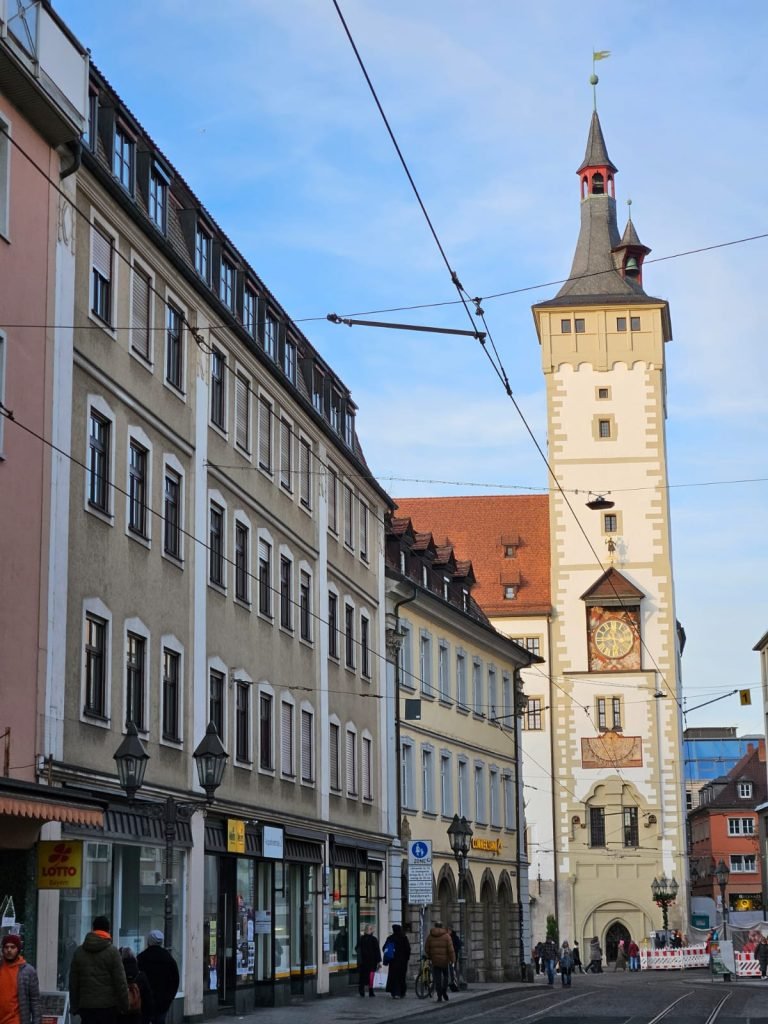
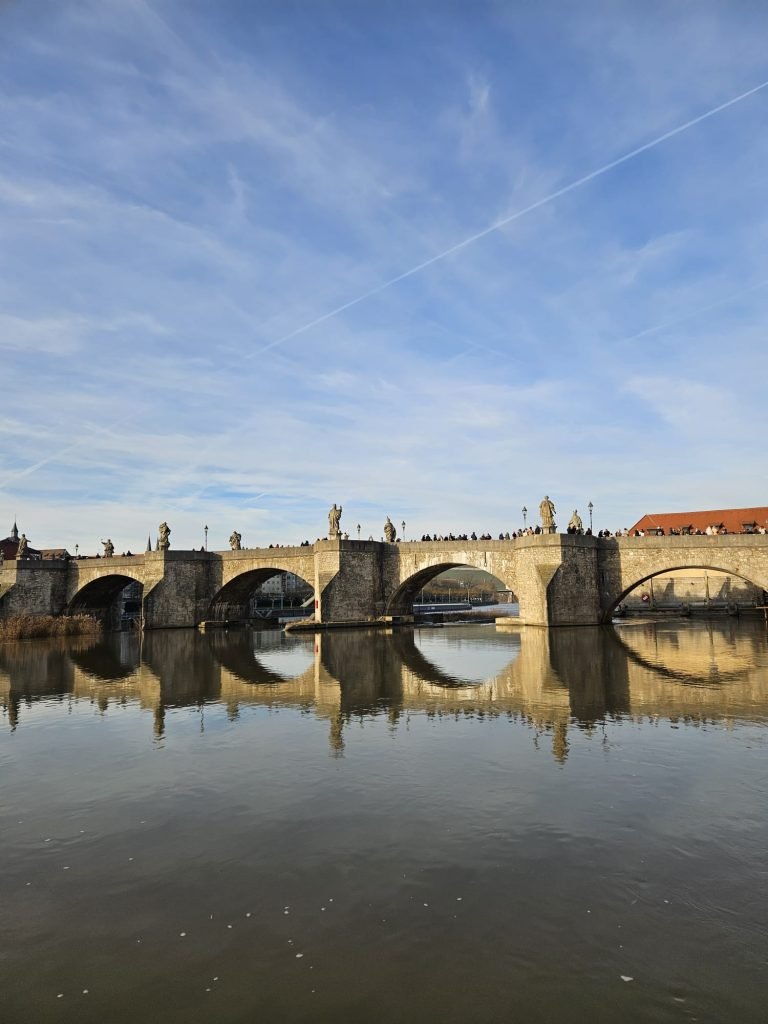
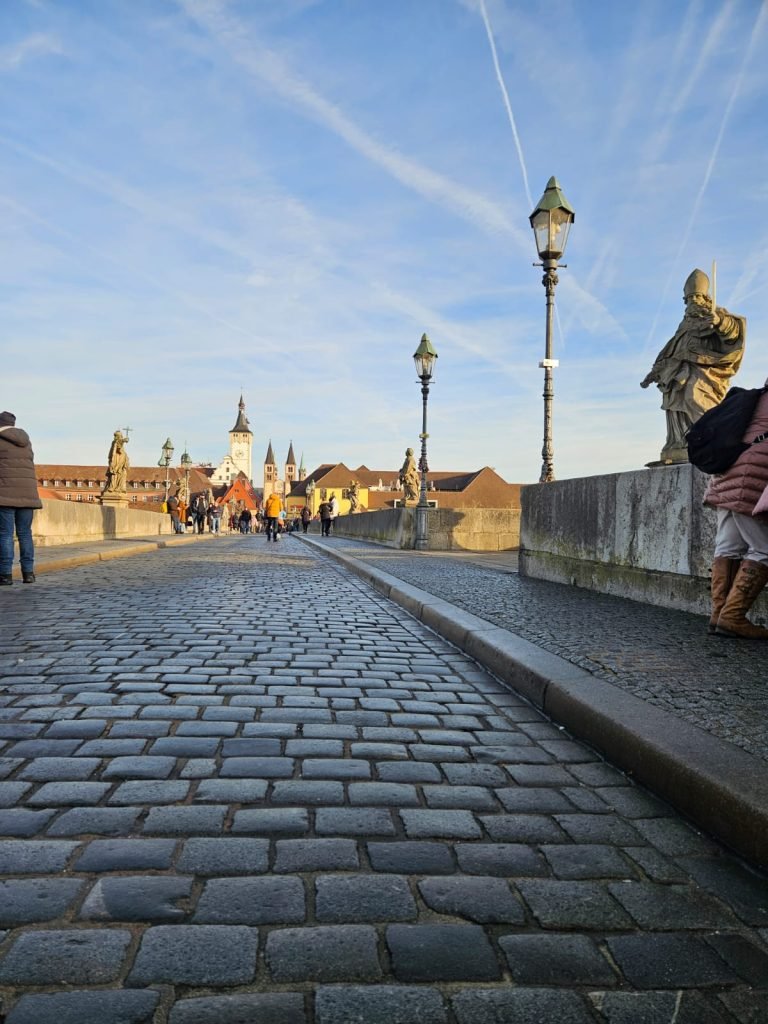
Würzburg is about an hour from Nuremberg by train and is one of Bavaria’s most beautiful cities. Nestled along the Main River, it boasts a rich history, stunning architecture, and a lively vibe. One of its highlights is the Old Main Bridge (Alte Mainbrücke), lined with impressive statues of saints, where people gather to enjoy a glass of Franconian wine while admiring the river views. Walking across the bridge immediately reminded me of the Charles Bridge in Prague. It has that same lively atmosphere, with beautiful views in every direction and people simply enjoying the moment.

wurzburg bridge
wurzburg bridge
residenz
fortress

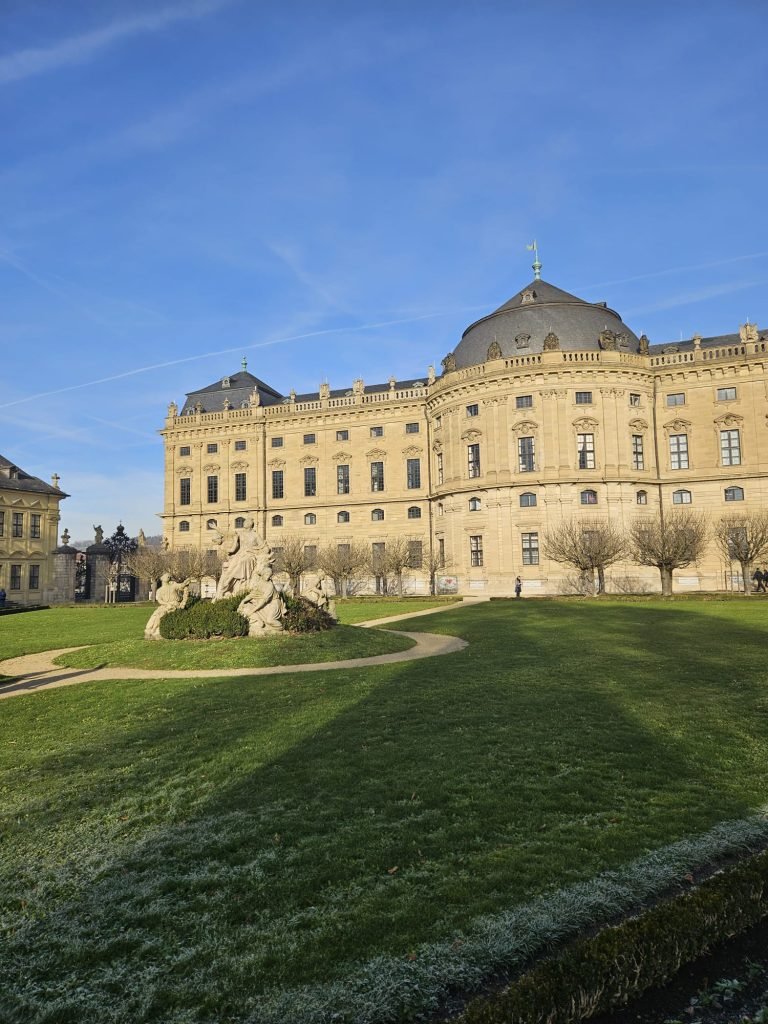
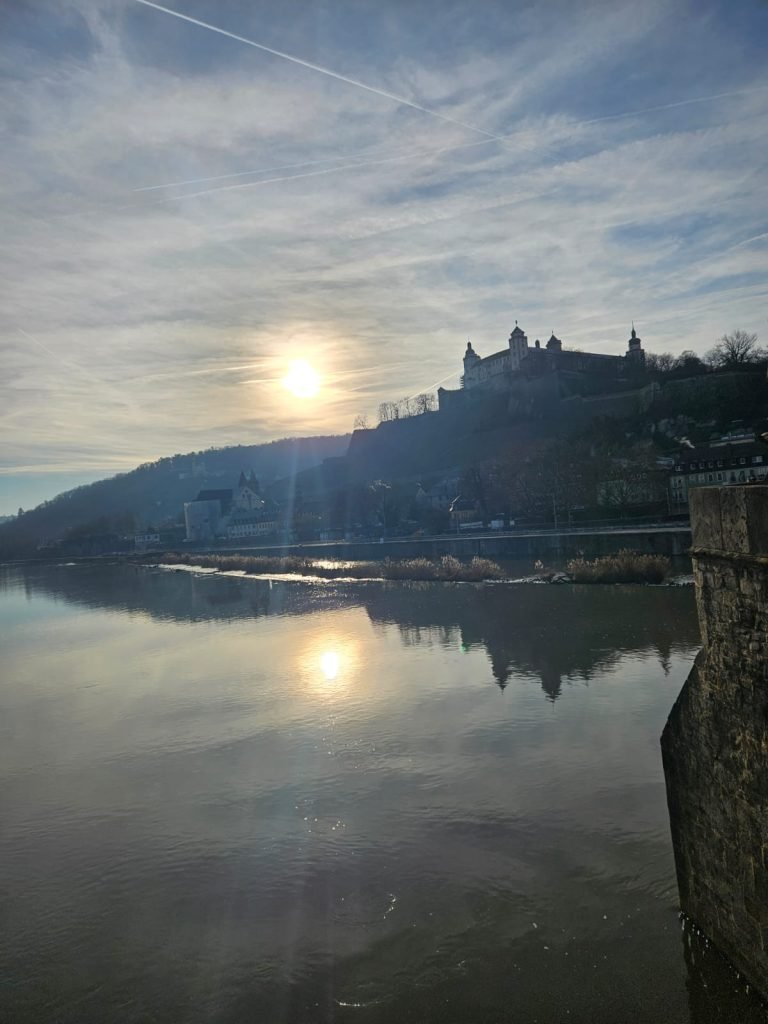
The Würzburg Residenz is an absolute masterpiece and should not be missed. From its beautifully landscaped gardens to its magnificent interior, every room feels more impressive than the last. As usual, I can never resist visiting a palace, and this one looked irresistible even from the outside. I'm so glad I went in. The moment you step inside, you can't help but look up. The spectacular ceiling frescoes, the grand staircase, the ornate doors, elegant windows, antique furniture, and lavish decorations make you feel as though you've stepped into another era. Every room has something that catches your eye, but for me, the true jewel of the palace was the Mirror Cabinet. Covered in hundreds of hand-painted mirrors and delicate gilded details, it felt almost magical.The palace also reveals a darker chapter of Würzburg's history. During the Second World War, much of the city, including parts of the Residenz, was heavily damaged. Seeing the old photographs displayed inside, showing the destruction alongside the painstaking restoration, made me appreciate the palace even more. It's hard to believe that such beauty was brought back to life with such incredible care.Beyond the palace, Würzburg is a joy to explore. Its medieval streets, historic churches, colorful squares, and riverside setting make it a wonderful city to wander through. Overlooking everything is Marienberg Fortress, standing proudly on the hill above the Main River. Whether you climb up to the fortress or simply admire it from the city below, it completes Würzburg's postcard-perfect skyline and offers breathtaking views over the rooftops, vineyards, and surrounding countryside.
Bayreuth

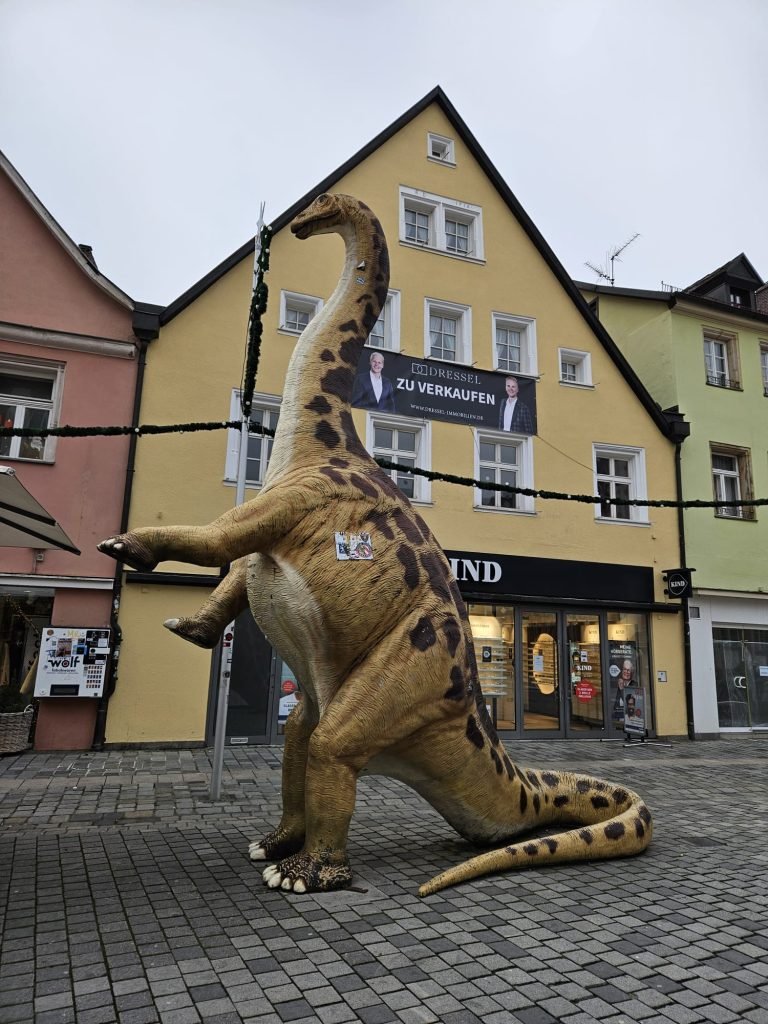
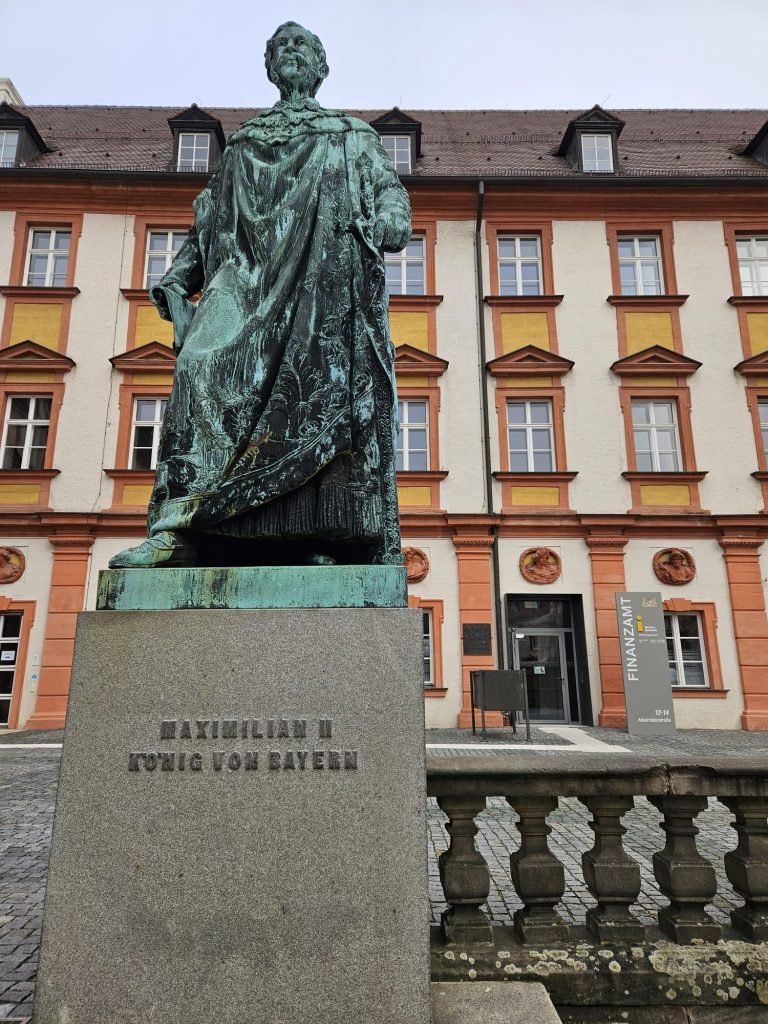
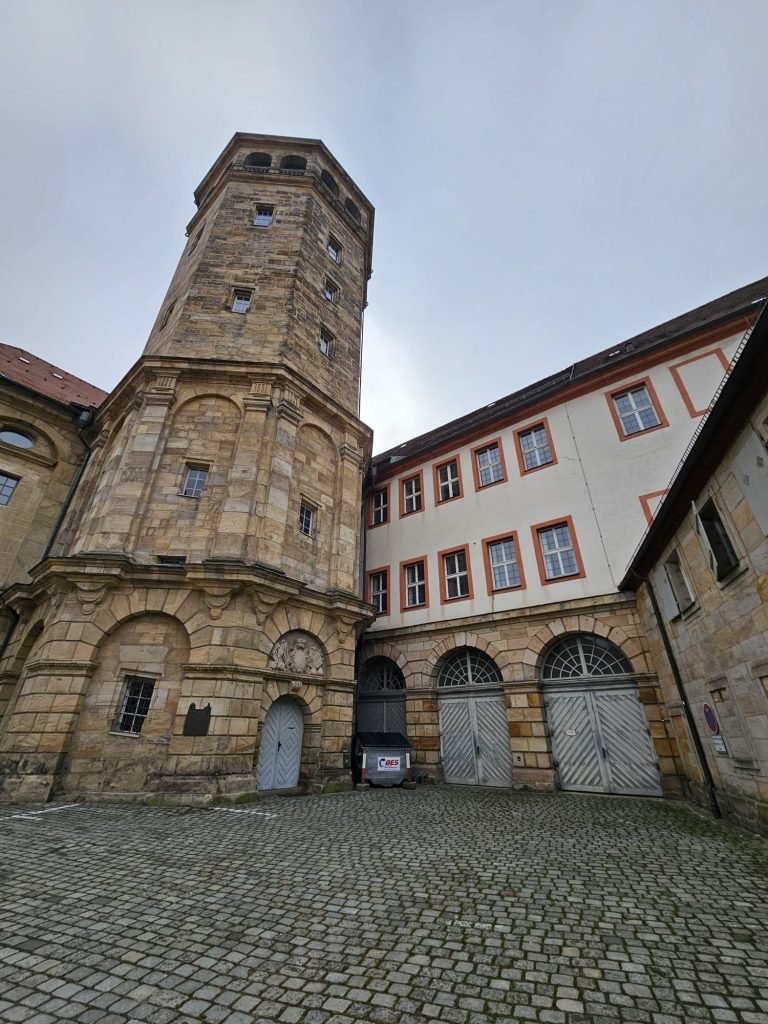
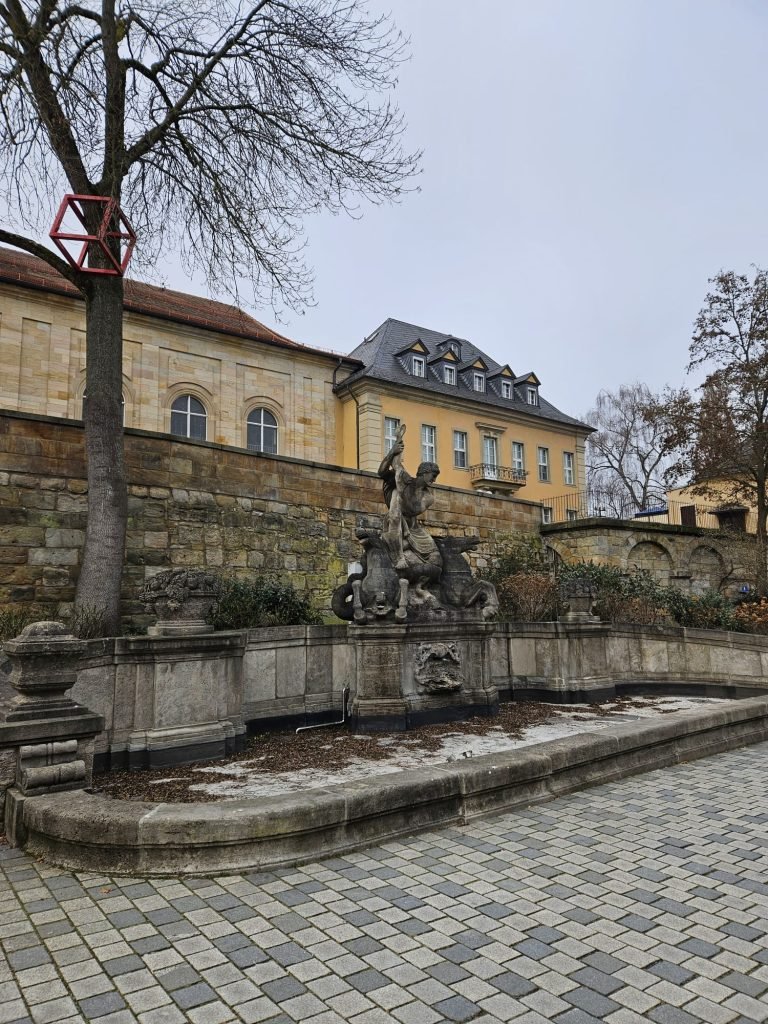
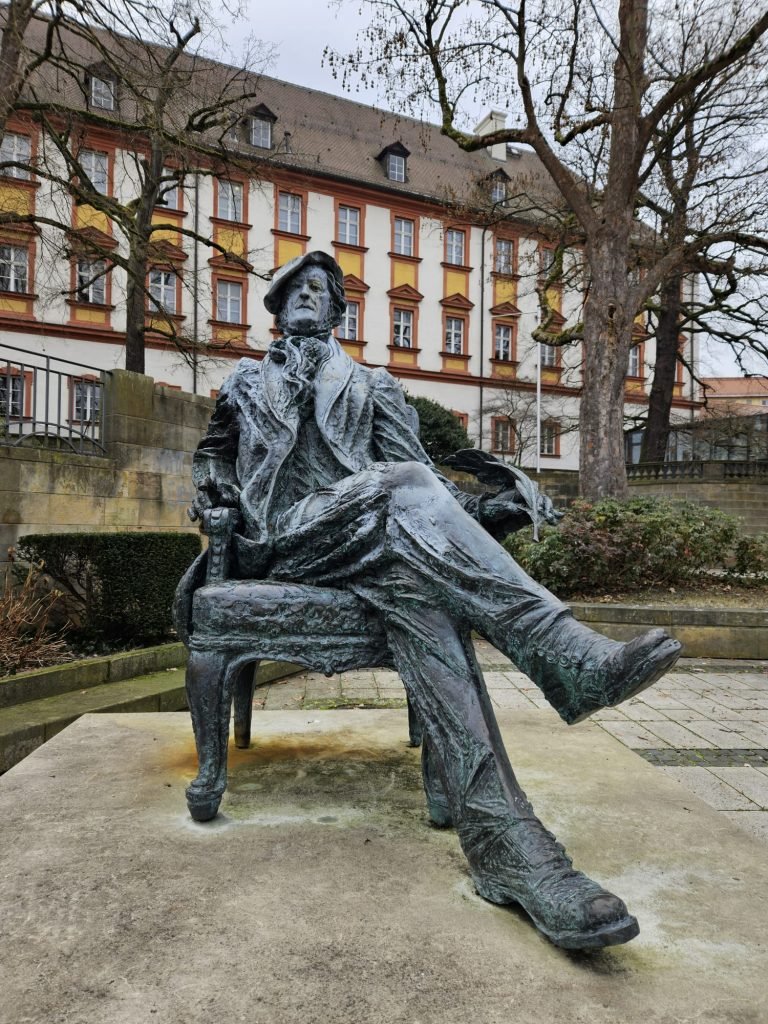
Bayreuth is about an 1 hour and 30 minutes from Nuremberg by train and is best known for its rich musical heritage and elegant Baroque architecture. Although many people associate it with composer Richard Wagner and the world-famous Bayreuth Festival, there’s much more to discover than opera alone.

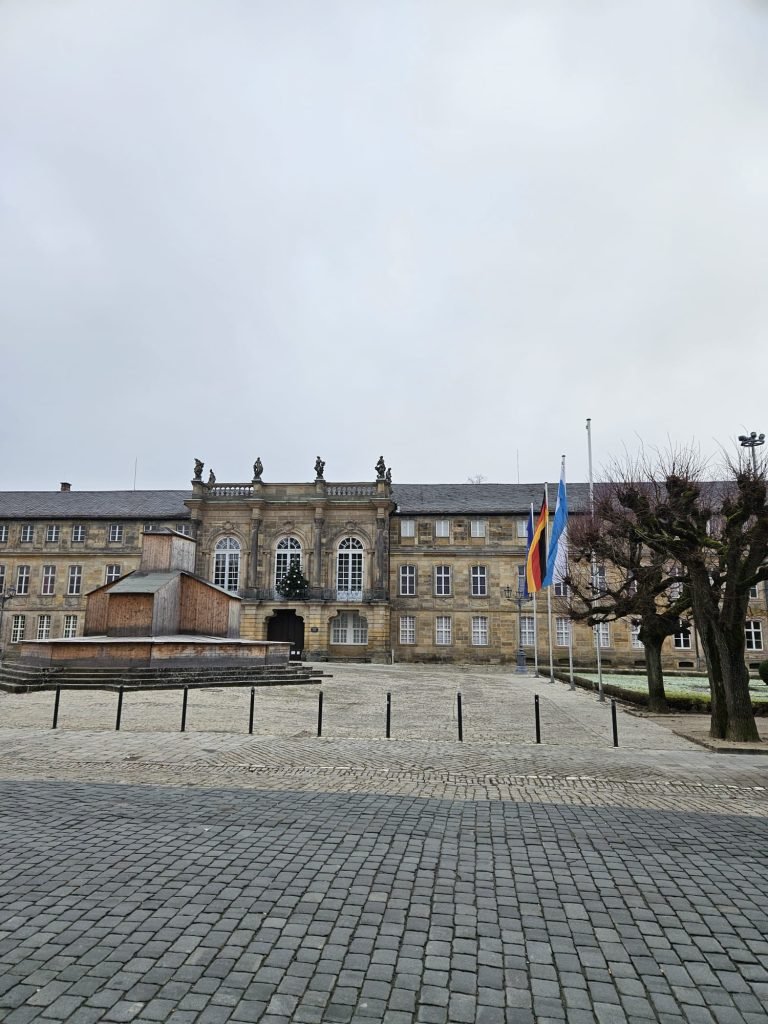
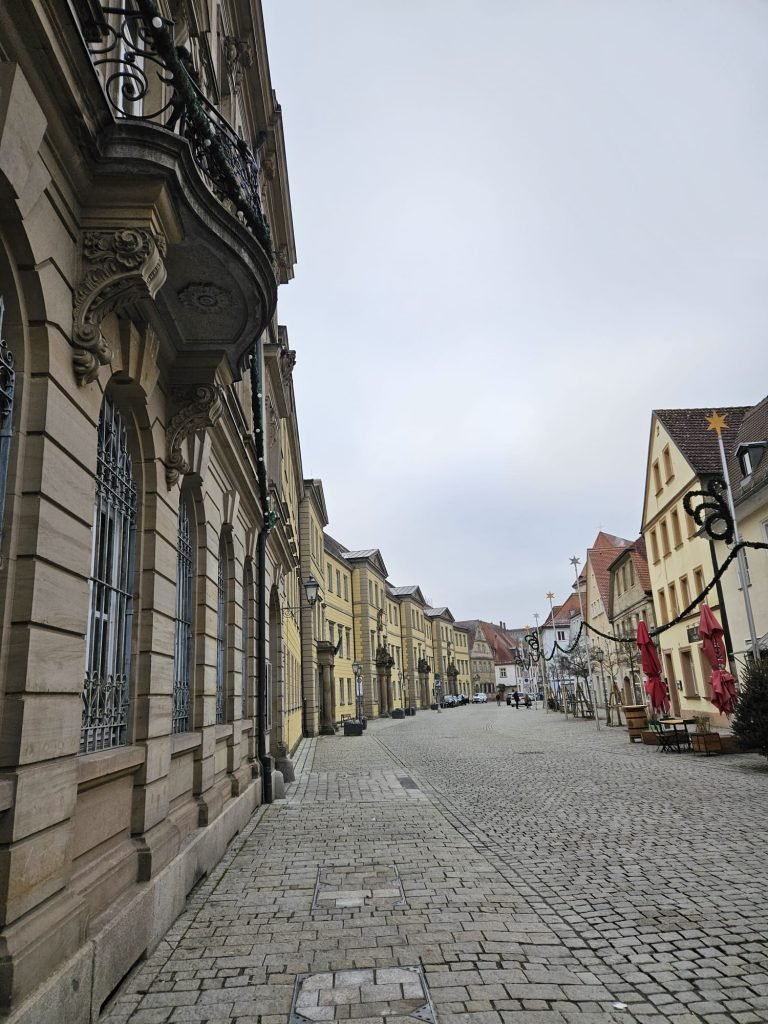
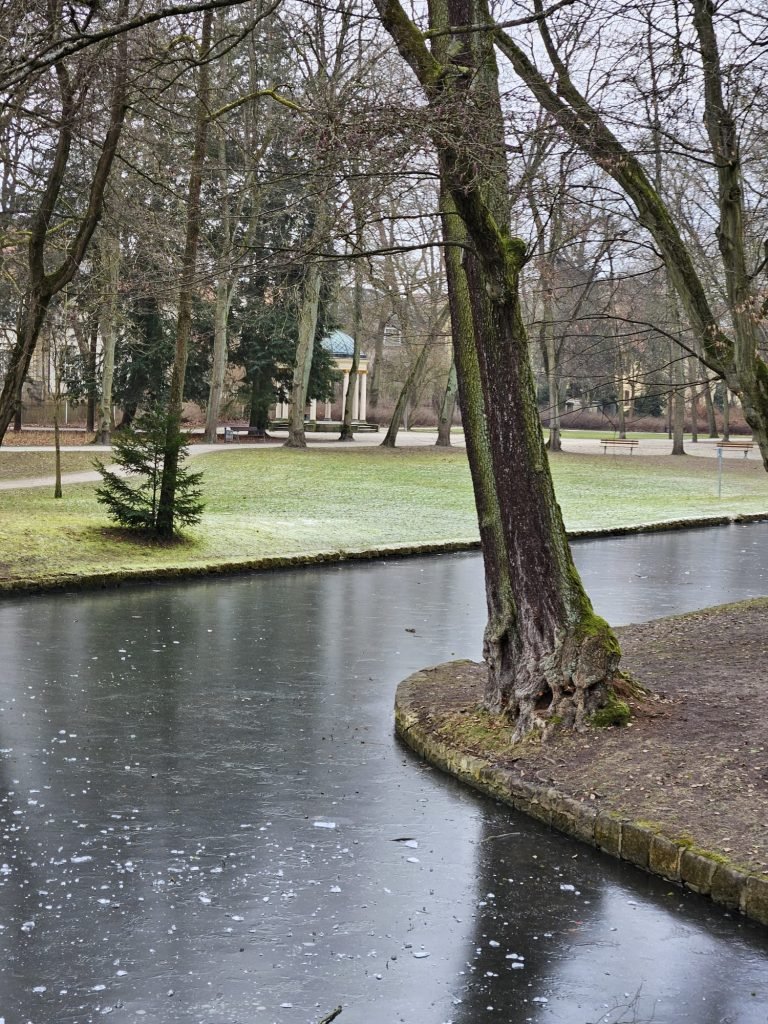
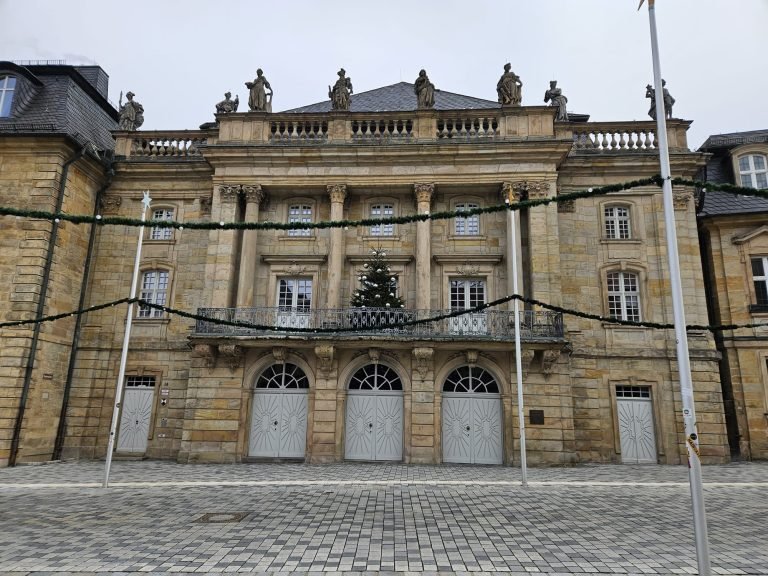
I visited Bayreuth on New Year’s Eve, when the city was wrapped in stillness. Shops and cafés were closed, the streets were almost empty, and even the magnificent Margravial Opera House stood in peaceful silence. At first, I wished more places had been open, but as I wandered through the quiet streets, I realized the calm gave the city a completely different charm. There were no crowds, only 2 guided groups, no noise, just beautiful Baroque buildings and a peaceful atmosphere that made me slow down and really notice my surroundings.

opera house
Alexander statue
bayeurth
turm altes schloss
fountain
bayeurth
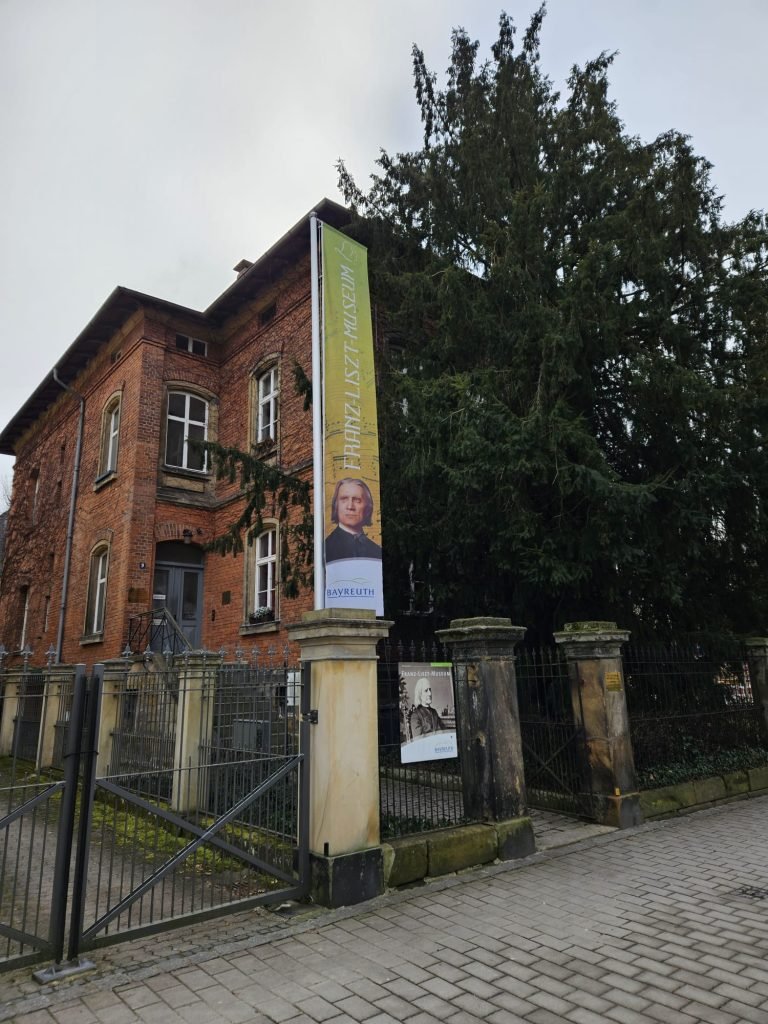
museum

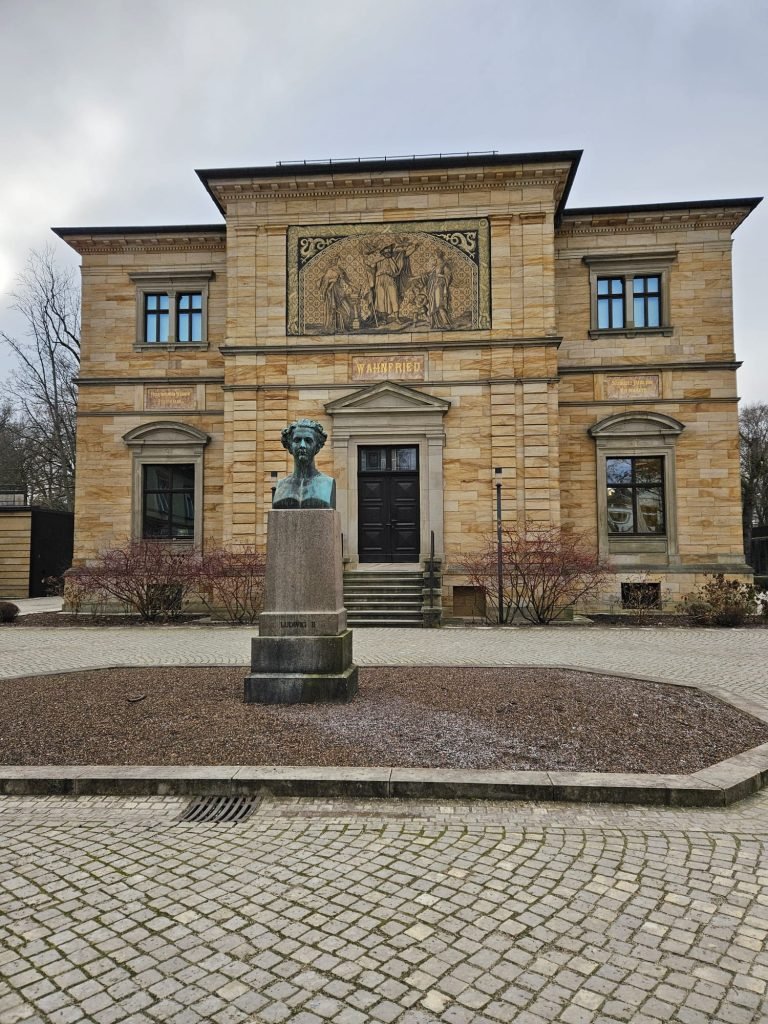
The Margravial Opera House, a UNESCO World Heritage Site, is one of the finest Baroque theatres in Europe. Even from the outside, its elegance is striking, and it's hard to believe that such an architectural treasure sits in a relatively small Bavarian town. As I continued walking, I also passed the legendary Festspielhaus, where Wagner's operas are still performed every summer during the famous Bayreuth Festival. Even without a performance taking place, you could still feel how deeply music is woven into the city's identity. Although New Year's Eve wasn't the ideal day to experience Bayreuth at its liveliest, I'm still glad we went. It gave me the chance to appreciate the city in a different way, without crowds, without rushing, just wandering through its elegant streets and taking in its beautiful architecture. Sometimes a place doesn't need to be bustling to leave an impression, and Bayreuth proved exactly that.
Munich

Munich is about 1 hour and 30 minutes from Nuremberg by train, making it one of the easiest and most rewarding day trips in Bavaria. As the capital of the region, it perfectly blends history, culture, royal heritage, and modern city life. If you love museums, grand palaces, shopping, or simply soaking up the atmosphere of a lively European city, Munich won’t disappoint.

We actually spent four days in Munich before heading to Nuremberg, so we explored it as a destination of its own rather than a day trip. Even so, thanks to the excellent train connections, it’s still a very easy city to visit from Nuremberg if you’re short on time.

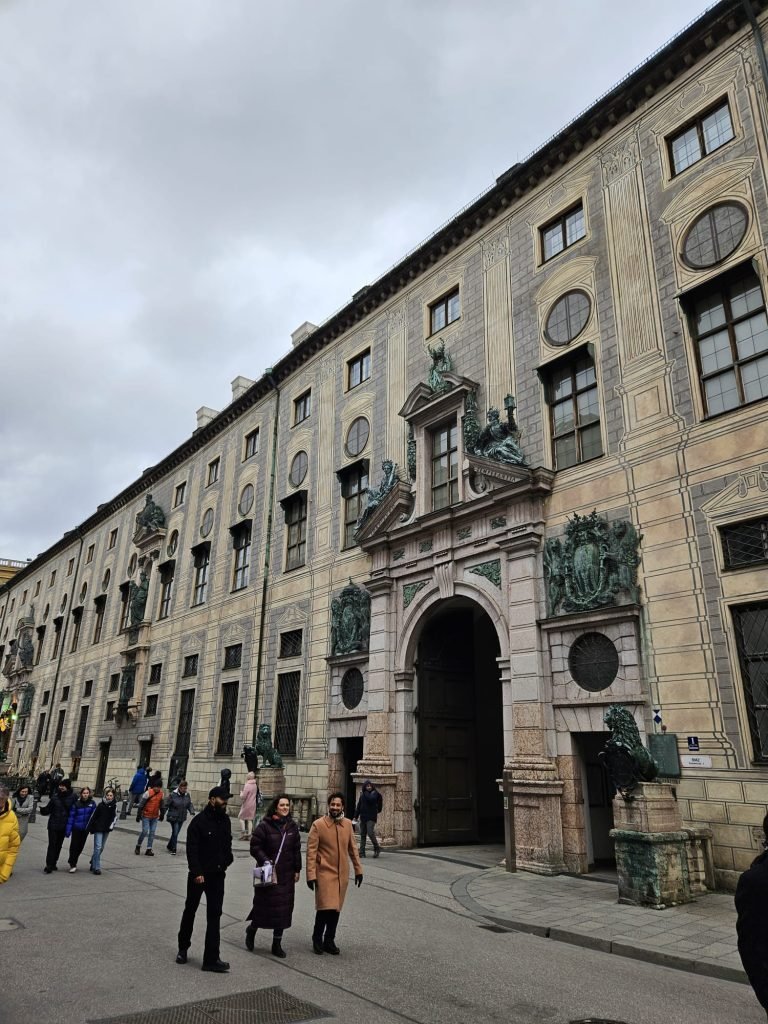
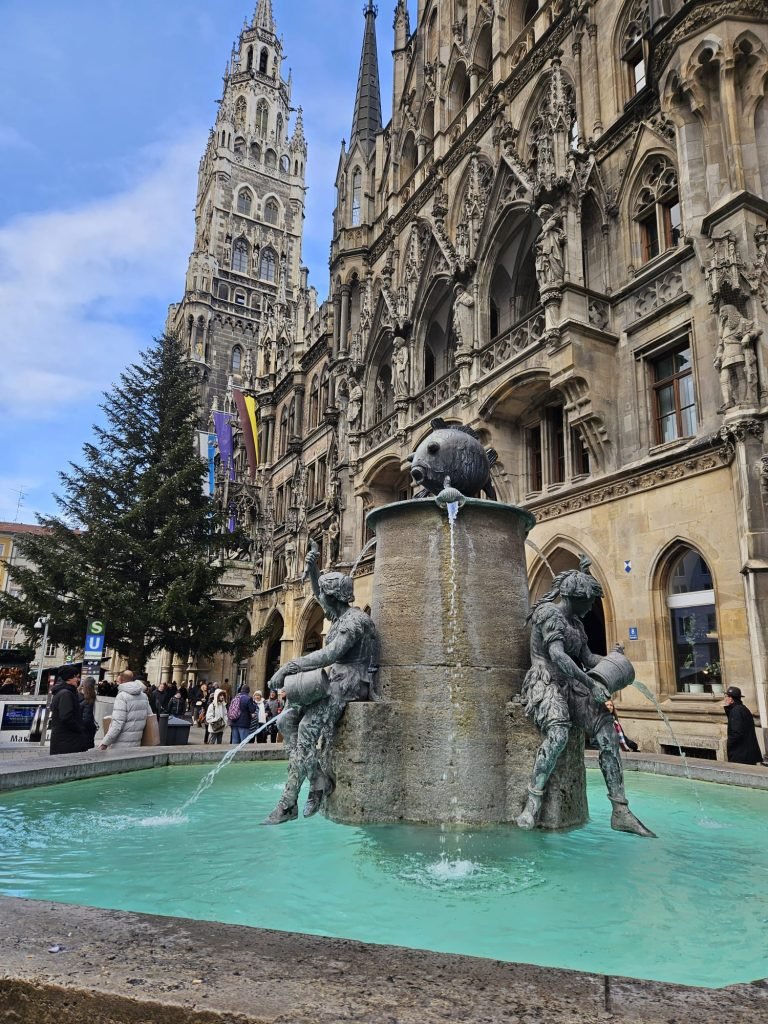
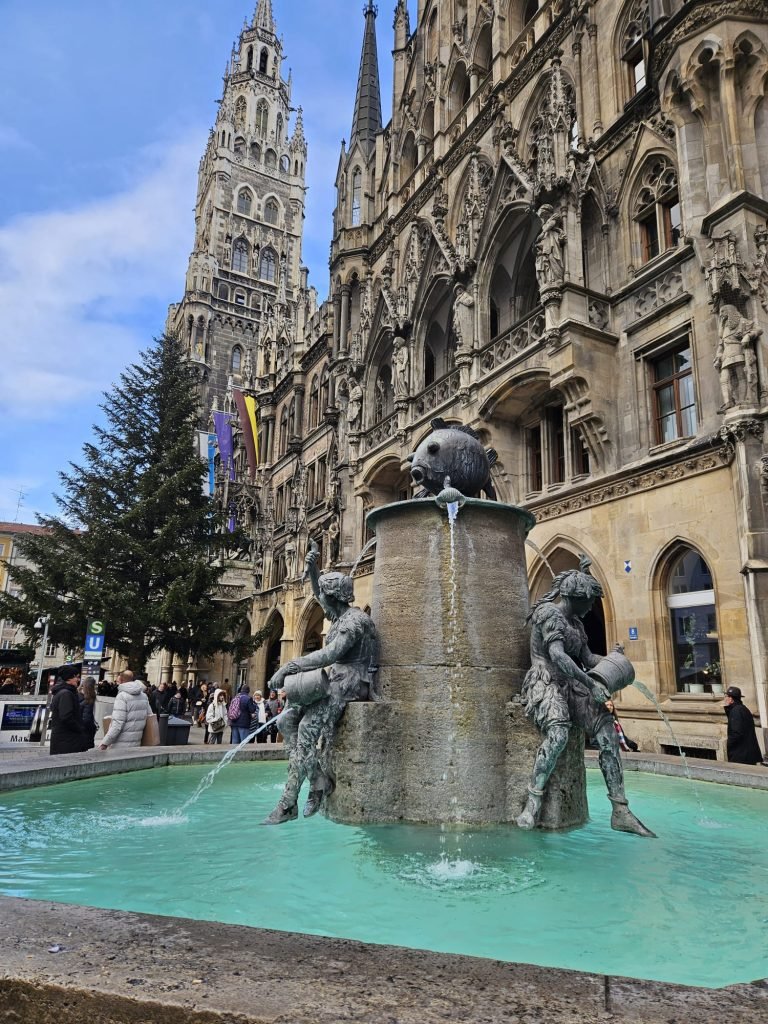
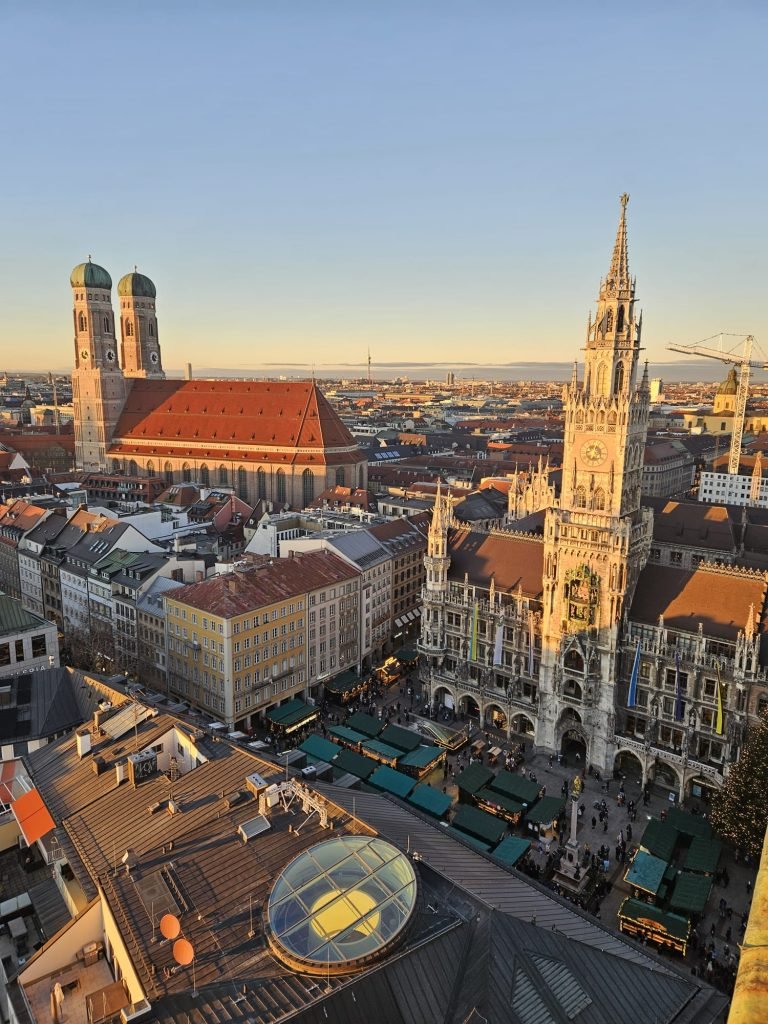
The city’s heart is Marienplatz, where the famous Glockenspiel delights visitors several times a day with its charming mechanical figures. From there, it’s a pleasure to wander through the surrounding pedestrian streets, lined with beautiful historic buildings, cafés, restaurants, and shops. If you enjoy visiting palaces as much as I do, don’t miss the magnificent Nymphenburg Palace, the former summer residence of the Bavarian royal family. Its lavish rooms, beautiful gardens, and peaceful canals easily make it one of Munich’s highlights.

Fishbrunnen
Munich
BMW

Munich is also home to the world-famous BMW Museum, the impressive Pinakothek art museums, and the sprawling English Garden, one of the largest urban parks in the world. If you're lucky, you might even spot surfers riding the famous Eisbach wave in the middle of the city, something I certainly wasn't expecting to see in Munich! Of course, many people know Munich as the home of Oktoberfest, the world's largest beer festival, which attracts millions of visitors every autumn. But even outside festival season, the city has an energy that's hard not to love. Elegant squares, lively beer gardens, impressive churches, and centuries of history blend seamlessly with a vibrant modern atmosphere. Munich is also the perfect gateway to some of Bavaria's most famous attractions. From here, you can easily take day trips to places like Neuschwanstein Castle, the fairy-tale palace that inspired Disney's Sleeping Beauty Castle, or escape to the nearby Alps for breathtaking mountain scenery. Whether you spend a day or several, Munich is one of those cities that always leaves you wanting to come back. You can click here to read my article about it to discover more. 
If you have more time, you can also visit:
Rothenburg ob der Tauber (1h 45 min) : A fairytale-like medieval town with perfectly preserved half-timbered houses.
Dinkelsbühl (1h 40 min) : A lesser-known but equally beautiful medieval town.
Augsburg (1h 30 min) : One of Germany’s oldest cities with Renaissance architecture and rich history.
Nördlingen (1h 30 min) : A unique town built inside a meteorite crater, with well-preserved medieval walls.
Fränkische Schweiz (Franconian Switzerland) (varies, ~1h) : A picturesque region filled with castles, caves, and breathtaking nature.

All these destinations offer unique experiences, making Nuremberg a perfect base for exploring Bavaria and Franconia.

Related Articles

Nuremburg
Nuremburg
Munich
Munich

Leave a Comment

Your email address will not be published. Required fields are marked *

Scroll to Top
Love Nature