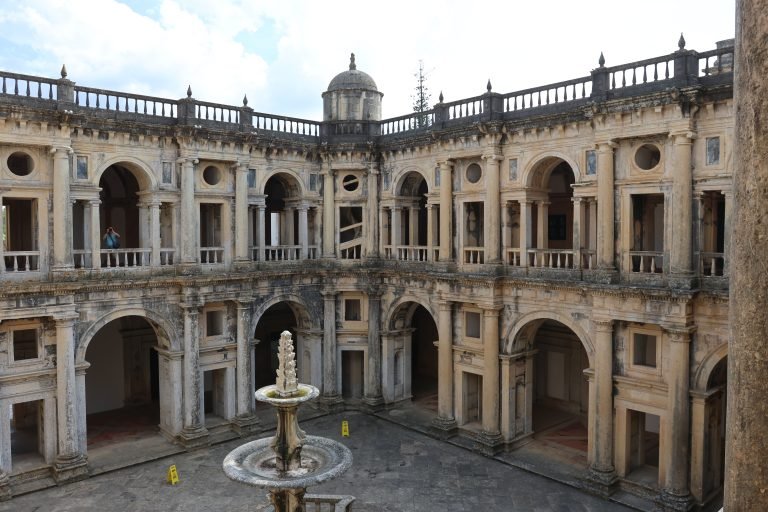
Heading from Guimarães to Coimbra, one of Portugal’s most cherished and historically rich cities, we felt a growing excitement to finally uncover its charm. Coimbra had long been on our list, not just as a stop on the map, but as a place deeply rooted in Portuguese identity, knowledge, and tradition. Before reaching our destination, we planned two memorable stops along the way, eager to explore more of the country’s diversity and landscapes.
Douro wine route
Our first detour was toward the famous Douro wine route, a region known worldwide for its vineyards cascading along the riverbanks, often admired from boats gently cruising the Douro. Driving through the vineyard roads, however, turned out to be quite stressful. The landscape, although stunning, made the roads extremely narrow, sometimes barely wide enough for a single car. At moments, it was difficult to tell whether these winding paths were even meant for two-way traffic. Google Maps, while usually reliable, occasionally has a talent for leading you through the most unconventional routes.
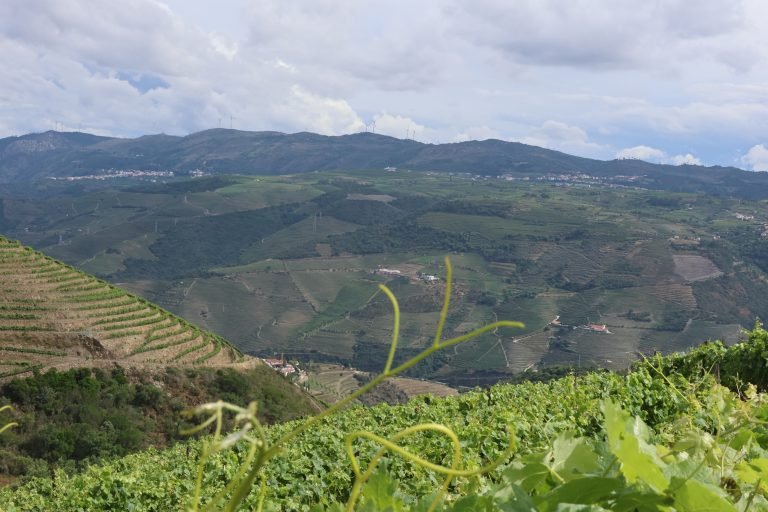
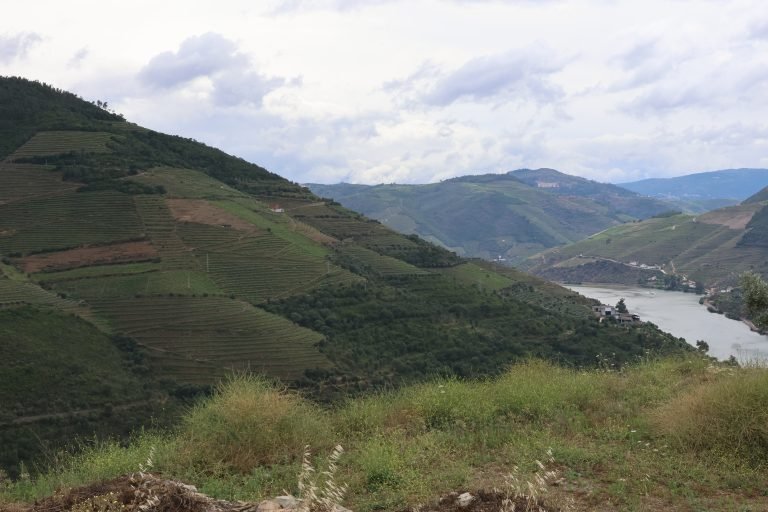
Despite the tension behind the wheel, the scenery quickly made us forget the stress. Endless vineyards stretched along both sides of the river, creating a breathtaking panorama that felt almost unreal. It was one of those moments when you slow down, not because the road demands it, but because the view does.
Tip: While the Douro Valley can be reached by car, the most enjoyable and stress-free way to experience it is from Porto, either by boat or by train. Coming from Coimbra does not offer better road conditions, and driving through the valley can quickly become tiring due to narrow and winding roads. Seeing the Douro from the river allows you to truly enjoy its beauty without distraction.
Costa Nova
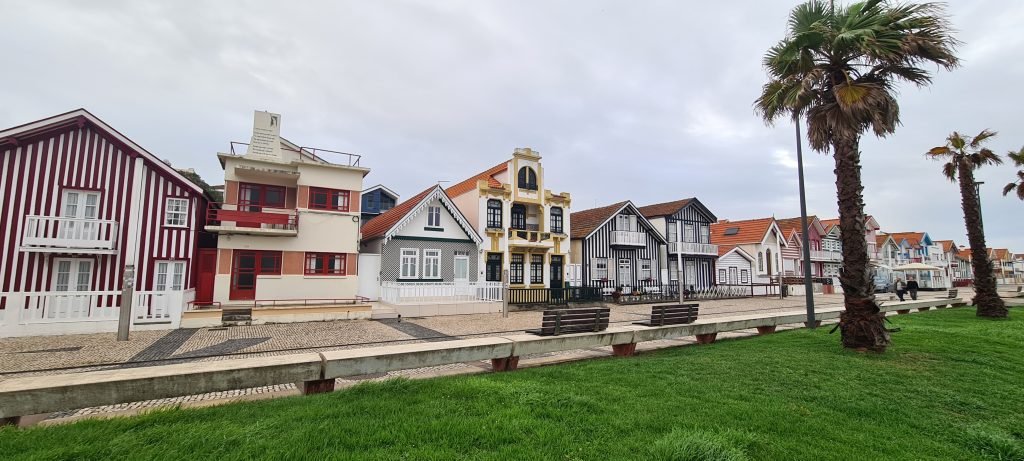
Our second stop took us to Costa Nova, a charming coastal village nestled between the Atlantic Ocean and the Aveiro Lagoon. Its unique character comes from its iconic striped houses, painted in vibrant colors that instantly catch the eye and lift the spirit. These beautiful houses, each different in size and color, have transformed what was once a humble fishermen’s village into a lively postcard. On sunny days, the place is simply stunning.
Beyond its cheerful architecture, Costa Nova is also known for its fresh seafood. The waterfront is lined with inviting restaurants serving local dishes straight from the ocean, making it an ideal place to pause, breathe, and enjoy the quieter side of Portugal before continuing our journey inland, toward Coimbra.
Tip: Keep an eye on the weather before you go. As you know, the weather in Portugal can change very quickly, and being right by the ocean makes Costa Nova especially exposed to wind and rain. When we visited, it was very windy and rainy, which made it difficult to fully enjoy the place. On a clear, calm day, however, Costa Nova truly shines.
Coimbra
Coimbra, Portugal’s capital during the Middle Ages, holds a very special place in Portugal’s history, far beyond its size. Located in the heart of the country along the banks of the Mondego River, it has long served as a natural bridge between the north and the south. This strategic position made Coimbra an important political, cultural, and intellectual center for centuries.
Coimbra is also known as the capital of knowledge and education, as it is home to one of the oldest universities in Europe and the oldest in Portugal. For generations, it shaped the country’s thinkers, writers, politicians, and scientists, leaving a lasting mark on Portuguese identity.
The city is also the birthplace of Fado de Coimbra, a style of music and song based on classical poetry or original lyrics written by students, and sung exclusively by men.
Beyond its intellectual legacy, Coimbra has long been connected to agriculture and local production due to the fertile Mondego Valley. The surrounding region produces rice, wine, olive oil, and cheeses, contributing to the city’s traditional cuisine and reinforcing its close relationship with the land. This balance between academic life and rural roots gives Coimbra its unique character.
University of Coimbra
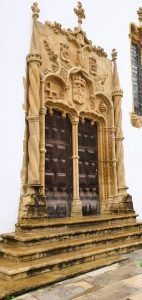
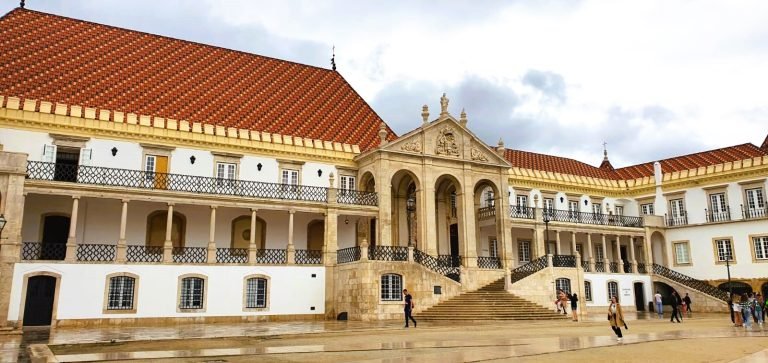
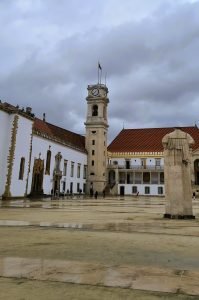
The University of Coimbra is one of the most famous universities in Portugal, attracting students from all over the world. Founded in 1290, it is not only the oldest university in the country but also one of the oldest in Europe, a distinction that earned it recognition as a UNESCO World Heritage Site.
The university’s buildings are remarkably beautiful. Its stunning Baroque architecture reflects centuries of history and tradition, while its hilltop location offers breathtaking views over Coimbra and the Mondego River below.
The University of Coimbra is unlike any other university I have ever seen. It feels more like a museum or a grand palace than a place of study. There is a powerful, almost sacred atmosphere that commands respect; it’s hard to imagine walking through its halls in torn jeans or wearing makeup. Every courtyard, staircase, and library seems to carry centuries of knowledge and tradition, making you feel that here, history and learning are alive in a way you rarely experience anywhere else..
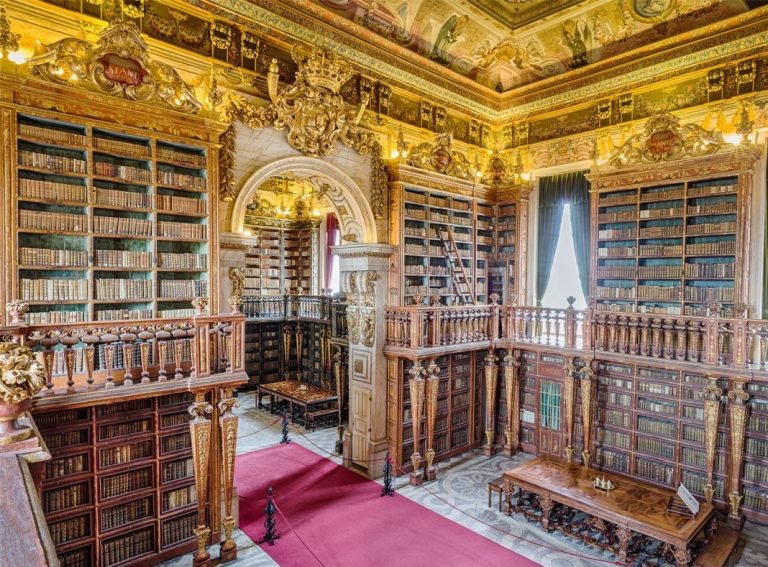
Among its most remarkable spaces is the Joanina Library, a true Baroque masterpiece filled with ancient books and golden details, widely considered one of the most beautiful libraries in the world.
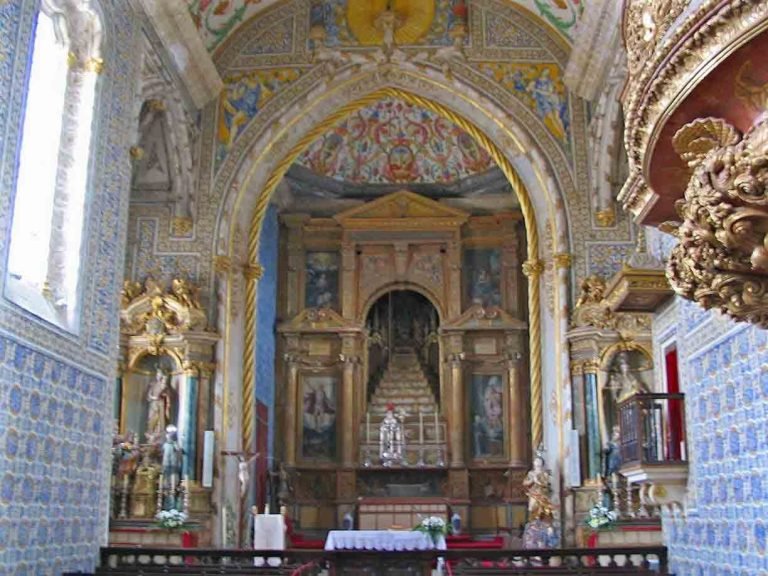
Within the university complex lies the São Miguel Chapel, modest on the outside yet richly decorated inside with blue-and-white azulejo tiles, The university is also known for its powerful academic traditions—students dressed in black cloaks, ceremonies, and rituals that have been preserved for generations.
Sé Velha (Old Cathedral of Coimbra)
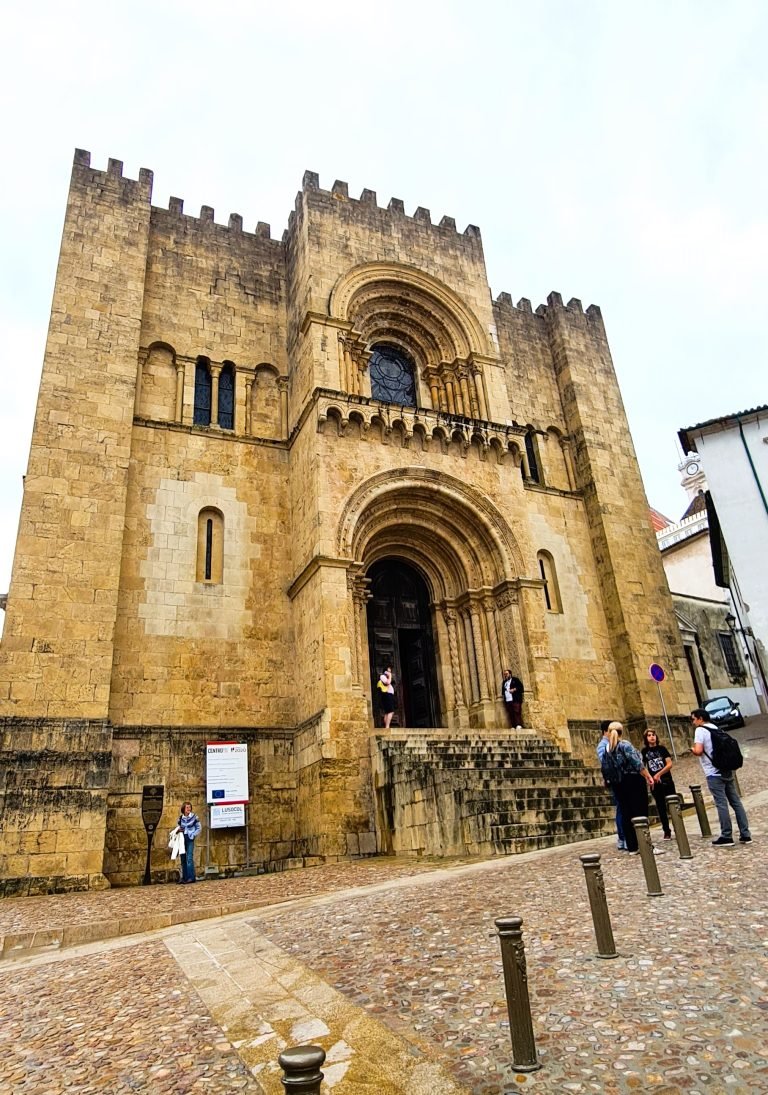
This cathedral felt truly special, unlike any other cathedral I had seen before. Its architecture immediately stood out, strong, solid, and almost fortress-like, reflecting the turbulent medieval period when churches were designed not only for worship but also for protection.
Sé Velha, the Old Cathedral of Coimbra, is one of the city’s most important historical landmarks. Built in the late 12th century, shortly after Portugal gained independence, it stands as one of the best-preserved Romanesque cathedrals in the country and is an absolute must-see for history lovers.
Monastery of Santa Clara-a-Velha
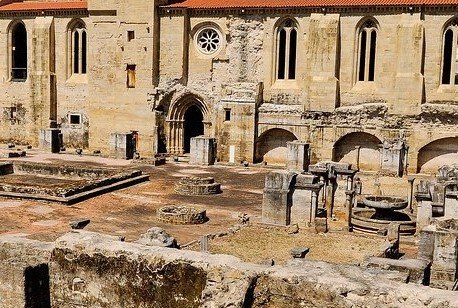
The Monastery of Santa Clara-a-Velha is the ruin of an abandoned convent, originally built in 1283 along the banks of the Mondego River. The nuns were eventually forced to leave due to frequent flooding, leaving behind quiet, haunting remains that tell the story of lives devoted to prayer and resilience. Today, it offers a glimpse into Coimbra’s medieval past and a different perspective on the city’s rich history.
Mondego River
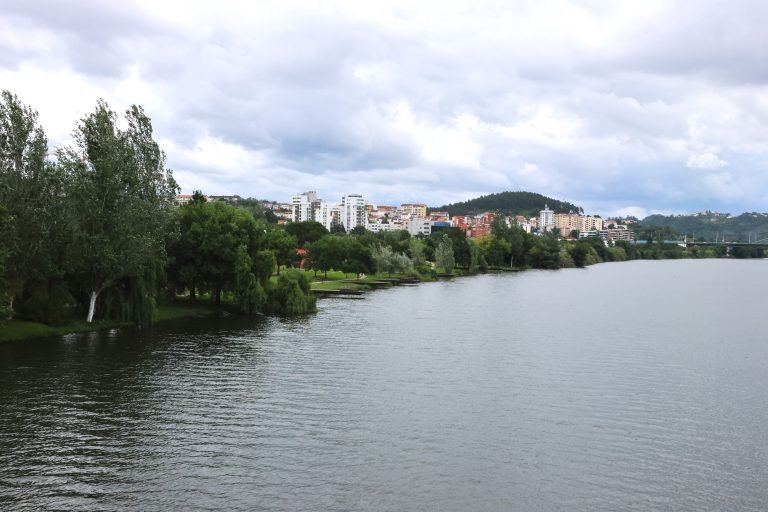
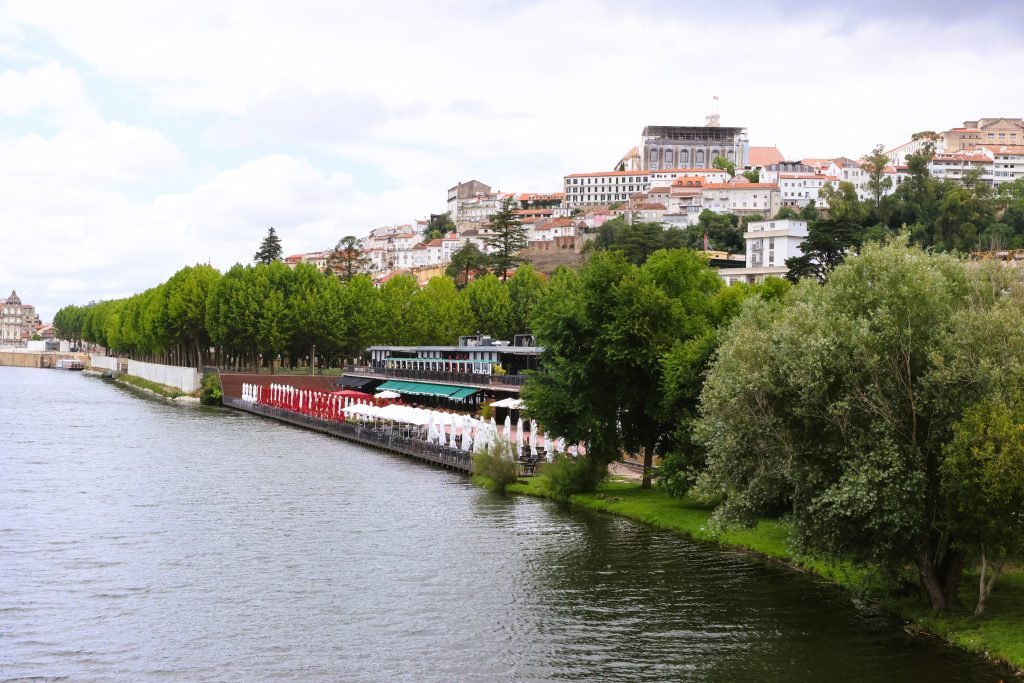
The Mondego River is truly the charm of Coimbra, flowing gracefully through the city and offering beautiful views wherever you go. The river is the longest river entirely within Portugal, stretching over 234 kilometers from the Serra da Estrela mountains to the Atlantic Ocean near Figueira da Foz. In Coimbra, it plays a central role in both the city’s landscape and its history. Over the centuries, the river has shaped the city, supporting agriculture in the fertile Mondego Valley and influencing settlement patterns.
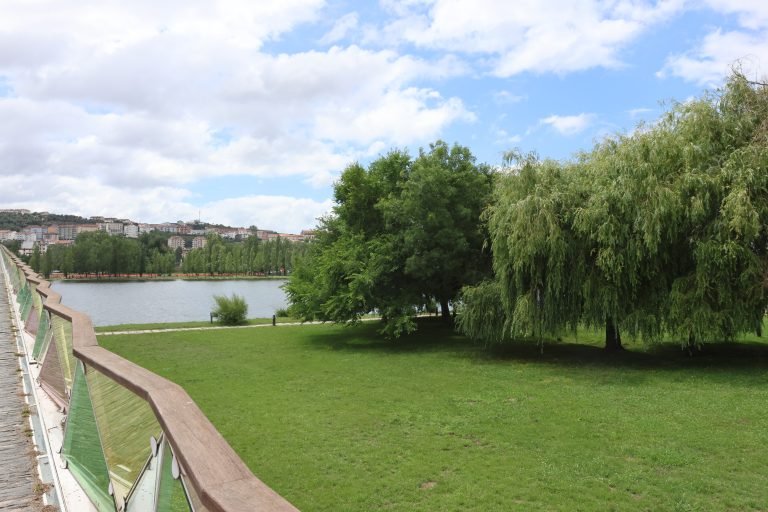
he old buildings nestled along the riverbank add to the Mondego’s charm, complemented by parks and green spaces that offer a tranquil escape for both residents and visitors. Several bridges span the river, among which the Pedro e Inês Bridge stands out with its colorful glass panels, reflecting a beautiful array of colors when touched by the sun. We had a lovely time exploring the park and were lucky to witness a swimming competition and a biking event taking place along the river. There are also many restaurants lining the banks, where we stopped for a relaxing lunch while enjoying the serene views of the water and the city beyond.
The botanical garden
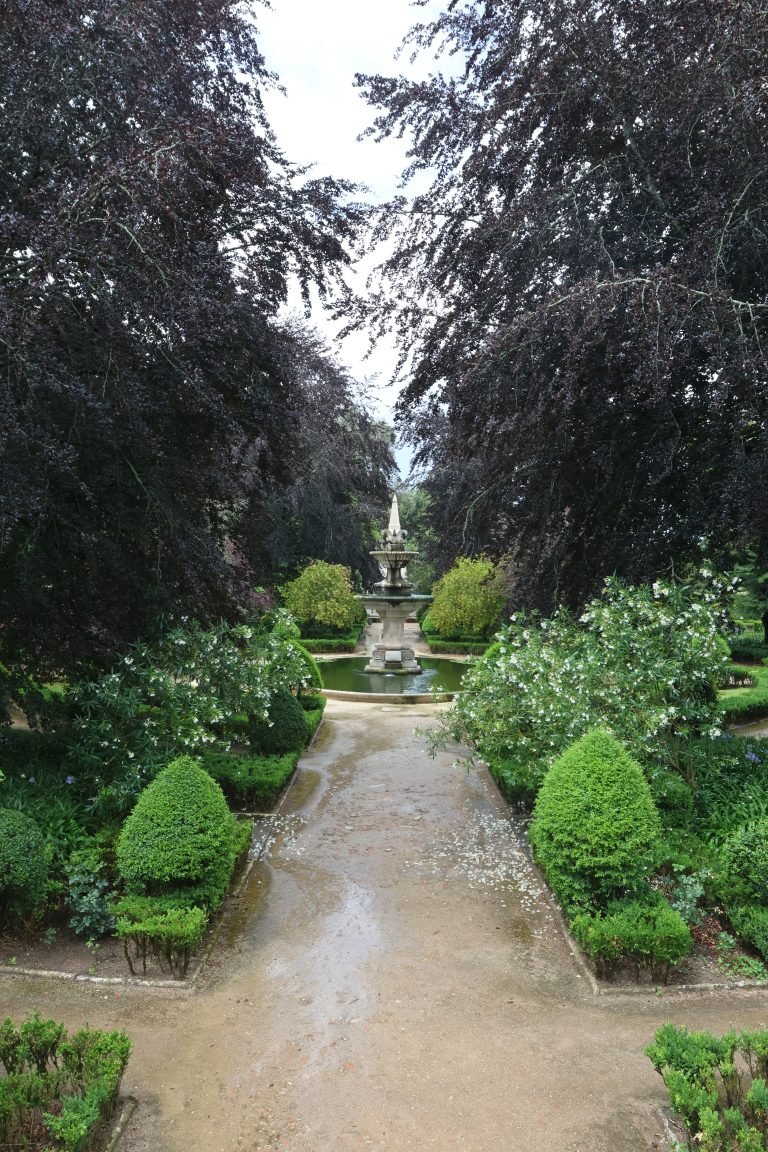
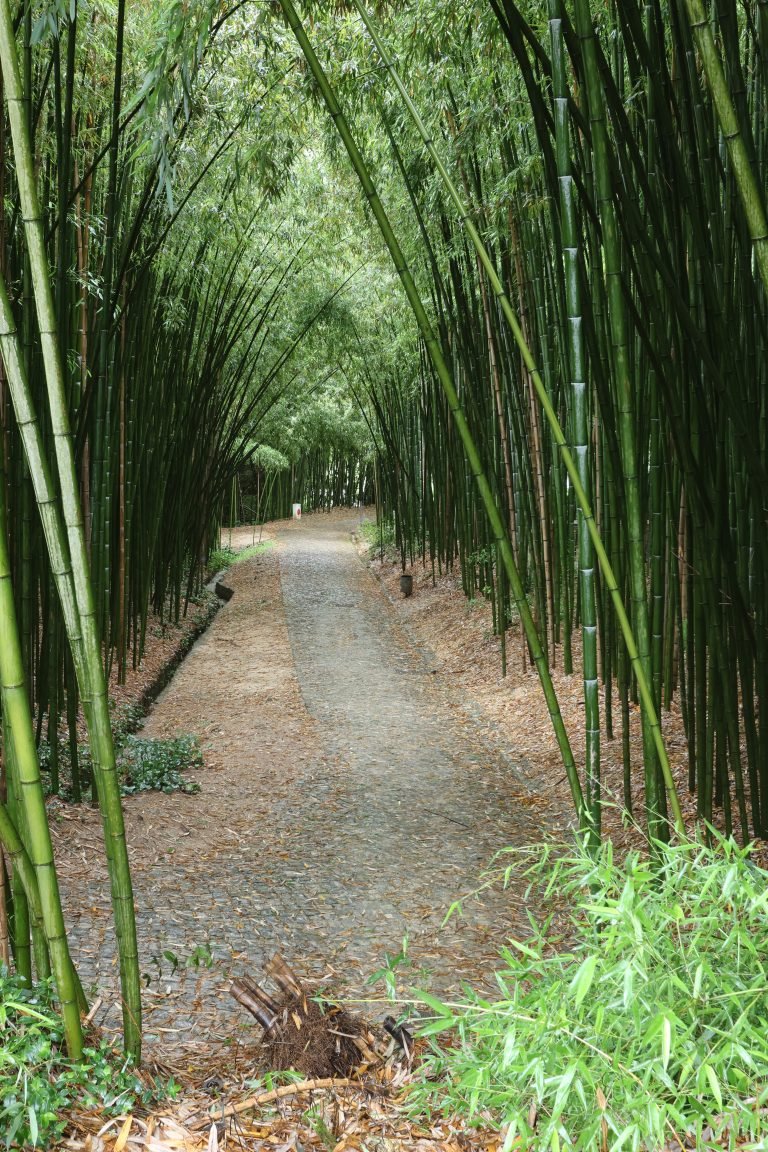
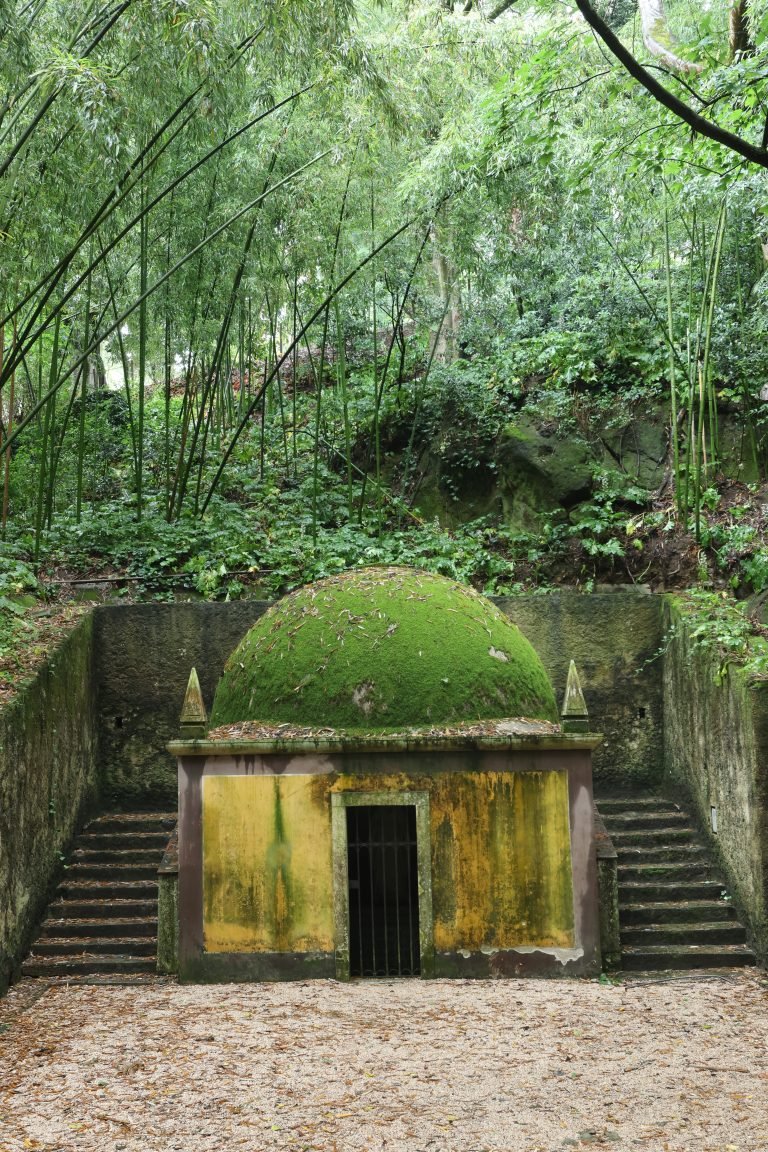

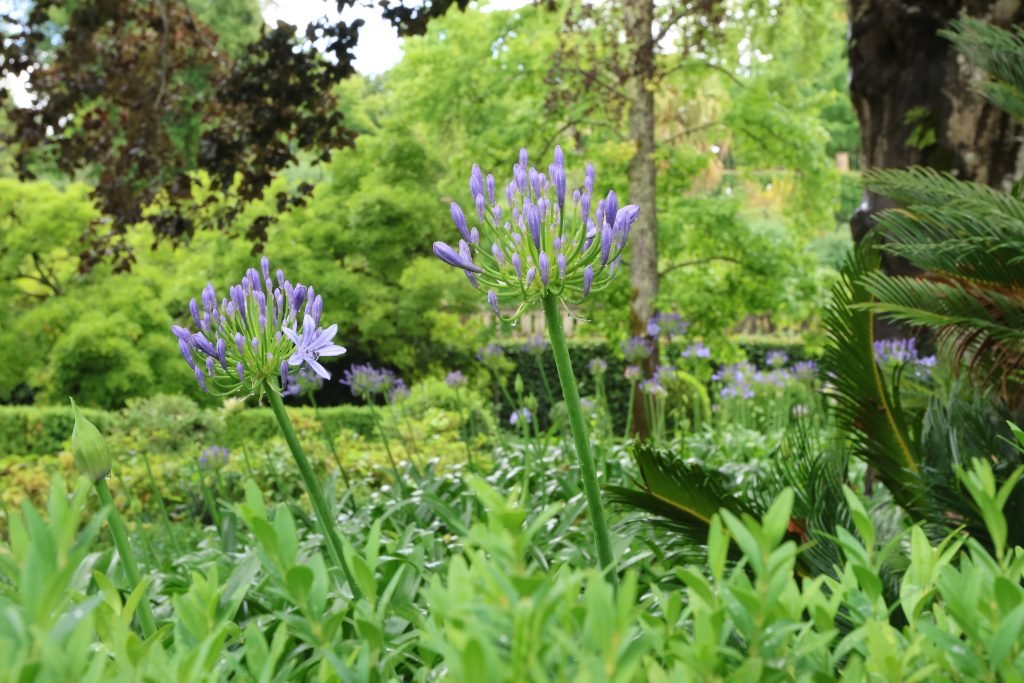
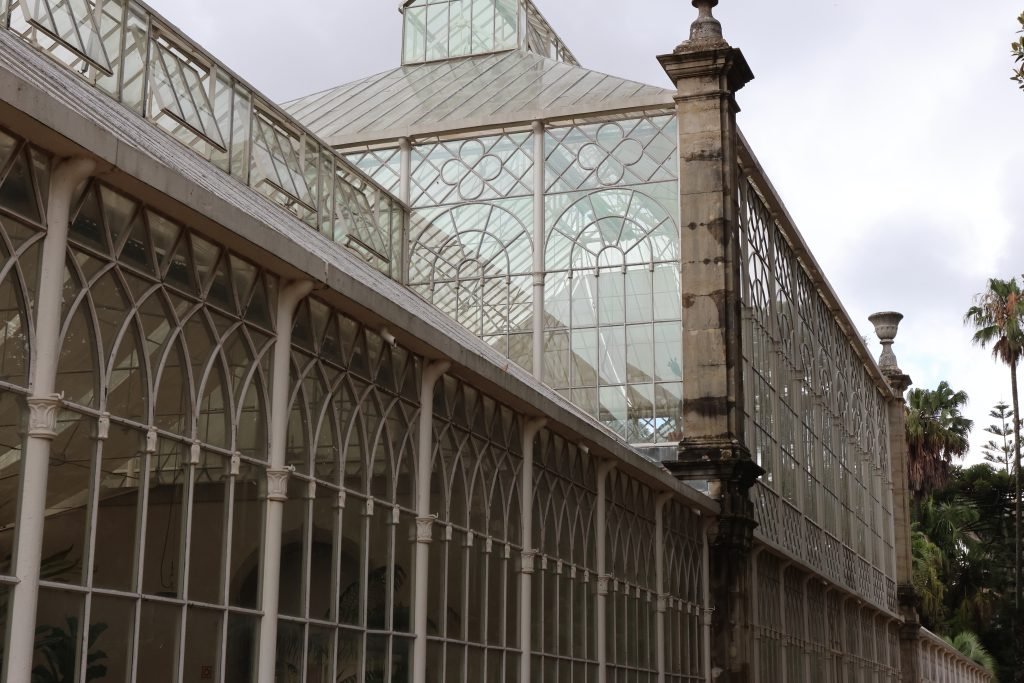
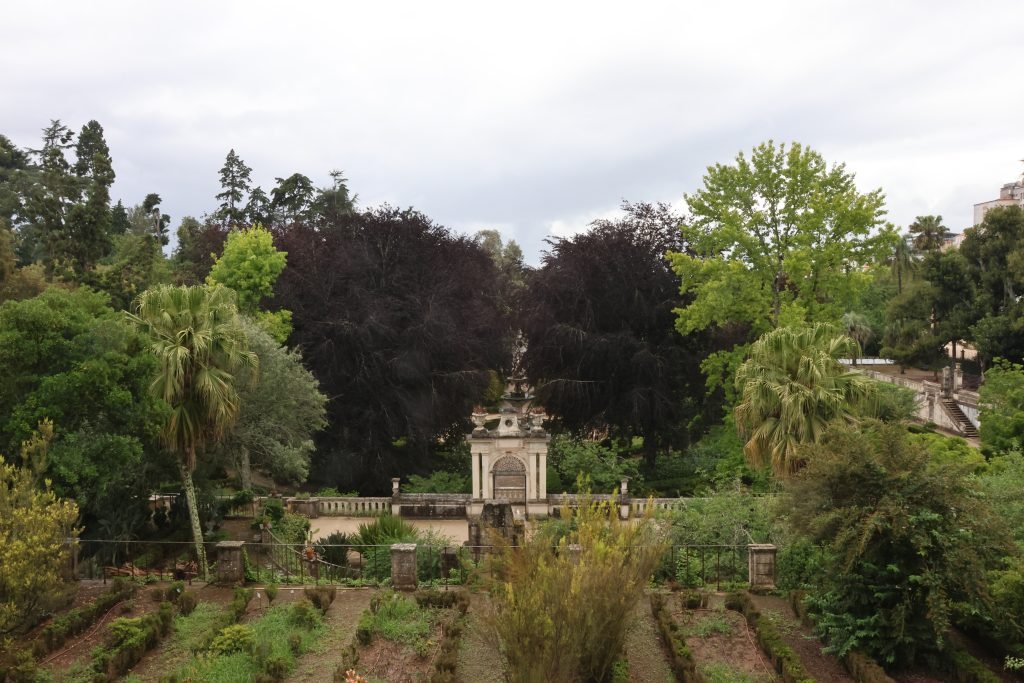
The Botanical Garden in Coimbra is truly exceptional, standing out among all the gardens I’ve visited. Spanning over 13 hectares, it feels almost endless, with winding paths that lead through an impressive collection of plants, trees, and flowers from all corners of the globe. From delicate tropical species in the greenhouses to towering native trees in the outdoor sections, every corner offers something new to discover.
The bamboo forest was a personal highlight; walking through it felt almost surreal, I loved it so much. The garden also features serene ponds, shaded seating areas, and charming stone bridges that make it a perfect spot to pause and soak in the surroundings. Despite its vast size, we couldn’t explore it all, the Botanical Garden of Coimbra is undeniably a must-visit, offering not only natural beauty but also a glimpse into the city’s scientific and educational heritage.
Fonte Dos Amores
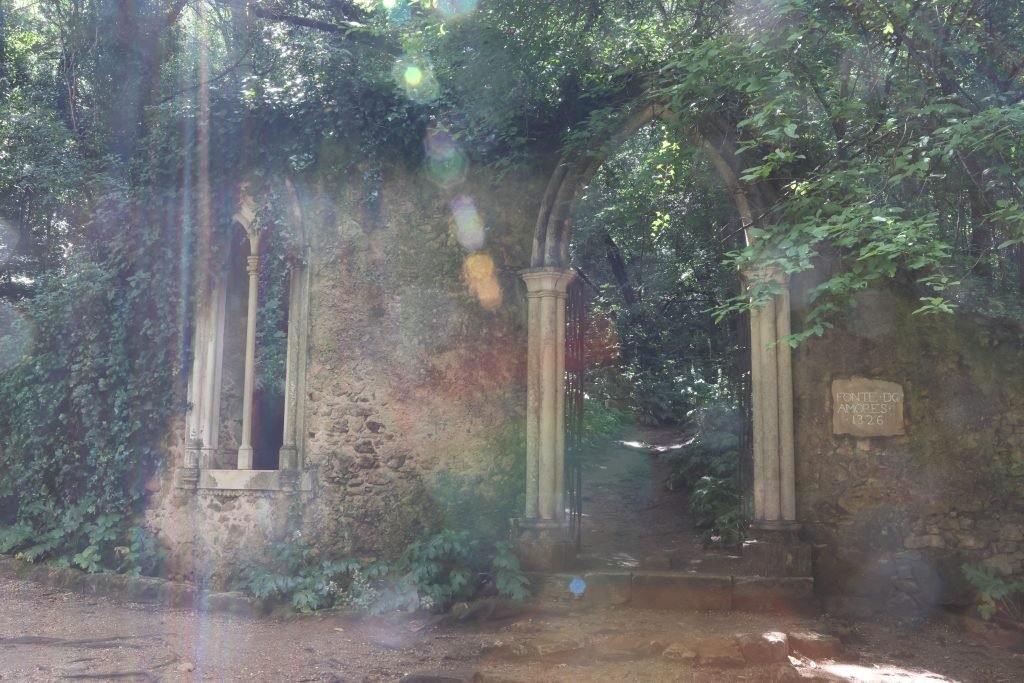
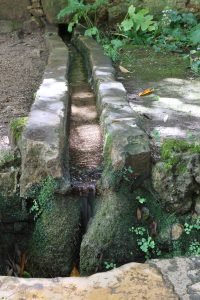
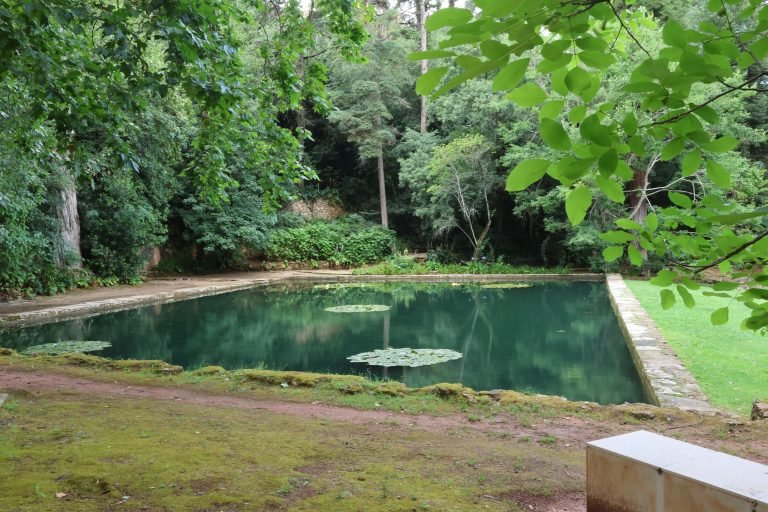
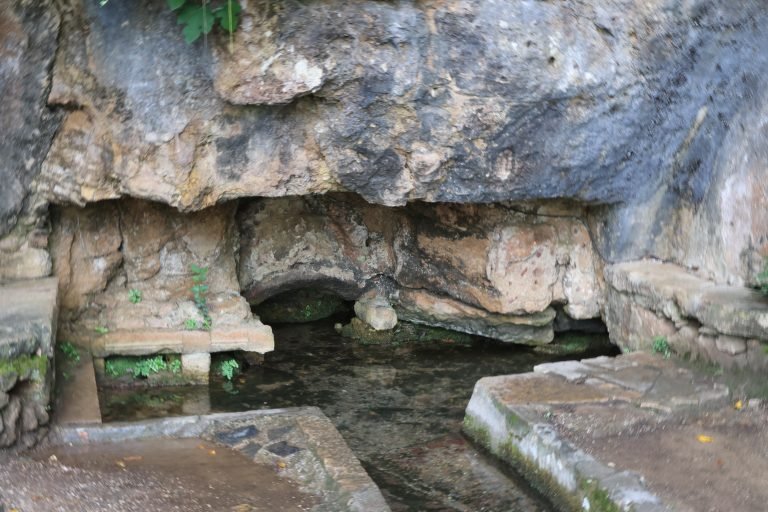
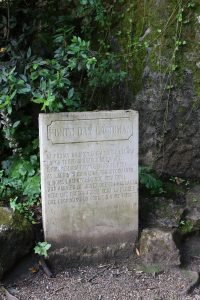
I was filled with excitement to visit Fonte dos Amores, that romantic spot where the legendary Pedro and Inês used to meet. My expectations were high, especially after paying the entrance fee. However, I must say, it was overly hyped by influencers and social media. The place is rather simple: just a window, a gate, and a small fountain, this is the Fonte dos Amores. There’s also a swimming pool or pond. It felt underwhelming, especially when I was hoping for more traces or elements of Pedro and Inês’s love story.
Pedro and Inês were a tragic royal love story from 14th-century Portugal. Pedro, heir to the throne, fell in love with Inês, a lady-in-waiting, (they use to meet in this beautiful garden), but their relationship was forbidden by his father King Afonso IV. Tragically, Inês was executed on the king’s orders, leaving Pedro devastated. When he later became king, he took a chilling revenge: he reportedly had her body placed on his throne and demanded that the nobles pay their respects, even kissing her hand, a testament to his grief and undying love.
Coimbra Old Town (Alta & Baixa)
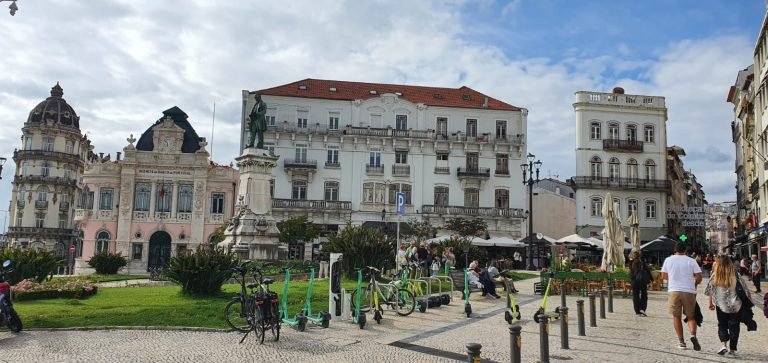
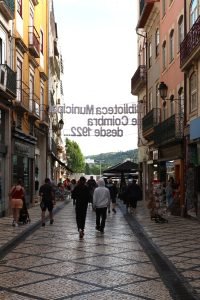

We wandered through Coimbra’s Old Town, and it was as beautiful as all the Portuguese cities we had visited, filled with old, charming architecture, cozy restaurants and cafés, and narrow, winding streets. The old town is divided into two parts: the Alta and the Baixa. The Alta, perched near the university, is steeped in history, with stone staircases, traditional houses, and quiet corners that echo centuries of academic life.
We enjoyed the Baixa the most, as it sits closer to the Mondego River. Its lively streets, riverside views, and bustling cafés make it the perfect place to experience local life and relax while taking in the city’s charm.
Best tips for Coimbra's visit
- Coimbra’s weather can be unpredictable, so it’s best to take a jacket, a raincoat or poncho at all times.
- If you’re planning to visit Fonte dos Amores, it might be best to lower your expectations. For me, it’s not a must-visit destination, as the experience might not match the hype.
- The streets come alive with numerous music performances , day and night, creating a vibrant atmosphere that adds to the city’s charm; so scrolling around the city is a good way to enjoy your stay in Coimbra.
- The botanical garden is a must-visit in Coimbra. Its vast and diverse collection of plants from around the world offers an enriching experience.
- If you are planning to visit Costa Nova, please check the weather forecast beforehand. If it is windy or rainy, it’s advisable to reconsider your plans, as these conditions can make it challenging to stop, even for a picture.
- I recommend not planning an extended stay in Coimbra. In my opinion, one day or a day and a half is sufficient to explore the city. Portugal has a wealth of attractions to offer, making it worthwhile to move on and discover more of the country’s diverse offerings.
- Where to stay: Though I’m not an affiliate, I feel compelled to share my positive experience at the hotel I stayed at in Coimbra. Initially, I had reservations after reading some reviews, but upon experiencing it firsthand, I was thoroughly satisfied. The hotel’s strategic location allowed us to explore the city without the need for transportation. The spacious and clean room, along with incredibly comfortable beds, refreshing scent of the bed linens, exceeded my expectations. The staff was exceptional, welcoming us with a colour book for my son, thoughtful card, coffee, and Nata in our room. If you’re in search of a great place to stay, I highly recommend the Tivoli Hotel. https://www.tivolihotels.com/en/tivoli-coimbra
Other Historical Cities