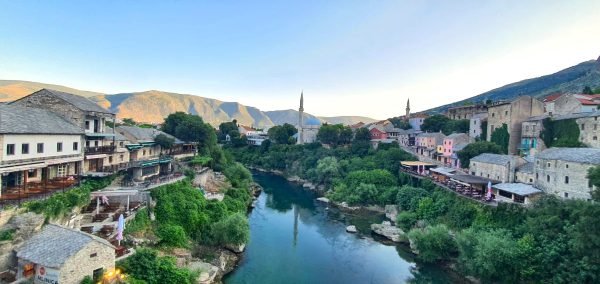
Bosnia & Herzegovina: Sarajevo
Initially, we hesitated to visit Bosnia & Herzegovina, concerned about the lingering image of its recent war and unsure about the safety conditions. Like many travelers, we carried doubts shaped more by headlines than by real experience. Yet, our curiosity about this former Yugoslavian country slowly won us over. We felt that beneath its heavy history, Bosnia & Herzegovina had much more to reveal, and we were absolutely right.
Bosnia & Herzegovina is a country where nature feels untouched and generous. Water is everywhere: emerald rivers, powerful waterfalls, natural springs, and clear lakes. Before we landed we seen green landscapes stretch endlessly, from rolling hills and dense forests to dramatic mountains, making the country feel alive and deeply refreshing. It’s one of those places where you constantly want to stop the car, just to admire the view.
But Bosnia is not only about scenery. It’s a land shaped by layers of history and cultures, where Ottoman influences blend with Austro-Hungarian architecture, and where mosques, churches, and synagogues often stand just minutes apart. This mix gives the country a unique soul, complex, resilient, and quietly powerful.
Our visit turned out to be an extraordinary journey through a land of raw beauty and rich culture. The landscapes were breathtaking, the food was delicious and full of flavor, (the best rosted lamp you can have) and the people were genuinely warm and welcoming. Bosnia & Herzegovina surprised us in the best way possible, calm, authentic, and far more beautiful than we ever expected.
What you can see in two days in Sarajevo?
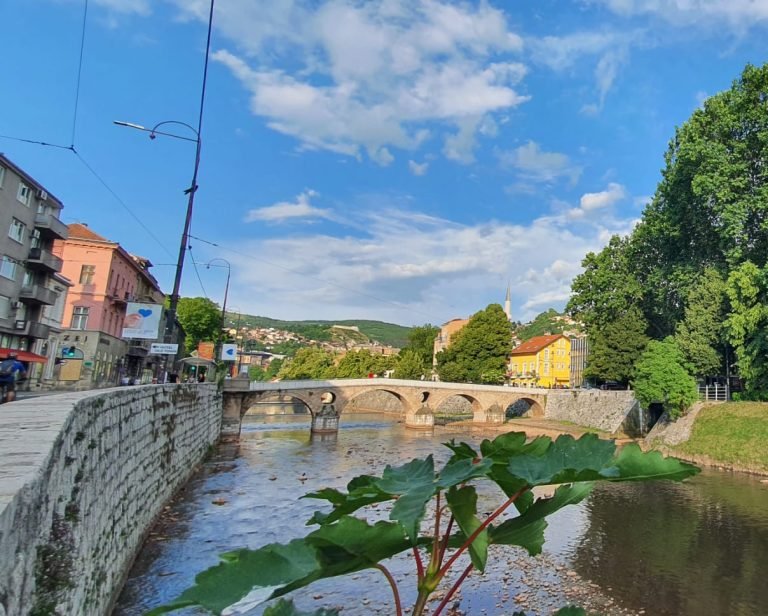
The Latin Bridge
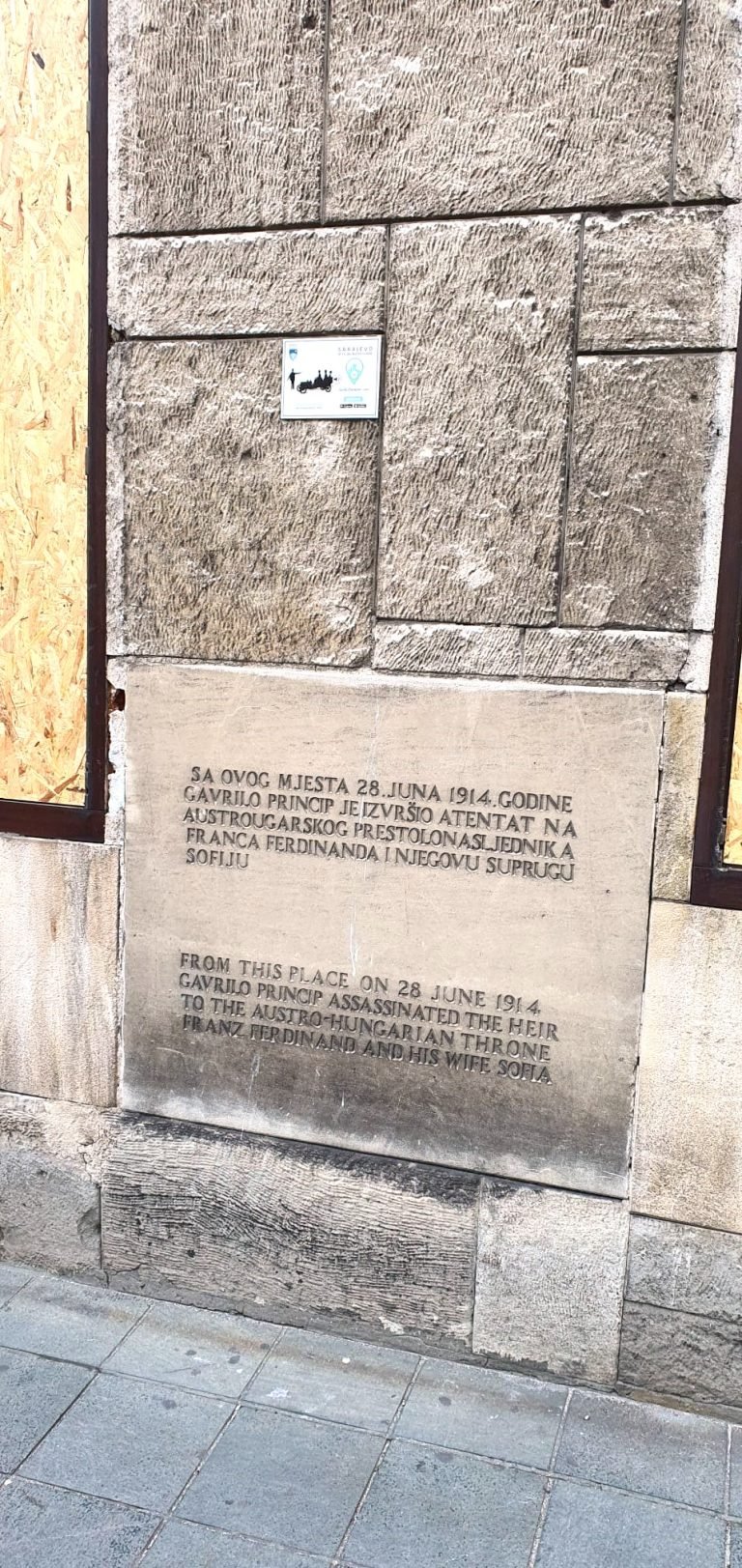
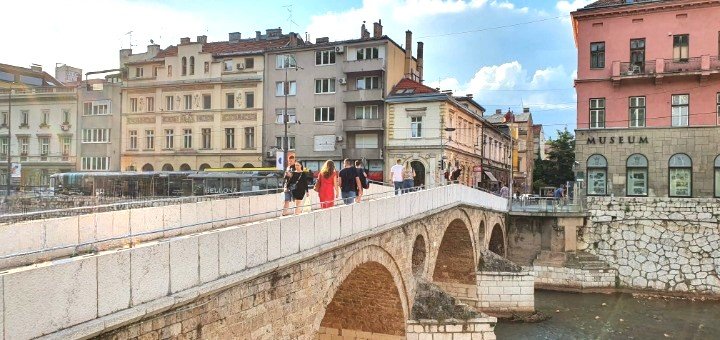
The Latin Bridge in Sarajevo is a must-visit place, as it witnessed a pivotal moment in history. In 1914, the assassination of Archduke Franz Ferdinand and his wife, Sophie, occurred here. This event, known as the Sarajevo Assassination, had global consequences and sparked the beginning of World War I.
Walking by the bridge felt strangely powerful. It’s hard to describe the feeling of standing in a place where something so small in scale, one street, one moment, had such enormous global consequences. The world suddenly felt incredibly small. I couldn’t help but think back to history lessons in middle school, remembering my teacher explaining these events, never imagining that one day I would be standing right there, seeing it with my own eyes.
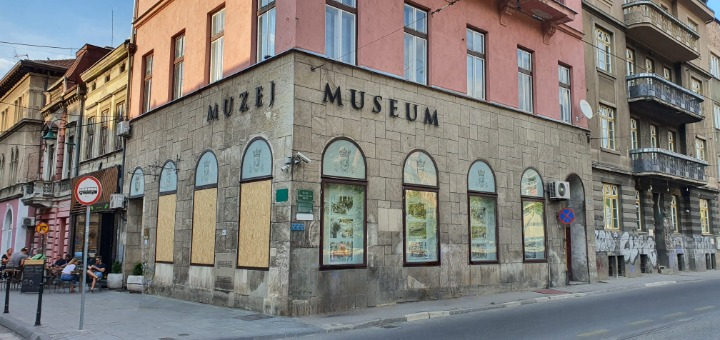
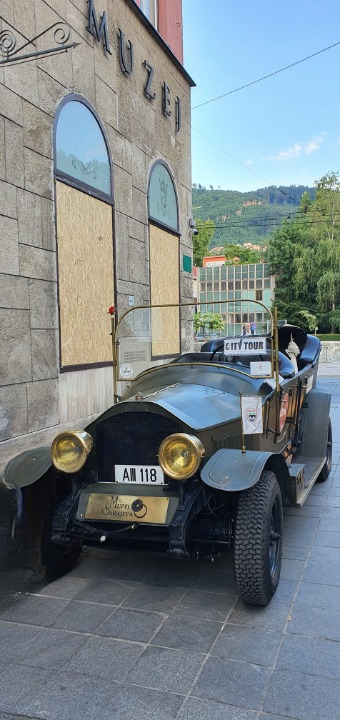
For those who want to dive deeper, you can visit the nearby museum to learn more about the assassination and its impact, or join a city tour in a vintage car, which is a charming way to explore Sarajevo while hearing the stories that shaped this fascinating city.
Gazi Husrev Beg Mosque
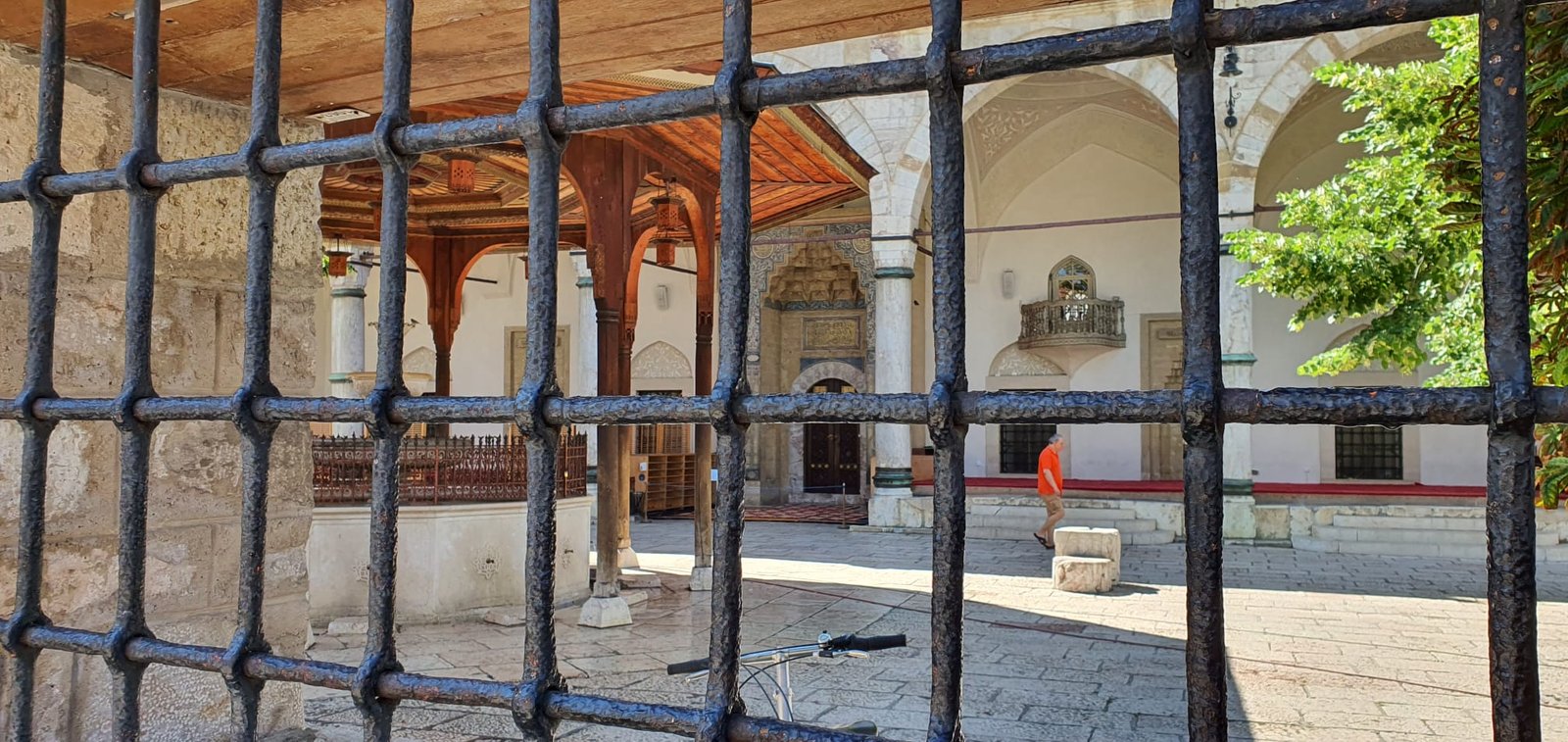
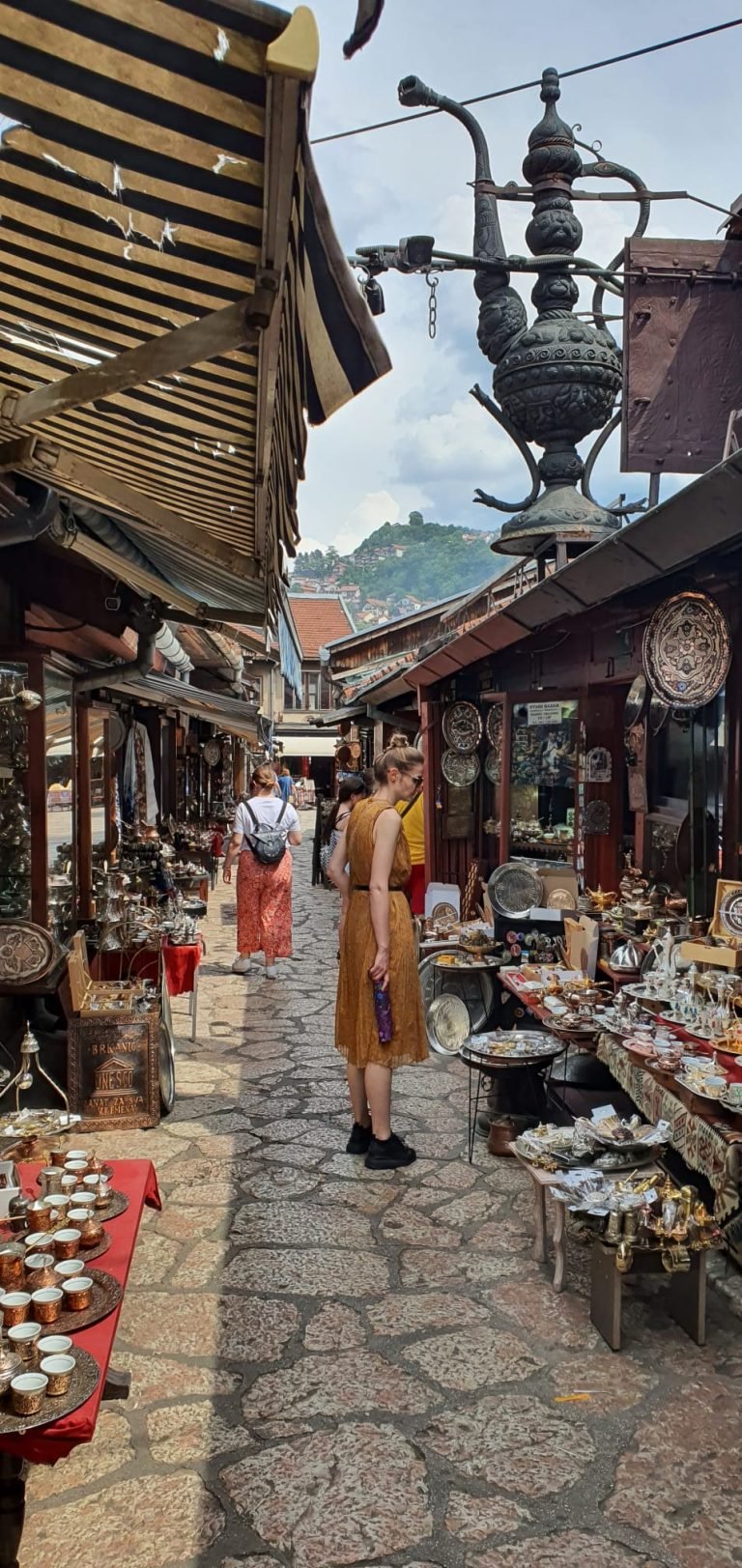
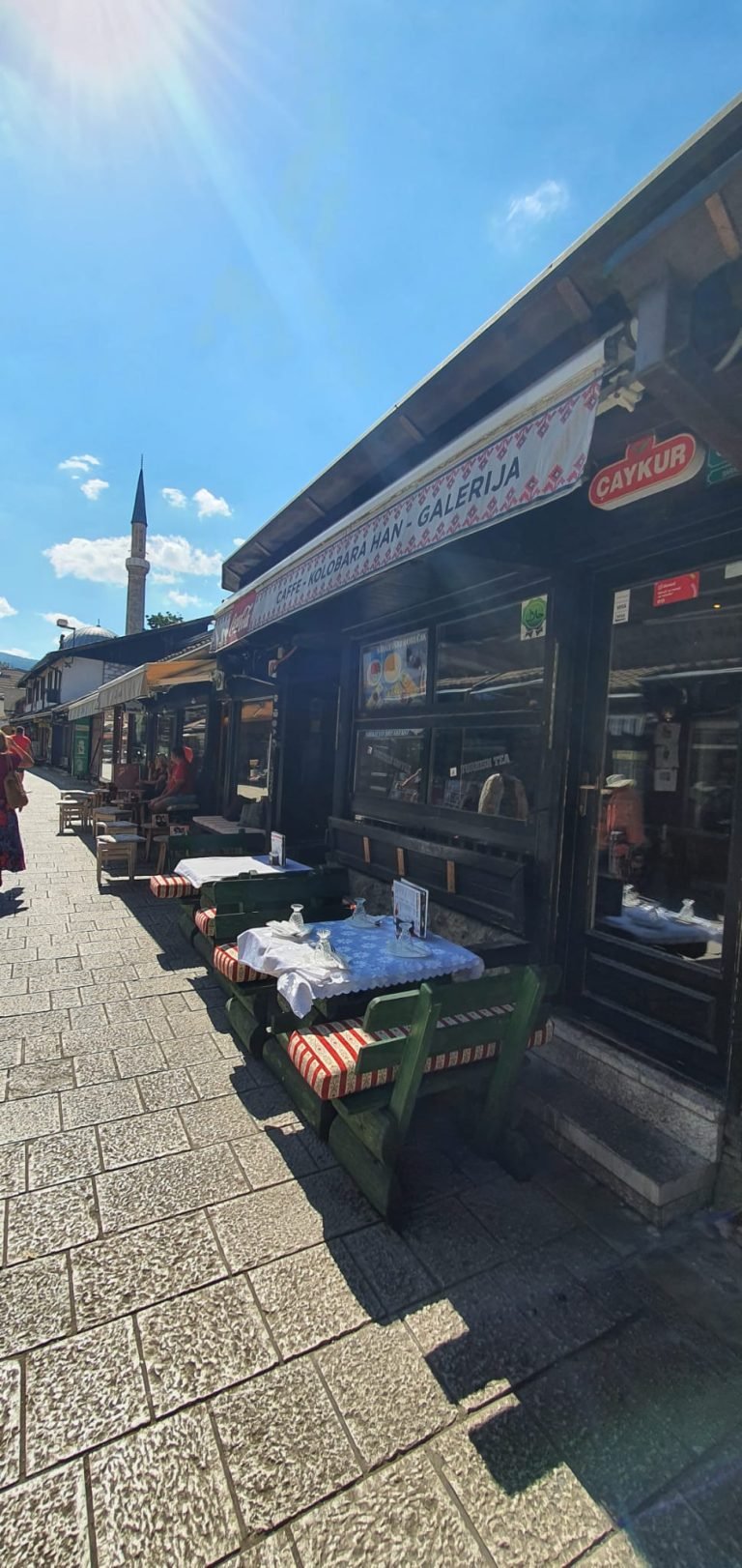
The Gazi Husrev-beg Mosque, the oldest historical mosque in Bosnia, is located in Bascarsija, the old town of Sarajevo. This significant landmark not only serves as a place of worship but was designed as a center of daily life. It has a school (madrasa), a hammam, and the historic covered market known as Bezistan, which once played a key role in Sarajevo’s trade. Walking through the area, you can still feel how everything was thoughtfully connected, religion, education, commerce, and community all existing in harmony.
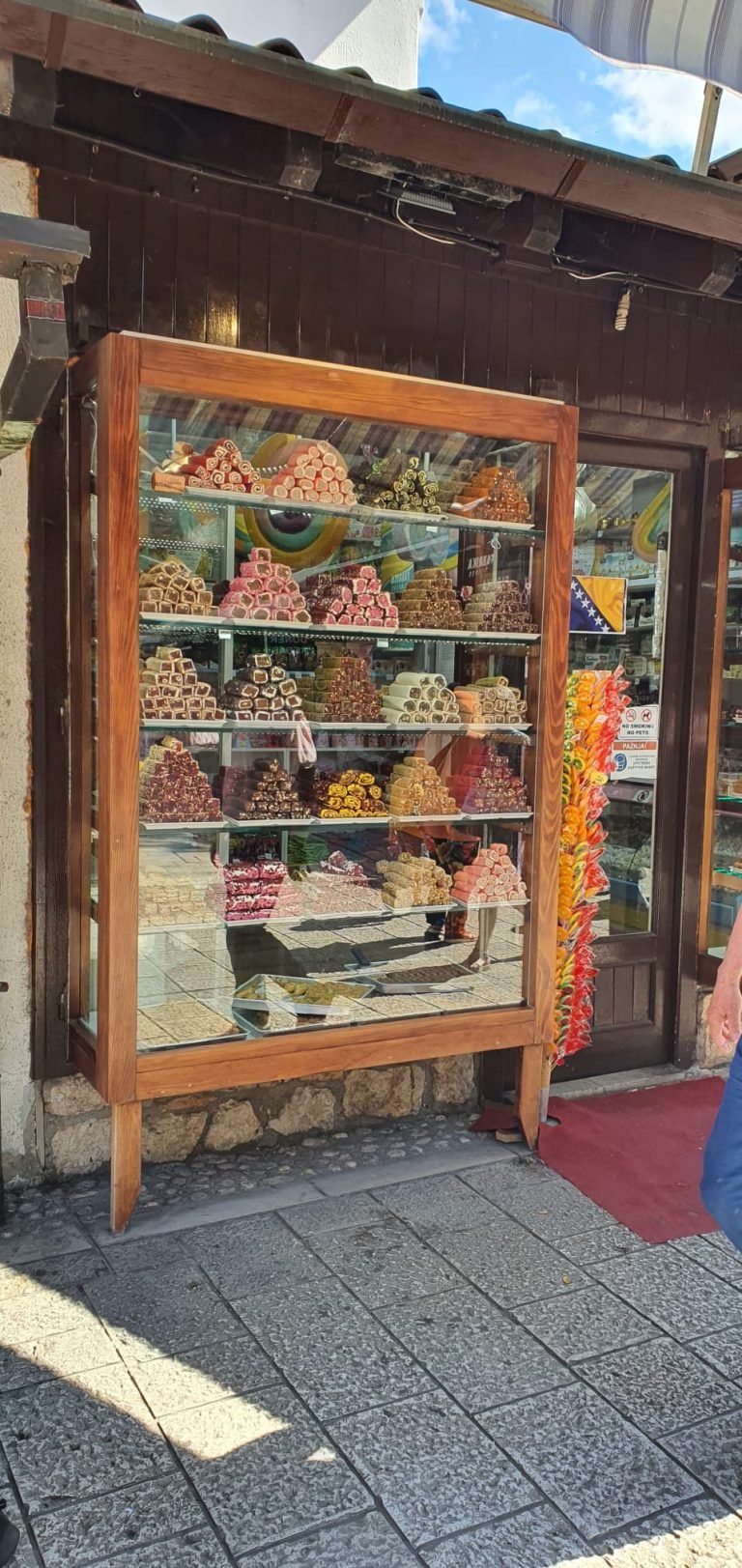
Walking around the area of the mosque, it’s easy to feel momentarily confused, as if you’ve somehow ended up in Istanbul or one of Turkey’s old cities. The Ottoman traces are everywhere, from the architecture and stone details to the layout of the streets and the rhythm of daily life. It makes perfect sense, of course, as the Ottomans were present here for centuries, leaving a deep and lasting imprint on Sarajevo.
Sebilj
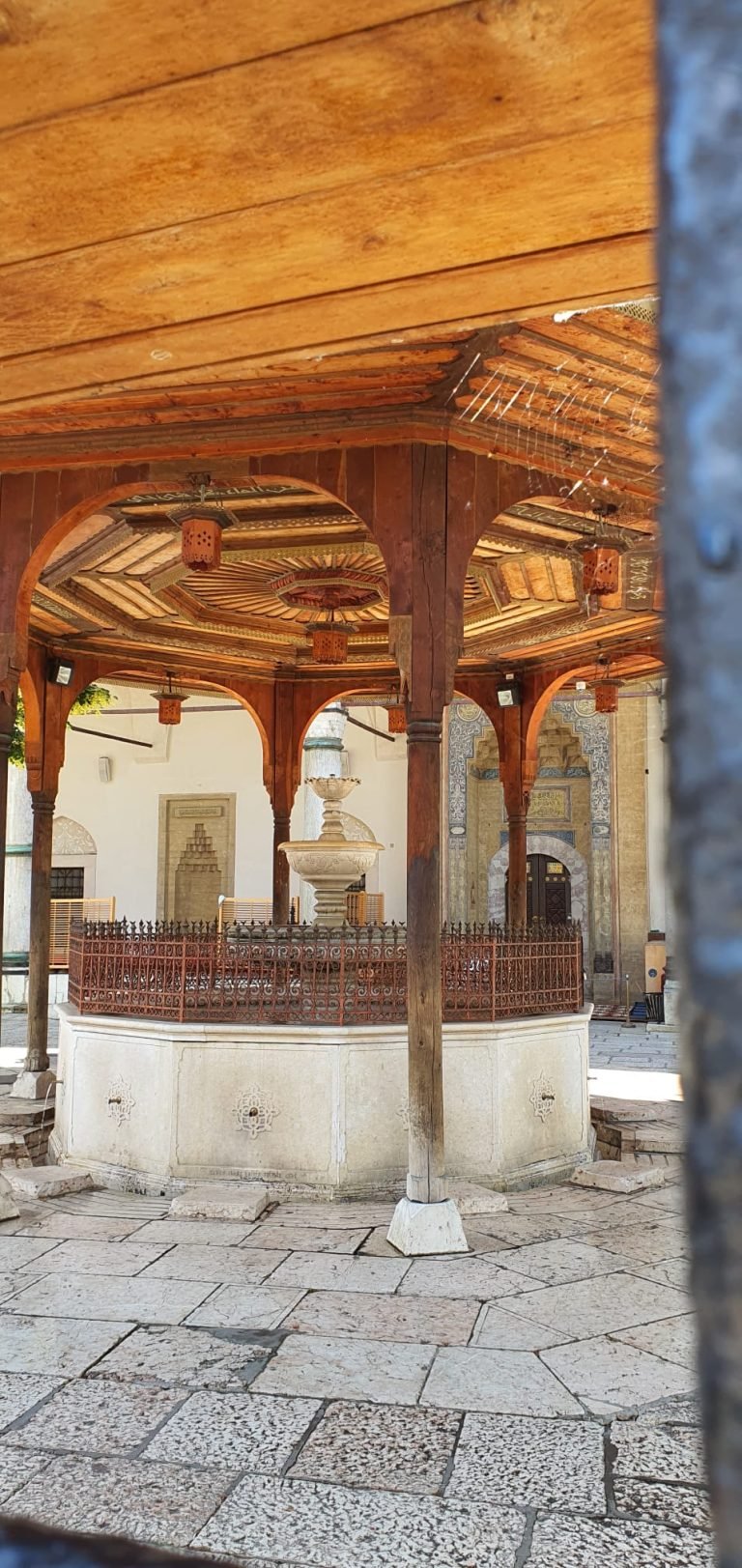
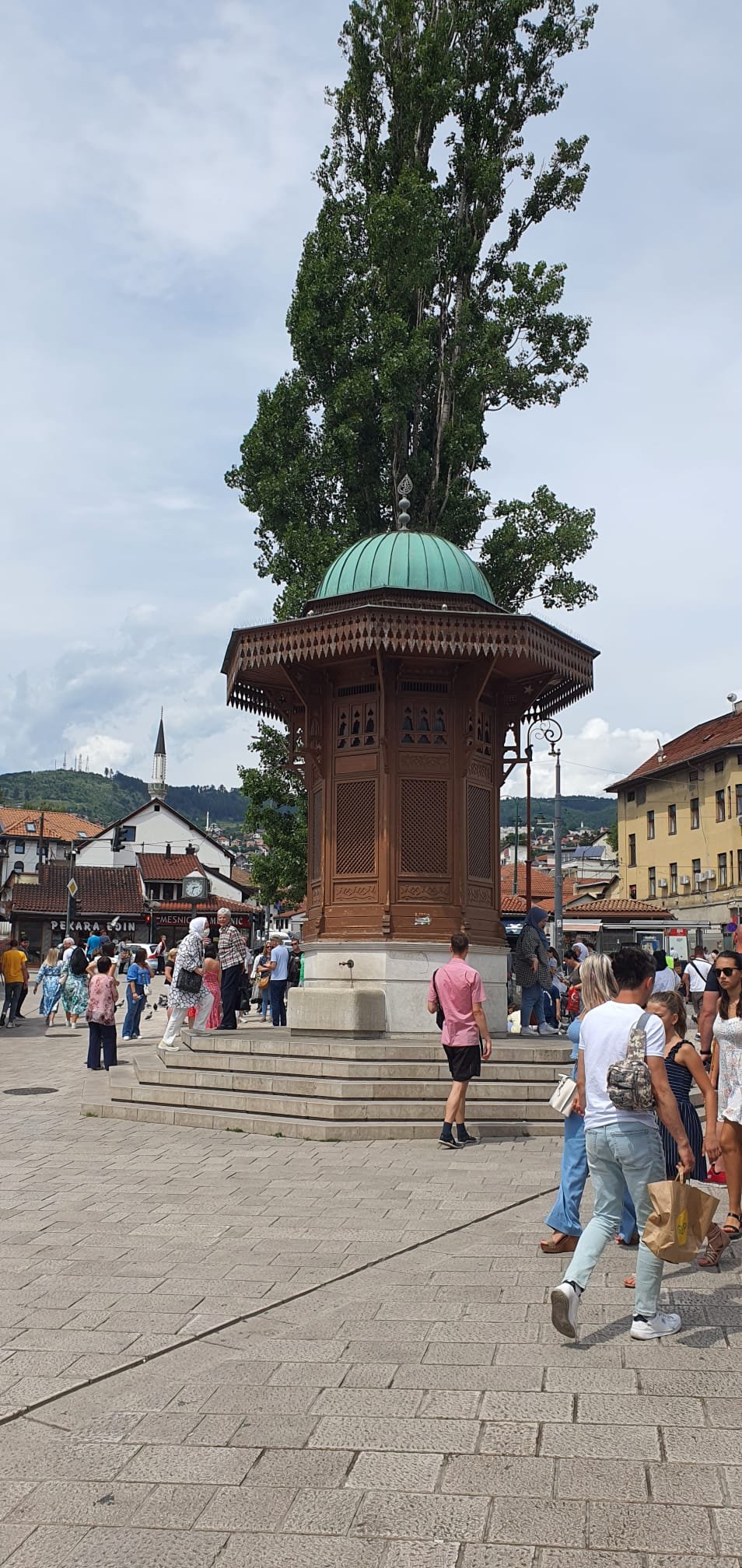
Sebilj is a historic wooden fountain situated in Baščaršija, the old town market of Sarajevo. This picturesque fountain is a symbole of the ottoman heritage and a popular gathering spot for locals and tourists as it is surrounded by bustling markets and cafes.
Legend has it that everyone who drinks from the fountain will return to Sarajevo (hopefully will do)
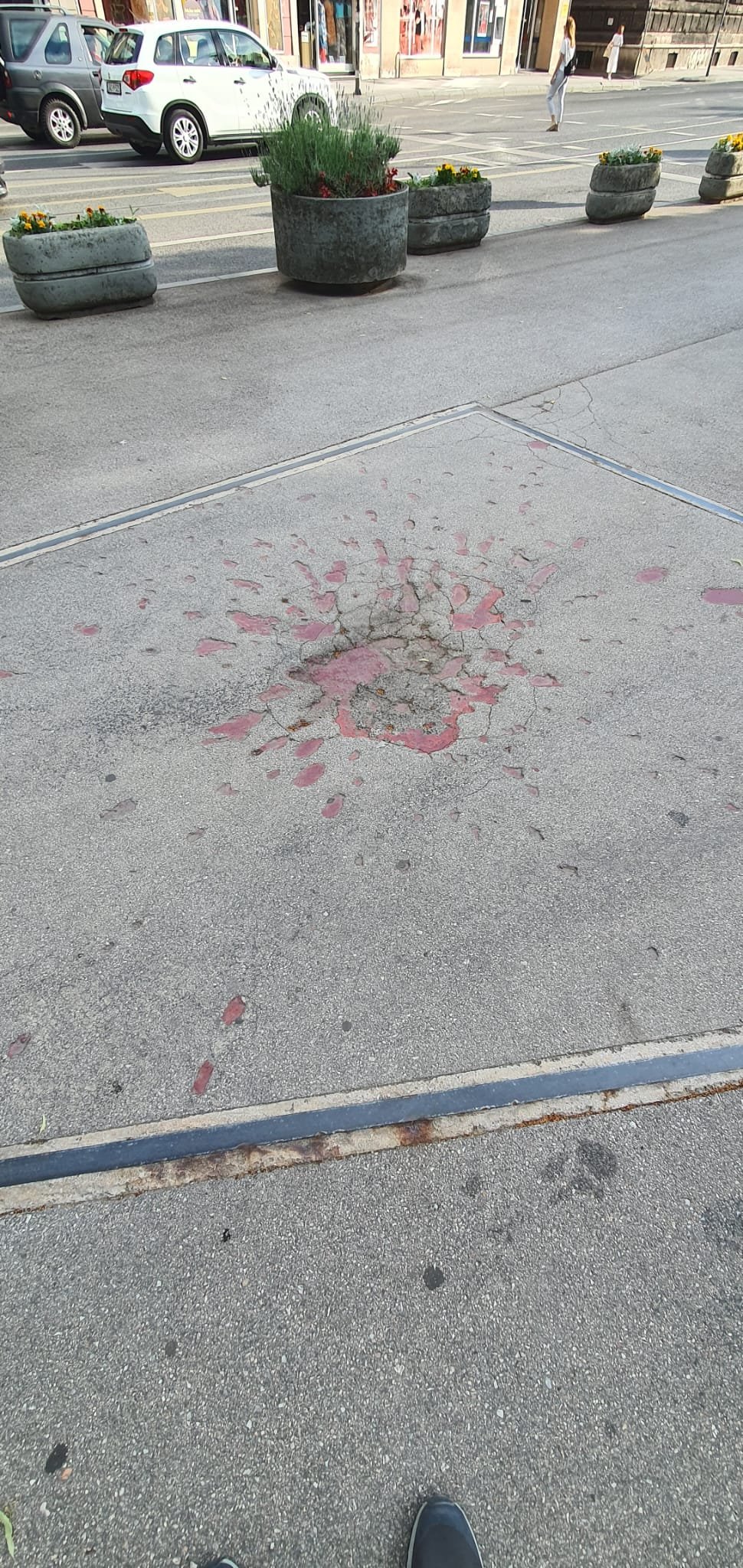
Sarajevo Roses
The name “Sarajevo Roses” serves as a powerful reminder of the devastation and human cost of the Bosnian War. These are the scars left on the streets of Sarajevo, created by mortar shell explosions during the siege. The cracks were later filled with red resin, marking the exact spots where people lost their lives.
As you walk through the city, you may pass them without noticing at first. But once you do, they stop you in your tracks. Ordinary streets suddenly turn into places of memory, quietly commemorating the victims and a reminder that Sarajevo’s history is not only written in books, but etched into the ground itself.
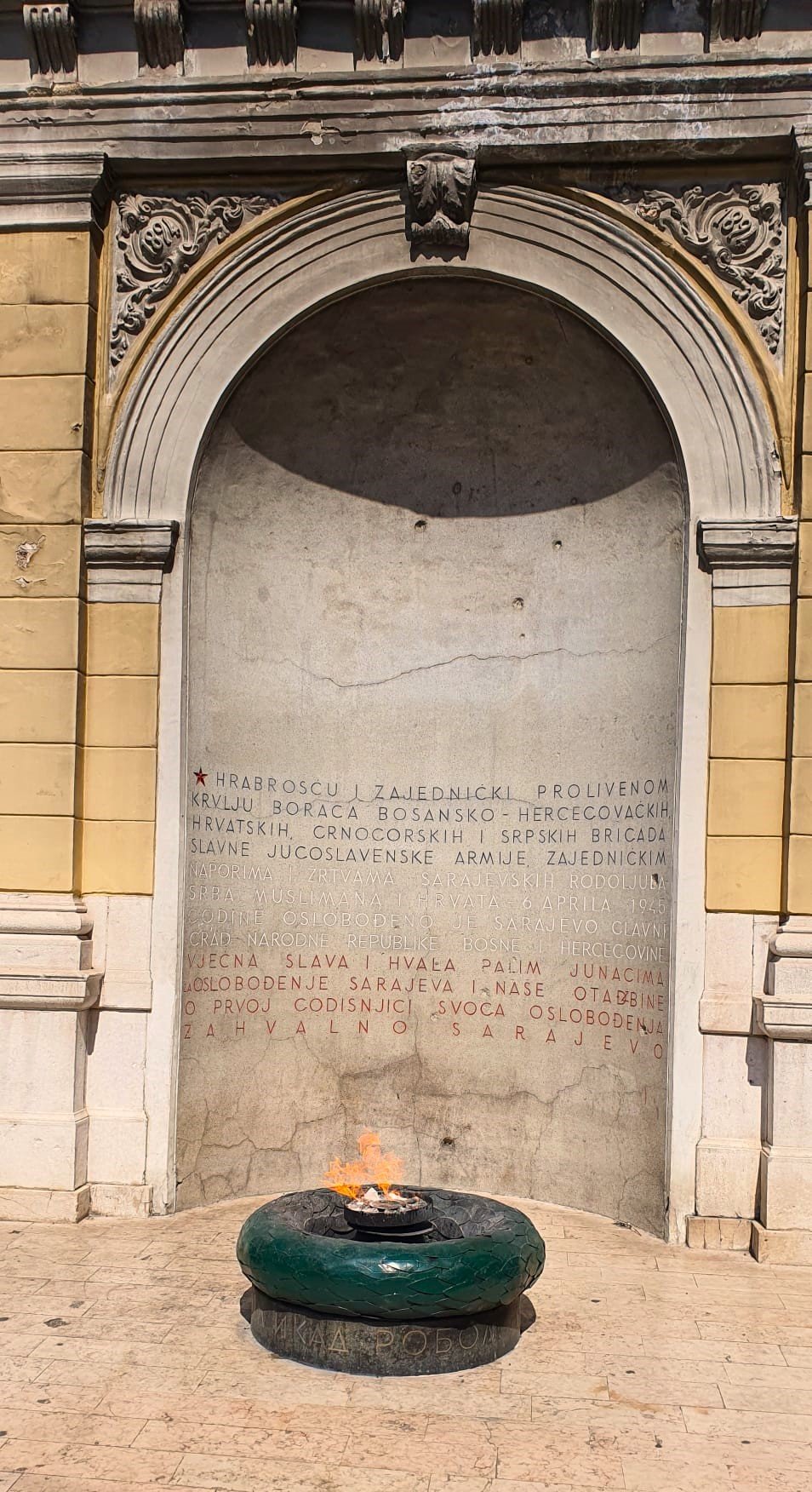
Eternal Flame
The Eternal Flame is a solemn memorial dedicated to the military and civilian victims of the Second World War in Sarajevo. Located in the heart of the city, the flame burns continuously as a reminder of sacrifice, resilience, and the heavy history Sarajevo has endured.
Standing there, even briefly, you feel the quiet weight of remembrance, a small but powerful pause amid the movement of the city, reminding visitors that Sarajevo’s story is deeply marked by survival.
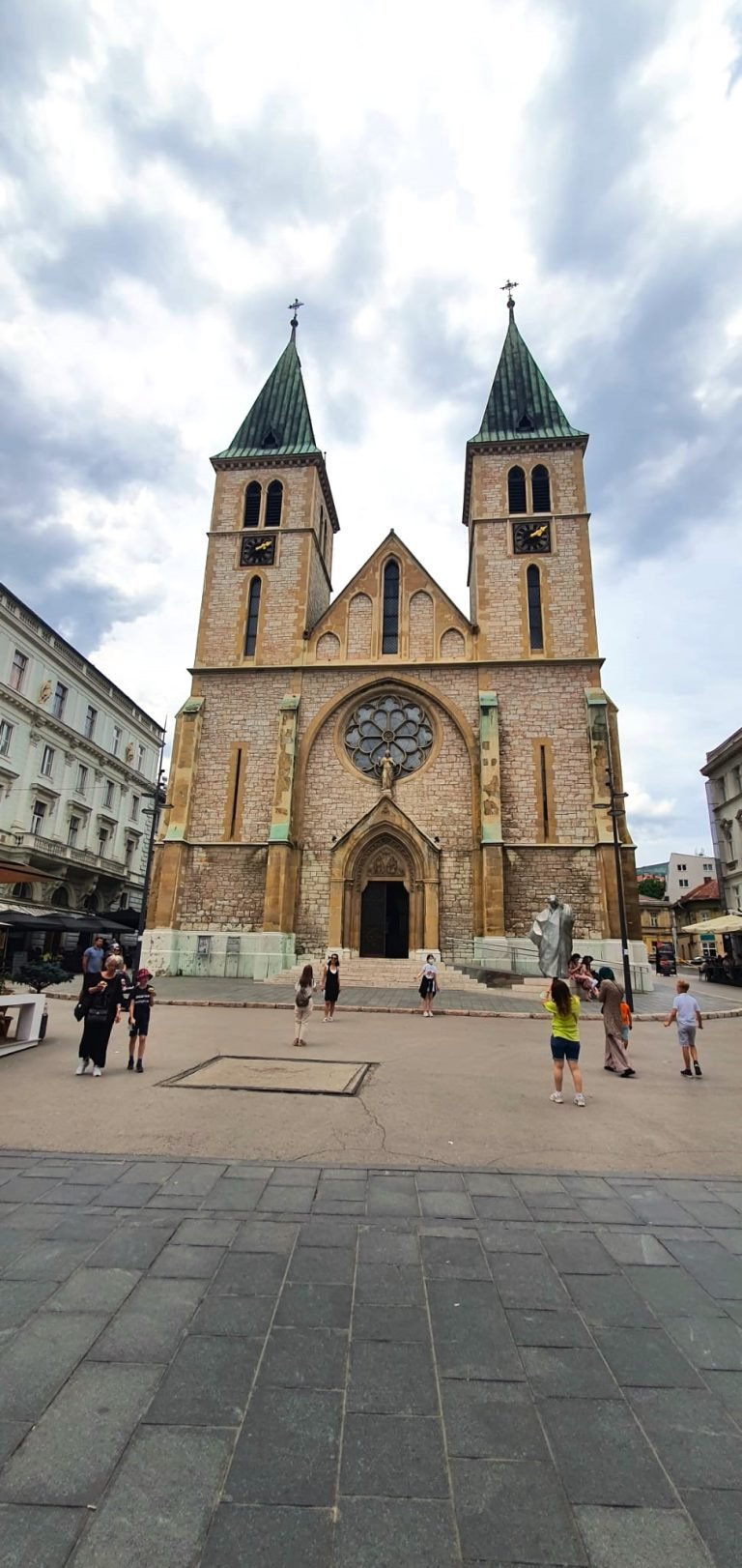
Sacred Heart Cathedral
The Sacred Heart Cathedral is one of Sarajevo’s most recognizable landmarks and the main Catholic church in the city. With its elegant neo-Gothic façade and twin towers, it stands gracefully along the lively Ferhadija Street. Surrounded by coffee shops and restaurants, and opening onto a spacious plaza, the area feels welcoming and full of life. We stopped here for a coffee break and really enjoyed simply sitting, watching the city move around us.
Despite the bustle, the cathedral feels like a gentle pause in the rhythm of Sarajevo.
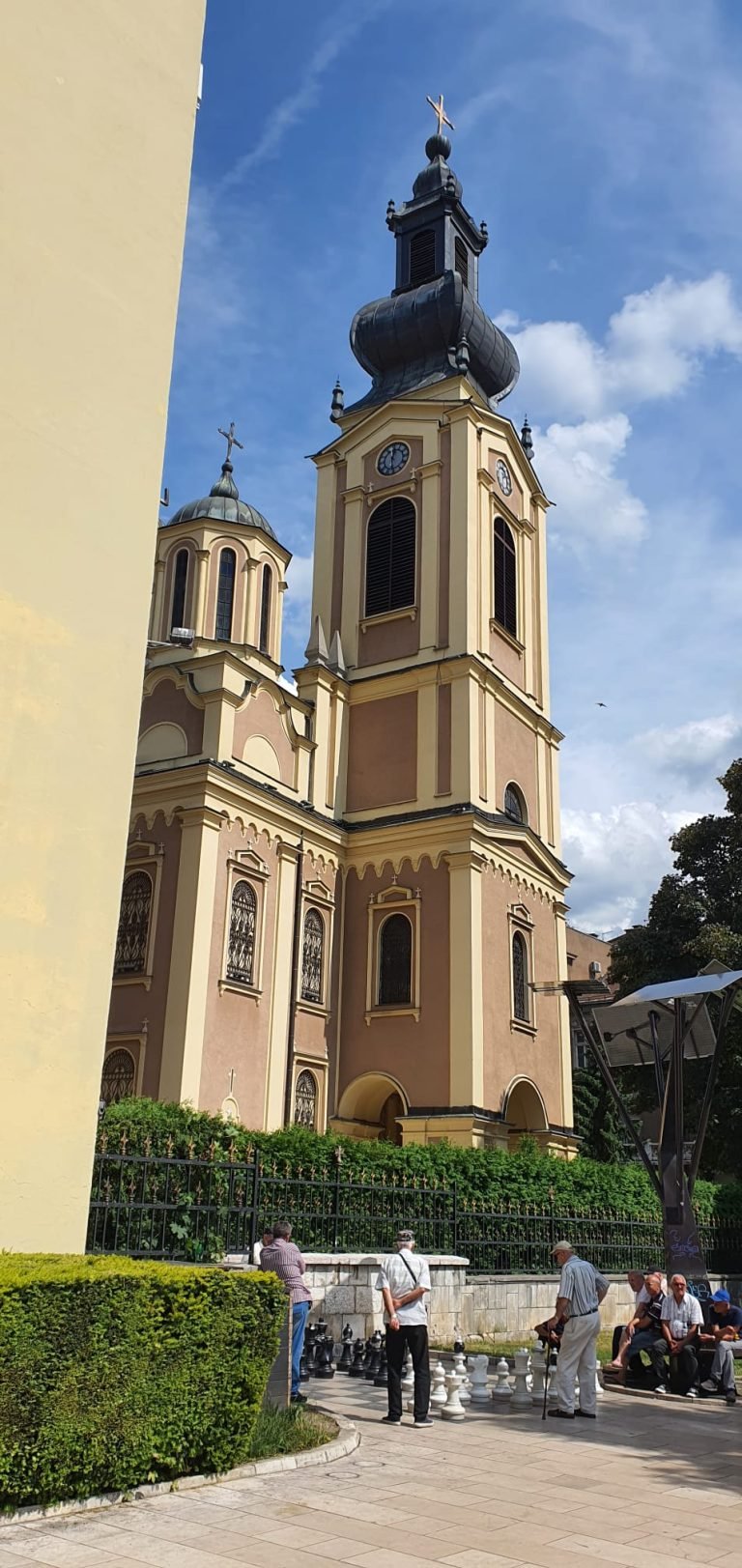
Cathedral Church of the Nativity of the Theotokos
The Cathedral Church of the Nativity of the Theotokos is the main Orthodox church in Sarajevo and a beautiful testament to the city’s religious heritage.
When I first saw the Cathedral Church, I didn’t even realize it was a cathedral, until I spotted the cross atop its roof. At first glance, the windows and overall shape made it look more like a public building or perhaps a cultural hall. But the beautiful domes immediately caught my eye, hinting at the grandeur inside. We didn’t visit the interior, but even from the outside, it’s clear that it must be stunning, radiating a sense of history, faith, and tradition that adds another layer to Sarajevo’s remarkable cityscape.
More to explore
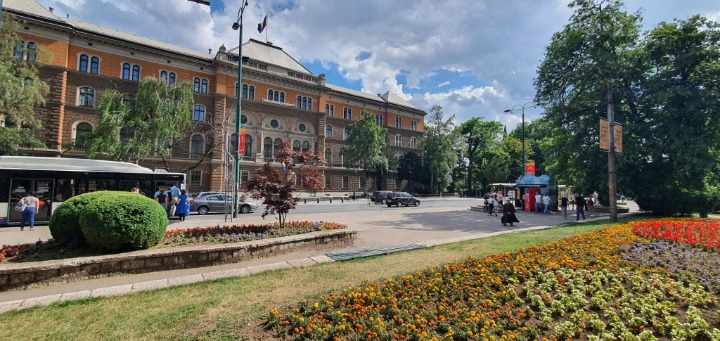
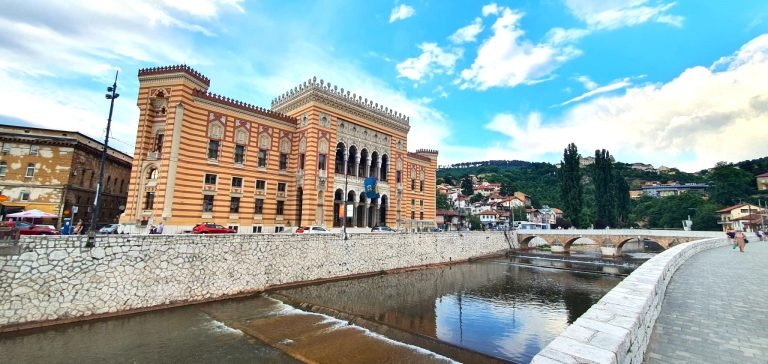
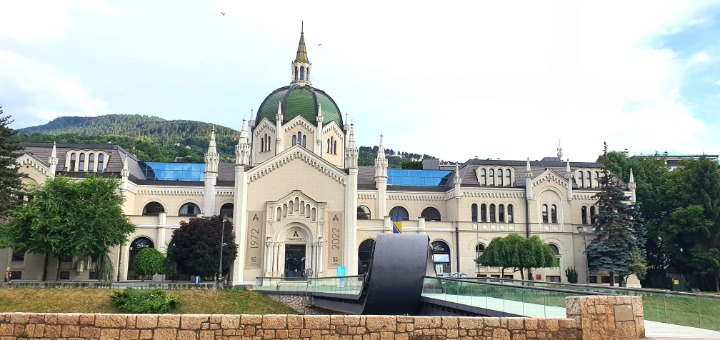
There is so much to explore near downtown Sarajevo, and one of the best things is that everything is within walking distance from Bascarsija. You can wander through museums like the National Museum or the War Childhood Museum, admire Sarajevo City Hall (Vijecnica), and even arrange a guided tour of the Presidency Building. Modern malls, lively markets, and charming streets filled with cafés and shops make the city feel alive, while parks like Yellow Fortress (Žuta Tabija) and Vrelo Bosne offer peaceful escapes. Walking along the Miljacka River is another delight, providing a calm stroll amidst the city’s rhythm, it is so nice in the late afternoon till sunset. Sarajevo may feel compact, but it’s full of surprises around every corner, from hidden artisan shops to cozy cafés where you can pause and watch the city unfold.
If you’re interested in history, a visit to the Tunnel of Hope, also called the Salvation Tunnel, is highly recommended. This underground passage played a crucial role during the Bosnian War, allowing food, medicine, and supplies to reach the city when Sarajevo was cut off. I’m usually not a fan of visiting war sites or seeing reminders of tragic history, but this experience is powerful and eye-opening, offering a deep understanding of the city’s resilience and the courage of its people.
Sarajevo Cable Car
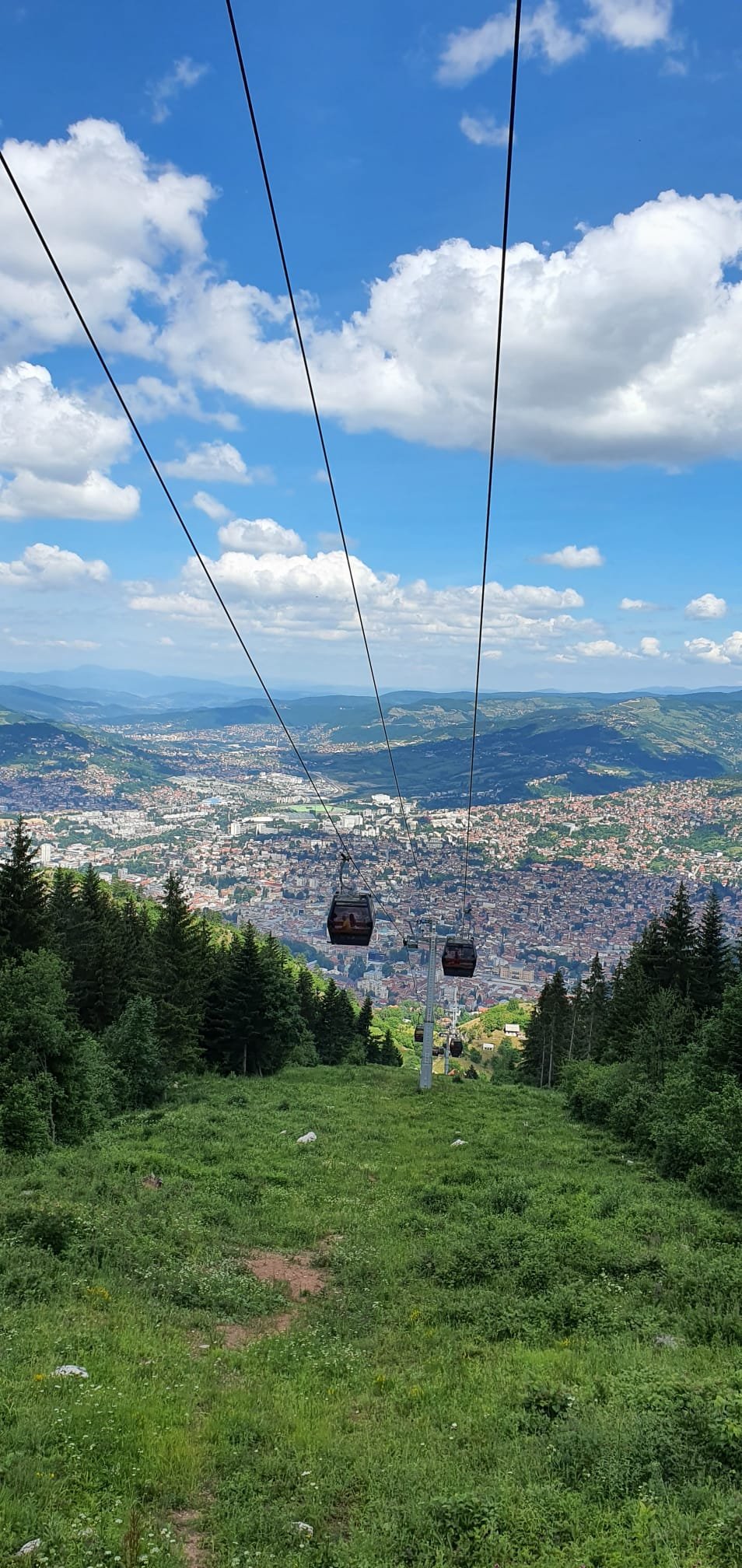
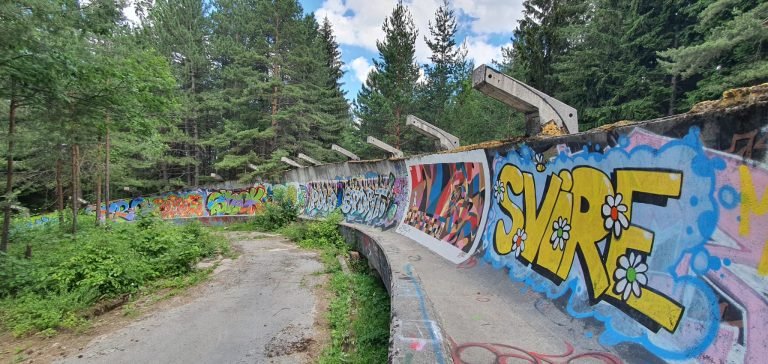
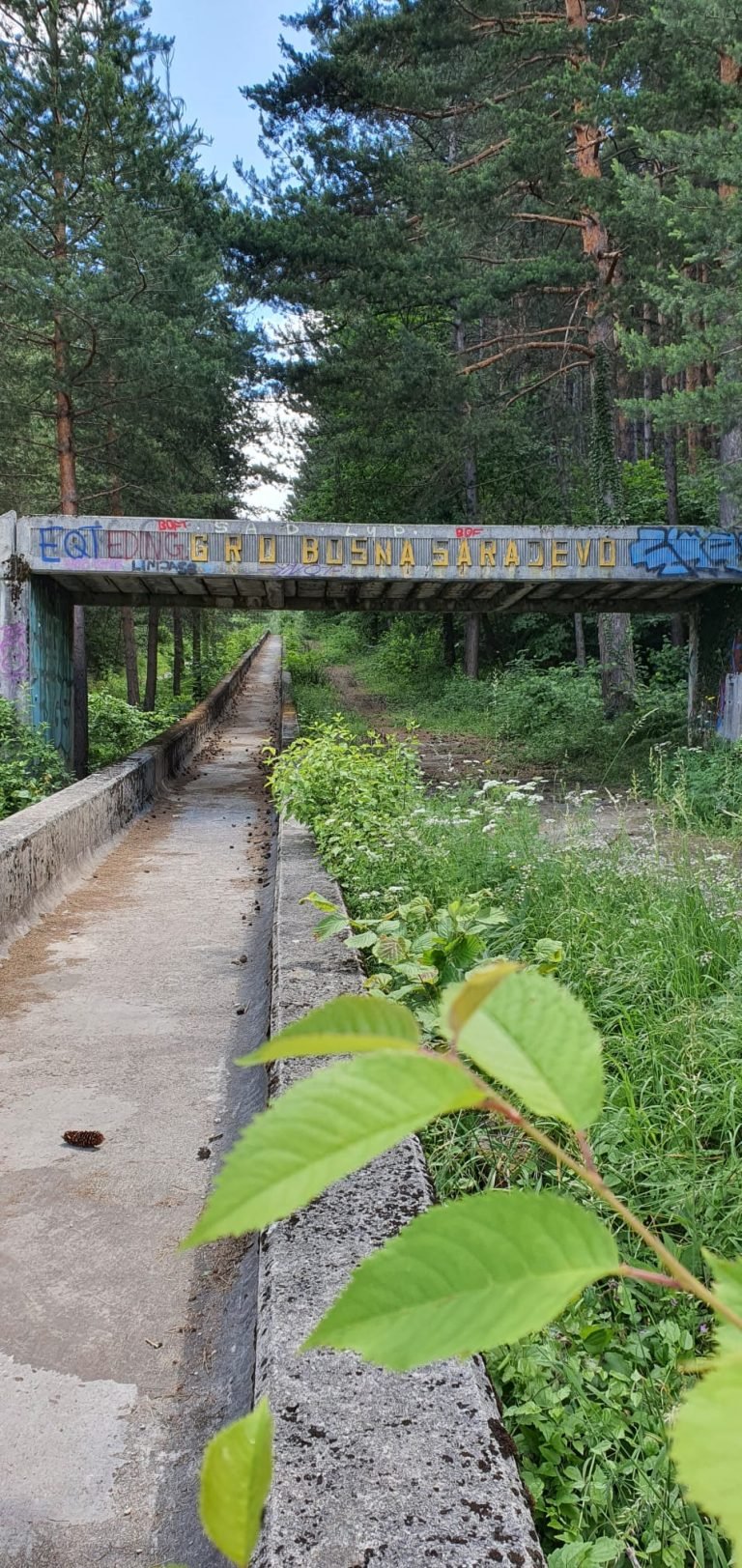
For a completely different perspective of the city, the Sarajevo Cable Car connects the city center with Trebevic Mountain, offering breathtaking panoramic views of Sarajevo and the lush green landscapes below. At the top, there are plenty of outdoor activities, you can hike, have a picnic, or explore the remains of the 1984 Winter Olympics bobsled track, a fascinating piece of the city’s sporting history.
We tried walking down the city along the bobsled track, but eventually reached a point that felt too dangerous for our son, so we returned to the main road instead. Along the way, we saw others bring their bikes up on the cable car, then cycle down while enjoying the mountain from a thrilling perspective. I highly recommend this trip, just bring water, snacks, and maybe a picnic to fully enjoy the fresh mountain air and the incredible views. Trebevic Mountain is a perfect escape from the city that gives a unique view of Sarajevo’s beauty and resilience.
Tips for your visit to Sarajevo:
- Currency: You can exchange the Bosnian Convertible Marks at exchange offices located at the airport or in the city center, as it is good to have some cash with you even if credit cards are widely accepted.
- Transportation: You don’t need transportation in Sarajevo, as most attractions are within walking distance.
- Stroller: If you are travelling with a little one you definitely need a stroller, for more travel with kids tips click here
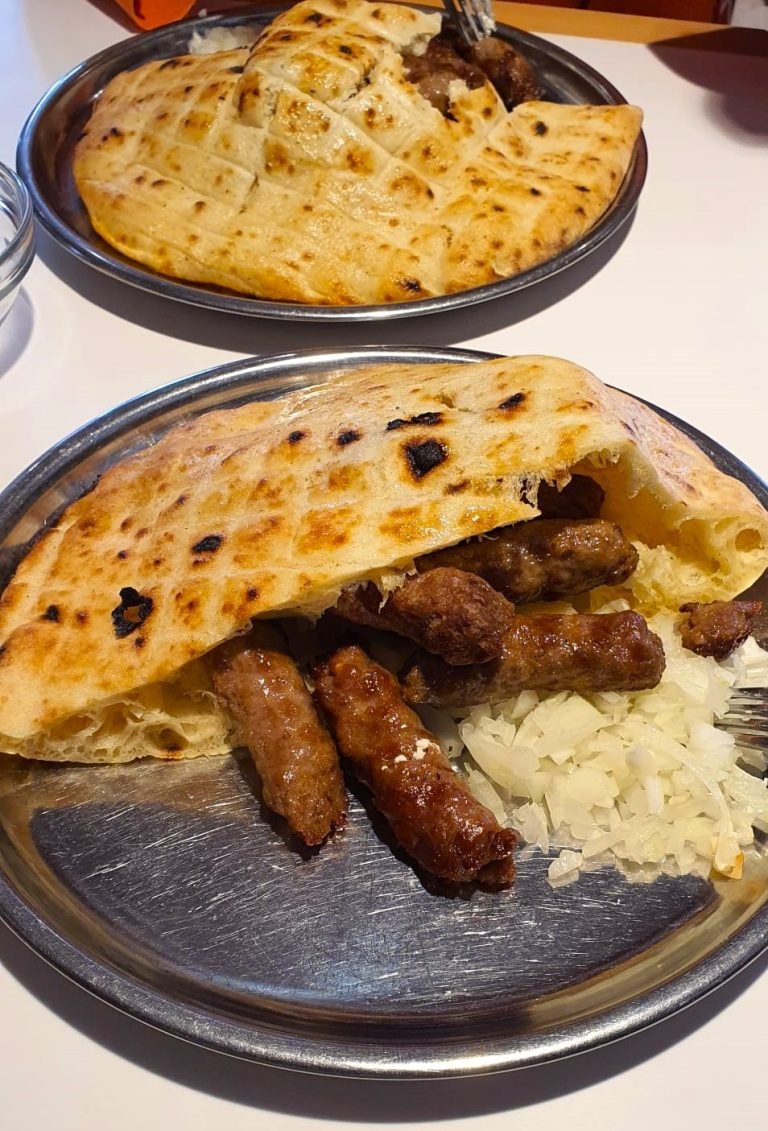
- Food: indulge yourself in the local cuisine especially Kebab, I highly recommend Cevabdzinica Zeljo, it was recommended by our host and it was really delicous.
- Water: Carry a refillable water bottle and refill it from Sebilj or near the mosque in Baščaršija, where you can find fresh, cool water. If you need a water bottle, check out this
- Trebevic Mountain: When visiting Trebević Mountain, make sure to wear comfortable shoes and carry water at all times. You can even bring your own food and have a picnic, as the area is very scenic. If you decide to hike back down to the city through the forest, be aware that the trail can be challenging. While it starts off well, it becomes risky at certain points. Some locals advised us that it might be unsafe for us since we were with a child. It’s better to take the main road back to the city and be cautious of cars, or simply take the cable car back down.
Visit Also in Bosnia & Herzegovina