Who hasn’t heard of Munich? It’s one of those cities that almost everyone dreams of visiting. Between the iconic BMW Museum, the nearby fairy-tale castles, and the world-famous Oktoberfest, I had heard so much about it over the years that I couldn’t wait to finally see it for myself. We visited during Christmas, which made it even more special. I’ve always had a soft spot for Christmas markets, so experiencing them in Munich was something I had been looking forward to for a long time.
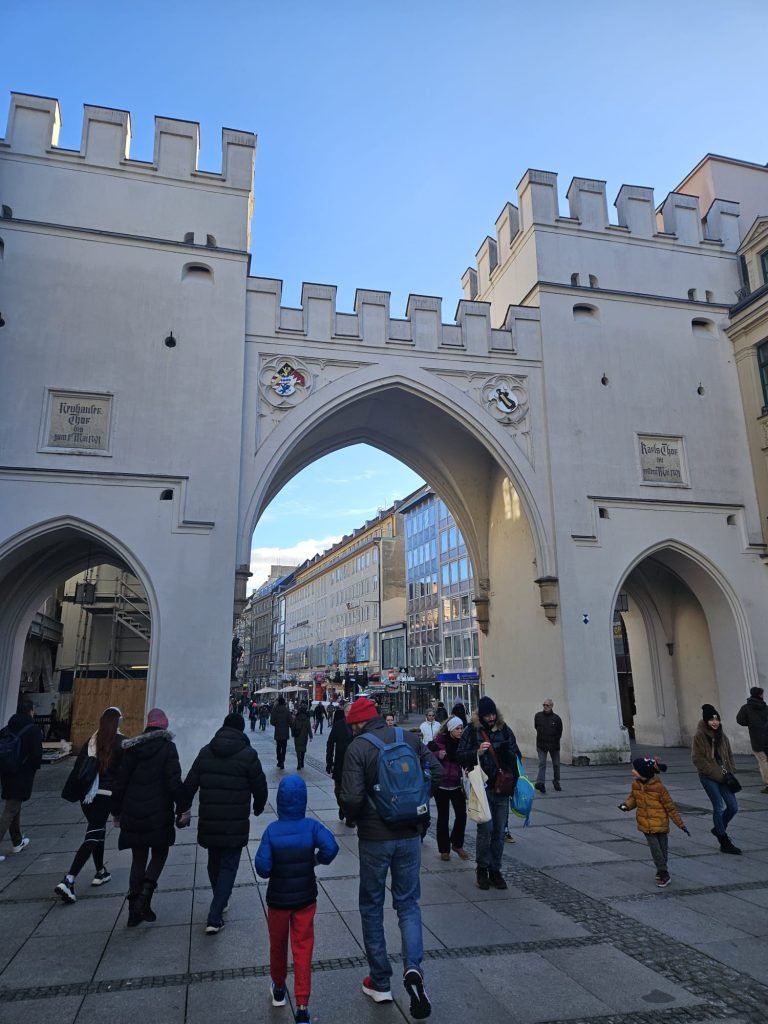
I began my walking tour in Munich late in the afternoon, right as the streetlights flickered on and the city started to glow. My first stop was the iconic Karlstor (the Karl’s Gate), one of the old city gates that mark the entrance to the historic heart of Munich.
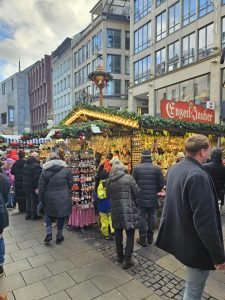
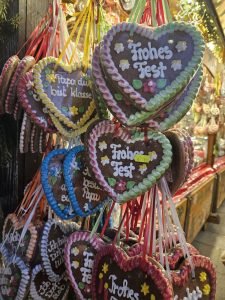
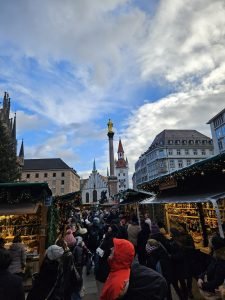
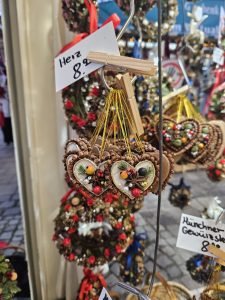
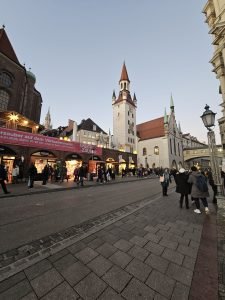
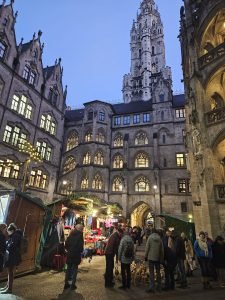
I made my way through the bustling streets towards the Marienplatz. As I moved closer to the square, I couldn’t help but be amazed by the beauty of the Christmas market. The charming wooden stalls were adorned with twinkling lights, selling everything from handcrafted ornaments to delicious holiday treats. The air was crisp, and the aroma of roasted chestnuts, beer, and waffles filled the streets, adding to the festive atmosphere
St. Michael Church
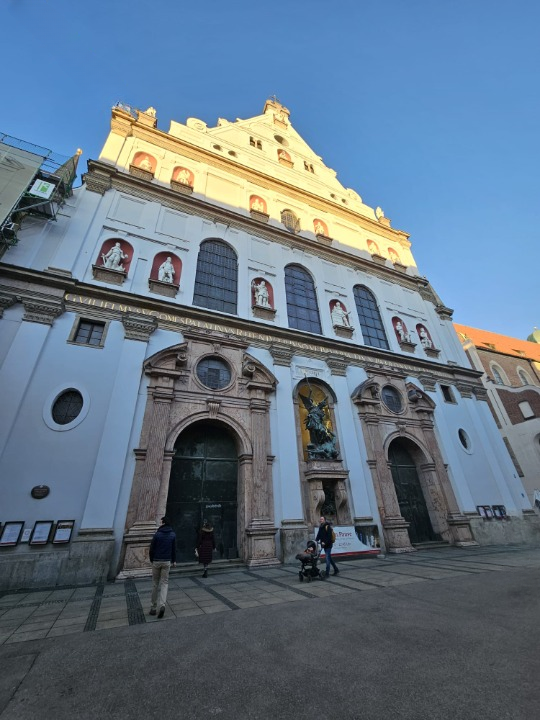
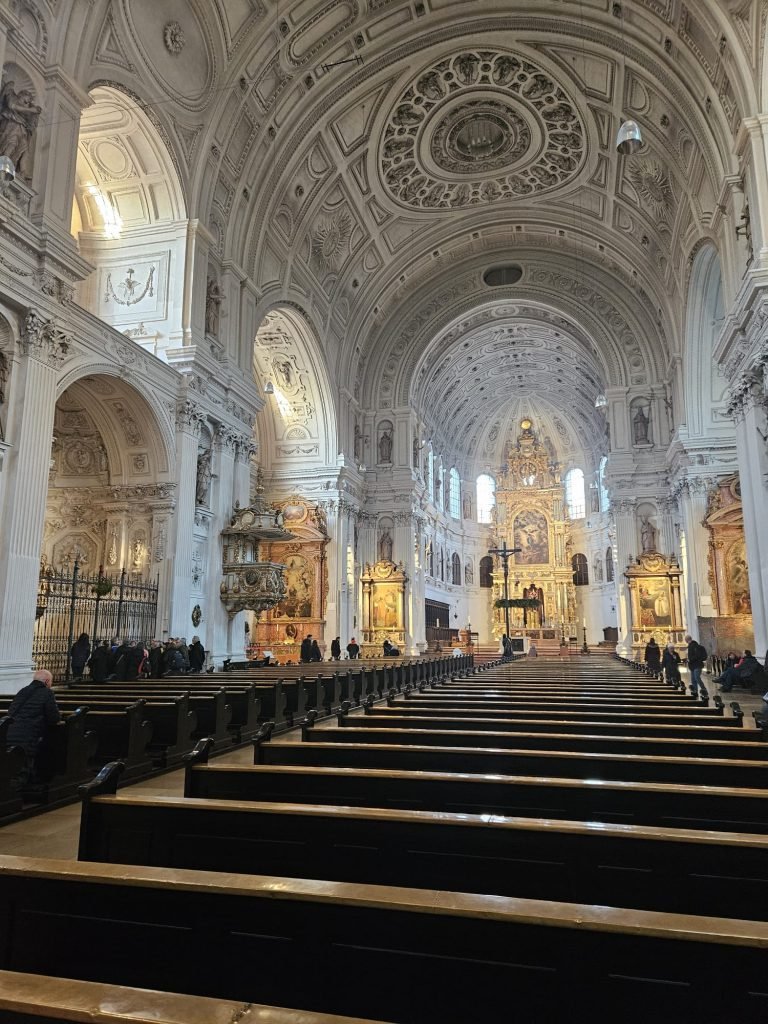
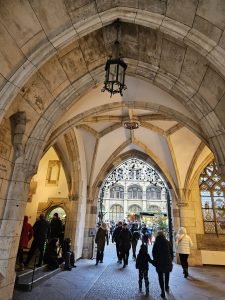
As I made my way toward Marienplatz, the first landmark that caught my attention was St. Michael’s Church. I wasn’t even planning to stop, but its impressive façade drew me in. Curious, I stepped inside for a quick visit. As I wandered around, I learned that the church was built between 1583 and 1597 and is considered one of the largest Renaissance churches north of the Alps. I also discovered that it is the final resting place of several members of the Bavarian royal family, including King Ludwig II, the king best known for Neuschwanstein Castle. The high vaulted ceiling and peaceful atmosphere made it the perfect introduction to Munich’s history, and I was glad I decided to step inside.
Marienplatz And The Town Hall
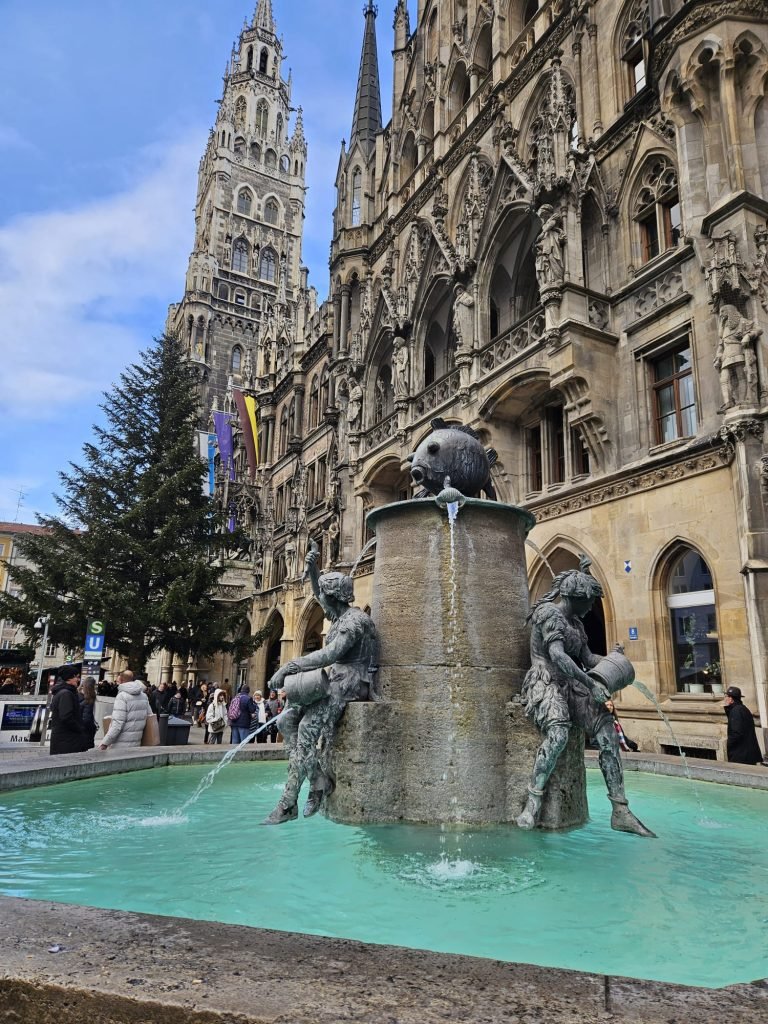
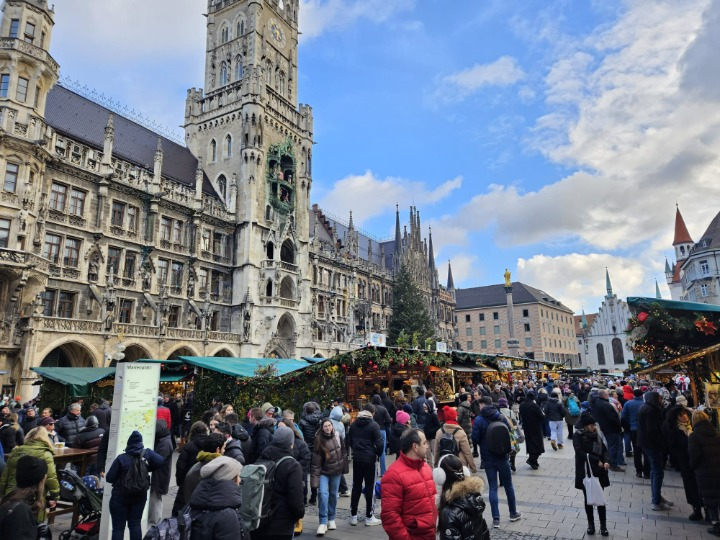
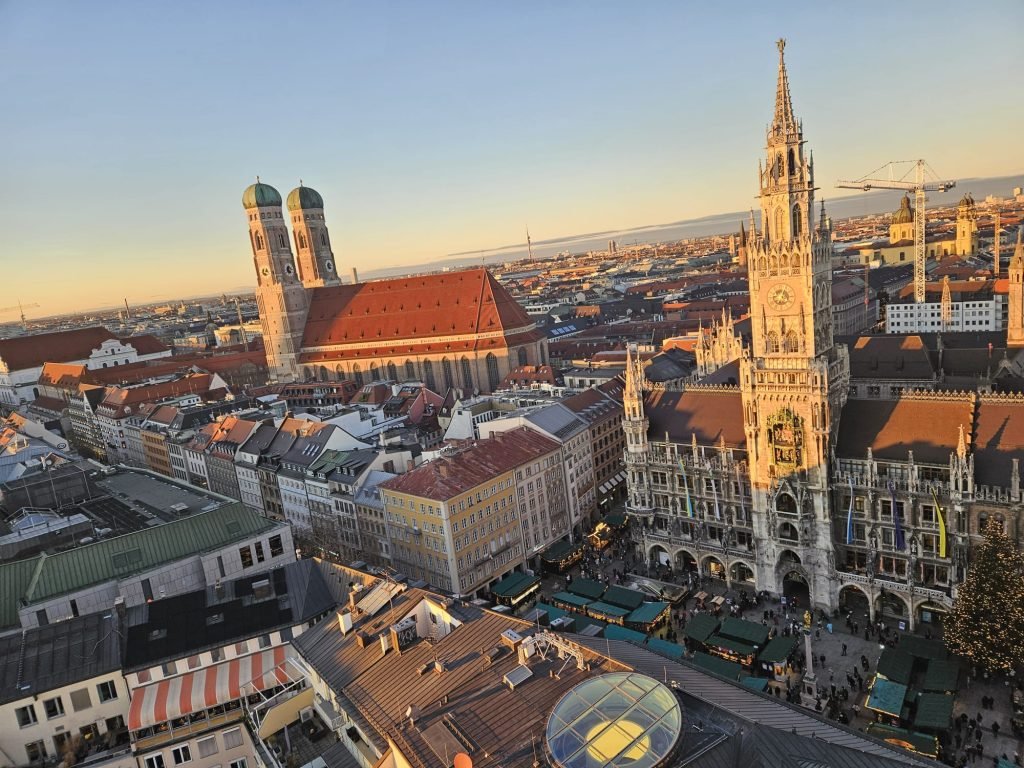
Marienplatz is the heart of Munich and the city’s main square. During Christmas, it becomes even more magical as it hosts one of Munich’s most famous Christmas markets. The square has been Munich’s main gathering place since 1158, when the city was founded. For centuries, it hosted markets, celebrations, and important public events, and today it remains the city’s busiest meeting point.
Overlooking the square is the magnificent New Town Hall (Neues Rathaus) with its impressive Neo-Gothic façade. It’s hard not to stop and admire the building, especially when the famous Glockenspiel comes to life. Every day at 11 a.m. and 12 p.m. (and 5 p.m. during the summer months), its 43 bells and 32 life-sized figures reenact scenes from Bavarian history, attracting crowds who gather to watch the charming performance.
While exploring the square, I also came across the Fischbrunnen, a charming fountain that has been part of Marienplatz for centuries. The original dates back to the 14th century, although it had to be rebuilt after World War II. It was once used by fishmongers to keep their catch fresh while selling it at the nearby market. Today, it’s a popular meeting spot and is linked to a local tradition where Munich’s mayor symbolically washes an empty wallet in the fountain on Ash Wednesday, a ritual believed to bring prosperity and good fortune.
If you’re visiting during Christmas, try to come both during the day and again after sunset. I loved seeing how the square transformed once the lights came on. The illuminated Town Hall, the festive market, and the giant Christmas tree created an atmosphere that felt completely different from daytime, and, in my opinion, even more magical.
Frauenkirche
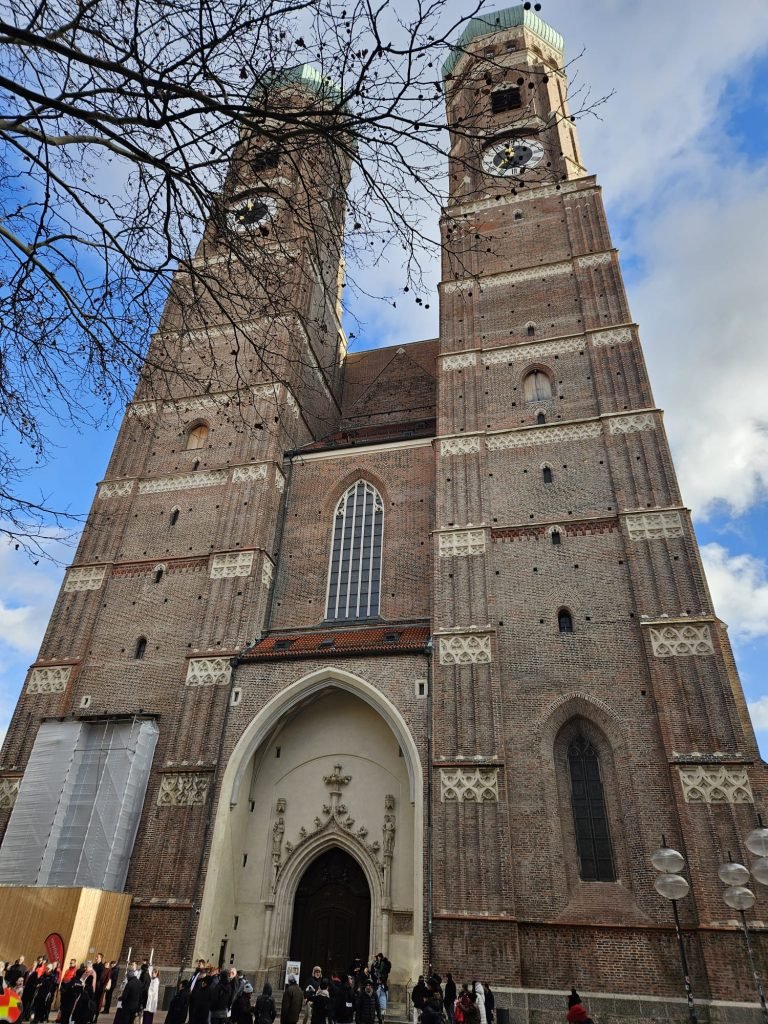
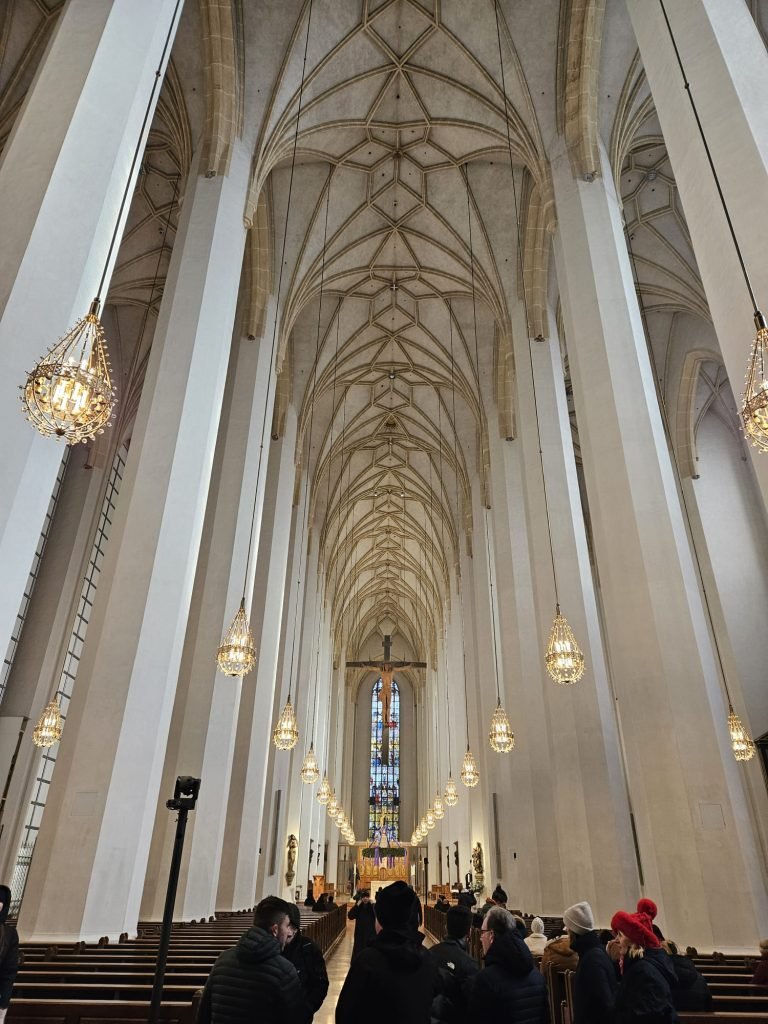
The Frauenkirche is Munich’s most iconic landmark, impossible to miss thanks to its twin green-domed towers rising above the city’s skyline. Built in the 15th century, it has become the symbol of Munich, and interestingly, no building in the historic city center is allowed to be taller than its towers, which is why they’re visible from so many places.
The moment I stepped inside, I was struck by how vast it felt. The soaring vaulted ceiling and rows of towering pillars make you feel wonderfully small, while the peaceful atmosphere invites you to slow down and take it all in.
And of course, you can’t leave without looking for the famous Devil’s Footprint (Teufelstritt) near the entrance. According to legend, the devil thought the church had no windows and stamped his foot in delight, only to realize he’d been tricked when he stepped farther inside and the windows suddenly came into view. Whether you believe the story or not, it’s one of those fun little details that makes visiting the cathedral even more memorable.
As the largest church in Munich, the Frauenkirche is much more than an architectural masterpiece. It’s a place where history, legends, and centuries of Bavarian heritage come together, and one that I definitely wouldn’t skip when visiting the city.
Alter Peter
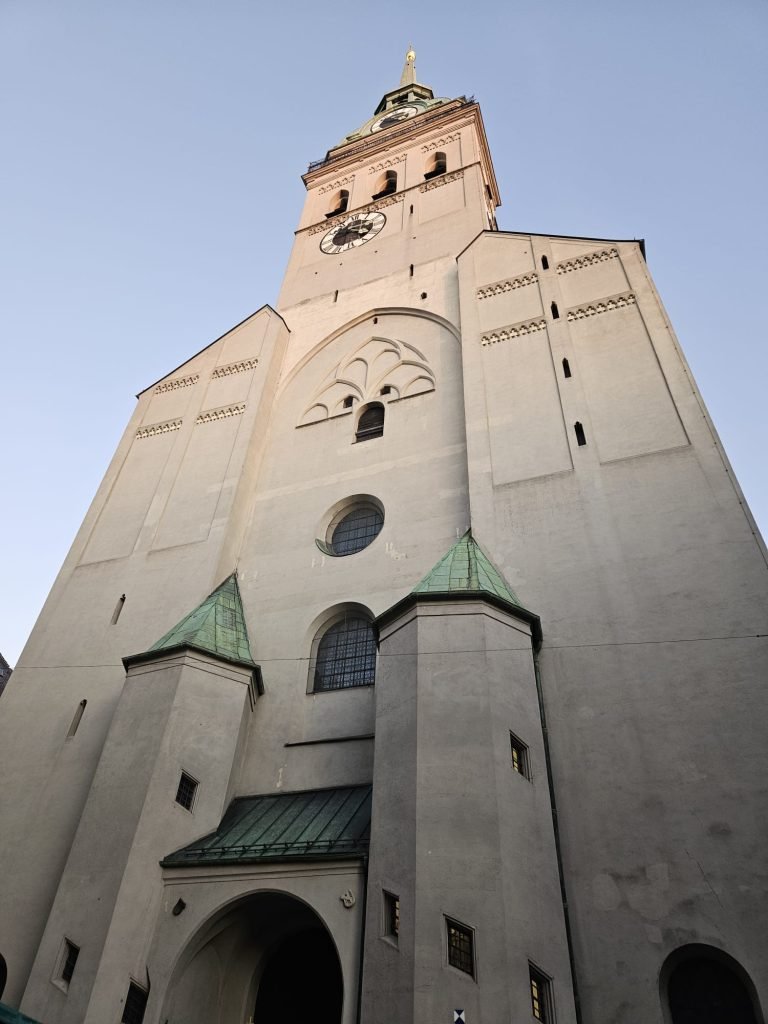
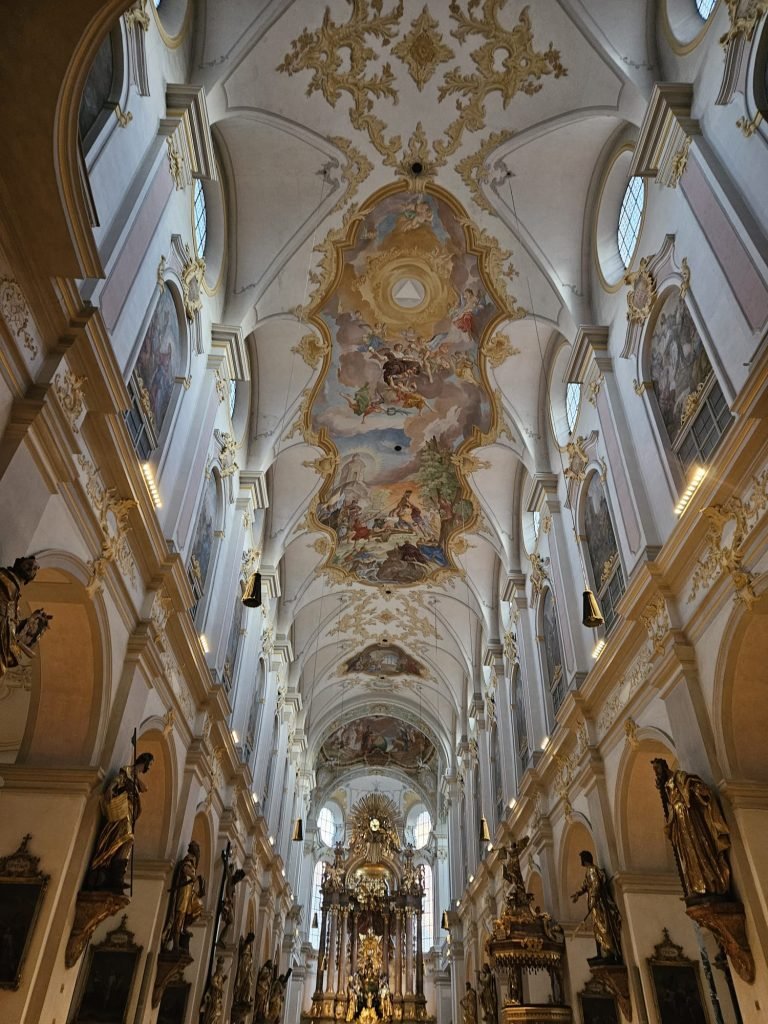
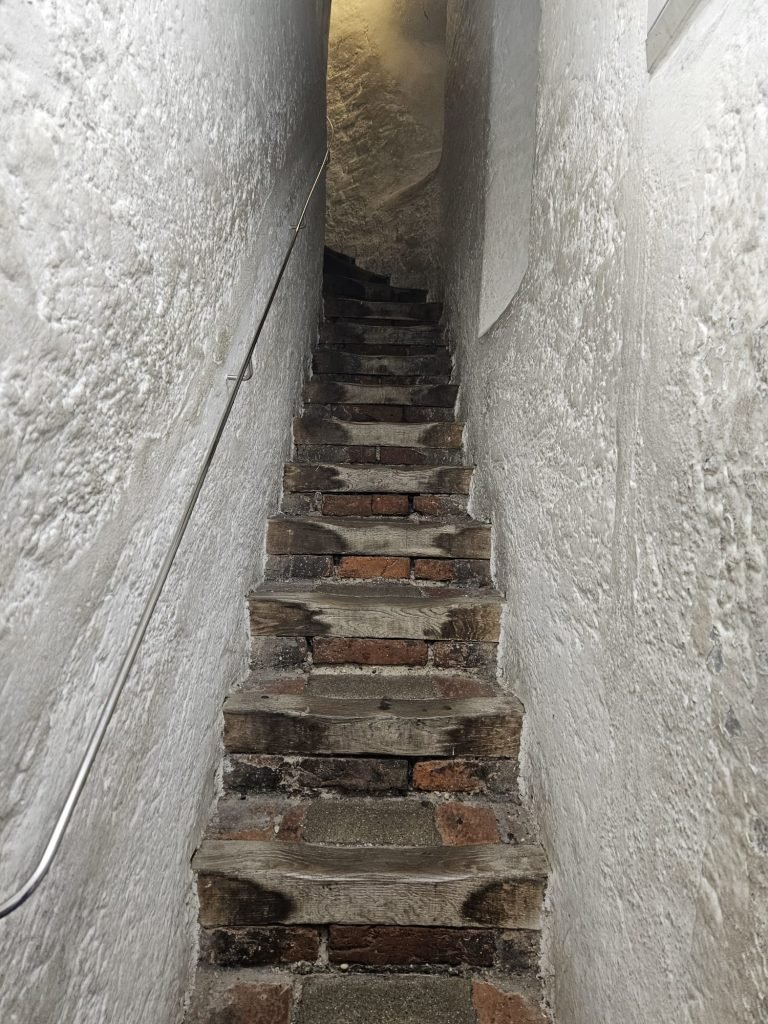
St. Peter’s Church (Alter Peter) is the oldest parish church in Munich, with a history dating back to the 12th century. After admiring it from the outside, I couldn’t resist climbing its famous tower. I won’t lie, 299 steps felt like quite a workout, but the reward at the top made every step worth it.
From the viewing platform, Munich stretched out in every direction. The first thing that caught my eye was the Frauenkirche with its unmistakable twin domes rising above the rooftops. On a clear day, you can even see the snow-capped Alps in the distance, making the view even more spectacular.
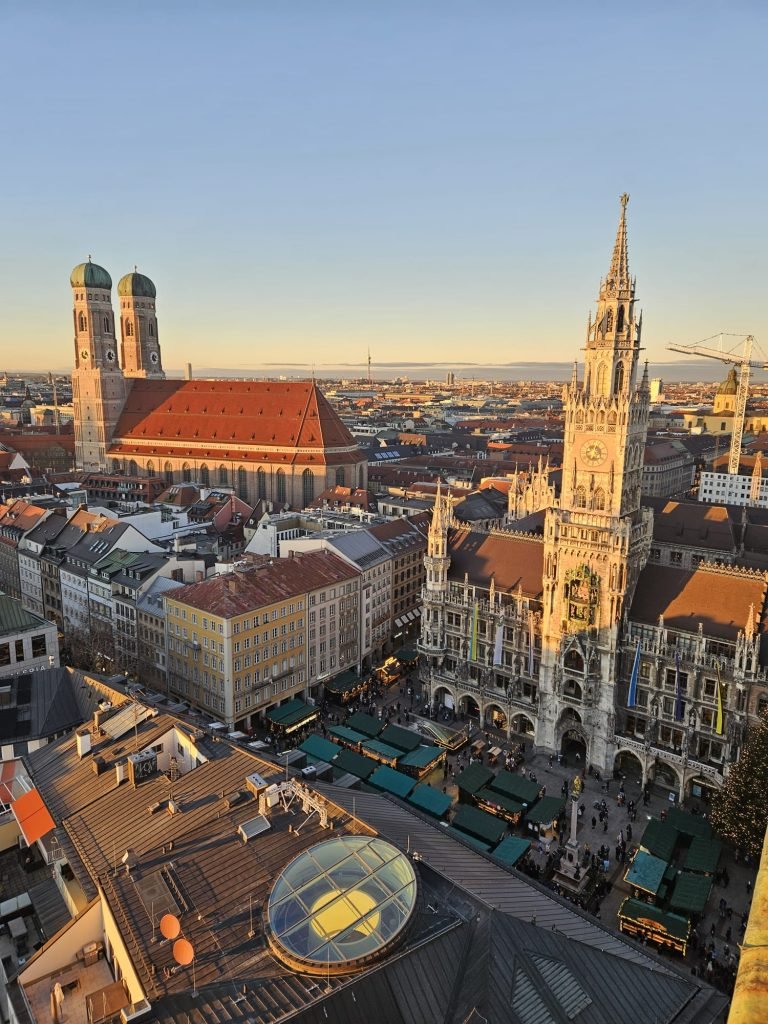
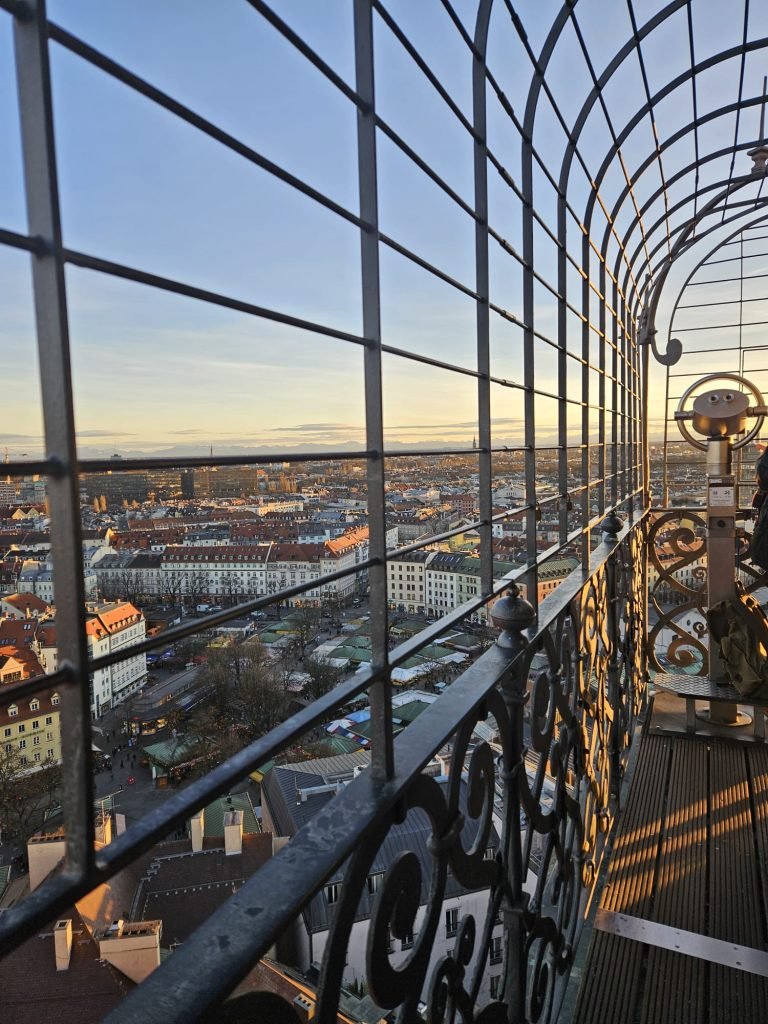
If you don't mind a bit of exercise, I'd definitely recommend making the climb. It's one of the best panoramic viewpoints in Munich and a wonderful way to appreciate just how beautiful the city really is.
Munich Residenz
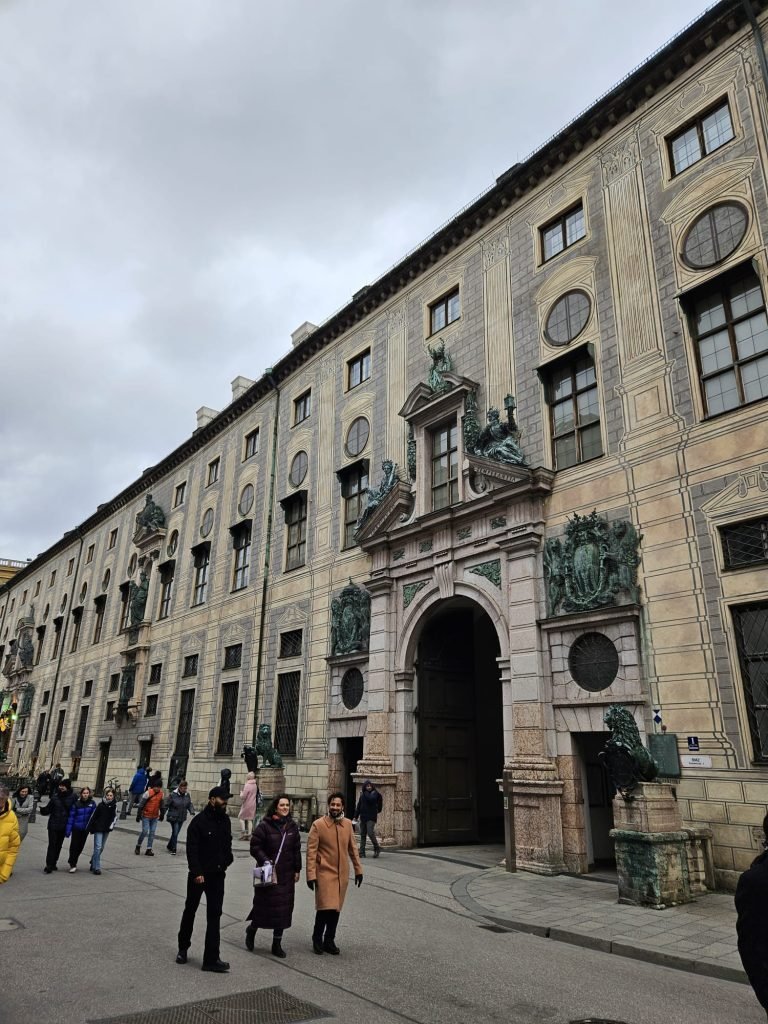
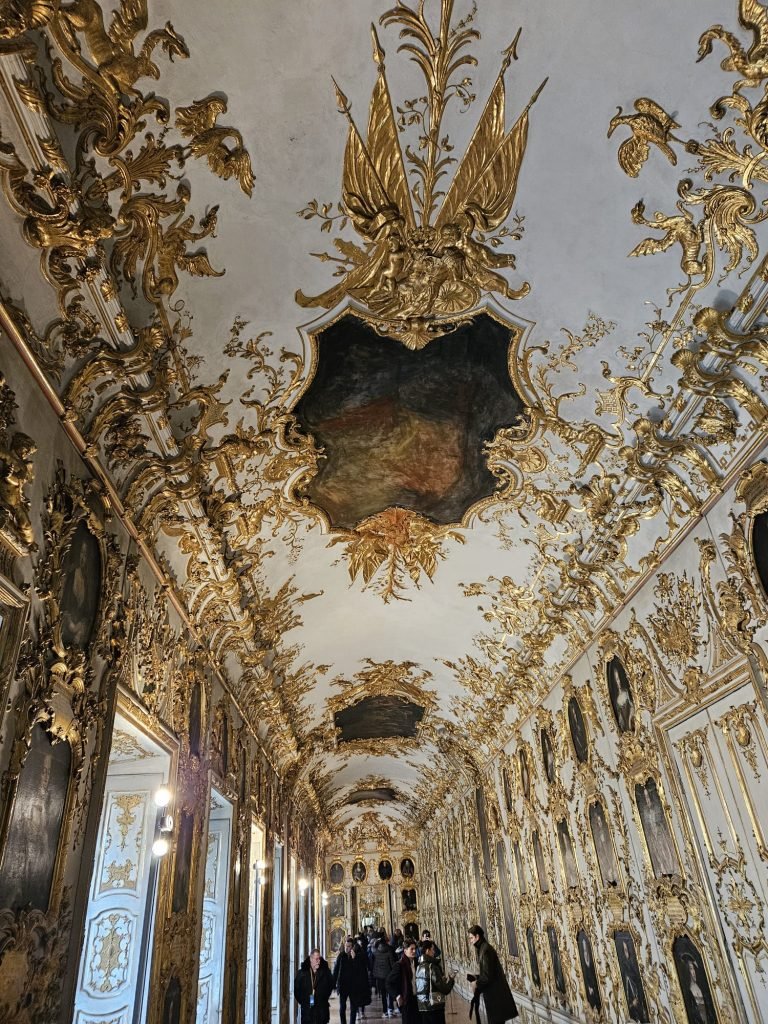
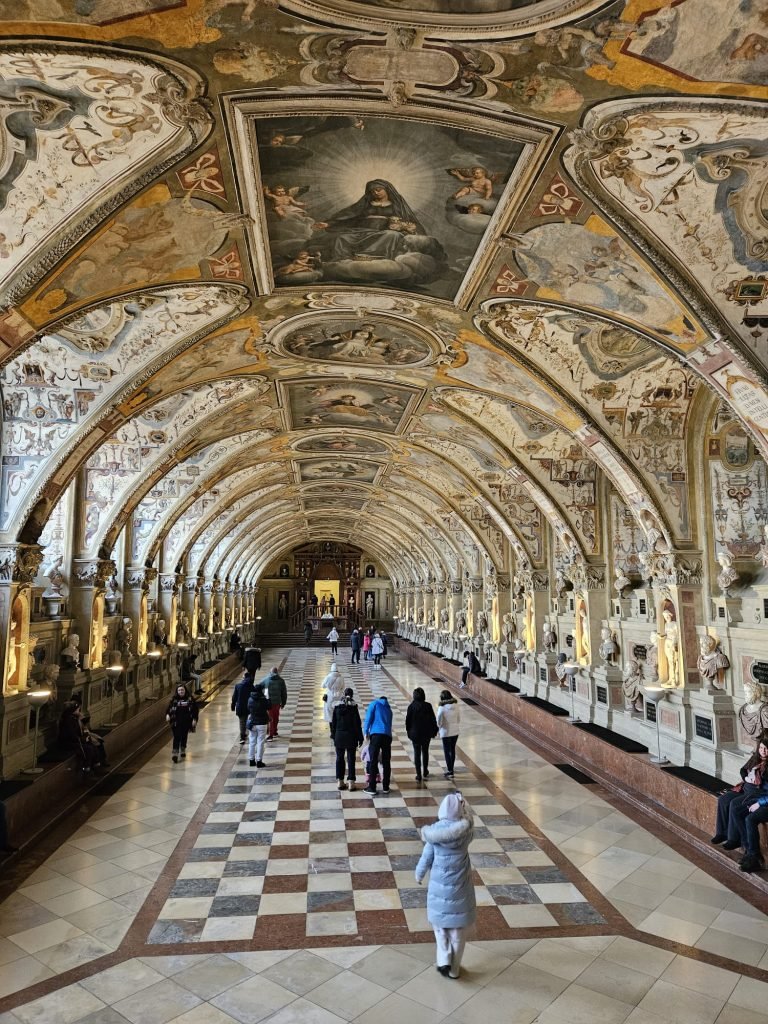
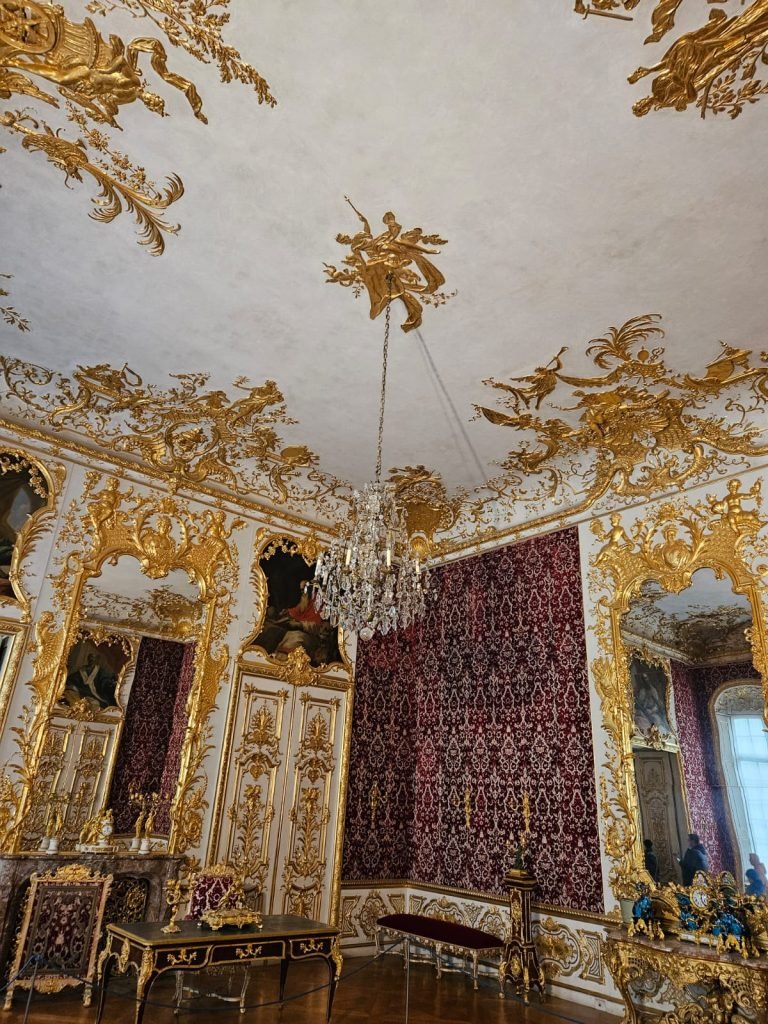
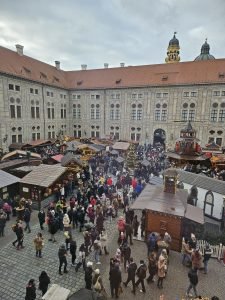
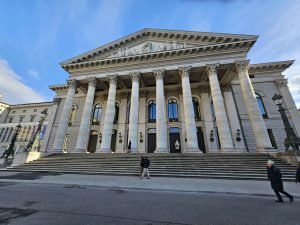
The Munich Residenz is Germany’s largest city palace and was home to the Bavarian rulers for more than 400 years. As someone who never misses the chance to visit a palace, this was at the very top of my Munich list. I thought I’d spend an hour or two there… instead, I found myself wandering slowly from room to room, completely fascinated. I don’t think my feet have ever hurt this much inside a palace, simply because I refused to rush. Every room made me stop. I admired the painted ceilings, intricate woodwork, porcelain collections, elegant furniture, royal tableware, chandeliers, sculptures, and countless works of art. It felt as though every corner had another beautiful detail waiting to be discovered.
One of the highlights is the Antiquarium, an extraordinary Renaissance banquet hall with its beautifully painted vaulted ceiling and impressive collection of antique sculptures. The palace is also home to the elegant Cuvilliés Theatre and the magnificent Treasury, where you’ll find crowns, jewels, and royal treasures collected over centuries. With more than 130 rooms open to visitors, you could easily spend half a day here without getting bored.
During the holiday season, the Residenz Courtyard (Kaiserhof) hosts the charming Munich Residenz Christmas Village. Compared to the larger Christmas market at Marienplatz, this one feels more intimate, with wooden stalls selling handcrafted gifts, traditional decorations, festive treats, and warm drinks in a wonderfully cozy setting.
The National Theatre is directly connected to the Residenz and stands proudly on Max-Joseph-Platz. It is home to the Bavarian State Opera and the Bavarian State Ballet and is considered one of Germany’s leading opera houses.
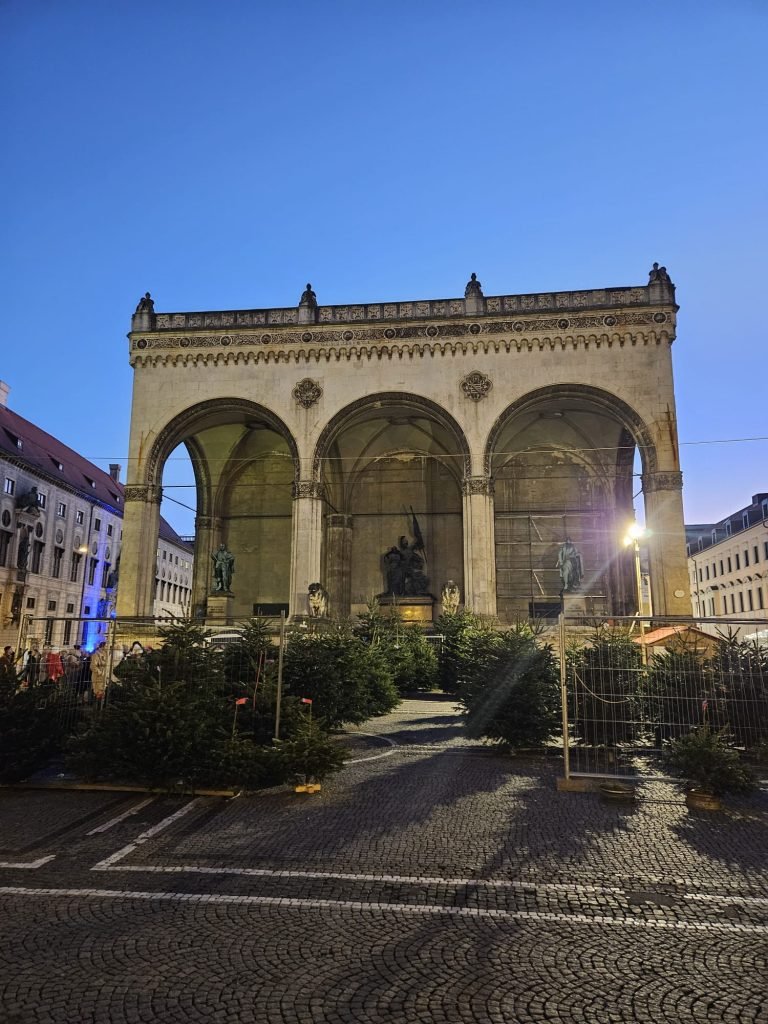
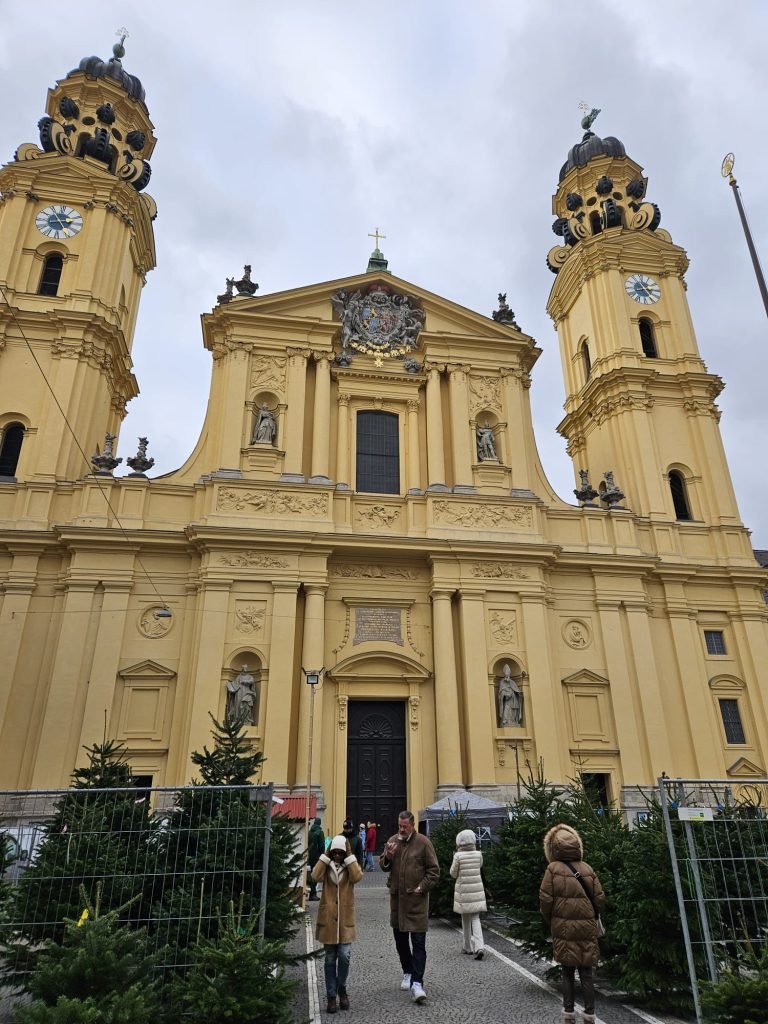
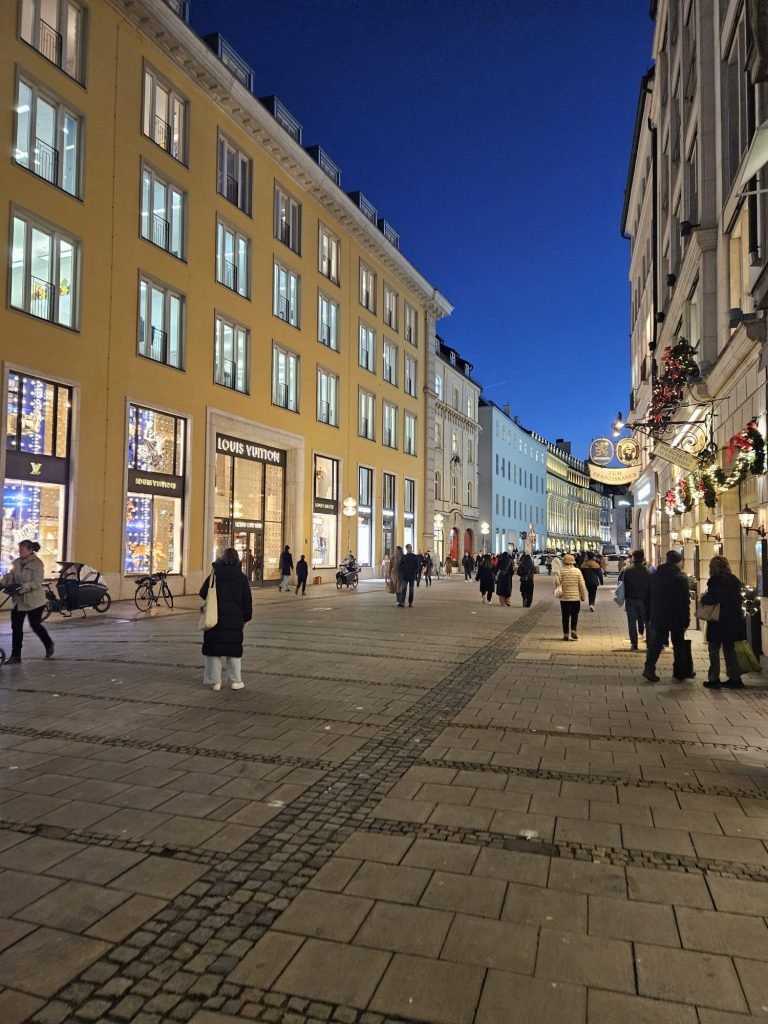
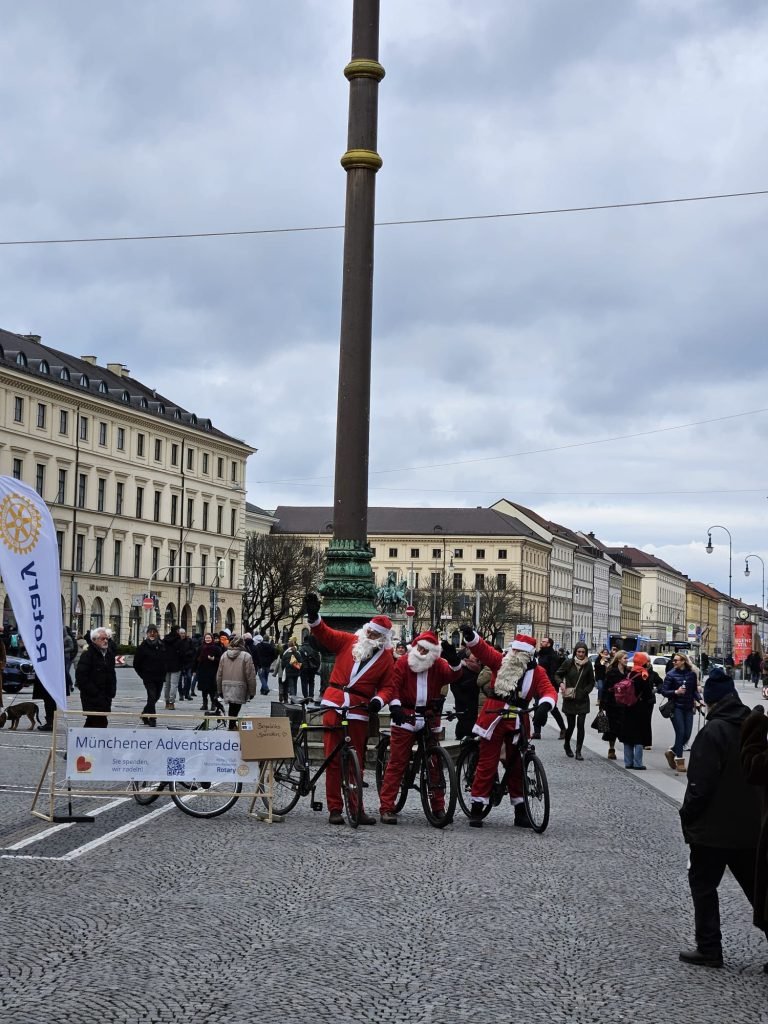
After leaving the Residenz, you’ll naturally find yourself in Odeonsplatz, one of Munich’s most beautiful squares. Here you’ll see the impressive Feldherrnhalle and the striking yellow façade of the Theatine Church, both among the city’s most recognizable landmarks. From there, you’re also at the entrance to Maximilianstraße, Munich’s most elegant shopping street, lined with luxury boutiques such as Gucci, Louis Vuitton, and Chanel. Even if shopping isn’t on your agenda, it’s a lovely street to stroll along and admire the beautiful architecture and sophisticated atmosphere.
BMW Museum
The BMW Museum is an absolute must-visit in Munich, showcasing the history, innovation, and evolution of one of Germany’s most iconic car brands. Even before stepping inside, the futuristic architecture catches your attention. Once you’re in, the interactive exhibits, classic cars, motorcycles, racing vehicles, and futuristic concept models make the visit fascinating.
To be honest, I thought this stop would be more for my son and husband than for me. Cars have never really been my important thing, so I expected to walk through the museum fairly quickly. I couldn’t have been more wrong. Before I knew it, I was completely hooked. Three hours flew by without me even noticing… until my feet gently reminded me how long I’d been wandering around.


The collection is incredible, taking you through BMW's journey from its early beginnings to the latest innovations. Along the way, you also get a glimpse of the engineering, design process, and technology behind these beautiful machines, which made me appreciate them even more.But the car that completely stole my heart wasn't even a BMW, it was the elegant Alvis displayed as part of a special exhibition. I just stood there staring at it, imagining myself behind the wheel and quietly plotting how I could possibly bring it home... perhaps after winning the lottery! It was one of those moments where you stop reading the information panels and simply admire the beauty, craftsmanship, and timeless elegance of a truly exceptional car.Even if you're not a car enthusiast, don't skip the BMW Museum. I certainly wasn't expecting to enjoy it as much as I did, yet it ended up being one of my favorite experiences in Munich.
The Olympic Park
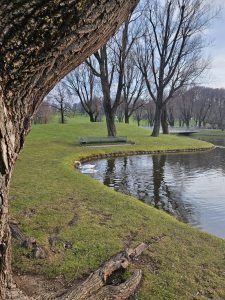
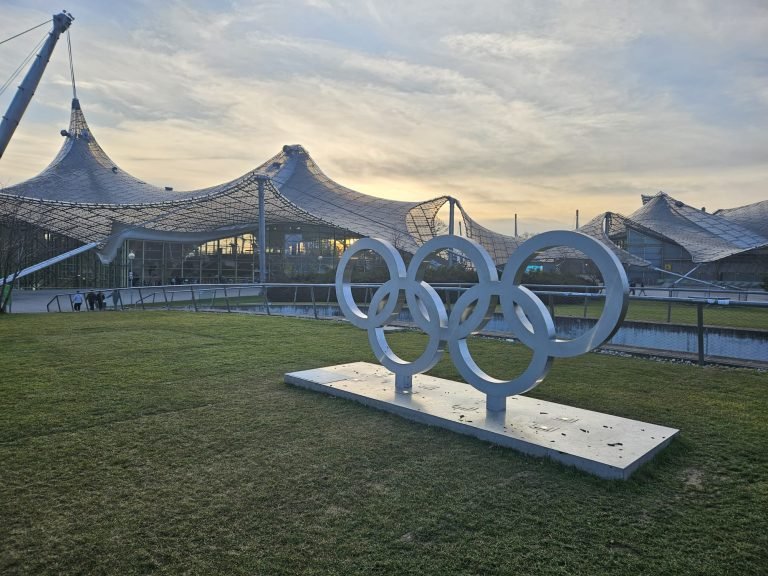
ust next to the BMW Museum is the beautiful Olympic Park, built for the 1972 Summer Olympics. After spending hours inside the museum, it was the perfect place to slow down, stretch our legs, and enjoy some fresh air.
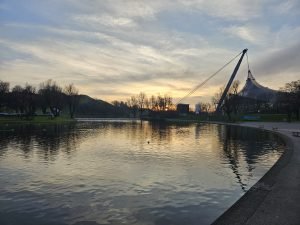
The park is much bigger than I expected, with wide open green spaces, walking and cycling paths, a peaceful lake filled with ducks and swans, and the famous Olympic Tower rising above it all. If you make your way to the top of the tower, you’ll be rewarded with spectacular views over Munich, and on a clear day, you can even see the Alps in the distance.
As we wandered around, I also came across the Olympic Walk of Stars, where celebrities have left their handprints, adding a fun surprise to the visit. It’s not something I expected to find in the middle of a park, but it made the stroll even more enjoyable.
I really liked how the Olympic Park offers something for everyone. Some people come to admire the unique tent-like stadium roofs, others rent bikes, have a picnic by the lake, attend concerts, or simply relax on the grass. It’s the perfect addition to a visit to the BMW Museum.
Munich gave us history, beauty, and just the right amount of celebration. From impressive landmarks and royal architecture to relaxed evenings filled with music and laughter, the city has this perfect balance. It feels warm, grand and welcoming.
By the time we left, I understood why so many people fall in love with it. Munich isn’t just beautiful, it has personality. And that’s what makes you want to come back.
Tips for visiting Munich
- Plan at least 2 to 3 days in Munich to have enough time to explore the city properly.
- If you plan to use public transportation, I recommend downloading the DB app or Mopla and purchasing a monthly pass. This pass allows unlimited travel on all public transportation, not just within one city but across the entire country. It’s perfect if you’re planning to visit multiple cities. We used it from the airport, taking a bus that dropped us off near our hotel by Hauptbahnhof, which was a great money saver. At the end of our stay, we simply walked to Hauptbahnhof and took the train to our next destination.
- If you’re in Germany on a Sunday and need to buy something, your only option is the train station, as it’s the only place where stores and coffee shops remain open.
- I highly recommend visiting the Residenz, it is stunning; and if you do, go early in the morning to avoid the crowds. Take your time exploring inside, then leave early enough to visit more places in Munich. You can buy the tickets on line from https://resmue.bsv-ticketshop.de/en
- For mobile connectivity, you can use roaming, but I found that an eSIM with Lyca worked better. I got a great deal—10GB for just 6 euros. Check the available deals and choose what works best for you. Please click here https://www.lycamobile.de/en/
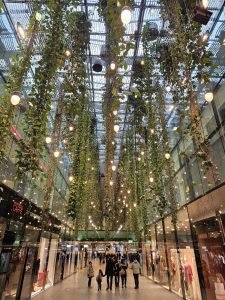
- Just walk around the city and enjoy it. Munich has many churches, hidden passages, shopping centers, and stores. Take advantage of every corner and soak in the atmosphere.
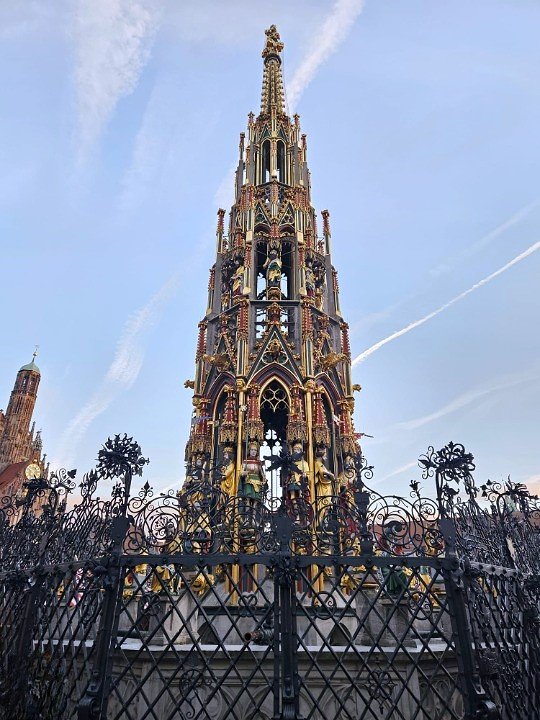
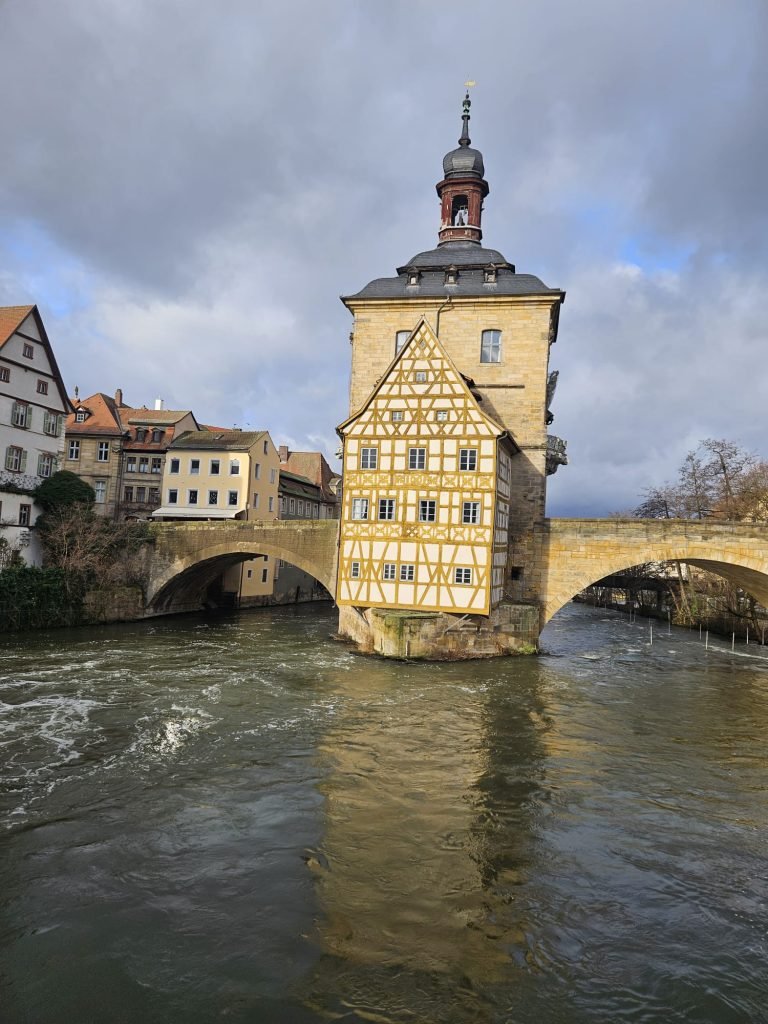
- Munich is perfectly located for day trips to some of Germany’s most beautiful destinations. You can visit Nuremberg, a city rich in medieval history and famous for its Christmas market (Learn more). Neuschwanstein Castle, the fairytale-like castle that inspired Disney, is a must-see with breathtaking mountain views. Rothenburg ob der Tauber, one of the best-preserved medieval towns, offers charming half-timbered houses and cobblestone streets. Other great trips include Salzburg, Austria, just a short train ride away, and Garmisch-Partenkirchen, where you can explore the stunning Bavarian Alps and visit Germany’s highest peak, Zugspitze.
Related Articles