Finally, it was time to visit Lisbon, the city that had already captured our hearts long before we arrived, through its videos, photos, and the stories people can’t stop telling about it. We were staying in Cascais, so we took the train into Lisbon, truly the best decision if you want to avoid parking stress. The station was just a short walk from our accommodation, and in less than 30 minutes we were stepping right into the very center of the city.
As soon as we arrived, I found myself eagerly scanning the streets, searching for the famous yellow tram, the symbol, the soul, and the identity of Lisbon. That iconic tram is more than just transportation; it’s a living piece of history that has survived everything Lisbon has been through.
Because Lisbon is a city that rose from the ashes, literally. In 1755, a devastating earthquake followed by a tsunami and massive fires destroyed nearly the entire city. Yet Lisbon came back stronger, rebuilt with courage, vision, and resilience. The elegant grid of the Baixa district, the wide avenues, and the grand squares you see today were all born from that rebirth.
For me, this moment was an achievement, finally standing in a place I had dreamt of for so long. It felt like the beginning of a journey I had imagined many times, now unfolding right before my eyes.
Lisbon's classic transport
The yellow tram is Lisbon’s signature, instantly recognizable in any image or video of the city. More than just transportation, these trams are a moving piece of history. Lisbon’s first tram lines were introduced in the late 19th century, originally pulled by horses, and later transformed into electric trams in 1901, making them one of the oldest continuously operating electric tram systems in Europe.
Today, these yellow trams travel through Lisbon’s narrow, steep, winding streets exactly as they did over a century ago. Their gentle bells echo through the old neighborhoods, adding a nostalgic soundtrack to the city. Tourists eagerly queue for the famous Tram 28, not just to get from one point to another, but to experience a journey through time, passing ancient churches, tiled facades, and the authentic daily life of Lisbon.
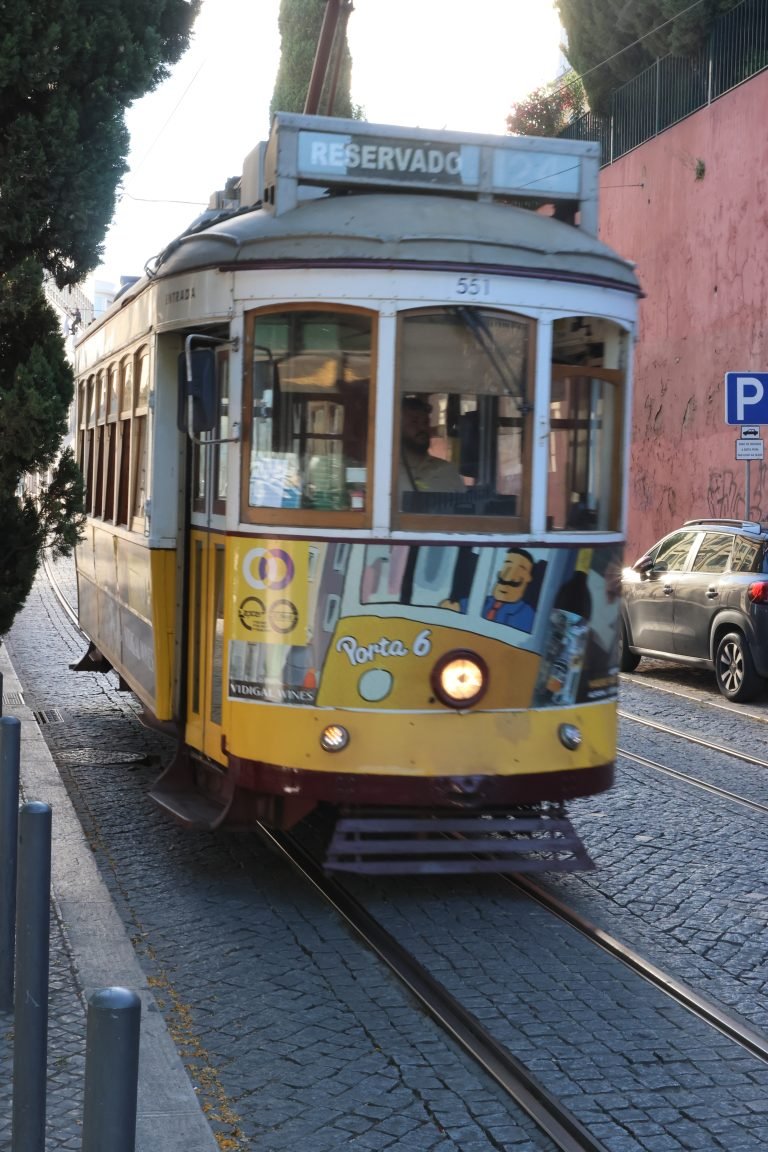
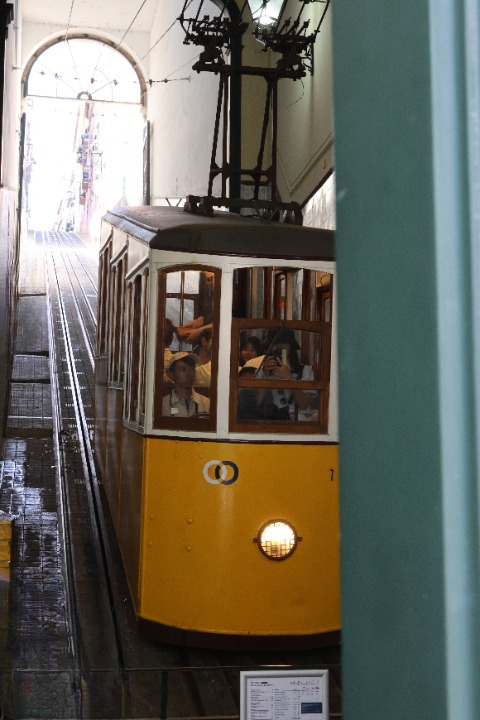
Tourists, elegantly dressed and armed with cameras, capturing every moment inside and beside the tram, suddenly turn into influencers swept away by Lisbon’s charm. But let’s be honest, sometimes tourists exaggerate. They follow influencers blindly, and everyone feels they must ride Tram 28, take the same photo, film the same video, and repeat the same trend. It truly makes no sense, especially when you see the queue. I was shocked. People were standing under the burning sun, waiting endlessly for a ride that lasts a few minutes. For me, it felt like a complete waste of precious time and energy, time you could easily use to explore another beautiful neighborhood, visit a viewpoint, or simply enjoy Lisbon freely. We had planned to take the tram too, but the moment we saw that massive crowd, we canceled immediately and continued our day without regrets.
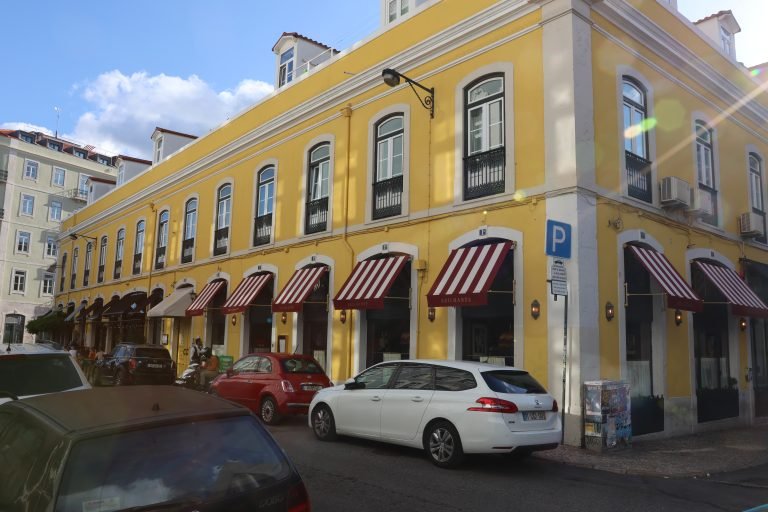
Lisbon’s Yellow Aesthetic
One thing that struck me immediately was Lisbon’s love affair with yellow. It’s like the city has a sunshine theme of its own. The yellow trams, of course, but also the elegant buildings around Praça do Comércio, the bright details of the Arco da Rua Augusta, and random façades scattered across the city, no matter where you look, there is always a touch of yellow somewhere. Even among the colorful azulejos, pastel pinks, blues, and greens, a yellow building always appears in between, giving Lisbon this warm and vibrant identity. It’s subtle, but once you notice it, you see it everywhere.
Praça do Comércio
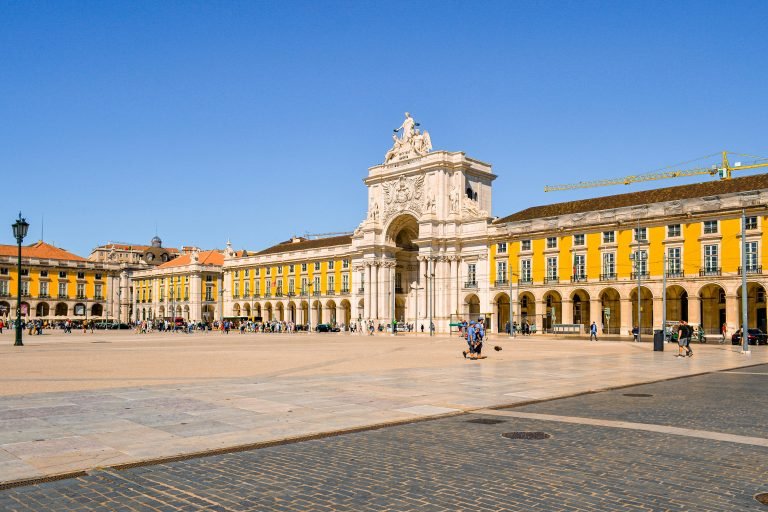
We arrived at Praça do Comércio, the very heart of Lisbon’s soul. The moment we stepped in, we felt tiny, two little dots moving across this enormous golden square. It opens directly onto the Tagus River, almost like a grand stage glowing under the sun, with those signature bright-yellow buildings embracing it on all sides.
At the center stands the elegant statue of King José I, the place was buzzing with tourists, guided tours, and families wandering around, yet because it’s so spacious, it somehow still feels open, airy, almost serene. The vibe is incredible: locals chatting at café terraces, visitors snapping photos, street musicians filling the air with soft melodies.
Despite its grandeur, the square has a calming presence, as if it invites you to slow down, lift your head, and take in the beauty of Lisbon at your own pace.
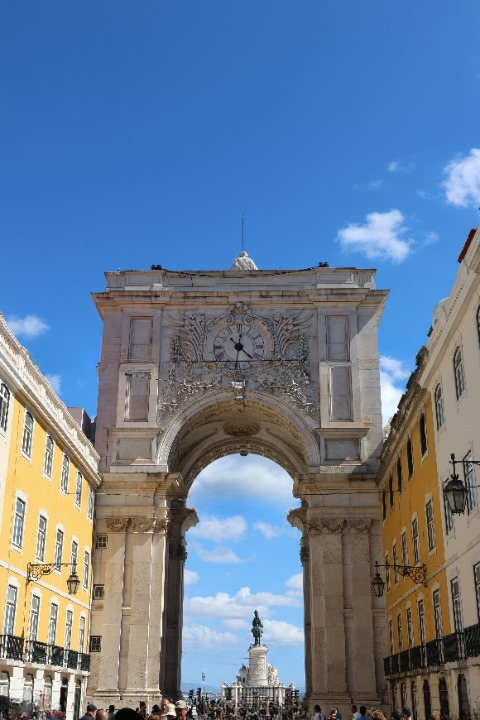
Arco da Rua Augusta
The moment you walk toward the Arco da Rua Augusta, it feels like the city is welcoming you with open arms. This triumphal arch isn’t just an architectural masterpiece, it’s Lisbon’s way of telling its story of resilience and rebirth. The sculptures crowning the arch stand proudly, almost guarding the passage between the lively Rua Augusta and the serenity of the square and river beyond. I wished I could have climbed to the top to see Lisbon from above. Still, just standing beneath it was enough, the details, the height, the way it frames the sky, everything makes you pause, look up, and appreciate the beauty Lisbon carries so effortlessly.
Rua Augusta
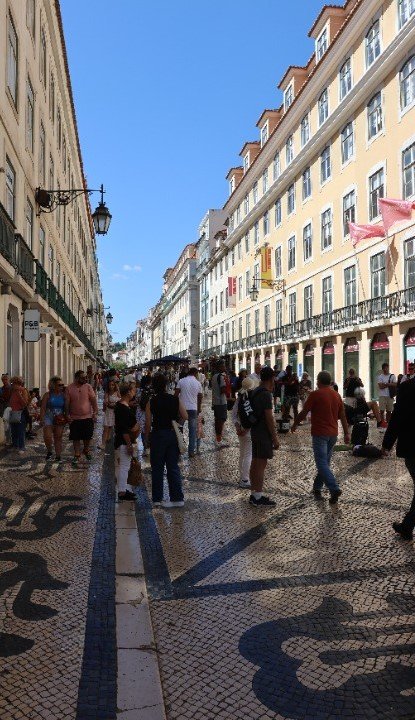
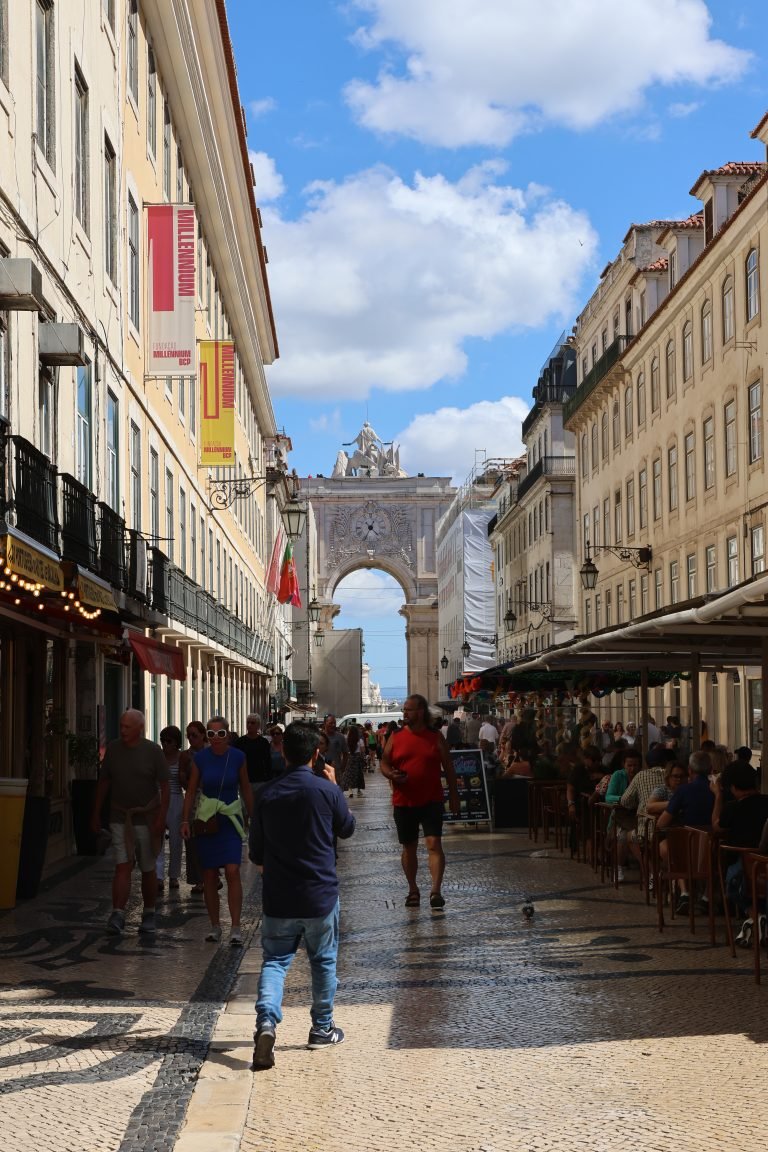
From Praça do Comércio, we continued straight into Rua Augusta, one of Lisbon’s liveliest pedestrian streets. The moment you step in, the energy changes completely. The street is lined with cafés, pastelarias, restaurants, and shops, with people flowing in all directions. You see locals going about their day, workers on their lunch break, street artists sketching portraits, and tourists stopping every few meters to photograph something beautiful. I loved the beautiful vibes, the good energy around, the smell of pastries drifting from bakeries, the little shops full of Portuguese goodies, and the patterned mosaic sidewalks under my feet. Rua Augusta is busy, yes, but in a pleasant way, it feels alive, colorful, and warm. And with the Rua Augusta Arch rising proudly at the end of the street, it’s like the whole avenue is guiding you toward one of Lisbon’s most iconic symbols.
The Pink Street
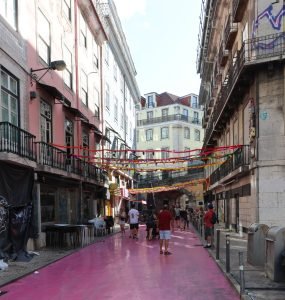
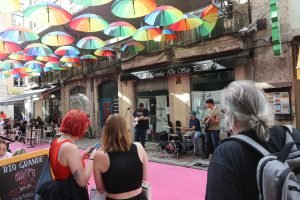
A short walk away from Rua Augusta is the iconic Pink Street, a completely different vibe but just as captivating. Known for its nightlife, it transforms after sunset into a hub of bars, music, and entertainment. During our daytime visit, the street was already buzzing, a live band was playing, and the cheerful crowd created an infectious energy. Even in daylight, Pink Street has a playful, lively charm that makes you want to linger, enjoy a drink, and let the music sweep you along.

Santa Justa Lift
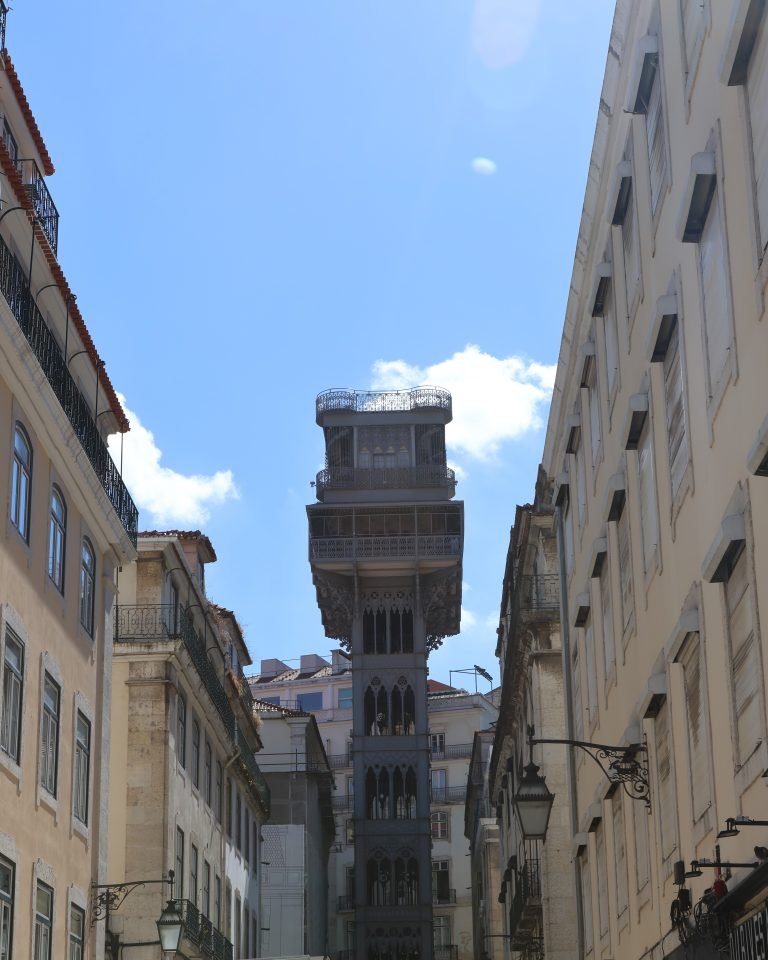
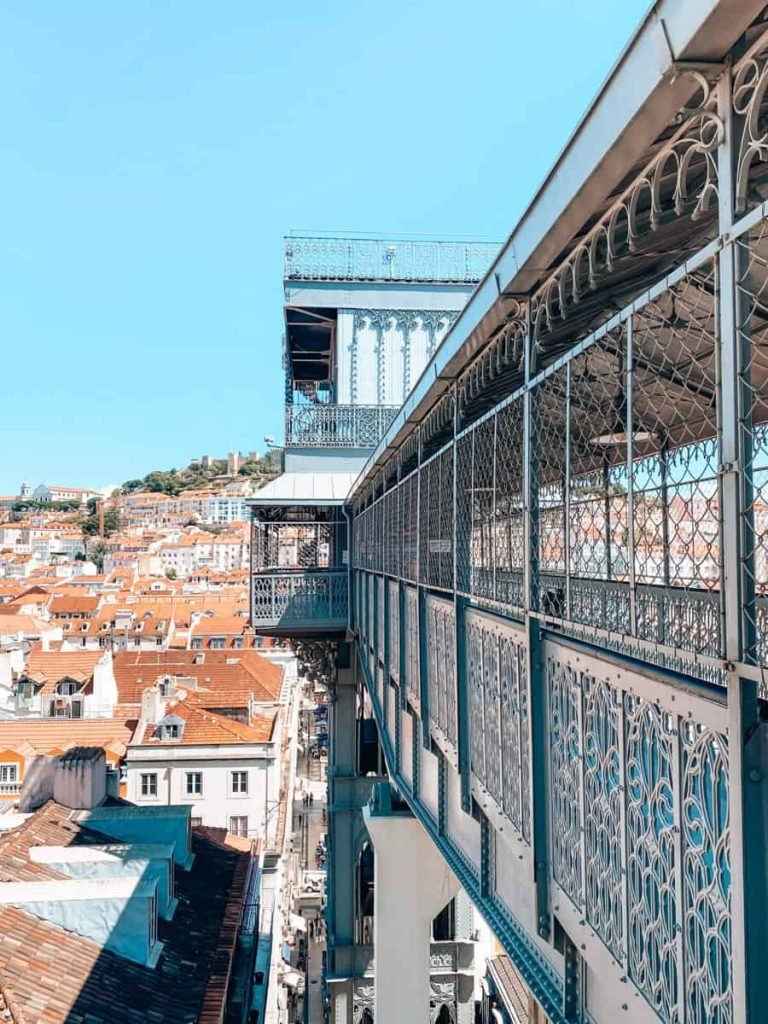
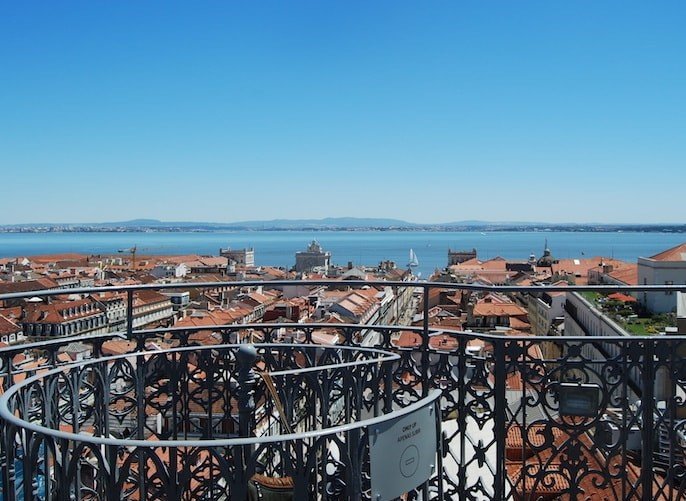
The Santa Justa Lift is more than just a convenient way to travel from Baixa to Bairro Alto, it’s a piece of Lisbon’s character and history. Standing 147 feet tall, its intricate ironwork immediately reminded me of Eiffel Tower, though with a uniquely Portuguese twist. Riding it feels like stepping back in time, while also giving you a front-row seat to the city’s bustling streets below.
At the top, the lift opens onto a striking observation deck, offering panoramic views over Baixa, the rooftops, and the hills beyond. For me, it was a perfect spot to pause and take in the layers of Lisbon, the old town streets, the Tagus River in the distance, and the golden glow of the city under the sun. Since it opened in 1902, it has been a favorite among locals and tourists alike, both as a practical route and a its breathtaking views of Lisbon from above.
Rossio Square
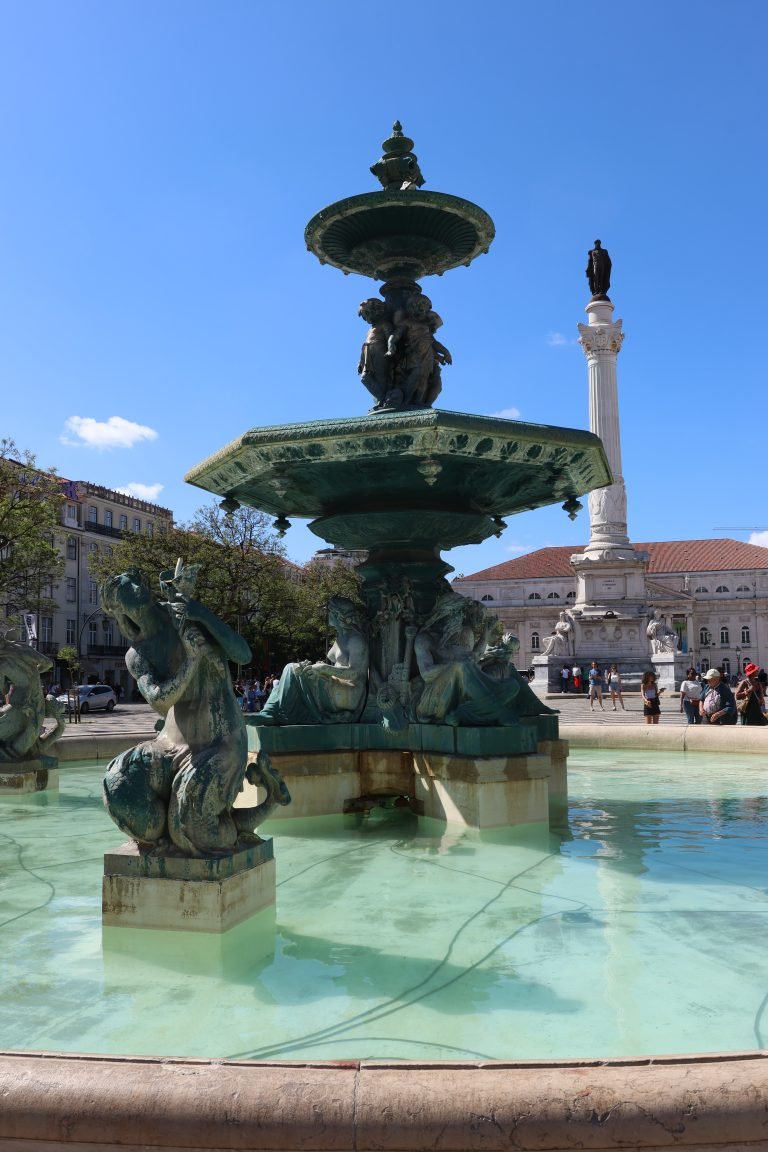
Rossio Square, officially Praça Dom Pedro IV, is one of those places in Lisbon that instantly makes you feel the city’s heartbeat. Right in the heart of Lisbon, it’s always buzzing, locals going about their day, tourists wandering and snapping photos, street performers adding music to the scene.
In the center stands a lovely fountain, known as the Rossio Fountain or the Fountain of Dom Pedro IV, a beautiful centerpiece with elegant sculptures and flowing water that somehow makes the square feel even more alive. Sitting for a few moments, watching people pass by while the fountain sparkles in the sunlight, you really get a sense of the city’s charm, historic, lively, and utterly welcoming.
Livraria Bertrand
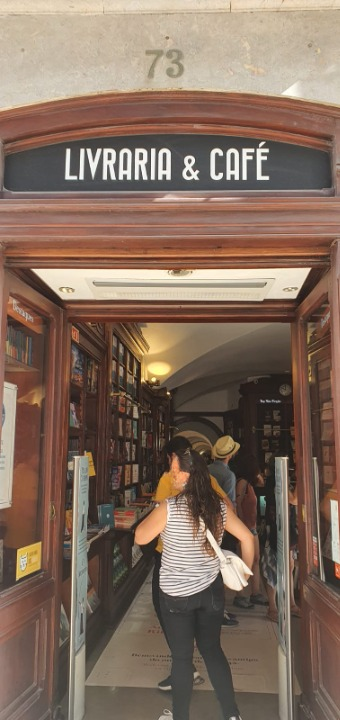
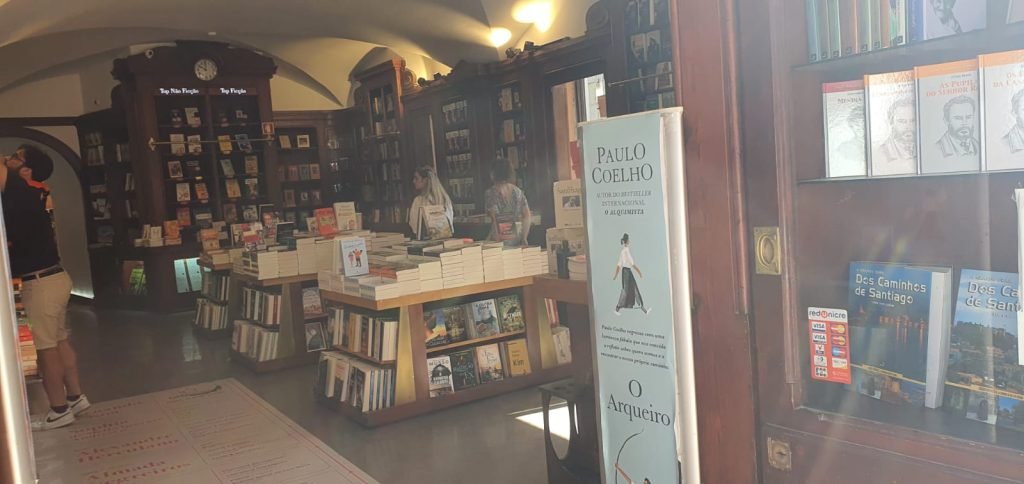
If history interests you, don’t miss Livraria Bertrand, the oldest operating bookstore in the world, founded in Lisbon by two French brothers in 1732. Situated on the main street of the Chiado district, it’s not as grand as Porto’s famous Lello Bookstore, but Bertrand has a timeless charm and remains a beloved spot for both locals and tourists, offering a glimpse into Lisbon’s rich literary history.
This is exactly what I mean about the role of influencers. People just follow the crowd, take Livraria Lello in Porto, for example. Getting inside is almost impossible without standing in a long, crowded queue, just to snap the perfect photo to post on social media and say, “I was at the Harry Potter-inspired bookstore.” Meanwhile, Livraria Bertrand in Lisbon holds a truly remarkable title: it’s been selling books continuously since 1732, yet it doesn’t get nearly the same hype. Walking inside, you can feel its history and charm without the crowds, appreciating a genuine treasure that’s often overlooked in favor of Instagrammable spots.
A Brasileira
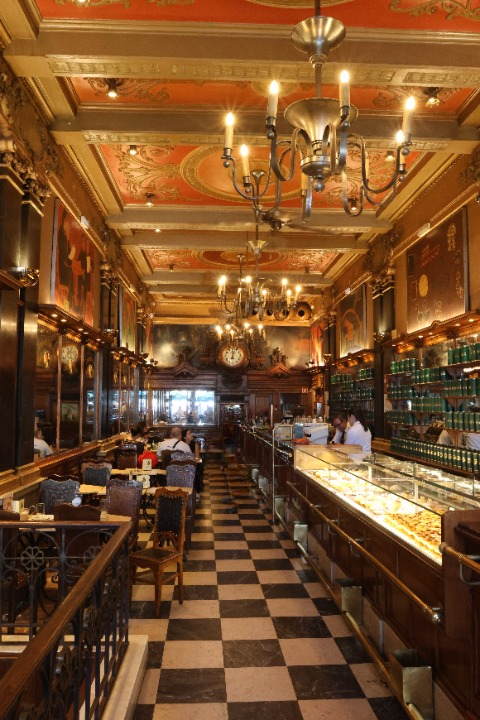
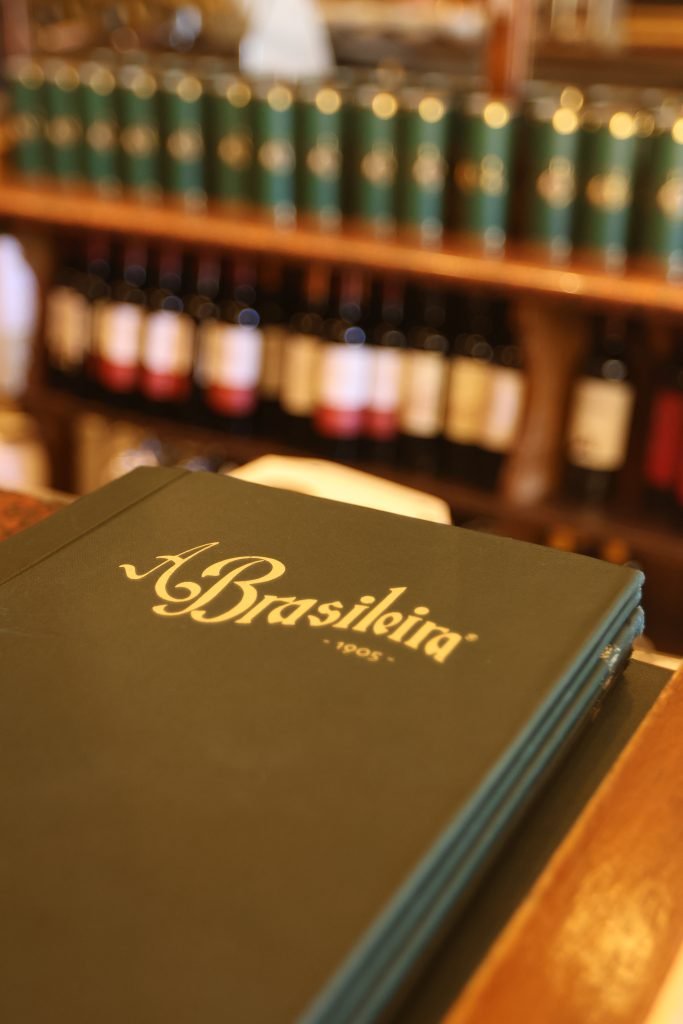
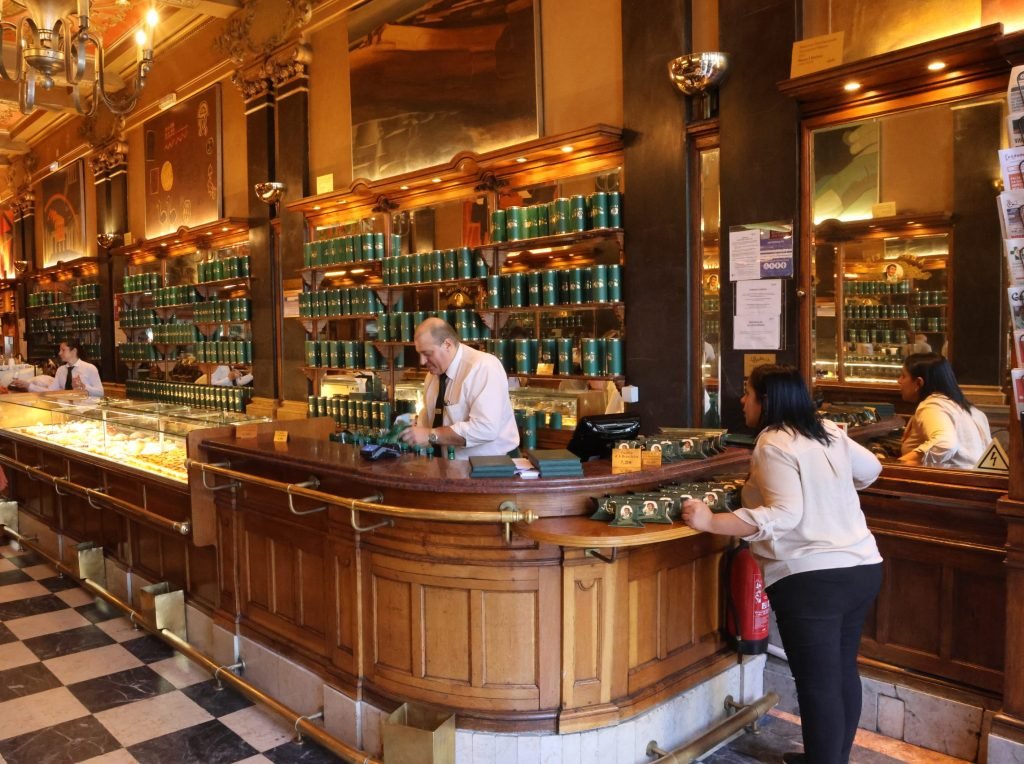
For an authentic taste of Lisbon’s café culture, I highly recommend A Brasileira, which has been delighting visitors since 1905. You can choose to sit inside and immerse yourself in its timeless décor, or enjoy the lively street-side atmosphere, soaking in the energy of the city. Inside, every detail tells a story, the high ceilings, ornate chandeliers, vintage mirrors, and dark wood paneling make you feel like you’ve stepped back in time. The walls are adorned with old photographs and memorabilia, and a bronze bust of the celebrated poet Fernando Pessoa watches over the café, a reminder of the many writers, artists, and thinkers who once gathered here. Sitting at a table with a steaming espresso paired with a freshly baked pastéis de nata, you can almost feel the history surrounding you, making it more than just a coffee stop, it’s a slice of Lisbon’s cultural soul that you can experience with every sip.
25 Abril Bridge
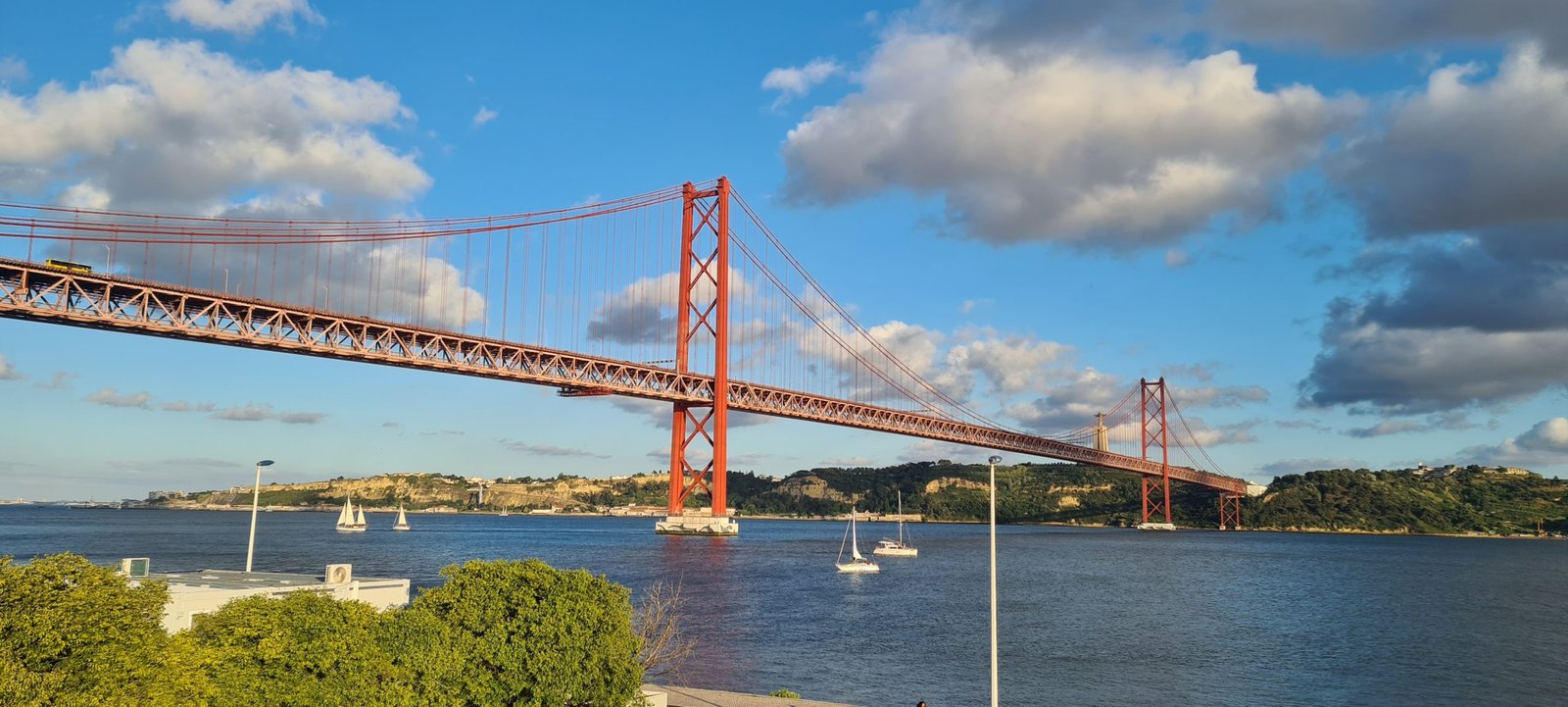
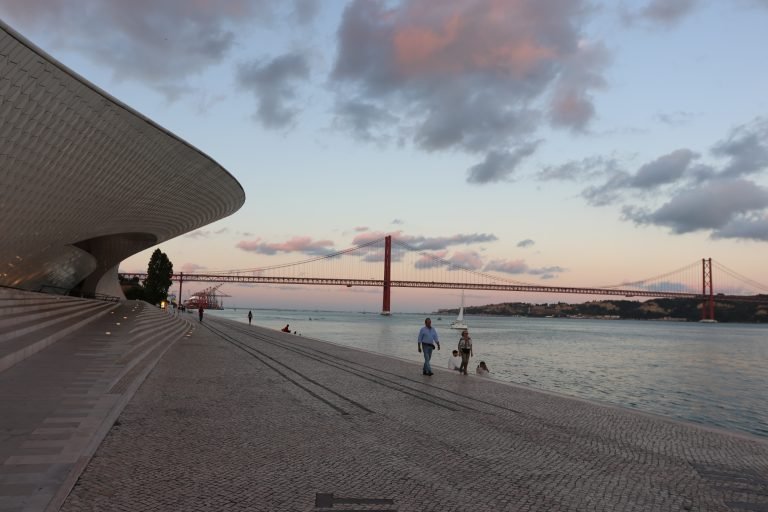
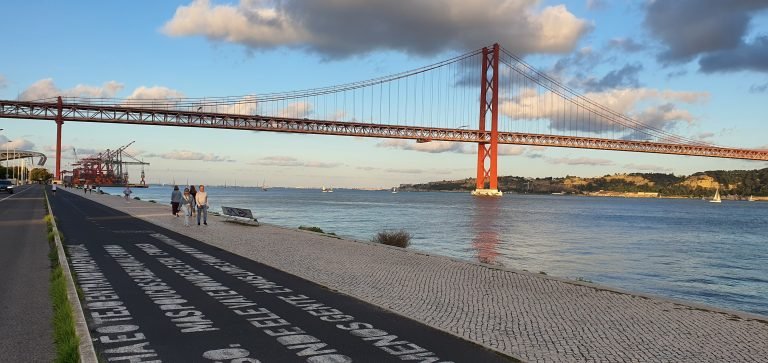
The 25 de Abril Bridge is one of Lisbon’s most iconic landmarks, a striking suspension bridge spanning the Tagus River and connecting the city to Almada on the south bank. Nothing is quite compared to walking along the promenade beneath it. We actually drove across the bridge when leaving Cascais, and from the car, it felt impressive but ordinary, just like any other bridge. except the view of the Cristo Rei statue. The real magic, however, revealed itself on foot. As we strolled leisurely beneath the towering steel structure, the river sparkled with reflections of the sky, and Lisbon spread out in a panorama. I still remember sitting there, enjoying a Milka cookie, watching the boats dancing on the water, and racing with my son along the promenade. It was so quiet and relaxing after the busy city tour we had, a peaceful bubble in the heart of Lisbon. Watching the sunset framed by the dramatic bridge above, I knew this was one of those unforgettable moments that will stay with me, a memory of calm, joy, and connection that lingers long after the visit.
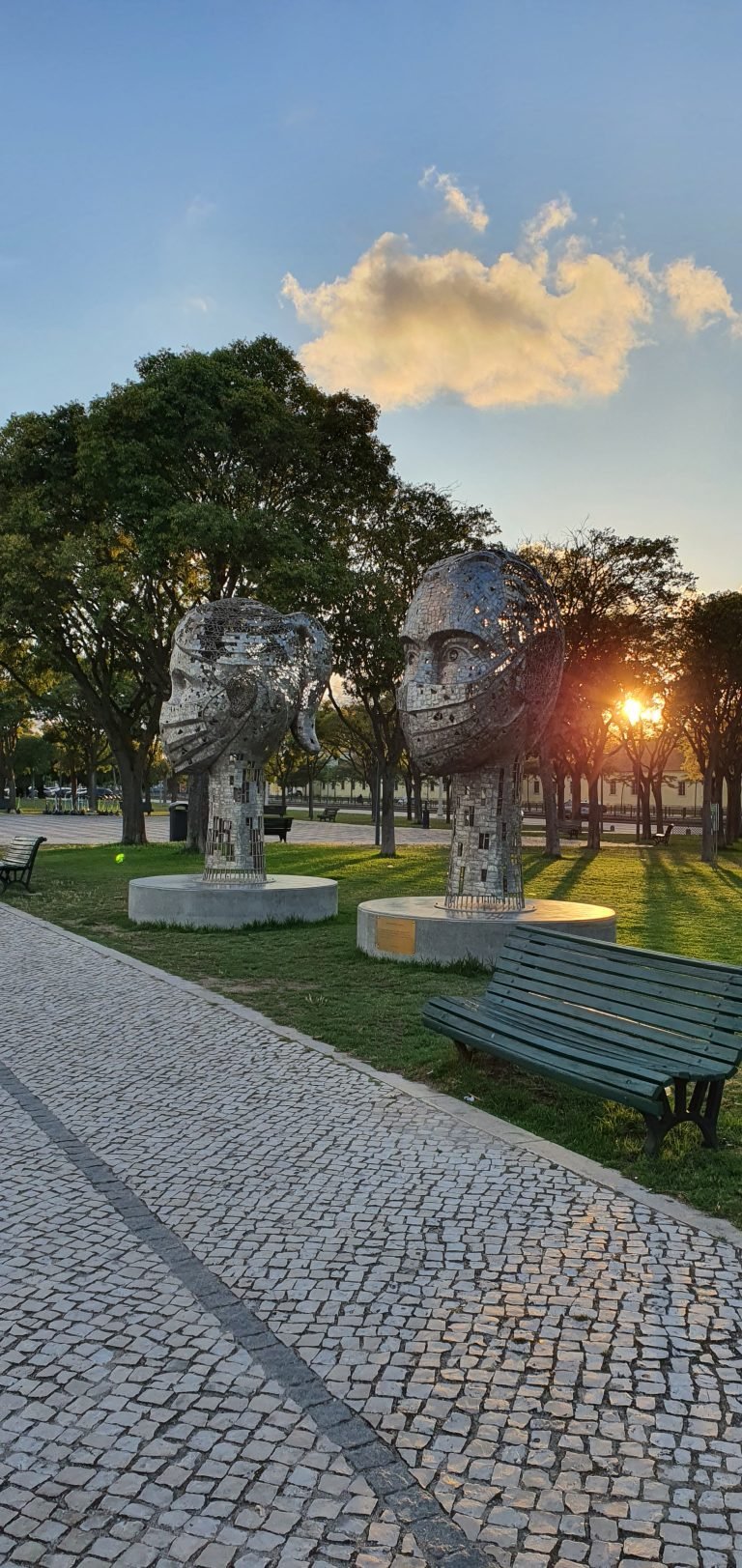
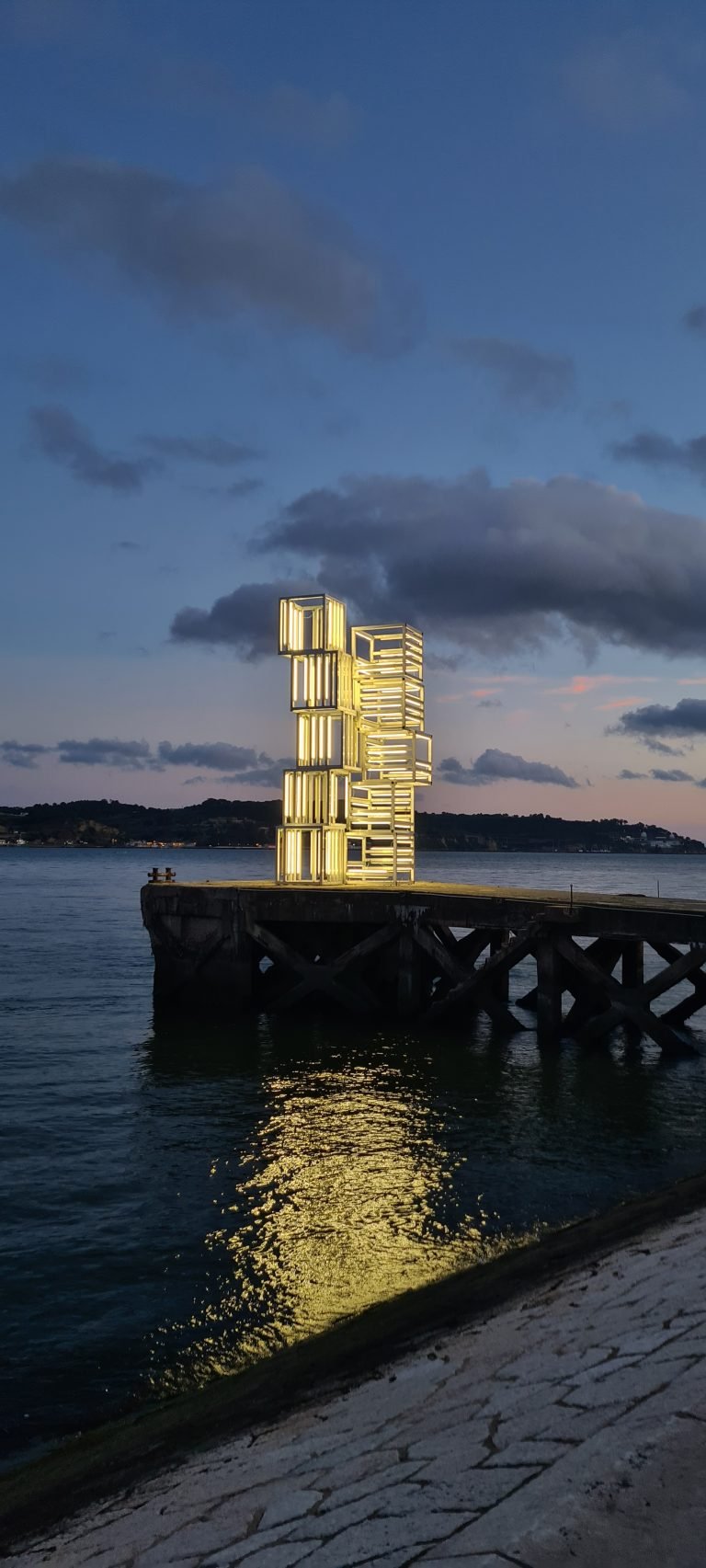
Museums
MAAT Museum
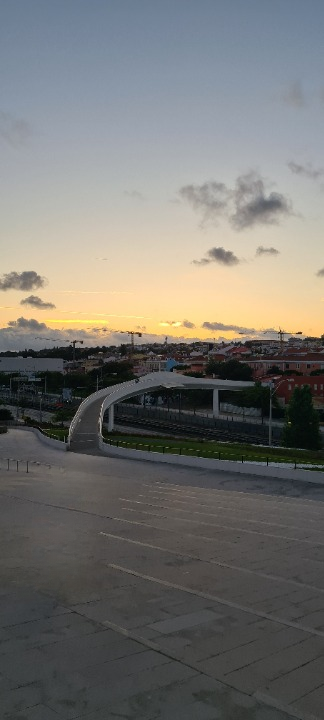
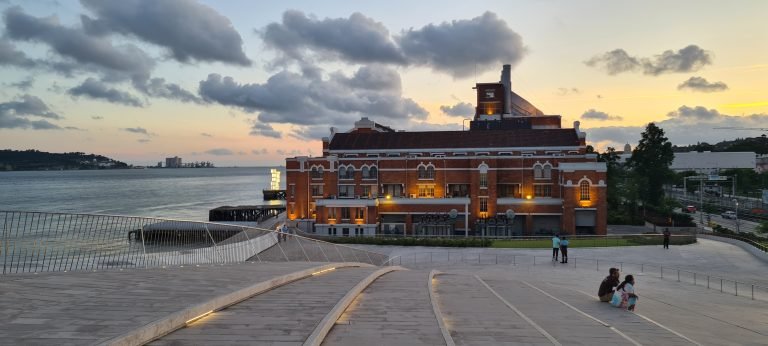
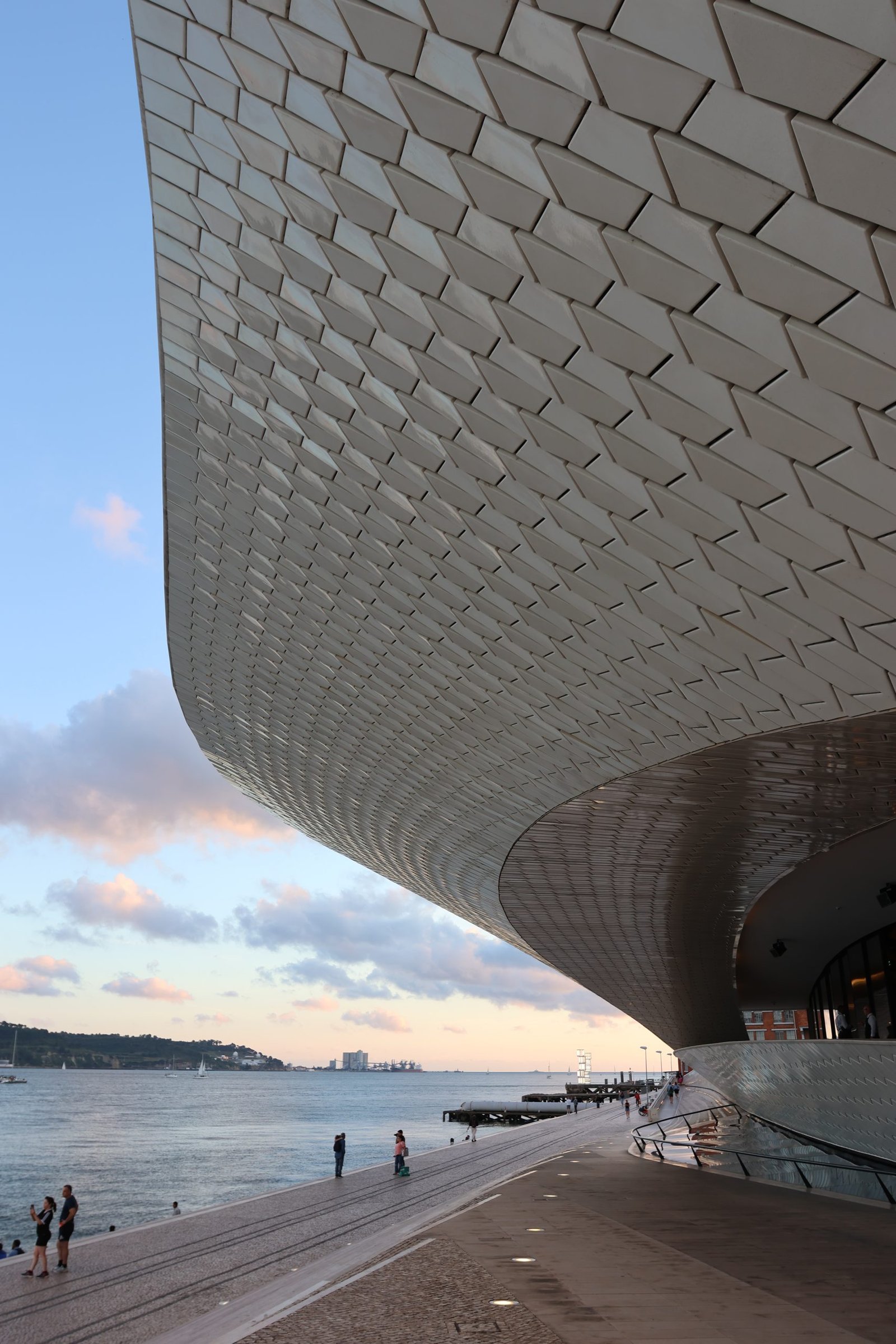
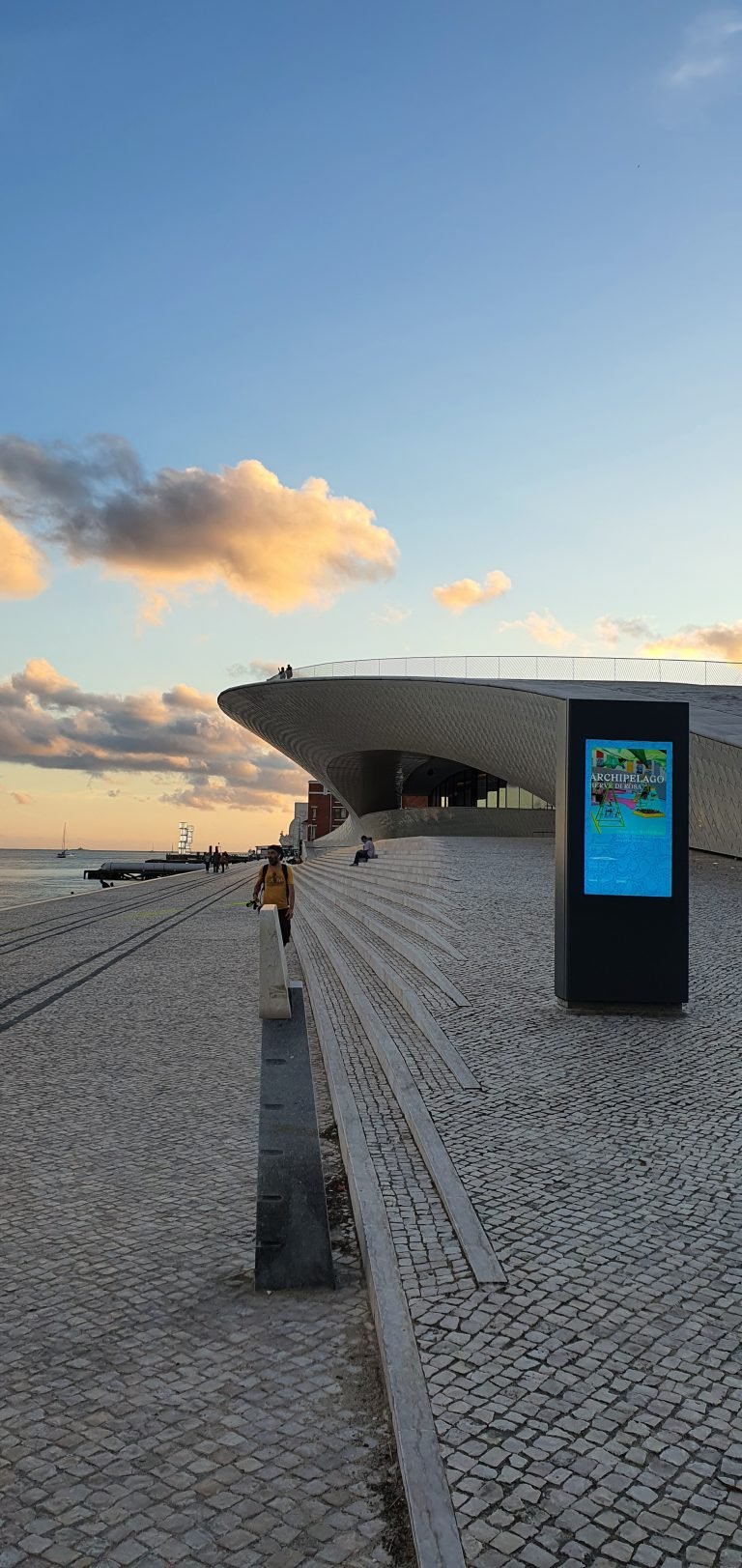
If you continue your stroll along the promenade, you find this beautiful building which is the Museum of Art, Architecture, and Technology.
Atop the museum, you’ll discover a breathtaking terrace with winding paths and flat stairs that offers a perfect spot to relax and soak in the stunning views of the river from one side, and Lisbon from the other side. Additionally, it provides a picturesque connection to the nearby Electricity Museum.
The Electricity Museum
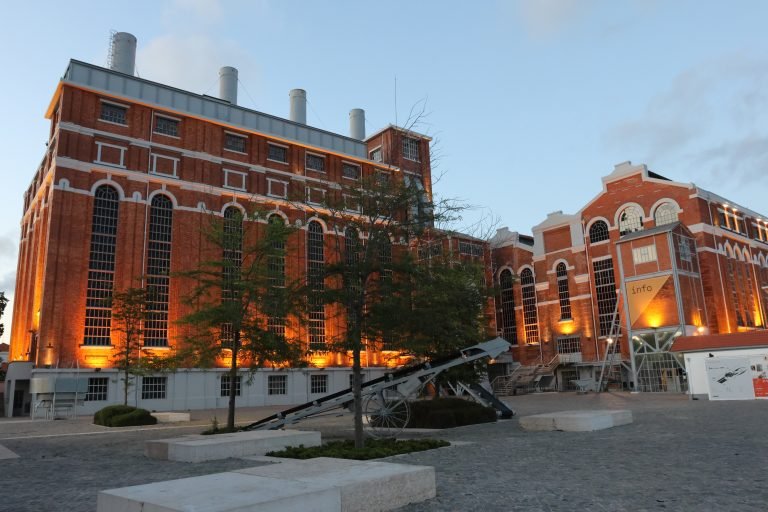
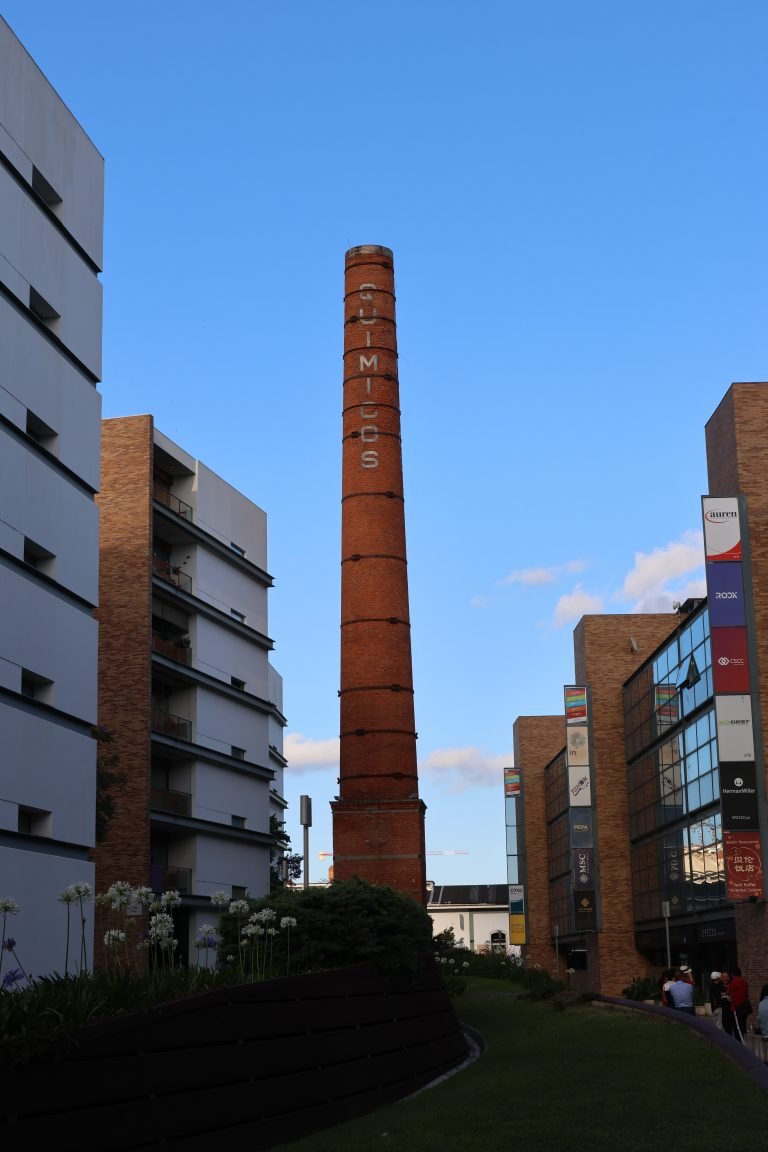
When we reached the Electricity Museum in Lisbon, it was already late, so we didn’t get a chance to explore the inside. Even so, the outside of the building was stunning. The old power station, with its brick walls, towering chimneys, and industrial architecture, stands proudly by the river. The museum blends industrial history with art and science: from original machinery that once lit up Lisbon, to interactive exhibits about energy and modern installations on renewable power. Just standing there, admiring its size and design, was enough to feel the history and importance of the place, It’s a truly impressive landmark, even without stepping inside, at first glance, you might think it’s still a functional industrial building, never guessing it’s actually a museum.
More to Explore
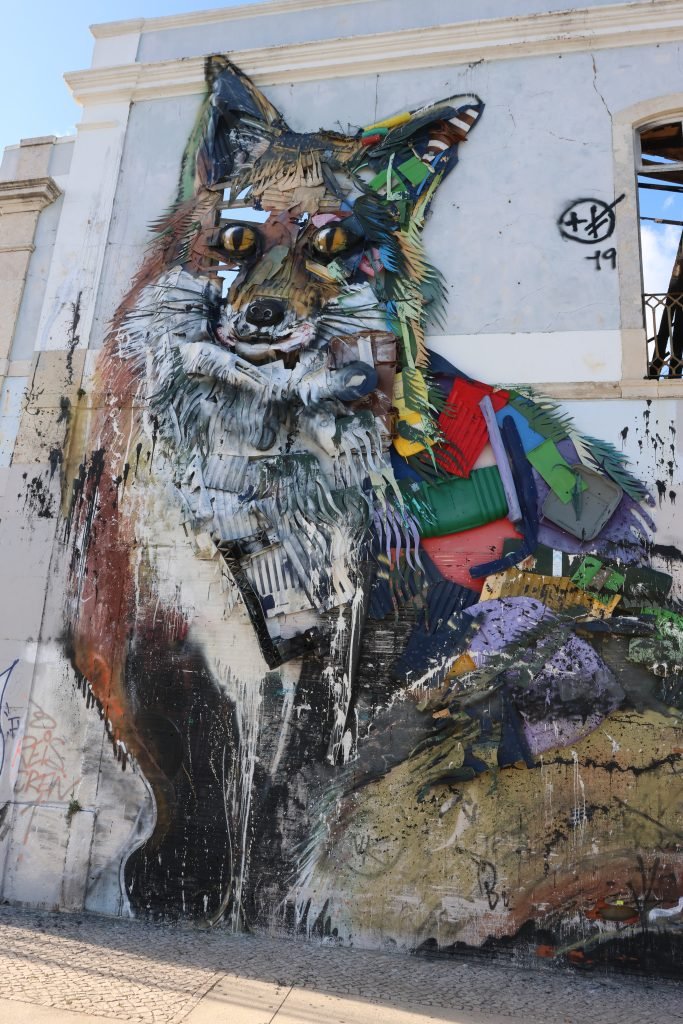
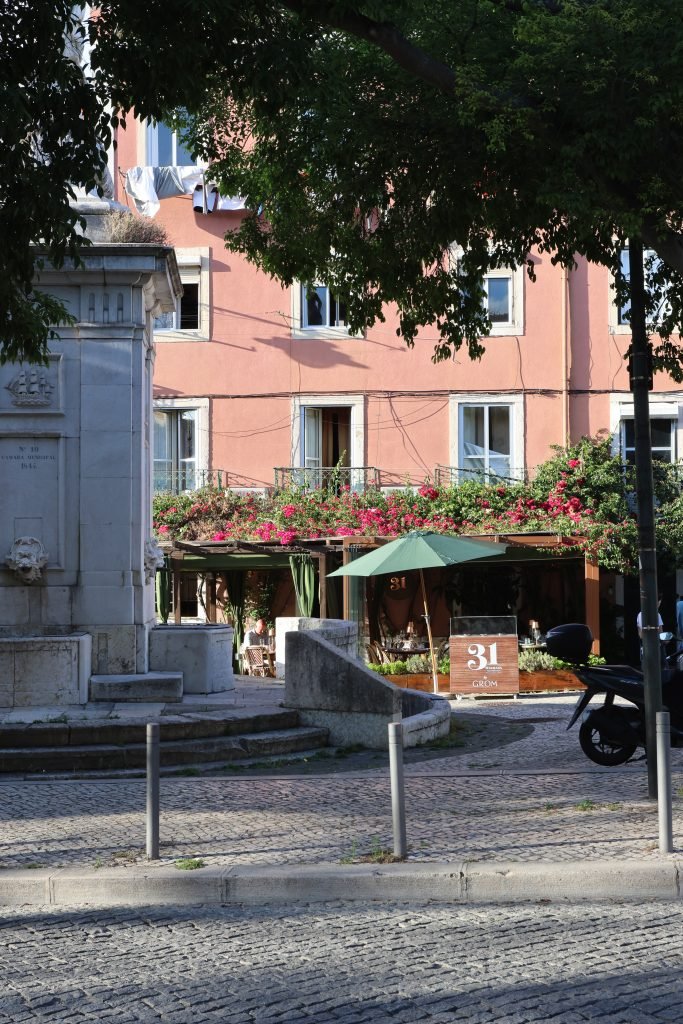
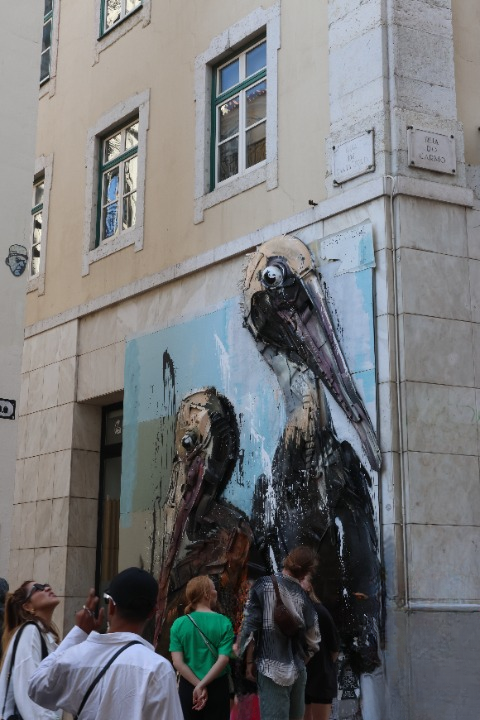
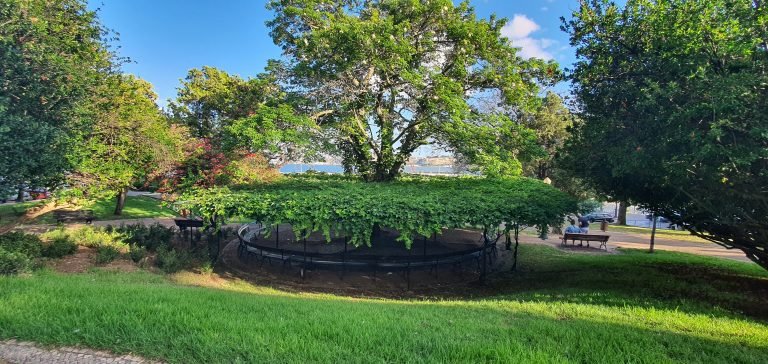
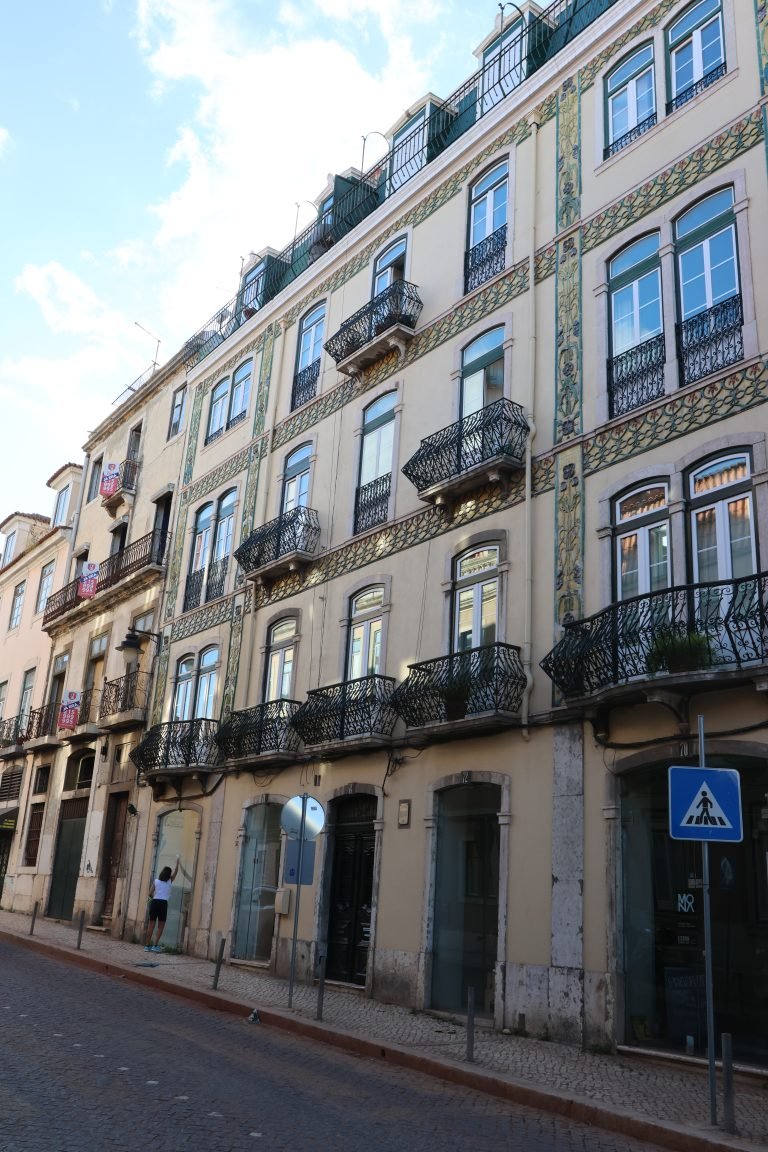
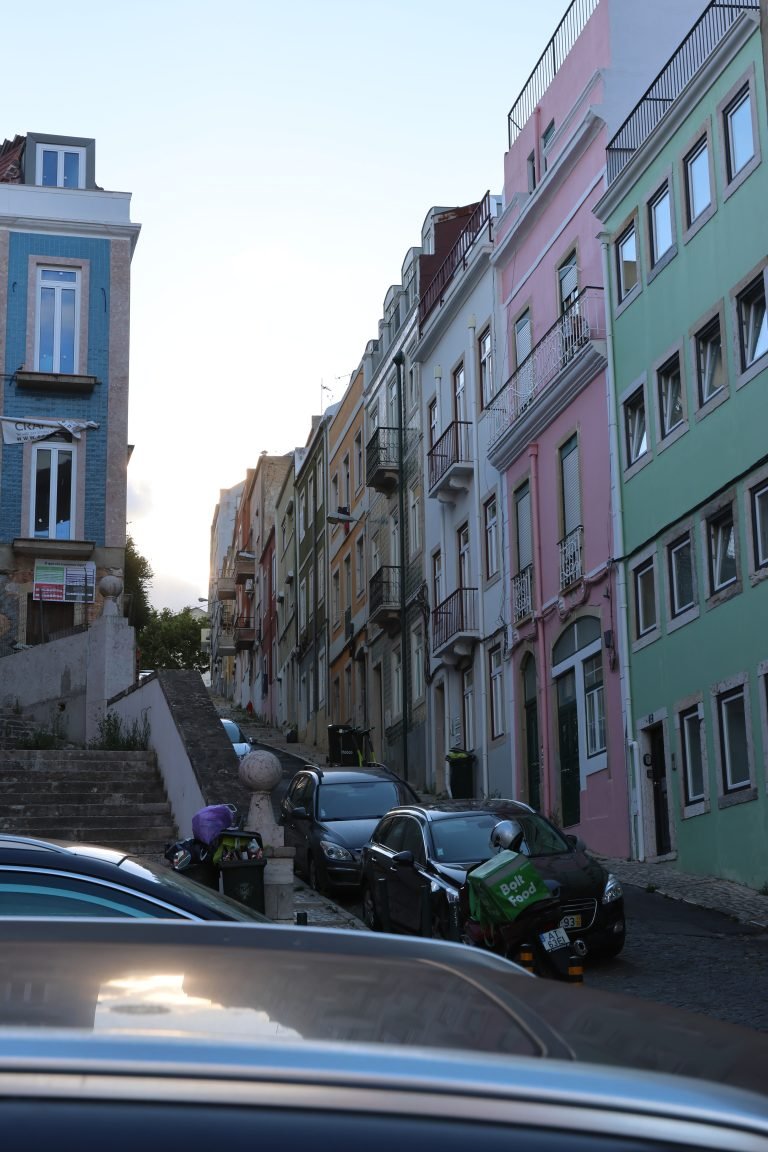
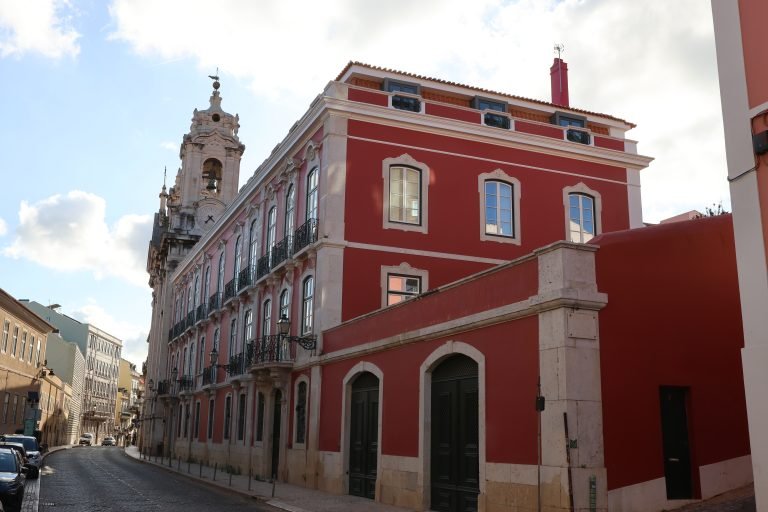
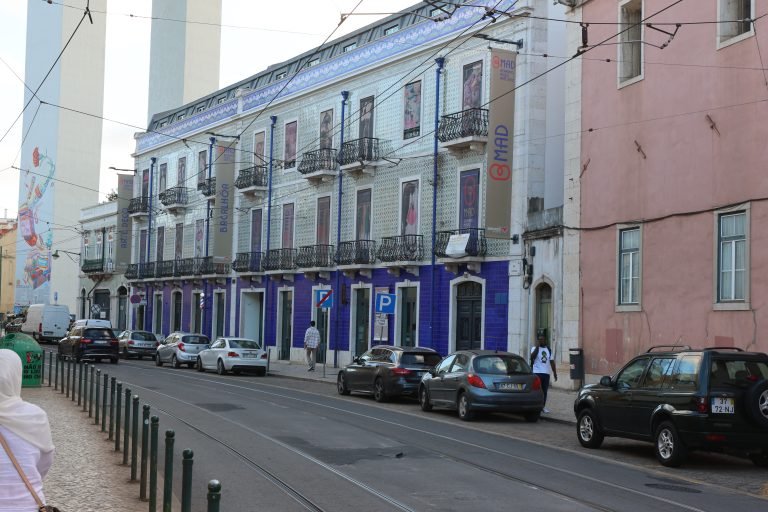
As you continue wandering through Lisbon, you’ll discover streets full of colorful graffiti, like in Mouraria, charming gardens that make you stop for a break, cozy squares, and hidden staircases winding up steep streets. Beautiful tiled facades adorn the houses, that make you stop to photograph, each telling its own story, while every corner offers a little surprise waiting to be noticed. Take your time, wander without a plan, and let yourself soak in the beauty and character of this beautiful city at your own pace.
Tips for Lisbon visit
- If you’re not staying in Lisbon, it’s best to avoid using a car as driving and parking can be challenging in the city. Instead, take advantage of the comfortable train system. We stayed in Cascais and found the train to be a great option for getting around.
- Experience Lisbon from a different perspective by taking a sunset cruise on the Tagus River. If you can’t, simply stroll along the promenade or find a bench to sit on and enjoy the breathtaking sunset over the water.
- Explore the narrow streets of the Mouraria neighborhood, known for its vibrant street art scene.
- Take a day trip to Sintra and explore its fairytale castles like Pena Palace and Quinta de Regaleira.
- Hop on Lisbon’s iconic yellow tram and ride to the historic district of Belém, but be prepared for long queues. Try to avoid peak hours to avoid the crowds.
- Wear comfortable clothes and shoes, also make sure to wear a hat, sunglasses and sunscreen.
- There are some free tours available in Lisbon if you’re interested. These tours operate on a tip basis, so you can contribute what you feel is appropriate based on your experience. Be sure to check the link for more information and to book your spot!
Visit in Portugal