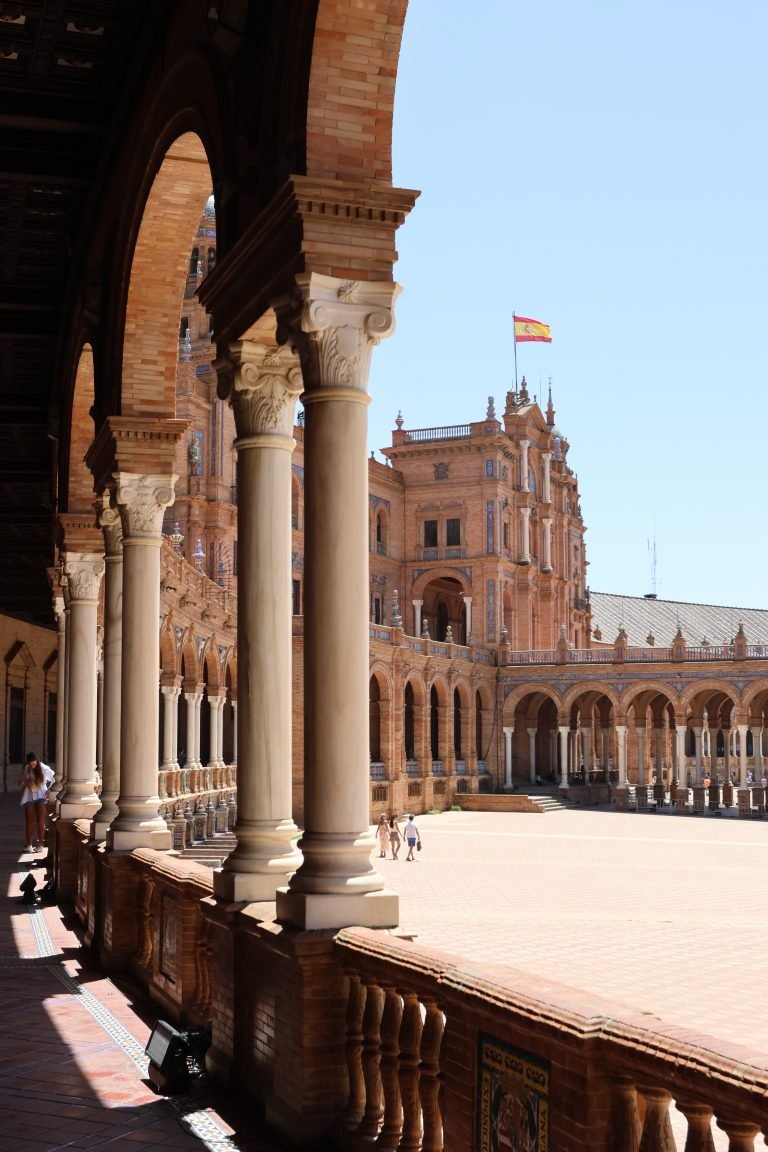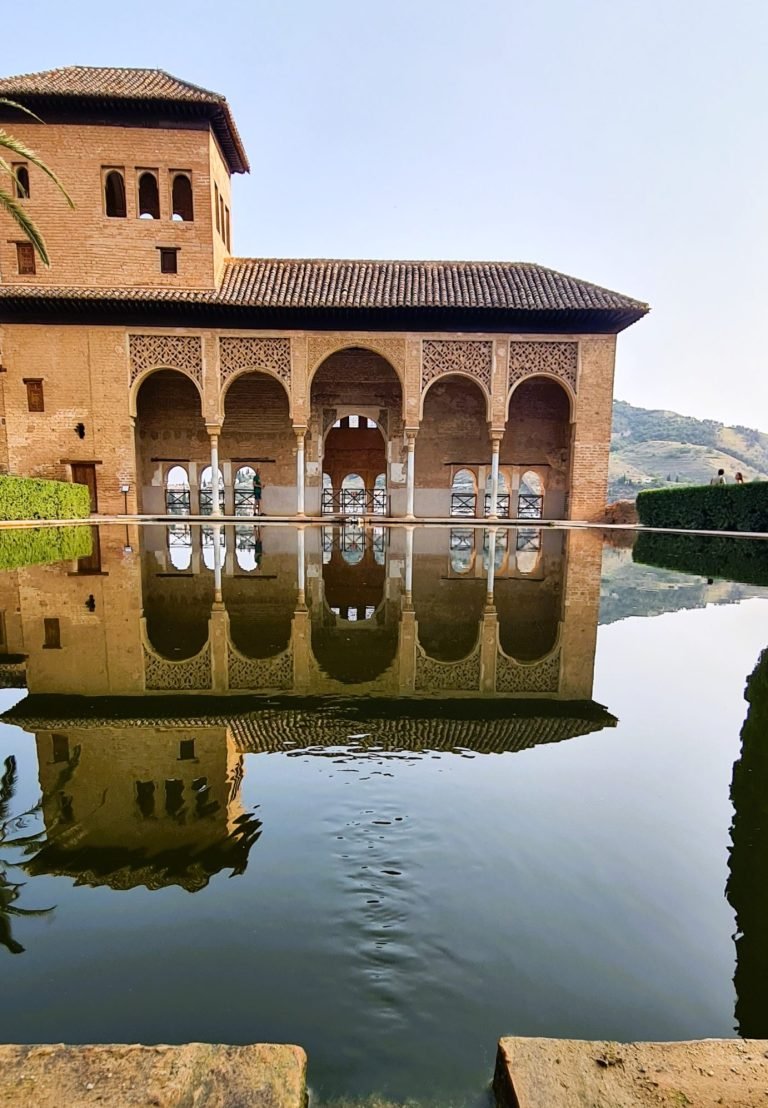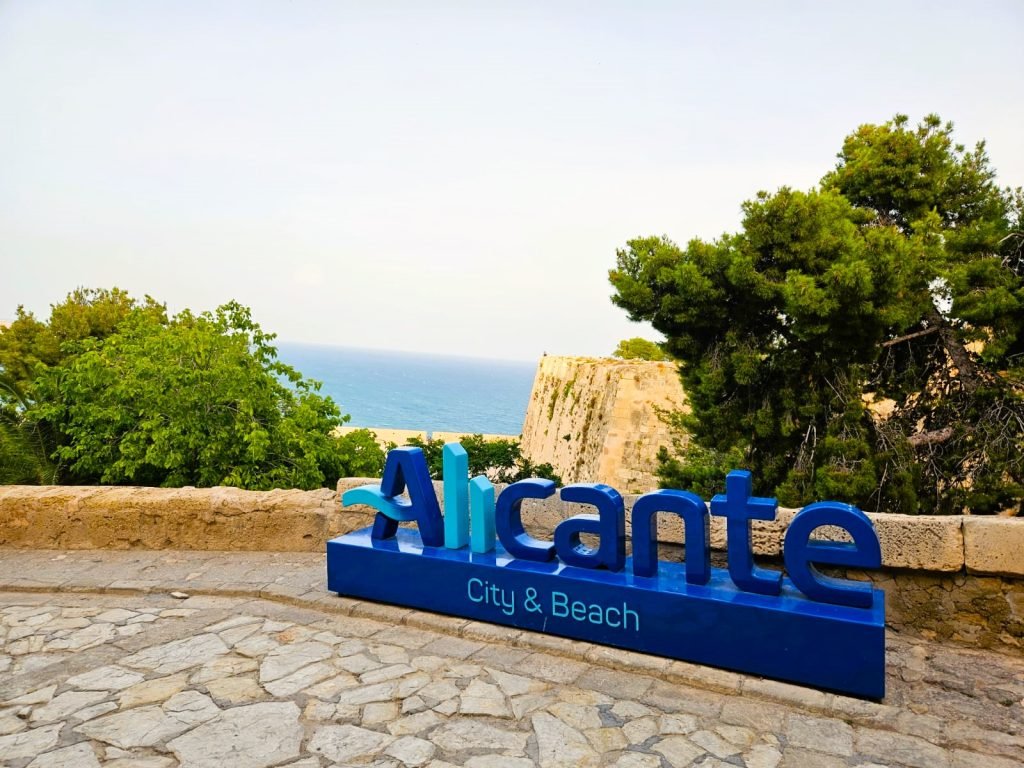
After exploring Andalusia on a previous trip to Spain, we were convinced our next adventure would take us to Barcelona or Valencia. But travel has a funny way of changing your plans. While searching for flights, we came across an amazing deal to Alicante, and suddenly our itinerary took an unexpected turn. A few days later, our bags were packed, and we were on our way to Spain's Costa Blanca, looking forward to hearing Spanish echo through lively streets, savoring Mediterranean food, and enjoying the relaxed coastal lifestyle we had missed since our last trip.
Where We Stayed

As a family, we usually prefer quieter places over busy tourist hubs, so instead of staying in Alicante itself, we chose Orihuela, not only for the accomodation that we liked, but because of its location, about an hour drive from Alicante and convenient for exploring other destinations like Cartagena, Torrevieja, and the surrounding Costa Blanca.
To make the most of our trip, we rented a car through Booking.com and found a great deal with Centauro Car Rental. Overall, we were very happy with the rental. The only downside was the pickup process. Even though we had booked the car well in advance, we ended up waiting almost two hours before we could collect it, which wasn't the best start to our holiday. Once we finally got the keys, though, everything changed. We were given a brand-new car that was comfortable, reliable, and perfect for exploring the region.
Cabo Roig Sendero Azul
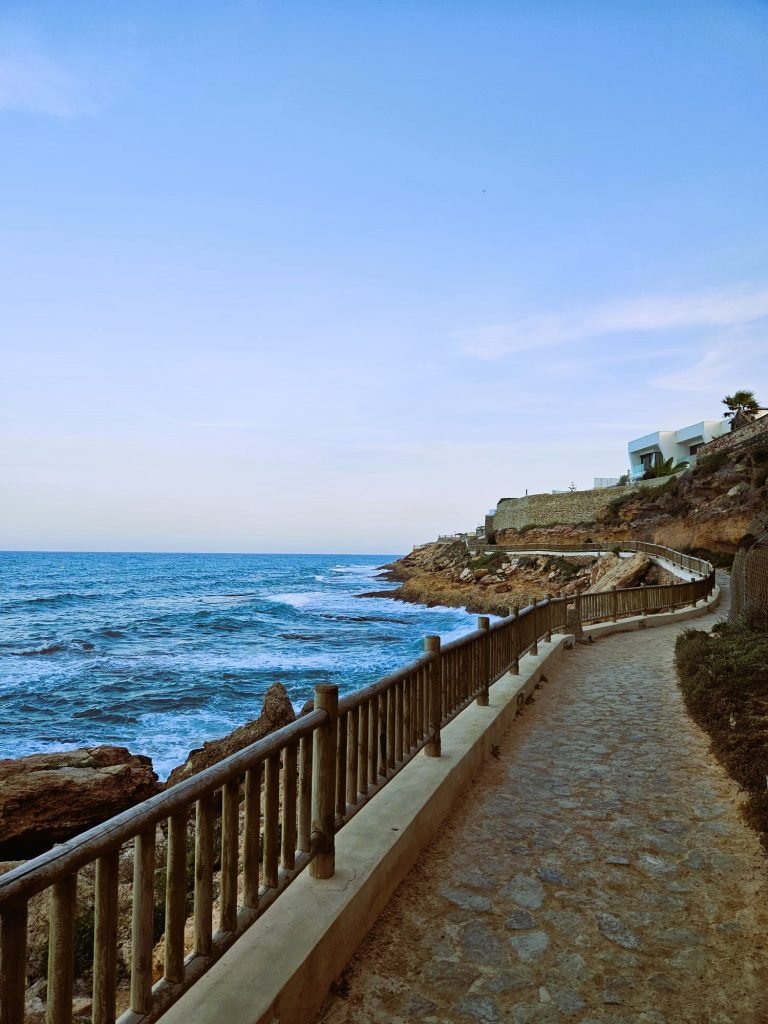
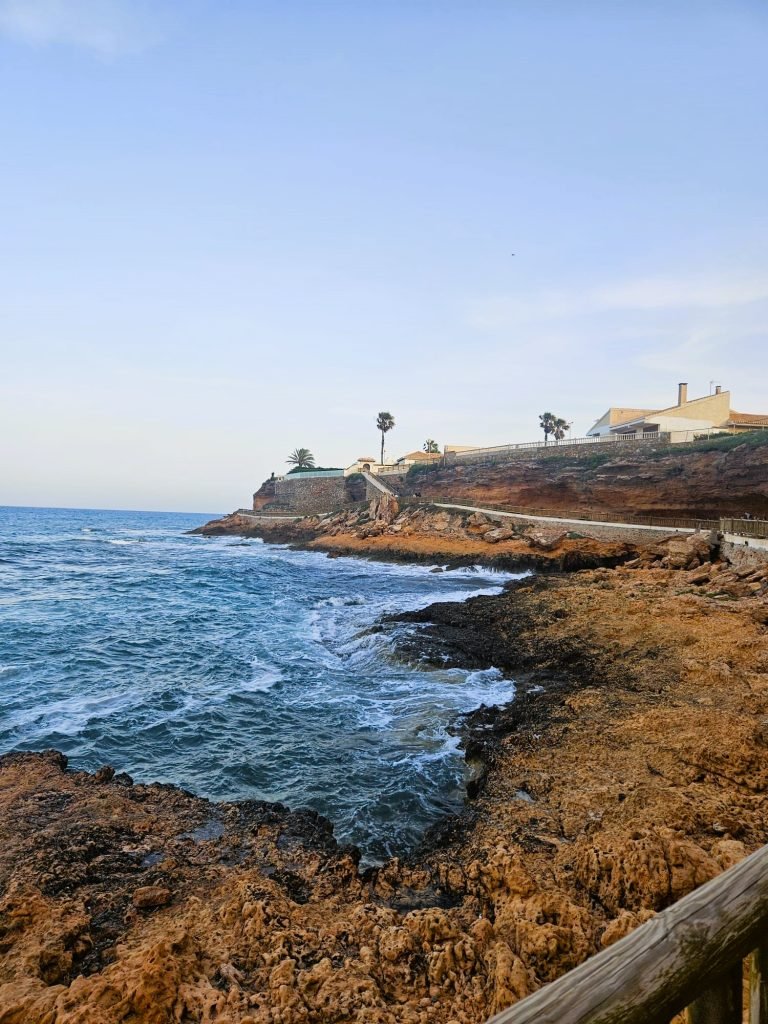
On our first day, we decided to take things slowly. After spending the morning swimming and relaxing, we headed out in the afternoon to explore the coastline around Orihuela.
One of the highlights was walking the Cabo Roig Sendero Azul, a beautiful coastal path that xceeded our expectations. The official trail is about 2.5 km long, running between Cala Capitán and La Caleta, but with all the stops for photos and the return walk, you can easily spend a couple of hours here. You can start the trail from different points along the coast, just look for the stairs leading down to the walkway. The path follows the sea and offers amazing views the whole way. There are plenty of balconies where you can stop to admire the Mediterranean, take photos, or simply enjoy the view. One thing that really stood out to us was the red cliffs of Cabo Roig, which make this stretch of coastline look so unique.
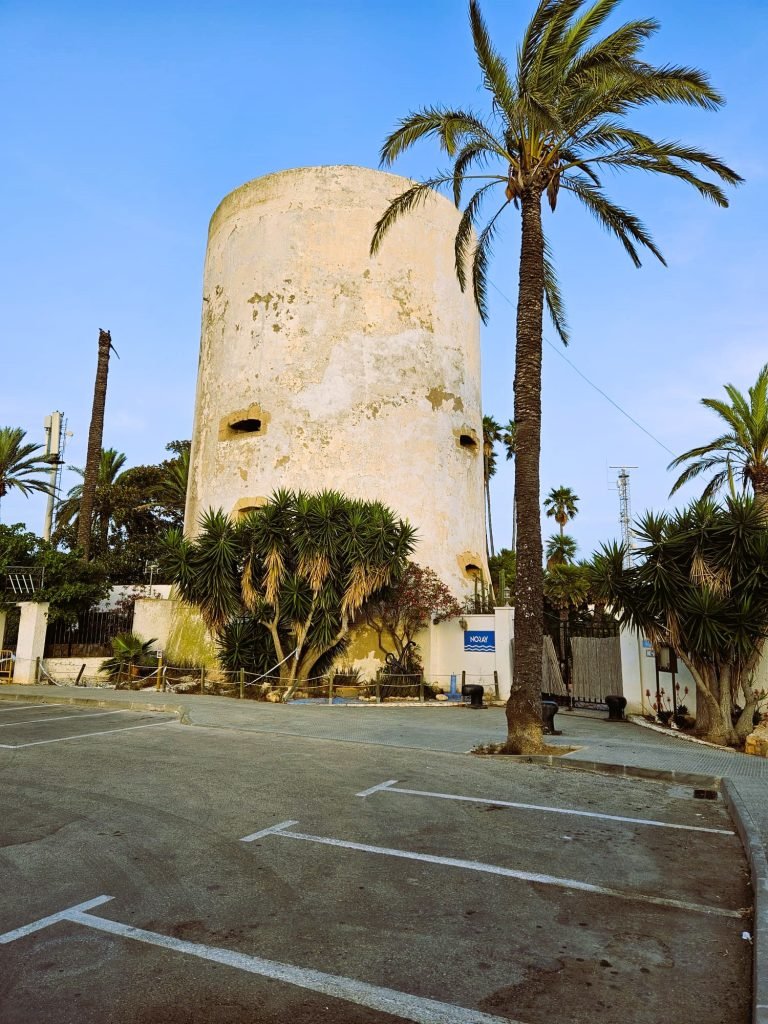
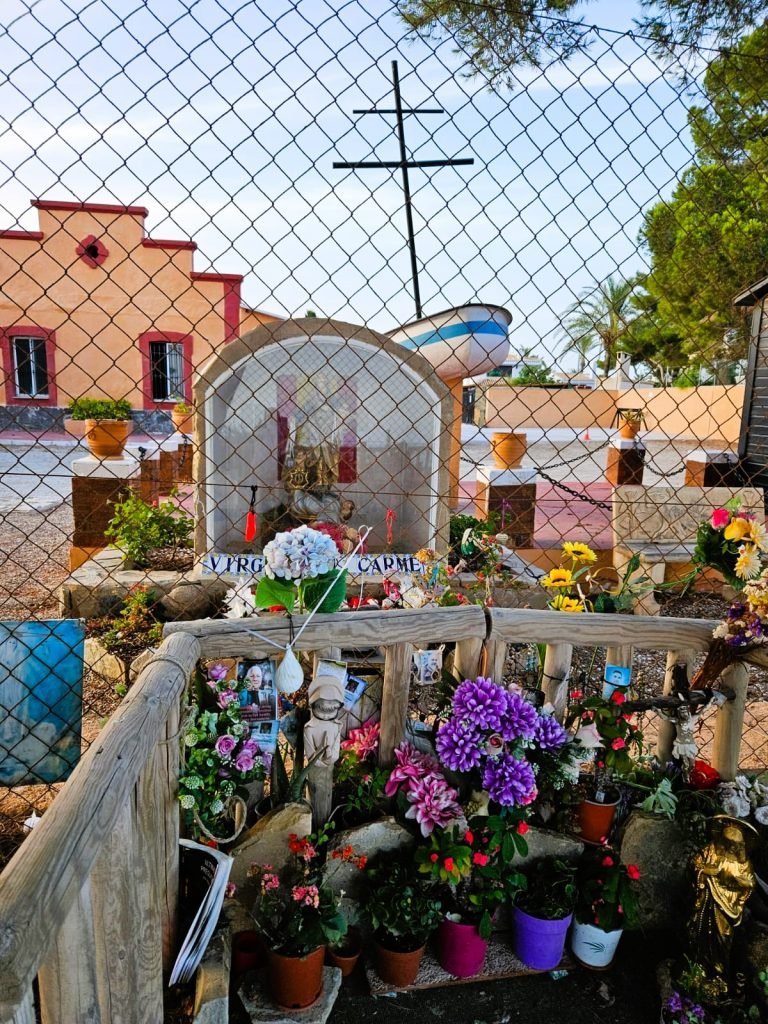
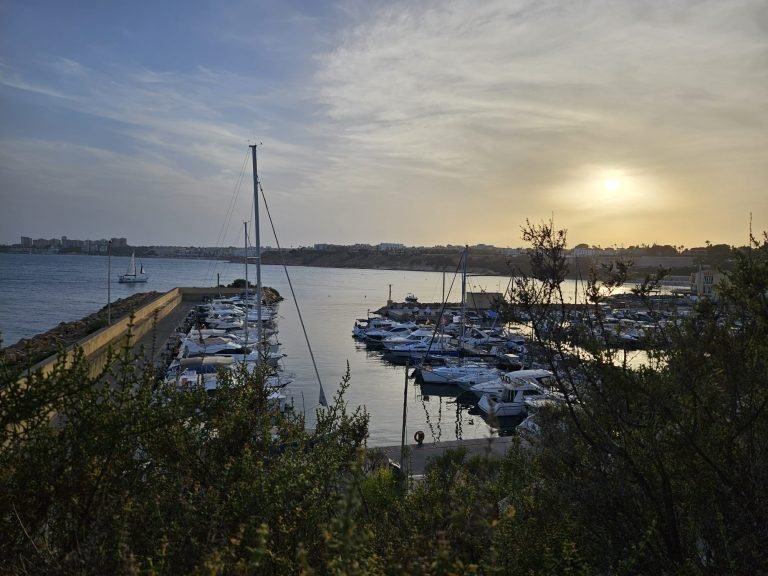
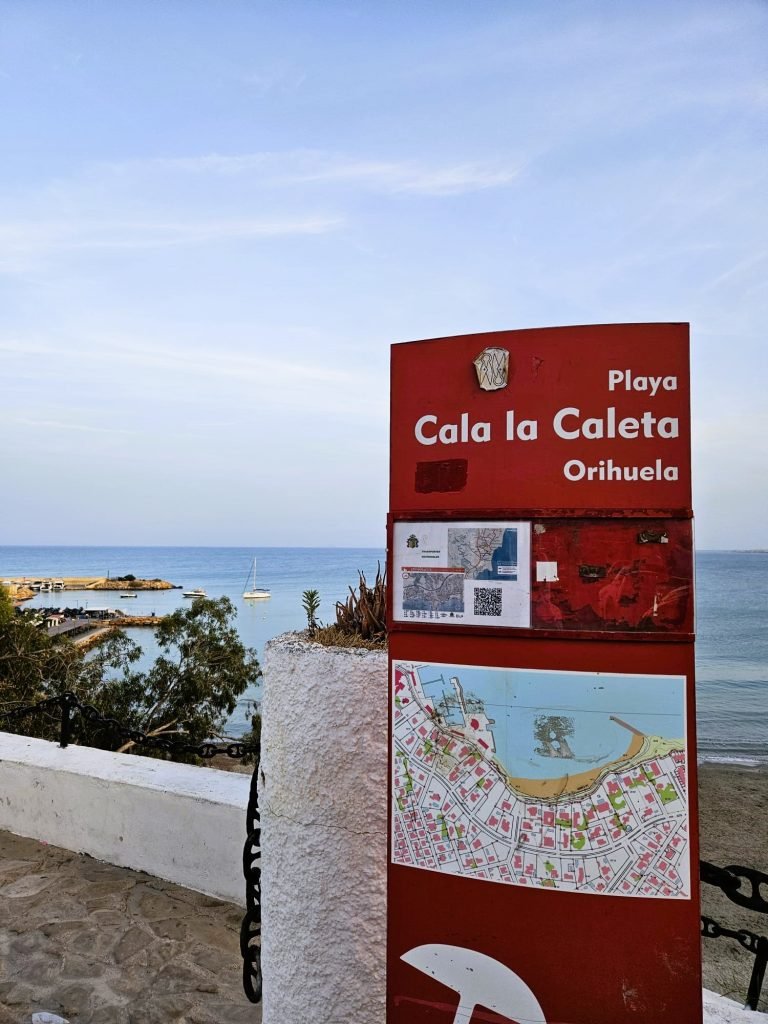
As we continued walking, we passed a military post, a small monument with an image of the Virgin Mary, and the old 16th-century watchtower (Torre de Cabo Roig) before reaching the marina. There's also a small beach along the way if you feel like stopping for a swim. We honestly didn't notice how much time had passed. We kept stopping to admire the views, listen to the waves, and enjoy the peaceful atmosphere all around us. At one point, we wandered into the nearby residential streets just to admire the beautiful villas. It quickly turned into a fun little game as we tried to decide which house we'd choose if we could live there. Then we spotted a real estate listing, and suddenly we found ourselves checking the prices and comparing our favorite homes. It was such a simple but fun part of the afternoon, and one we'll definitely remember.By the time we headed back, we realized we had spent hours exploring without even noticing. It was the perfect way to start our Costa Blanca adventure.
Castello De Santa Barbara
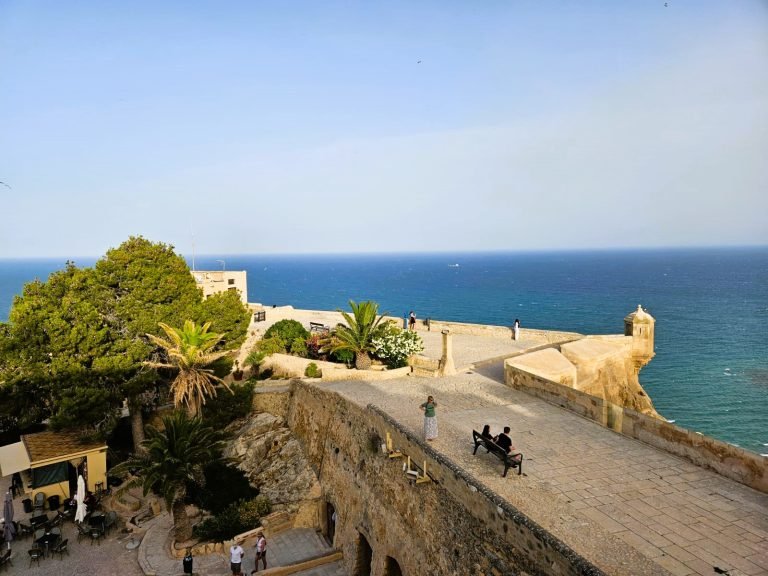
I usually skip fortresses when I travel. After you've seen a few, they all start to look the same to me. But this time, a local insisted that I shouldn't leave Alicante without visiting Santa Bárbara Castle, so I decided to give it a chance.I'm glad I listened.
The castle sits on top of Mount Benacantil, about 166 meters above the city, so even before reaching the entrance, the views are already spectacular. Looking over Alicante, the marina, the beaches, and the endless Mediterranean Sea is worth the visit on its own. What surprised me most was the castle itself. Unlike many fortresses I've visited before, this one felt like a maze. Instead of one large open space, there are different levels connected by staircases, arches, courtyards, tunnels, terraces, and lookout points. Every corner seemed to reveal another section to explore, and I never felt like I was simply walking around the same walls.
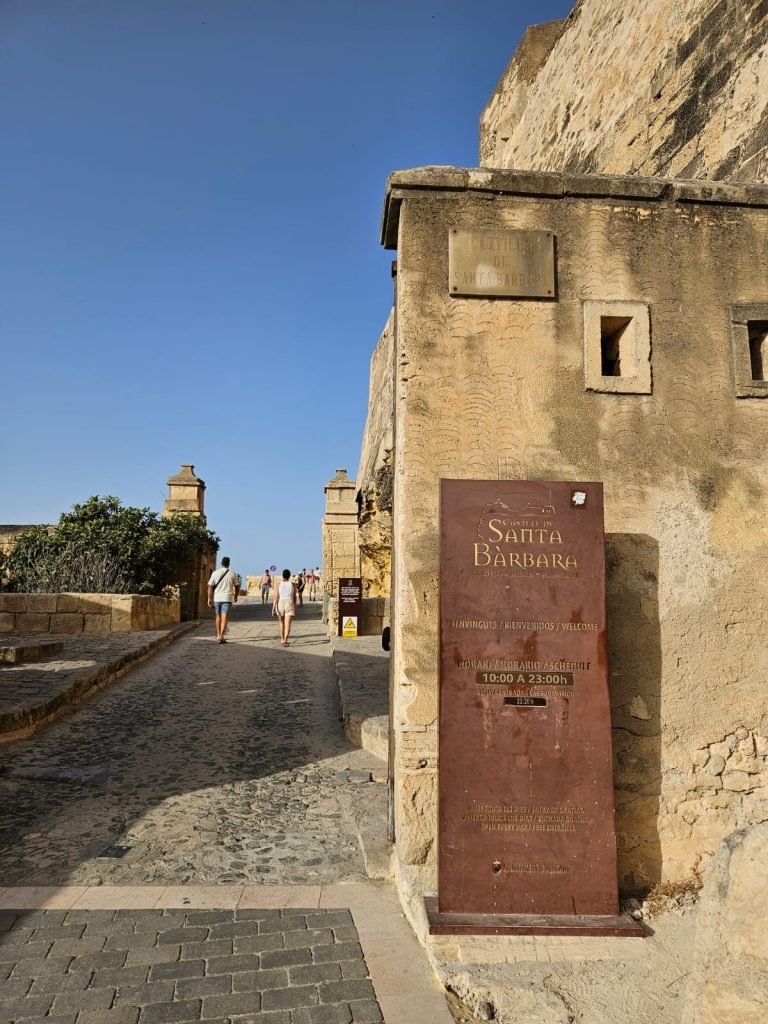
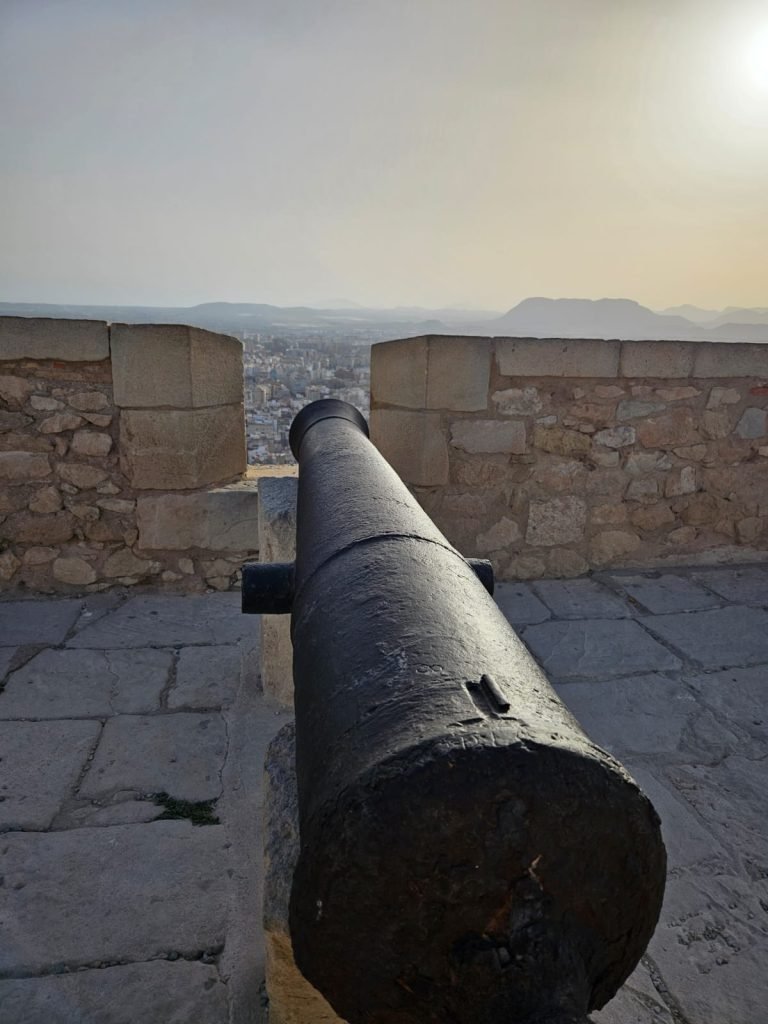
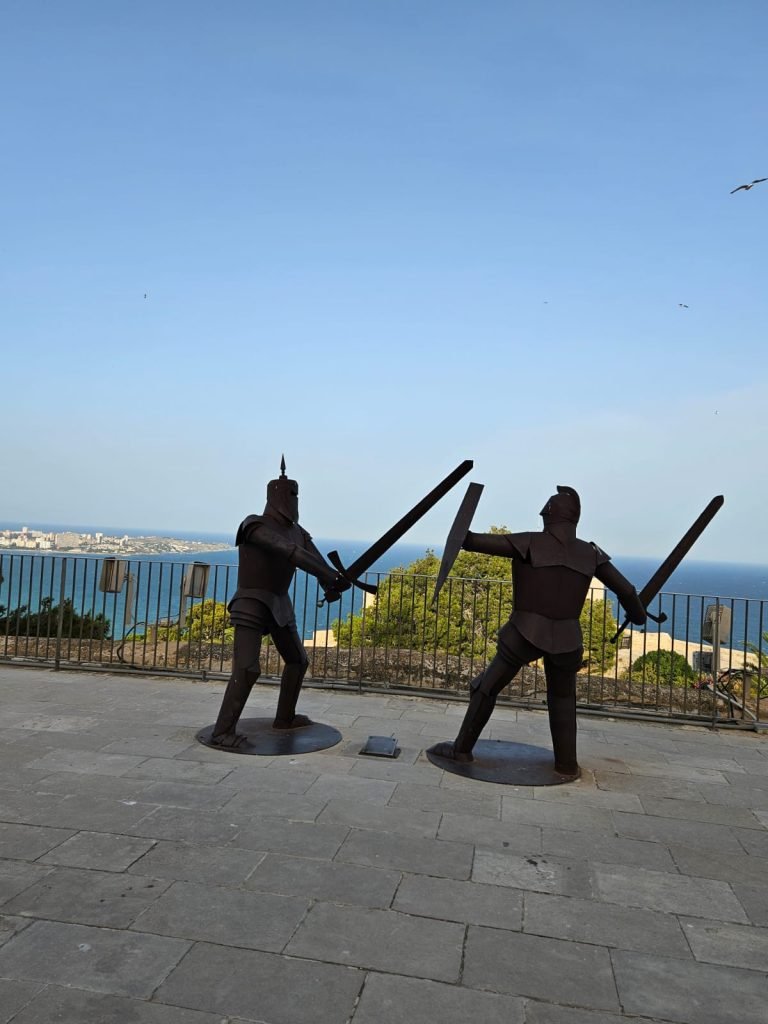
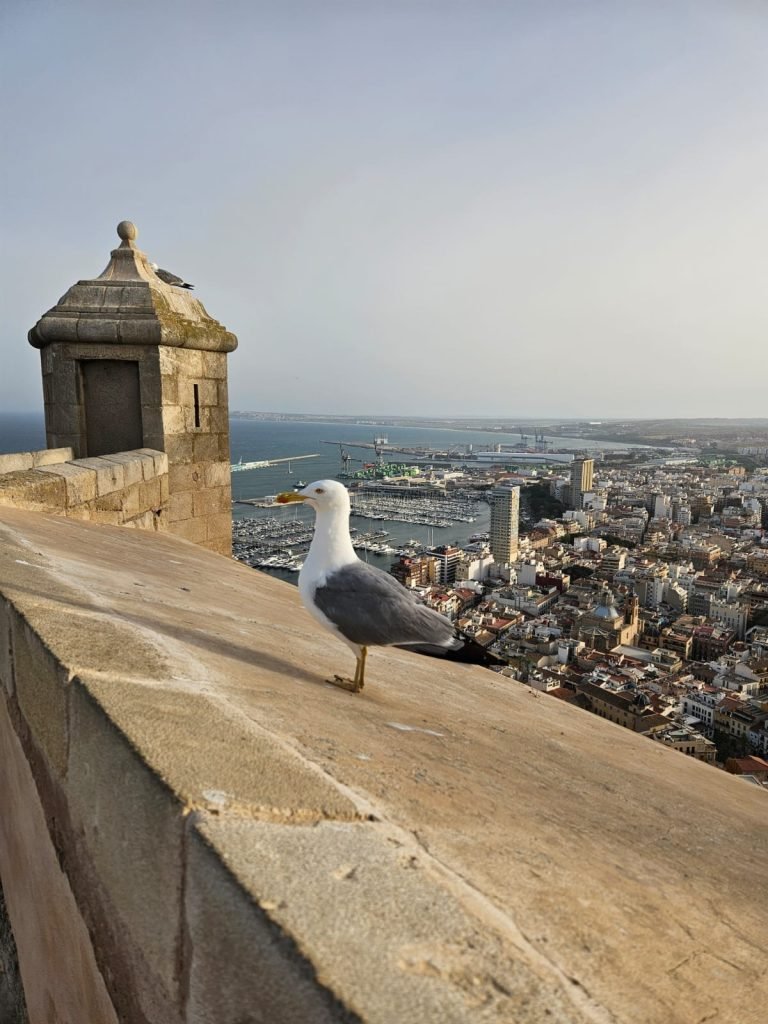
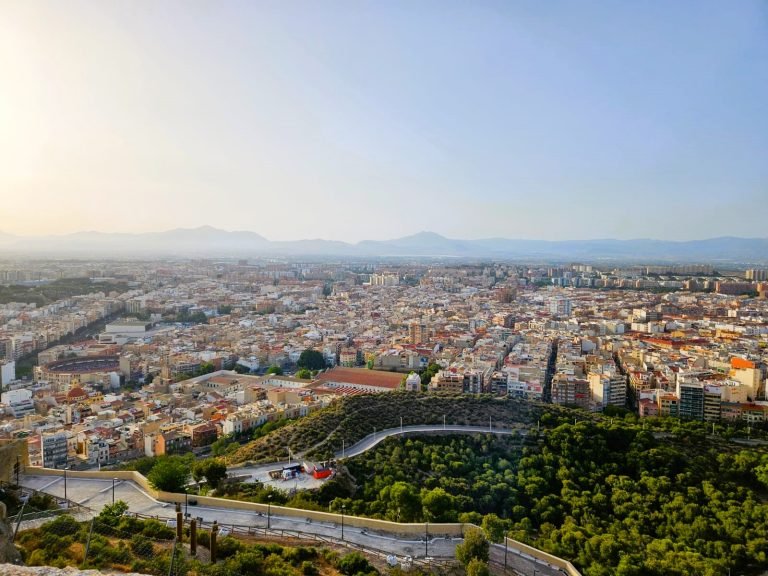
The castle dates back to the 9th century when it was built by the Moors, and over the centuries it was expanded by different rulers, which explains why each section has its own character. Today, you'll also find small museums, exhibitions, cafés, and plenty of places to sit and simply enjoy the cool sea breeze.Between the history, the architecture, and the incredible views over Alicante, it ended up being one of my favorite places in the city.
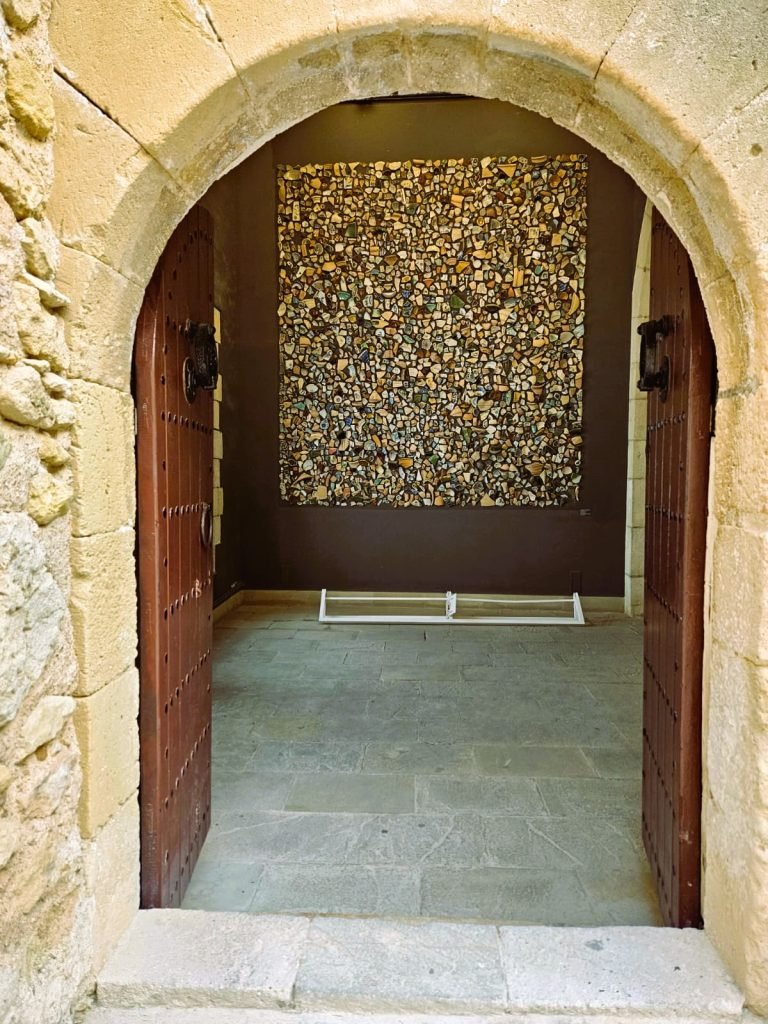
One thing that stayed with me wasn't one of the cannons or the old walls, it was a simple artwork inside the museum. It was made from hundreds of broken porcelain pieces, carefully glued together to create a beautiful wall-sized mosaic.
Standing there, I couldn't stop looking at it. To me, it became a wall of hope. It reminded me that even broken pieces can come together to create something beautiful. It made me think of the Japanese idea of kintsugi, except here the pieces weren't repaired with gold, they were simply brought together, each one keeping its own shape and imperfections while becoming part of something bigger.
I stood there smiling at the wall for quite a while. People walking past were probably wondering what was so fascinating, or maybe they thought I was a little crazy! But for me travel isn't just about the famous landmarks, it's about those unexpected moments that touches my heart and stays with me long after I go back home.
Plaza de Toros de Alicante
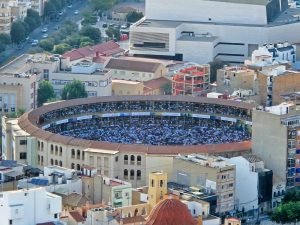
From the castle's terraces, you get a fantastic view over Alicante, and one landmark that immediately caught my eye was the Plaza de Toros de Alicante. It was easy to spot from above, and judging by the crowds gathering outside, there seemed to be a bullfighting event taking place that day.Although it was interesting to see such an iconic part of Spanish culture from a distance, I wasn't tempted to visit. Bullfighting has never appealed to me, so I was happy to admire the historic arena from the castle and continue exploring Alicante in my own way.
Barrio de Santa Cruz
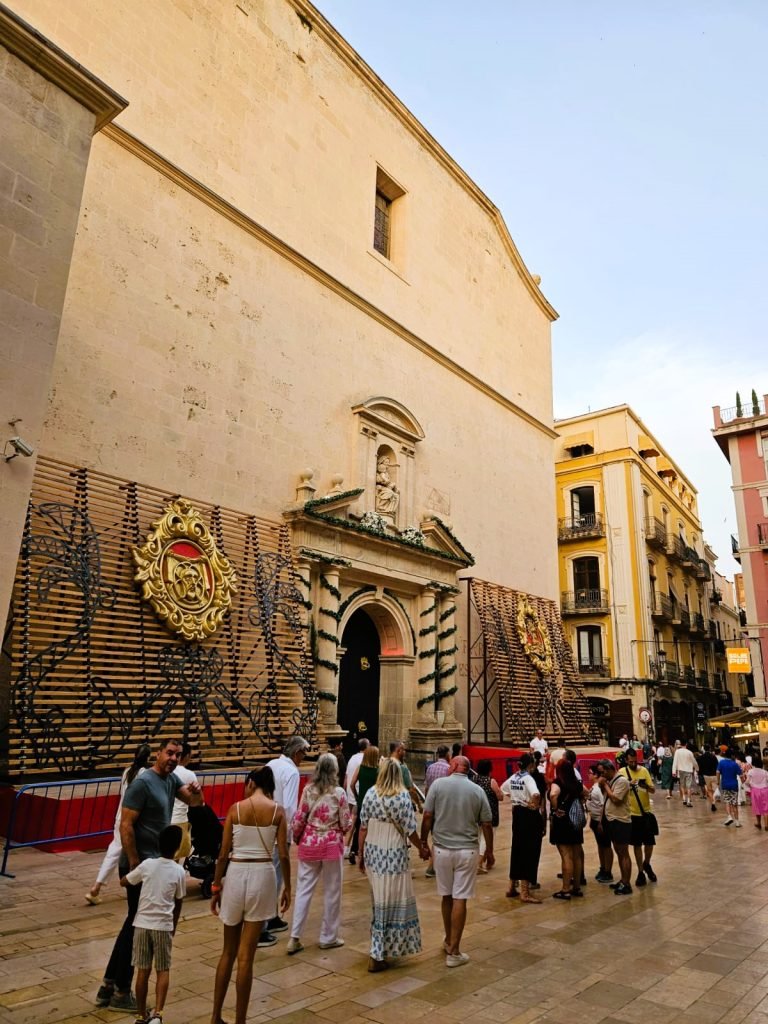
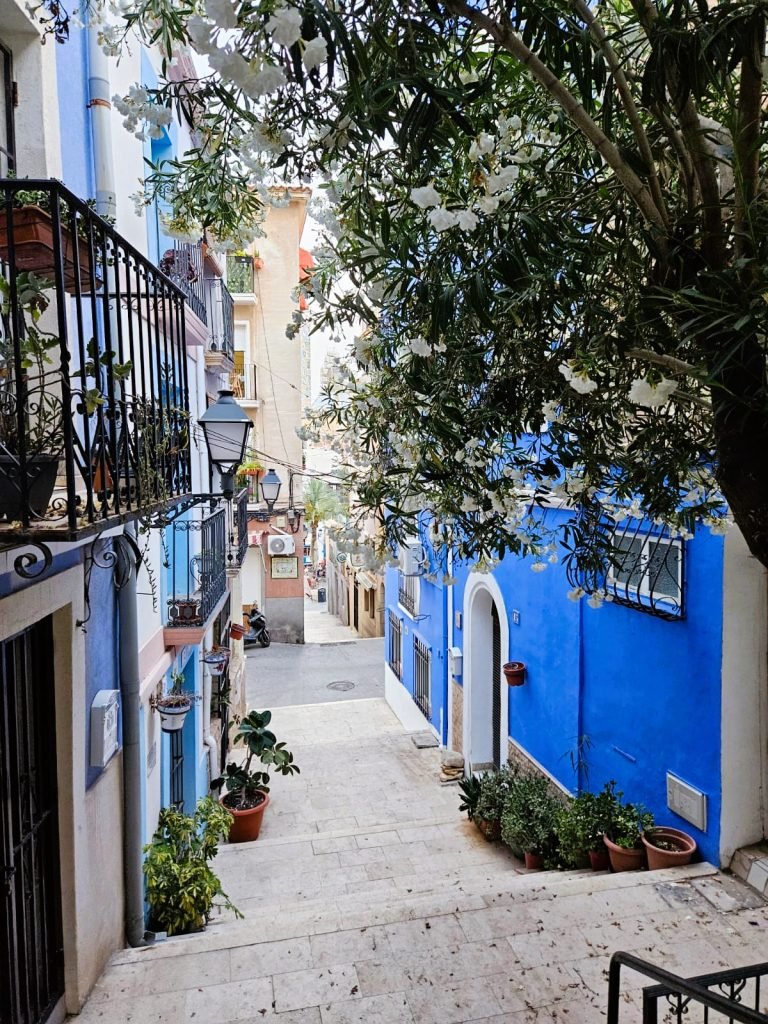
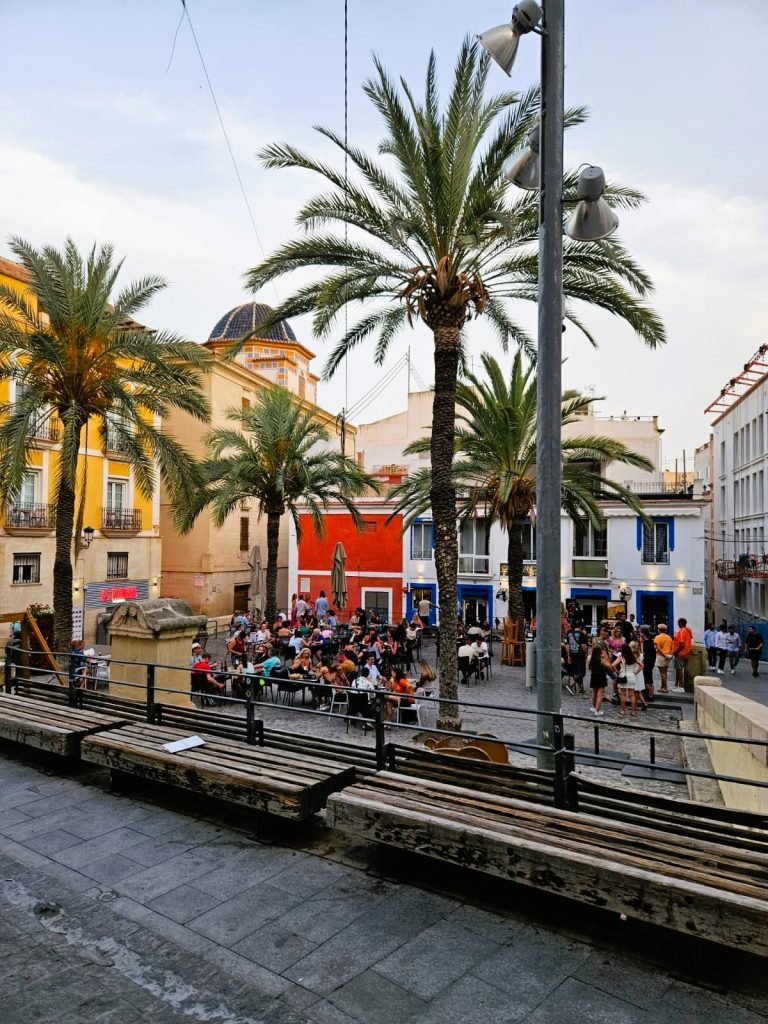
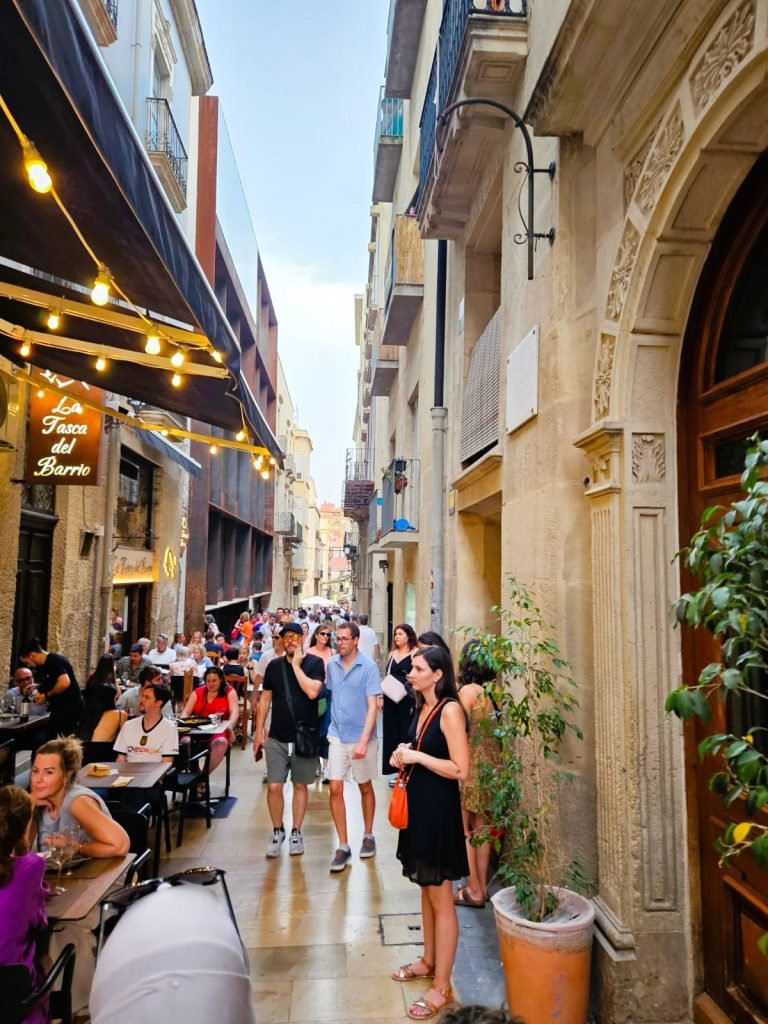
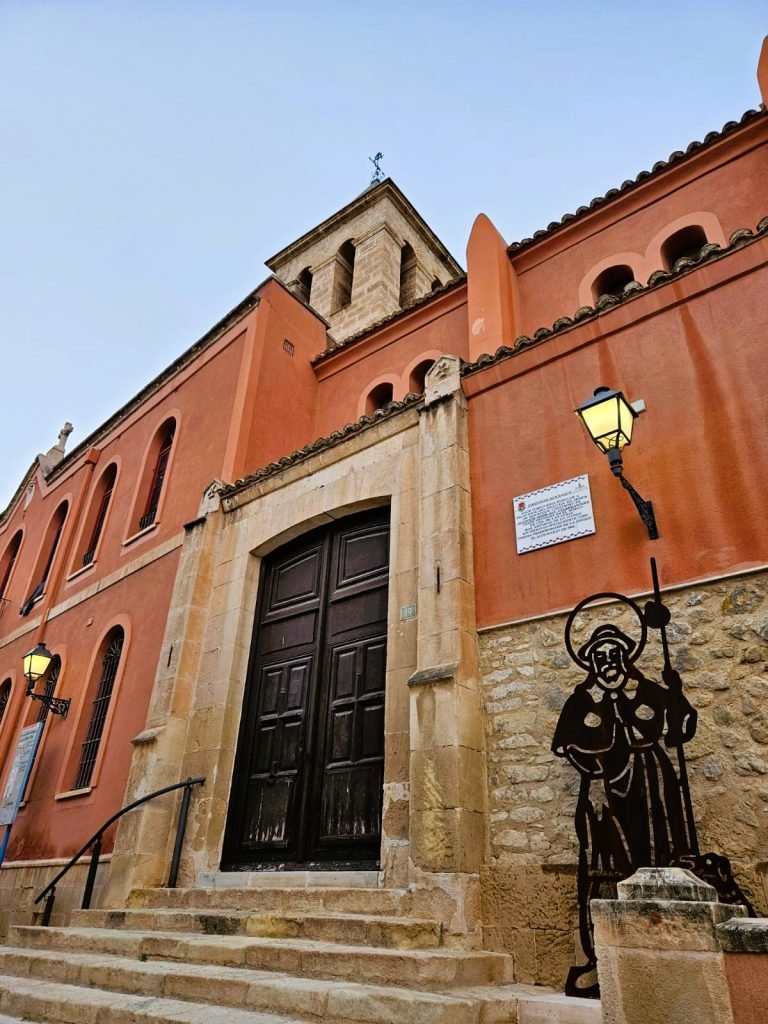
After visiting Santa Bárbara Castle, we decided to continue exploring Alicante. Since we were staying in Orihuela, about an hour's drive away, we planned our visit carefully and combined the castle with a walk through the city.
From the castle, we followed the road and the stairs that lead down towards Alicante's old town. The walk itself was a lovely experience, with beautiful views over the city as we slowly made our way down, heading toward Barrio de Santa Cruz, one of the most charming and picturesque neighborhoods in the city. The first place we came across was the Basílica de Santa María, the oldest church in Alicante. From there, we continued wandering through the narrow charming streets of the Barrio . We climbed the stairs to Carrer de Toledo and Carrer d'en Pere Sebastià, where we found some of the most beautiful corners of Alicante. The coloured houses, colorful doors, flower-filled balconies, and quiet streets made us stop every few minutes to take photos and admire the details. As we walked around, we also came across the Ermita de San Roque, where we learned about the local tradition of the Fiestas de San Roque. Even though we weren't there during the celebrations, it was a nice reminder that these streets are not just beautiful, they are full of history and local life.
While wandering through the old streets of Alicante, we arrived at Plaza de la Santísima Faz, a small but charming square that immediately caught our attention. It had a relaxed vibe, with tables outside, people enjoying their time, and the sound of live music coming from one of the restaurants. We decided to stop for a while and enjoy the moment. We sat down, listened to the music, watched everything and everyone around us, and simply took a break from walking. These are the moments we love most when traveling, the unplanned stops, no checklist of attractions to follow. We were simply walking, discovering small details, and enjoying the rhythm of the city.
After enjoying the music and the peaceful vibe of the square, we continued our walk through Alicante, curious to discover what other little corners were waiting for us.
Alicante's waterfront
Explanada de España
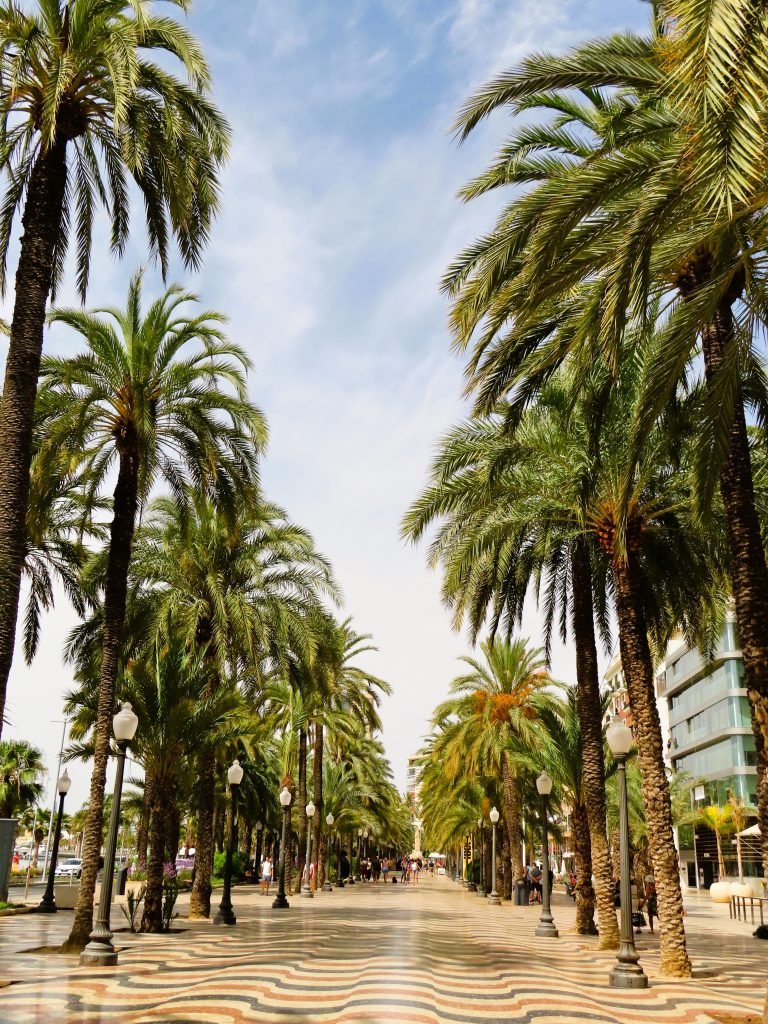
The Explanada de España is probably the most famous place in Alicante, and it's easy to see why. Running alongside the marina, it's the kind of place where people naturally slow down. Locals come here for an evening walk, tourists stop for an ice cream, and others simply sit under the palm trees, watching the world go by.What makes the promenade so unique is its beautiful wave-shaped mosaic, made from millions of small marble tiles. Once you notice the pattern, you can't stop looking at it. Add to that the long rows of palm trees providing welcome shade, cafés with outdoor terraces, street performers, and small artisan stalls, and you have a place that perfectly captures Alicante's relaxed Mediterranean lifestyle.
The Explanada was built where the city's old sea wall once stood, but today it's much more than just a walkway.
The Marina
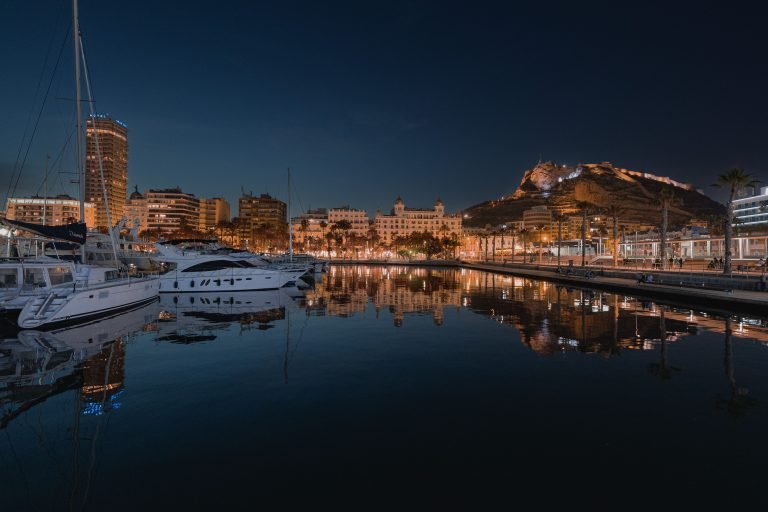
Just next to the Explanada de España is Alicante Marina, another place that's worth taking your time to enjoy. We walked along the waterfront, watching the boats gently rocking in the harbor while people relaxed at the cafés and restaurants overlooking the sea.
I always enjoy visiting marinas, especially at night, not because of the luxury yachts, but because of the atmosphere. There is something calming about sitting by the water, feeling the sea breeze, and watching boats come and go or just floating on water. Alicante Marina has that relaxed Mediterranean vibe that makes you forget about time for a while.
El Palmeral Park
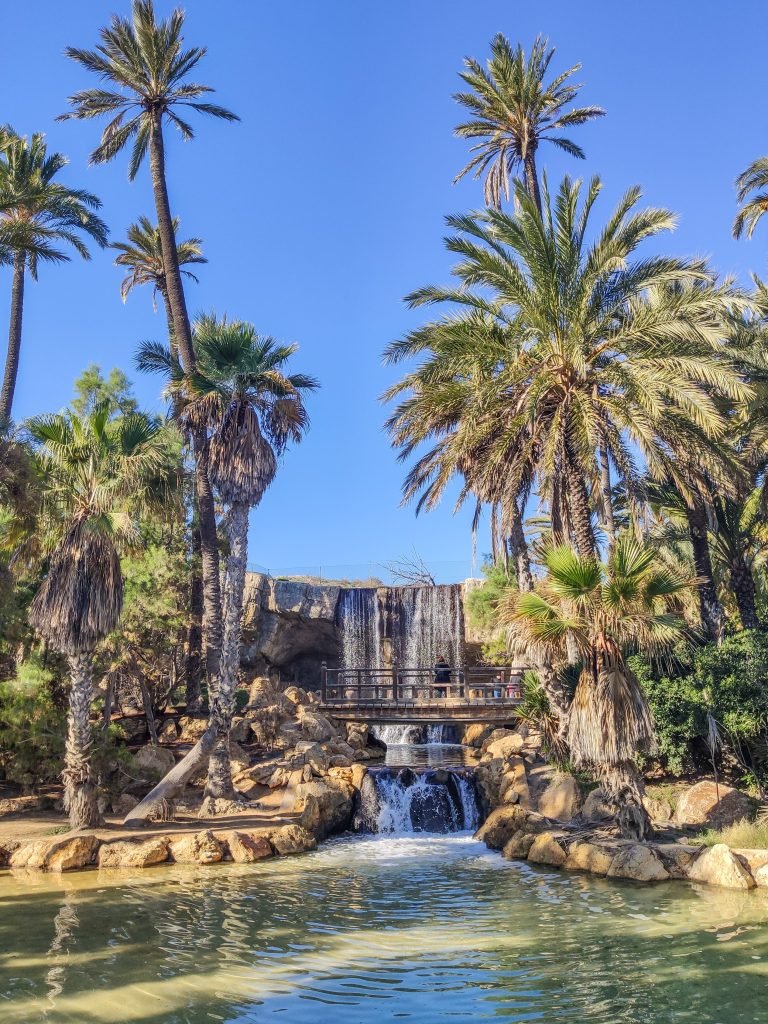
Before arriving in Alicante, our host gave us one recommendation that he insisted we shouldn't miss. "If you want to escape the heat," he said, "go to El Palmeral Park and just relax." He couldn't have been more right. As soon as we entered the park, it felt noticeably cooler. Surrounded by more than 7,000 palm trees, small waterfalls, streams, ponds, and wooden bridges, it felt like a little oasis hidden away from the busy city. The sound of the running water, the shade from the palms, and the fresh breeze created such a peaceful place that we could have stayed there for hours. We wandered along the walking paths, crossing little bridges and stopping every now and then to enjoy the scenery. The waterfalls and flowing streams give the park a refreshing feel, making it the perfect place to escape the summer heat. It was hard to believe we were still in Alicante. What I liked most was that the park didn't feel touristy. Families were enjoying picnics, children were playing, and locals were sitting in the shade reading or chatting. If you're visiting Alicante during the warmer months, I'd definitely recommend spending an hour or two here. Sometimes, taking a break from sightseeing and simply relaxing in nature is exactly what you need before continuing your adventure.
Fonts de l'Algar
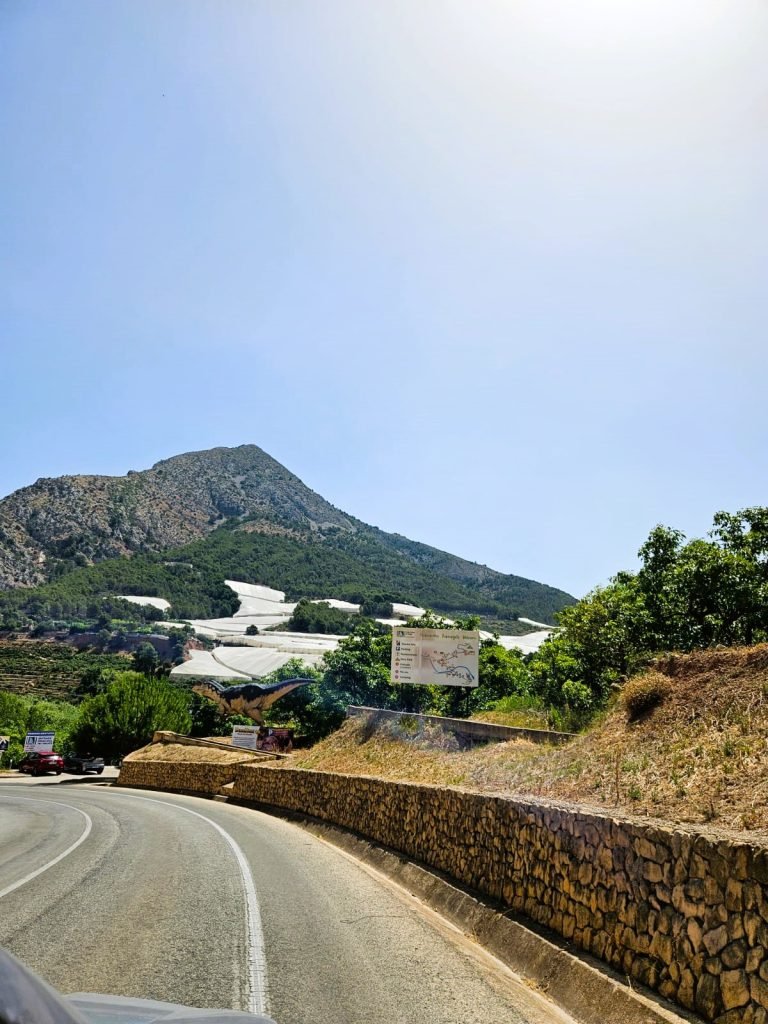
One of the day trips we were most looking forward to was Fonts de l'Algar. We had heard so many good things about it, and since we were also planning to visit Guadalest, it made for the perfect day out.The drive there was an experience in itself. As we left the coastline behind, the landscape slowly changed into mountains, something I always appreciate. I don't know what it is about mountain roads, but I never get tired of them. Every turn revealed another beautiful view, and I found myself enjoying the journey just as much as the destination.
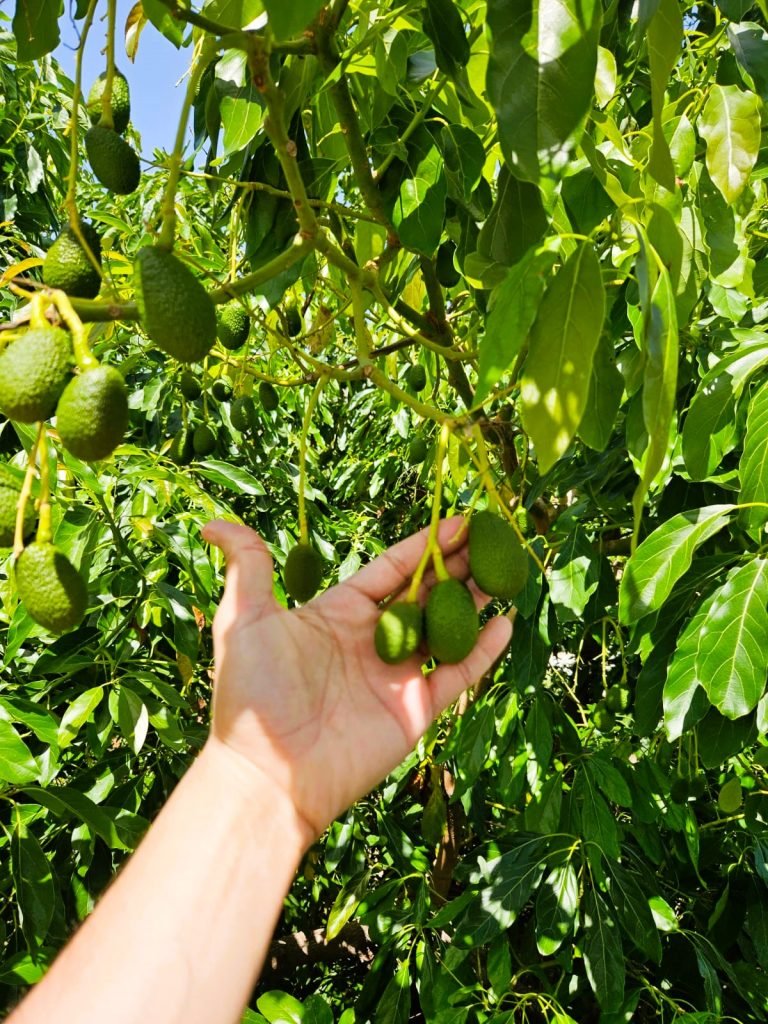
One thing that really caught my attention was the endless covered fields climbing the mountainsides. If I'm not mistaken, they were avocado plantations, something I had seen before around Frigiliana in Andalusia. It was fascinating to see them stretching across the hills, adding another layer of green to the landscape.
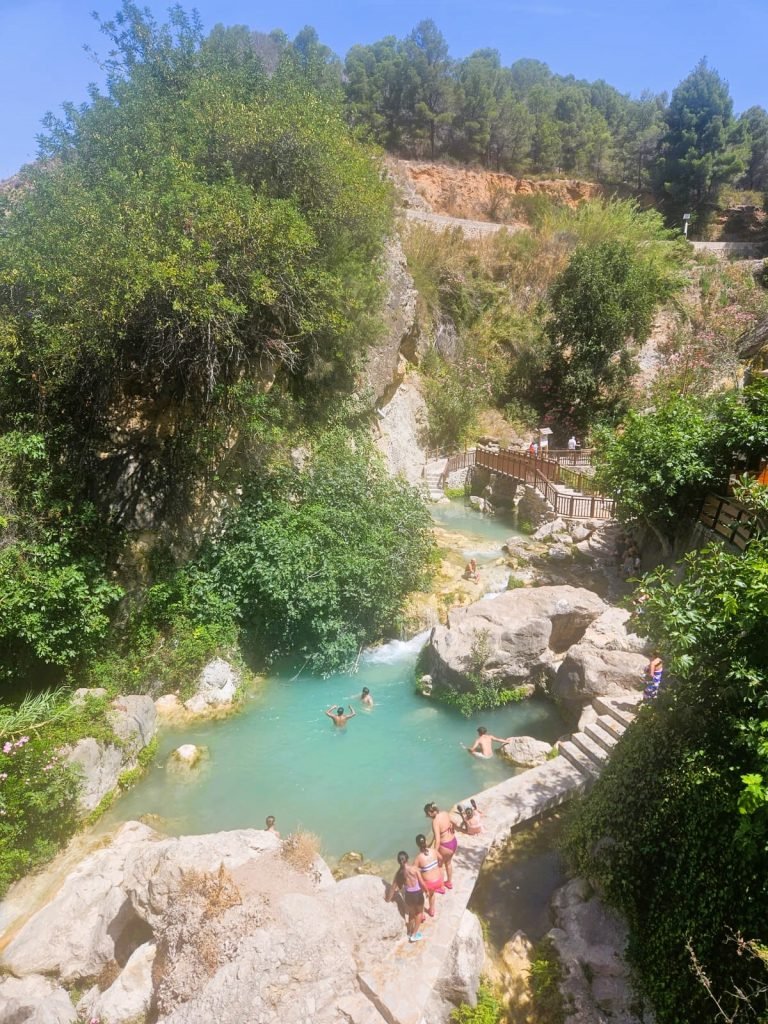
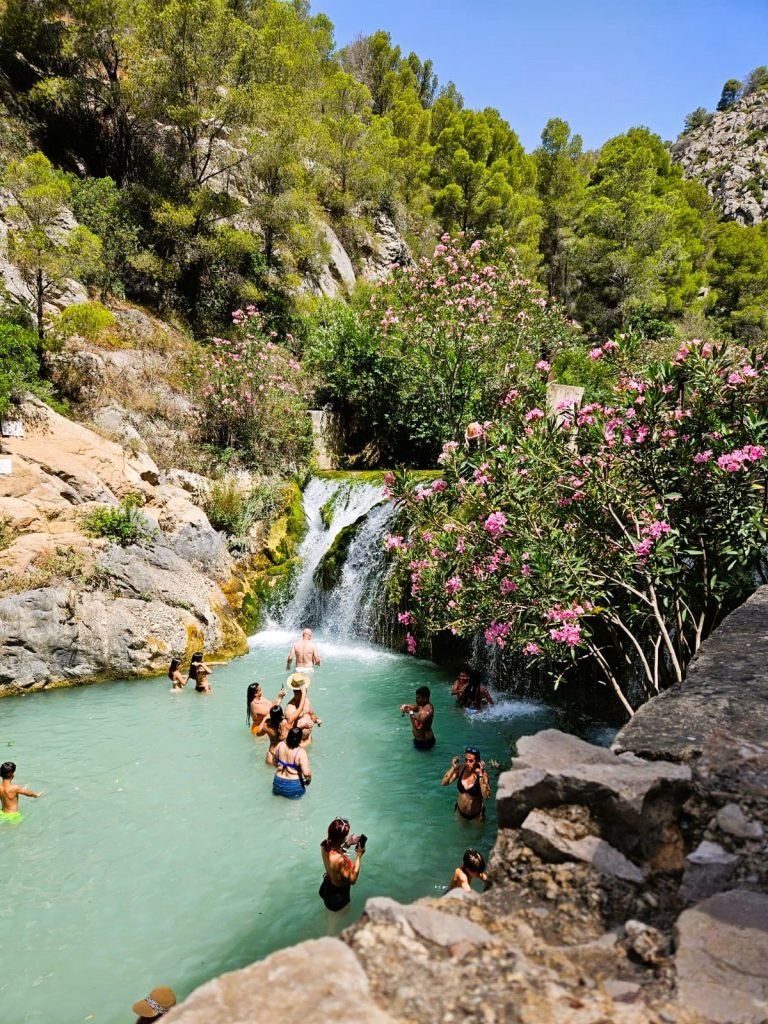
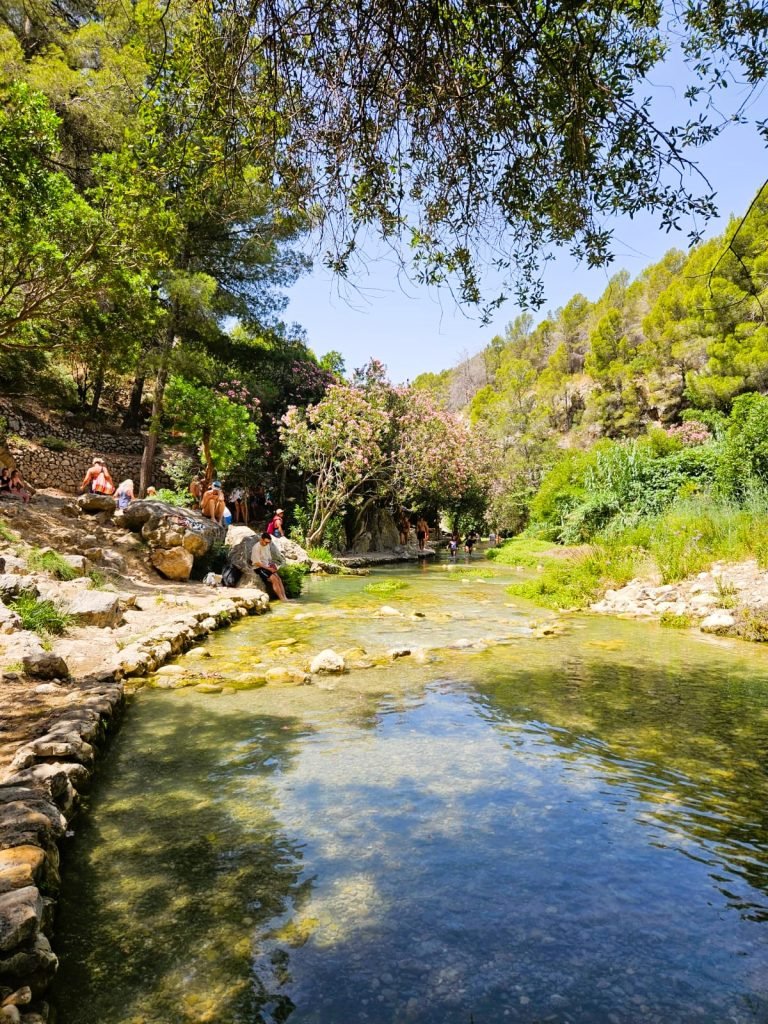
Located near the village of Callosa d'en Sarrià, Fonts de l'Algar is a protected natural area famous for its waterfalls, crystal-clear pools, and lush surroundings. The water comes from natural underground springs in the nearby Bernia Mountains, where rainwater filters through the limestone before emerging to form the Algar River. This is also why the water stays so incredibly clear and refreshingly cold all year round.
As soon as we arrived at Fonts de l'Algar, we could hear the sound of rushing water and the laughter of people splashing in the pools. Even from the entrance, the place had such a refreshing feel that we couldn't wait to explore it. We followed the paths along the river, crossing little bridges and stopping to admire the waterfalls until we reached the main pool, where the water seemed to emerge from the rocks. It was packed with people enjoying a swim, so we decided to keep walking until we found a quieter spot in the shade. The day was incredibly hot, and I couldn't resist stepping into the water which was freezing. After the first few seconds, though, it felt amazing. I found a rock to sit on and let the water flow around me. For me, there is nothing more relaxing than being surrounded by nature and feeling connected to the water. Those quiet moments are often the ones I remember most from a trip. Once we had cooled off, we spread out our picnic by the riverside and enjoyed lunch surrounded by trees and the sound of the waterfalls. Some people were even taking a nap in the shade, and honestly, I completely understood why. Time just flew by. We spent a good 3 to 4 hours there without even realizing it, and leaving was the last thing we wanted to do. Eventually, we had to tear ourselves away because another beautiful place was waiting for us: Guadalest.
Castell de Guadalest
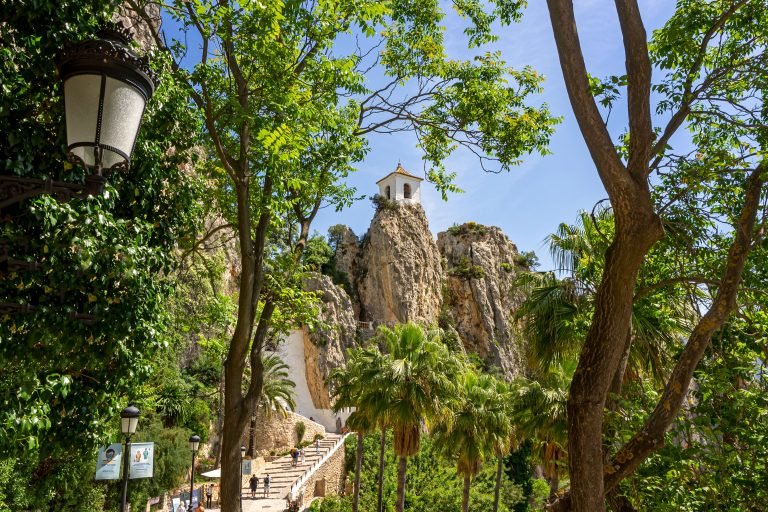
After visiting Fonts d’Algar, we headed towards Castell de Guadalest, and the journey itself was already a beautiful experience.
The road was stunning, winding through the mountains, surrounded by tall pine trees and breathtaking scenery. Every turn revealed another incredible view, making the drive feel like part of the adventure.
When we finally arrived, I couldn’t believe the beauty of the castle sitting proudly above us, surrounded by the dramatic landscape. Guadalest instantly captured my attention. Walking through the narrow streets of the old town, with its stone walls, little corners, and traditional houses, I immediately felt transported back to Frigiliana. There was something about the atmosphere, the history, the charm, and the way the village blends into the mountains, that gave me the same feeling of stepping into another time.
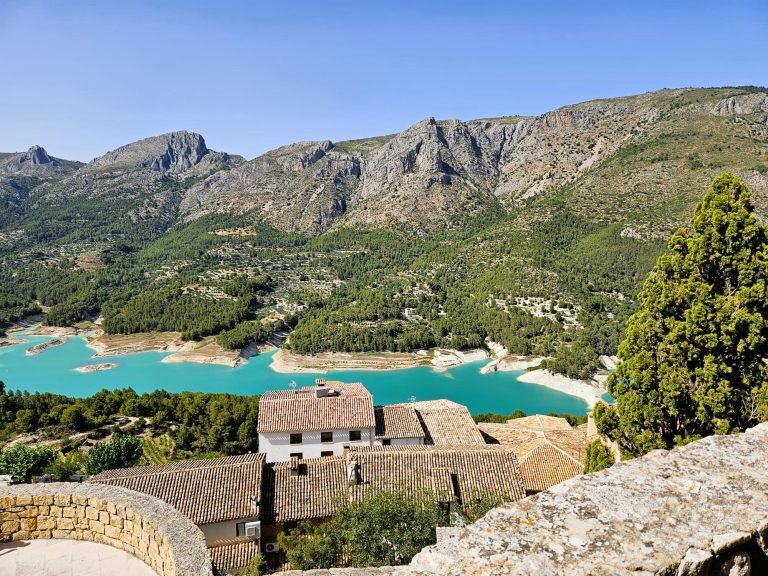
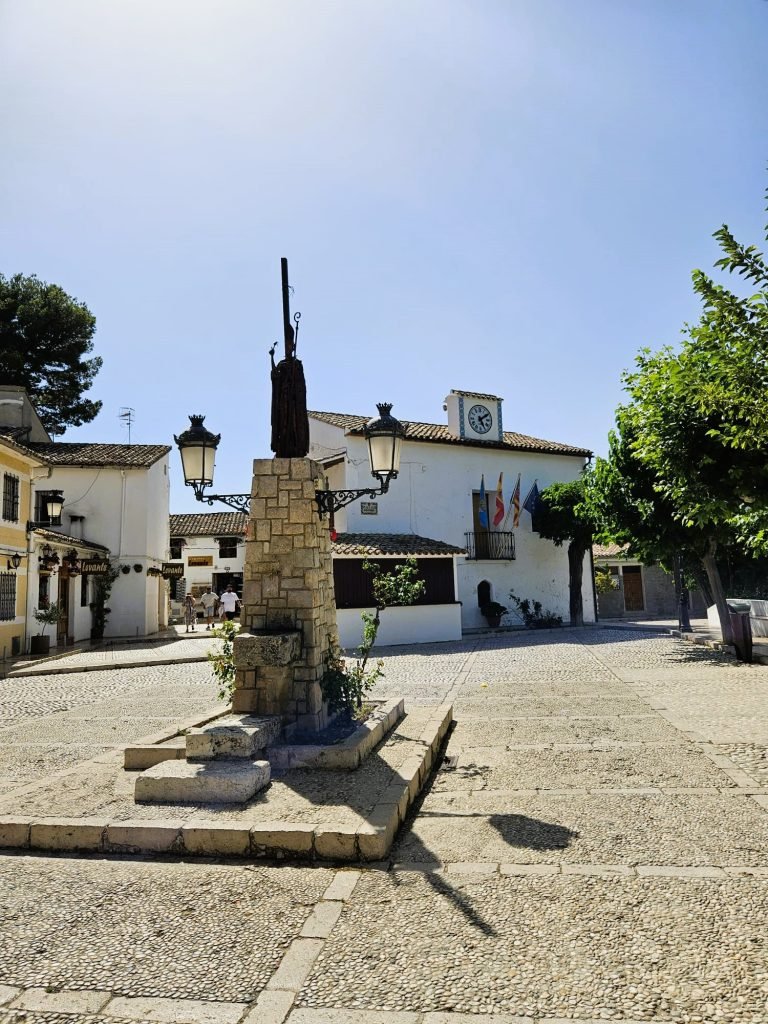
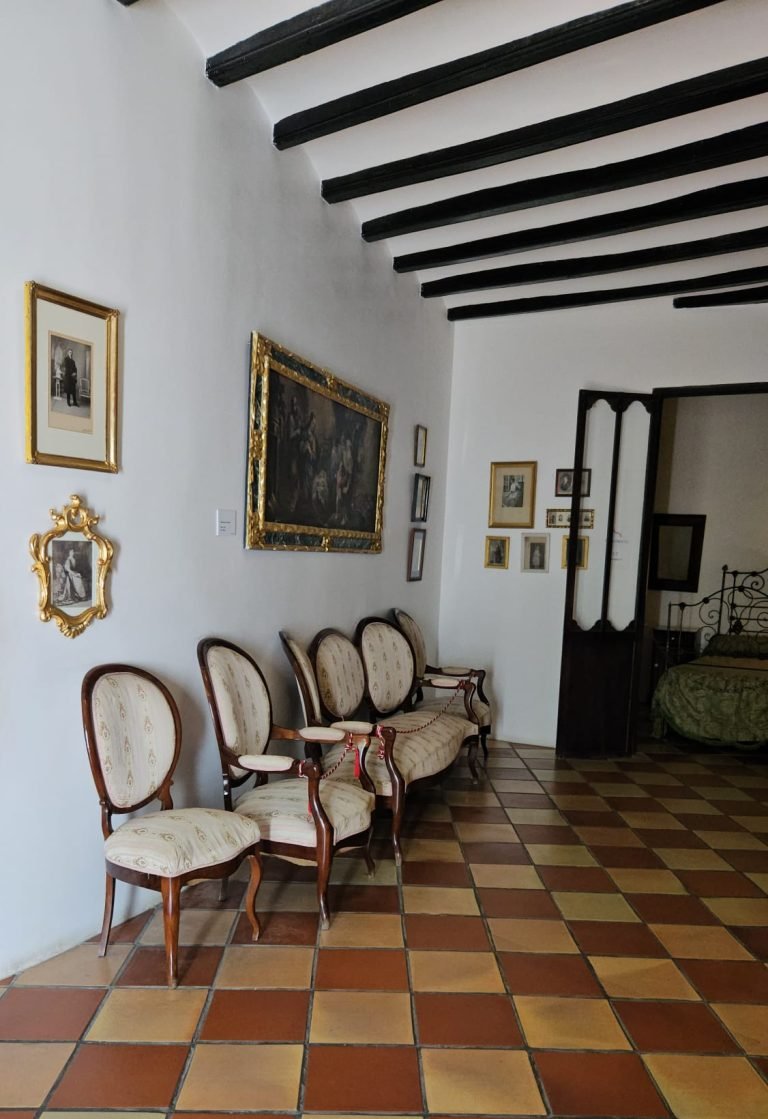
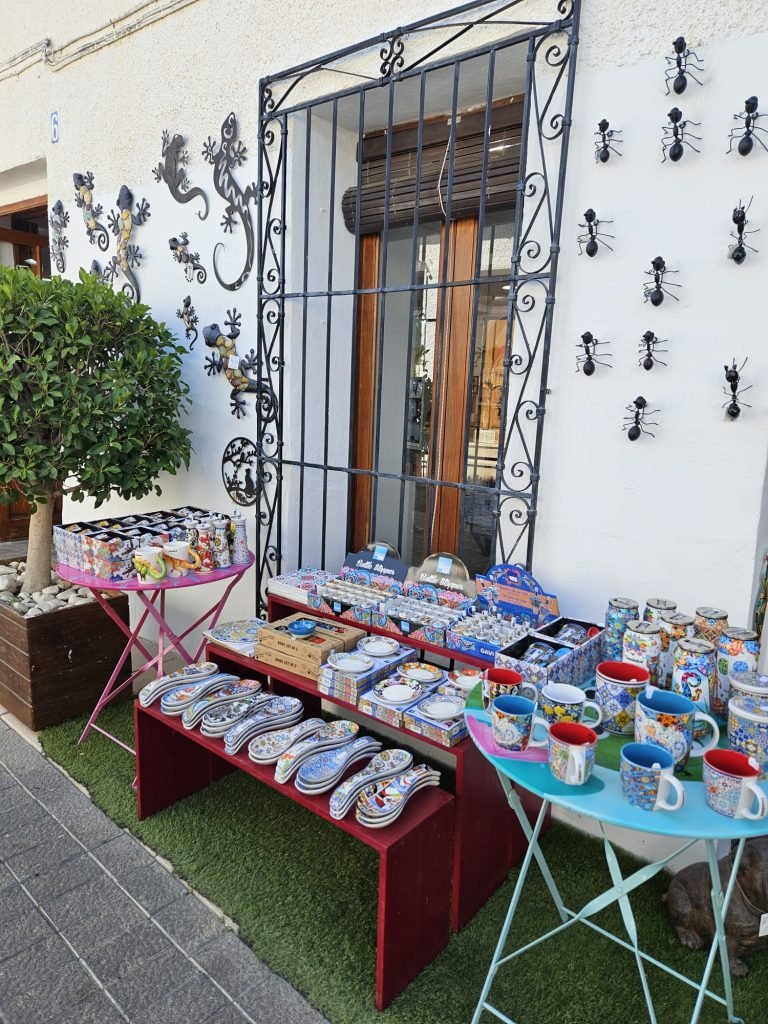
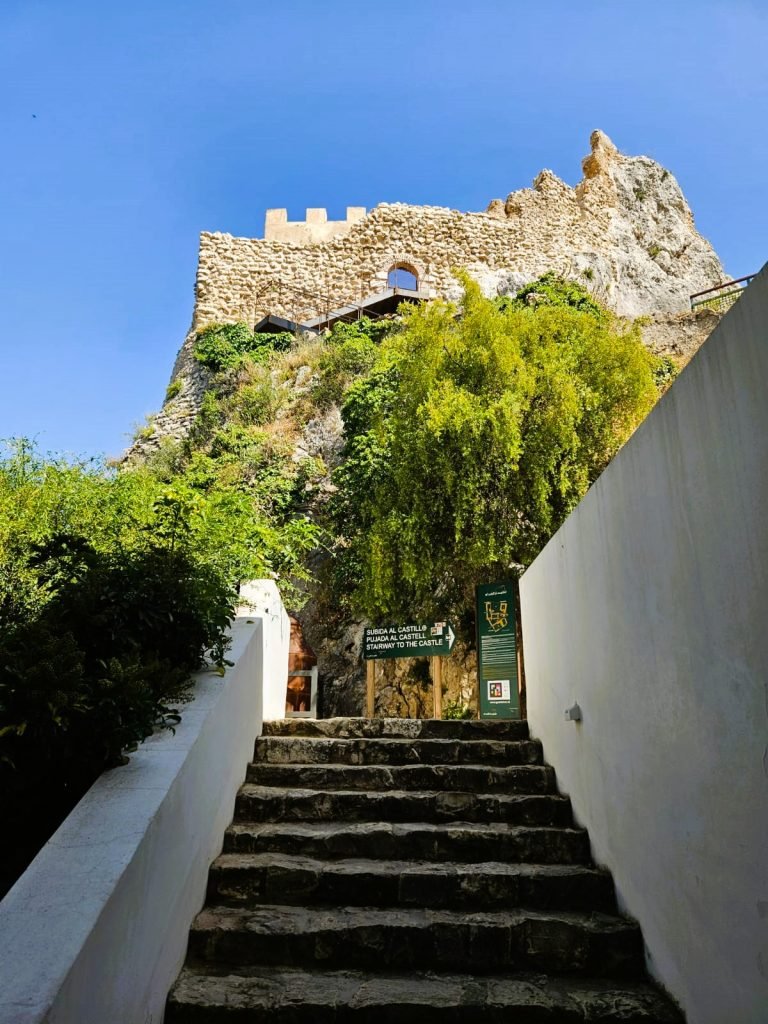
The heart of Guadalest is the main plaza, where one of the most unforgettable views awaits. From the balcony, you can look out over the stunning turquoise waters of the Guadalest Reservoir, an artificial lake created in the mountains. The colour of the water is incredible, especially against the rocky landscape and the greenery surrounding it. It feels like a scene painted by nature. The plaza itself is full of life, with small shops selling souvenirs and local handicrafts, as well as charming cafés where you can sit, enjoy a coffee, and simply take in the atmosphere. I didn't want to rush, so I just wandered, looked around, and absorbed the beauty. During my visit, I explored the museum and the castle. The museum includes a gallery, and then you continue into the castle rooms, where you get a small glimpse into what life might have been like in the past. Seeing the old dishes, furniture, paintings, and personal objects helped bring the history of the place to life. It wasn’t just a building; it felt like a window into another era. But for me, the best part was outside. Climbing the stone steps towards the highest part of the castle was the highlight of the visit. At the top, the views are simply unforgettable. You can see the mountains, the village below, and the beautiful blue waters of the reservoir stretching across the landscape. There is also a cemetery inside the castle area, which I chose not to visit, but the overall feeling of Guadalest was not negative at all. Instead, the place felt peaceful, historic, and full of character. Standing on those balconies at the top of the castle, surrounded by mountains and endless views, was a moment where you just stop and appreciate where you are.
Torrevieja
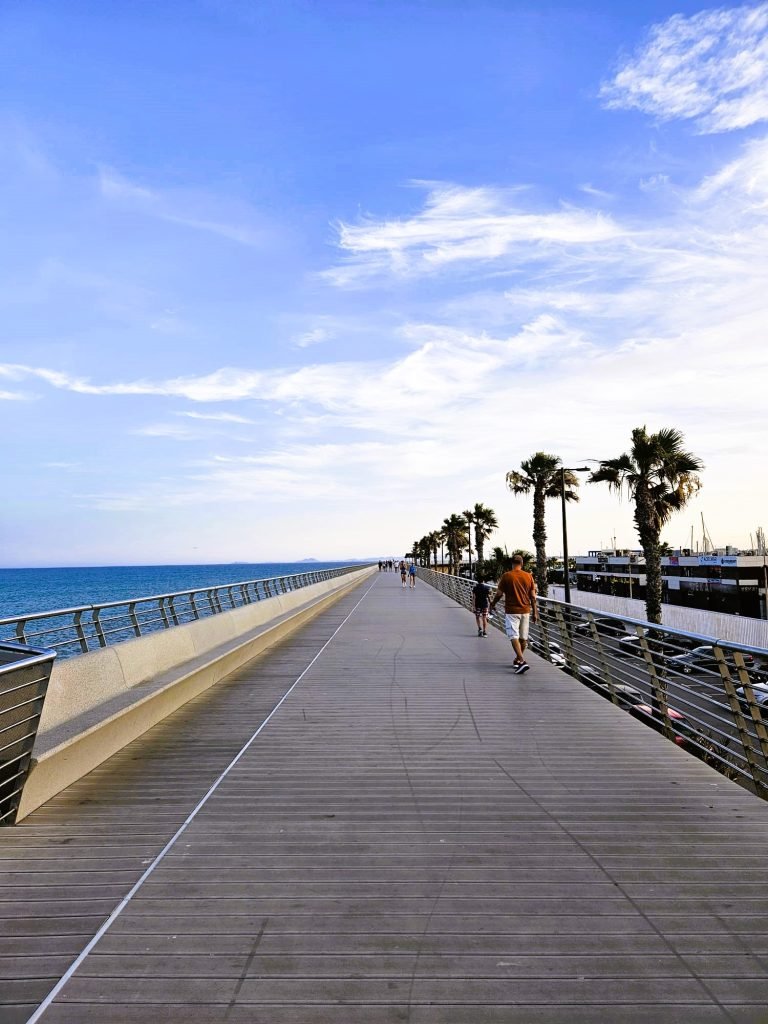
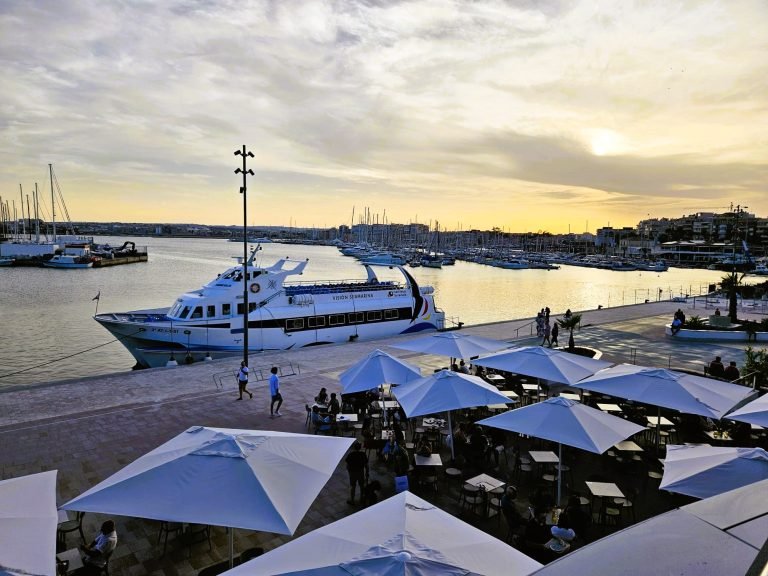
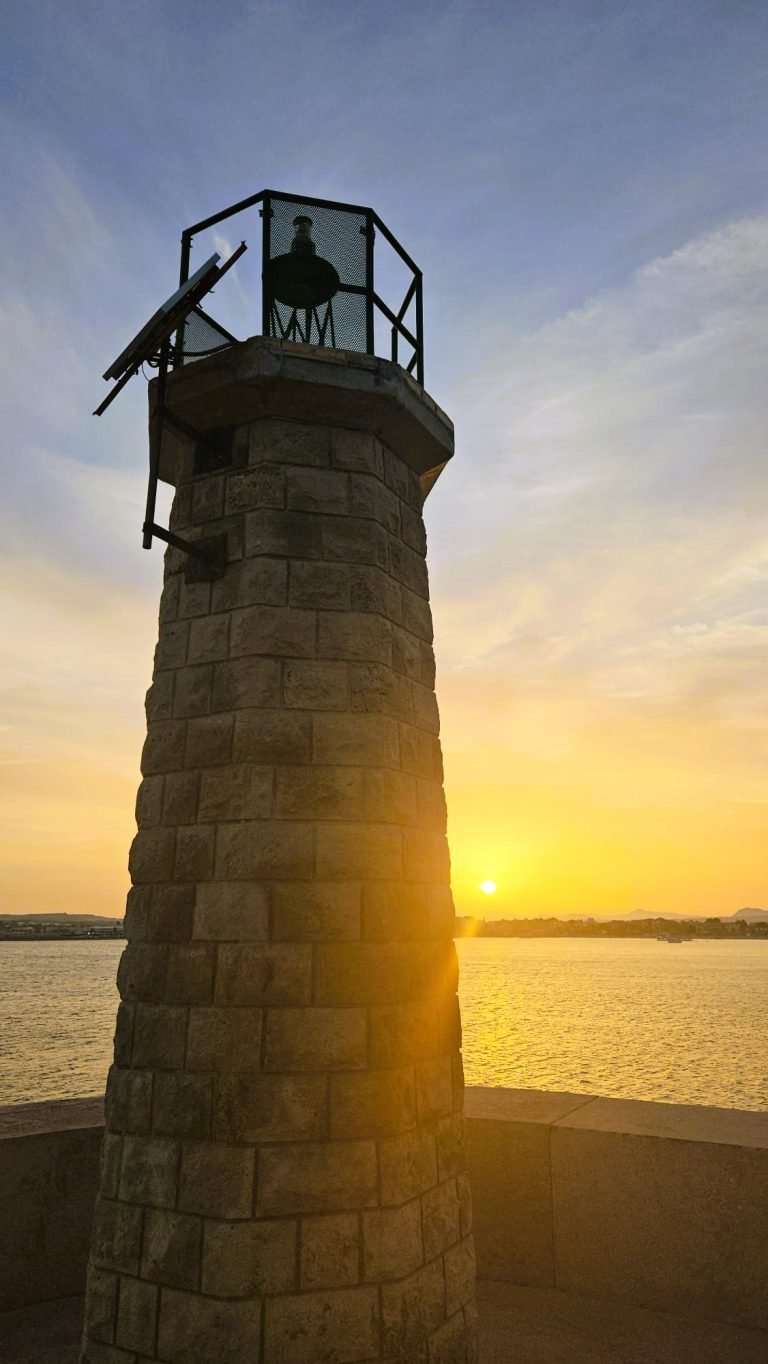
Torrevieja is one of the most popular coastal towns on Spain's Costa Blanca. Once a small fishing village, Torrevieja became famous for its salt production, loved for its beaches, marina, and relaxed Mediterranean lifestyle. On our visit we headed straight to the marina, which was much more modern than I expected (construction still going on). The waterfront has been beautifully redeveloped, with stylish buildings full of restaurants, cafés, and shops. It was a lively place, with people enjoying dinner, having a drink, or simply walking along the promenade. From there, we crossed the long breakwater towards the lighthouse. I absolutely loved this walk. The fresh sea breeze and the endless views of the Mediterranean made it feel so peaceful. All around us, people were making the most of the evening, some were jogging, others were out for a stroll with family and friends, while many simply sat on the benches facing the sea, watching the boats and enjoying the moment. There was something about the atmosphere that I really liked. It wasn't a place filled with famous monuments or major attractions; instead, just enjoy a simple beauty of being by the sea.
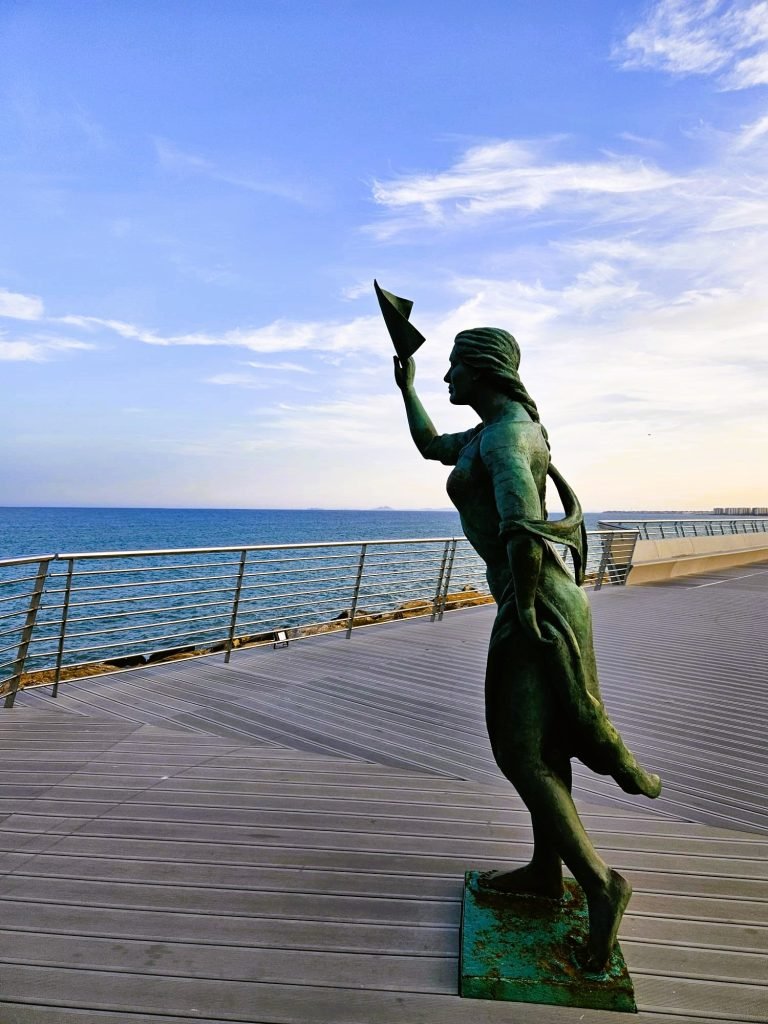
As we walked along the breakwater, one statue stopped me. It was a woman, facing the endless sea, holding a letter in her hands. I stood there for a moment, just looking at her, and I couldn't help but imagine what life must have been like centuries ago. Torrevieja has always been a town connected to the sea. Many of its men spent weeks or even months away, fishing or working on ships, while their wives, mothers, and daughters remained behind, waiting for them to return. The statue is a tribute to those women, whose lives were filled with hope, uncertainty, and patience. They had no phones, no video calls, no instant messages, only the horizon and the hope that one day the ships would appear again. It also made me think about our lives today. We carry the world in our pockets. We can call someone in seconds, send a message across the globe instantly, and see our loved ones through a video call whenever we want. That statue reminded me how incredibly fortunate we are. We have so many things that previous generations could only dream of, yet we often forget to appreciate them. Sometimes, all it takes is a quiet moment by the sea, and a bronze woman looking towards the horizon, to remind us just how blessed we really are.
Salt Lakes of Alicante
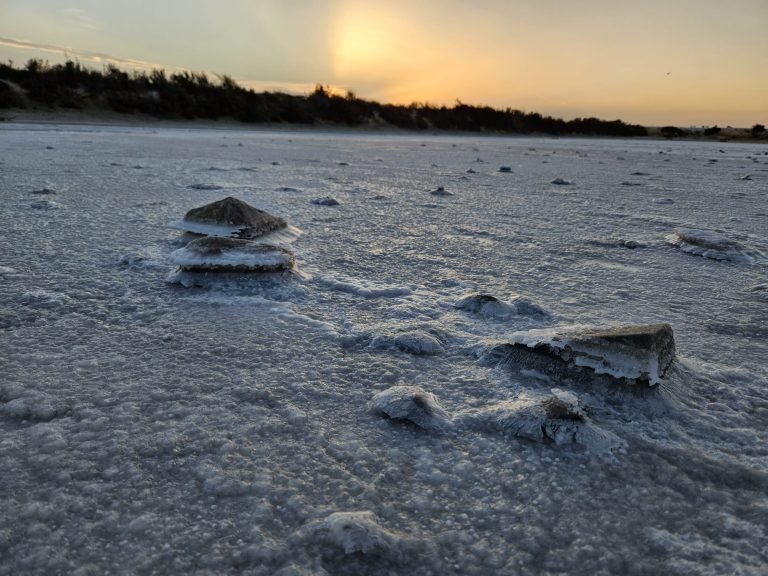
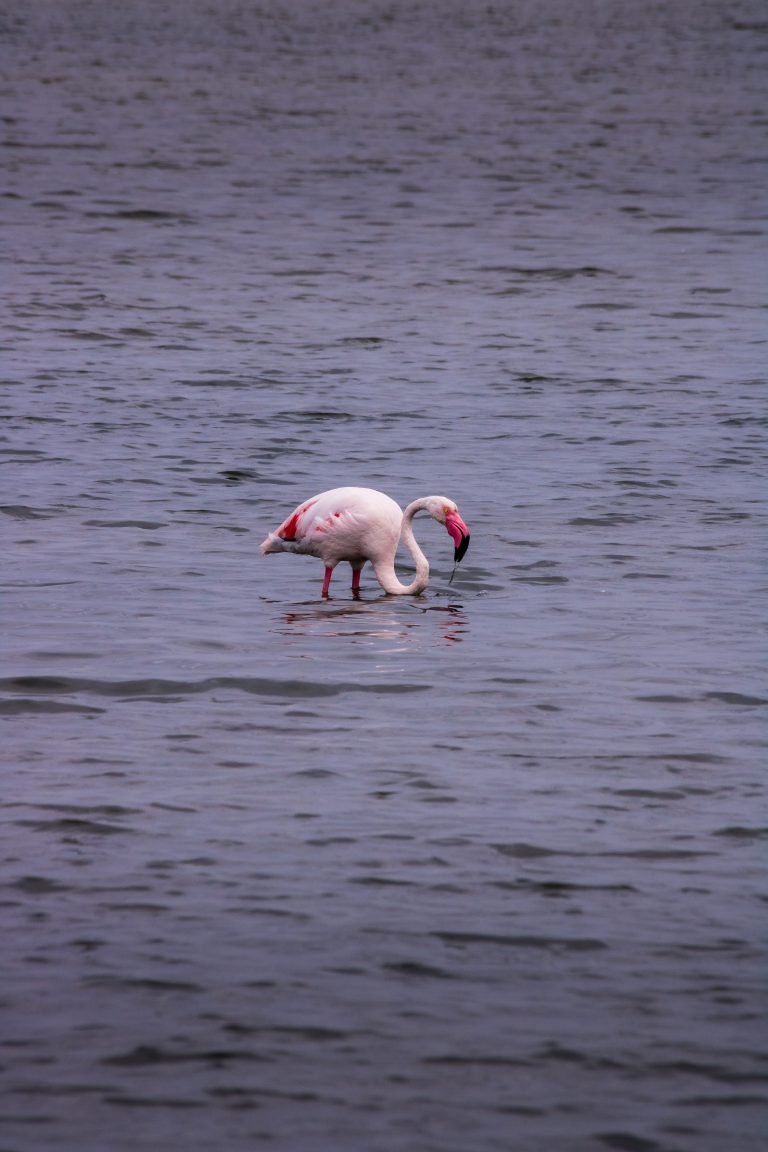
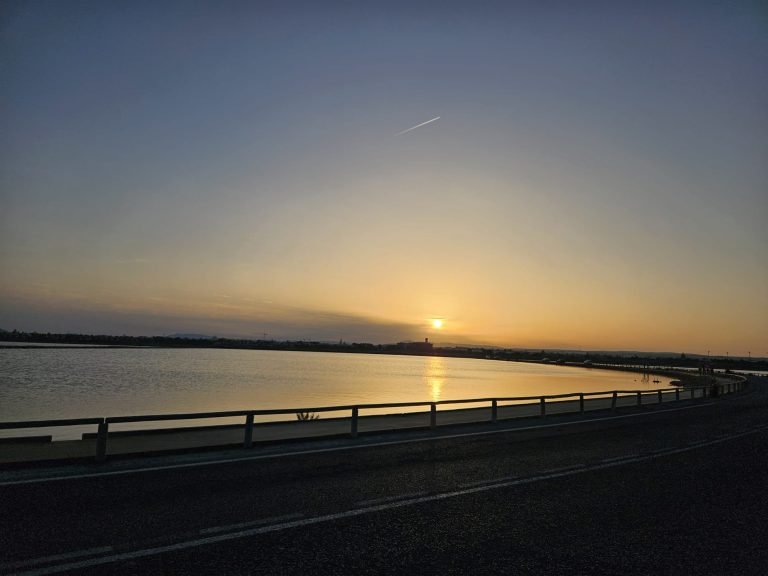
One thing that really surprised me during our trip around Alicante was how many beautiful salt lakes, or salinas, there are across the region. Besides producing sea salt for centuries, these wetlands are an important habitat for wildlife and are especially famous for their flamingos, which migrate here throughout the year. The first ones we saw were the Salinas de Santa Pola as we drove from Alicante towards Orihuela. Seeing the vast lakes stretching into the distance, dotted with elegant flamingos, was such a beautiful welcome to the region.
A few days later, we visited the Salinas de San Pedro del Pinatar, and I have to say this was an amazing nature experience. We arrived just before sunset, when the golden light reflected across the calm water, creating an incredible scene. The flamingos stood gracefully in the shallow lakes, while the white salt piles glowed under the evening sun. It was the first time I had ever seen salt being harvested so closely, and I found it surprisingly fascinating. The visit also reminded me of Tuz Gölü in Turkey, which I had visited before. But it was completely different. Back then, it was winter, so there were no flamingos and no visible salt piles, just a vast white landscape. Here in Spain, everything felt alive. The colours, the birds, the reflections, and the peaceful atmosphere made it a completely different experience. We spent quite a while walking through the nature reserve, with no real plan other than enjoying the scenery. It was so peaceful and relaxing.
Pilar de la Horadada
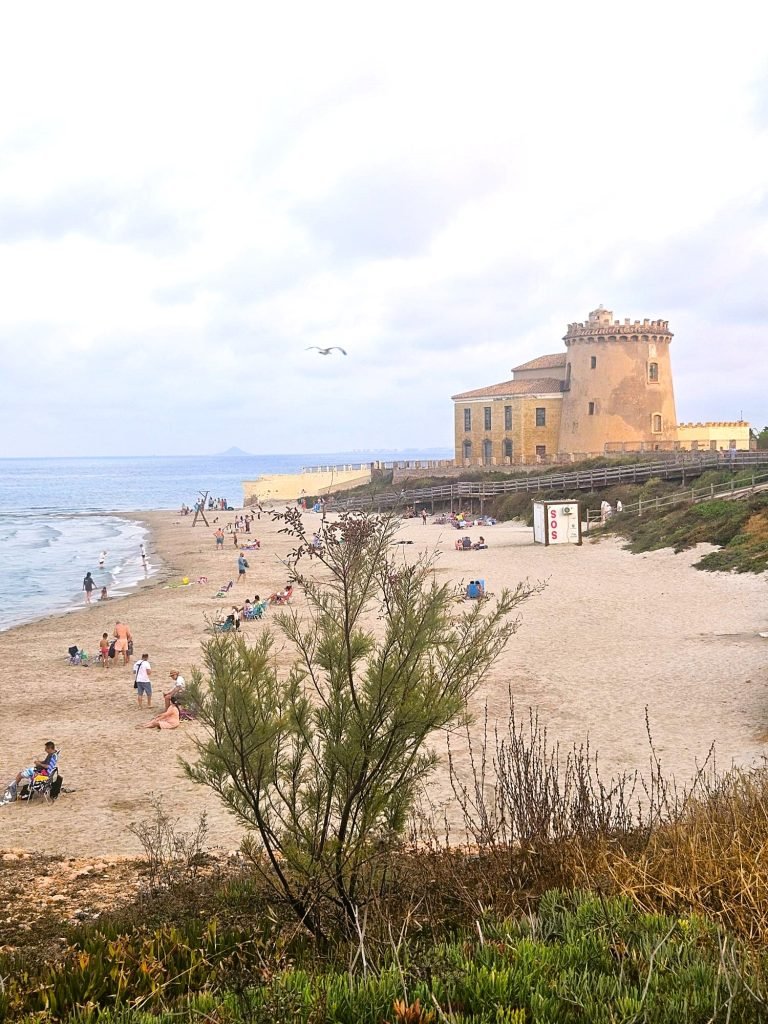
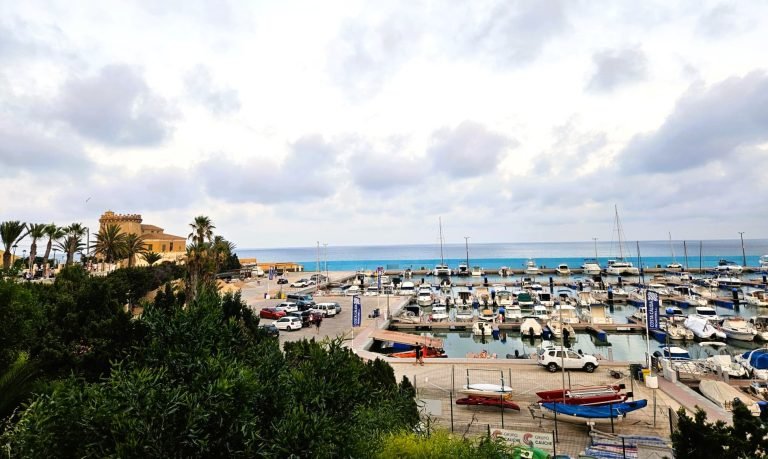
Sometimes the best travel memories begin with the simplest plans. We were only looking for a gelato when our search led us to Pilar de la Horadada, a charming little seaside town on Spain's Costa Blanca. With our Gelato in hand, we wandered through its quiet streets until we reached a lively plaza where families gathered over long lunches and friends lingered over coffee. From there, the promenade guided us to the historic Torre de la Horadada, standing proudly above the Mediterranean. It was there that I truly fell in love with the place. The small old fishermen's houses at the seafront (as there are so many beautiful new houses), the peaceful marina, the cafés overlooking the sea, and the laughter of children playing along the corniche gave the town a warmth that felt wonderfully authentic. Unlike many coastal destinations, Pilar de la Horadada has managed to preserve its local character while offering everything you could wish for in a family holiday, beautiful sandy beaches, scenic seaside walks, excellent restaurants, and an atmosphere that invites you to slow down and simply enjoy the moment. Some places are planned destinations; others become unforgettable discoveries, and Pilar de la Horadada was certainly the latter.
Cabo de Palos
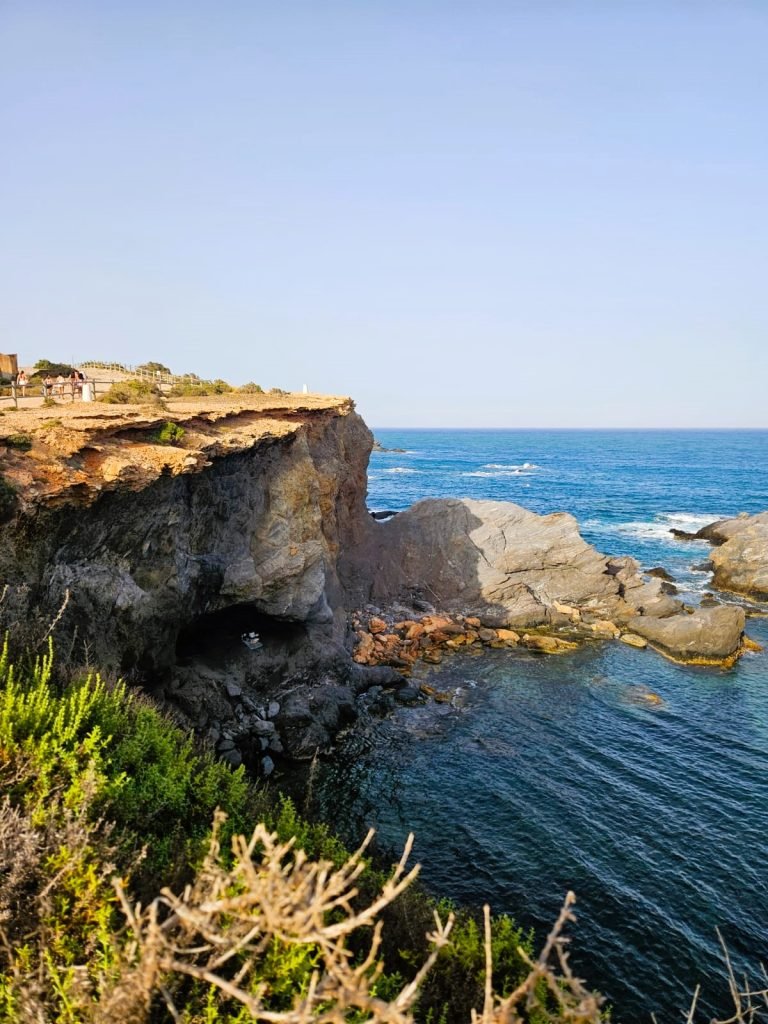
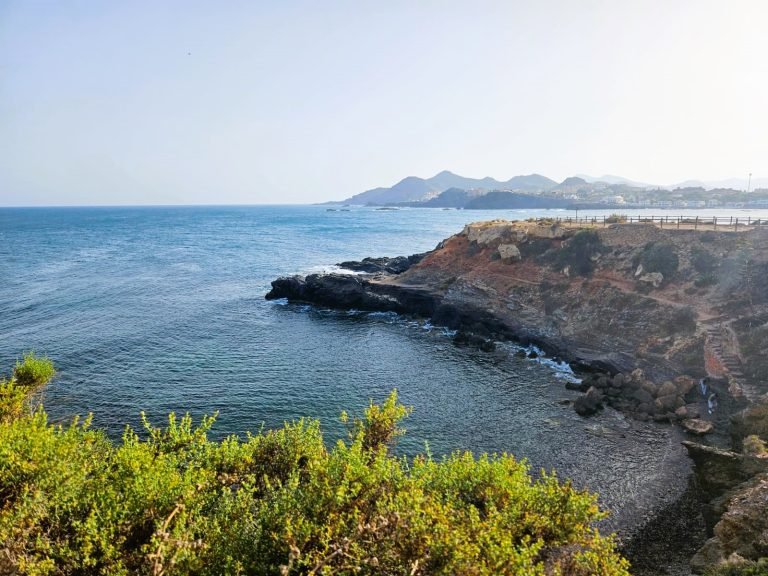
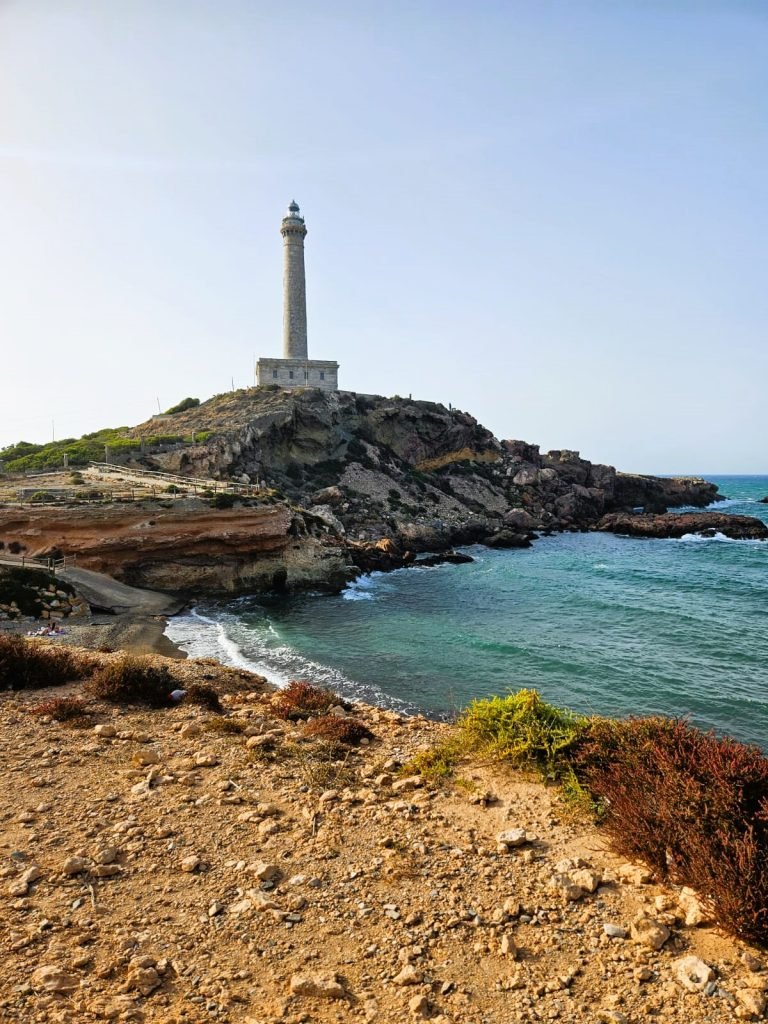
On our way towards Cartagena, we decided to make a stop at Cabo de Palos, a place that was highly recommended to us.
What attracted us most was the contrast of this small peninsula: on one side, beautiful beaches with calm Mediterranean waters, and on the other side, a completely different landscape with dark rocky cliffs, hidden coves, and the wild beauty of the coastline. We started our walk from Plaza del Escull and followed the coastal path towards the lighthouse. The walk itself was the highlight. Instead of simply driving to the viewpoint and leaving, we took our time, stopping at different points to admire the views and discover the small coves along the way, including Cala Botella, Cala del Muerto, and Cala Mayor. The landscape was impressive. The sound of the waves hitting the cliffs, the deep blue water, and the contrast between the rugged rocks and the Mediterranean scenery made us constantly want to stop and take another photo.
Finally, we reached the Cabo de Palos Lighthouse, standing proudly above the coastline. The views from here were incredible, and it was easy to understand why this place has become such a popular stop for anyone exploring this part of Spain. It was not just the lighthouse that made this visit special, it was the walk, the changing scenery, and the feeling of discovering a coastline that still feels wild and untouched.
Cartagena
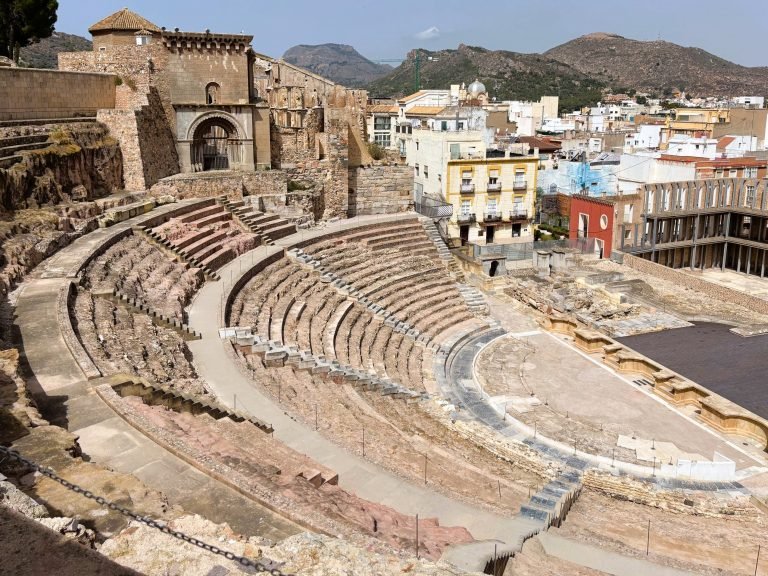
Cartagena wasn't a name I had heard much when planning a trip to Spain. Everyone talks about Barcelona, Valencia, Andalusia, Málaga, or Alicante, but Cartagena never came up in conversations. Maybe that's exactly why I wanted to visit. I have always enjoyed discovering places that aren't always at the top of every travel itinerary, and Cartagena turned out to be one of the biggest surprises of the trip. From the moment I arrived, I knew this city was special. It has everything I love in a destination, layers of history, beautiful architecture, a lively waterfront, and stunning natural scenery where the mountains meet the Mediterranean.
Located on Spain's Costa Cálida in the Region of Murcia, it is one of the oldest cities in Spain, with a history stretching back more than 2,200 years. What makes it even more remarkable is that it remained hidden beneath the city for centuries before being accidentally rediscovered in 1988 during construction work. Today, after a beautifully designed museum visit, you step out into the theatre itself, where rows of ancient stone seats rise beneath the ruins of the Old Cathedral of Santa María. Seeing Roman history and medieval history standing side by side is truly breathtaking.
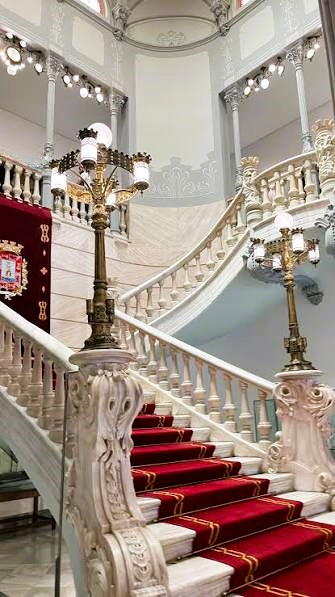
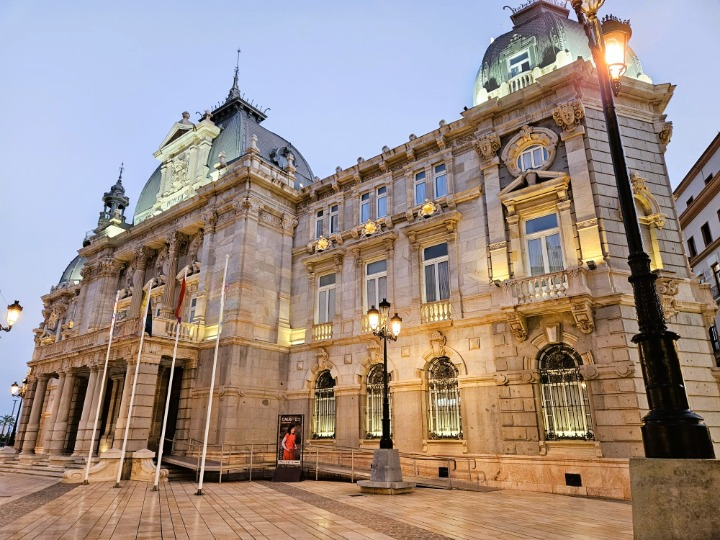
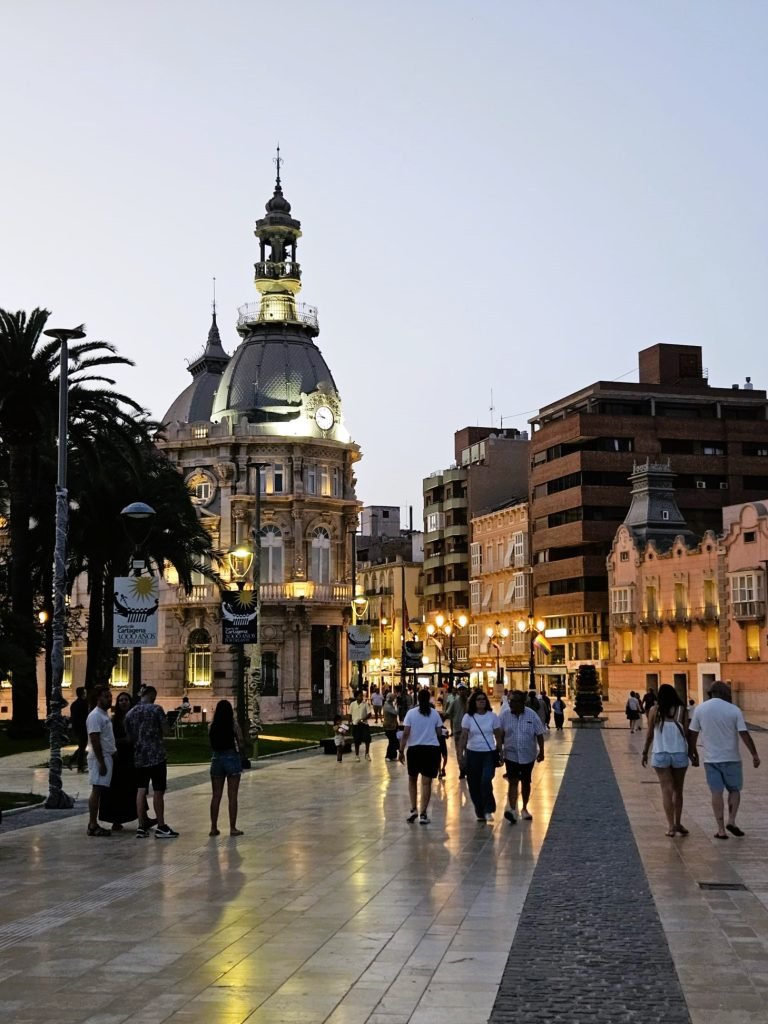
From there, we walked towards the historic centre, and almost immediately I fell in love with the atmosphere. One of the first buildings that caught my eye was the beautiful City Hall, an elegant modernist masterpiece with its impressive white façade overlooking the square. The exterior is stunning, but the interior is even more impressive. Every detail has been beautifully designed, from the magnificent staircase to the elegant stained-glass windows and intricate decorative work. It is a true work of art and one of the most beautiful town halls I have visited.
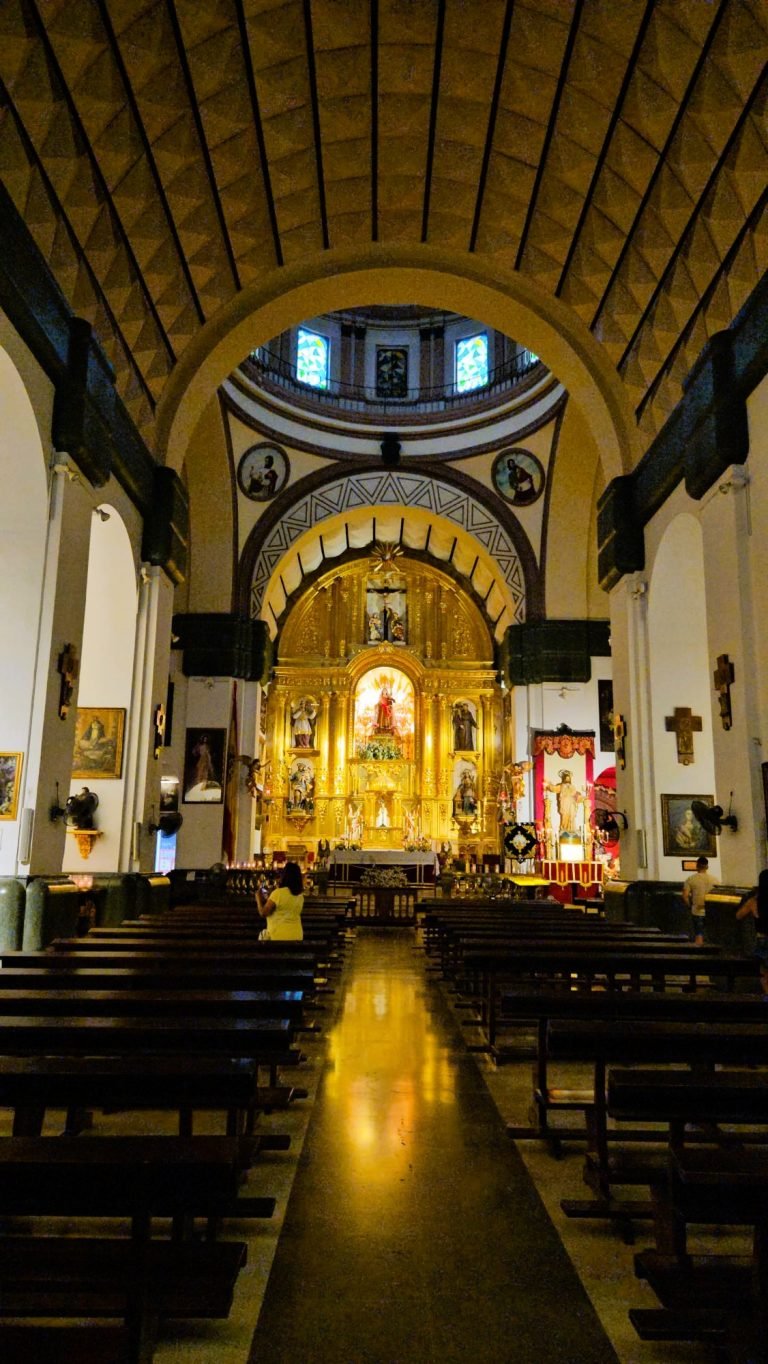
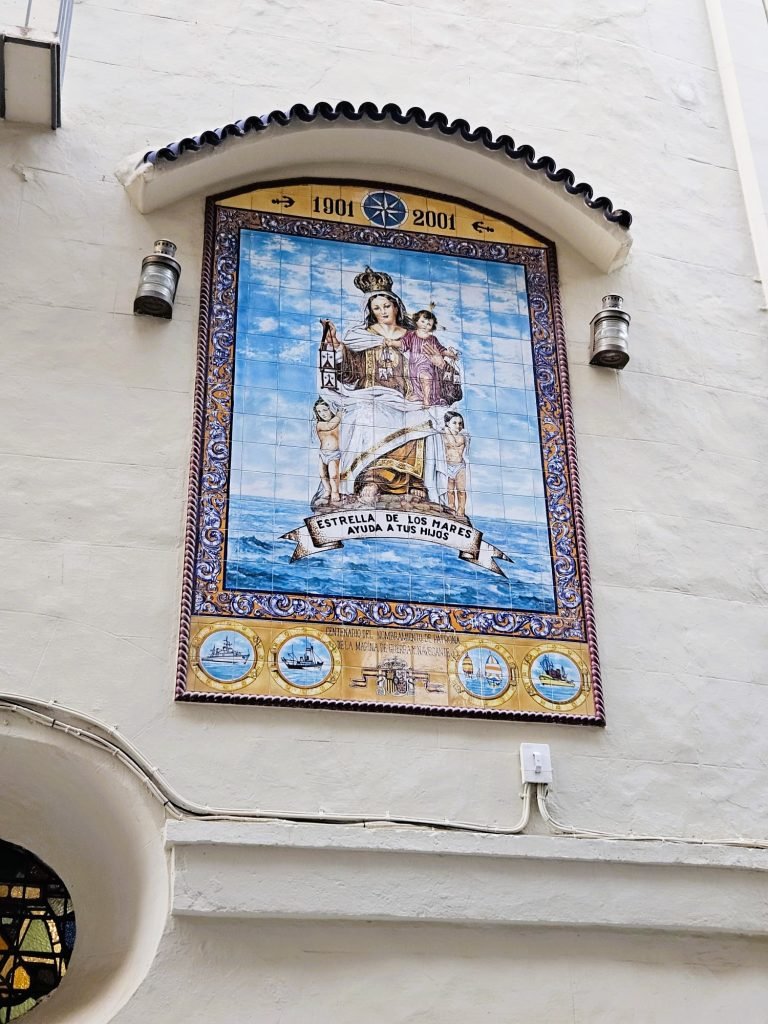
Just a few steps from the City Hall, we visited the Church of Santa María de Gracia. On its wall, I noticed a beautiful image of Estrella de los Mares, Our Lady, the Star of the Sea. It felt especially meaningful in a city like Cartagena, whose history has always been closely tied to the Mediterranean. For generations, sailors and fishermen have looked to her for protection before setting sail, making her an important symbol of hope and safe journeys.
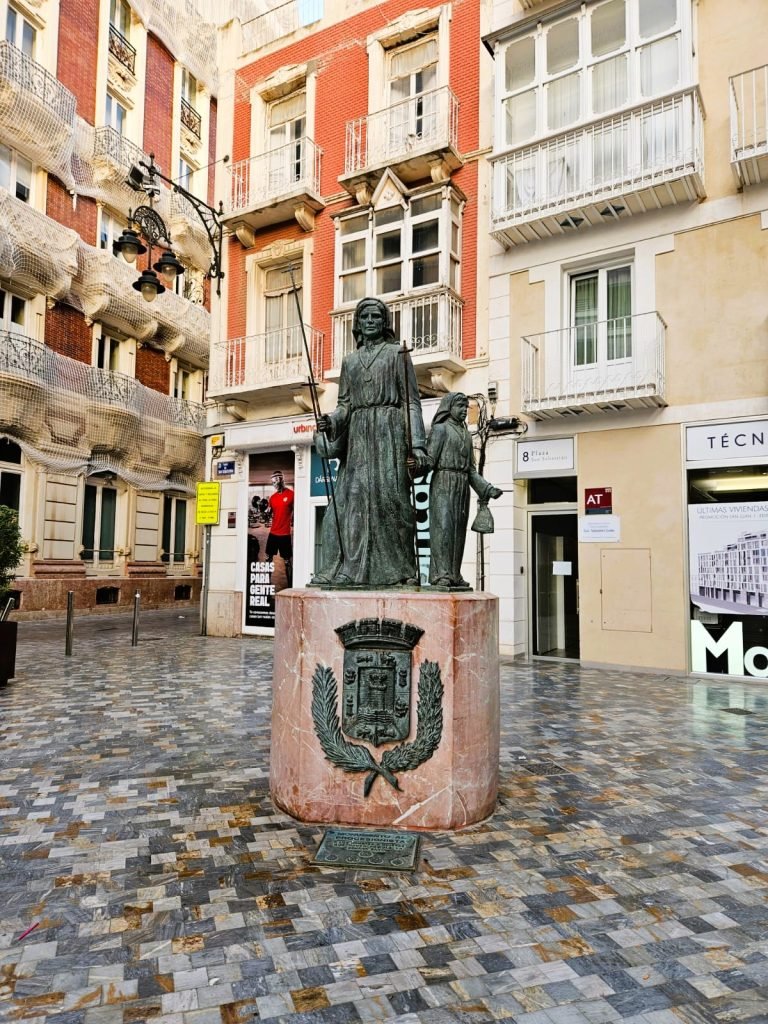
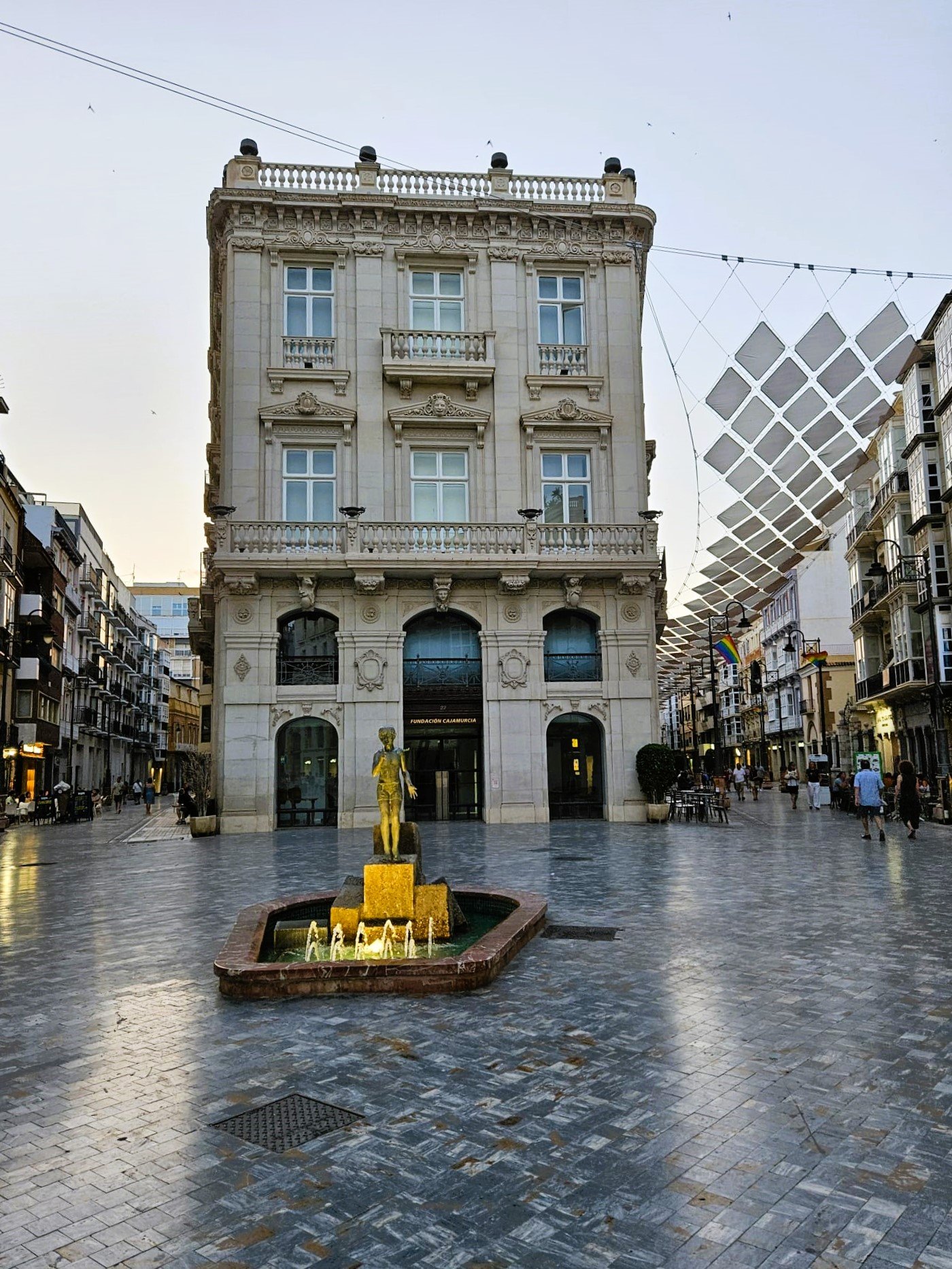
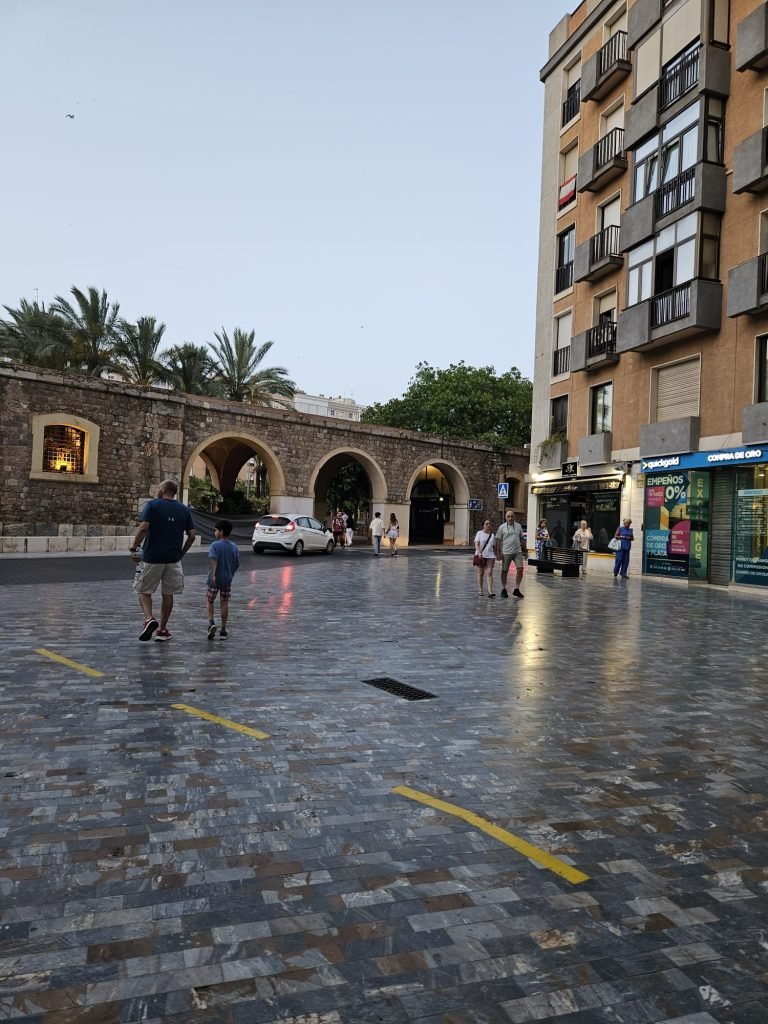
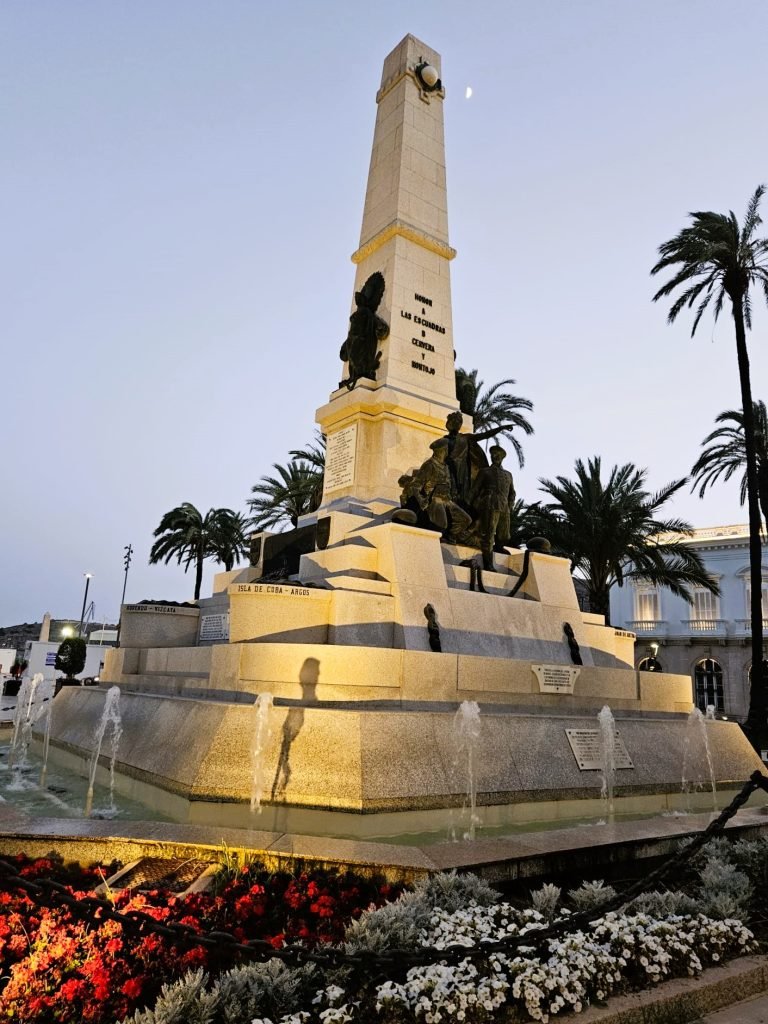
We continued our walk through Plaza de San Sebastián, where sculptures decorate the square, before reaching Plaza Juan XXIII, a lively area filled with gardens, cafés, playgrounds, and local life. Then we walked back, we passed the fountain dedicated to the victims of terrorism, a peaceful monument that invites a moment of reflection.
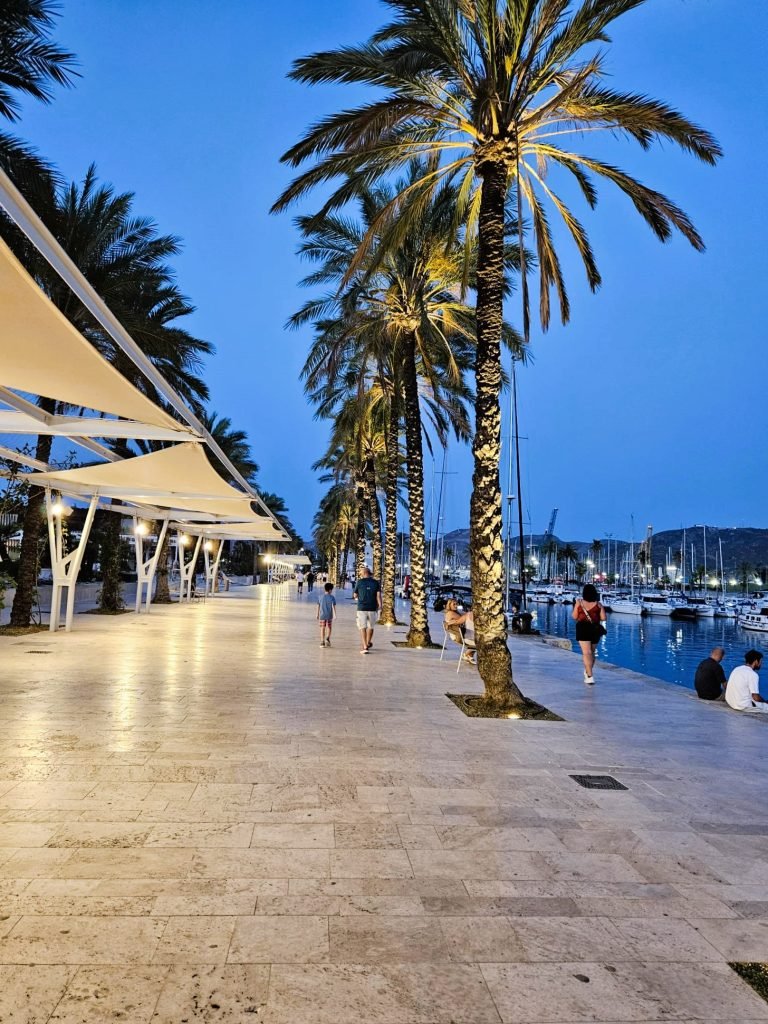
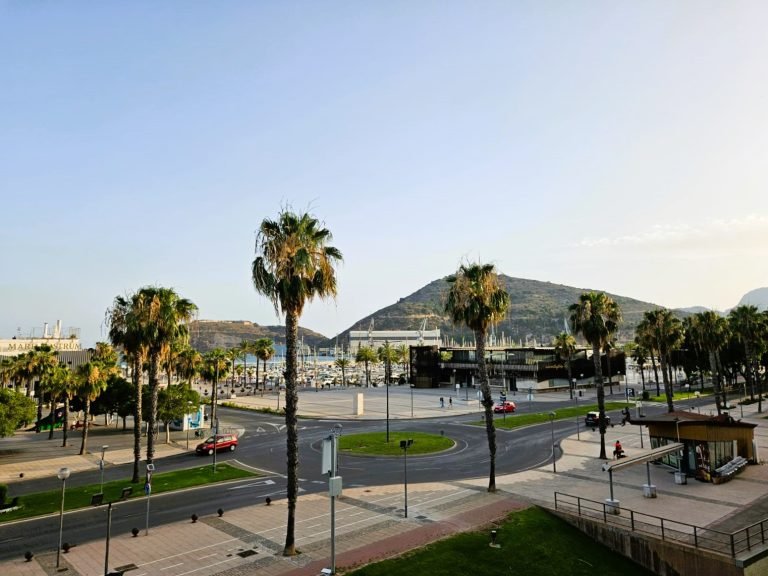
To end our visit, we strolled along the marina, and it was absolutely beautiful. I loved the combination of the sparkling Mediterranean, the mountains surrounding the natural harbour, and the elegant waterfront lined with palm trees and cafés. There was something very special about Cartagena. It perfectly blends history, nature, and everyday life. It wasn't just the monuments that impressed me, it was the whole setting that made Cartagena one of my favourite cities of the entire trip.
Best Tips Your Alicante Trip
2. Choose your base wisely.
If you enjoy nightlife, lively promenades, and a bustling atmosphere, Alicante or Benidorm are great choices. If you're looking for a quieter, more relaxing holiday, consider staying in one of the smaller coastal towns around Orihuela Costa, Pilar de la Horadada, or Altea.
3. Combine Santa Bárbara Castle with Alicante city.
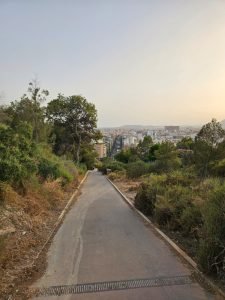
When visiting Santa Bárbara Castle, park your car there and explore the castle first. Afterwards, walk down from the parking lot into Alicante's old town and marina instead of moving your car again. It's an easy and enjoyable way to see both attractions.
The castle has free admission. Once inside, head to the right and make your way uphill through the arches for some of the best views. If you're travelling with a stroller, wheelchair, or simply prefer to avoid the climb, there's an elevator that takes visitors to the top, it is located inside the building opposite the souvenir shop.
4. Consider a day trip to Benidorm.
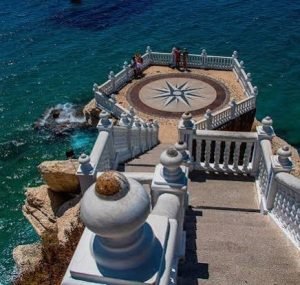
If you have enough time, Benidorm is well worth a full day to enjoy its beaches, lively promenade, and vibrant atmosphere. If your itinerary is tight, you can easily combine it with a visit to Fonts de l'Algar and Guadalest, just as we did. After exploring the waterfalls and the mountain village, we drove to Benidorm for a short visit. Even a quick drive through the city was enough to appreciate how different it feels from the rest of the Costa Blanca.
5. Explore Orihuela Costa on foot.
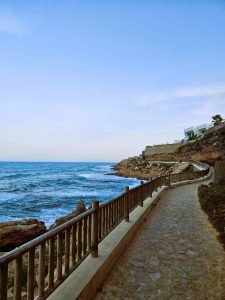
Enjoy a stroll around Plaza Playa Flamenca, then head to the Cabo Roig Sendero Azul coastal path. This scenic walk offers spectacular sea views, hidden coves, and plenty of places to stop for a photographe or simply admire the coastline.
6. Discover more than the famous beaches.
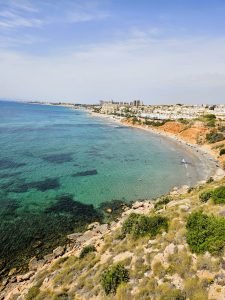
The Costa Blanca has countless beautiful beaches. While Playa de la Zenia is very popular, our favourite was Cala Aguamarina, a peaceful little cove with crystal-clear water, fewer crowds, and a wonderfully relaxing atmosphere.
7. Visit the Pink Lakes at sunset.
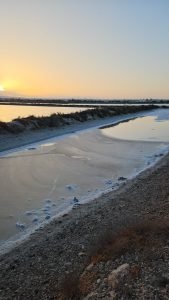
The Salinas de Torrevieja are even more beautiful as the sun begins to set. The combination of the pink water, golden light, and flamingos makes for an unforgettable experience, especially if you're travelling with children.
8. Plan a picnic at Fonts de l'Algar.
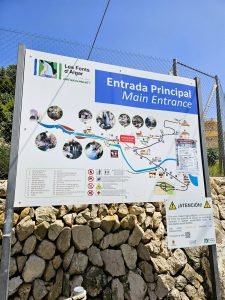
Park for free at the tourist information centre, where it's only a short walk to the entrance. You're allowed to bring your own food and drinks, so pack a picnic and enjoy lunch by the river. Don't forget your swim shoes, they're essential for walking comfortably over the rocks.
9. Continue to Guadalest.
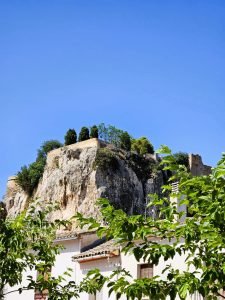
Since it's only about 30 minutes from Fonts de l'Algar, it's the perfect combination for one day. Guadalest's mountain setting, stunning viewpoints, and cooler breeze make it one of the most memorable villages in the region.
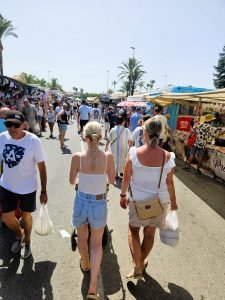
10. Visit one of the local markets.
Almost every town has a weekly market, so check the market schedule before your trip. We loved Playa Flamenca Market, one of the biggest in the area, and Ciudad Quesada's El Fuego Market, where you can browse local produce, clothing, souvenirs, and handmade goods. Don't forget to bring cash for smaller purchases.

11. Don't miss Pilar de la Horadada.
This charming seaside town completely surprised us. Wander through its old streets, enjoy the lively plaza, stroll along the promenade, and visit Torre de la Horadada. While you're there, stop at Antica Gelateria del Corso, the gelato is excellent and was the reason we discovered this beautiful town in the first place. To visit click here.
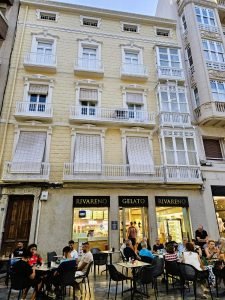
12. Treat yourself in Cartagena.
If you're visiting Cartagena, make time for Rivareno. Their gelato was easily the best we tasted during our trip, and the coffee and cakes were equally delicious. It's the perfect place to relax after exploring the city's Roman history and beautiful streets. click here to visit the web site.
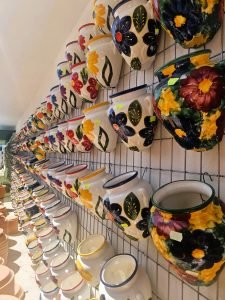
13. Visit a local pottery shop.
The Alicante region is known for its beautiful handcrafted ceramics, making them a wonderful souvenir to take home. We visited Cerámicas Carmona and thoroughly enjoyed browsing the colorful collection of traditional pottery, decorative pieces, and handmade tableware. Even if you're not planning to buy anything, it's a lovely stop to admire the craftsmanship and learn more about the region's ceramic heritage. To visit click here.
14. Don't forget to carry some cash.
Although credit and debit cards are accepted in most places, it's always a good idea to have some cash with you. Some local markets, small cafés, beach bars, and independent shops still prefer cash or may not accept cards for smaller purchases.
15. Don't rush your itinerary. Some of the best memories come from unexpected stops, small villages, and quiet beaches you discover along the way.