Algarve
Portugal's Southern Gem
Ever heard about Algarve?
When I used to hear the name Algarve, I honestly thought it was a city in Portugal. Only later did I discover that it’s actually an entire southern region, one of the most beautiful in the country, blessed with dramatic coastlines, charming towns, and a deep cultural heritage. The name itself comes from the Arabic “Al-Gharb,” part of Gharb Al-Andalus, meaning “The West of Al-Andalus,” a reminder of the rich history that shaped this part of the Iberian Peninsula.
The Algarve was the last region we explored in Portugal, and it truly felt like the perfect finale to our journey. From the wild cliffs of Sagres to the peaceful elegance of Tavira, every part of this region has its own energy and charm. With 16 municipalities to choose from, Lagos, Albufeira, Faro, Portimão, Vilamoura, Loulé, Silves, and many more, it’s the kind of place where you can fill your days endlessly with beaches, viewpoints, and historic streets.
But we knew that if we tried to chase everything Portugal has to offer, we would end up running from one place to another and losing the essence of vacation. So we chose a few towns and beaches, gave ourselves time to swim, relax, and simply enjoy the Algarve at its natural, slow rhythm. No rush, no pressure, just sunshine, clear water, and the calmness that makes this region unforgettable.
Sagres
Sagres, nestled at the extreme southwestern tip of the Algarve, attracts visitors with its wild coastal beauty and iconic landmarks like Cape St. Vincent and Sagres Point. The town is modest in size, yet it has a magnetic pull, especially for two types of travelers: surfers and lovers of coastal trails. As you drive through Sagres, you can’t miss the vibe, surfers of all ages walking barefoot with their boards, jeeps loaded with wetsuits and gear, caravans parked along scenic cliffs. I didn’t see this surfing energy even in Nazaré, which says a lot about Sagres and its raw, authentic surf culture.
The name Sagres comes from “Sagrado,” meaning “holy,” a hint of the area’s significance in prehistoric religious practices in Portugal. That ancient spiritual atmosphere still lingers in the wind, the cliffs, and the vast open horizon.
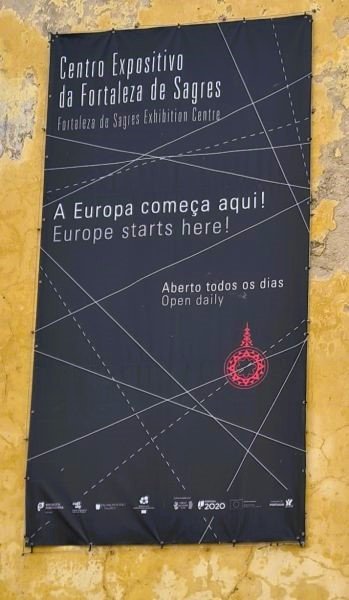
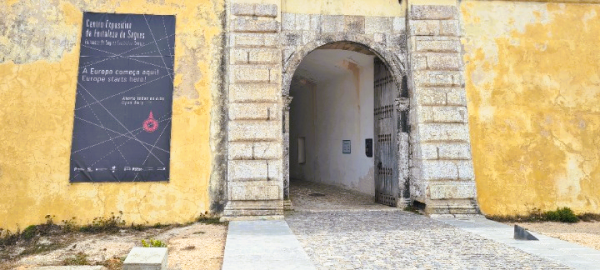
One moment that stayed with me was standing at the sign marking the beginning of Europe. I felt genuinely impressed, and strangely emotional.
After traveling through so many countries, reaching this symbolic edge of the continent made me feel proud. Every place along the way had its own language, culture, and identity, yet they are all connected, all part of Europe. And here, at this dramatic meeting point of land and ocean, that idea becomes almost physical. Sagres feels like the beginning and the end at the same time, a place where Europe starts, but also where it gives itself to the Atlantic.
Portuguese Pottery
Paraiso Artesano
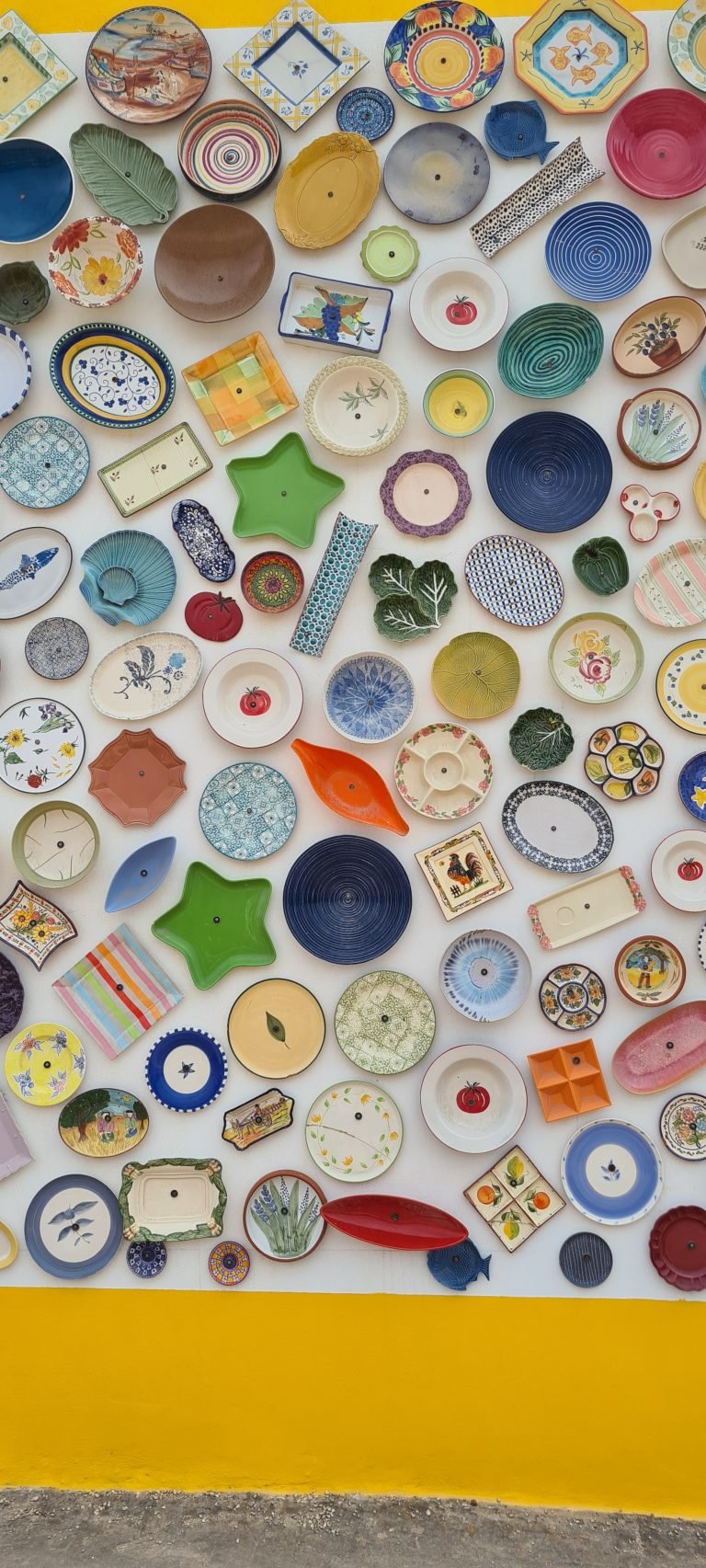
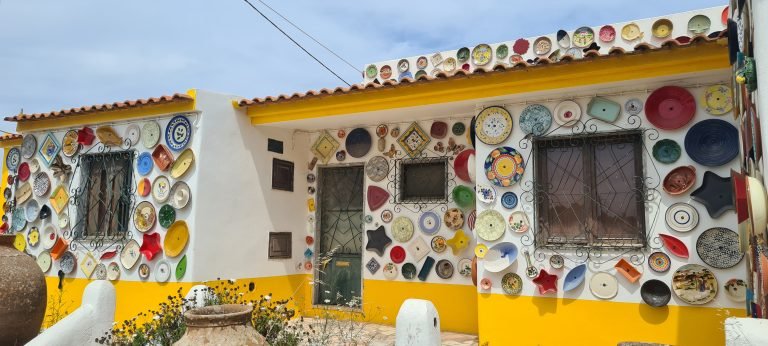
As we all know, pottery is a big part of Portuguese culture, so when you explore the region, make sure to stop by the incredible Paraiso Artesano pottery shop along the road. Even if you visit just for photos, this place is absolutely worth it. It was closed when we arrived, but that didn’t stop us from taking some beautiful pictures outside, the colors, patterns, and handcrafted details were stunning.
Through the window, I could see how spacious the interior was, filled with shelves of exquisite pieces that made me wish we had arrived earlier. It’s definitely one of those unexpected Algarve gems that adds a little extra beauty to your road trip.
Albufeira
Albufeira is the biggest resort town in the Algarve, and it truly feels like the beating heart of the region. It’s lively, colorful, and full of energy, which is why it remains one of the top destinations for visitors from all over Europe. The town offers endless activities: boat trips, dolphin-watching tours, water parks, scenic viewpoints, and an exciting nightlife scene that keeps the old town buzzing long after sunset.
While Albufeira is famous for its beautiful beaches like Praia dos Pescadores and Praia dos Alemães, one beach definitely stands out among all of them: Praia da Falésia.
Praia da Falesia
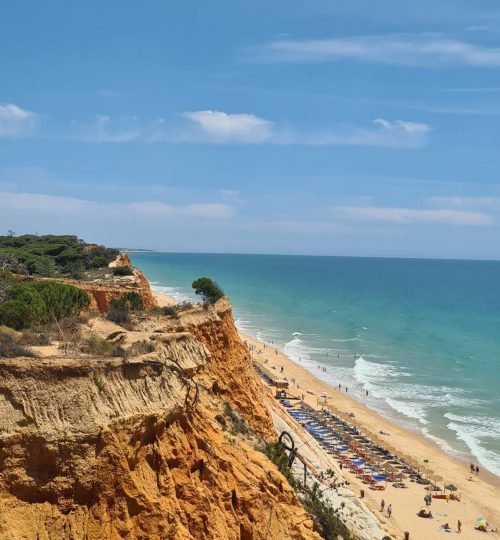
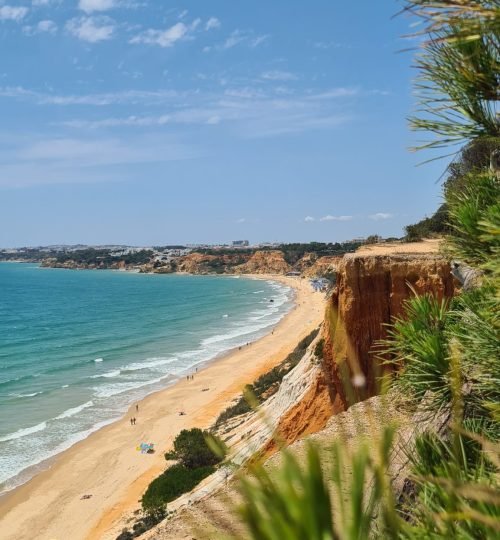
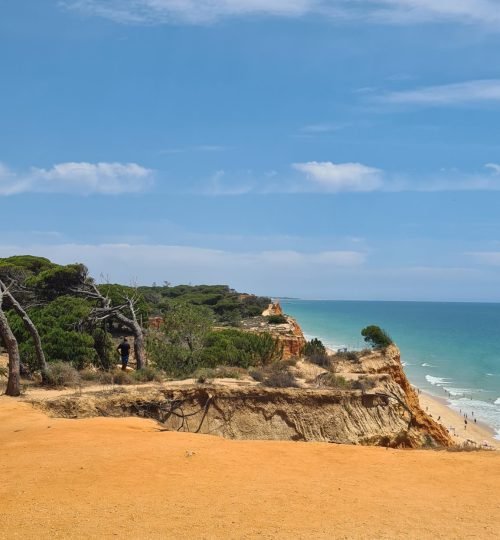
Praia da Falésia is one of the most breathtaking beaches in the Algarve, and it’s easy to see why it’s so loved. Imagine a long stretch of soft golden sand framed by towering red and orange cliffs that glow differently depending on the sunlight. The moment you arrive, the colors alone make you feel like you’ve stepped into a painting.
The water here is crystal-clear and calm, perfect for swimming or simply cooling off after a long walk along the shore. The beach stretches for nearly six kilometers, giving you plenty of space to wander, explore, or find a quiet corner just for yourself. As you walk along the cliffs, you’ll notice beautiful natural rock formations, layers of sediment carved by time, and small caves that add a sense of adventure to the landscape.
Despite its wild beauty, Praia da Falésia is very comfortable to visit. You’ll find beach bars, restaurants, sunbeds, and all the facilities you might need, making it the perfect mix of relaxation and exploration. Whether you’re spending the entire day there or visiting for a sunset stroll, this beach captures the essence of the Algarve, dramatic, peaceful, and unbelievably beautiful.
Aqualand
Aqualand
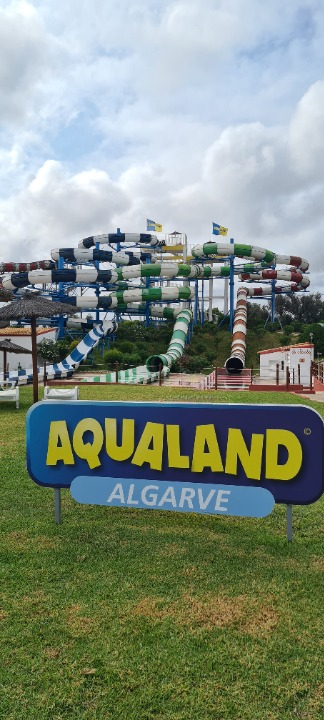
If you’re visiting Albufeira with little ones and want guaranteed fun, Aqualand is a great option. This water park is packed with activities, water slides, pools, and splash areas, perfect for a family day out. We had an amazing start there, with laughter and excitement filling the air. We had a wonderful time at first, but when the wind picked up my son got cold and we had to leave early. In hindsight, I felt a little sorry that we didn’t choose Krazy World’s “animals & fun” option, it is a mini zoo and water park, the petting farm, small animal interactions, and other games would have kept the kids happy even without swimming.
The Seven Hanging Valleys
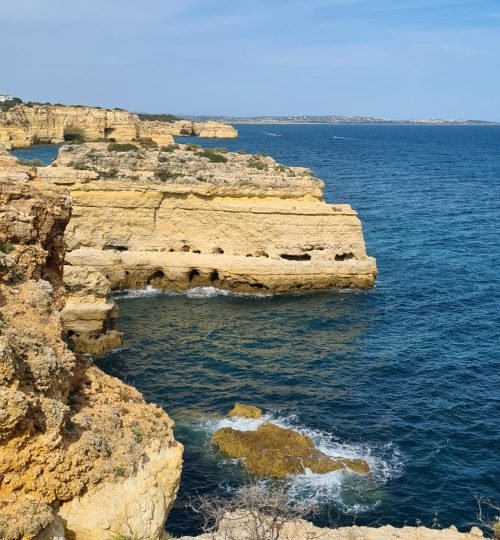
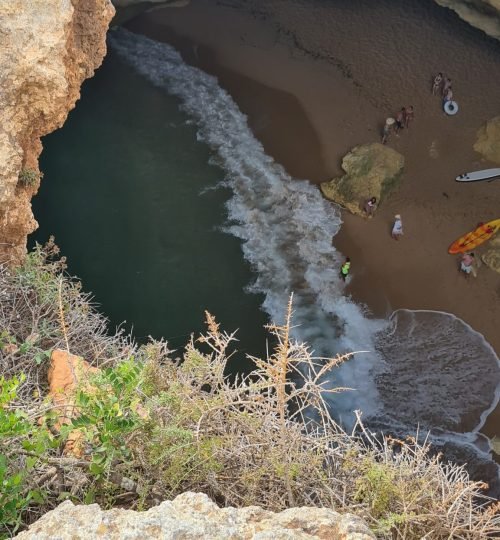
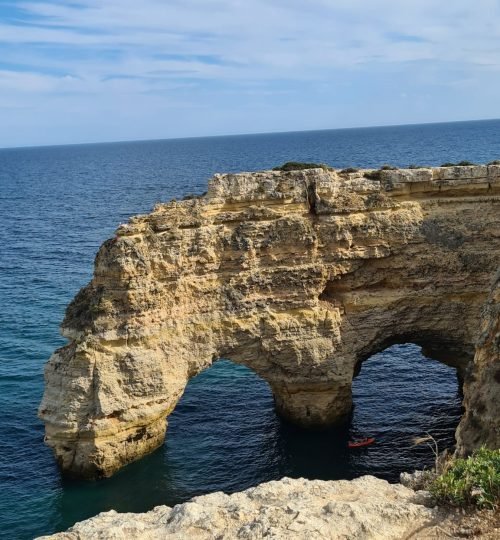
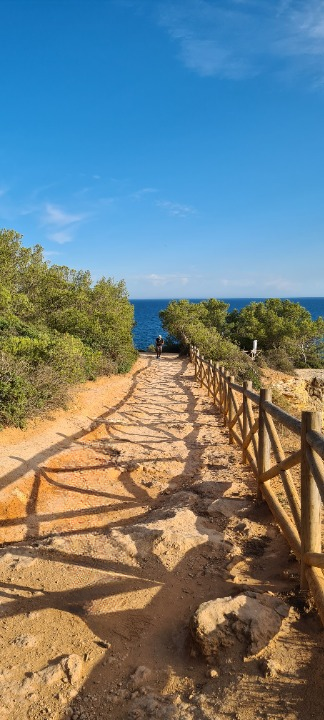
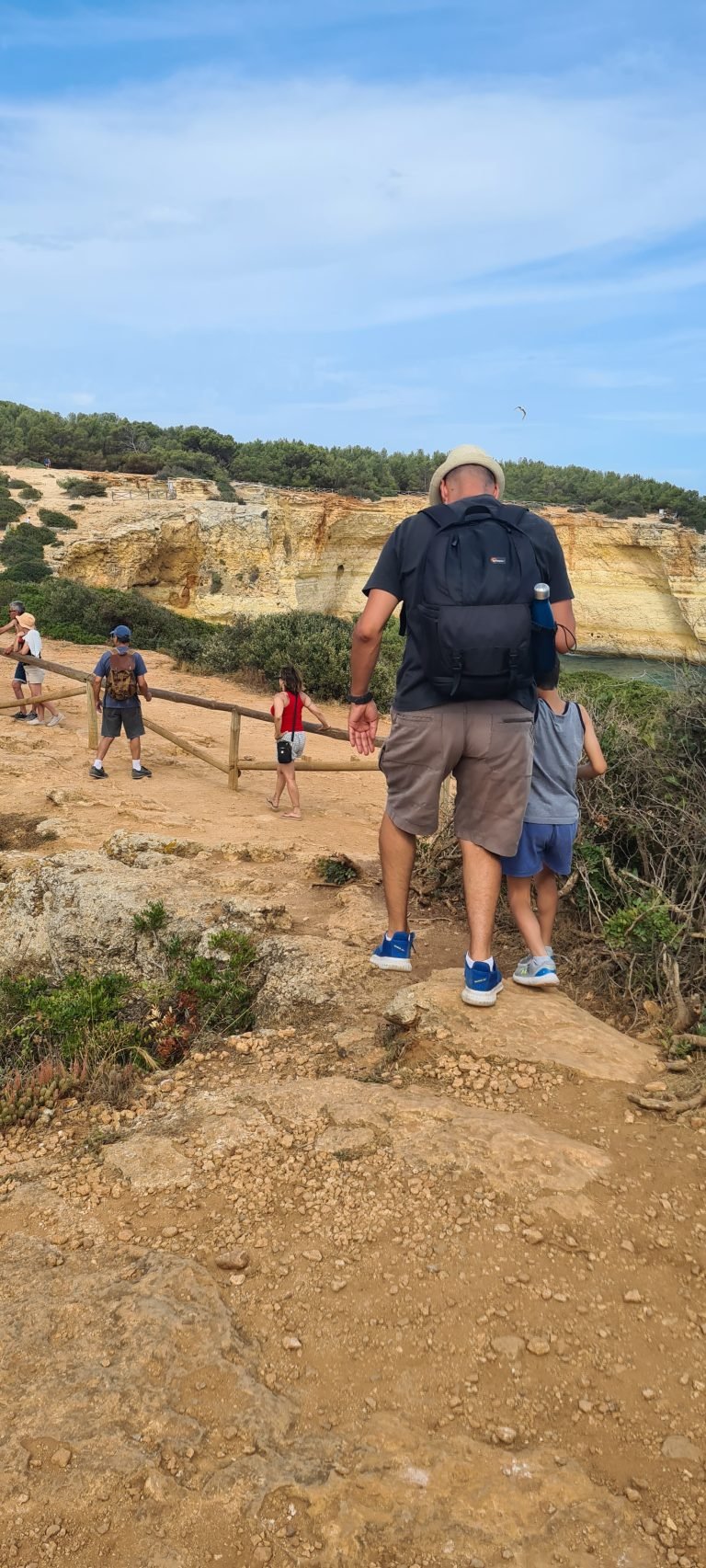
The Seven Hanging Valleys Trail in the Algarve is a must for anyone who loves hiking, breathtaking coastal views, and nature at its most dramatic. This 5.7-kilometer trail winds along the cliffs, offering some of the most iconic sights of the region, from the Alfanzina Lighthouse to the legendary Benagil Cave, and beaches so stunning they almost look unreal, like Marinha Beach.
As we walked, we kept looking at the unique rock formations that give the trail its name and charm: Floating Rock, Elephant Rock, Heart-shaped Rock, and many others that seem almost sculpted by an artist. My son had too much fun, he was like playing Guess the Rock game. Every turn of the trail offered a new perspective, perfect for capturing unforgettable photos or simply pausing to take in the vast Atlantic horizon.
For me, this trail felt like walking along the edge of the world every cliff, every cove, every golden beach is a reminder of the Algarve’s raw, natural beauty. Whether you’re an avid hiker or just someone who loves scenic strolls, the Seven Hanging Valleys Trail promises an experience you won’t soon forget.
Tip: while the trail is magical, some sections are steep and uneven, so it’s important to stay vigilant, especially if you’re with children or elderly companions. Take your time, wear good shoes, and allow yourself to truly enjoy each step.
Benagil Cave
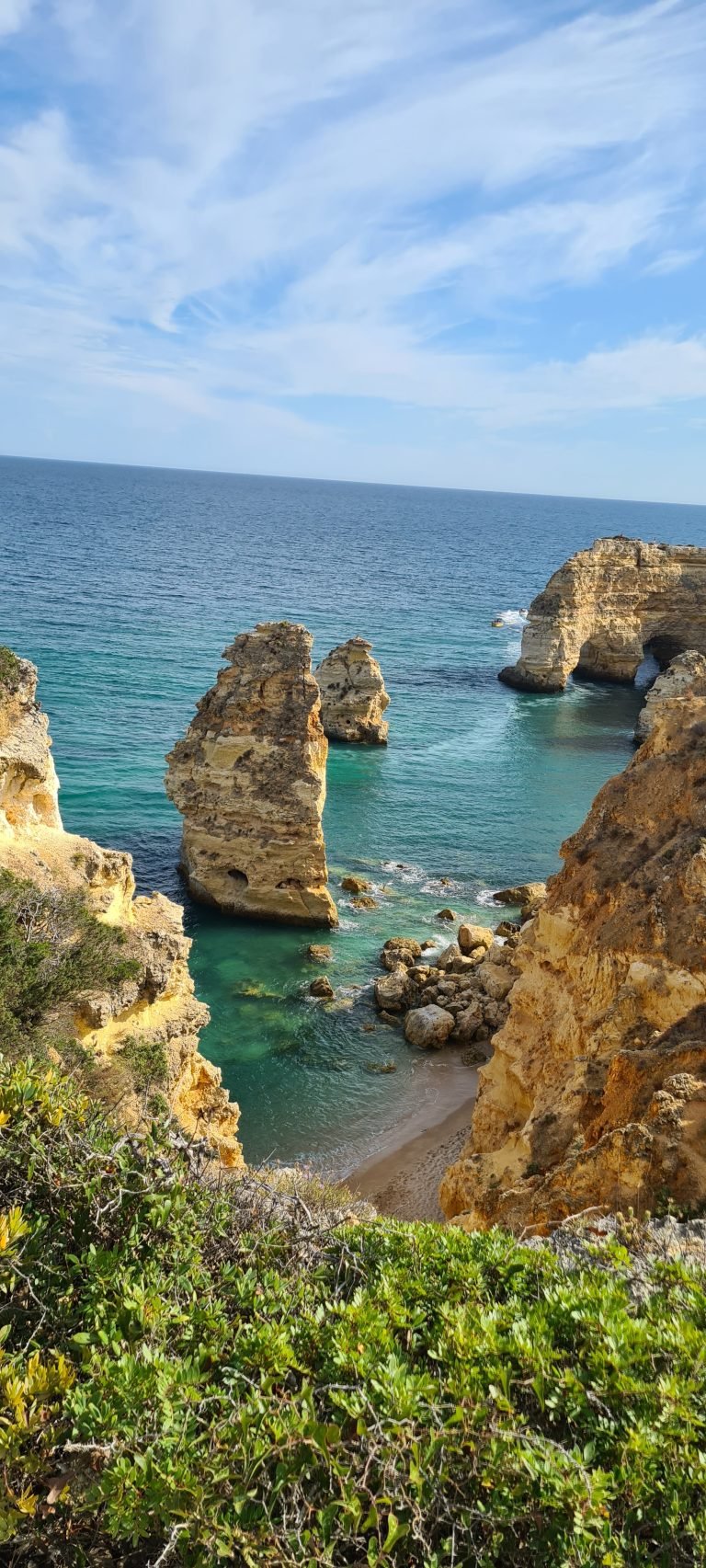
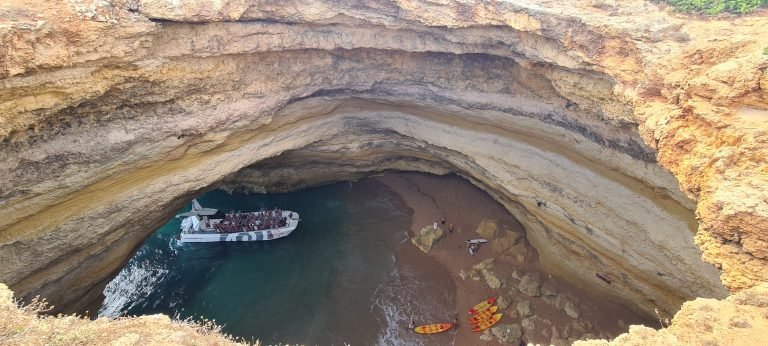
Beangil Cave is an incredible natural wonder in Algarve coat , a luminous sea grotto near the village of Benagil. It features an arched opening often called “the eye,” allowing sunlight to filter down and reflect off the clear blue waters inside, creating a glowing magic inside. To visit the cave, you’ll need to join a boat tour or rent a kayak or stand-up paddleboard from nearby beaches like Benagil or Praia da Marinha. The boat rides are fun and convenient, but kayaking or paddling gives you the freedom to enter the cave gently and spend a little more time soaking in the atmosphere. Whichever way you choose, experiencing Benagil Cave is a must when exploring the Algarve.
Tip: be very careful around the edges. Some of the barriers along the cliffs are broken, so make sure to keep a safe distance when taking photos or admiring the view. The cliffs are steep and unstable in certain spots, and getting too close is genuinely dangerous.
Marinha Beach
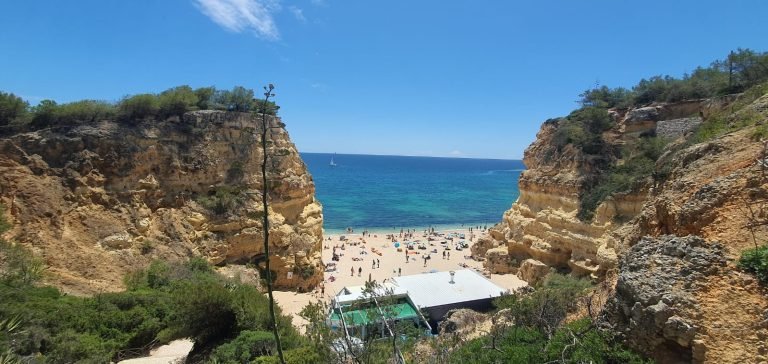
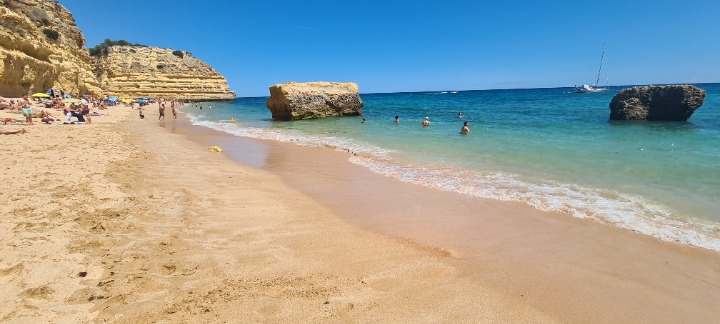
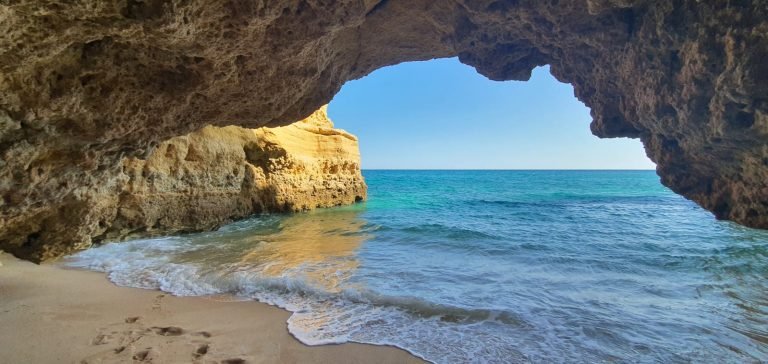
Praia da Marinha is one of the most beautiful beaches in the Algarve region that you should make sure to see and experience once you are in Algarve.
When the tide is low, the sandy area gets very wide, stretching all the way to big rock formations sticking out of the bright blue ocean water. Adventurous people can jump off some of the cliffs into the water below. There is also a secret, tiny beach called Hole’s Beach (Praia do Buraco) hidden behind a small tunnel in the rock wall near the stairs leading down to the main beach area that you must see, the beach is stunning and just waking through the tunnel is too much fun.
People always told me that the water in Portugal is very cold, and they were right. But when I saw the blue water at Marinha Beach, I simply couldn’t resist, I had to swim. The moment I stepped in, I felt the shock of the cold, the kind that makes you question your decisions for a second.
But once you start moving, your body adjusts little by little. I kept swimming because I knew that if I got out, going back into that “freezer” would be impossible. So I challenged myself, stayed in the water longer, and honestly, it turned into one of my favorite memories, cold, refreshing, and totally worth it.
Olhao
Olhão is a delightful small fishing town that served as our base while exploring the Algarve. We picked Olhao because it’s peaceful and more affordable compared to other parts of the Algarve. Since we rented a car, getting around the relatively small Algarve region was easy for us.
Olhao is modest in size, and offers a few places worth experiencing. The harbor area features a lively marina lined with restaurants and cafes where you can savor fresh seafood. It also has a walking trail at the marina and small gardens, playgrounds and lots of benches where you can sit and enjoy the place. We always enjoyed our evening walks along the marina. A highlight is the bustling Mercado de Olhão selling regional produce and tasty local specialties like sun dried fish.
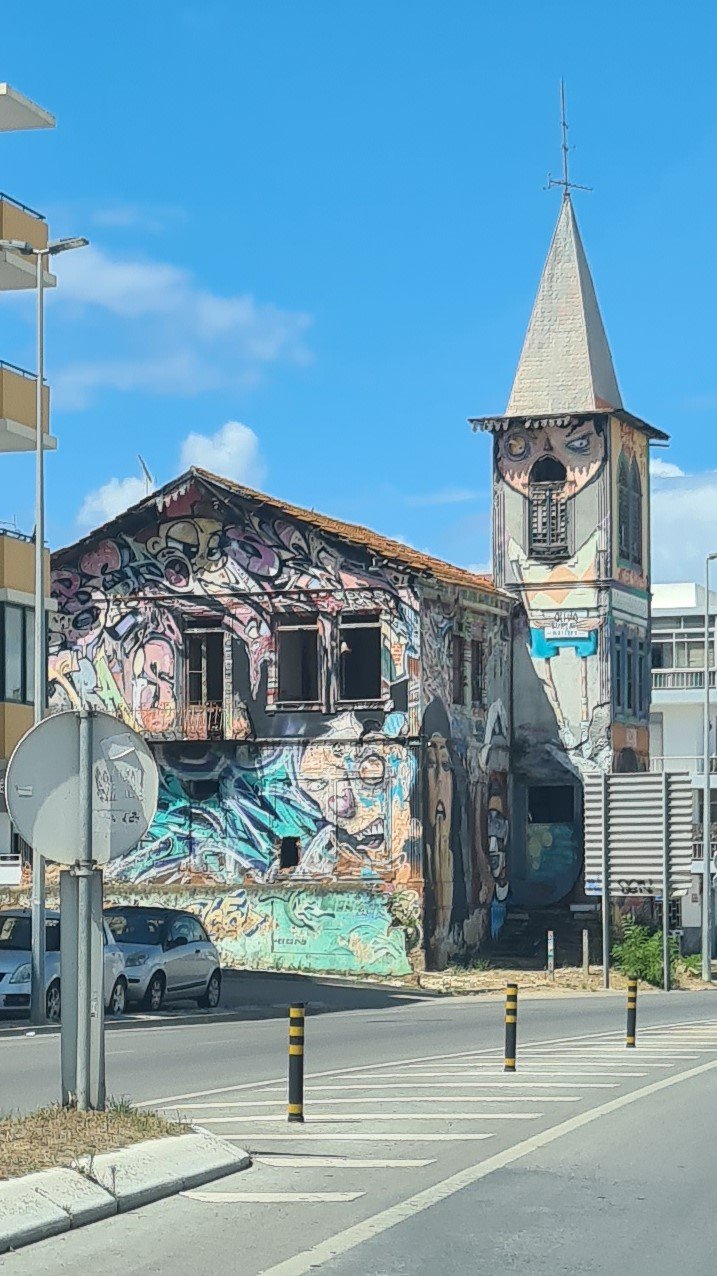
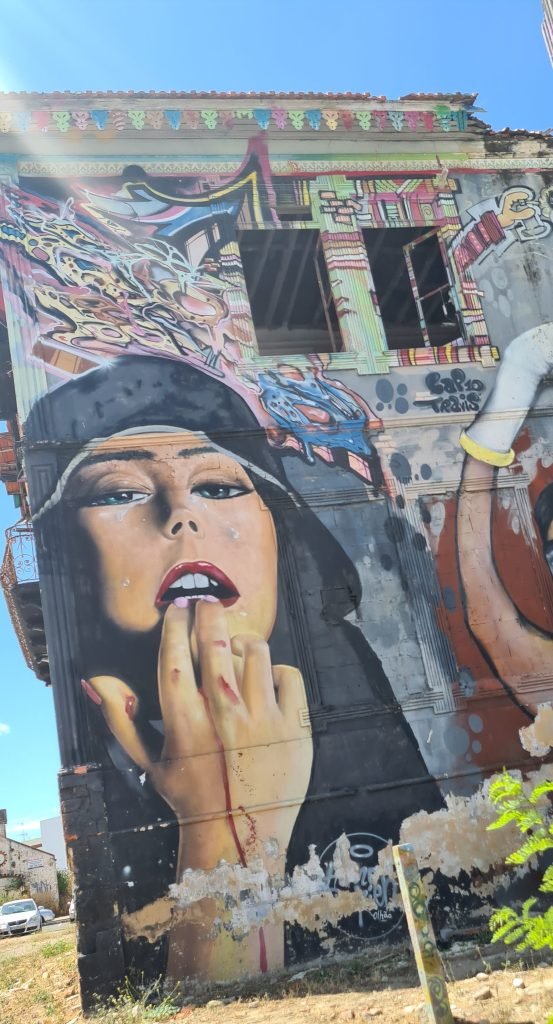
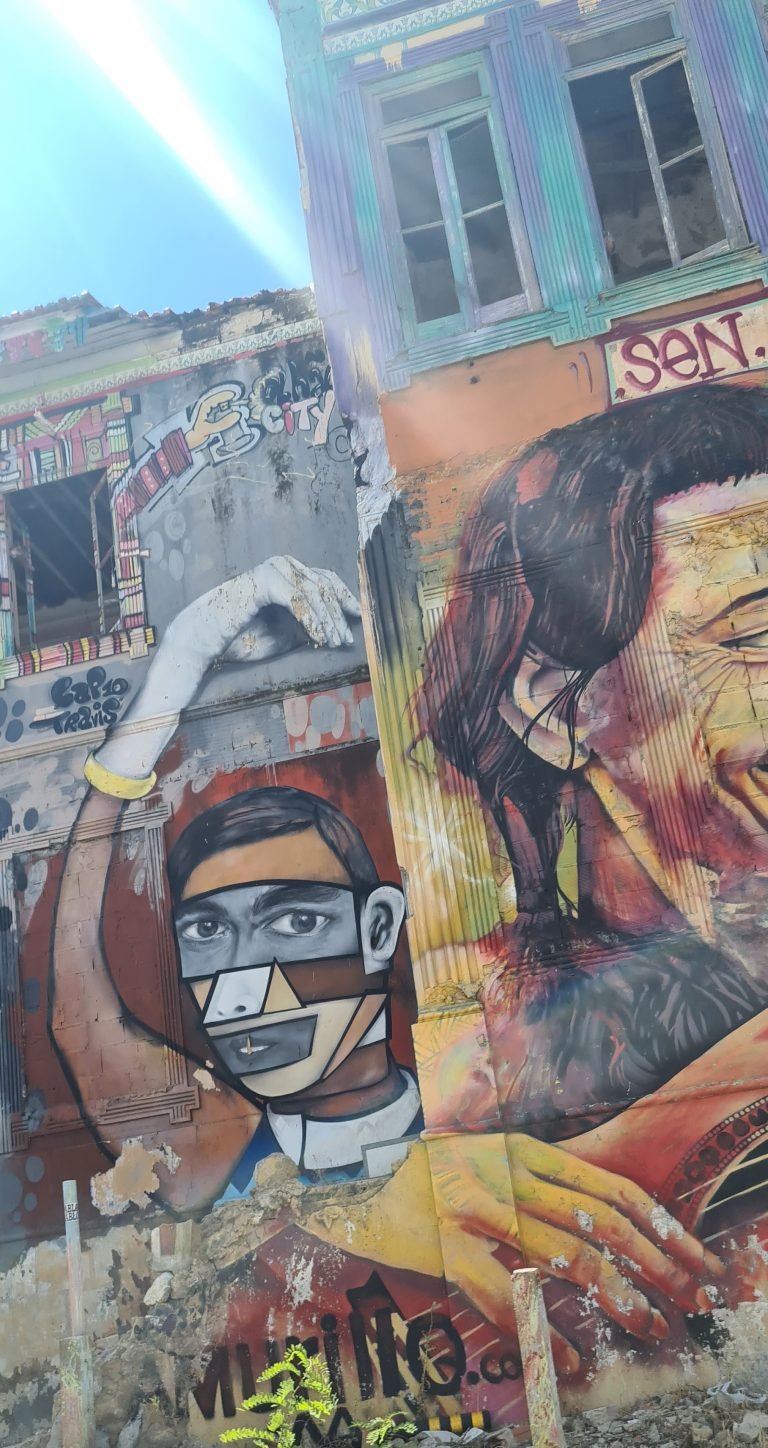
An interesting thing we noticed in Olhão and the nearby Quelfes region is the abundance of beautiful graffiti art, lots of colorful drawings covering buildings, bridges and signs in a way we’d never seen before.

Vilamoura
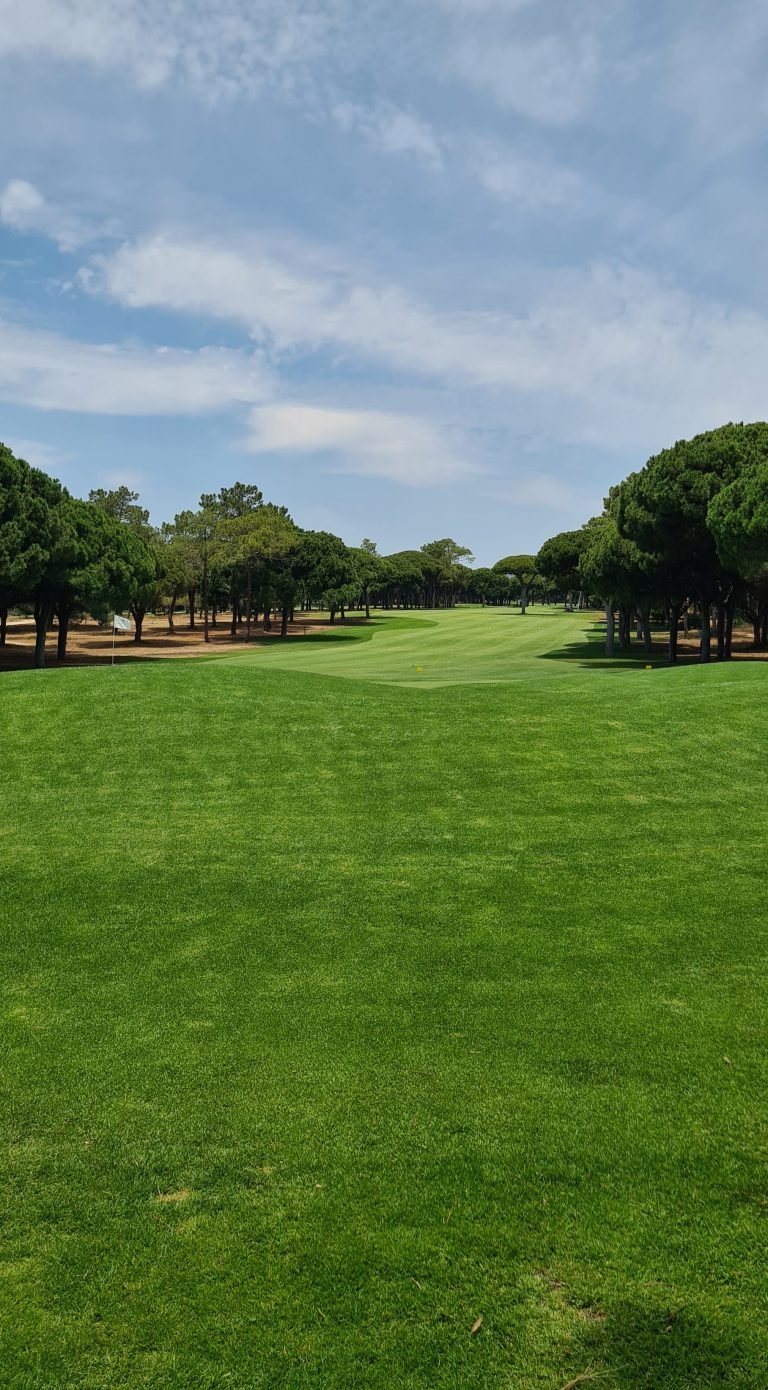
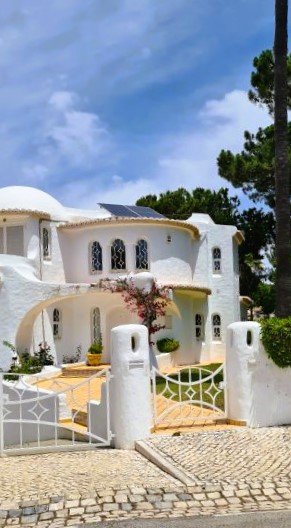
Imagine driving through the Algarve and suddenly stumbling upon Vilamoura, a picturesque oasis with lush greenery, vibrant flowers, and charming villas welcoming you with open arms, this is what happened to us. It’s like stepping into a luxurious resort paradise, complete with golf courses and inviting green spaces, the place is filled with beauty and leisure. Vilamoura is different compared to other parts of the Algarve, and we wish if only we had chosen to stay in Vilamoura during our vacation, we might have experienced a slice of paradise unlike any other.
Tavira
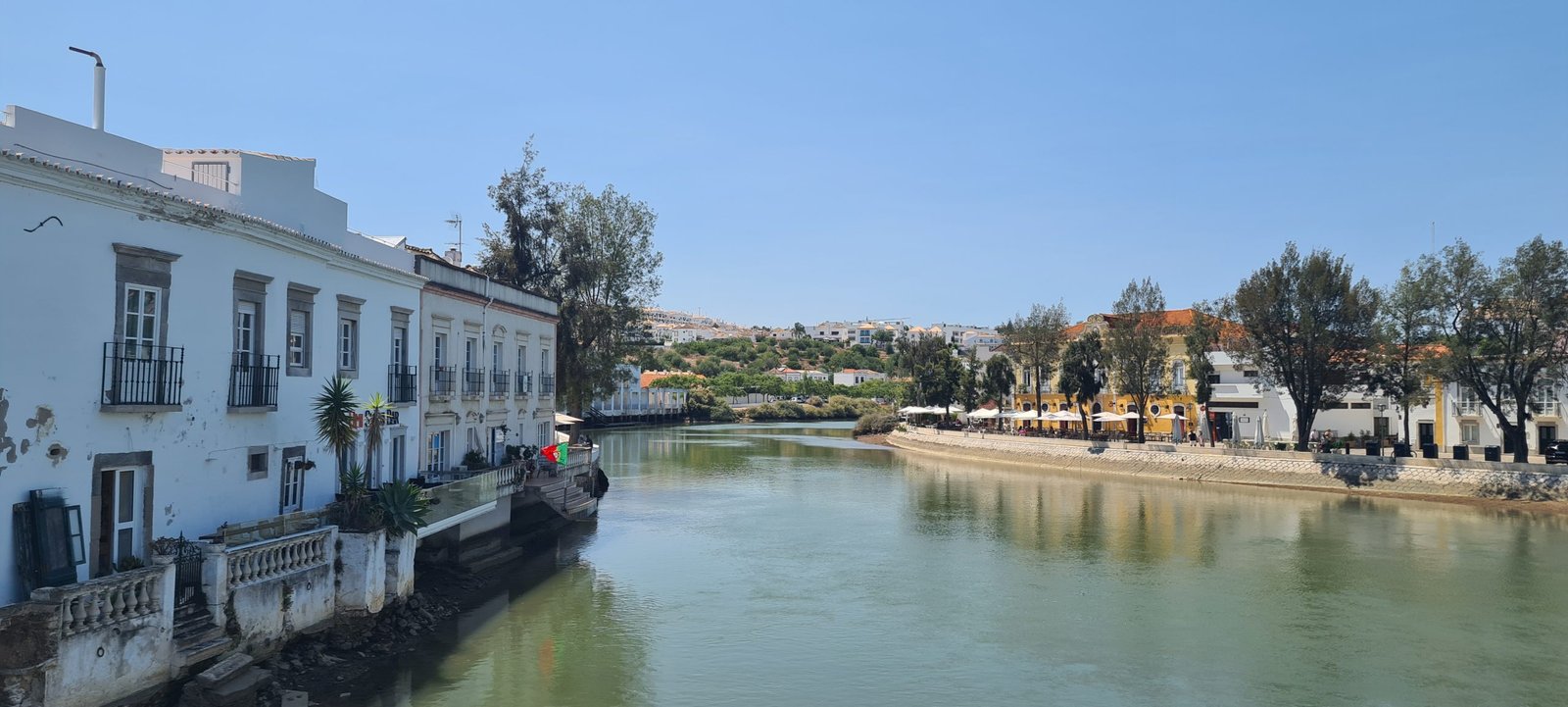
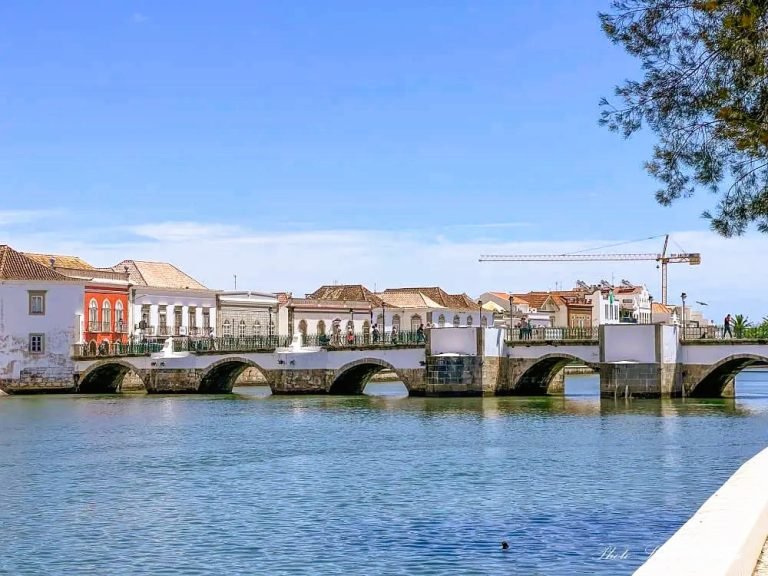
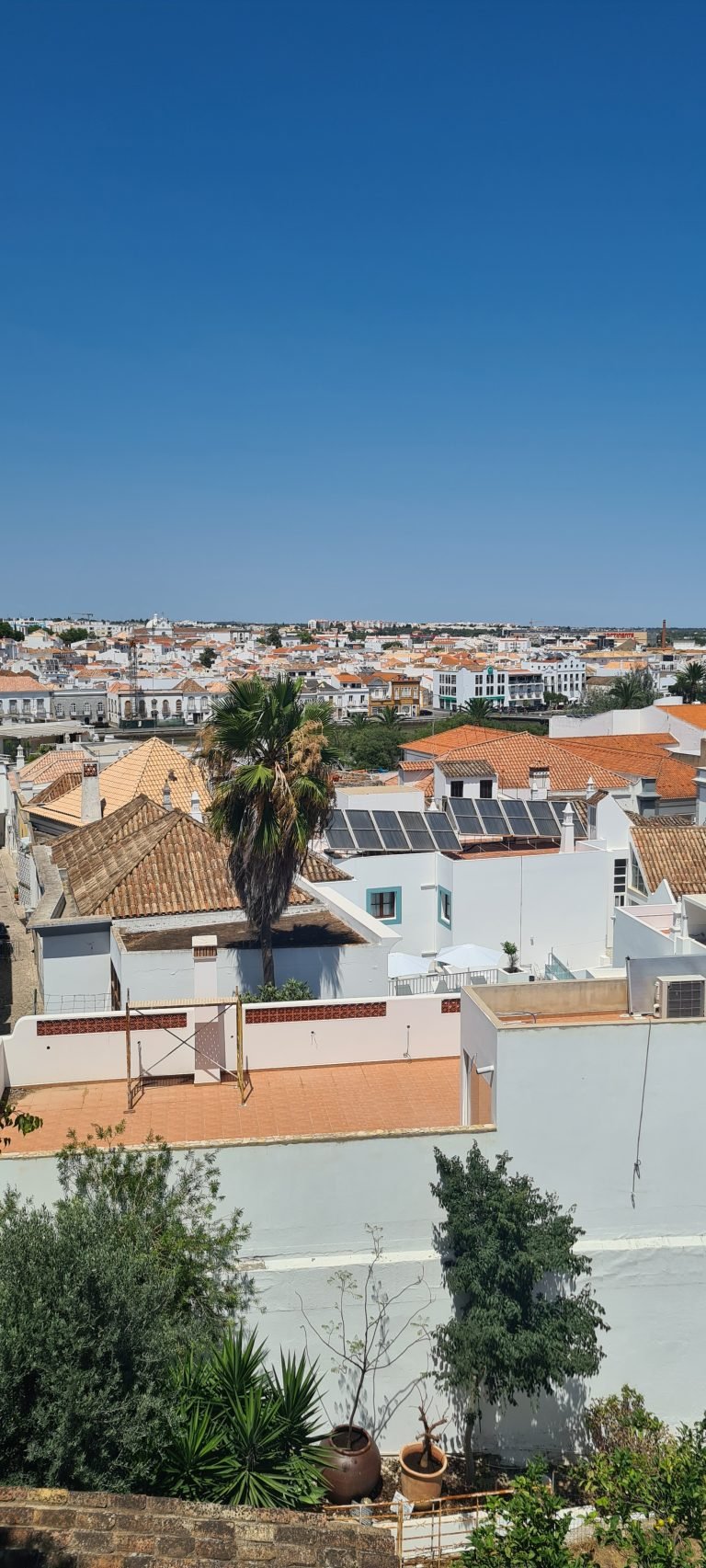
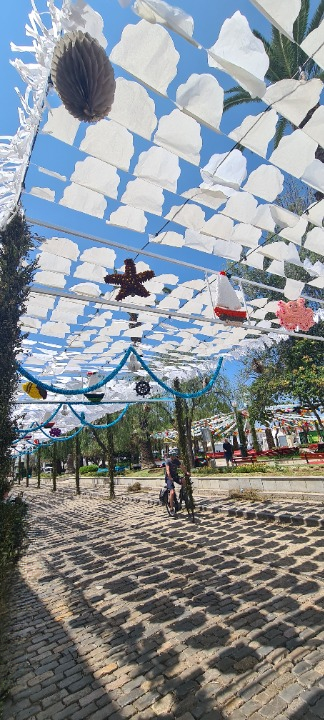
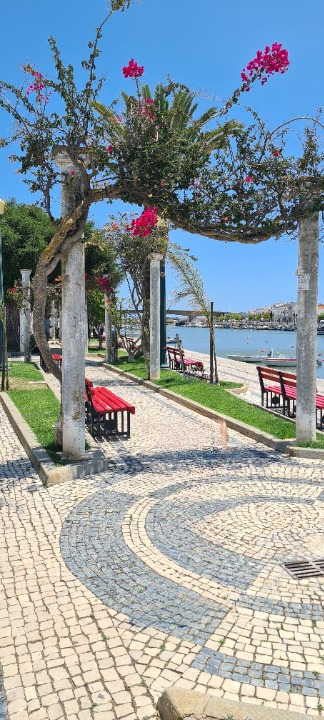
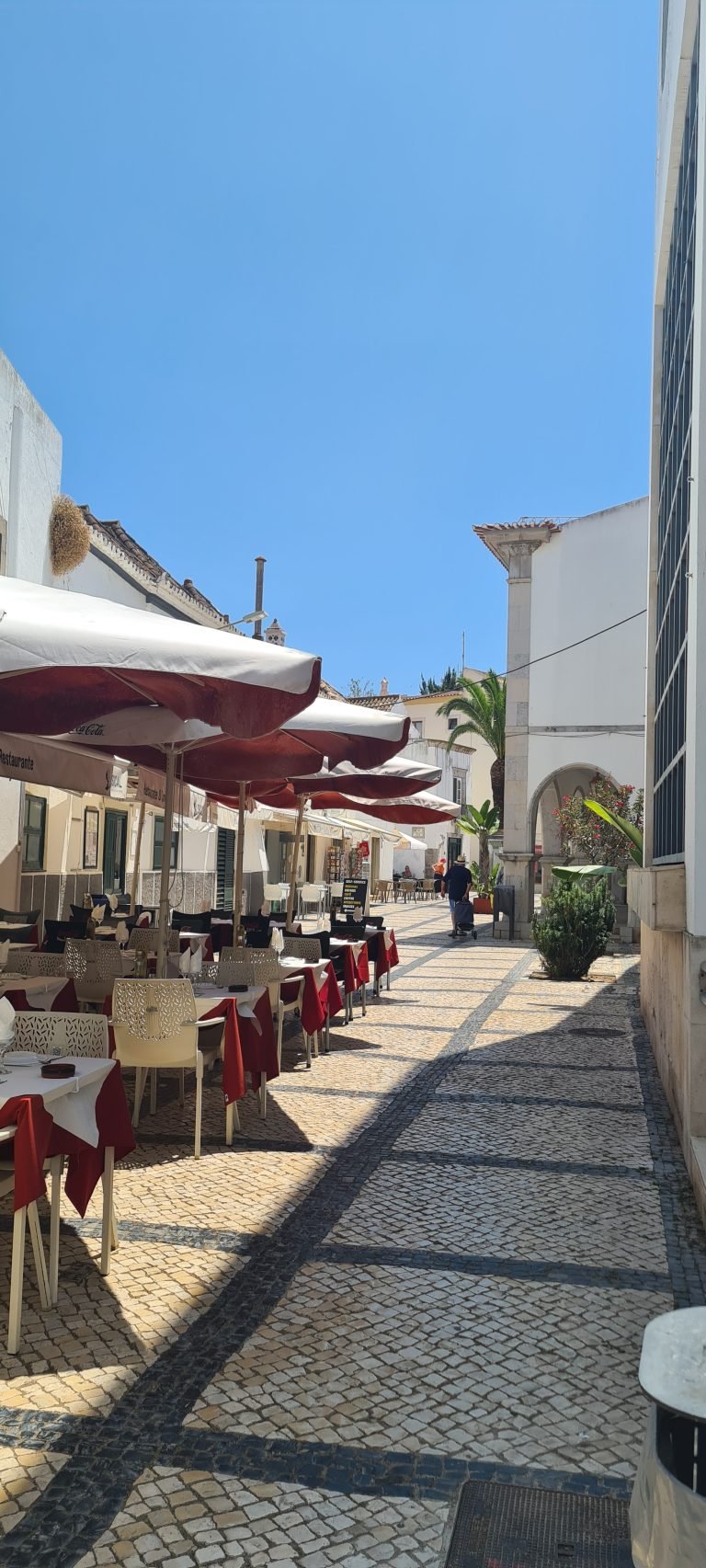
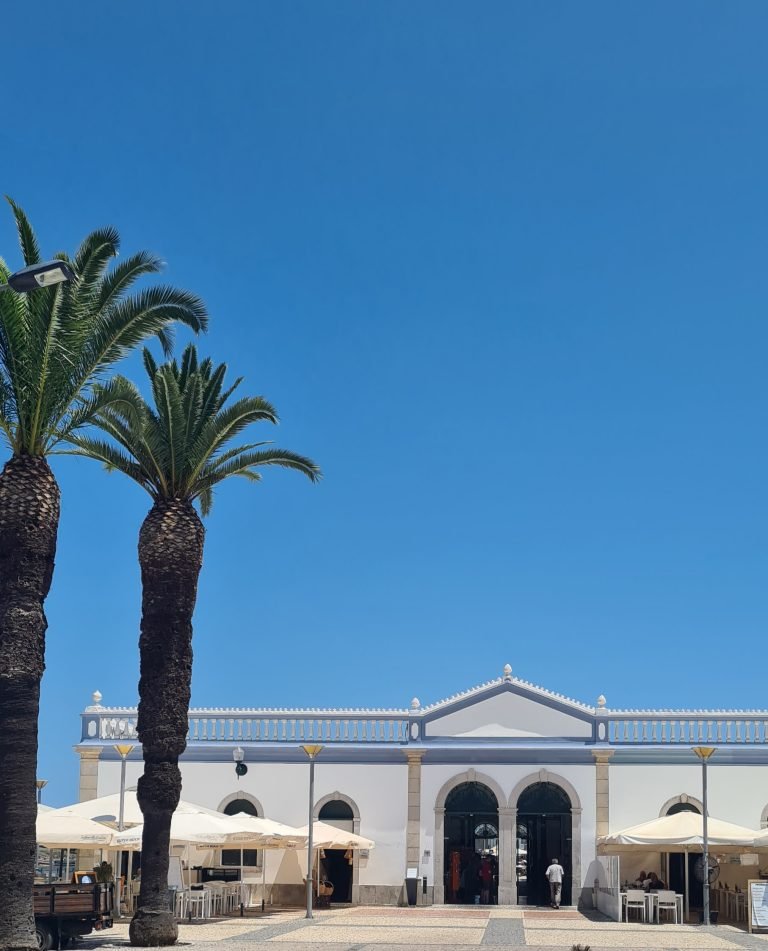
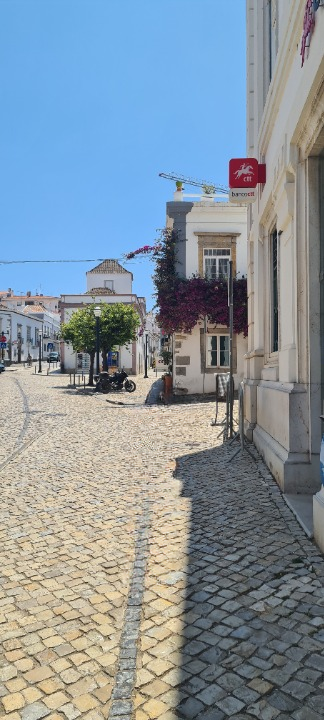
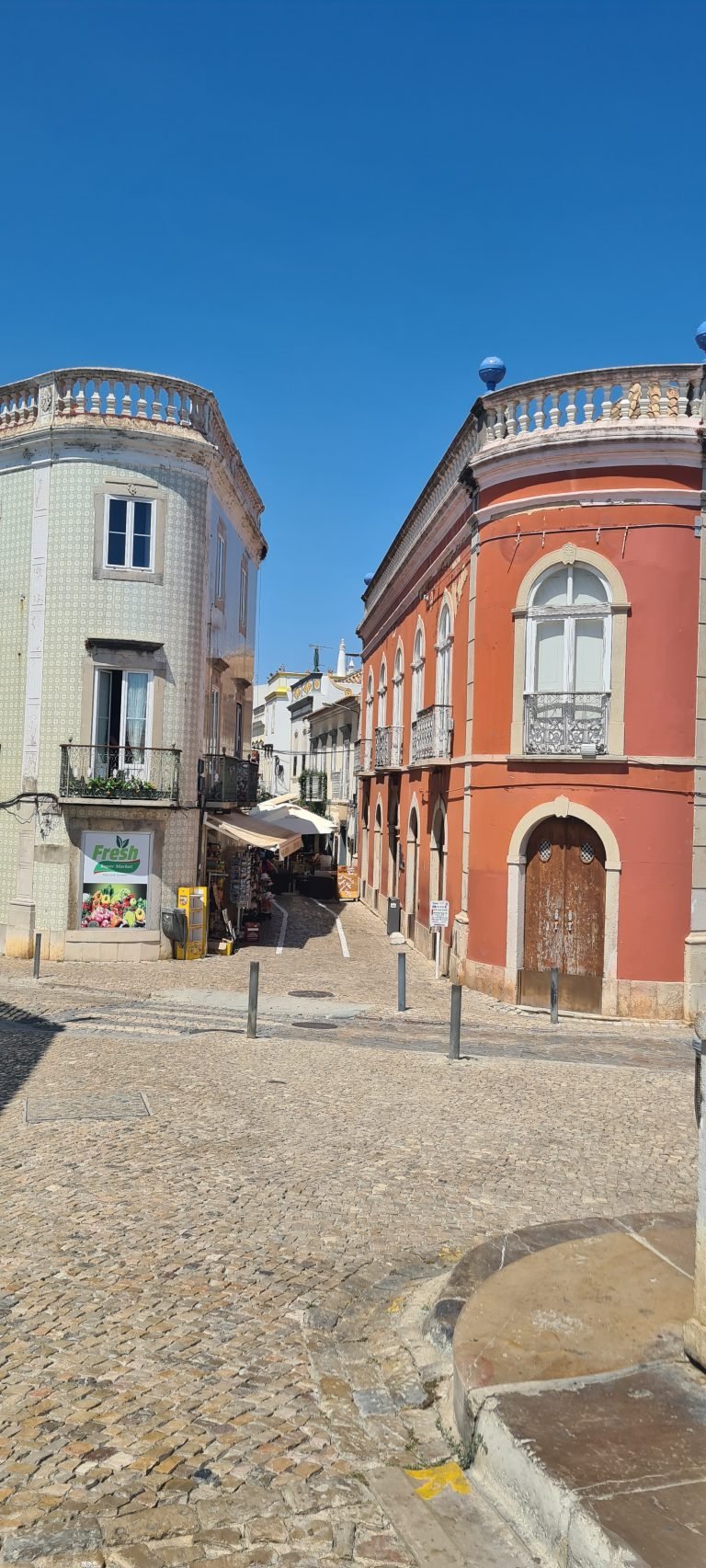
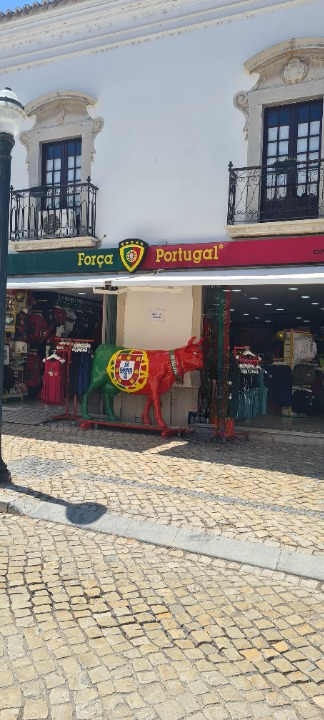
Tavira is often described as one of the most beautiful towns in the Algarve, and honestly, I couldn’t agree more. It has a calm, elegant charm that feels completely different from the busier coastal towns. The moment you arrive, you’re greeted by a peaceful riverside scene, the Gilão River flowing gently through the town, with the iconic Roman bridge arching gracefully over the water. It’s the kind of place that instantly slows you down and makes you breathe a little deeper. Tavira is also known for its incredible heritage. As you walk through the old town, you’ll find churches, a medieval castle, narrow streets paved with stones, and things that invites you to wander slowly.
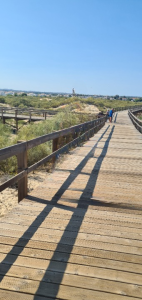
The only downside? The intense heat that day. We had planned to visit Ilha de Tavira, one of the most famous islands in the region, but the long queue waiting for the boat made us rethink our plans. Instead, we decided to explore the area a bit more and stumbled upon a gorgeous beach near Tavira called Praia da Alagoa Nascente. It turned out to be the perfect escape, soft sand, refreshing water, and a peaceful atmosphere where we could finally cool off from the scorching sun.
Still, Tavira left us wanting more. We had this feeling that the town would be even more enchanting at night, so we returned in the evening, and honestly, it was one of the best decisions we made in the Algarve. As soon as the sun set, Tavira transformed. The plazas and alleyways lit up softly, people filled the outdoor restaurants, musicians played in the squares, and the whole atmosphere became warm, lively, and full of soul.
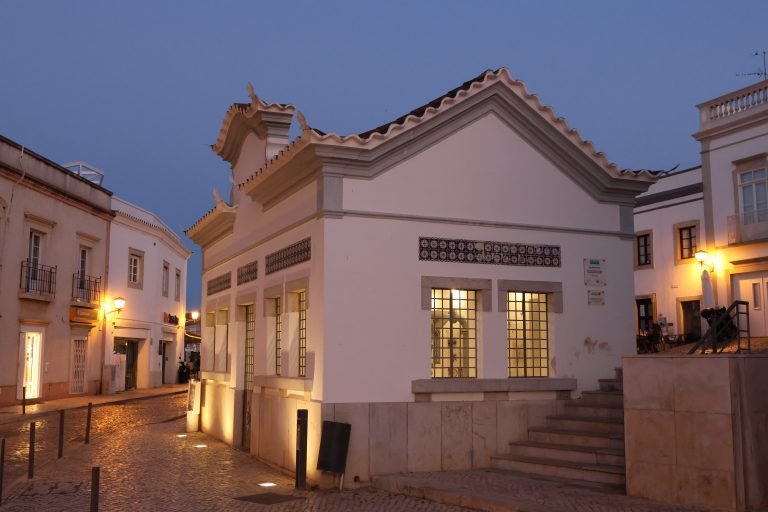
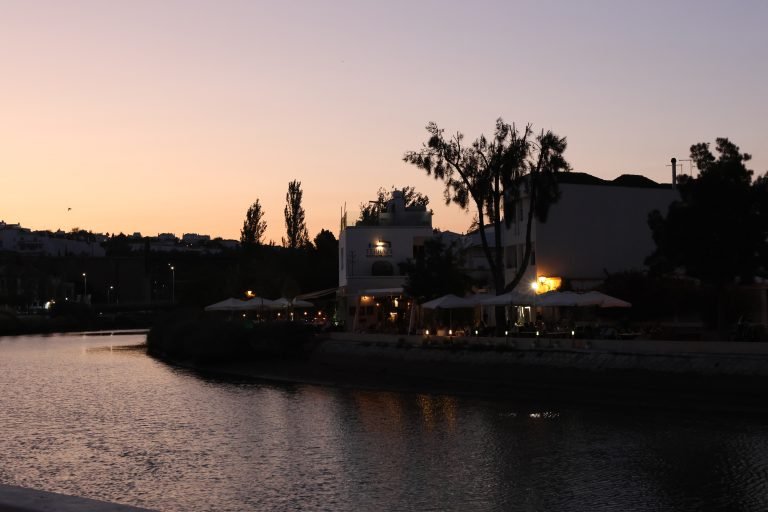
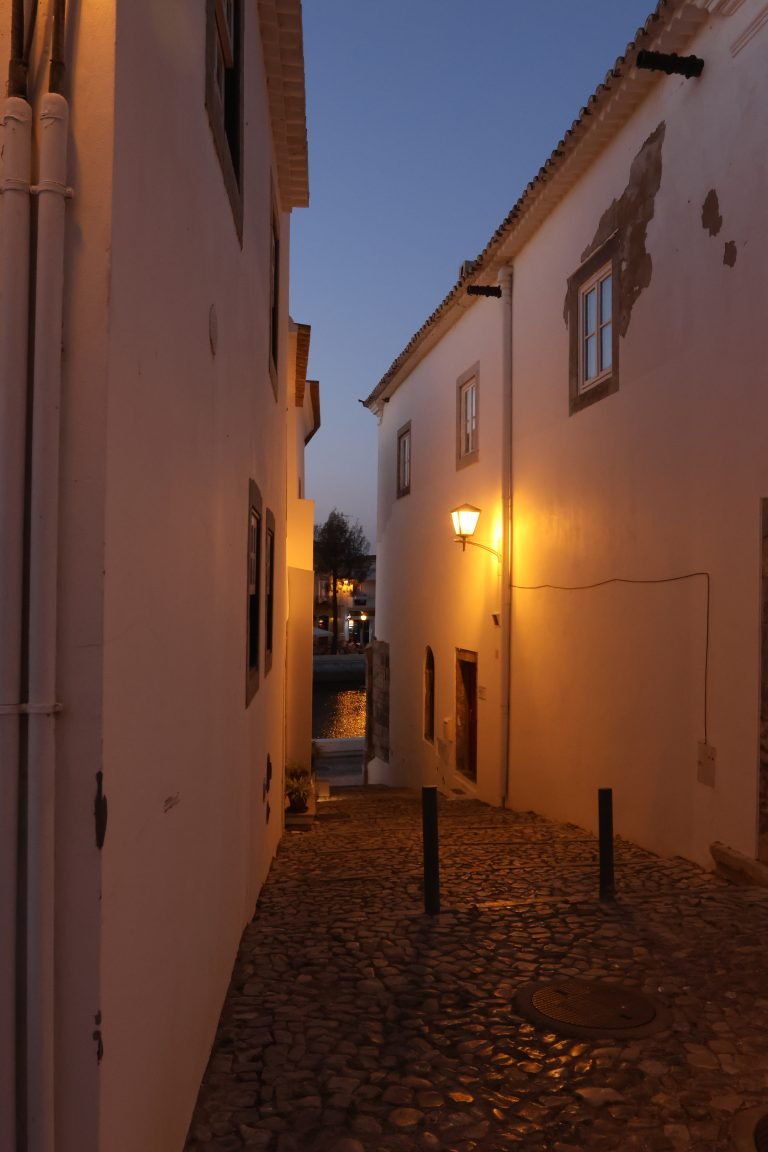
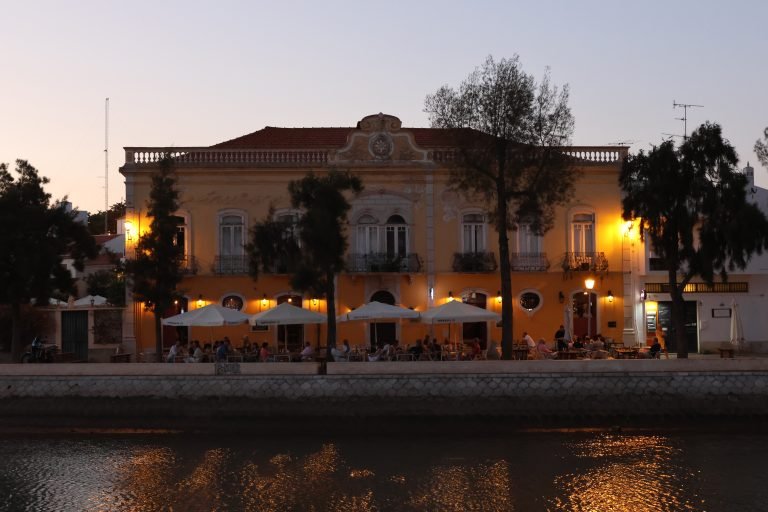
We spent the evening wandering through the illuminated streets, enjoying the gentle breeze and the peaceful rhythm of the town. Tavira completely stole my heart with its undeniable charm and serenity. I loved it to the point I asked my husband to move there. it is a romantic, timeless corner of the Algarve that you can’t help but fall in love with.
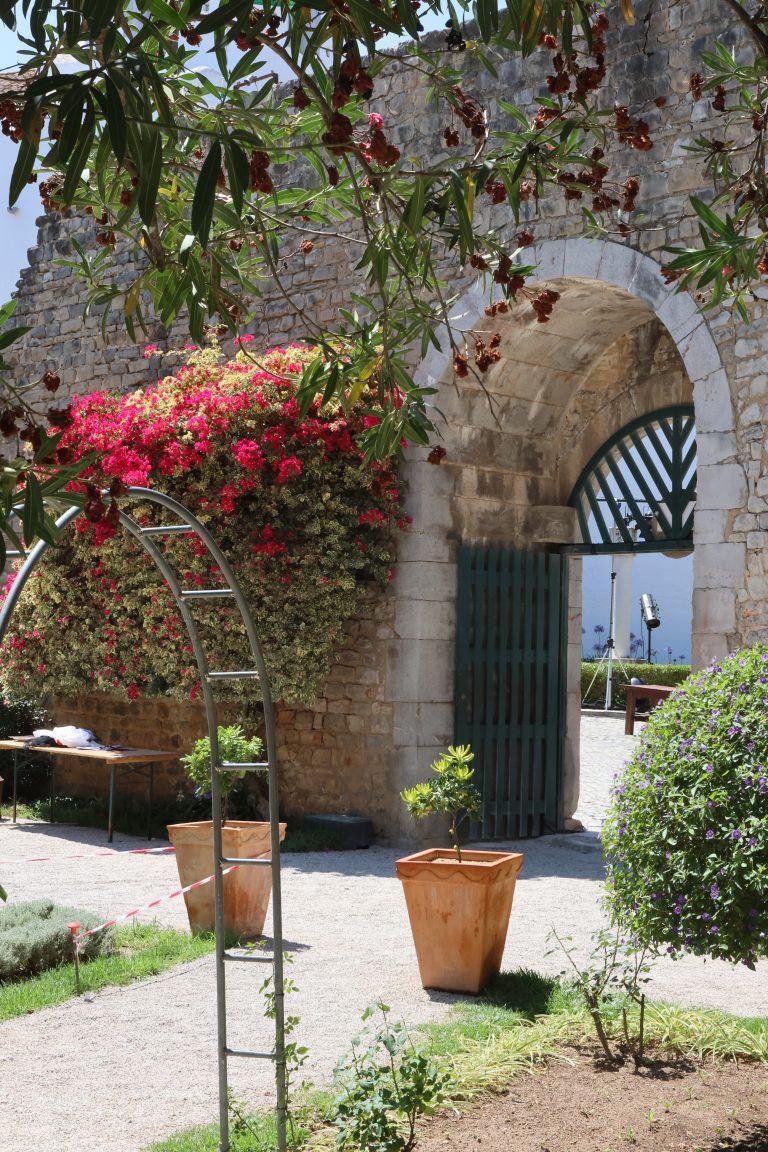
Castelo do Tavira
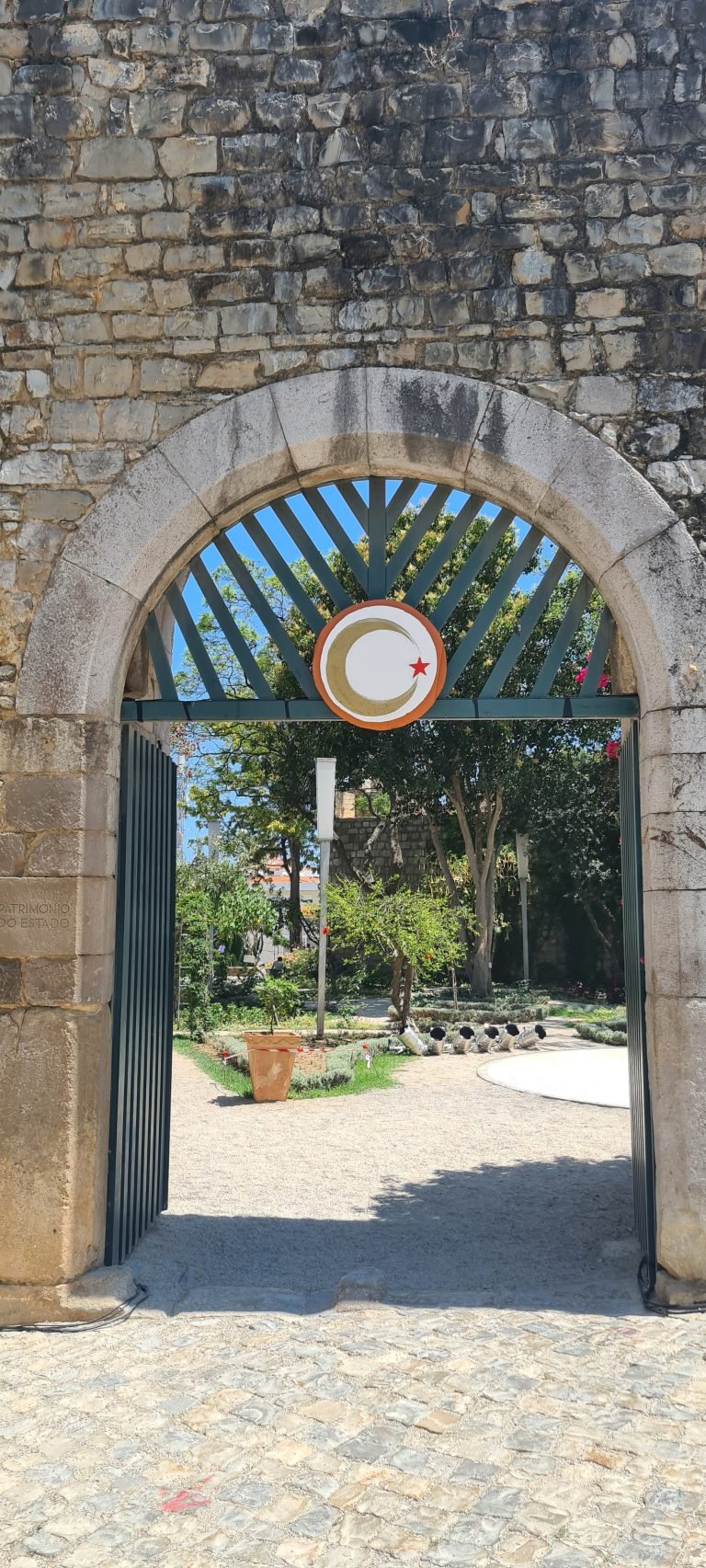
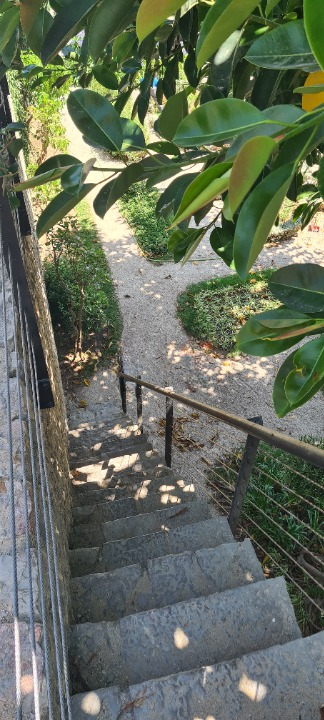
More to see in Tavira

My best tips for your Algarve visit
- Algarve is very beautiful, so my first advice to you is to plan at least five days for your trip there.
- Sagres is very windy, so make sure to take your jacket while visiting.
- If you plan to visit the pottery shops in Sagres, be sure to check their opening hours ahead of time to ensure you don’t miss out on going inside the stores.
The parking at Praia da Falesia is very difficult, so try to go early to secure a nice spot in the shade.
- If you plan to visit the inside of Benagil Cave, the best time is in the morning before it gets crowded later in the day. You can access the cave by taking a boat or kayak tour from either Benagil Beach or Marinha Beach. After exploring the cave in the morning, you can then continue with a hike along the Seven Hanging Valleys trail.
- When hiking the Seven Hanging Valleys trail, be sure to wear comfortable non-slip shoes, apply sunscreen, and bring sunglasses and a hat to protect yourself from the sun’s rays. Also, keep hydrated by carrying a water bottle with you at all times.
- Keep in mind that Marinha Beach does not have rental umbrellas available, so you’ll need to bring your own shade if you want protection from the sun. There are some naturally shaded areas on the beach, but they get claimed quickly by early arrivals. Also, if you need to purchase food or drinks from the restaurant and stalls there, be sure to carry cash as they do not accept credit/debit cards.
- Before heading to Aqualand, be sure to check the weather forecast to ensure it will not be windy or rainy, as the park is outdoors. If poor weather is predicted, you may want to have a Plan B ready to avoid wasting money on a less enjoyable experience at Aqualand.
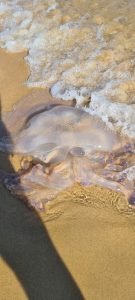
- Praia da Alagoa Nascente is a nice long, shallow beach located near Tavira that is very suitable for families with small children, though you’ll want to watch out for any jellyfish in the water.
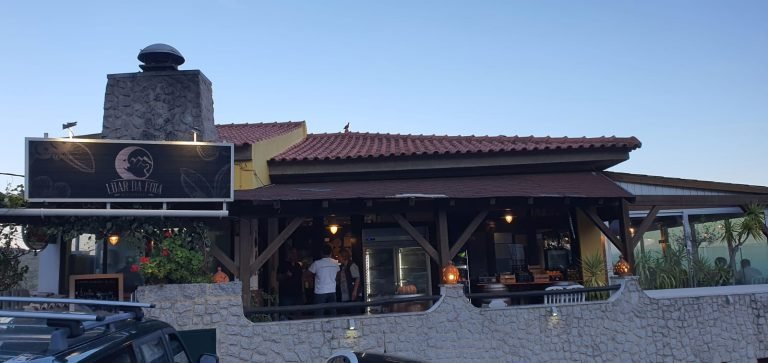
- When traveling to the Algarve and needing a stopover before continuing, I highly recommend visiting Monchique. It’s a quaint town nestled in the mountains, offering tranquility that might considered boring by some, but it boasts hot springs and abundant natural beauty. My family and I took a two-night break from Lisbon there before heading to the Algarve, and we truly enjoyed the experience. We stayed at Vilafoia (I am not an affiliate), which we liked, and indulged in authentic Portuguese cuisine at Luar da Foia Restaurant.
- For more driving tips please click here.
- Make sure to check all my travel tips as it helps you with savings, safety and more. please click here
Praia Da Alagoa

Monchique
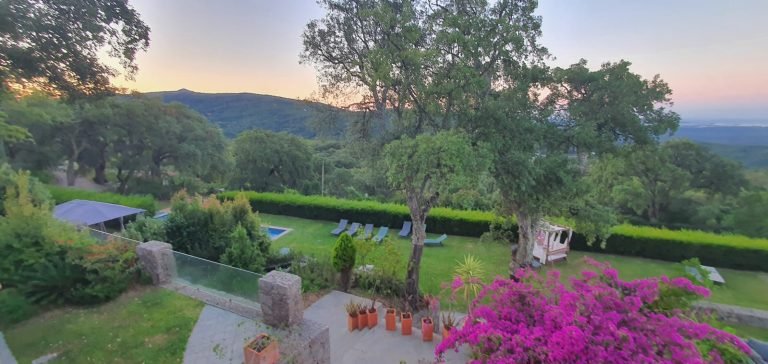
Before reaching the Algarve, we made a stop in a beautiful mountain town called Monchique, and it turned out to be the most peaceful pauses we needed after days of exploring different regions of Portugal, it felt like a deep breath, a quiet little escape tucked high in the mountains, where everything slows down and the only sounds are the wind, the birds, and the distant rustle of the trees. We had originally gone up to Monchique for its famous hot springs, imagining a peaceful spa escape in the mountains. But in the end, instead of staying at the hotel, we chose a villa, that also have tubs and bathing in nature experience.
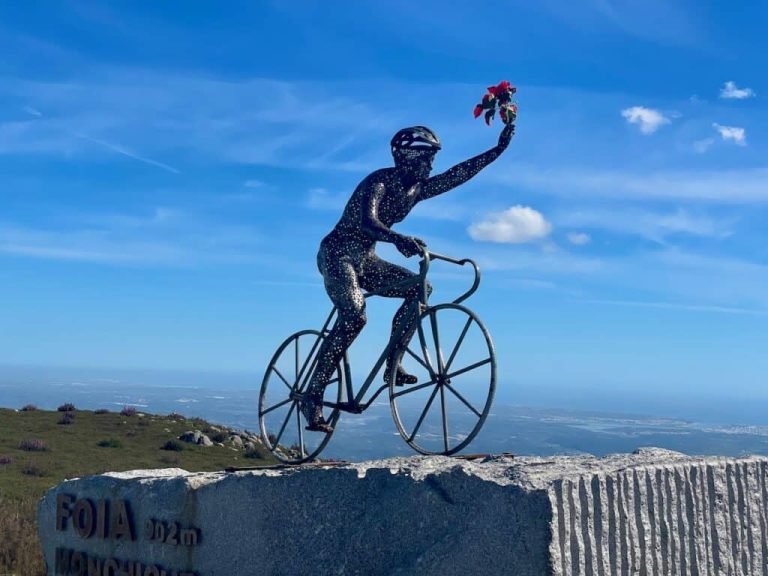
The villa nestled in the hills, surrounded by greenery and endless mountain views. It was exactly what we needed before diving into the liveliness of the Algarve. The air was fresh, the silence comforting, and the setting so serene that simply sitting outside felt like a mini-retreat. Monchique is full of life for those who enjoy outdoor adventures: there are many hiking and biking trails, including the famous Fóia Trail, which leads up to the highest point in the Algarve and offers incredible panoramic views. One highlight along the way is the Cyclist Monument at Fóia, a striking sculpture celebrating the region’s cycling heritage and a perfect spot for photos. We also discovered Fonte Santa, a natural spring where locals and travelers fill their bottles with fresh mountain water while enjoying the scenery.
One of our favorite moments was strolling through the nearby farms. Monchique is full of lemon trees, and they were overflowing, branches heavy with bright yellow lemons, many of them scattered on the ground, we picked a few as we walked, enjoying that simple joy that only rural towns can give.
In the evening, we treated ourselves to an amazing dinner at a local restaurant known for serving authentic Portuguese dishes. The food was rich, comforting, and full of flavor, the kind of homemade taste that comes from tradition and love, not from fancy trends. It felt like the perfect ending to a day spent reconnecting with nature and calmness.
Monchique may be small and quiet, but it has a soul of its own. It grounded us, slowed our pace, and prepared us beautifully for the adventures waiting ahead in the Algarve.