Cuba is where I felt like I had just stepped out of a time machine, straight into 1950, to live in the past in blazing Technicolor.
The vibes in Cuba are truly one of a kind. Everything felt different, like my senses were seeing the world for the very first time.
It’s where music made me dance, even though I’ve never danced salsa before. But in Cuba, the beat finds you, and your feet somehow just follow.
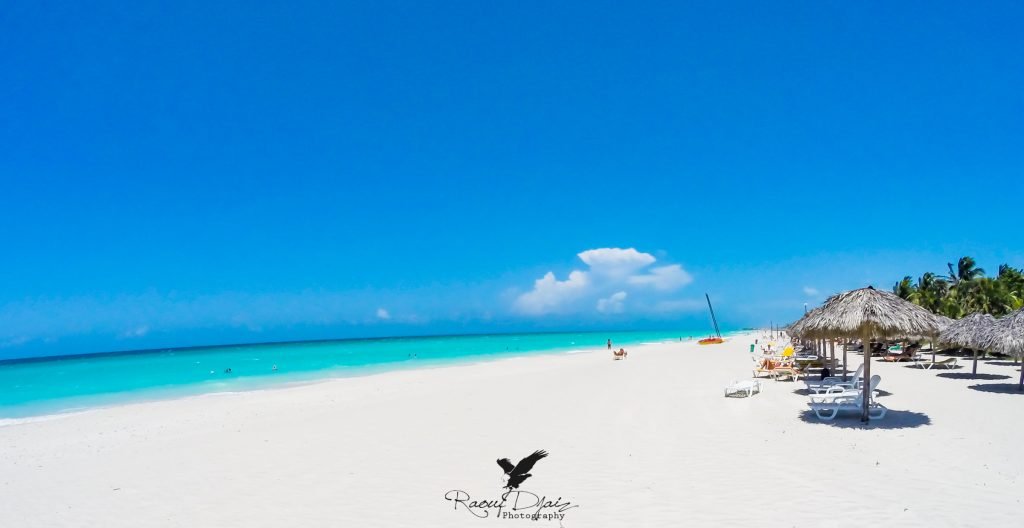
The coffee, oh, was so seductive and irresistible, it didn’t just wake me up, it flirted with my soul, while the Mojitos and Piña Coladas erased the notion of water in my brain and replaced it with sinful, cold, sweat‑kissed glasses. I actually felt guilty.And no, I wasn’t drunk, all virgin, I swear. Hahaha. Even the cigars smelled different, and the sea, so turquoise that I questioned my eyesight, and then questioned why I ever swam anywhere else.
I’ve been fortunate enough to see many corners of the world, but nothing, and I mean nothing, ever felt quite like Cuba.
Not a single thing disappointed me… not even my husband. And that says a lot. Hahaha.
In Cuba, I was time-traveling, soul-dancing, and smiling like I might’ve accidentally smoked something, but really, it was just happiness.
Where We Stayed?
We stayed in Varadero, at Roc Arenas Doradas, a beachfront all-inclusive we booked through Sunwing Vacations.
It’s listed as a four-star hotel, but in Cuba, star ratings don’t follow international standards, because of the embargo, which has affected access to certain materials and imports for decades. And that was exactly our reason for going:
we wanted to see the real Cuba before anything changed.
The hotel wasn’t luxury, but it was clean, fun, and full of life. and that’s exactly what we came for.
Havana (Habana):
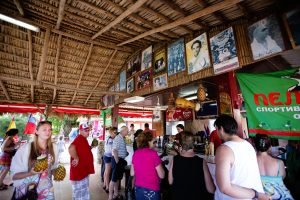
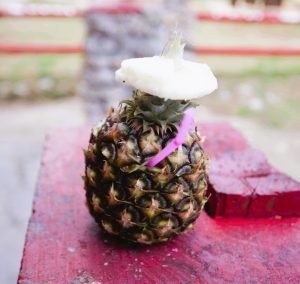
Our tour to Havana started with a stop for what our guide swore was “the best Piña Colada in all of Cuba” and you know how guides are… hahaha.
But honestly? He wasn’t wrong.
It was something special, smooth, fresh, and nothing like any Piña Colada we had after that. A perfect start to the day.
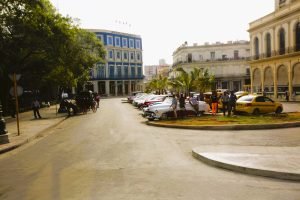
I was so excited to see Havana. I couldn’t wait to land and step straight into what felt like the 1950s, a time capsule frozen before the U.S. embargo. And I swear, it really did feel like walking onto the set of an old Hollywood movie.
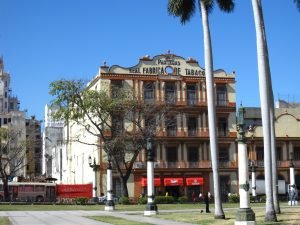
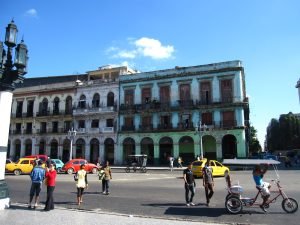
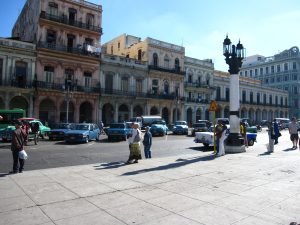
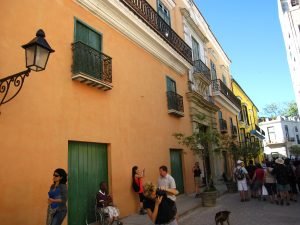
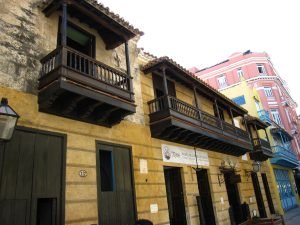
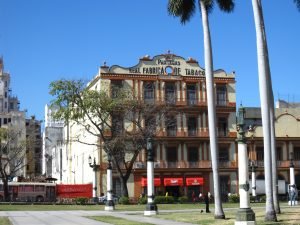
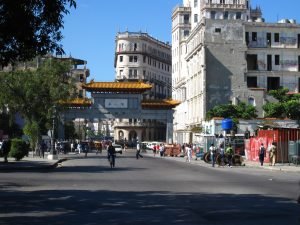
The city was unlike anywhere I’d ever been. Grand colonial buildings stood proudly beside elegant Art Deco facades, their faded pastel colors peeling away with age. They were weathered and crumbling in the most romantic way, each one looking as though it had a thousand stories to tell. Instead of taking away from Havana’s beauty, the imperfections gave it a charm that was impossible to resist.
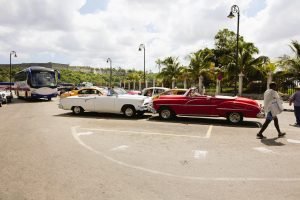
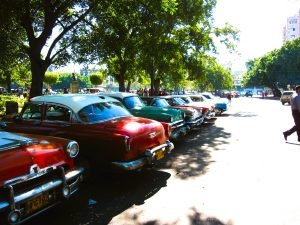
Then there were the cars. Everywhere I looked, the streets were filled with beautifully preserved Chevrolets, Cadillacs, Buicks, and Fords, turning the city into an open-air museum of classic American automobiles. Some gleamed in bright shades of turquoise, pink, and cherry red, while others proudly wore the marks of decades gone by. Seeing them cruise through Havana’s historic streets felt surreal, like time had simply decided to stand still.
Even the people seemed to belong to another era. Many dressed with effortless elegance, and their hairstyles reminded me of the glamorous looks I’d only ever seen in classic American films. Combined with the vintage cars, colonial architecture, and the sounds of music drifting through the streets, it was easy to forget what year it was. For a moment, I truly felt as though I had traveled back in time.
El Capitolio
El Capitolio, Havana’s National Capitol Building, was once the seat of the Cuban Congress, kind of like Cuba’s version of a parliament or legislative building. These days, it’s home to the Cuban Academy of Sciences, but the grandeur still screams “power.” The huge dome, that attracts you from far away, the marble staircases, and sheer size make it feel like a political palace from another era.
Havana Cathedral (San Cristóbal)
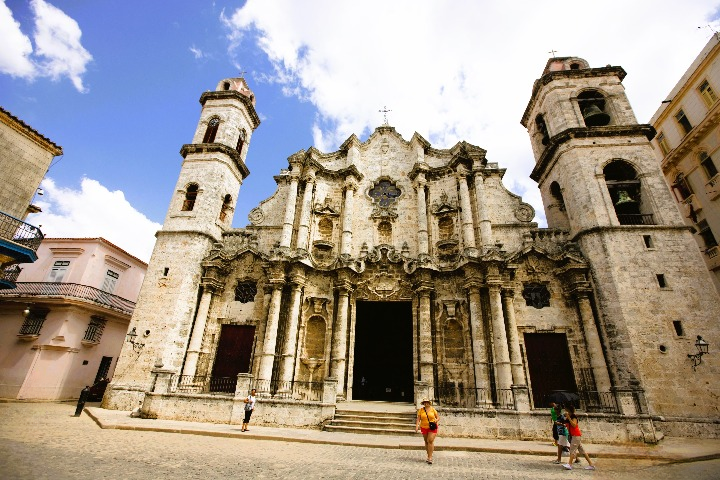
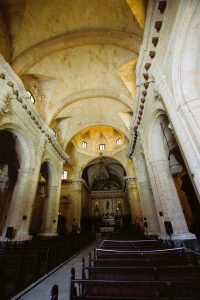
We also visited the Havana Cathedral, San Cristóbal De La Havana, right in the heart of Old Havana. It’s one of those places that feels quietly powerful, with its uneven baroque towers, stood tall and slightly crooked, like a proud old man who’s seen everything. The architecture is beautiful in that “perfectly imperfect” Cuban way.
Basilica Menor de San Francisco de Asís
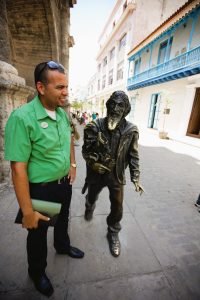
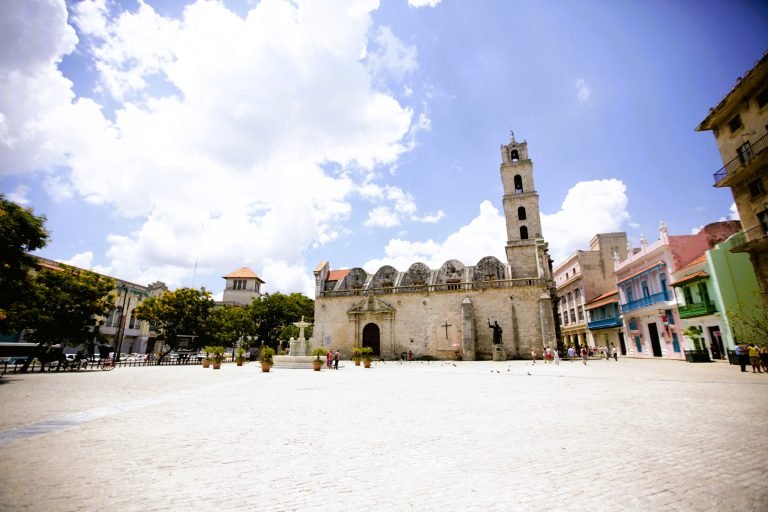
Not far from Havana Cathedral is The Basilica Menor de San Francisco de Asís, with its peaceful square and the famous statue of El Caballero de París, known for his poetic charm, mysterious past, and kind, gentlemanly presence,don’t forget to rub the beard for good luck (of course I did).
Plaza de Armas
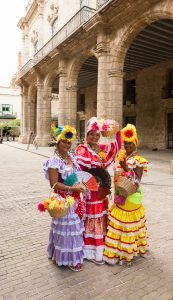
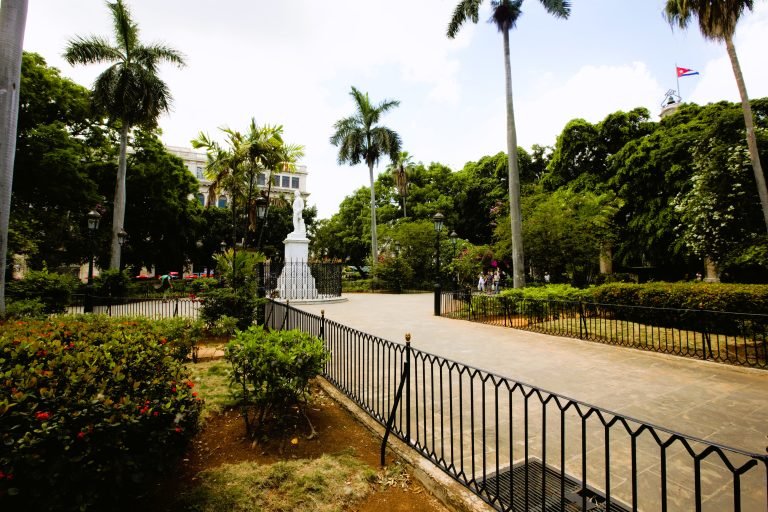
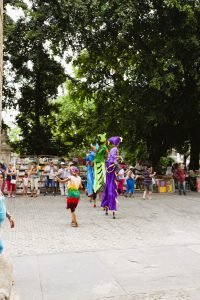
Plaza de Armas is Havana’s oldest and most historic square, dating back to the early days of the city’s founding in the 16th century. Once used for military drills and official ceremonies, it has since become one of the most charming and peaceful corners of Old Havana.
Today, the square is shaded by tall royal palms and leafy trees, creating a relaxing oasis away from the bustling streets. At its center stands a statue of Carlos Manuel de Céspedes, widely regarded as the “Father of the Cuban Nation” for launching Cuba’s first war of independence. The plaza is surrounded by beautiful colonial buildings, many of which have been carefully restored and now house museums, galleries, and cultural institutions.
One of my favorite features was the delightful open-air book market. Stalls filled with vintage books, old maps, photographs, posters, and historical memorabilia lined the walkways beneath the palms, making it the perfect place to browse, even if you weren’t planning to buy anything.
Palacio de los Capitanes Generales
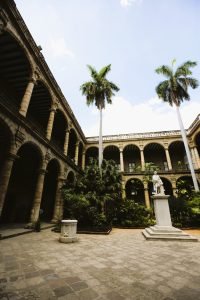
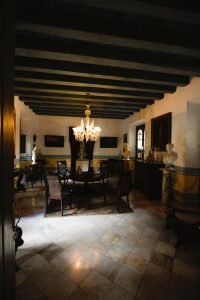
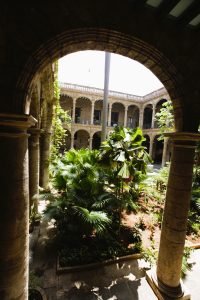
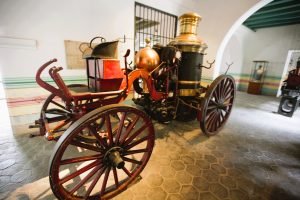
On one side of Plaza de Armas, facing the palm-lined garden, stands the Palacio de los Capitanes Generales, once home to Cuba’s colonial governors, and now a museum that feels like stepping into a perfectly preserved Spanish-era mansion. Just a few steps away, across the street, sits the Castillo de la Real Fuerza, guarding the bay like an old stone soldier.
La Conversacion Sculpture
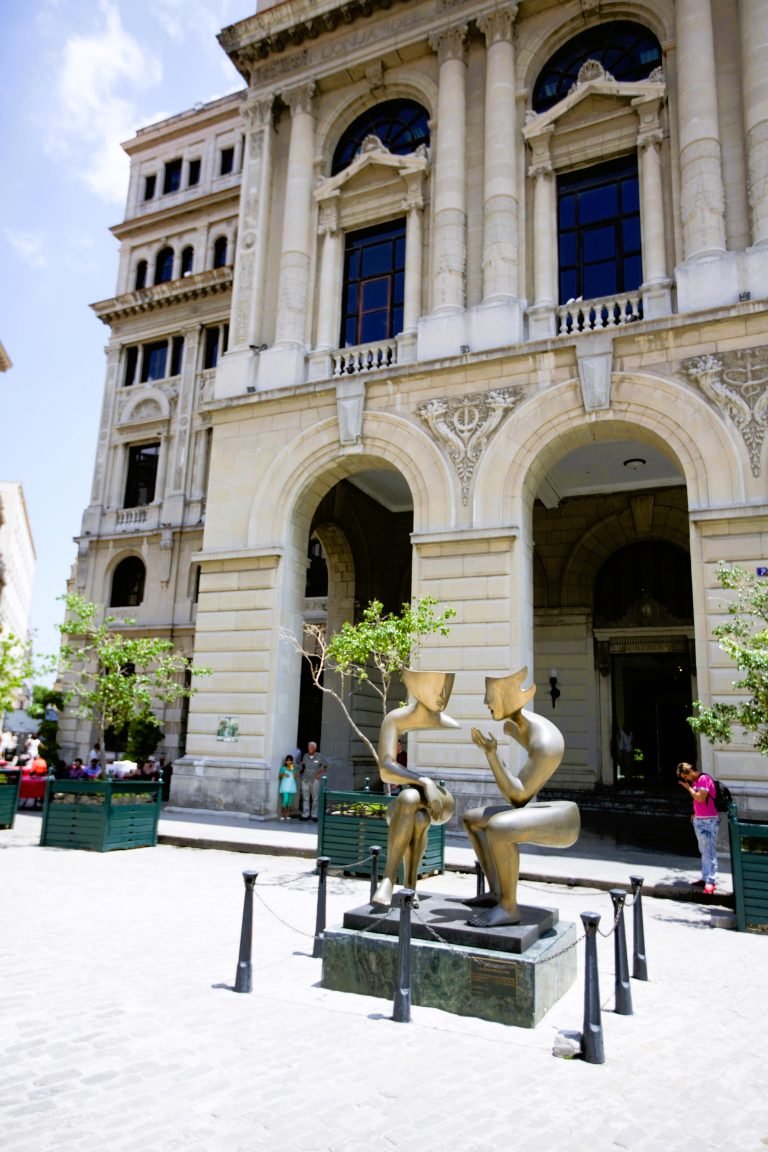
La Conversación is a bronze sculpture located in Plaza de San Francisco de Asís in Old Havana, donated as a gift from France to Cuba, the artwork features two seated human figures engaged in silent dialogue, with parts of their bodies intentionally left missing. These empty spaces symbolize the unspoken aspects of communication, what is felt but not said. The sculpture emphasizes the importance of meaningful, face-to-face conversation in an increasingly disconnected world.
Castillo de la Real Fuerza
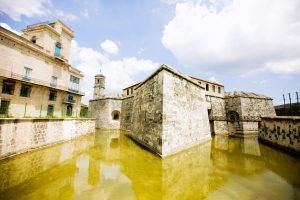
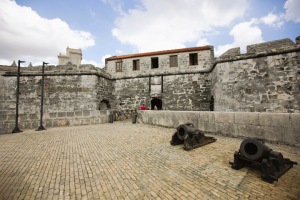
The Castillo de la Real Fuerza is a 16th-century fortress located in Plaza de Armas, and is considered the oldest stone fort built by Europeans in the Americas. Built by the Spanish to defend against pirate attacks, it later served as the governor’s residence and now houses a naval museum. Its most famous feature is La Giraldilla, a bronze weather vane and iconic symbol of Havana.
Museo Armeria 9 de Abril
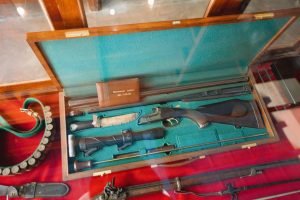
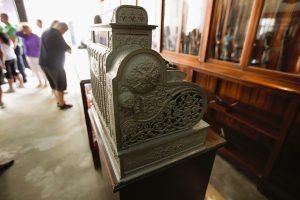
Located on Calle Mercaderes in Old Havana, this museum occupies the building of the “Compañía Armería de Cuba” armory.
It commemorates an event on April 9, 1958, when the revolutionary “Movimiento 26 de Julio” attempted to assault the armory, an action that failed and cost several young militants their lives. The museum, opened in 1971, displays weapons from that period, old arms, hunting and fishing gear, and historical documents related to the revolutionary struggle.
La Cabana
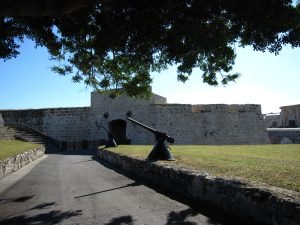
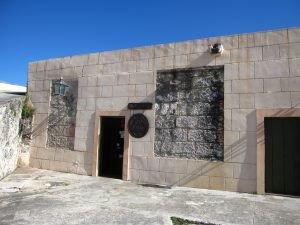
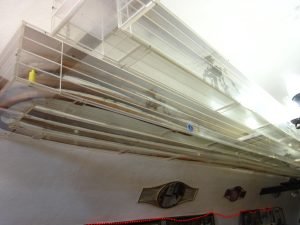
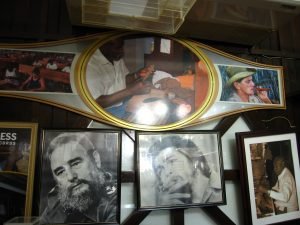
La Cabaña (Fortaleza de San Carlos de la Cabaña) is one of the largest colonial fortresses in the Americas. Built by the Spanish in the 18th century after Havana was captured by the British, it was designed to protect the city’s strategic harbor and remains one of Havana’s most important historical landmarks.
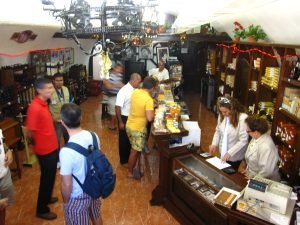
Today, you can wander through its massive stone walls, courtyards, tunnels, and panoramic viewpoints overlooking Havana Bay. The fortress also houses several museums, cultural exhibits, souvenir shops, and one of the places that caught my attention the most: La Tríada, a cigar shop dedicated to Cuba’s world-famous cigar-making tradition.
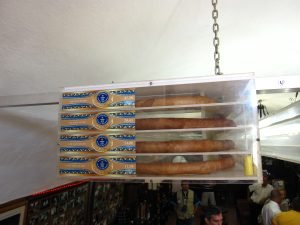
This is where legendary cigar roller José “Cueto” Castelar earned international recognition. In 2011, inside La Tríada at the Morro-Cabaña complex, he hand-rolled a cigar measuring an astonishing 81.80 metres in length, earning a Guinness World Record. It’s a fascinating stop that adds another layer to the fortress’s rich history.
Mercado de Artesanías San José
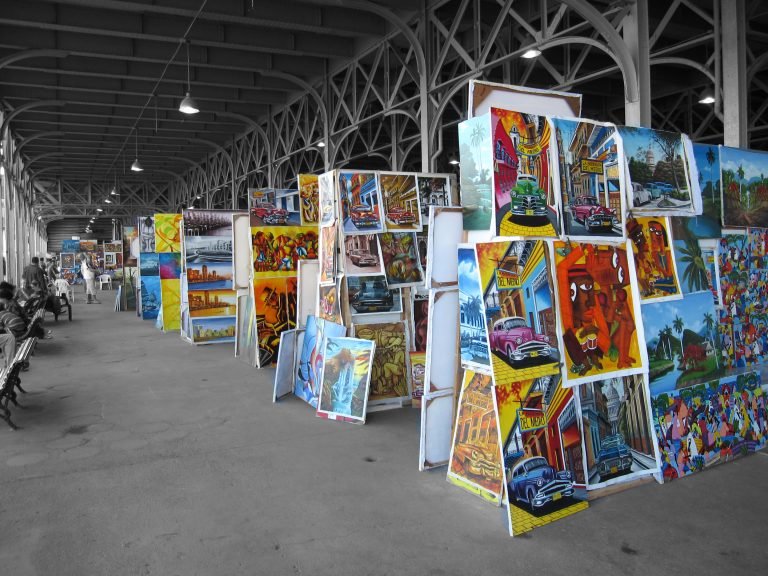
Almacenes San José is a large artisan market in Old Havana, housed in a refurbished harbor‑front warehouse. Inside you’ll find stalls selling everything from ceramics, guayaberas, leather goods and woodwork to original Cuban paintings and souvenirs. The upstairs area is especially nice: less crowded, more art‑focused, more relaxed browsing. Walking through San José is enjoyable because of its atmosphere, colorful crafts, local artistry, small food vendors, waterfront views, and the chance to haggle and discover something unique. It is a delight even simply for taking photographs.
Havana Club Rum Museum
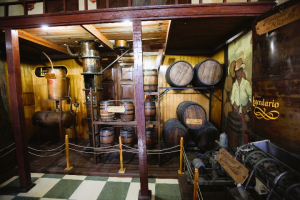
The Havana Club Rum Museum is located in Old Havana. It is housed in a restored colonial mansion and it offers an immersive journey through Cuba’s rum history. Visitors learn how rum is made, from sugarcane cultivation, through fermentation and distillation, to aging and blending, including displays like scale models of sugar plantations, mini‑distilleries, warehouses, and a working model steam train in some exhibits.
La Bodeguita del Medio
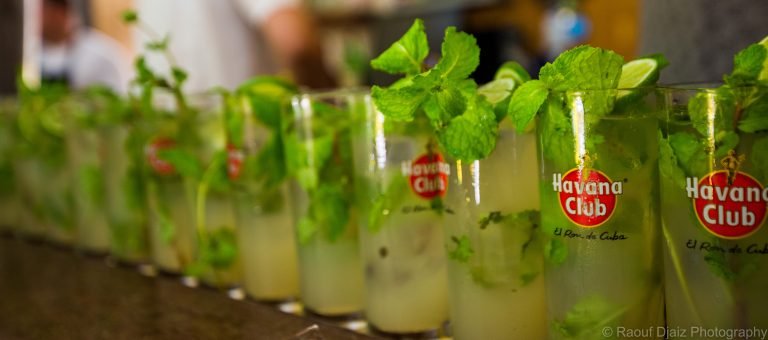
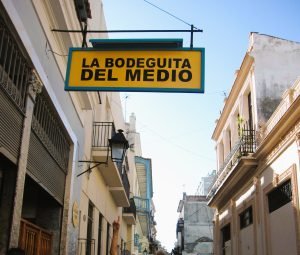
La Bodeguita del Medio is a legendary bar‑restaurant in Old Havana, Over the decades it has become a meeting point for writers, artists, politicians and travelers. La Bodeguita is famous for its mojitos, served since its early days, and today a mojito there is nearly non‑negotiable when visiting; it’s part of the experience, especially on hot Havana days.
Plaza de la Revolucion
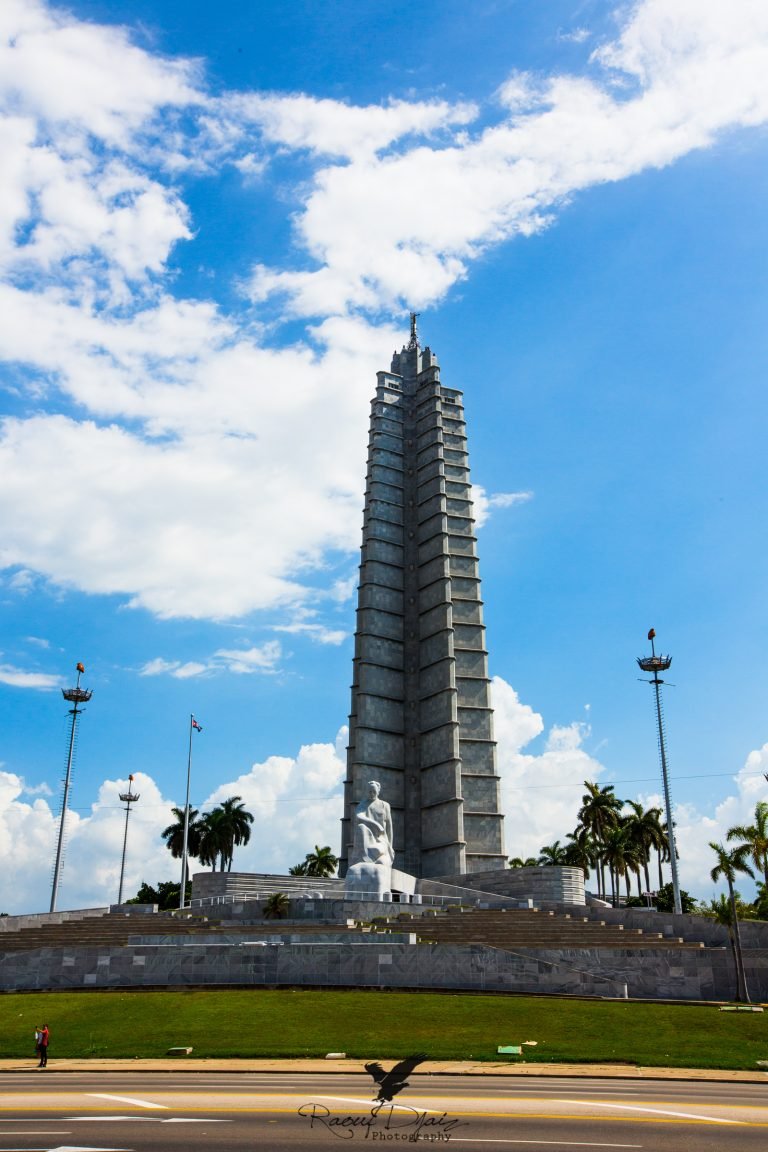
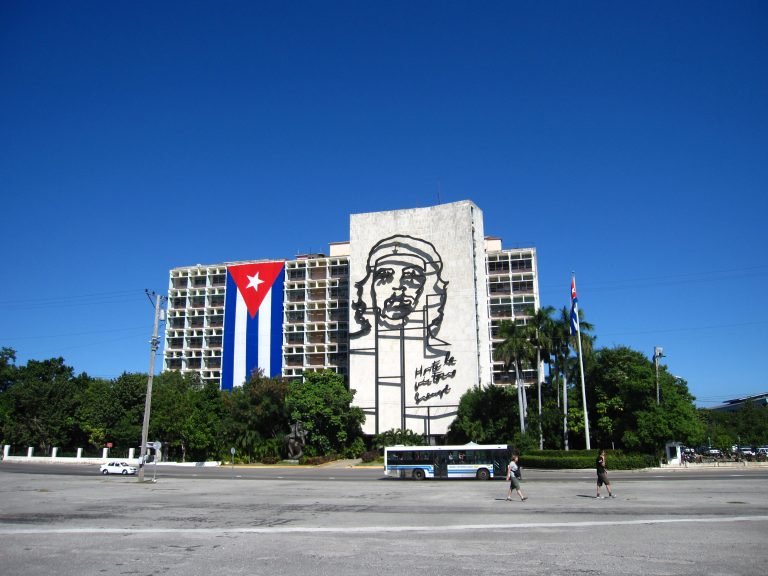
Plaza de la Revolucion, originally called Plaza Cívica, is a large public square in Havana covering about 72,000 m², it is the setting for major national political rallies, celebrations, and public events.
On the northern side of Plaza de la Revolución stands the Ministry of the Interior building. Its facade features a large steel mural of Ernesto “Che” Guevara. Under the image is written “Hasta la victoria siempre” (“Always toward Victory”).
Dominating the square is the José Martí Memorial, a 109‑meter‑tall star‑shaped marble tower with a marble statue of José Martí. Inside the base there is a museum and several exhibition rooms, and an elevator that takes you up for panoramic views of Havana.